
Setting a target for date set completion in coin collecting can feel like a big task. It’s easy to get lost in the details, but with a solid plan, you can make real progress. This guide is here to help you figure out how to actually finish that set you’ve been working on. We’ll go over how to set goals, find the coins you need, and keep your collection in good shape. The aim is to make your date set completion coin collecting journey smoother and more rewarding.
Key Takeaways
- Figure out what you want to collect first. Knowing if you’re after specific coins, a certain type, or just building value helps guide your search.
- Learn to spot the hard-to-find coins. Knowing which dates and mintmarks are scarce is key to finishing your set.
- Check coin condition carefully. A coin’s wear and tear greatly affect its value, so learn to grade them properly.
- Give yourself a realistic timeline and budget. Completing a set takes time and money, so plan accordingly.
- Work with trusted sources. Whether it’s dealers, shows, or online, make sure you’re buying from reliable places.
Defining Your Coin Collecting Goals
Before you even think about buying your first coin or filling that empty slot in an album, you need to figure out what you actually want from this hobby. It sounds simple, but having a clear idea of your objectives makes everything else so much easier. Are you looking to build a collection that might grow in value over time, or is this purely for the joy of history and the thrill of the hunt? Your goals will shape every decision you make.
Establishing a Clear Collecting Strategy
Think of a strategy as your roadmap. Without one, you might wander aimlessly, picking up coins that catch your eye but don’t really fit into a larger plan. This can lead to a scattered collection that’s hard to organize and even harder to complete. A good strategy helps you focus your efforts and resources.
Here are a few ways to start thinking about your strategy:
- Purpose: Why are you collecting? Is it for investment, historical interest, aesthetic appeal, or a combination?
- Scope: How broad or narrow will your collection be? Will you collect coins from a specific country, time period, or metal type?
- Completion: Are you aiming to complete specific sets, or are you more interested in acquiring individual, high-quality pieces?
A well-defined strategy prevents impulsive purchases and ensures that each acquisition contributes meaningfully to your overall collection objectives. It’s about making deliberate choices that align with your long-term vision.
Focusing on Specific Coin Series
Trying to collect every coin ever minted is, frankly, impossible. Most collectors find success and satisfaction by concentrating on a particular series. This could be something as common as Lincoln Cents or as specialized as early American Draped Bust Half Dollars. Focusing on a series allows you to become an expert in that area, understand its nuances, and track down the specific dates and mintmarks needed for completion. It also makes identifying and investing in valuable coins much more manageable.
Understanding Investment vs. Hobby Collecting
It’s important to be honest with yourself about whether your primary motivation is financial gain or personal enjoyment. While many coins can appreciate in value, treating coin collecting solely as an investment can sometimes overshadow the historical and personal satisfaction the hobby offers. Hobby collectors often prioritize coins that speak to them personally, regardless of their immediate market potential. Investors, on the other hand, will focus more on rarity, condition, and market trends to maximize returns. Many collectors find a balance between the two, enjoying the pursuit while also being mindful of potential value.
Researching Key Dates for Set Completion
To really get a handle on finishing a coin collection, you’ve got to know which coins are the tough ones to find. These aren’t just any old coins; they’re the ones that make collectors scratch their heads and spend extra time searching. We’re talking about ‘key dates’ – the coins that were made in smaller numbers or are just super popular with everyone else collecting the same thing.
Identifying Scarce and High-Demand Coins
When you’re building a set, some dates just stand out because they’re harder to come by. Think about the 1931-S Lincoln cent. During the Great Depression, not many were made, so finding one today is a big deal. It’s often called the ‘key date’ for that whole series. Another one people talk about is the 1909-S, the first year the San Francisco mint made them, but without the ‘VDB’ initials. It’s valuable, but not as crazy expensive as the 1909-S with the VDB.
These coins are in high demand because everyone wants to complete their set. This means their prices go up, and they become the main focus for many collectors. It’s like trying to find a specific piece in a giant puzzle – some pieces are just rarer than others.
Utilizing Price Guides and Market Trends
So, how do you figure out which coins are the tough ones and what they’re worth? Price guides are your friend here. They list coins by date and mintmark, and give you an idea of what they might cost. But don’t just take one guide’s word for it. Look at a few different ones, and check out what coins are selling for online, maybe on auction sites or collector forums. This helps you see what’s happening in the market right now.
Prices can change, you know? Sometimes a coin that wasn’t a big deal a few years ago suddenly becomes more sought after. Keeping an eye on these trends helps you know when to buy and what to expect. It’s not just about the list price; it’s about what people are actually paying.
Recognizing Better Dates Within a Series
Beyond the absolute ‘key dates,’ there are also ‘semi-key dates’ and ‘better dates.’ Semi-key dates are the next tier down – still harder to find and more expensive than common coins, but more achievable than the main key dates. For example, in the Lincoln cent series, coins like the 1909 VDB, 1910-S, or 1922-D are often considered semi-keys. They add a good challenge without breaking the bank.
Then you have ‘better dates.’ These aren’t necessarily super rare, but they’re still more valuable than the everyday coins in the series. They might have had lower mintages for their year or mint, or perhaps they’re just less common in good condition. These are great for collectors who are just starting out or want to build a more complete set without spending a fortune. They offer a nice step up from the most common coins and help you learn more about what makes certain dates more desirable.
Here’s a look at some examples:
| Category | Example Coins |
|---|---|
| Key Dates | 1931-S, 1909-S (no VDB) |
| Semi-Key Dates | 1909 VDB, 1910-S, 1914-S, 1922-D, 1926-S |
| Better Dates | 1909, 1911-D, 1913-D, 1916-S, 1925-S, 1932-D |
Understanding these different levels of rarity – key, semi-key, and better dates – is really important. It helps you plan your search, set a realistic budget, and know what to look for when you’re hunting for those pieces to finish your collection. It’s all about knowing the landscape of your chosen series.
Accurate Coin Identification and Valuation
Figuring out exactly what coin you have and what it’s worth can feel like a puzzle sometimes. It’s not just about the date stamped on the metal; a lot more goes into it. Getting this part right is key to building a collection you’re happy with and understanding its real worth.
Reading Dates, Mintmarks, and Conditions
When you look at a coin, the first things you’ll probably notice are the year it was made and any letters. The year is straightforward, but those letters, called mintmarks, tell you where the coin was produced. A small ‘D’ might mean Denver, while a ‘S’ could be San Francisco. These little marks can make a big difference in how rare a coin is. For example, a coin from a less busy mint might be harder to find than one from a major production center. Beyond that, you need to look at the coin’s overall condition. Is it worn smooth, or are the details still sharp? This is where things get a bit more detailed.
Here’s a quick rundown of what to check:
- Date: The year the coin was minted.
- Mintmark: A letter indicating the mint where the coin was produced (e.g., D, S, P, O).
- Condition: The state of wear and tear on the coin’s surfaces.
Leveraging Online Resources and Catalogs
Once you’ve got a handle on the basics, the next step is to use the tools available to you. There are tons of resources out there that can help you identify your coins and get a sense of their value. Think of them as your coin detective kit. You can use apps that help identify over 240,000 coin types with impressive accuracy, even distinguishing between different finishes and offering market value information. Printed catalogs and online databases are also super helpful. They list coins by series, date, and mintmark, giving you a way to compare what you have with known examples. It’s a good idea to check a few different sources to get the most reliable information. You can often find detailed information on specific coin series and their variations at places like Coin Identification Apps.
Understanding Different Types of Coin Value
It’s important to know that a coin can have several kinds of value. There’s the face value, which is what the coin is worth as currency (like a dollar or a quarter). Then there’s the market value, which is what people are actually willing to pay for it right now. This can change a lot based on how many people want that specific coin and how many are available. Some coins also have an intrinsic value, usually based on the metal they’re made of, like silver or gold. Finally, there’s book value, which you’ll find in price guides. This is an estimate, and the actual market value might be higher or lower.
The value of a coin isn’t just a single number. It’s a mix of its rarity, its condition, historical interest, and what collectors are looking for at any given time. Understanding these different aspects helps you see the bigger picture when you’re trying to figure out what your coins are worth.
Here’s a simple breakdown:
- Face Value: The denomination printed on the coin.
- Market Value: What collectors will pay for it today.
- Intrinsic Value: The worth of the metal content.
- Book Value: The estimated price found in coin guides.
Assessing Coin Condition for Value
The physical state of a coin is a huge part of what makes it desirable to collectors, and therefore, what determines its worth. Even a rare coin can lose a lot of its appeal and value if it’s heavily worn or damaged. Think of it like a vintage car; a pristine model will always fetch more than one that’s been rusting in a field for decades.
The Importance of Coin Grading
Coin grading is basically a standardized way to describe a coin’s condition. It uses a scale, often from 1 to 70, to rate everything from the amount of wear to the coin’s overall appearance. A coin graded as ‘Mint State’ (MS) means it hasn’t been circulated and shows no signs of wear. As the grade drops, so does the level of wear. For example, an ‘Extremely Fine’ (XF) coin might show very light wear on the highest points, while a ‘Good’ (G) coin will have most of its design visible but heavily worn.
- Mint State (MS-60 to MS-70): No wear, often with full original luster.
- About Uncirculated (AU-50 to AU-58): Very light wear, only visible under magnification.
- Extremely Fine (XF-40 to XF-45): Light wear on high points, but most detail remains.
- Very Fine (VF-20 to VF-35): Moderate wear, but all major details are clear.
- Fine (F-12 to F-15): Significant wear, design is visible but flattened.
- Good (G-4 to G-6): Heavy wear, design is outlined, major details are missing.
- Poor (P-1): Barely identifiable.
Recognizing Wear and Damage
Wear happens naturally when coins are used in commerce. You’ll see it as a softening of details, especially on raised areas like a portrait’s hair or a shield’s design. Damage, on the other hand, is usually something more severe – scratches, nicks, bends, or corrosion. These are often deal-breakers for serious collectors. A coin’s original luster, that frosty or shiny surface, is also a key indicator of its condition and desirability.
Avoiding Unprofessional Coin Cleaning
This is a big one. Many collectors consider cleaned coins to be ruined, regardless of their original rarity. Cleaning can remove the natural patina and surface texture, making the coin look unnaturally shiny or even dull. It’s almost always better to leave a coin as-is, even if it looks a bit dirty, than to risk damaging it with improper cleaning. If you think a coin might benefit from cleaning, it’s best to consult with a professional first.
Building a Realistic Timeline for Completion
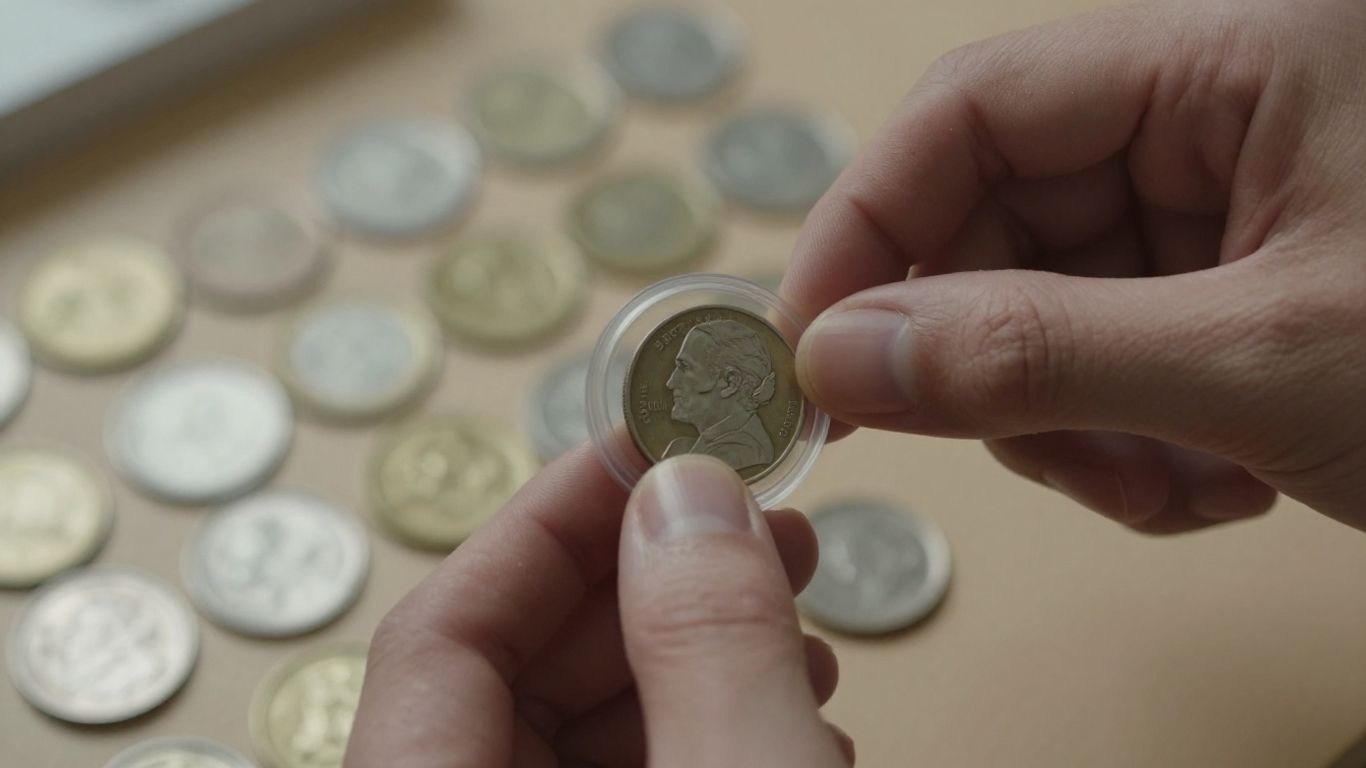
Setting a target date for completing your coin collection isn’t about rushing the process; it’s about creating a roadmap. Without a plan, it’s easy to get sidetracked or discouraged. A realistic timeline helps you stay focused and celebrate progress along the way. Think of it less as a hard deadline and more as a guide to keep your collecting journey on track.
Setting Achievable Milestones
Breaking down the monumental task of completing a set into smaller, manageable goals makes the whole endeavor feel less overwhelming. Instead of just aiming for ‘completion,’ set targets like acquiring all the coins from a specific year or mintmark within a series. This approach allows for regular wins and keeps motivation high. For instance, you might aim to complete a specific year’s issues within the first six months, or perhaps focus on acquiring all the ‘common’ dates before tackling the tougher ones.
- Identify your ‘key dates’ and ‘semi-key dates’ first. These are often the most challenging and expensive coins to find, so knowing what they are early on helps in planning your acquisition strategy.
- Group coins by year or mintmark. This can make it easier to track your progress and identify immediate acquisition targets.
- Set a quarterly goal. Aim to acquire a certain number of coins or a specific subset of your target series each quarter.
Budgeting for Acquisitions
Coin collecting can be as expensive or as affordable as you make it, but a budget is non-negotiable for a structured timeline. Knowing how much you can realistically spend each month or year will dictate the pace at which you can acquire new pieces. This also helps prevent impulse buys that might derail your long-term financial plan for the collection. Remember to factor in not just the purchase price but also potential shipping costs, insurance, and any supplies you might need.
Here’s a simple way to think about your budget:
| Category | Estimated Monthly Cost | Notes |
|---|---|---|
| Key Date Coins | $X | Prioritize based on availability and price |
| Semi-Key Date Coins | $Y | |
| Common Date Coins | $Z | Often purchased in bulk or lots |
| Supplies | $A | Holders, albums, cleaning supplies (use sparingly) |
| Auction Fees | $B | If you plan to bid at coin auctions |
| Total | $Total | Adjust based on your financial situation |
A well-thought-out budget is the backbone of a sustainable collecting timeline. It prevents overspending and ensures that you can consistently acquire the coins you need without financial strain. It’s about making smart choices that align with your long-term goals.
Patience in the Pursuit of Rare Finds
Some coins are simply harder to come by than others. Rare dates, specific varieties, or coins in exceptionally high grades can take years to surface at a price you’re willing to pay. This is where patience becomes your greatest asset. Don’t get discouraged if you can’t find that one elusive coin immediately. Instead, view the search as part of the adventure. Building relationships with dealers and other collectors can often lead to opportunities that aren’t publicly advertised. Sometimes, the best strategy is simply to wait for the right coin to appear on the market.
Sourcing Coins for Your Collection
Finding the right coins to complete your collection can feel like a treasure hunt. It’s not just about stumbling upon them; it often involves a bit of strategy and knowing where to look. The key is to connect with reliable sources that offer quality coins and fair pricing.
Navigating Reputable Coin Dealers
Coin dealers are a primary resource for collectors. A good dealer can be a wealth of knowledge and a consistent source for the coins you need. When looking for a dealer, consider these points:
- Reputation: Look for dealers who are members of professional organizations like the American Numismatic Association (ANA) or the Professional Numismatists Guild (PNG). These affiliations often indicate a commitment to ethical practices.
- Experience: Dealers who have been in business for a long time often have a deep understanding of the market and a good inventory.
- Transparency: A reputable dealer will be upfront about pricing, coin condition, and any potential issues.
It’s wise to visit a few different dealers, if possible, to compare their stock and pricing. Don’t be afraid to ask questions; a good dealer will be happy to help.
Exploring Online Marketplaces Safely
Online platforms have made it easier than ever to find specific coins, but they also come with risks. You can find everything from major auction sites to specialized dealer websites.
- Seller Reviews: Always check seller ratings and read reviews from other buyers. Look for consistent positive feedback regarding authenticity and accurate descriptions.
- Detailed Descriptions and Photos: Ensure the listing includes clear, high-resolution photos of the actual coin being sold, not just stock images. The description should detail the coin’s date, mintmark, and condition.
- Return Policies: A seller with a clear and fair return policy can offer peace of mind. If something isn’t right, you have recourse.
Be cautious of deals that seem too good to be true. It’s often better to pay a little more for a coin from a trusted online seller than to risk purchasing a counterfeit or misrepresented item.
Attending Coin Shows and Auctions
Coin shows and auctions offer a dynamic environment for acquiring coins. You can often find a wide variety of items and potentially negotiate prices.
- Coin Shows: These events bring many dealers together in one place, allowing you to compare inventory and prices side-by-side. They are also great places to learn and network with other collectors.
- Auctions: Both live and online auctions can be exciting. You might find rare coins here, but be mindful of buyer’s premiums and the potential for bidding wars.
When attending shows or auctions, do your homework beforehand. Know what you’re looking for and have a price in mind. It’s easy to get caught up in the moment and overspend if you’re not prepared. Stick to your budget and focus on coins that genuinely fit your collection goals.
Leveraging Professional Expertise
Sometimes, you just need a little help from the pros. Trying to figure out the value of a rare coin or authenticate a questionable piece can be tough. That’s where coin experts come in.
Consulting Numismatic Professionals
Numismatists, or coin experts, have spent years studying coins. They know the ins and outs of different series, mintages, and historical significance. When you’re stuck on identifying a coin or need to understand its true market worth, talking to a professional numismatist can save you a lot of guesswork and potential mistakes. They can spot details that a beginner might miss, like subtle varieties or signs of tampering.
- Identify rare varieties and errors: Professionals can often distinguish between common coins and those with unique characteristics that increase their value.
- Provide historical context: They can explain the significance of a coin beyond its metal content or date.
- Guide acquisition strategies: An expert can advise on which coins to pursue for a specific set or investment goal.
Understanding Appraisal Services
If you’re looking to sell your collection or simply want a formal valuation, an appraisal service is the way to go. Appraisers are trained to assess a coin’s condition, rarity, and market demand to give it a price. It’s important to know what you’re getting into before you pay for an appraisal.
- Types of Appraisals: Appraisals can be done for insurance purposes, estate settlements, or simply for your own knowledge. The purpose can sometimes influence the approach.
- Fees and Transparency: Always ask about appraisal fees upfront. Some appraisers charge by the hour, while others might take a percentage of the appraised value (though this is less common and can be a conflict of interest).
- Written Reports: A good appraisal should come with a detailed written report outlining the coins, their condition, and the valuation. This document is important for your records.
When seeking professional help, remember that their knowledge comes with a cost. Be clear about services rendered and any associated fees to avoid misunderstandings. A reputable professional will be upfront about their charges.
Verifying Dealer Reputation
Not all coin dealers are created equal. It’s wise to do your homework before buying from or selling to someone. A dealer’s reputation can tell you a lot about their honesty and fairness.
- Check Online Reviews: Look for reviews on independent platforms. While some reviews can be biased, a pattern of consistent feedback, good or bad, is usually telling.
- Professional Memberships: Dealers who are members of organizations like the American Numismatic Association (ANA) or the Professional Numismatists Guild (PNG) often adhere to a code of ethics. This doesn’t guarantee perfection, but it’s a good sign.
- Ask for References: If you’re dealing with a significant transaction, don’t hesitate to ask for references from other collectors or dealers.
Building trust with reputable professionals is a cornerstone of successful and enjoyable coin collecting.
Managing Your Collection Over Time
Proper Coin Storage and Preservation
Keeping your coins in good shape is really important if you want them to keep their value. Think of it like storing fine art; you wouldn’t just leave it out in the sun, right? The same goes for your coins. You need to protect them from things like humidity, big temperature swings, and even just the oils from your hands. Using the right kind of holders is key. Avoid anything with PVC, as that stuff can actually damage coins over time. Archival-quality flips, capsules, or sleeves are much better choices. These protect the coins from scratches and keep them from touching each other, which can cause wear.
- Control the environment: Store your collection in a place with stable temperature and humidity. Basements and attics are usually not the best spots.
- Handle with care: Always hold coins by their edges. Never touch the surfaces, as fingerprints can lead to toning or corrosion.
- Use appropriate holders: Opt for inert, archival-grade materials like Mylar, polyethylene, or polypropylene for flips and capsules.
A common mistake is thinking a little polish will make a coin look better. In reality, cleaning a coin, even with the best intentions, can significantly reduce its numismatic value. It’s almost always better to leave a coin as it is, preserving its original state.
Maintaining an Accurate Inventory
As your collection grows, keeping track of what you have becomes a bigger job. A detailed inventory list is more than just a record; it’s a vital tool. It helps you see what you own, what you still need, and can be incredibly useful for insurance purposes or if you ever need to sell part of your collection. You can use a simple spreadsheet or specialized collection management software. Make sure to record details like the coin’s date, mint mark, denomination, condition (grade), purchase price, and where you bought it.
Here’s a basic structure for your inventory:
| Coin Name/Type | Date | Mint Mark | Condition (Grade) | Purchase Price | Purchase Date | Notes |
|---|---|---|---|---|---|---|
| Lincoln Cent | 1909-S | S | AU-58 | $150.00 | 2024-01-15 | Key date |
| Morgan Dollar | 1884-CC | CC | MS-63 | $300.00 | 2024-02-20 | Scarce mint |
| Buffalo Nickel | 1937-D | D | VF-20 | $25.00 | 2024-03-10 | Semi-key date |
Adapting to Market Fluctuations
Coin values aren’t static; they change based on supply, demand, and even the broader economic climate. It’s wise to stay informed about market trends. This doesn’t mean you have to constantly buy and sell, but understanding how the market is moving can help you make better decisions about acquisitions and when might be a good time to sell a particular coin or set. Keep an eye on price guides, auction results, and numismatic news. Being aware of these shifts allows you to protect your investment and potentially capitalize on opportunities. Sometimes, a coin you thought was common might become more sought after, or a rare coin might see a dip in demand. Staying informed helps you navigate these changes without making rash decisions.
Strategies for Achieving Date Set Completion
Completing a coin set, especially one with many dates and mint marks, requires a plan. It’s not just about buying coins; it’s about smart buying and knowing what to look for. This section breaks down how to approach finishing your collection.
Prioritizing Key Dates and Semi-Keys
When you’re trying to finish a set, you can’t just grab any coin. Some dates are way harder to find than others. These are often called "key dates." For example, in the Lincoln cent series, the 1909-S and the 1931-S are major hurdles. They’re rare because fewer were made or they were lost to time. Then there are "semi-key dates." These aren’t as tough as the main key dates, but they’re still a challenge and cost more than common coins. Think of dates like the 1910-S or 1922-D. Focusing on these first makes sense. You tackle the biggest obstacles early, which can be really motivating. It also helps you understand the market for these tougher coins.
Here’s a look at some important semi-key dates in the Lincoln cent series:
- 1909 VDB
- 1910-S
- 1911-S
- 1912-S
- 1913-S
- 1914-S
- 1915-S
- 1922-D
- 1924-D
- 1926-S
Tackling these semi-key dates before the absolute key dates can make the process feel more manageable. It’s a good way to build your collection without breaking the bank immediately.
Considering Varieties and Errors
Beyond just the date and mint mark, some coins have special features that make them stand out. These are called varieties and errors. Varieties are slight differences in the die used to strike the coin, like a doubled die where the image looks like it was struck twice. Errors happen during the minting process, such as a coin being struck on the wrong metal planchet or having a significant off-center strike. Some of these, like the 1943 bronze Lincoln cent (which should have been steel) or the famous 1955 doubled die obverse, are incredibly rare and valuable. While not strictly necessary for a basic date set, collecting these can add a whole new dimension to your pursuit. They often command very high prices, so they’re usually for more advanced collectors or those with a specific interest in these anomalies. It’s worth knowing about them, though, as they can represent significant finds. For instance, the 1970-D half dollar is a coin many collectors focus on due to its low mintage [00f0].
Collecting varieties and errors adds a layer of complexity and potential value to your set. While not always required for basic completion, they can represent unique opportunities for dedicated numismatists.
The Role of Patience in Date Set Completion
Finishing a coin set, especially a challenging one, is a marathon, not a sprint. You’ll need a good amount of patience. Some coins might take years to find at a price you’re comfortable with. You might see a coin you need pop up, but it’s in terrible condition or way too expensive. It’s tempting to buy the first thing you see, but resisting that urge and waiting for the right coin is usually the better move. This means keeping an eye on auctions, dealer inventories, and coin shows. It also means being okay with not having every single coin right away. Building a collection takes time, and that’s part of the fun. You learn a lot by searching, researching, and waiting for those special pieces to appear. Remember, the journey of finding each coin is as rewarding as the final completed set.
Wrapping Up Your Coin Collecting Journey
So, setting a date for finishing your coin collection isn’t really about a hard deadline, is it? It’s more about having a plan and knowing when to adjust it. We’ve talked about figuring out what you want to collect, how to spot good buys, and how to keep your coins in good shape. Remember, the most important thing is to enjoy the hunt and the history you’re holding. Whether you finish your set next year or in ten years, the experience of building it is what really counts. Keep learning, keep looking, and most importantly, keep having fun with it.
Frequently Asked Questions
What's the main difference between a coin's face value and its market value?
A coin’s face value is simply the amount written on it, like 25 cents for a quarter. Market value, however, is what people are willing to pay for it. This can be much higher than the face value if the coin is rare, in great shape, or in high demand among collectors.
How can I find the mintmark on a coin, and why is it important?
You can usually find the mintmark, a small letter or symbol, on the front (obverse) or back (reverse) of a coin. It tells you which U.S. Mint facility made the coin. This mark is important because different mints produced different amounts of coins, which can make some coins rarer and more valuable than others from the same year.
What are some common mistakes new coin collectors should try to avoid?
A big mistake is cleaning coins. Even a gentle wipe can damage the surface and lower its value significantly. It’s also wise to be careful when buying from dealers. Always check if they are well-known and respected before making a purchase to avoid being tricked.
How should I store my coins to keep them in good condition?
Keep your coins in a safe place where the temperature and humidity don’t change much. Always handle coins by their edges to avoid leaving fingerprints, which can cause damage over time. Using special plastic holders designed for coins can protect them from scratches and other harm.
What are 'key dates' and 'better dates' in a coin series?
Key dates are the rarest and most valuable coins in a series, often produced in smaller numbers. Better dates are coins that are more scarce or in higher demand than common dates but not as rare as key dates. They are often good starting points for collectors who want more valuable coins without spending too much.
Are coin varieties and errors worth collecting?
Yes, coin varieties (like a doubled die) and errors (like a coin struck on the wrong metal) can be very interesting and valuable to collectors. While not always needed to finish a basic set, many collectors seek them out because they are unique and can command high prices.
How can I figure out what my coins are worth?
You can start by looking at coin price guides, which list values based on the coin’s date, mintmark, and condition. Many websites also offer similar information. For very rare or valuable coins, it’s best to ask a professional coin dealer or appraiser for an accurate valuation.
What's the best way to buy coins for my collection?
You can find coins from reputable coin dealers, both in person and online. Attending coin shows and auctions can also be great places to discover new pieces. Just be sure to do your homework on the seller’s reputation and the coin’s condition before you buy.