
Getting into coin collecting can be a really fun hobby. You get to hold history in your hands, and it’s exciting to find those special pieces. But, like with any new interest, there are some common pitfalls that can trip up newcomers. Learning to spot and avoid these beginner coin collecting mistakes early on can save you a lot of headaches, money, and disappointment down the road. It’s not about being an expert overnight; it’s about building a solid foundation so your collection can truly grow and bring you joy.
Key Takeaways
- Do your homework before buying any coin. Look beyond just how it looks and research its history, rarity, and condition to avoid overpaying or getting a fake.
- Don’t let excitement or pressure push you into quick purchases. Take your time, understand the market, and make deliberate choices about what goes into your collection.
- The condition of a coin is super important for its value. Learn about grading standards and how to spot the difference between coins that look similar but are worth very different amounts.
- Protect your coins from damage. Improper cleaning can ruin a coin’s surface and value, and bad storage can lead to tarnish or corrosion.
- Keep good records of your coins, including where you got them and what you paid. This helps prevent buying duplicates and keeps your collection organized and trackable.
Understanding the Allure and Pitfalls of Coin Collecting
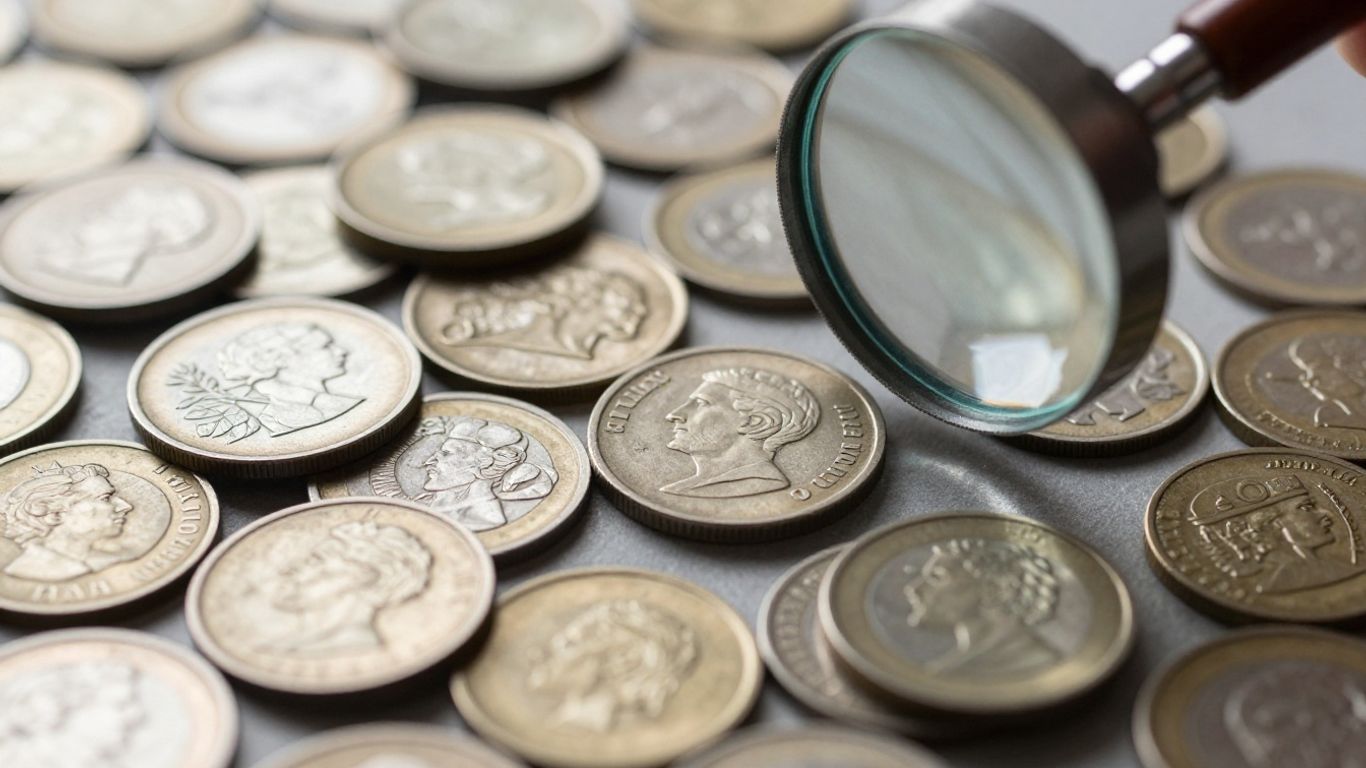
Coin collecting, or numismatics, draws people in for many reasons. It might be the history held within a coin, the thrill of the hunt for a rare piece, or simply the beauty of a well-struck design. This hobby spans all ages and experience levels, from someone just starting out to seasoned collectors with decades of experience. The excitement is real, and it’s easy to see why so many people get hooked.
However, like any pursuit, there are common mistakes that can trip up even the most enthusiastic collector. These aren’t usually malicious traps, but rather oversights that can cost you money, time, and the overall enjoyment of your collection. It’s often the simple errors, made without full awareness, that have the biggest impact.
The Excitement of Numismatics for All Levels
Numismatics offers a unique connection to the past and present. Each coin tells a story – of a nation, an event, or an era. For beginners, the initial draw might be a coin that looks interesting or relates to a personal interest, like a coin from their birth year or a favorite historical period. As collectors progress, they might find themselves drawn to the intricate details of minting processes, the nuances of different metal compositions, or the historical context surrounding specific coin issues. The community aspect is also a big draw, with many collectors enjoying sharing knowledge and discoveries with others.
Common Mistakes That Affect Collections
Many collectors, especially those new to the hobby, fall into predictable patterns of error. These can range from buying coins based purely on looks without understanding their true market value, to being swayed by the latest trends without doing proper research. Sometimes, it’s as simple as not knowing how to properly store or care for the coins once they’re acquired. These avoidable errors can significantly hinder the growth and integrity of a collection.
The Importance of Avoiding Avoidable Errors
Learning to sidestep these common pitfalls is key to a more rewarding collecting experience. By understanding what can go wrong, you can proactively protect your collection’s value and your own enjoyment. It’s about making informed decisions rather than reacting to impulse or misinformation. This careful approach helps build a collection that you can be proud of, one that reflects thoughtful acquisition and proper care.
Building a solid foundation of knowledge is the first step. Skipping this can lead to decisions based on assumptions or incorrect information, which is a disservice to your collecting goals.
The Crucial Role of Research Before Purchasing
Buying Based on Appearance Versus Fact
It’s easy to get drawn in by a coin’s looks. A coin might seem old, have a cool design, or just feel important in your hand. But here’s the thing: a coin’s appearance can be misleading. What looks like a rare find might actually be common, or worse, a fake. You can’t just assume a coin is valuable because it looks the part. You need to know its story, its history, and how many of them are actually out there.
Misjudging Rarity and Overlooking Details
This is where many beginners stumble. They see a coin, think it’s rare, and buy it without checking. Sometimes, a coin was made in huge numbers, so even if it’s old, it’s not that special. Other times, there are tiny differences between coins that make one much more valuable than another. These details, like the way the coin was struck or small marks on it, are easy to miss if you’re not looking closely or don’t know what to look for. It’s like buying a book without checking if it’s a first edition – you might end up with a perfectly fine copy, but not the one you thought you were getting.
Leveraging Trusted Resources for Informed Decisions
So, how do you avoid these traps? You need to do your homework. Before you spend any money, check reliable sources. This means looking at:
- Numismatic Guides and Catalogs: Books and online resources that list coins, their details, and estimated values. Think of them as the bibles for coin collectors.
- Auction Archives: See what similar coins have actually sold for recently. Don’t just look at the asking price; look at what people paid.
- Reputable Dealers and Experts: Talk to people who know their stuff. They can offer advice and help you spot good deals from bad ones.
Relying on solid information rather than just a coin’s shine or a seller’s pitch is the best way to build a collection you’ll be happy with for years to come. It takes a little extra time, but it saves a lot of headaches and money down the road.
Navigating the Dangers of Hype and Urgency
The Temptation of Quick Purchases
It’s easy to get swept up in the excitement of a new coin release or a limited-time offer. Sometimes, a coin is marketed heavily, making it seem like a must-have item right now. This feeling of urgency, often fueled by limited availability or a "fear of missing out," can lead collectors to make hasty decisions. They might buy a coin without doing their homework, simply because it’s popular or presented as a rare opportunity. This rush can mean paying more than the coin is really worth or acquiring something that doesn’t fit well into a long-term collecting plan.
Understanding Market Dynamics Beyond Trends
Coin values aren’t just about what’s popular this week. Real market value comes from a mix of things like how rare a coin is, its condition, and how many people want it over time. Chasing trends can be risky because what’s hot today might not be tomorrow. Prices can jump up quickly when a coin is trendy, but they can also fall just as fast if the trend fades. It’s important to look at the bigger picture, not just the immediate buzz.
Making Deliberate Acquisitions
To avoid falling into the hype trap, take a step back and think before you buy. Here are a few things to consider:
- Set a Budget: Decide how much you can spend before you even start looking. This helps prevent overspending when something catches your eye.
- Do Your Research: Before buying, check prices from different sources. Look at recent sales of similar coins to get a realistic idea of what it should cost.
- Focus on Your Interests: Buy coins that genuinely interest you and fit your collecting goals. This makes your collection more personal and less about following the crowd.
Rushing into coin purchases, especially when influenced by hype or a sense of urgency, often leads to overpaying and acquiring items that don’t align with your collecting vision. Patience and informed decision-making are key to building a collection you’ll be happy with for years to come.
Here’s a quick look at how prices can fluctuate:
| Coin Type | Initial Hype Price | After 6 Months (Trend Fades) | After 2 Years (Stable Market) |
|---|---|---|---|
| Limited Edition | $150 | $100 | $90 |
| Trendy Series | $75 | $60 | $55 |
| "Rare" Find | $200 | $180 | $170 |
Mastering the Fundamentals of Coin Condition and Grading
When you’re starting out in coin collecting, it’s easy to get swept up in the excitement of acquiring new pieces. You might see a coin that looks old and interesting, or perhaps one with a high listed price, and feel an urge to buy it right away. But before you hand over your money, it’s really important to understand how a coin’s condition and its official grade can drastically change its worth. Two coins that look pretty similar at first glance can actually be worlds apart in value because of small details you might miss.
The Significant Impact of Condition on Value
Condition is a huge deal in collecting. Think of it like this: a car that’s been meticulously maintained and kept in a garage will always be worth more than one that’s been left out in the elements, even if they’re the same make and model. The same applies to coins. Things like how well the coin was originally made (the strike), whether it still has its original shine (luster), and any marks or wear it has picked up over the years all play a big part. Even subtle things like the color of the surface, called toning, can be desirable or undesirable depending on the coin and the collector.
Understanding Professional Grading Standards
To help sort all this out, there are professional organizations that grade coins. They use a standardized system, often based on the Sheldon Scale, which runs from 1 (poor) to 70 (mint state). This scale gives a number to a coin’s condition. For example, a coin graded MS-65 (Mint State-65) is considered a very high-quality, nearly perfect coin, while a coin graded G-4 (Good-4) shows significant wear but still has its basic design features visible. It’s not just about wear, though; factors like how the coin was struck, its surface preservation, and its overall appearance are all considered. Knowing these standards helps you understand what you’re looking at and what a coin is likely worth.
Recognizing Subtle Differences in Eye Appeal
Even within the same grade, coins can look very different. This is where "eye appeal" comes in. Some coins just look better than others. Maybe one has a beautiful, even toning, while another has distracting scratches or spots. Perhaps one coin was struck with more force, showing sharper details. These are the kinds of things that experienced collectors look for. It takes practice to train your eye to see these differences, but it’s a skill that will save you from overpaying and help you find coins that are truly special.
Never, ever clean a coin you own. It might seem like a good idea to make it look shinier, but in almost all cases, cleaning will damage the coin’s surface and significantly reduce its value. Original surfaces are highly prized by collectors, and once they’re gone, they can’t be brought back. If you’re unsure about a coin’s condition or if it needs any kind of attention, it’s always best to consult with a professional numismatist before doing anything.
Preserving Your Collection's Integrity and Value
So, you’ve started building your coin collection, and things are looking good. But have you thought about how you’re keeping these pieces safe? It’s easy to get caught up in the thrill of acquiring new coins, but neglecting their preservation can undo all your hard work. Think of it like this: you wouldn’t buy a fancy car and then leave it out in the rain without a cover, right? Your coins deserve similar care.
The Detrimental Effects of Improper Cleaning
This is a big one, and it trips up a lot of new collectors. You might look at a coin and think, "It’s a bit dull, I could just give it a quick polish and make it shine." Please, don’t. Cleaning a coin almost always reduces its value, often significantly. Collectors prize original surfaces and the natural toning that develops over time. When you clean a coin, you’re not just removing dirt; you’re often removing microscopic layers of metal, creating fine scratches that are visible under magnification. This damage is permanent and irreversible. Even seemingly gentle methods can cause harm.
- Avoid abrasive materials: This includes cloths, brushes, or even toothpaste. They will scratch the surface.
- Resist the urge to "brighten" toning: Natural toning is often desirable and can indicate a coin’s history and environment. Artificial brightening looks just that – artificial – and collectors can spot it.
- Never use household cleaners: Many contain chemicals that can react with the metal and cause further damage.
If you’re unsure about a coin’s surface or if it has something on it that you think needs addressing, the best course of action is to do nothing. Seriously. Consult with a professional numismatist or a reputable dealer before you even consider touching it. They can advise if any conservation is possible and safe, but in most cases, leaving it alone is the wisest choice.
Preventing Damage from Environmental Factors
Coins are made of metal, and metal can react to its surroundings. Humidity, air pollution, and even the materials used to store them can cause slow, insidious damage. This can manifest as corrosion, spotting, or discoloration. It’s not just about keeping them clean; it’s about keeping them in a stable environment.
- Control humidity: High humidity can lead to corrosion. Aim for a stable relative humidity level, ideally between 35-50%.
- Minimize air exposure: While not always practical for display, limiting prolonged exposure to unfiltered air can help.
- Be mindful of storage materials: Some older albums or holders can release chemicals that damage coins over time. Always opt for archival-quality, inert materials.
The Importance of Proper Storage Materials
Choosing the right storage is more than just putting coins in a box. It’s about creating a protective barrier. This means using materials that won’t interact negatively with the metal of your coins. Think about acid-free paper, inert plastics like Mylar (polyester), or specialized coin holders and albums. Handling coins with bare hands is also a no-no. The oils from your skin can leave marks that, over time, can lead to spotting. Always handle coins by their edges, and if you need to handle them more extensively, wear lint-free cotton or nitrile gloves. This attention to detail is what separates a well-preserved collection from one that deteriorates over time. For more on this, you might find resources on archival coin storage helpful.
Safeguarding Against Deceptive Practices
Coin collecting can be exciting, but there are some real risks out there, especially for people just getting started. One thing you notice pretty quickly? There are quite a few pitfalls that can cost you, both financially and in peace of mind. Let’s look at the most common traps and how to steer clear of them.
Identifying and Avoiding Counterfeit Coins
Fake coins are everywhere, even in legitimate-looking places online. As a beginner, it’s not always obvious what’s real and what isn’t — especially if a deal looks flashy, rare, or just too good to ignore. Here are a few warning signs:
- Listings that push rarity, but don’t show clear photos or offer proof.
- Coins sold well below typical market prices.
- Sellers who refuse to answer questions or don’t have a clear return policy.
If you’re unsure, always go for coins certified by respected grading services like PCGS or NGC. It’s also smart to learn basic physical checks: weight, size, and obvious flaws can be telling. Apps and online databases are also a growing resource for spotting weird details that don’t match genuine coins.
Counterfeit Target List:
| Coin Type | Counterfeit Risk | Where to Watch |
|---|---|---|
| Modern Silver Bullion | High | Online sites |
| Limited Edition Releases | High | Private sales |
| High-value Commemoratives | Medium | Auctions |
| Popular International Coins | Medium-High | eBay/Markets |
The Risks of Deals That Seem Too Good to Be True
Impulse buys and supposedly ‘can’t-miss’ bargains can quickly empty your wallet or stuff your collection with fakes. Trustworthy dealers won’t pressure you or offer deep discounts on coins that should command strong prices.
Watch for:
- Sudden "flash sales" with big markdowns.
- Sellers who emphasize urgency or rarity but lack credentials.
- Ads that focus on packaging and presentation over real coin details.
One thing to keep in mind: If it feels off, or you can’t verify the details, just walk away.
Taking your time and asking for documentation almost always saves you money and trouble in the long run.
Verifying Authenticity Through Reputable Sources
Getting a second opinion is your best friend in coin collecting. Rely on:
- National grading or authentication companies such as NGC or PCGS.
- Local coin clubs and trusted brick-and-mortar shops.
- Printed and digital price guides that show recent trends, not just inflated retail prices.
Keep records of all your purchases, including photos, certificates, and receipts. It makes selling or insuring your collection way easier and protects you if questions ever come up.
Main Verifying Steps:
- Compare the coin’s details to verified examples in trusted apps or catalogs.
- Weigh and measure, using a scale and caliper, when possible.
- Ask for and check any supplied certification or grading report by contacting the grading company directly.
Coin collecting should be fun, not stressful. So stay alert, trust your gut, and always check before you spend.
The Necessity of Documentation and Organization
It might not sound as exciting as finding a rare mint error, but keeping good records is a big deal in coin collecting. Seriously, without it, you can end up with a mess.
Tracking Acquisition Details and Provenance
Every coin you buy has a story, and you need to write it down. This means noting where you got it, when you bought it, and how much you paid. This information, often called provenance, is super important. It helps prove your coin is real and can make it worth more later on. Think of it like a birth certificate for your coin.
- Record the purchase date.
- Note the seller or source.
- Write down the price paid.
- Include any grading certificates or details.
Preventing Duplicate Purchases and Lost Data
Ever bought a coin only to find out you already had it a week later? It happens! Good organization stops this. It also means you won’t lose track of what you own, especially if you have a lot of coins. Keeping everything tidy means you know exactly what you have and what you still need for your collection.
A well-organized collection is easier to manage, insure, and sell. It prevents wasted money on coins you already possess and ensures you’re building a cohesive set rather than a random assortment.
Utilizing Digital Tools for Record Keeping
Forget dusty notebooks. There are tons of apps and software out there now that make keeping track of your coins way easier. You can snap photos, add notes, and even link to market data. This digital approach keeps everything in one place and makes it simple to update as your collection grows or coin values change. It’s a smart way to manage your hobby without getting overwhelmed.
Developing a Focused Collecting Strategy
It’s easy to get swept up in the excitement of coin collecting. You see a shiny coin, hear about a rare find, or get caught up in a trend, and suddenly you’ve bought something that doesn’t quite fit with what you’re trying to build. This is where having a clear strategy really saves you.
The Pitfalls of Impulsive Buying
Buying coins without a plan is like going grocery shopping when you’re starving – you end up with a cart full of random stuff you don’t really need and probably can’t afford. For new collectors, this often means picking up coins based on looks alone, or because they seem like a good deal at the moment. Over time, this leads to a collection that’s scattered, hard to manage, and frankly, a bit of a mess. You might end up with duplicates, coins that don’t align with any particular interest, and a budget that’s blown way out of proportion. It’s a common trap, and one that can quickly turn a fun hobby into a source of frustration.
Establishing a Clear Collecting Theme
So, how do you avoid this chaos? Start by figuring out what truly interests you. Do you love ancient history? Are you fascinated by a specific country’s coinage? Maybe you’re drawn to coins with mint errors, or perhaps you prefer a particular denomination like silver dollars. Defining your theme is your first big step. This focus acts as your guide, helping you decide which coins are worth pursuing and which ones to pass on. It’s about building a collection that tells a story, your story, rather than just accumulating random pieces. This approach makes the hobby more personal and much more rewarding. For more tips on how to avoid common mistakes, check out this guide from One More Coin.
Prioritizing Purchases for a Cohesive Collection
Once you have a theme, you can start making smarter choices. Think about creating a wishlist of coins or series you want to acquire. This helps you stay organized and avoid buying things you already have or that don’t fit your chosen path. It’s also helpful to know what you already own. Keeping good records, maybe using a simple spreadsheet or specialized software, prevents duplicate purchases and helps you see where you’re making progress. When you prioritize what you buy based on your theme and your budget, your collection will grow in a way that’s organized and meaningful. It’s not about having the most coins, but about having the right coins for your collection.
A well-defined collecting strategy is your best defense against impulse buys and a scattered collection. It transforms a potentially overwhelming hobby into a structured and enjoyable pursuit, ensuring each acquisition contributes to a larger, more satisfying whole.
Leveraging Modern Tools for Smarter Collecting
Integrating Digital Identification Apps
It’s easy to get caught up in the excitement of a new coin, but sometimes, what looks like a great find might not be what it seems. This is where digital tools really come in handy. Think of apps that can identify coins just from a picture. You snap a photo, and the app tells you the coin’s type, year, and even its series. This is super helpful for quickly checking details when you’re at a show or browsing online. It helps you avoid buying something based on looks alone, making sure you know exactly what you’re getting.
Using Technology for Market Data and Organization
Beyond just identifying coins, technology can help you understand their worth and keep your collection tidy. Many apps and websites offer market data, showing you price ranges for different coins based on their condition. This is a lifesaver when you’re trying to figure out if a deal is fair or if a coin is being hyped up. It stops you from overpaying. Plus, these tools let you build a digital catalog of your own coins. You can log purchase dates, prices, grades, and add notes or photos. This makes it way easier to see what you own, track value changes, and avoid buying duplicates.
Combining Traditional and Digital Approaches
While digital tools are great, they work best when you use them alongside older methods. You still need to look at coins closely with a magnifying glass to check for wear or damage. You might weigh a coin or measure it to confirm its specs match what the digital database says. The real power comes from mixing these. For example, you could examine a coin with a loupe, then use an app to confirm its details and check current market prices. Storing your coins safely in protective holders is still key, but keeping the records of those coins in a digital format makes managing everything much simpler.
Relying solely on one method can lead to mistakes. A balanced approach, using both hands-on inspection and digital verification, builds accuracy and confidence in your collecting decisions.
Building Confidence Through Knowledge and Patience
Starting out in coin collecting can feel like a lot. There’s so much to learn, from grading systems and fancy terms to how the market moves. Trying to figure it all out on your own can lead to some pretty expensive slip-ups. But here’s the thing: every seasoned collector was once a beginner. Mistakes happen, sure, but a lot of them are totally avoidable if you just take your time and do a little homework.
The Foundation of Numismatic Understanding
Before you even think about buying that shiny coin, take a moment. What’s your reason for collecting? Are you in it for the history, the thrill of the hunt, or maybe as a way to build some future security? Knowing your "why" helps shape your entire approach. It guides your budget, your timeline, and what kind of coins actually interest you. It’s also helpful to define your "what." Are you looking for coins that tend to hold their value, or is the story behind the coin more important? Focusing on what truly matters to you personally is key to making a plan that fits your resources. Don’t get too caught up in what everyone else is collecting; your collection should reflect your own interests. A simple plan can help new coin collectors focus their efforts and build confidence as they explore the hobby. This approach helps keep you on track.
The Value of Seeking Expert Advice
It’s great that the numismatic community is usually full of helpful people willing to share their experiences. But as you connect with others, remember to stay true to your own collecting goals. Don’t let others’ opinions steer you away from what genuinely excites you. When you’re looking at a coin, especially if it’s a significant purchase, don’t be afraid to ask questions. Building relationships with experienced collectors or reputable dealers can provide clarity and direction. They’ve likely seen it all and can offer insights that save you from common pitfalls. Think of it as getting a second opinion before making a big decision.
Cultivating a Rewarding Collecting Journey
Collecting isn’t just about the money. It’s about the history, the artistry, and the personal enjoyment you get from it. When you approach the hobby with a solid base of knowledge and a careful hand, you build more than just a collection. You build confidence and find lasting satisfaction in the process. It takes patience, a curious mind, and a willingness to learn from every coin you encounter. By understanding the common mistakes and using the right tools to get the information you need, you strengthen both your skills and your collection’s future. Better habits, combined with good support, mean any collector can build a collection they’re proud of and stay inspired to keep discovering more.
Wrapping Up Your Coin Collecting Journey
So, we’ve gone over a bunch of ways beginners can mess things up when they start collecting coins. It’s easy to get excited and just buy stuff without thinking, or maybe not taking care of your coins properly. But honestly, most of these problems come down to not doing a little homework first. Knowing what you’re buying, how to keep it safe, and what it’s actually worth makes a huge difference. Don’t let a few early slip-ups stop you from enjoying this hobby. Keep learning, stay curious, and you’ll build a collection you’re really proud of.
Frequently Asked Questions
What is the most common mistake beginners make when starting a coin collection?
A very common mistake for new collectors is buying coins without doing enough research first. It’s easy to be drawn in by how a coin looks or by what someone tells you, but without checking its history, how rare it truly is, or its condition, you might end up paying too much for something that isn’t as special as you thought. Always look up information from trusted sources before you buy.
Why is it important to understand coin condition and grading?
The condition of a coin, often described by its grade, has a huge impact on its value. Even small differences in wear or appearance can mean a big change in price. Learning about official grading standards and how to spot good or bad ‘eye appeal’ helps you know what a coin is really worth and avoid overpaying.
How can I prevent damage to my coin collection?
Proper care is essential. Avoid cleaning your coins, as this can cause permanent damage and lower their value. Also, protect them from bad environments like high humidity or extreme temperatures. Use the right storage materials, like acid-free holders or albums, and always handle coins by their edges to keep your collection in good shape.
What should I do if a deal seems too good to be true?
If an offer for a coin seems unusually great, it’s often a warning sign. Scammers sometimes try to sell fake coins or rare items at prices that don’t match their real worth. It’s best to be very careful with deals that sound too easy or cheap. Always try to confirm a coin’s authenticity through reliable dealers or grading services.
Why is keeping records of my coins important?
Keeping good records, a process called documentation, is key to managing your collection. It helps you remember where you got each coin, what you paid, and its condition. This prevents you from accidentally buying the same coin twice and helps you understand the history and value of your collection over time.
Is it okay to buy coins based on current trends?
While trends can sometimes make a coin’s price go up quickly, relying only on them can be risky. Prices can drop just as fast as they rise. For a collection that holds its value and interest over the long term, it’s better to focus on coins that have lasting historical or intrinsic worth, rather than just what’s popular right now.
How can modern technology help coin collectors?
New technology offers helpful tools for collectors. Apps can help identify coins quickly by taking a picture. Digital tools can also help you track your collection, check market prices, and organize your records more easily. Using these modern resources alongside traditional methods can make your collecting smarter and more secure.
What is the best way to build a strong coin collection?
Building a strong collection often means having a clear plan. Instead of buying whatever catches your eye, decide on a specific theme, like coins from a certain country, a particular time period, or a specific type of design. This focus helps you make thoughtful choices and create a collection that is both interesting and valuable.