
San Antonio, Texas, is a city with a deep history, and for those interested in numismatics, it offers a unique landscape for discovering ancient coins. Whether you’re a seasoned collector or just starting out, this guide aims to help you explore the world of ancient coins in San Antonio, TX. We’ll cover where to find them, how to spot fakes, understand their value, and build your collection right here in the Alamo City.
Key Takeaways
- San Antonio has a surprising number of places to find ancient coins, from dedicated coin shops to antique markets.
- Learning to identify authentic ancient coins involves understanding their metal, patina, and common signs of fakes.
- The value of an ancient coin depends on many things, including its history, condition, and rarity.
- Having the right tools and supplies, like magnifiers and proper storage, is important for any collector.
- Connecting with other collectors and dealers in San Antonio can help you learn more and find great pieces.
Exploring Ancient Coins San Antonio TX
The Allure of Ancient Numismatics
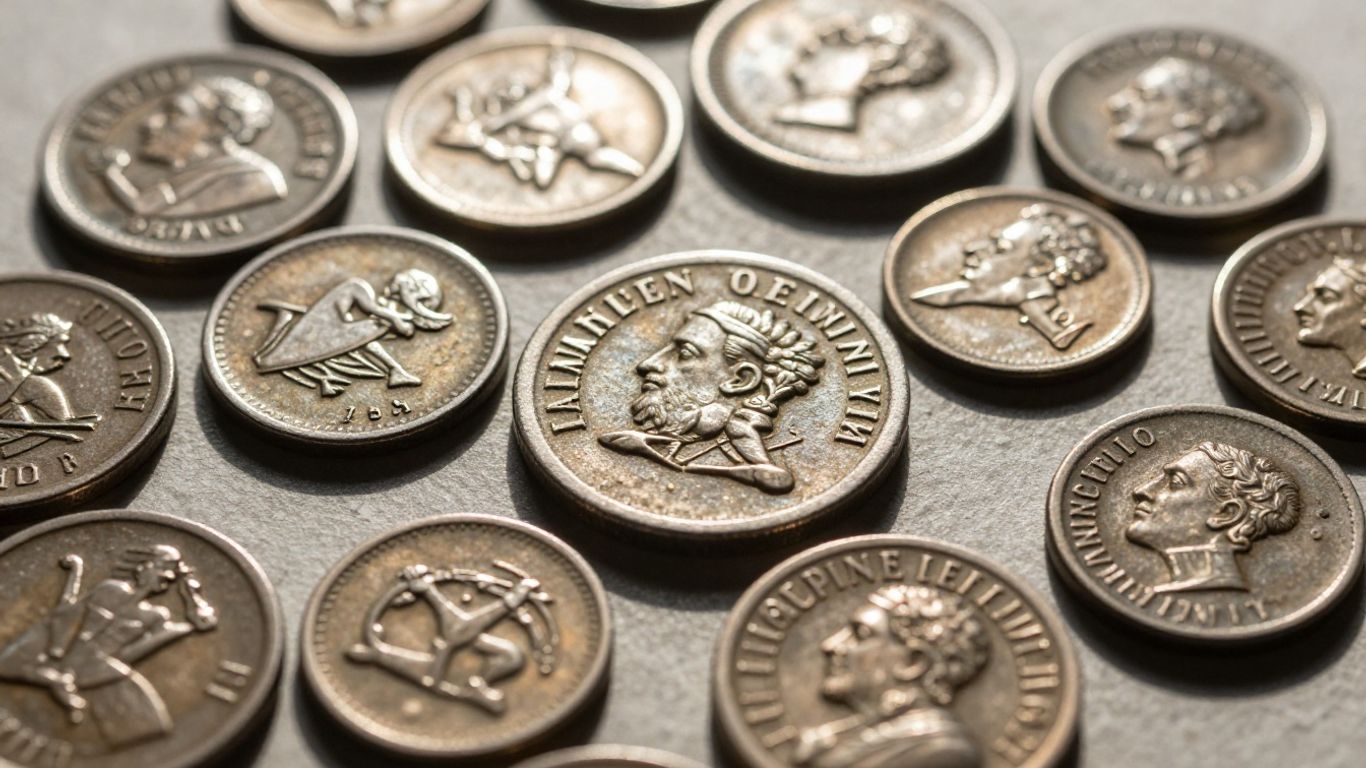
There’s a certain magic in holding a coin that has passed through countless hands over centuries. Ancient numismatics, the study and collection of old coins, offers a tangible connection to history. Each piece tells a story, a whisper from a bygone era, whether it’s a Roman denarius that paid a legionary or a Greek drachm from a bustling marketplace. The thrill of discovery, of unearthing a piece of the past, is what draws many to this fascinating hobby. It’s more than just metal; it’s history you can hold.
Why San Antonio is a Numismatic Hotspot
San Antonio, with its deep historical roots stretching back to Spanish colonial times, provides a fertile ground for coin collectors. The city’s rich past means that artifacts, including coins, have been circulating and sometimes lost or hidden for centuries. This historical layering increases the chances of finding interesting pieces. Furthermore, San Antonio has a growing community of collectors and dealers, making it easier to find resources and connect with others who share this passion. You might be surprised what turns up when you start looking.
Key Considerations for Collectors
Before you start hunting for ancient treasures, there are a few things to keep in mind. Authenticity is paramount; the market has its share of fakes. Understanding basic grading and condition is also important for determining a coin’s value. Finally, knowing where to look and who to trust are vital steps for any aspiring collector. It’s a journey that requires patience and a bit of research.
- Research: Familiarize yourself with different types of ancient coins and their typical appearances.
- Budget: Set a realistic budget for your acquisitions.
- Patience: Finding genuine ancient coins can take time and persistence.
The pursuit of ancient coins is a rewarding endeavor, offering a unique window into the past. It requires diligence, a keen eye, and a respect for the history each artifact represents. Building a collection is a marathon, not a sprint, and the knowledge gained along the way is often as valuable as the coins themselves.
Where to Find Ancient Coins in San Antonio
Local Coin Shops and Dealers
San Antonio has a number of established coin shops that are a good starting point for collectors. These dealers often have a rotating inventory of ancient coins, from Roman denarii to Greek drachms. It’s wise to visit a few different shops to get a feel for their selection and pricing. Building a relationship with a reputable dealer can provide access to better quality coins and expert advice.
When visiting a shop, don’t hesitate to ask questions. A good dealer will be happy to share information about a coin’s origin, historical context, and any known provenance. They can also help you understand the condition and potential authenticity concerns.
Antique Stores and Flea Markets
While less predictable than dedicated coin shops, antique stores and flea markets can sometimes yield surprising finds. You might stumble upon a coin that a seller doesn’t fully understand the value of. This requires a keen eye and some prior knowledge on your part.
- Examine items closely: Look for signs of age and wear that are consistent with ancient artifacts.
- Research on the spot: If possible, use your smartphone to quickly look up any markings or descriptions.
- Be cautious of fakes: These venues can sometimes have reproductions or modern coins passed off as ancient.
It’s important to remember that finding genuine ancient coins in these locations is often a matter of luck and persistence. Don’t expect a treasure trove every visit, but the thrill of discovery can be quite rewarding.
Online Marketplaces Serving San Antonio
For collectors in San Antonio, online platforms offer a vast selection of ancient coins. Websites specializing in numismatics, as well as general auction sites, can be good resources. However, buying online comes with its own set of challenges, primarily related to verifying authenticity and condition from afar.
- Reputable Platforms: Stick to well-known numismatic auction sites or dealer websites with strong return policies.
- Seller Reviews: Pay close attention to seller ratings and feedback from other buyers.
- Detailed Descriptions and Photos: Look for listings with high-quality images from multiple angles and thorough descriptions of the coin’s characteristics.
Identifying Authentic Ancient Coins
When you’re looking at ancient coins, especially if you’re new to collecting, figuring out if something is the real deal can feel a bit tricky. It’s not always as simple as looking at a modern coin. There are a few things to pay attention to that can help you tell a genuine artifact from a clever fake.
Understanding Coin Metallurgy and Patina
The metal an ancient coin is made from tells a story. Most ancient coins were struck in gold, silver, bronze, or copper. The way these metals age over time creates a natural surface layer called patina. This isn’t just dirt; it’s a chemical reaction between the metal and its environment. Genuine patina often has a smooth, even texture and can range in color from deep brown and green to black or even reddish hues, depending on the metal and soil conditions. It usually adheres well to the coin’s surface and can even fill in some of the finer details.
- Metal Composition: Older coins will have specific metal compositions. For example, Roman bronzes often contain a mix of copper, tin, and lead. Silver coins should have a silvery appearance, though they might be tarnished. Gold coins will have a distinct yellow hue.
- Patina Characteristics: Look for a patina that seems natural, not painted on or easily scraped off. It should look like it grew with the coin over centuries.
- Surface Texture: The patina can sometimes obscure details, but it should do so in a way that feels organic, not artificial.
Recognizing Common Fakes and Reproductions
Unfortunately, the market has its share of fakes, some old and some quite new. Modern reproductions are often made with different alloys and techniques that can give them away. Sometimes, they might have a uniform, artificial-looking color, or the details might be too sharp and perfect, lacking the wear and tear expected from an ancient object. Another sign can be the edge of the coin; modern fakes might have a seam from casting or a perfectly round, machine-made edge.
- Weight and Size: Compare the coin’s weight and diameter to known authentic examples. Significant differences can indicate a fake.
- Strike Quality: Ancient coins were struck by hand, so they often have slight off-center strikes or uneven surfaces. Fakes might have a perfectly centered, machine-like strike.
- Sound: Some collectors tap coins lightly to listen to the sound. Genuine ancient coins often produce a clear, ringing tone, while fakes can sound dull or flat.
Be wary of coins that look too good to be true. If a coin appears pristine with incredibly sharp details and no signs of wear, it might be a modern creation designed to deceive.
The Role of Expert Authentication Services
When you’re investing a significant amount of money or have a coin you’re unsure about, using a professional authentication service is a smart move. These services have specialists who examine coins using advanced tools and their extensive knowledge. They can verify the metal content, analyze the patina, and compare the coin to known genuine examples. Coins that pass authentication are often encapsulated in a protective holder with a label detailing their authenticity and sometimes their grade.
- Third-Party Grading Services: Companies like PCGS (Professional Coin Grading Service) and NGC (Numismatic Guaranty Company) are well-known for their authentication and grading. They provide a standardized assessment of a coin’s condition and authenticity.
- Dealer Reputation: Reputable coin dealers often have their own in-house experts or work closely with third-party services. They can provide certificates of authenticity or guarantee the coins they sell.
- Documentation: Always ask for any available documentation, such as provenance (history of ownership) or previous grading reports, especially for higher-value coins.
Valuing Your Ancient Coin Discoveries
Figuring out what an old coin is worth can be a bit of a puzzle, but it’s also part of the fun. Several things play a role in how much a coin might be worth. It’s not just about how old it is; condition, rarity, and even its historical story all add to its appeal and price.
Factors Influencing Ancient Coin Value
The physical state of a coin is a big deal. A coin that’s worn smooth will be worth less than one with clear details. We call this ‘condition’. Then there’s rarity – if only a few of a certain coin were ever made, or if very few have survived, it’s going to be more sought after. The metal it’s made from also matters; gold and silver coins generally command higher prices than bronze or copper ones. Finally, the historical significance can really boost a coin’s desirability. A coin linked to a famous event or ruler might be worth more to collectors interested in that specific history.
Here’s a quick look at some key value drivers:
- Condition: How much detail is still visible? Are there scratches or damage?
- Rarity: How many of these coins are known to exist?
- Metal Content: Is it gold, silver, bronze, or something else?
- Historical Importance: Does it connect to a significant person, place, or event?
- Demand: How many collectors are actively looking for this type of coin?
Researching Historical Significance
Sometimes, a coin’s story is what makes it special. For instance, a coin minted during the reign of a well-known emperor or from a period of major historical change can be quite interesting. You might find coins from Spanish colonial Texas, for example, that tell a story about early trade and settlement in the region. Doing a little digging into the history behind your coin can reveal why it’s important and, in turn, affect its perceived worth. You can often find information at local libraries or through online numismatic resources. For those in San Antonio, checking out a local coin shop like Alamo Heights Coin Shop can also provide historical context.
Understanding the historical context of an ancient coin is as important as its physical state. A coin is a tangible piece of the past, and its value can be deeply tied to the era and events it represents. This connection to history is what draws many collectors to ancient numismatics.
Consulting with San Antonio Coin Experts
When you’re unsure about a coin’s value, talking to someone who knows their stuff is a good idea. Local coin dealers in San Antonio often have a lot of experience with ancient coins. They can help you assess the condition, identify the coin, and give you an idea of its market value. They’ve seen a lot of coins come and go, and their insights can be very helpful, especially if you’re new to collecting. They can also advise on whether a coin is particularly rare or historically significant, which might not be obvious at first glance.
Essential Supplies for Ancient Coin Collectors
To really get into collecting ancient coins, you’ll want a few things to help you out. It’s not just about finding the coins; it’s about taking care of them and learning as much as you can. Having the right tools makes a big difference.
Proper Storage and Display Solutions
Keeping your coins safe is super important. You don’t want them getting scratched or damaged. For individual coins, small, inert plastic flips or capsules are a good start. These protect them from touching each other and from the air. For display, you can get special albums or frames designed for coins. Make sure whatever you use is made of materials that won’t harm the metal over time. Think about how you want to show them off, too. Some collectors like to keep them in albums, while others prefer display cases.
- Inert plastic flips: Good for individual coin protection.
- Coin capsules: Offer a more robust barrier, especially for valuable pieces.
- Display albums: Allow for organized storage and easy viewing.
- Display cases: Ideal for showcasing a select few coins.
Magnification and Lighting Tools
Ancient coins often have a lot of detail, and sometimes it’s hard to see it all with the naked eye. A good magnifying glass or a jeweler’s loupe is a must. Look for one with at least 5x or 10x magnification. Good lighting is also key. A desk lamp with an adjustable arm can help you direct light exactly where you need it, making those tiny inscriptions and images pop. This helps you appreciate the coin’s condition and identify any interesting features or markings.
Reference Books and Guides
Knowledge is power when it comes to collecting. You’ll want a few good books to help you identify what you’ve found and understand its history and worth. There are general guides that cover a wide range of coins, and more specific books focusing on particular periods or regions, like Roman or Greek coins. Having these on hand will help you learn about the rulers, the symbols, and the historical context of your finds. It’s like having a history lesson right at your fingertips.
Building a small library of reference materials is one of the best investments a new collector can make. These books are your guides, helping you distinguish between genuine artifacts and fakes, understand grading, and learn about the historical significance of each piece. Don’t be afraid to start with a few well-regarded general guides and expand your collection as your interests become more focused.
Here are some types of books that are really helpful:
- General Coin Catalogs: These provide broad overviews and price guides for many types of coins.
- Specialized Period/Region Guides: Books focusing on Greek, Roman, Byzantine, or other ancient civilizations.
- Grading Guides: While grading ancient coins is different from modern ones, books on coin condition and identification are still useful.
- Historical Context Books: Works that discuss the history, economy, and rulers of the time periods your coins come from.
Navigating the San Antonio Coin Market
Connecting with Local Numismatic Communities
Getting involved with local coin clubs and groups in San Antonio can really open doors for new collectors. It’s a great way to meet people who are just as passionate about coins as you are. These groups often share tips, discuss recent finds, and sometimes even organize informal trading sessions. Don’t underestimate the power of shared knowledge; it’s often the quickest way to learn the ropes. You’ll find that experienced collectors are usually happy to offer advice, especially to newcomers.
Attending Coin Shows and Events
San Antonio hosts various coin shows and numismatic events throughout the year. These gatherings are fantastic opportunities to see a wide array of coins, from common circulated pieces to rare ancient artifacts. You can talk directly with dealers, compare prices, and get a feel for the market. It’s also a place where you might stumble upon that one special coin you’ve been searching for. Keep an eye on local event listings or ask at coin shops for schedules.
Building Relationships with Dealers
Developing a good rapport with reputable coin dealers in San Antonio is key to a successful collecting journey. A trusted dealer can be an invaluable resource for authenticating coins, providing fair pricing, and sourcing specific items.
Here are a few things to consider when working with dealers:
- Ask questions: Don’t be afraid to inquire about a coin’s history, origin, or any potential issues.
- Be patient: Finding the right coin at the right price takes time. Don’t feel pressured into a purchase.
- Verify credentials: Look for dealers who are members of professional organizations like the ANA (American Numismatic Association) or PCGS/NGC authorized dealers.
Building trust with dealers means you’re more likely to get honest advice and fair deals. It’s a two-way street; show respect for their knowledge and business, and they’ll likely do the same for you. This can lead to early access to interesting coins before they hit the general market.
Common Pitfalls for New Collectors
Getting started with ancient coins in San Antonio is exciting, but it’s easy to make avoidable mistakes. Here are some common traps new collectors fall into and how you can sidestep them.
Avoiding Overpaying for Coins
Many beginners end up spending much more than they should, especially when emotions get involved. Prices can vary wildly, and sometimes dealers or sellers don’t offer the best deals to inexperienced buyers.
- Always compare prices from several sources before purchasing.
- Use recent price guides and auction listings for reference.
- Negotiate politely; many dealers expect a little back and forth.
| Coin Type | Typical Price Range | High-End Outliers |
|---|---|---|
| Greek Silver | $50 – $300 | $1,000+ |
| Roman Bronze | $20 – $200 | $600+ |
| Byzantine Gold | $300 – $1,200 | $4,000+ |
It’s rarely a good idea to buy impulsively, especially at your first big show or shop visit. Pause, check your facts, and you’ll save yourself disappointment down the road.
Understanding Coin Condition and Grading
At first, grading feels like a secret code. Ancient coins almost never look perfect, but that doesn’t mean all wear is equal.
- Learn the basic grading scale: About Good (AG) up to Mint State (MS).
- Study up on what kinds of wear and corrosion are expected for certain types of coins.
- Use a loupe or magnifier—big flaws often hide in plain sight.
A table of common grade terms:
| Grade | Meaning |
|---|---|
| AG (About Good) | Heavily worn, barely identifiable |
| VG (Very Good) | Designs visible, but worn |
| F (Fine) | Moderate wear, major details clear |
| VF (Very Fine) | Light wear, much detail visible |
| XF (Extremely Fine) | Very light wear, full details |
| AU (About Uncirculated) | Nearly no wear, slight marks |
| MS (Mint State) | No wear, as struck |
The Dangers of Damaged or Altered Coins
Sometimes, coins have been cleaned, repaired, or even tampered with to "improve" their look or apparent value. Beginners often mistake shiny or smooth coins as a positive thing, when they can actually harm value.
Tips to avoid problem coins:
- Be wary of coins that look unusually shiny—harsh cleaning is a red flag.
- Avoid coins with deep scratches or obvious marks along the edges.
- Watch for filled-in inscriptions or surfaces that look "melted" or odd to the touch.
When in doubt, walk away or seek a second opinion. There’s always another coin—no need to rush into buying one you’re unsure about.
Getting familiar with these common pitfalls won’t make you an expert overnight, but it will help you build a better collection, one coin at a time.
Preserving Your Ancient Coin Collection
Gentle Cleaning Techniques (or None at All)
When it comes to ancient coins, the less you clean them, the better. Many collectors believe that a coin’s natural patina, the surface layer that develops over time, is part of its history and can even add to its appeal and value. Aggressive cleaning can strip away this patina, damage the coin’s surface, and significantly reduce its worth. For most finds, a gentle rinse with distilled water and a soft brush, like a camel hair brush, is all that’s needed, if anything. Avoid harsh chemicals, abrasive materials, or vigorous scrubbing. If you’re unsure, it’s always best to leave the coin as is.
Environmental Controls for Storage
Proper storage is key to preventing further degradation of your ancient coins. The environment where you keep your collection can have a big impact. High humidity can lead to corrosion, while extreme temperature fluctuations can stress the metal. It’s advisable to store coins in a stable, dry environment. Avoid attics, basements, or garages where conditions can be unpredictable. Consider using silica gel packets in your storage containers to help absorb excess moisture.
Documenting Your Collection
Keeping a detailed record of your ancient coins is a smart practice for any collector. This documentation serves multiple purposes, from insurance claims to tracking your collection’s growth and provenance. Your records should include:
- Coin Description: Include details like the ruler, period, mint, denomination, and any visible inscriptions or imagery.
- Acquisition Information: Note where and when you acquired the coin, and the price paid, if known.
- Condition Notes: Describe the coin’s state of preservation, including any notable features or flaws.
- Photographs: High-quality images from various angles are invaluable for identification and record-keeping.
- Provenance: If you know the coin’s history of ownership, record that information as well.
Maintaining a thorough catalog of your collection not only helps in managing your assets but also enriches your appreciation for each piece’s unique story and historical journey.
The Historical Context of San Antonio's Coins
Coins from Spanish Colonial Texas
San Antonio’s story is deeply tied to its Spanish colonial past, and the coins found here reflect that history. During this era, the Spanish Empire was a major global power, and its currency circulated widely. The most common coins you might encounter from this period are the Spanish colonial silver dollars, often called ‘pieces of eight’ or ‘reales’. These were minted in large quantities across various Spanish mints, including those in Mexico City. They were the backbone of commerce for centuries, not just in Texas but across the Americas and even into Asia.
- Cob coinage: These were irregularly shaped coins, often hammered out by hand. They are a hallmark of early colonial minting.
- Milled coinage: As minting technology improved, more uniform coins were produced, featuring more defined designs.
- Assayers’ marks: Look for mint marks and the initials of assayer officials, which can help pinpoint the origin and date of a coin.
These coins weren’t just money; they were symbols of imperial reach and economic power. Finding one today connects you directly to the early days of San Antonio and the broader Spanish influence in North America.
Mexican Coinage and its Influence
Following Mexico’s independence from Spain in 1821, its own coinage began to appear. San Antonio, having been part of Mexico, would have seen these new coins enter circulation. Mexican silver pesos, often featuring national symbols like the eagle and serpent, replaced the older Spanish currency. The transition wasn’t always immediate, and Spanish coins likely circulated alongside Mexican ones for some time. The Mexican period in Texas history, though relatively short, left its mark on the region’s numismatic landscape.
- Early Republic issues: Coins minted shortly after independence.
- Imperial coinage: Issues from the brief Mexican Empire period.
- Later Republic issues: Coins from the mid-19th century.
Understanding these Mexican coins helps paint a fuller picture of the economic life in San Antonio during the 1820s and 1830s.
Early American Coinage Found Locally
After Texas became part of the United States, American coinage naturally became the dominant currency. Coins minted by the U.S. Mint, from pennies to silver dollars, would have been used in daily transactions. Given San Antonio’s position as a growing city, it’s plausible that coins from various U.S. mints, including those from the San Francisco Mint (established during the Gold Rush), could find their way into local collections. Early U.S. territorial coins or private gold issues, though rarer, might also surface, hinting at the diverse economic interactions that shaped the region.
The coins that pass through San Antonio tell a story of shifting borders, evolving economies, and the people who lived and traded here over centuries. Each piece is a tangible link to the past, offering a glimpse into the daily lives and historical events that shaped this vibrant city.
Selling Your Ancient Coins in San Antonio
When to Consider Selling
Deciding when to part with ancient coins is not always simple. Some collectors wait for market prices to peak, while others sell when their interests shift or they need funds. Most people benefit from patience, keeping an eye on trends in ancient coin demand and gold or silver prices.
Before taking the plunge:
- Compare recent auction results for similar coins.
- Review your coin’s certified value if it’s been graded.
- Ask yourself if your collection’s focus has changed over time.
Sometimes, coins find their greatest value not just in price, but in how they help you make room for new discoveries. Selling is an opportunity to redirect your passion.
Finding Reputable Buyers
Finding someone trustworthy to buy your ancient coins in San Antonio can make all the difference. Coin shops, estate buyers, and auction houses each have their pros and cons. Here’s a quick look:
| Buyer Type | Advantages | Drawbacks |
|---|---|---|
| Local Coin Shop | Fast payment, face-to-face negotiation | Potentially lower offer than auctions |
| Auction House | National exposure, competitive bidding | Fees, possible waiting period |
| Estate Buyer | Simple process, often buys mixed lots | Less specialized knowledge of ancients |
Steps to ensure legitimacy:
- Ask for references or check for membership in professional coin associations (such as ANA).
- Research online reviews and ratings.
- Get quotes from more than one source before agreeing to a sale.
Understanding the Selling Process
The steps to sell ancient coins are pretty straightforward, but they do require attention:
- Catalog Your Coins: Organize by type, date, and condition. Documentation adds value and helps with transparency.
- Seek Evaluation: Bring coins to a dealer or use a professional appraiser, especially for rare or unusual types.
- Negotiate Offers: Don’t be afraid to walk away if the offer doesn’t match your research.
- Complete the Sale: For cash deals, confirm all paperwork. For auctions, understand the fee schedule and when you’ll be paid.
- Retain Records: Keep receipts and any correspondence—these can be helpful for taxes or future sales.
Selling ancient coins is really about preparation and having clear expectations. Most sellers do better when they treat it as a process, not a quick transaction.
Wrapping Up Your San Antonio Coin Hunt
So, that’s a look at finding old coins right here in San Antonio. It’s not always easy, and sometimes you might just find a cool story instead of a treasure. But that’s part of the fun, right? Keep your eyes open when you’re out and about, and who knows what you might stumble upon. Whether you’re digging through old boxes or just chatting with folks who know their stuff, the hunt itself is pretty rewarding. Happy collecting!
Frequently Asked Questions
What makes ancient coins so interesting to collect?
Ancient coins are like tiny pieces of history you can hold. They were made a long, long time ago by people from different civilizations. Each coin tells a story about who made it, what was important to them, and what their world was like. It’s like having a direct connection to the past.
Why is San Antonio a good place to look for ancient coins?
San Antonio has a rich history, including periods with Spanish and Mexican influence. This means that coins from those times, and even earlier, might have circulated or been found here. Plus, the city has a growing community of collectors and dealers who can help you find these treasures.
How can I be sure an ancient coin is real and not a fake?
Figuring out if an ancient coin is genuine takes practice. You’ll want to learn about the metals used, how the coin looks over time (patina), and common ways fakes are made. Sometimes, it’s best to get help from experts who can tell you for sure if a coin is authentic.
Where are the best places to find ancient coins in San Antonio?
You can check local coin shops that specialize in older coins. Sometimes, antique stores or even flea markets might have hidden gems. Don’t forget about online places where sellers offer ancient coins, but always be careful and do your research.
What should I consider before buying an ancient coin?
Before you buy, think about a few things. How much is the coin worth? What’s its history? Is it in good condition? Knowing these details will help you make a smart choice and avoid paying too much for something that isn’t quite right.
What supplies do I need to start collecting ancient coins?
To keep your coins safe, you’ll need special holders or display cases. Good lighting and a magnifying glass will help you see the details. It’s also very useful to have books or guides that can help you identify and learn about the coins you find.
What are some common mistakes new collectors make?
New collectors sometimes pay too much because they don’t know the coin’s value. They might also buy coins that have been damaged or altered to look better than they are. It’s important to learn about coin condition and be wary of coins that seem too good to be true.
Should I clean my ancient coins?
Generally, it’s best not to clean ancient coins yourself. Cleaning can often damage the coin’s surface and reduce its value. If a coin is very dirty, it’s usually better to consult with a professional who knows how to handle them carefully.