
Understanding semi numismatic coins means recognizing their unique position in the precious metals market. Here are the main points to remember:
Key Takeaways
- Semi numismatic coins have value derived from both their precious metal content and collector appeal, offering a dual-value proposition.
- Their appeal goes beyond metal, often driven by artistic design, historical significance, and the stories they tell.
- Rarity and limited mintages play a significant role in their desirability and potential appreciation.
- Authenticity and professional grading are important for confirming value and building market confidence.
- They bridge the gap between pure bullion (valued only for metal) and traditional numismatic coins (valued for rarity and history).
Understanding Semi Numismatic Coins Explained
Semi numismatic coins occupy a fascinating middle ground in the world of precious metals. They aren’t just about the raw value of the gold or silver they contain, nor are they solely driven by historical rarity like traditional numismatic pieces. Instead, these coins offer a unique blend, combining intrinsic metal worth with collectible appeal. This dual nature makes them particularly interesting for a wide range of collectors and investors.
Defining the Unique Space of Semi Numismatics
So, what exactly sets a semi numismatic coin apart? At its core, it’s a coin that holds value from both its precious metal content and its desirability as a collectible item. Think of it as having two distinct value streams. The metal content provides a baseline worth, often tied to the fluctuating spot prices of gold, silver, or platinum. However, factors like intricate designs, limited production runs, or even historical significance can push the coin’s value beyond its melt price. This makes them a compelling option for those looking for more than just a simple metal investment. They represent a tangible asset with the potential for appreciation driven by factors beyond market commodities.
The Dual-Value Proposition of Semi Numismatic Coins
The appeal of semi numismatic coins lies in this dual-value proposition. You get the security of owning precious metal, which has historically served as a store of value. But you also get the potential for added appreciation based on collector demand. This can be influenced by several factors:
- Aesthetic Appeal: Many semi numismatic coins feature stunning artwork, intricate engravings, and high-quality finishes that make them visually striking. The artistry involved can significantly boost their desirability.
- Limited Mintage: Unlike mass-produced bullion coins, semi numismatic issues often have strict production limits. This scarcity naturally increases their appeal to collectors seeking exclusive pieces.
- Thematic Significance: Coins that commemorate important historical events, figures, or cultural symbols often carry an emotional or intellectual appeal that transcends their metal content.
These coins bridge the gap between pure investment bullion and traditional numismatic rarities, offering a balanced approach for those who appreciate both tangible assets and collectible artistry. They are a great way to diversify a precious metals portfolio.
Bridging the Gap Between Bullion and Numismatics
Semi numismatic coins effectively bridge the gap between pure bullion and traditional numismatic coins. Pure bullion, like standard gold bars or generic silver rounds, is primarily valued for its metal content. Traditional numismatic coins, on the other hand, derive their value from rarity, historical significance, condition, and collector demand, often far exceeding their metal worth. Semi numismatic coins fall somewhere in between. They possess a significant metal value, but their unique designs, limited production, and thematic elements give them an added layer of collectible appeal. This makes them an attractive option for collectors who want to diversify their holdings with pieces that offer both intrinsic value and potential for numismatic appreciation. For instance, some collectors might find the Perth Mint’s Lunar Series to be a prime example of this category, blending bullion characteristics with collectible series appeal.
The Intrinsic Appeal of Semi Numismatic Coinage
Beyond Metal Content: Aesthetic Considerations
While the precious metal content of a coin provides a baseline value, the true allure of semi numismatic pieces often lies in their visual presentation. These coins are crafted with an eye for detail that goes far beyond simple utility. Think of the intricate patterns, the sharp relief of a portrait, or the subtle textures that catch the light. These artistic elements transform a piece of metal into something that can be admired for its beauty alone. Many collectors are drawn to the sheer artistry involved, appreciating the skill it takes to engrave such fine details onto a coin’s surface. It’s this aesthetic quality that often sets them apart from standard bullion, making them more than just an investment in gold or silver.
Connecting with the Stories Behind the Minting
Every coin has a story, and semi numismatic pieces often tell particularly compelling ones. Whether it’s commemorating a significant historical event, honoring a national hero, or celebrating a cultural milestone, these coins serve as tangible links to the past. This narrative aspect adds a layer of depth that pure bullion simply cannot offer. Owning such a coin can feel like holding a piece of history, a small artifact that sparks curiosity and conversation. It’s this connection to a larger story that makes collecting these coins so engaging for many.
The Role of Artistry in Coin Design
Coin design is a specialized field, and semi numismatic coins often showcase the pinnacle of this craft. Mints frequently collaborate with skilled engravers and artists to create designs that are both visually striking and meaningful. The techniques employed can include:
- Fine Line Work: Extremely detailed lines that create intricate patterns and textures.
- Layered Textures: Using different finishes and depths to create a sense of dimension.
- Expert Shading: Employing techniques to give elements a realistic, almost three-dimensional appearance.
These design choices are not arbitrary; they are carefully considered to enhance the coin’s theme and appeal. The result is a piece that is not only valuable for its metal but also for the artistry it embodies. For those interested in the history of coinage and its artistic evolution, exploring these designs can be quite rewarding. You can find examples of this detailed craftsmanship on many modern collectible coins.
The appeal of semi numismatic coins often stems from a blend of tangible worth and intangible charm. They represent a thoughtful intersection of investment and artistry, offering collectors a chance to own pieces that are both materially significant and aesthetically pleasing. This dual nature makes them a fascinating category within the broader world of precious metals.
Historical Roots of Semi Numismatic Value
Coins Commanding Premiums Through Time
It wasn’t that long ago that coins were primarily seen as just metal. You’d buy them for their gold or silver content, plain and simple. But people have always noticed when a coin looked a bit different or when there just weren’t that many of them around. Over centuries, certain coins started fetching more than just their melt value, and this is where the idea of semi numismatic value really began to take shape. Think about it: if a coin has a really cool design or if the mint only made a few hundred, it’s naturally going to be more interesting than a coin made by the millions.
Economic Influences on Coin Appreciation
Sometimes, what’s happening in the wider economy can really push certain coins into the spotlight. During times of economic change or uncertainty, people often look for ways to protect their money. While pure bullion is always an option, coins with a bit of extra flair or a story behind them can become more appealing. Governments also play a role here. They might release special coins to mark important events or to celebrate national pride. These coins, often produced in limited runs, can gain value not just because of the metal they contain, but because they represent a piece of history or a specific moment in time. This combination of economic conditions and government releases has helped build the appreciation for these types of coins over the years.
Government Releases and Commemorative Motifs
Governments have long understood the power of coinage to tell a story or commemorate an event. When a mint decides to issue a coin with a special design – perhaps featuring a historical figure, a significant anniversary, or a national symbol – it immediately adds another layer of appeal beyond the metal itself. These commemorative motifs can capture the public’s imagination, leading to increased demand from collectors who want to own a tangible piece of that particular occasion. The limited nature of many of these special releases further fuels this demand. It’s not uncommon for these coins to trade at a premium, reflecting their dual nature: a store of value in precious metal and a collectible item with historical or artistic significance. This practice has been a consistent thread throughout the history of coinage, contributing significantly to the development of the semi numismatic market. For those interested in this aspect, exploring commemorative coin series can offer a glimpse into this historical trend.
Exploring Themes and Styles in Semi Numismatics
Semi numismatic coins often stand out because of what they depict. Mints use these coins to tell stories, commemorate events, or celebrate cultures. This makes them more than just pieces of metal; they become small works of art with a message.
Imagery Highlighting Events and Figures
Many semi numismatic coins focus on specific historical moments or important people. Think of coins marking anniversaries of significant battles, the birth of a national hero, or the opening of a famous landmark. These coins can feature detailed portraits or scenes that bring history to life. The imagery chosen often connects with a particular audience, making the coin more meaningful to collectors who share that interest. For instance, a coin celebrating a renowned scientist might appeal to those with a passion for discovery. These pieces can serve as tangible reminders of achievements and legacies, offering a way to connect with the past. Some collectors find that these coins are a great way to learn about history, and they can be a good starting point for building a collection of commemorative coins.
Cultural and National Symbolism
Beyond specific events, many semi numismatic coins draw on broader cultural and national symbols. This can include national animals, iconic architecture, or traditional patterns. These designs often aim to evoke a sense of pride or identity. For example, a country might issue a coin featuring its national bird or a symbol of its independence. These coins can become representations of heritage, passed down through generations. They offer a way to appreciate and preserve cultural identity in a unique format. The variety in these symbols means there’s likely a coin that speaks to many different backgrounds and interests.
Diverse Minting Traditions and Special Finishes
Different mints around the world have their own unique ways of producing coins, and this diversity is reflected in semi numismatics. You’ll find coins with various special finishes that set them apart. Proof coins, for example, have a mirror-like background and sharp, frosted details, making the design pop. Some coins might incorporate color, adding vibrancy to specific elements. Others might feature unique edge lettering or intricate patterns on the surface. These special treatments aren’t just for show; they add to the coin’s appeal and can make it more desirable to collectors. It’s like choosing a special edition of a book – it has that extra something that makes it stand out. The way a coin is finished can really change how you see it, and it’s a big part of what makes some of these pieces so sought after.
The choice of theme and style for a semi numismatic coin is rarely accidental. It’s a deliberate effort to create a piece that is both aesthetically pleasing and culturally significant. This thoughtful approach is what transforms a simple piece of metal into an object of desire for collectors worldwide.
The Significance of Rarity and Limited Mintage
Strict Mintage Caps and Collector Interest
When a mint decides to produce a coin, they don’t just churn out an endless supply. For semi numismatic coins, there’s often a deliberate decision to limit how many are made. This isn’t just about making a coin seem special; it’s a core part of what makes it desirable to collectors. Think about it: if everyone can get one, where’s the excitement? Strict mintage caps create a sense of scarcity, which naturally draws the attention of people who want something a bit more exclusive. This is a key difference from standard bullion coins, which are usually made in much larger quantities to meet global demand. The limited production of semi numismatic pieces means collectors are often competing for a finite number of items, making the hunt itself part of the appeal. This scarcity is a primary driver for many collectors looking to build a unique portfolio. You can find more details on how mintage numbers affect coin value on pages discussing coin rarity.
Exclusivity Driven by Production Limits
These production limits aren’t arbitrary. They’re often tied to specific events, anniversaries, or themes that the mint wants to commemorate. By setting a firm limit on the number of coins produced, the mint ensures that the piece retains a certain level of exclusivity. This exclusivity is a major draw for collectors who appreciate owning something that not everyone else has. It transforms a coin from a simple piece of metal into a collectible item with a story and a limited audience. This careful control over supply can significantly influence market behavior, sometimes leading to increased excitement and activity in the secondary market if demand outstrips the initial supply. It’s a delicate balance that mints try to strike to keep their special issues appealing year after year.
The Thrill of Owning Scarce Pieces
There’s a certain thrill that comes with owning something rare. For collectors of semi numismatic coins, this is a significant part of the appeal. It’s not just about the metal content or even the design; it’s about the satisfaction of possessing an item that is not easily obtainable. This feeling of ownership is amplified when the coin is not only scarce but also holds historical or artistic significance. Many collectors find that the pursuit of these rare pieces adds a layer of excitement to their hobby. It encourages research, networking with other collectors, and a deeper appreciation for the coins themselves. The desire to own something unique and hard to find is a powerful motivator in the world of collecting.
The careful management of production numbers for semi numismatic coins plays a direct role in their desirability. When a mint limits the output, it inherently creates a more exclusive product. This scarcity, when combined with appealing designs or historical context, can lead to sustained collector interest and a stronger market position over time. It’s a strategy that acknowledges the collector’s desire for uniqueness and ownership of limited items.
Assessing Authenticity and Market Confidence
Identifying Genuine Semi Numismatic Pieces
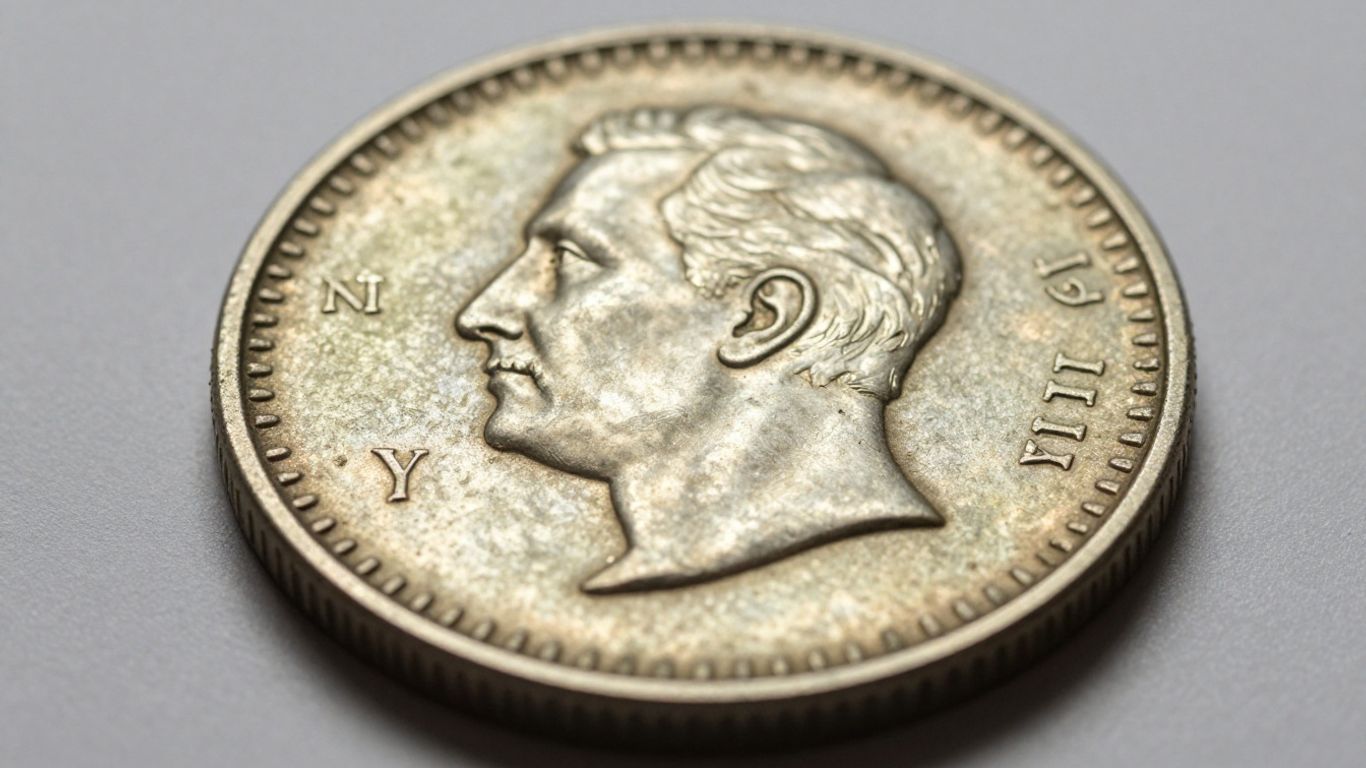
When you’re looking at semi numismatic coins, making sure they’re the real deal is super important. Because these coins can be worth more than just their metal, they sometimes attract people who want to make fakes. A genuine coin usually looks sharp. The details in the design, like fine lines or text, should be clear and crisp. If you look closely, especially with a magnifier, you might notice that counterfeit coins often have softer details or look a bit blurry. The edges should also be right – sometimes they have specific patterns or reeding that fakes might miss. It’s like looking at a high-quality print versus a photocopy; the difference is noticeable if you pay attention.
The Role of Security Features
Some coins come with built-in security features to help prove they’re authentic. Think of things like tiny, almost invisible text etched onto the surface, or sometimes even holographic elements. These are pretty hard for counterfeiters to copy accurately. If you’re unsure about a coin, it’s always a good idea to check if it has any of these features. For collectors, knowing these security measures exist adds a layer of confidence when acquiring a piece. It’s another way to distinguish genuine coins from fakes.
Building Trust Through Professional Grading
This is where professional grading services really shine. These companies examine coins and give them a grade based on their condition and other factors. They then put the coin in a special, sealed holder that’s hard to tamper with. Getting a coin graded can give you a lot of peace of mind. It’s not always required, but for semi numismatic coins where condition plays a big part in value, a good grade from a well-known service can make a huge difference. Buyers tend to trust these graded coins more because they know an independent expert has looked them over. It helps set a standard and makes the market feel more reliable for everyone involved.
When you’re buying semi numismatic coins, especially those with higher premiums, always do your homework. Checking for clear details, looking for security features, and considering professional grading can save you a lot of trouble down the line. It’s about building confidence in your collection and making sure you’re getting what you pay for.
Distinguishing Bullion from Numismatic Coins
When you start looking into coins that have value beyond just their face value, you’ll quickly run into two main terms: bullion and numismatic. It’s easy to get them mixed up, but they’re actually quite different, serving distinct purposes for collectors and investors alike. Understanding this difference is pretty important if you don’t want to end up paying for metal when you thought you were buying history, or vice versa.
Bullion: Value Tied to Metal Content
Think of bullion as the most straightforward way to own precious metals. Its value is almost entirely based on the amount of gold, silver, platinum, or palladium it contains. The price you see for bullion coins or bars closely follows the current market price, often called the ‘spot price,’ for that metal. These pieces are usually stamped with their purity and weight, like .999 fine silver or one ounce of gold. They’re popular for people looking to invest in precious metals as a way to preserve wealth, especially during uncertain economic times. You’ll often see coins like the American Gold Eagle or Canadian Silver Maple Leaf mentioned in this category. They’re made in large quantities, so they’re easy to buy and sell.
Numismatics: Value Beyond Metal
Numismatic coins, on the other hand, are valued for much more than just the metal they’re made from. Their worth comes from a combination of factors, including:
- Rarity: How many of these coins were originally made, and how many still exist today?
- Condition: The state of preservation, often determined by professional grading services, plays a huge role. A coin in mint condition is worth far more than one that’s heavily worn.
- Historical Significance: Does the coin represent a specific event, person, or era? Ancient coins or those from important historical periods often command higher prices.
- Collector Demand: Simply put, how many people want this particular coin? Popularity among collectors can drive prices up significantly.
These coins might be older, have unique designs, or be part of limited mintages. While they do contain precious metal, that metal content is often just a fraction of the coin’s overall market price. The extra value, known as the ‘numismatic premium,’ comes from these other attributes. Coins like the Morgan Silver Dollar or certain ancient Greek coins fall into this category. They’re collected for their story and their scarcity.
Key Differences in Market Behavior and Purpose
So, how do these two types of coins act differently in the market, and what’s their main purpose?
- Market Fluctuations: Bullion prices move pretty directly with the price of the underlying metal. If gold prices go up, your gold bullion is worth more. Numismatic coins can be more unpredictable. Their prices can rise even if the metal price stays flat, driven by collector interest, or they might not rise as much as bullion during a metal rally if collectors are drawn to pure metal instead. It’s a bit more complex than just watching the spot price.
- Purpose: The primary goal for buying bullion is usually investment in the metal itself. It’s a tangible asset. Numismatic coins are often collected for the enjoyment of history, art, and rarity, with the potential for value appreciation being a secondary, though important, consideration. You’re buying a piece of history that might also increase in value. For those interested in owning precious metals, understanding bullion coins and bars is the first step.
The distinction between bullion and numismatic coins is fundamental for anyone entering the world of precious metals. Bullion offers a direct link to the metal’s market value, making it a straightforward investment. Numismatics, however, introduces layers of rarity, condition, and historical context that create a unique market driven by collector passion and scarcity, often resulting in prices far exceeding the intrinsic metal worth.
The Impact of Design and Artistic Merit
Crafting Visual Narratives on Metal
When you look at a coin, it’s not just a piece of metal; it’s often a tiny canvas. The design is what really sets semi numismatic coins apart from plain bullion. Think about it – a simple gold round is nice, but a gold coin with a detailed eagle or a historical scene? That’s something else entirely. Mints put a lot of thought into these designs, trying to tell a story or capture a moment in time. This artistry is a huge part of why people collect them. It’s about more than just the gold or silver; it’s about owning a small piece of art that also happens to have intrinsic value.
Collaborations with Skilled Engravers
Creating these intricate designs isn’t usually a one-person job. Mints often bring in talented engravers, sometimes artists who have spent years perfecting their craft. These individuals are the ones who translate ideas into the fine lines and textures you see on the coin. They work with tools that can create incredibly detailed images, making each coin unique. It’s this level of skill that gives semi numismatic coins their special appeal. You can see the difference when you compare a coin made with basic tooling versus one that features the work of a master engraver. It’s like the difference between a quick sketch and a finished painting. The attention to detail is just remarkable.
Fine Lines, Textures, and Shading Techniques
Look closely at a well-designed semi numismatic coin, and you’ll notice the subtle details. Engravers use various techniques to give the design depth and realism. They might use fine lines to create the texture of fur on an animal or the folds of fabric on a historical figure’s clothing. Shading is another key element; it’s achieved through patterns of lines or dots that create the illusion of light and shadow, making the design pop. Some coins even incorporate different finishes within the same design – a frosted background contrasting with a polished central image, for example. These techniques aren’t just for show; they help make the imagery stand out and give the coin a tactile quality that collectors appreciate. It’s this combination of elements that makes a coin truly memorable and desirable, turning a simple piece of metal into something much more significant. For those interested in the finer points of coin production, understanding these artistic elements can really deepen your appreciation for numismatics.
The way a design is executed, from the sharpness of the edges to the subtle gradations of relief, directly impacts how a coin is perceived. It’s this meticulous attention to detail that transforms a coin from a mere commodity into an object of aesthetic appreciation and collector desire.
Here’s a look at some common artistic elements:
- Detail Level: How sharp and clear are the fine lines, such as hair, feathers, or inscriptions?
- Textural Variety: Does the design incorporate different textures, like smooth surfaces, matte finishes, or intricate patterns?
- Depth and Relief: How pronounced are the raised and recessed areas? High relief can make a design appear more three-dimensional.
- Shading Effects: Are there techniques used to create shadows and highlights, adding realism and visual interest?
These elements, combined with the overall theme, contribute to a coin’s artistic merit and, consequently, its appeal to collectors. It’s this blend of artistry and precious metal that defines the unique space of semi numismatic coins, offering a middle ground between pure bullion and highly specialized numismatic pieces.
Understanding Mintage Caps and Collector Demand
When you look at semi numismatic coins, one of the first things that really grabs attention is how many of them were actually made. It’s not just about the gold or silver inside; it’s about how many of these pieces exist in the world. Mints often put strict limits on how many coins they’ll produce for a special series or a commemorative issue. This isn’t just a random number; it’s a calculated move to make sure these coins feel special.
Carving Niches with Specific Production Limits
Think of it like a limited-edition print versus a mass-produced poster. When a mint decides to produce, say, only 10,000 of a particular coin, it immediately creates a sense of scarcity. This scarcity is a big draw for collectors. They know that if they want that specific coin, they have to act relatively quickly, and that there won’t be an endless supply flooding the market later on. This limited availability helps to carve out a specific niche for these coins, making them stand out from more common bullion items. It’s a way for the mint to create a unique product that appeals to a dedicated group of buyers.
Influencing Market Behavior and Excitement
These production limits do more than just limit supply; they actively shape how the market behaves. When collectors know a coin has a low mintage, it can generate a buzz. People talk about it, anticipate its release, and often, demand can quickly outstrip the available supply. This excitement can drive up prices, not just at the initial release but also in the secondary market. It’s a dynamic that adds a layer of thrill to collecting. You’re not just buying a coin; you’re acquiring a piece of a limited run. This is especially true for coins that feature significant historical events or popular themes.
Secondary Market Activity and Supply Dynamics
The secondary market is where the true impact of mintage caps often plays out. If a coin sells out quickly from the mint and demand remains high, prices on platforms like eBay or from specialized dealers can climb significantly. This is because collectors who missed out on the initial offering are now competing for a smaller pool of available coins. The interplay between the initial supply, the ongoing collector interest, and the actual number of coins that survive in good condition creates a fascinating market dynamic. It’s a constant dance between what’s available and what people want.
The decision to limit the number of coins produced is a deliberate strategy by mints. It’s not just about making a profit on the initial sale; it’s about building long-term desirability and collector engagement. By controlling the supply, mints can ensure that their special issues retain a certain allure and value over time, appealing to those who appreciate exclusivity.
Here’s a look at how mintage numbers can affect collector interest:
- Very Low Mintage (e.g., under 5,000): Often generates immediate high demand and significant price appreciation, especially if the design is popular.
- Moderate Mintage (e.g., 10,000 – 50,000): Can still create scarcity, but may take longer to sell out. Value appreciation is often steadier.
- High Mintage (e.g., over 100,000): Less likely to create significant collector-driven premiums, unless the coin has exceptional historical or artistic merit.
Understanding these production numbers is key for anyone looking to collect semi numismatic coins, whether for enjoyment or as an investment. It’s a core component of what gives these pieces their unique appeal and potential for growth, much like how online courses can scale with thoughtful planning.
Long-Term Desirability and Investment Potential
Scarcity Aligned with Design and Significance
When we talk about semi numismatic coins, their lasting appeal often comes down to a mix of factors. It’s not just about how rare a coin is, though that’s a big part of it. The design and any historical story attached to it play a huge role in keeping collectors interested over many years. Think about it: a coin with a striking image or one that marks a significant event is more likely to be remembered and sought after than a plain piece of metal, no matter how limited its mintage. This combination of scarcity, artistic merit, and historical context is what truly gives these coins their long-term desirability.
Maintaining Interest Through Market Changes
Unlike pure bullion, which tends to track the price of gold or silver pretty closely, semi numismatic coins can behave differently. Their value isn’t solely tied to the metal content. This means they might hold their own or even increase in value even when metal prices are down, thanks to collector demand. This independence from market swings is a big draw for people looking for investments that offer a bit more stability or a different kind of growth potential. It’s about owning something that has value beyond just its weight in gold. For those interested in diversifying their holdings, these coins can offer a unique angle, acting as a buffer when other markets are shaky. You can find more information on the differences between bullion and numismatic coins here.
The Compelling Nature of High-Grade Examples
Condition matters a lot, especially over the long haul. A coin that has been well-preserved, showing minimal wear and tear, will always be more attractive to collectors. Mints and grading services pay close attention to this. When only a small number of a particular coin survive in top condition, it makes those pieces even more special. Collectors often track how many coins receive high grades from services like PCGS or NGC. If a coin is both rare and in excellent shape, its appeal can grow significantly over time. This focus on quality, combined with limited production runs, is a key reason why certain semi numismatic pieces can remain popular for decades, outlasting fleeting trends.
Here’s a quick look at what influences long-term value:
- Rarity: Limited mintages mean fewer coins are available.
- Design: A visually appealing or historically significant design captures attention.
- Condition: Coins in high grades are always more desirable.
- Historical Significance: Coins tied to important events or figures often have lasting appeal.
- Collector Demand: A consistent base of interested buyers helps maintain value.
The enduring appeal of semi numismatic coins often stems from their ability to tell a story. They are tangible pieces of history, art, and scarcity, all rolled into one. This multifaceted nature makes them attractive not just as potential investments, but as items of genuine historical and aesthetic interest that can be passed down through generations.
Conclusion
Semi numismatic coins offer a fascinating middle ground, blending the tangible worth of precious metals with the artistic and historical appeal of collector coins. They provide a unique avenue for those who appreciate both the intrinsic value of gold and silver and the stories and artistry that can be captured on metal. Whether you’re drawn to their limited mintages, intricate designs, or the historical narratives they represent, these coins can add a distinct dimension to any precious metals portfolio or collection. Understanding their dual-value proposition is key to appreciating their place in the market and their enduring appeal.
Frequently Asked Questions
What exactly is a semi numismatic coin?
Think of it as a coin that’s kind of like two things at once. It has real precious metal, like gold or silver, so it’s worth something just for the metal itself, like bullion. But it also has cool designs, maybe it’s rare, or tells a story, which makes collectors want it too. So, its value comes from both the metal and its special features.
How is a semi numismatic coin different from a regular bullion coin?
A regular bullion coin is mostly just about the metal. Its price goes up and down with the price of gold or silver. A semi numismatic coin has that metal value, sure, but it also has extra value because it looks nice, or it’s part of a limited series, or it marks a special event. This extra value can make it worth more than just its metal.
Why do people collect these coins?
People collect them for a few reasons. Some like the art and design – they’re like tiny sculptures. Others are interested in the history or the story behind the coin, like a special event or a famous person. And, of course, the fact that some are rare or made in small numbers makes them exciting to own.
Does the design of a coin affect its value?
Absolutely! A really well-done design, with lots of detail or a beautiful picture, can make a coin much more appealing to collectors. Mints often work with skilled artists to create these designs, and that artistry adds to the coin’s worth beyond just the metal.
What does 'limited mintage' mean for a coin's value?
‘Limited mintage’ means the mint only made a certain, small number of those coins. When something is rare, people often want it more. If a lot of collectors want a coin that only a few exist, its price can go up because it’s hard to find.
Is it important to get semi numismatic coins graded?
Yes, it can be very helpful. Grading is like getting a professional opinion on the coin’s condition and authenticity. A good grade from a trusted company can prove the coin is real and in great shape, which makes buyers more confident and can increase its value.
Can semi numismatic coins be good investments?
They can be, but it’s not quite the same as investing in pure bullion. Because their value depends on both metal and collector interest, their prices can be a bit more unpredictable. They have the potential to go up in value, especially if they are rare and well-designed, but it’s good to do your homework.
Where can I find semi numismatic coins?
You can find them through reputable precious metals dealers, coin shops, and online marketplaces that specialize in coins. It’s always a good idea to buy from places you trust to make sure you’re getting genuine coins.