
Here are the most important things to remember if you’re thinking about getting into silver coin roll searching. These points will help you get started and stay on the right track.
Key Takeaways
- Focus on pre-1965 US dimes, quarters, and half dollars for 90% silver content, and 1965-1970 half dollars for 40% silver.
- War nickels (1942-1945) are also a good target for their silver content.
- Build strong relationships with your bank, or even multiple banks, to get coin rolls easily and at face value.
- Patience is key; expect long periods without major finds, and don’t get discouraged.
- Educate yourself using resources like the Red Book and online coin communities to know what to look for and how to spot errors or rare dates.
Understanding The Basics Of Silver Coin Roll Searching
What Is Coin Roll Hunting?
Coin roll hunting, sometimes called coin roll searching, is a hobby where people buy rolls of coins from banks and then sort through them looking for specific types of coins. These might be coins with silver content, rare dates, errors, or other collectible features. The goal is to find coins worth more than their face value. After searching, you can return the common coins back to the bank, effectively getting your money back, minus the value of any treasures you’ve kept. It’s a way to sift through a lot of coins without having to buy them individually from collectors.
The Thrill Of The Hunt
There’s a certain excitement that comes with opening a fresh roll of coins. You never quite know what you’re going to find. It could be a common coin you see every day, or it could be that one special piece that makes the whole box worthwhile. This element of surprise is a big part of why people get into coin roll hunting. It’s like a treasure hunt, but the treasure is hidden in plain sight, just waiting to be discovered. Many hunters find that the anticipation of what’s inside the next roll keeps them coming back for more. It’s a simple activity, but it can be surprisingly engaging.
Potential For Profit
While many people enjoy coin roll hunting purely for the fun of it, there’s definitely a potential for making some money. The real profit comes from finding coins that are more valuable than their face value. This usually means finding coins made of silver, or coins with rare mint dates, specific errors, or other numismatic appeal. For instance, finding a roll packed with pre-1965 dimes can add up quickly due to their silver content. Some denominations are known to yield better results than others. For example, searching through half dollar rolls can sometimes be more profitable than dimes or quarters, as they were minted in lower quantities and older ones often contain silver.
| Coin Type | Silver Content (Pre-1965) | Silver Content (Post-1965) | Notes |
|---|---|---|---|
| Dimes | 90% | 0% | Mostly searched for silver |
| Quarters | 90% | 0% | Mostly searched for silver |
| Half Dollars | 90% | 40% (1965-1970) | Higher potential for silver finds |
| Nickels (War) | 35% (1942-1945) | 0% | Known as "War Nickels" |
The key to making a profit is knowing what to look for and being patient. Not every roll will be a winner, and you might go through many rolls before finding something truly valuable. It’s about the long game and understanding the market for collectible coins.
Identifying Valuable Silver Coinage
When you’re sifting through rolls of coins, knowing what to look for is half the battle. The real treasures often hide in plain sight, disguised as everyday currency. Let’s break down the key types of coins that hold significant silver content or other numismatic value.
Pre-1965 Silver Dimes, Quarters, and Half Dollars
This is where most silver hunters focus their attention. Before 1965, dimes, quarters, and half dollars minted in the United States were made of 90% silver. These coins are often referred to as "Junk Silver" by some, but to a coin roll searcher, they are the primary target. Finding a roll packed with these can be a significant win. The silver melt value alone makes them worth more than their face value, and older dates or specific mint marks can add even more to their worth.
Post-1965 Silver Half Dollars
While the U.S. stopped minting 90% silver dimes and quarters after 1964, they continued to produce half dollars with a reduced silver content for a few more years. Specifically, half dollars minted between 1965 and 1970 contain 40% silver. These are still a great find and can add up quickly if you find a good number of them. After 1970, all U.S. circulating half dollars were made with copper-nickel clad, meaning no silver content.
Identifying War Nickels
During World War II, the U.S. needed nickel for the war effort, so they altered the composition of nickels. From 1942 to 1945, nickels were minted with 35% silver, 56% copper, and 9% manganese. These are known as "War Nickels." The easiest way to identify them is by looking for a small mint mark (P, D, or S) above the dome of Monticello on the reverse side of the coin. Pennies minted in 1943 are also unique, made of zinc-coated steel to save copper for the war. While not silver, these "steelies" are a common find and interesting to collectors.
Copper Content In Pennies
While not silver, pennies minted before 1982 are primarily copper (95%). Although the melt value of these copper pennies is relatively low compared to silver, finding rolls with a high percentage of pre-1982 pennies can still be profitable, especially if you’re accumulating a large quantity. It’s a different kind of hunt, focusing on metal content rather than numismatic rarity for these.
Here’s a quick rundown of silver content by denomination and year:
| Coin Type | Years | Silver Content | Notes |
|---|---|---|---|
| Dime | Pre-1965 | 90% | |
| Quarter | Pre-1965 | 90% | |
| Half Dollar | Pre-1965 | 90% | |
| Half Dollar | 1965-1970 | 40% | |
| Nickel | 1942-1945 | 35% | Known as "War Nickels" |
Remember, the silver content in coins is what drives much of the value in coin roll hunting. Always check the mint date and composition if you’re unsure. Familiarizing yourself with these key silver coins is the first step toward making successful finds. You can find detailed information on coin values and specifications in resources like The Official Red Book.
Beyond these silver coins, keep an eye out for other potential finds. Error coins, special mint issues like the America the Beautiful Quarters, or even specific rare dates and mint marks can turn a common roll into a significant discovery. Educating yourself on these varieties will broaden your search and increase your chances of finding something truly special.
Beyond Silver: Other Collectible Finds
While the gleam of silver is often the main draw for coin roll searchers, the world of numismatics offers a much wider array of treasures waiting to be discovered. Don’t let the hunt for silver blind you to other potentially valuable or interesting finds that can make your efforts even more rewarding.
Searching For Error Coins
Errors happen at the mint, and sometimes these mistakes create coins that are quite sought after. These aren’t just minor blemishes; we’re talking about things like double strikes, where the coin was struck twice, leading to overlapping images. You might also find coins with missing elements, off-center strikes, or even clips where the metal wasn’t properly fed into the press. Identifying these minting anomalies requires a keen eye and some knowledge, but a significant error coin can be worth far more than its silver content. It’s like finding a rare misprint in a book – it stands out from the crowd.
Collecting Commemorative and State Quarters
Beyond the standard circulating coinage, there’s a whole category of special issues. The State Quarters program, which ran from 1999 to 2008, produced 50 unique designs, one for each state. Following that, the America the Beautiful Quarters series (2010-2021) featured national parks and sites. While many of these are common, completing a full set or finding specific issues in pristine condition can be a goal for many collectors. These mint 2026 coins are a valuable addition for collectors or investors looking to enhance their coin portfolios with unique pieces. These mint 2026 coins are a valuable addition for collectors or investors looking to enhance their coin portfolios with unique pieces.
Seeking Out Rare Penny Varieties
Pennies, often overlooked, can hold surprises. While most pennies minted after 1982 are mostly zinc with a copper coating, older pennies (pre-1982) are primarily copper. The real excitement for penny hunters, however, lies in specific varieties and rare dates. For instance, the 1909-S VDB (San Francisco mint, with the initials of designer Victor David Brenner) is a famous key date. Other varieties might involve different mint marks, die errors, or even slight design differences that make a coin scarce. It takes dedication to sort through rolls of pennies, but the potential for finding a gem exists.
It’s easy to get fixated on the silver content, but remember that the coin collecting hobby is vast. Sometimes the most satisfying finds aren’t the ones with the highest melt value, but those that tell a story or represent a specific moment in history. Keep an open mind and enjoy the process of discovery.
Strategic Sourcing Of Coin Rolls
Getting your hands on coin rolls is the first real step in this hobby. You can’t search what you don’t have, right? Most people start by going to their local bank. It’s pretty straightforward: you withdraw money and ask for rolls of coins. You can get pennies, nickels, dimes, quarters, and even half dollars. Some banks might have limits on how many rolls they can give you at once, especially if they don’t have them readily available.
Building Strong Bank Relationships
Developing a good rapport with your bank tellers can make a big difference. If they know you and your hobby, they might set aside rolls for you or give you a heads-up when they get a fresh batch. It’s not about asking for favors, but more about being a regular, polite customer. A friendly "How’s your day going?" can go a long way. Sometimes, they might even let you know if they’ve had a lot of coin deposits, which could mean more rolls for you to check.
Utilizing Multiple Banking Institutions
Don’t put all your eggs in one basket, or in this case, all your coin roll requests at one bank. Different banks have different customer bases and coin deposit patterns. What one bank might not have, another might be overflowing with. Visiting several banks in your area can significantly increase your chances of finding rolls. It also helps you compare which banks are more coin-roll-friendly. Some branches might be more accommodating than others, even within the same bank.
Acquiring Rolls At Face Value
This is the golden rule: always aim to get your rolls at face value. You’re paying for the coins inside, not for the convenience of the roll. If a bank tries to charge you extra for rolls, it’s a red flag. You’re essentially buying $5 worth of quarters for $5, $10 worth of dimes for $10, and so on. The profit, if any, comes from what you find inside the rolls, not from the rolls themselves. Remember, the U.S. Mint released special rolls for the Semiquincentennial celebration in 2026, which might be available through official channels, but for general hunting, banks are your go-to. You can find more about these special releases on the U.S. Mint website.
The key to sourcing rolls is consistency and a bit of legwork. Building relationships and spreading your search across different locations are simple yet effective strategies. It’s about making the process as smooth as possible so you can focus on the fun part: the hunt itself.
Here’s a quick look at what you might expect:
| Denomination | Face Value per Roll | Potential Finds | Notes |
|---|---|---|---|
| Penny | $0.50 | Pre-1982 copper, errors | Low profit margin per roll |
| Nickel | $2.00 | War nickels (40% silver), errors | Illegal to melt in the US |
| Dime | $5.00 | Pre-1965 silver, errors | Silver is less common now |
| Quarter | $10.00 | Pre-1965 silver, State Quarters, errors | 2026 Revolutionary War quarters are a special issue [b287] |
| Half Dollar | $10.00 | Pre-1971 silver, Kennedy halves, errors | Often a good source of silver |
Remember, these are just general expectations. The thrill of coin roll hunting is the unpredictability of what you might discover.
Essential Knowledge For Success
Educating Yourself Through Resources
Getting started in coin roll searching means you’ll want to know what you’re looking for. It’s not just about grabbing rolls and hoping for the best. You need to understand coin history, minting processes, and what makes certain coins more desirable than others. The more you know, the better your chances of spotting a hidden gem. There’s a ton of free information out there if you know where to look. Websites and forums dedicated to coin collecting are a great starting point. You can find discussions about recent finds, tips on identifying errors, and advice on what to look for in different coin denominations. It’s like having a whole community of experienced hunters sharing their secrets.
Leveraging Online Coin Communities
Joining online coin communities can really speed up your learning curve. These places are full of people who are just as passionate about coin roll hunting as you are, or will be. You can ask questions, share your finds (or lack thereof), and get advice from folks who have been doing this for years. It’s a good way to stay updated on what’s currently being found and what banks might be releasing. Some communities even have sections dedicated to trading or selling coins, which can be helpful down the line. It’s a good idea to check out resources like TreasureNet.com for active forums.
Consulting The Official Red Book
For anyone serious about coin roll searching, the Official Red Book is pretty much a must-have. It’s been around for ages and is packed with detailed information on U.S. coins. You’ll find details on mintages, historical context, and importantly, coin values based on their condition. It’s the kind of reference that helps you quickly identify if a coin you’ve found is just a common piece or something potentially valuable. Having a recent edition is best, as coin values and market trends can change. It’s a solid investment for any collector, new or experienced, and can be found at most hobby shops or online book retailers.
The Importance Of Patience And Persistence
Coin roll searching isn’t a get-rich-quick scheme. It requires a steady hand and a good dose of patience. You’re going to sift through a lot of coins, and most of them will be just that – regular, everyday money. Finding those hidden gems, the silver coins, the rare dates, or the interesting errors, takes time and a willingness to keep going even when the finds are few and far between. It’s easy to get discouraged after a few fruitless boxes, but that’s precisely when you need to dig in.
Managing Expectations For Finds
It’s vital to go into this hobby with realistic expectations. The thrill of finding a silver dime or a rare penny is real, but it doesn’t happen every time you open a roll. Think of it like fishing; sometimes you catch a lot, and sometimes you catch nothing. You might go through several boxes of quarters and only find a handful of pre-1965 silver coins, or perhaps none at all. This is normal. The real value often lies in the cumulative effect of many searches, not in one spectacular find. Understanding the actual financial outcomes is part of the journey.
Overcoming The Overwhelm Of Sorting
When you first start, the sheer volume of coins can feel overwhelming. You’ll have stacks of pennies, nickels, dimes, and quarters to sort through. It’s easy to miss things when you’re tired or bored. Setting up a good sorting system is key. Maybe dedicate a specific time each week for sorting, or break it down into smaller, manageable sessions. Don’t try to do it all at once. A systematic approach helps prevent burnout and reduces the chances of overlooking something significant. Remember, even common coins can tell a story.
The Long Game Of Coin Roll Searching
Coin roll hunting is definitely a long game. The most significant finds, like those valuable error coins or key dates, are rare. You’re more likely to find a steady trickle of silver than a sudden windfall. Building a collection or seeing a return on your investment takes consistent effort over months, or even years. Think about the history you’re holding in your hands with each coin. This hobby is as much about the journey and the learning process as it is about the potential profit. Many seasoned hunters will tell you that the real reward is in the persistence itself, and the occasional, unexpected treasure that makes all the sorting worthwhile. It’s a marathon, not a sprint, and enjoying the process is half the fun.
Maximizing Your Returns From Coin Roll Searching
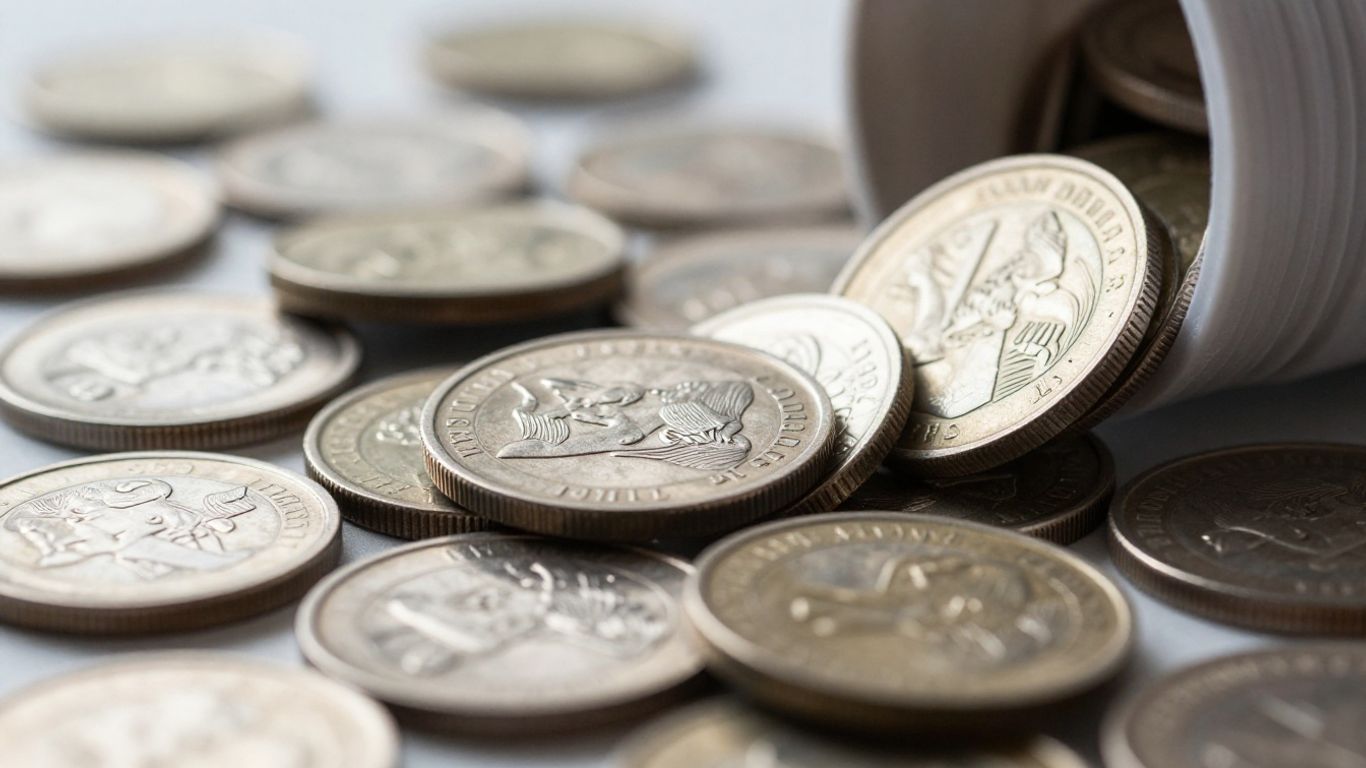
So, you’ve spent time sifting through rolls, and now you’re wondering how to actually make some money from it. It’s not just about finding cool old coins; it’s about turning those finds into something tangible. Let’s talk about how to get the most bang for your buck.
Understanding Denomination Yields
Not all coins are created equal when it comes to potential profit. Some denominations are just more likely to yield valuable finds than others. For instance, searching through pennies might turn up a lot of pre-1982 copper coins, which have some metal value, but the profit margin is slim because you’re dealing with such low face value.
- Pennies: Best for finding older copper coins. Expect a high volume of zinc-based pennies. Profit is minimal due to low face value.
- Nickels: While it’s illegal to melt them down in the US, you might find older silver-bearing nickels or interesting errors.
- Dimes and Quarters: These are often picked over. Finding silver is rare, but errors or key dates can still pop up.
- Half Dollars: These are often considered the best bet for finding silver, especially older ones. Rolls can contain a significant amount of silver.
The Profitability Of Half Dollar Rolls
If you’re serious about maximizing your returns, half dollar rolls are often where the action is. Why? Because they contain a higher percentage of silver in older coins compared to dimes and quarters. A roll of fifty-cent pieces from before 1971 is much more likely to contain silver than a roll of dimes or quarters from the same era. This makes them a prime target for hunters looking for that silver payoff. You might find that selling Mercury dimes in bulk is also a good strategy, but half dollars often have a higher silver content per coin.
Strategies For Selling Your Finds
Once you’ve found something worthwhile, how do you turn it into cash? It depends on what you’ve found.
- Common Silver Coins: For rolls of silver dimes or quarters, selling them as-is in bulk can be effective. Buyers often want the silver content, and selling them in rolls simplifies the process for both you and the buyer.
- Key Dates and Rarities: If you find a particularly rare coin or a key date in good condition, it’s often best to sell it individually. Research its value using resources like The Official Red Book and consider selling through reputable online auction sites or coin dealers.
- Errors and Varieties: Similar to key dates, unique errors or coin varieties can fetch a good price when sold individually to collectors who specialize in these types of finds.
Remember, patience is key not just in finding coins, but also in selling them. Don’t rush to sell a potentially valuable coin for less than it’s worth. Do your homework first.
- Building Relationships: Sometimes, having a good relationship with a local coin shop can lead to fair offers for your finds.
- Online Marketplaces: Platforms like eBay can reach a wide audience, but be mindful of fees and shipping costs.
- Coin Shows: Attending local coin shows can be a great way to connect with dealers and collectors directly.
Tools And Techniques For Efficient Searching
To really get the most out of your coin roll searching, you need the right gear and a good system. It’s not just about grabbing a roll and hoping for the best; there’s a bit more to it if you want to be successful. Think of it like any other hobby – having the right tools makes the job easier and more enjoyable.
Essential Equipment For Hunters
Having a good setup can make a big difference. You don’t need anything super fancy, but a few key items will help you spot those hidden treasures. Good lighting is probably the most important thing. You want to be able to see the details on the coins clearly. This means having a bright overhead light, but also a focused task lamp that you can direct right where you’re looking. Reading glasses are also a must for many of us. Even if you don’t think you need them, trying them out can help you see those tiny mint marks or date details that might otherwise be missed. A good magnifying glass or a jeweler’s loupe is also handy for a closer look.
Here’s a quick rundown of what most hunters find useful:
- Lighting: A bright desk lamp or a dedicated task light.
- Magnification: Reading glasses, a magnifying glass, or a jeweler’s loupe.
- Sorting Trays: To keep different denominations organized.
- Gloves: To protect coins from fingerprints and oils.
- Coin Wrappers: For rolling your keepers or returns.
Don’t underestimate the power of good lighting. It’s the difference between spotting a rare date and missing it entirely because it was in shadow. Make sure your workspace is well-lit.
Spotting Key Dates And Semi-Key Dates
Knowing what to look for is half the battle. Key dates are those coins with the lowest mintages, making them harder to find and more desirable. Semi-key dates are the next tier down. These are the coins that collectors often need to complete a set. You can find lists of these in coin collecting books or online. Learning to recognize these specific dates and mint marks on the fly is a skill that develops with practice. It’s helpful to have a reference list handy when you’re first starting out. You can even print out lists for the denominations you’re searching and keep them with your supplies. This way, you can quickly check if a coin you’ve found is a potential big score.
Recognizing Toned And Discolored Coins
Sometimes, coins don’t look shiny and new. They might have a patina, or toning, which is a natural process where the metal reacts with the environment. While some collectors prefer bright, uncirculated coins, others seek out beautifully toned pieces. Toning can sometimes indicate that a coin has been in a collection for a long time, possibly with other valuable coins. However, it’s also important to distinguish toning from damage or artificial coloring. Damaged coins, like those with scratches or bent rims, are usually worth less. Artificial coloring is an attempt to make a common coin look more appealing or rare, and it’s generally frowned upon in the collecting world. If you’re unsure, it’s always best to consult resources like The Official Red Book or online forums to get a second opinion. Understanding these differences will help you decide whether a toned coin is a keeper or just a regular coin with some age on it.
Navigating The Canadian Coin Roll Landscape
While the United States has a long history with silver coinage that makes hunting for it a popular pursuit, Canada offers its own unique set of opportunities for the dedicated coin roll hunter. The landscape here is a bit different, with a shift away from silver occurring earlier and a focus on other aspects of numismatics.
Canadian Nickel Hunting
Canadian nickels, particularly those minted between 1922 and 1964, are a primary target for many Canadian roll hunters. These older nickels contain a higher silver content, making them desirable for both their numismatic value and their metal worth. After 1964, the composition changed, but even later nickels, especially those from 1965 to 1981, can sometimes be sought for their metal value, which might slightly exceed their face value. It’s not uncommon to find these in rolls, and keeping an eye out for specific dates or mint marks can pay off.
The Decline Of Silver In Canadian Coinage
Canada’s transition away from silver in its circulating coinage happened in stages. While dimes and quarters minted before mid-1968 still contain silver, the numbers minted after this period were very high. This, combined with the introduction of bank machines that could reject silver coins, made finding silver in circulation increasingly difficult. The Royal Canadian Mint phased out silver in dimes and quarters in 1968, and nickels had already seen their silver content removed earlier. This means that while silver Canadian coins exist, they are much harder to come by than their U.S. counterparts from a similar era.
Collecting Special Canadian Issues
Beyond silver, Canadian coin roll hunting can involve collecting other special issues. This includes:
- Commemorative Quarters: Canada has released numerous commemorative quarters, often celebrating national events, figures, or themes. Building sets of these can be a rewarding pursuit.
- Special Circulation Issues: Keep an eye out for unique designs on loonies ($1 coins) and toonies ($2 coins), especially those with lower mintages or special privy marks.
- Error Coins: Like in any country, Canadian coins can have minting errors. These can range from minor off-center strikes to more significant anomalies, and they are always sought after by collectors.
The shift in Canadian coinage away from silver means that success in roll hunting often relies on identifying key dates, low-mintage coins, and special issues rather than just searching for silver content. A good resource for identifying these specific Canadian coins is a specialized coin roll hunting mat designed for Canadian currency, which can help highlight key dates and errors. [aa04]
It’s also worth noting that pennies were removed from circulation in Canada in 2013. Before their removal, pre-1997 pennies were sometimes pulled for their copper content, though this is less of a factor now. For those interested in Canadian coin roll hunting, understanding the history of their coinage and what makes certain dates or series more collectible is key. You might find a useful tool for identifying these specific Canadian coins in a coin roll hunting mat designed for Canadian currency. [09bf]
Avoiding Common Pitfalls In Coin Roll Hunting
Coin roll searching can be a lot of fun, and sometimes you find some really neat stuff. But, like any hobby, there are a few things to watch out for so you don’t end up frustrated or, worse, losing money. It’s not all about striking it rich with a rare find every time; sometimes, it’s just about avoiding the common mistakes.
Recognizing Counterfeit Coins
This is a big one. While most coins you’ll find are genuine, counterfeit coins do exist, especially in older issues or those with high silver content. These can range from crude fakes to very sophisticated ones that can fool even experienced collectors. Always be suspicious of coins that look too good to be true, feel unusually light or heavy, or have a strange sound when dropped.
- Visual Inspection: Look for inconsistencies in the design, lettering, or reeding on the edge. Genuine coins have sharp, clear details.
- Weight and Dimensions: Counterfeits might not match the official specifications for weight and diameter.
- Magnet Test: Most genuine US coins (except some older nickels) are not magnetic. If a coin sticks to a magnet, it’s likely not genuine.
- Sound Test: Genuine silver coins often have a distinct ring when dropped from a small height onto a hard surface. Counterfeits may produce a dull thud.
Understanding Legal Restrictions On Melting
It’s tempting to think about melting down old coins for their metal content, especially if you find a good amount of silver. However, in the United States, there are laws against melting down certain coins. Specifically, you cannot legally melt down pennies and nickels. This is to preserve the metal for future use and to prevent people from devaluing the currency. Always check current regulations before considering any melting operations. You can find more information on coin collecting laws at the US Mint website.
Beware Of Coin Rolling Scams
Unfortunately, where there’s a popular hobby, there are also people trying to take advantage of others. Coin rolling scams can take many forms. Some might involve selling
Conclusion
Coin roll searching, especially for silver, can be a rewarding hobby. It requires patience, a bit of luck, and a willingness to learn. By understanding what to look for, building good relationships with banks, and staying persistent, you can increase your chances of finding those hidden treasures. Remember, it’s not just about the potential profit, but also the fun of the hunt and the connection to history that these old coins represent. Happy hunting!
Frequently Asked Questions
What exactly is coin roll searching?
It’s like a treasure hunt, but with coins! You get rolls of coins from the bank, like pennies, nickels, or quarters, and then you carefully look through them for any coins that might be rare, old, made of silver, or have mistakes on them. It’s a fun way to try and find cool coins without spending a lot of money upfront.
Which coins are most likely to be silver?
In the US, you’ll want to look for dimes, quarters, and half dollars made before 1965. Those are usually 90% silver. Also, half dollars made between 1965 and 1970 have some silver in them, about 40%. And keep an eye out for nickels from 1942 to 1945, often called ‘war nickels’.
How do I get coin rolls from the bank?
It’s pretty simple. You can go to your bank and ask to buy rolls of coins. Sometimes you can just withdraw the money and they’ll give you rolls. It’s a good idea to get to know your bank teller or manager, as they can help you order boxes of rolls if you plan to do this a lot. Using a couple of different banks can also be helpful.
Is coin roll searching profitable?
It can be, but you have to be patient. Some people make a good amount of money finding rare silver coins or coins with errors. However, you might go through many rolls without finding anything super valuable. It’s more of a hobby with the potential for profit, rather than a guaranteed way to make cash.
What are 'war nickels'?
These are nickels made between 1942 and 1945. During that time, they changed the metal mix to save copper and nickel for the war effort. So, these nickels have about 35% silver in them, making them a target for people looking for silver.
Can I find error coins in rolls?
Yes, you definitely can! Error coins are made when the minting machines mess up, like if a coin is stamped twice or something is missing. These mistakes can make a coin rare and worth more money. You just need to know what kinds of errors to look for.
What if I find a lot of coins I don't want?
That’s totally normal! Most of the coins you find won’t be special. You can just take those back to the bank. If you have rolls of coins you’ve searched, you can usually exchange them for cash or get new rolls to search. It’s best to have one bank where you get your rolls and another where you return the ones you don’t want.
Is it legal to melt down old coins for their silver?
No, it’s not legal in the United States to melt down pennies or nickels. For coins that do contain silver, like older dimes and quarters, it’s generally okay to sell them for their silver value, but it’s always good to check the latest rules and regulations to be sure you’re following the law.