
Systematic coin roll hunting is a methodical approach to searching through rolls of coins for valuable or rare finds. It requires patience, a bit of knowledge, and the right tools. Here are the main points to remember:
Key Takeaways
- Understand the basics of systematic coin roll hunting and why it’s appealing.
- Learn how to get coin rolls from banks and manage different coin types.
- Follow a step-by-step process for searching rolls, from setup to identification.
- Discover which coin types offer the best chances for finding valuable items.
- Manage your finds effectively, from organizing to potentially selling them.
Understanding The Fundamentals Of Systematic Coin Roll Hunting
Defining Systematic Coin Roll Hunting
Systematic coin roll hunting is basically a method of searching for collectible or valuable coins by buying rolls of coins from a bank, opening them, and then carefully examining each coin. It’s not just about randomly picking up coins you find; it’s a structured approach. You’re looking for specific dates, mint marks, errors, or even just coins in really good condition that might be worth more than face value. The goal is to turn a common, everyday activity into a potentially rewarding hobby. It requires patience and a bit of knowledge about what makes a coin special.
The Allure Of The Hunt
So, why do people get into this? Well, there’s a certain thrill to it, isn’t there? It’s like a treasure hunt, but instead of a map, you have a roll of quarters. You never quite know what you’re going to find inside. It could be a common coin, or it could be that one rare date that makes your day. It’s also a way to connect with history. Holding a coin that’s fifty, seventy-five, or even a hundred years old gives you a tangible link to the past. Plus, it’s a hobby that doesn’t require a huge initial investment. You can start small, just buying a few rolls, and see where it takes you. It’s a low-barrier-to-entry hobby that can grow as your interest does. Many find it a relaxing way to unwind after a busy week, focusing on the details of each coin. It’s a bit like solving a puzzle, piece by piece, roll by roll.
Essential Tools For The Trade
To get started with systematic coin roll hunting, you don’t need a lot of fancy equipment. Here’s a basic rundown of what’s helpful:
- Coin Rolls: You’ll need empty rolls to put your sorted coins back into. Some banks provide these, or you can buy them online.
- Gloves: Wearing cotton gloves is a good idea. They protect the coins from fingerprints, which can lower their value, and also protect your hands.
- Magnifying Glass or Loupe: A good magnifier is key for spotting small details like mint marks, dates, and any potential errors or wear.
- Coin Folder or Album: As you find interesting coins, you’ll want a place to store and display them. Folders are great for specific series, while albums offer more protection.
- Notebook and Pen: Keep track of what you find, where you found it, and any notable discoveries. This helps you learn and refine your strategy.
It’s important to remember that not every roll will yield a jackpot. The majority of coins you’ll find are common circulation strikes. The satisfaction often comes from the process itself and the occasional significant find, rather than expecting a big score every time.
For those looking to organize their findings, having a system in place is key. You might want to look into coin storage solutions to keep your collection tidy and protected. It’s a hobby that rewards patience and attention to detail, turning the mundane into something potentially exciting.
Acquiring Your Coin Rolls
Getting your hands on coin rolls is the first practical step in systematic coin roll hunting. It might seem straightforward, but there are a few things to keep in mind to make the process smooth and efficient. Banks are the primary source for these rolls, and understanding how they operate can help you maximize your chances of getting what you need.
Navigating Bank Procedures
Most banks are happy to provide coin rolls to their customers. They typically have a process for dispensing them, often through the teller window. It’s a good idea to build a relationship with your local bank. Let them know you’re a regular customer and that you’re interested in obtaining coin rolls for a hobby. Some banks might have limits on how many rolls they can give out at once, especially if they don’t have a high volume of coin transactions. Being polite and patient is key to a good relationship with your bank.
Here’s a general approach:
- Visit during off-peak hours: Mid-morning or early afternoon on weekdays are usually less busy than opening time or right after lunch.
- Ask politely: "Could I please get X number of [penny/nickel/dime/quarter] rolls?"
- Be prepared for questions: They might ask what you need them for. A simple "I’m collecting them for a hobby" usually suffices.
- Consider opening an account: If you don’t already bank there, opening a checking or savings account can sometimes make banks more amenable to special requests.
Ordering Specific Denominations
While you can often get mixed rolls, the real treasure hunting comes from focusing on specific denominations. You’ll want to request rolls of pennies, nickels, dimes, or quarters depending on what you’re looking for. Some banks may have specific procedures for ordering larger quantities or specific types of rolls. It’s worth asking if they can set aside rolls for you or if you need to place an order in advance. This is especially helpful if you plan on hunting regularly. You can often find information about how banks handle coin distribution on their websites, or simply ask your teller about bank coin services.
Maximizing Roll Availability
Availability can vary greatly from one bank to another and even from day to day. Factors like the bank’s location (e.g., near a laundromat) and their cash handling policies play a role. If one branch isn’t being helpful, don’t hesitate to try another branch of the same bank or a different bank altogether. Sometimes, you might find that certain denominations are harder to come by than others. For instance, older banks might have more access to older coins, but this isn’t always the case. Building a network with tellers at multiple locations can significantly improve your access to rolls.
It’s important to remember that banks provide these coins as a service, and while they are generally happy to help, they are not obligated to provide an unlimited supply. Maintaining a good rapport is beneficial for everyone involved.
The Systematic Coin Roll Hunting Process
Once you’ve got your rolls, it’s time to get down to business. This is where the real fun begins, and a bit of organization goes a long way. You’re not just ripping open rolls randomly; you’re setting up a system to make sure you don’t miss anything.
Setting Up Your Workspace
First things first, find a good spot. You’ll need a clean, well-lit area where you can spread out a bit. A desk or a large table works perfectly. Having good lighting is key, especially when you’re trying to spot tiny details on a coin. You might want to lay down a mat or a piece of felt to protect your coins and your table. It also helps keep things from rolling away. Think about having a trash can nearby for any wrappers or unwanted coins you might set aside.
The Art Of The Unroll
This is the part where you actually open the rolls. There are a few ways to go about this. Some people like to use a coin wrapper opener tool, which can be pretty quick. Others prefer to carefully unroll the paper wrapper by hand, trying not to damage the coins inside. The goal is to get the coins out without scratching or denting them. You’ll also want to have a way to keep the coins organized as you unroll them. A simple tray or even just lining them up in rows can make a big difference. If you’re looking for specific types of coins, like older ones, you might want to sort them by year as you go. This is a good time to start thinking about how to sort your finds.
Identifying Key Features
As you unroll, you’ll be looking at each coin. What you’re looking for depends on what you’re hunting for. For beginners, it’s often about finding older dates or coins with specific mint marks. You’ll want to pay attention to:
- The Date: This is usually the first thing people check. Older dates can sometimes be more valuable.
- The Mint Mark: This small letter (like ‘D’ for Denver or ‘S’ for San Francisco) tells you where the coin was made. Some mint marks are rarer than others.
- Condition: Even if a coin is old, if it’s in really bad shape, it might not be worth much. Look for coins that are still fairly clear.
- Errors: Sometimes coins have mistakes from the minting process. These can be anything from a doubled die to off-center strikes. These are often the most exciting finds!
You’re essentially performing a visual inspection of each coin. It’s a process that gets faster with practice. Don’t get discouraged if you don’t find anything amazing right away. The thrill is in the possibility of what each roll might hold.
Here’s a quick look at what you might be looking for in different coin types:
| Coin Type | Key Features to Inspect |
|---|---|
| Penny | Dates before 1982 (copper), mint marks (especially ‘S’) |
| Nickel | Dates before 1965 (silver), Buffalo nickels, Westward Journey series |
| Dime | Dates before 1965 (silver), Mercury dimes, Roosevelt dimes with ‘S’ mint mark |
| Quarter | Silver quarters (pre-1965), State Quarters, National Park Quarters with errors |
Focusing On Specific Coin Types
When you start hunting rolls, it’s easy to get overwhelmed by the sheer volume of coins. But a smart approach is to focus on specific types of coins. This helps you learn what to look for and makes the hunt more manageable. Each denomination has its own set of potential finds, from common circulation strikes to rare errors and silver.
Pennies: A Foundation For Beginners
Pennies are often the starting point for many coin roll hunters. They are usually the most readily available and the easiest to examine. While most pennies you find will be modern zinc-based cents, there’s still a chance to find older copper pennies, which have a different feel and color. Keep an eye out for pennies minted before 1982, as these are primarily copper and can have a bit more value, especially in bulk. You might also stumble upon wheat pennies (1909-1958), which are a common but still exciting find for beginners. These are a great way to get a feel for the process without a huge investment.
- Pre-1982 Pennies: Primarily copper, slightly more valuable than modern ones.
- Wheat Pennies (1909-1958): A common collectible, easily identifiable by the wheat stalks on the reverse.
- Lincoln Memorial Cents (1959-2008): Look for mint errors or specific dates that might be scarce.
The sheer number of pennies in circulation means that even a small percentage of errors or older dates can add up over time. Don’t dismiss them just because they’re common.
Nickels: Exploring Common Finds
Nickels, particularly the Jefferson nickel, offer a bit more variety. The most sought-after finds in nickel rolls are typically silver nickels minted between 1942 and 1945. These were made with a higher silver content due to copper being needed for the war effort. Identifying them is easy: they have a distinct dark mint mark over Monticello. Beyond silver, you’ll want to look for buffalo nickels (1913-1938) if you happen to find any older rolls, though these are rare in circulation. Also, keep an eye out for doubled dies and other mint errors on Jefferson nickels. Searching for silver can be a rewarding part of nickel hunting.
Dimes: Seeking Silver And Rare Dates
Dimes are where the hunt for silver really starts to pay off. All dimes minted before 1965 are 90% silver. This means that even a common date silver dime has a melt value that’s significantly higher than its face value. You’ll want to get familiar with the dates and mint marks of silver dimes. Look for Roosevelt dimes (1946-1964), Mercury dimes (1916-1945), and Barber dimes (1892-1916). The older the coin, the more potential value it holds. Beyond silver, rare dates and mint errors can also be found, though they are less common than in larger denominations.
| Denomination | Silver Content | Dates to Look For | Potential Finds |
|---|---|---|---|
| Dime | 90% | Pre-1965 | Silver, rare dates, errors |
Quarters: The Treasure Trove
Quarters are often considered a treasure trove for coin roll hunters. Like dimes, all quarters minted before 1965 are 90% silver. This includes Washington quarters (1932-1964), Standing Liberty quarters (1916-1930), and Barber quarters (1892-1915). The silver value alone makes these rolls worth searching. Beyond silver, the 50 State Quarters program (1999-2008) and the America the Beautiful Quarters program (2010-2021) introduced many designs, increasing the chances of finding varieties, errors, or proofs. Some collectors also focus on specific mint marks or low-mintage issues within these series. The thrill of finding a silver quarter is a major draw for many hunters.
Advanced Techniques For Experienced Hunters
Once you’ve got the hang of the basics, it’s time to really refine your coin roll hunting. This is where you start looking beyond just the common finds and begin to develop a more strategic approach. It’s about working smarter, not just harder, to increase your chances of uncovering those special coins.
Leveraging Technology For Identification
While your eyes are your primary tool, technology can offer some assistance. For instance, using a good quality magnifying glass or even a digital microscope can help you spot tiny details on coins that might otherwise be missed. Some hunters use apps on their phones to quickly look up coin values or identify mint marks when they’re on the go. It’s not about replacing your own knowledge, but about having quick access to information when you need it. This can be particularly helpful when you find a coin with unusual markings or potential errors.
Understanding Mint Marks And Errors
This is where things get really interesting. Mint marks, those small letters indicating where a coin was struck (like ‘D’ for Denver or ‘S’ for San Francisco), can significantly impact a coin’s rarity and value. Knowing which mint marks are scarcer for certain years is key. Beyond mint marks, errors are the holy grail for many hunters. These can range from minor things like off-center strikes to more significant issues like double dies or planchet errors. Learning to spot these anomalies takes practice, but it’s incredibly rewarding. You can find resources online that detail common errors for specific coin series.
Developing A Personal Hunting Strategy
Every hunter develops their own rhythm. Some prefer to focus on specific denominations or mint years, dedicating their hunts to finding particular treasures. Others might adopt a broader approach, sifting through everything with a keen eye for any deviation from the norm. Consider these points when building your strategy:
- Roll Selection: Do you find certain banks are more consistent with their coin roll availability? Do you notice patterns in which denominations are easier to get?
- Search Focus: Will you concentrate on finding silver coins, specific dates, or perhaps coins with known minting errors?
- Time Investment: How much time are you willing to dedicate per session? Some hunters prefer shorter, more frequent hunts, while others set aside larger blocks of time.
- Record Keeping: How will you track your finds? A simple spreadsheet can help you monitor what you’ve searched, what you’ve found, and identify patterns in your success rate. This kind of data can be surprisingly useful for refining your approach over time. For those interested in the history of coin collecting, early coins often showcase unique characteristics due to the manufacturing processes of their time.
The pursuit of rare coins through roll hunting requires patience and a willingness to learn. It’s a hobby that rewards attention to detail and a systematic approach. Don’t get discouraged by common finds; each roll is a new opportunity, and the thrill of discovery is what keeps many collectors engaged. Remember, even experienced hunters started with the basics, and continuous learning is part of the fun.
As you gain experience, you’ll start to develop an intuition for what to look for. This might involve recognizing the subtle differences in wear patterns or knowing which years are generally more sought after. It’s a journey of continuous learning and refinement, much like starting any new collecting hobby.
Managing Your Discoveries
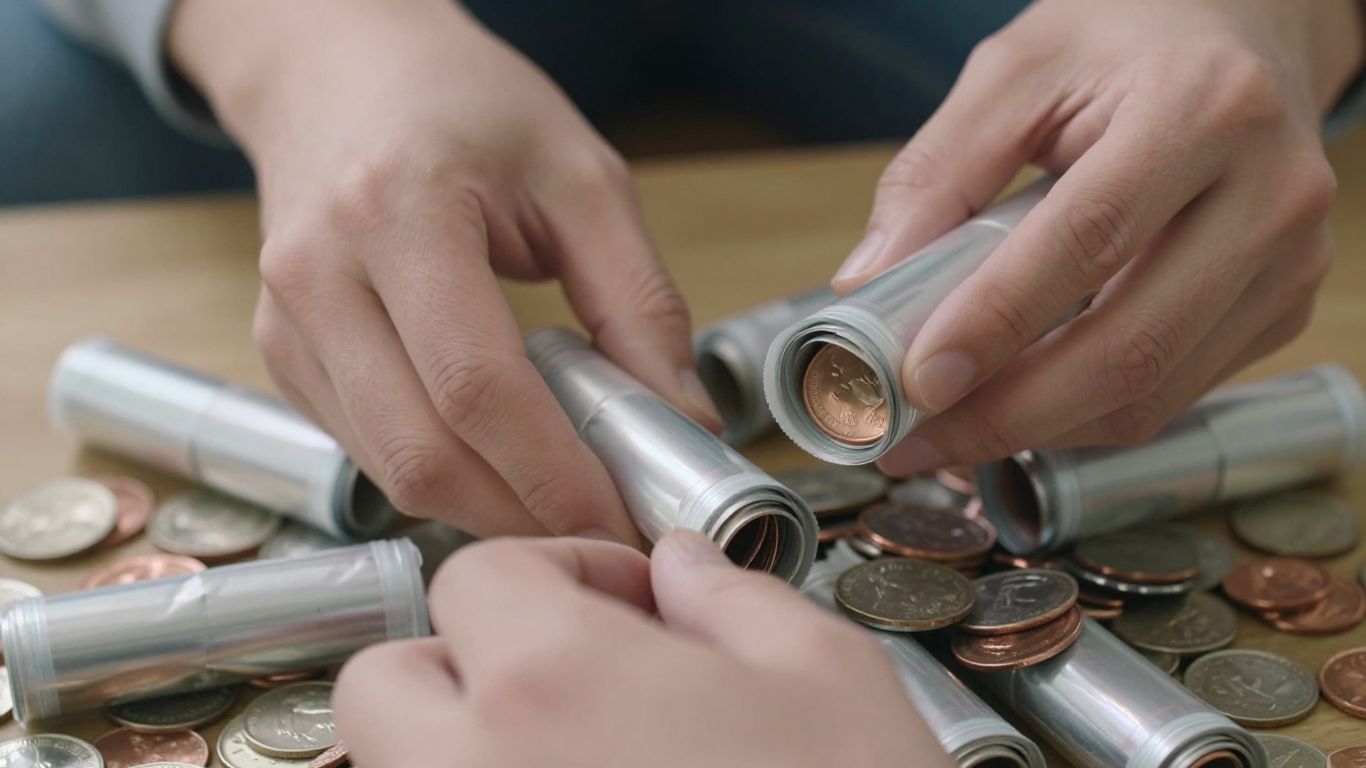
So, you’ve been at it for a while, and your stash of coins is growing. That’s awesome! But what do you do with all these finds? It’s not just about the hunt; it’s about what comes next. Let’s talk about getting your discoveries organized and figuring out their worth.
Organizing Your Finds
This is where things can get a little messy if you’re not careful. You’ve got rolls of pennies, maybe some nickels, and hopefully, a few silver dimes or interesting quarters. The first step is to sort them. I usually set up a dedicated space, maybe a big table or even the floor, and just start dumping. It’s not pretty, but it works.
Here’s a simple way to break it down:
- By Denomination: Keep all your pennies together, all your nickels together, and so on. This makes it easier to count and store.
- By Year/Mint Mark: Within each denomination, start grouping coins by year. If you’re feeling ambitious, you can then sort by mint mark (like ‘D’ for Denver or ‘S’ for San Francisco).
- By Condition: Separate out any coins that look particularly worn or damaged from those that are in better shape. This can be important for later.
- Special Categories: Have a spot for anything that looks unusual – errors, foreign coins that might have slipped in, or anything that just catches your eye.
Keeping a simple spreadsheet or even a notebook can help track what you have. You don’t need anything fancy, just a way to jot down the year, mint mark, and maybe a note about its condition. It’s a good idea to keep your finds in coin tubes or albums to protect them. You can find these at most coin shops or online. For bulk storage, plastic bins work well.
Proper storage is key to preserving the condition of your coins. Humidity and air can cause toning or even corrosion over time, diminishing their potential value. Consider using archival-quality storage materials to protect your collection for the long haul.
Valuing Your Collection
This is the exciting part, right? Figuring out what your hard work is worth. For most common coins, especially modern ones, the face value is all you’re going to get. A penny is still just a penny, even if you found it yourself. But that’s not why we’re here, is it?
- Silver Coins: Dimes, quarters, and half-dollars minted before 1965 are usually 90% silver. Their value is tied to the silver market. You can check current silver prices online to get a rough idea. A quick search for current silver prices will give you a ballpark figure.
- Key Dates and Mint Marks: Certain years and mint marks are rarer than others. For example, a 1909-S VDB Lincoln cent is a big deal. You’ll need to consult a coin catalog or an online resource to identify these.
- Errors and Varieties: Sometimes, coins have mistakes from the mint. These can be anything from a double strike to a missing mint mark. These are often quite valuable, but you need to be sure it’s a genuine error.
- Condition (Grading): The better the condition, the higher the value. This is a whole topic in itself, but generally, coins that look like they just came from the mint (uncirculated) are worth more than worn ones.
Don’t expect every roll to yield a fortune. Most of the time, you’ll find common dates. But the thrill comes from knowing that any roll could contain that one special coin.
Selling Or Trading Your Treasures
Once you’ve identified some coins with real value, you might want to sell them or trade them. There are a few ways to go about this:
- Local Coin Shops: These are convenient, but they often offer less than you might get selling directly to collectors. They need to make a profit, after all.
- Coin Shows: These events bring dealers and collectors together. You can often get better prices here, and it’s a great way to see a lot of coins and talk to other hunters.
- Online Marketplaces: Sites like eBay allow you to reach a huge audience. Be prepared to take good photos and write accurate descriptions. You’ll also have to deal with shipping and fees.
- Collector Forums and Clubs: Connecting with other collectors online or in person can lead to direct sales or trades. This is often the best way to get top dollar for your finds, as you’re cutting out the middleman. You might even find someone looking for the exact coins you have in abundance, perhaps related to local community development initiatives if you’re hunting older currency.
Remember, patience is key. Don’t rush to sell everything. Sometimes, holding onto a coin for a while can increase its value, especially if it’s a rare date or in excellent condition. Happy hunting, and even happier managing!
Troubleshooting Common Challenges
Even with the best planning, coin roll hunting can sometimes throw curveballs. Don’t get discouraged; most issues have straightforward solutions. Let’s look at some common problems and how to deal with them.
Dealing With Duplicate Finds
It’s almost guaranteed you’ll end up with a lot of common coins. While these might not be exciting finds, they can still be useful. Instead of just letting them pile up, consider these options:
- Donate them: Many charities accept coin donations. It’s a simple way to give back.
- Use them for change: Keep a jar of common coins handy for everyday purchases. This is a practical way to circulate them.
- Trade with other hunters: Connect with fellow collectors. You might find someone who needs the duplicates you have, and vice versa. This can be a great way to acquire coins you’re missing.
Navigating Low-Value Rolls
Sometimes, you’ll go through several rolls without finding anything particularly rare or valuable. This can be a bit disheartening, but it’s a normal part of the process. Remember that the thrill is often in the hunt itself, not just the prize.
The pursuit of rare coins is a journey, not a destination. Each roll, even if it yields common finds, contributes to the overall experience and builds your knowledge base. Patience is key, and persistence often pays off.
If you’re consistently finding low-value rolls, it might be time to adjust your strategy. Perhaps focus on a different denomination for a while, or try a different bank branch. Sometimes, a change of scenery can make a difference. You can also look into specific coin types that might have more potential for interesting finds.
Maintaining Motivation
Coin roll hunting requires patience. There will be days when you find nothing but common circulation strikes. It’s important to keep your enthusiasm up. Here are a few tips:
- Set small, achievable goals: Instead of aiming for a rare silver dollar on your first try, aim to fill a specific date range for a particular coin.
- Track your progress: Keep a log of your finds. Seeing how many coins you’ve searched and what you’ve found can be motivating, even if the finds are common.
- Focus on the learning aspect: Every coin you examine teaches you something new about mint marks, dates, and potential errors. This knowledge is invaluable for future hunts.
Remember, the most dedicated collectors often face periods of slow progress. Keep at it, and enjoy the process of discovery.
The Long-Term Benefits Of Systematic Coin Roll Hunting
Beyond the immediate thrill of finding a rare coin, systematic coin roll hunting offers a surprising number of lasting advantages. It’s not just about the potential monetary gain; it’s about the journey and what you learn along the way. This hobby can genuinely shape your perspective and build valuable life skills.
Building A Valuable Collection
One of the most obvious long-term benefits is the accumulation of a coin collection that can grow in both quantity and worth over time. By consistently searching through rolls, you’re not just looking for a single score, but rather building a diverse inventory. This methodical approach allows you to focus on specific series or mint marks, gradually filling gaps in your collection. Think of it like building a library, one book at a time, but with coins. Over years, these individual finds can coalesce into something quite significant, potentially worth more than the sum of its parts. It’s a slow burn, but the satisfaction of seeing your collection expand is immense. For those interested in building a meaningful collection, deciding on a focus early on is key, as trying to collect everything is simply not practical [3144].
Developing Patience And Discipline
Coin roll hunting, especially when done systematically, is a masterclass in patience. You’ll go through many rolls without finding anything particularly noteworthy. This requires a certain level of discipline to keep going, to maintain your routine, and to not get discouraged by the dry spells. It teaches you to appreciate the small victories – finding a silver dime, a wheat penny, or a coin from a desired year. This consistent effort, day in and day out, builds a mental fortitude that can translate to other areas of your life. It’s about understanding that significant results often come from sustained, focused effort, rather than quick wins. This kind of mindset is beneficial in many aspects of life, from personal projects to professional endeavors [f74a].
The Thrill Of The Chase
Even after years of hunting, the excitement of opening a fresh roll of coins never truly fades. There’s an inherent suspense in not knowing what lies within. Each roll is a new opportunity, a fresh start. This element of surprise keeps the hobby engaging and prevents it from becoming monotonous. It’s the same feeling you might get from exploring a new place or trying a new recipe; there’s always the potential for a delightful discovery. This ongoing sense of anticipation is a powerful motivator and a significant part of why many people stick with coin roll hunting for the long haul. It’s a hobby that rewards persistence with moments of genuine excitement.
Conclusion
Embarking on the journey of systematic coin roll hunting can be a rewarding hobby. It offers a unique blend of patience, discovery, and the potential for finding something truly special. By following a structured approach, understanding the basics, and staying persistent, you can transform a simple pastime into an exciting treasure hunt. So, gather your tools, visit your local bank, and start unrolling those coins – you never know what treasures await.
Frequently Asked Questions
What exactly is systematic coin roll hunting?
It’s like being a detective, but with coins! Instead of just looking through a few coins here and there, you get rolls of coins from the bank and carefully check each one for anything unusual, old, or rare. You do it in an organized way, keeping track of what you find.
Is it hard to get coin rolls from a bank?
Usually, it’s pretty simple. You can often ask your bank teller for rolls of specific coins, like pennies or nickels. Sometimes they might have limits or ask you to bring back rolls of the same type of coin when you’re done. Just be polite and ask!
What kind of tools do I need to start?
You don’t need much to begin. A good magnifying glass is helpful to see small details. A coin wrapper or a small tray to keep coins organized is good too. Some people use gloves so they don’t leave fingerprints on potential finds.
Which coins should I look for first?
Pennies are a great place to start for beginners. They’re common, and you can find older ones, error coins, or coins with interesting mint marks. Nickels are also good because some older ones are made of silver.
What are 'mint marks'?
Mint marks are tiny letters on coins that show where they were made, like ‘D’ for Denver or ‘S’ for San Francisco. Some mint marks are rarer than others, making coins with them more interesting to collectors.
How do I know if a coin is valuable?
Value can come from a coin’s age, its condition (how worn it is), any mistakes made when it was created (errors), or its mint mark. You can look up coin values online or in a coin guide book to get an idea.
What if I find a lot of the same coin?
That’s normal! Most of the time, you’ll find common coins. You can save them for later, trade them with other collectors, or even take them back to the bank to get new rolls. The fun is in the hunt for the rare ones.
Can I really make money doing this?
It’s possible, but don’t expect to get rich quick. Most finds are not worth a lot of money. However, finding a rare coin can be exciting, and over time, if you find enough special ones, you might be able to sell them for a decent amount.