
Embarking on a coin collecting journey can feel a bit overwhelming at first. You might have a few old coins lying around or perhaps you’re just drawn to the history they represent. Figuring out where to start, how to tell if a coin is valuable, and how to keep it safe can be a puzzle. This guide aims to simplify things, offering practical, strategic coin collecting approaches so anyone can build a collection they’re proud of, without all the confusion.
Key Takeaways
- Develop a clear plan for your coin collection by setting specific goals and choosing themes or series that interest you.
- Learn to identify coins accurately by understanding their inscriptions and using resources like price guides and online tools.
- Keep your collection organized with a cataloging system and detailed inventory to track what you have and where it came from.
- Protect your coins by using safe storage materials and handling them carefully to prevent damage.
- Engage with other collectors through clubs and shows to share knowledge, learn new techniques, and find opportunities.
Exploring the Foundations of Strategic Coin Collecting Approaches
Understanding Numismatic Terminology
If you’re just starting out, all the new words can make your head spin. Here are a few key terms you’ll want to know:
- Obverse: The front side of the coin (where the main design or portrait is).
- Reverse: The back of the coin (often where the denomination is shown).
- Mint Mark: A small letter or symbol showing where a coin was made.
- Grade: Refers to the coin’s condition, which can impact its value.
Getting familiar with these terms will help you read guides and communicate clearly with other collectors. It’s a bit like learning the basic rules before you play a new game—once these are down, the rest comes easier.
Historical Context of Coins
Coins have always been more than just money. Over centuries, they’ve told stories about places, politics, and people.
- Ancient coins can teach us about far-off civilizations.
- Historical events, like wars or new rulers, are often reflected on coins.
- The way coins are made—methods, materials, and designs—change over time, giving clues about technology and culture.
Learning a bit about history isn’t just a side benefit; it’s one of the reasons many people stick with coin collecting. Sometimes, a single coin can tie together decades—or even centuries—of events.
Reasons to Embrace Strategic Collecting
Jumping in without a plan might be fun at first, but it’s not the recipe for long-term satisfaction. A strategic approach to coin collecting brings organization and a sense of progress to your hobby. Here’s why it matters:
- Helps you focus on specific goals (like collecting a certain series or time period).
- Makes it easier to spot good opportunities and avoid common missteps.
- Gives you a clear system for setting budgets and making trade-offs—the hobby can get expensive fast without a plan.
| Approach | Pros | Cons |
|---|---|---|
| Random collecting | Fun surprises, easy to start | Can become disorganized |
| Themed collecting | Sense of accomplishment | Can take time to complete |
| Value-based collecting | Potential for investment gains | Harder to find rare pieces |
Building some structure into your collecting will make every new coin feel like another step forward, rather than just another addition to a box in the closet.
Designing Your Personalized Coin Collecting Strategy
Starting a coin collection can feel a bit like setting sail without a map. You’ve got this excitement, this interest in history and metal, but where do you actually point the ship? That’s where a solid strategy comes in. It’s not about being rigid; it’s about having a direction so you don’t end up with a jumble of coins that don’t really speak to you. Think of it as building a story, one coin at a time.
Defining Your Collecting Goals
Before you buy a single coin, take a moment to think about why you’re doing this. Are you fascinated by a specific historical period? Do you want to learn about different mints and their output? Maybe you’re drawn to the artistry of coin design, or perhaps you’re looking at this as a potential long-term investment. Your goals will shape everything else. For instance, if you’re interested in the history of the American West, you might focus on coins minted during that era, like Morgan Dollars or early territorial gold. If artistic merit is your driver, you might seek out coins with intricate designs or unique artistic styles, regardless of their date or origin.
- Historical Interest: Focusing on coins from specific eras or events.
- Artistic Appreciation: Collecting coins based on their design and aesthetic appeal.
- Investment Potential: Prioritizing coins with a strong likelihood of increasing in value.
- Educational Pursuit: Using coins to learn about economics, metallurgy, or world history.
Setting clear goals from the outset prevents aimless purchasing and helps you build a collection with a cohesive narrative. It’s the difference between a random assortment and a curated exhibition.
Choosing Series and Themes
Once your goals are in sight, you can start narrowing down what you’ll actually collect. This is where you pick your "battles" – the specific coin series or themes that will form the backbone of your collection. Don’t try to collect everything; it’s a fast track to burnout and a shallow collection. Instead, pick a few areas that genuinely excite you. This could be:
- U.S. State Quarters: A popular and accessible series with a clear theme.
- World War II Era Coins: Coins minted during a specific, impactful historical period.
- Ancient Roman Denarii: For those with a deep interest in classical history.
- Coins Featuring Animals: A thematic approach that can span different countries and eras.
Consider starting with a "type set" – collecting one example of each major coin type (like a Lincoln cent, a Jefferson nickel, a Roosevelt dime, etc.) – before diving into more complex "series sets" (collecting every date and mint mark within a specific series, like all the Lincoln cents). This gives you a broad overview and helps you discover what truly captures your interest.
Setting Realistic Budgets
Coin collecting can be as expensive or as affordable as you make it. It’s vital to establish a budget early on. This isn’t just about how much you can spend per month, but also about understanding the price range for the coins you’re interested in. A common date Morgan Dollar in circulated condition might cost $30-$40, while a rare variety in top condition could run into the thousands. Knowing this helps you manage expectations and avoid overspending.
Here’s a simple way to think about budgeting:
| Coin Type/Series | Estimated Cost (Circulated) | Estimated Cost (Uncirculated) | Notes |
|---|---|---|---|
| Lincoln Cent (Common) | $0.25 – $2.00 | $5.00 – $50.00+ | Varies by date, mint mark, and condition. |
| Morgan Dollar (Common) | $30.00 – $50.00 | $100.00 – $500.00+ | Key dates and mint marks increase price. |
| State Quarters | $0.50 – $2.00 | $3.00 – $20.00+ | Uncirculated examples are readily available. |
Be honest with yourself about what you can comfortably afford. It’s better to build a smaller, high-quality collection within your means than to overextend yourself and risk debt. Remember, the joy of collecting should not be overshadowed by financial stress.
Mastering Coin Identification and Valuation Techniques
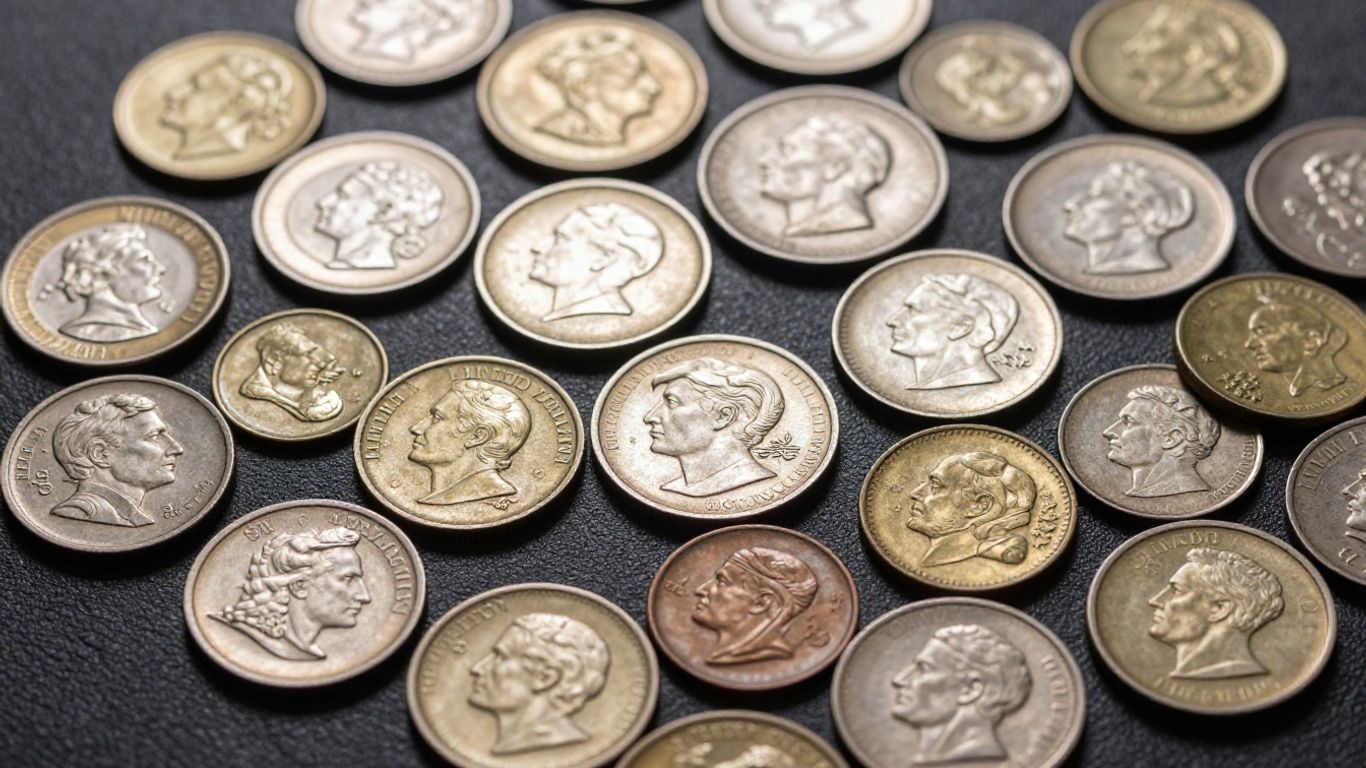
Figuring out what you’ve got and what it’s worth is a big part of coin collecting. It’s not just about looking at a coin and guessing; there’s a method to the madness. You need to know how to read the coin itself and then use the right tools to get a handle on its value.
Decoding Inscriptions and Engravings
Every coin tells a story, and the inscriptions and engravings are its language. You’ll find dates, mint marks (which tell you where the coin was made), the name of the ruler or country, and often some sort of motto or design element. Learning to spot these details is step one. For example, a tiny letter below the date on a U.S. coin might be an ‘S’ for San Francisco or a ‘D’ for Denver. These little marks can make a huge difference in a coin’s rarity and, therefore, its value. You’ll also see designs that might look similar but have subtle differences – these are often key to identifying specific varieties.
- Dates: The year the coin was minted. This is usually the most obvious piece of information.
- Mint Marks: Small letters indicating the mint where the coin was produced (e.g., ‘P’, ‘D’, ‘S’, ‘O’).
- Legends: Text around the coin, often stating the country, motto, or ruler’s name.
- Design Elements: Specific images or patterns that can help identify the coin type and series.
Utilizing Price Guides and Catalogs
Once you can identify a coin, the next step is figuring out its worth. This is where price guides and catalogs come in. Think of them as the bibles for coin collectors. The most well-known for U.S. coins is often called "The Red Book." It lists pretty much every coin ever made in the U.S., gives you historical info, mintage numbers, and, importantly, estimated prices for coins in different conditions. Keep in mind that these prices are just guides; the actual price you can get or pay can vary a lot based on the market and the specific coin’s condition.
- Annual Publications: Like "The Red Book," these are updated yearly to reflect current market values and new discoveries.
- Specialized Catalogs: Focus on specific series (like U.S. type coins, world coins, or ancient coins) and offer more detailed information.
- Price Trends: These guides help you see how coin values have changed over time, which can be useful for planning your collecting.
Leveraging Online Research Tools
In today’s world, the internet is an incredible resource. Beyond just price guides, there are many online tools that can help you identify and value your coins. Websites of major grading services (like PCGS and NGC) often have extensive databases where you can look up coins, check auction results, and even see population reports (how many of a certain coin have been graded). Online forums and communities are also great places to ask questions and get opinions from other collectors. Just be sure to use reputable sources; not everything you read online is accurate.
When you’re starting out, it’s easy to get caught up in the idea of finding a rare, valuable coin. But the real skill comes from consistently identifying what you have and understanding its place within a series. Don’t rush the process; take your time to learn the basics of identification and valuation. This careful approach will save you from making costly mistakes down the line and build a solid foundation for your collection.
Organization Solutions for a Cohesive Collection
Keeping your coin collection well-organized makes every part of this hobby smoother, from tracking values to sharing coins with friends or buyers. Whether you have a few coins in a desk drawer or dozens of albums spread out on a shelf, having a solid system helps you remember what you own, what you want, and what you might need next. Here’s a rundown of several approaches that make organizing your collection easier and more enjoyable.
Cataloging with Digital and Physical Systems
Before you dive into collecting, consider how you’ll keep track of every piece. Some prefer handwritten ledgers or pre-printed coin folders, while others take the digital route using spreadsheets or specialized software. Both options have their benefits:
| Method | Pros | Cons |
|---|---|---|
| Handwritten | Tangible record, easy to start | Can get messy, hard to back up |
| Digital log | Quick to search, easy updates | Needs device, tech learning curve |
| Coin folders | Physical display, organizes by type | Limited info, bulky as you add more |
A detailed log should include at least:
- Coin description (type, year, mint mark)
- Purchase date and price
- Current condition
- Notes on provenance or history
Interested collectors rely on tools like a coin collector’s journal for seamless inventory tracking and value recording.
Maintaining Detailed Inventories
A thorough inventory will save you endless confusion down the road. To do this, get in the habit of logging every new acquisition and updating details if a coin is graded, cleaned, or sold. Seasoned collectors often:
- Assign each coin a unique ID or reference number
- Document changes in valuation over time
- Keep copies of grading certificates or receipts as proof
Tracking Acquisitions and Provenance
Knowing the journey each coin has taken before landing in your collection adds both personal meaning and potential resale value. For high-value coins, keeping track of when, where, and how you got them can be critical. Steps to track provenance include:
- Record all purchase sources – auctions, dealers, private sellers
- Store relevant paperwork, especially for rare or expensive items
- Note any previous owners if possible
Strong organization isn’t just about staying tidy—it’s how seasoned collectors safeguard the stories and value of each coin. A little effort upfront makes all the difference when you need to find, value, or sell later on.
Taking the time to build a solid organizational system pays off in peace of mind and, potentially, profit if you ever decide to sell.
Essential Preservation and Storage Methods
Keeping your coin collection in good shape means focusing on how you store, handle, and protect each piece. A careful approach to preservation can make all the difference in keeping your coins beautiful and valuable for years—or even generations.
Selecting Archival-Safe Materials
Always use storage supplies specifically designed for coins. Materials matter more than you might think:
- Mylar flips or non-PVC plastic holders are the standard for most collections.
- Certified slabs—those hard, airtight cases from grading services—are ideal for high-value coins.
- Avoid old-style PVC flips, which can cause green, sticky damage over time.
- Albums and binders should be archival-safe, without plasticizers or acids.
A quick comparison table can help you sort the basics:
| Material Type | Pros | Cons |
|---|---|---|
| Mylar Flip | Inert, widely available | Prone to tearing |
| Non-PVC Plastic | Safe, flexible | Can get scratched |
| Certified Slab | Maximum protection | Costly, less accessible |
| PVC Flip (Avoid!) | Cheap, flexible | Damages coins over time |
A strong focus on family heirloom preservation starts with using the right supplies from day one.
Creating Optimal Storage Environments
The space where you stash your coins is just as important as the holders themselves. Here are some simple but effective habits:
- Control the temperature and humidity—coins hate dramatic changes.
- Keep coins away from direct sunlight, which can cause fading or uneven toning.
- Store collections inside the house, away from damp basements or hot attics.
- Consider silica gel packets for sealed containers, and replace them every few months in humid climates.
Even if your collection is small, taking storage seriously helps you avoid surprises—like sticky residue from bad flips, or uneven patina from a sunbeam sneaking through the window. Good storage now means fewer headaches later.
Golden Rules for Coin Handling
Handling coins is where most mishaps happen. Stick with these three rules to protect your collection:
- Always use clean cotton gloves when touching coins. Even the smallest bit of oil from your skin can leave permanent marks.
- Hold coins only by the edge; never touch the flat surfaces.
- Resist the urge to clean your coins. What looks like dirt or dullness is often a natural part of the coin’s surface, and cleaning can slash its value in half or more.
Coins carry their own history and story. Simple habits in storage and handling mean you’re ready to keep those stories alive, and your collection as bright as the day you started it.
Evaluating Grade and Condition in Your Collection Strategy
Understanding Grading Scales
When you start looking at coins to buy or trade, you’ll see numbers and letters attached to them. This is how people talk about a coin’s condition. The most common system is the Sheldon Scale, which goes from 1 to 70. A coin with a grade of 1 is pretty beat up, maybe just showing its basic shape. A 70 is perfect, with no flaws at all. Most coins you’ll encounter fall somewhere in between. For example, a coin that’s been used a lot in everyday transactions might be graded from 1 to 59. These are called circulated coins. Coins that have never been used are called uncirculated, and they get grades from 60 to 70. It sounds simple, but there’s a lot of detail that goes into assigning these numbers.
Collecting by Condition or Grade
So, how do you decide what to focus on? Some collectors aim for the best possible condition for every coin in a series. This means they might only buy coins graded MS-65 or higher, which are considered very nice uncirculated coins. This approach can lead to a collection that looks amazing, but it often costs a lot more money. Other collectors are happy with coins that show some wear, as long as they are still identifiable and have some historical appeal. They might focus on getting one example of each date and mint mark, regardless of whether it’s circulated or not. This is often called collecting by
Navigating the Market: Buying and Selling with Confidence
Approaching the coin market can feel overwhelming at first, especially if you’re trying to buy or sell coins with confidence. With the right approach, though, you’ll be able to make smart choices, reduce risks, and even enjoy the process more.
Recognizing Niche Opportunities
If you want to get more out of your collection, it helps to spot areas other collectors may overlook—unique coins, specific mint years, or regional issues. This doesn’t mean you should chase every trend. Instead, consider these strategies:
- Focus on underappreciated coin series with few active bidders
- Research coins with low population reports or recent discovery
- Watch for special editions released in limited numbers
- Join online communities to hear about emerging opportunities
Trust your instincts but always back them up with research before making a purchase. Sometimes, patience pays off, and those oddball coins everyone skips end up being the most interesting finds a few years later.
Avoiding Common Pitfalls and Scams
Unfortunately, the coin market isn’t free from scams or misrepresentation. Protecting yourself requires a watchful eye and practical habits:
- Only buy from established dealers with a strong track record and positive reviews
- Carefully inspect coins or request high-quality photos before buying
- Learn the basics of spotting fakes, such as weight, diameter, and design inconsistencies
- Don’t fall for prices that seem far below market value—if a deal feels wrong, walk away
A quick reference table can help you keep track of key safety checks:
| Check | What to Look For |
|---|---|
| Seller Reputation | Reviews, long history, professional clubs |
| Coin Authenticity | Weight, diameter, certification |
| Return Policy | Clear, fair, and well-posted |
| Payment Method | Secure and traceable |
Taking preventive steps will save you from headaches down the line and let you focus on building your collection instead of worrying about fraud.
Timing Sales for Maximum Return
Selling coins isn’t just about letting go—it’s about choosing the right moment. Prices fluctuate with collector demand, metal costs, and broader economic factors. Here’s how you can maximize your returns:
- Track current auction and sale prices for your coin types
- Know when new versions are releasing or collecting trends are shifting
- Watch for moments when interest in a particular series or era spikes
- Sell through trusted venues, like reputable auction houses or well-moderated online marketplaces, to reach more buyers
There will always be ups and downs in the coin market, and predicting the perfect time is impossible. Still, doing a little homework will help make sales more rewarding.
Whether you’re a buyer or a seller, staying informed and careful will let you enjoy collecting without worry. With patience and attention to detail, you can make the most out of every transaction.
Community Engagement and Networking in Numismatics
Coin collecting doesn’t have to be a solitary hobby. Connecting with other enthusiasts can really make the experience richer and help you learn faster. Think of it like joining a club for people who love old coins – you get to share stories, see cool stuff, and pick up tips.
Joining Local Coin Clubs and Associations
Local coin clubs are a great starting point. They usually meet regularly, giving you a chance to meet people who are just as into coins as you are. You can swap knowledge, listen to talks about different coin topics, and sometimes even get in on club-only sales. It’s a relaxed way to get to know the hobby better. National groups, like the American Numismatic Association (ANA), offer even more. They have educational events, publications, and access to a wide network of people who know a lot about coins. These communities provide support, friendship, and chances to see and learn about a wider variety of coins.
Building Relationships with Experienced Collectors
Talking to collectors who have been around for a while can be super helpful. They’ve seen a lot and can offer advice on everything from spotting fakes to finding good deals. Don’t be shy about asking questions; most experienced collectors are happy to share what they know. They can guide you on how to build your collection, what to look out for, and even help you avoid common mistakes. Building these connections can really speed up your learning curve.
Participating in Auctions and Shows
Coin shows and auctions are exciting places to be. You can see thousands of coins in one spot, talk to dealers, and maybe even find that one piece you’ve been searching for. Auctions, in particular, can be a good place to find rare items, but it’s important to know what you’re bidding on. Attending these events is also a good way to gauge the market and see what coins are currently in demand. You can find information about upcoming events and discussions on various coin types at online forums like this coin forum.
Engaging with the numismatic community offers more than just social interaction; it provides a vital support system for learning, problem-solving, and discovering new avenues within the hobby. Shared experiences and collective knowledge can significantly reduce the learning curve and increase the overall enjoyment of coin collecting.
Safeguarding Your Investment with Insurance and Documentation
Collecting coins can be a lot of fun, but once your collection starts growing in value, protecting it goes from being optional to non-negotiable. If something unexpected happens—like a break-in or a natural disaster—having a plan in place might be the only thing standing between you and a total loss. Good insurance and thorough documentation make all the difference here.
Assessing Insurance Needs
Most homeowners’ insurance policies barely scratch the surface when it comes to collectibles. For any collection worth more than a few hundred dollars, it’s smart to speak directly with your agent about these options:
- Add a rider or extra coverage specifically for coins and collectibles.
- Look into policies from companies that focus on valuables or fine arts.
- Review exactly what’s covered: theft, fire, water damage, and accidental loss.
| Coverage Type | Typical Claims Covered | Average Annual Cost (USD) |
|---|---|---|
| Homeowners’ Rider | Theft, fire, some water loss | $30–$100 per $1,000 |
| Specialty Policy | All major perils, transit | $75–$200 per $1,000 |
Creating Comprehensive Inventories
An accurate, updated inventory is what makes an insurance claim possible—you need proof of what you owned. Your inventory should include at least:
- Coin type, denomination, date, and mint mark
- Purchase date, price, and seller
- Grading information (certified grade, if any)
- Unique ID numbers and certificates (from grading agencies)
- Clear photos of both sides
- Keep both a digital and printed copy in separate locations.
- Update your list after every new purchase or sale.
Protecting Against Loss and Damage
You can avoid a lot of headaches with a few practical steps:
- Use safe, archival-quality storage and store coins in a secure place.
- Never clean coins—this decreases their value and could mess with insurance claims.
- Consider a small safe or a bank safety deposit box for particularly high-value items.
It’s always easier to take the time now to organize and protect your collection than to sort through chaos after something’s gone wrong. If you ever need to make a claim, having your paperwork ready will speed things up and help you recover your losses as quickly as possible.
Advanced Specializations: Varieties, Errors, and Rare Finds
Diving into Die Varieties and Mint Errors
Once you’ve got a handle on the basics, you might find yourself drawn to the more intricate side of coin collecting: varieties and mint errors. This is where the real detective work begins. Varieties are slight differences in the dies used to strike coins, often resulting from mistakes or modifications during the minting process. Think of things like repunched mint marks, doubled dies, or die breaks. These aren’t just minor quirks; some varieties can be quite rare and sought after by collectors.
Mint errors, on the other hand, are accidents that happen before or during the striking of the coin. This could be anything from a coin struck off-center, a planchet (the blank metal disc) that’s been double-struck, or even a foreign object getting caught in the press. The sheer range of possibilities is astounding. Identifying these anomalies requires a keen eye and a good understanding of how coins are supposed to be made.
Spotting Hidden Treasures in Circulation
Don’t think you need to spend a fortune to find interesting pieces. Many collectors get their start by simply searching through pocket change. This practice, often called "cherrypicking," involves looking for those unusual coins that might have slipped through the cracks. While finding a major mint error in circulation is rare, it’s not impossible. More commonly, you might find minor varieties or coins with interesting toning or wear patterns that appeal to you.
Here are a few things to keep an eye out for:
- Off-center strikes: The coin isn’t fully centered on the planchet.
- Struck-through errors: Something was on the die or planchet when the coin was struck, leaving a mark or missing detail.
- Die cracks or cuds: Visible cracks or chips on the die that transfer to the coin.
- Double strikes: The coin was struck more than once.
Researching Population and Rarity
Understanding how rare a particular coin or variety is can significantly impact its desirability and value. This is where population reports come into play. Grading services like PCGS and NGC publish data on how many of each specific coin and grade they have certified. A low population number for a particular coin, especially in a high grade, often indicates rarity.
When looking into varieties, resources like the CONECA (Combined Organizations of Numismatic Error Collectors of America) or specialized books for specific series (like VAMs for Morgan dollars) can provide detailed information on known varieties and their relative scarcity. It’s a bit like piecing together a puzzle, where each piece of information helps you understand the bigger picture of a coin’s place in numismatic history.
The pursuit of rare varieties and errors transforms coin collecting from a passive hobby into an active investigation. It encourages a deeper appreciation for the manufacturing process and the subtle imperfections that can make a coin unique. This specialization often appeals to those who enjoy detailed study and the thrill of discovery, turning everyday currency into potential historical artifacts.
Leveraging Educational Resources for Lifelong Learning
Continuing to learn is a big part of enjoying coin collecting. It keeps things interesting and helps you make better choices with your collection. Think of it like this: you wouldn’t try to build a house without tools or plans, right? Collecting coins is similar. You need the right information and resources to really get the most out of it.
Building a Reference Library
Having a good set of books and guides is super helpful. These aren’t just for looking up coin values; they tell you the stories behind the coins, how they were made, and what makes them special. A solid library can include:
- General Coin Catalogs: Like the
Your Numismatic Journey Continues
So, we’ve covered a lot of ground, from figuring out what kind of coins get you excited to keeping them safe and maybe even making a little money. It might seem like a lot at first, but remember, this hobby is about enjoying the process. Whether you’re hunting for that one rare piece or just love the history in your hand, there’s always something new to learn. Don’t be afraid to ask questions, connect with other collectors, and most importantly, keep exploring. Your collection is a personal story, so make it one you’re proud to tell.
Frequently Asked Questions
What is the best way for a beginner to start collecting coins?
To begin, decide what kind of coins interest you most. You might like coins from a specific country, a certain time period, or coins with unique designs. Start by looking through coins you already have, like pocket change, or visit a local coin shop. It’s also helpful to get a basic coin guide to learn about different coins and their general worth.
How can I tell if a coin is valuable?
A coin’s value depends on several things. These include its rarity (how many were made), its condition (how worn it is), its historical importance, and the metal it’s made from. Price guides and online resources can help you get an idea of a coin’s value, but having it checked by an expert is the most reliable way.
Should I clean my old coins?
It is strongly advised not to clean your coins. Cleaning can damage the coin’s surface and often lowers its value significantly. Even using a soft cloth can cause tiny scratches. It’s best to leave coins as they are, in their original condition, to preserve their numismatic worth.
What are the best materials for storing coins?
Always use materials that are safe for coins and won’t cause damage over time. Good choices include Mylar flips, special plastic holders that don’t contain PVC (a harmful chemical), or professionally graded coin slabs. Avoid storing coins in regular plastic bags or containers that might break down and harm the metal.
How do I organize my coin collection?
Keeping your collection organized helps you track what you have and its value. You can use a notebook, a spreadsheet on a computer, or specialized software. For each coin, record its date, mint mark, condition, where you got it, and its estimated value. This detailed record is also important for insurance purposes.
What is 'grading' in coin collecting?
Grading refers to how experts assess a coin’s condition and wear. Coins are given a numerical grade, usually from 1 (poor) to 70 (perfect mint state), based on factors like surface preservation, luster, and the presence of scratches or marks. A higher grade generally means a more valuable coin.
Where can I learn more about coin collecting?
There are many ways to learn more. You can read books and magazines about numismatics, join a local coin club to meet other collectors, visit coin shows, and explore reputable websites dedicated to coin collecting. Learning from experienced collectors is a great way to gain knowledge.
Is coin collecting an expensive hobby?
Coin collecting can be as expensive or as affordable as you make it. You can start with common coins found in everyday change, which cost very little. As you become more experienced, you might choose to invest in rarer or higher-grade coins, which can be more costly. The key is to set a budget that works for you.