
Coin collecting, or numismatics, is a hobby that blends history, art, and economics. Whether you’re just starting out or have been collecting for years, knowing how to properly document your coins is key. This guide offers practical advice on managing your collection, from understanding coin details to keeping them safe. We’ll cover the best ways to keep track of your coins, identify them, store them, and even how to protect their value. Good coin collection documentation best practices can make a big difference in enjoying your collection and keeping it in great shape.
Key Takeaways
- Create a detailed inventory of your coins, noting specifications, acquisition details, and provenance.
- Learn to identify coins by their anatomy (obverse, reverse, edge), mint marks, and specifications, and understand grading standards for condition.
- Always use archival-safe storage materials like Mylar flips or non-PVC holders, and store coins in a stable environment away from temperature and humidity swings.
- Never clean your coins; preserve their original surfaces and natural patina, as cleaning significantly reduces their value.
- Build a personal numismatic library with essential coin guides and catalogs, and utilize online resources for continuous learning and informed decision-making.
Establishing A Comprehensive Collection Inventory
Setting up a solid inventory is the first real step in treating your coin collection seriously. It’s not just about knowing what you have, but also about keeping track of its details. This helps you understand your collection’s scope and value, and it’s super important for insurance or if something unexpected happens.
Documenting Essential Coin Specifications
When you get a new coin, jotting down its basic facts is key. This includes the year it was made, the mint where it was produced (look for a small letter like ‘D’ for Denver or ‘S’ for San Francisco), and its denomination. You’ll also want to note its metal composition if you know it. For example, a 1943 copper penny is a big deal because most were made of steel. Having this info handy helps you spot interesting pieces and understand their place in history. It’s also a good idea to take clear photos of both the front (obverse) and back (reverse) of each coin. This visual record is incredibly helpful. Remember to handle coins carefully, perhaps using cotton gloves, to avoid leaving fingerprints or scratches; this practice helps preserve the condition and value of your coin collection. Handling coins carefully
Recording Acquisition Details and Provenance
Beyond the coin’s specs, knowing how you got it matters. Record the date you acquired the coin and how much you paid. If you bought it from a dealer, list their name. If it was a gift, note who gave it to you. This information, known as provenance, can add significant value to a coin, especially if it has a history of ownership by notable collectors. It tells a story about the coin that goes beyond its metal and date. Keeping all original paperwork, like receipts or certificates, with your inventory is also a smart move. This documentation can be important for their value. Save any original documentation
Utilizing Digital Tools for Inventory Management
Keeping track of all this information doesn’t have to mean stacks of paper. There are plenty of digital ways to manage your inventory. You could use a simple spreadsheet program like Excel or Google Sheets. For each coin, you’d create a row with columns for year, mint mark, denomination, purchase date, price, and any notes. If you have a large collection, specialized inventory software or apps designed for coin collectors might be a better fit. Some even let you upload photos and track market values. Here’s a basic idea of what your spreadsheet might look like:
| Year | Mint Mark | Denomination | Purchase Date | Purchase Price | Notes |
|---|---|---|---|---|---|
| 1955 | D | Lincoln Cent | 2024-01-15 | $5.00 | Doubled Die Obverse |
| 1932 | S | Washington Quarter | 2023-11-01 | $50.00 | About Uncirculated |
A well-organized inventory is more than just a list; it’s a roadmap for your collection’s journey and a vital tool for its protection and appreciation.
Mastering Coin Identification And Grading
Being able to properly identify and grade your coins is a really big deal for any collector. It’s not just about knowing what you have, but also about understanding its condition and, by extension, its worth. This section will help you get a handle on the basics.
Understanding Coin Anatomy: Obverse, Reverse, and Edge
Every coin has distinct sides. The side with the main design or portrait is called the obverse, often referred to as the ‘heads’ side. The opposite side, usually featuring a building, symbol, or secondary design, is the reverse, or ‘tails’. Don’t forget the edge, either! Sometimes called the ‘third side’, the edge can have reeded (grooved) patterns, be plain, or even carry lettering. These details are important for identification and can sometimes point to specific minting variations.
- Obverse: The primary face, typically featuring a portrait or significant national symbol.
- Reverse: The secondary face, often displaying a coat of arms, building, or other symbolic imagery.
- Edge: The side of the coin, which can be plain, reeded, or lettered.
Decoding Mint Marks and Specifications
Mint marks are small letters or symbols found on a coin that indicate where it was produced. For example, a ‘D’ might mean Denver, and an ‘S’ could signify San Francisco. These marks are critical for distinguishing between coins of the same year and denomination that were struck at different facilities. Beyond the mint mark, looking at the coin’s specifications – like its diameter, weight, and metal composition – is also key. You can often find this information in numismatic guides or online databases. Cross-referencing these details with reliable sources is a fundamental step in confirming a coin’s authenticity.
Applying Grading Standards for Condition Assessment
Grading is how we describe a coin’s condition, using a standardized scale. The most common is the Sheldon Scale, which runs from 1 to 70. A coin graded ‘1’ is in poor condition, with most details worn away, while a ’70’ is considered perfect. For collectors, understanding the difference between circulated (worn) and uncirculated (mint state) coins is a good starting point. Even within uncirculated coins, minor marks or imperfections can affect the grade. Learning to spot wear on high points, assess luster (shine), and identify surface marks is part of developing a good grading eye. Many collectors find it helpful to compare coins of different grades side-by-side to better grasp the distinctions. For objective assessments, especially for higher-value coins, professional grading services offer a reliable way to get an unbiased opinion on a coin’s grade and authenticity.
Developing a keen eye for coin grading takes time and practice. It involves careful observation of wear patterns, surface preservation, and overall eye appeal. Don’t be discouraged if you don’t get it perfect right away; consistent practice and comparison are your best tools.
When you’re starting out, focus on the main categories. Is the coin clearly worn, or does it look like it just came from the mint? As you see more coins, you’ll get better at spotting the subtle differences that separate a grade of, say, MS-63 from MS-65. It’s a skill that really grows with experience, and it’s one of the most rewarding parts of collecting. You can find more information on the 70-point grading scale to help you along the way.
Prioritizing Archival Storage Solutions
Proper storage is the first line of defense for any coin collection. It’s not just about keeping things tidy; it’s about actively protecting your coins from damage that can happen over time. Think of it like putting your valuable items in a safe place where they won’t get bumped around or exposed to bad stuff.
Selecting Inert and Acid-Free Storage Materials
When you’re picking out what to put your coins in, you’ve got to be picky. Not all plastics are created equal, and some can actually harm your coins. You want materials that won’t react with the metal of the coin. This means avoiding anything with PVC, which is a type of plastic that can break down and leave a sticky, green residue. That’s a big no-no for coin preservation. Instead, look for materials that are labeled as "archival safe" or "acid-free." These are designed to be stable and won’t degrade or release harmful chemicals. Mylar flips are a popular choice, as are polyethylene or polypropylene holders. For coins that have been professionally graded, the sealed slabs they come in are already made from inert materials and offer great protection.
- Mylar flips: Thin, clear sleeves that protect individual coins.
- Non-PVC plastic holders: Various types of plastic holders that are chemically stable.
- Certified slabs: Sealed plastic cases from grading services like PCGS or NGC.
The goal is to create a barrier between your coin and the environment, using materials that won’t cause their own problems down the line. It’s a simple step, but it makes a huge difference in the long run.
Choosing Appropriate Holders and Albums
Once you’ve got your inert materials, you need to decide how to organize them. For individual coins, Mylar flips are great, but you’ll want a way to keep those flips organized too. This is where coin albums and binders come in. Many albums are designed with specific slots for different coin sizes, keeping them snug and preventing them from rubbing against each other. Some collectors prefer 2×2 cardboard holders, which are also a good option as long as they are made from archival materials. For more valuable coins, or once they’ve been graded, the certified slabs themselves become the primary holder. These can then be stored in specialized boxes or albums designed to hold slabs securely. Keeping your coins in a cool, dark place, away from direct sunlight and temperature swings, is also key. Think about storing albums or boxes on high shelves, away from potential water damage or fluctuations that happen near external walls. You can even use silica gel packets in sealed containers if you live in a very humid area, but remember to swap them out regularly. Saving any documentation related to your coins is also a good idea. Check out storage options.
Implementing Environmental Controls for Preservation
Beyond just the materials you use, controlling the environment where your coins are stored is super important. Coins don’t like extreme temperatures or humidity. Big swings can cause metals to react, leading to discoloration or even corrosion. Ideally, you want to keep your collection in a stable, cool, and dry place. This means avoiding places like attics, basements, or garages, which often experience the most dramatic temperature and humidity changes. A closet inside your main living space is usually a better bet. If you live in a region with very high humidity, you might consider using dehumidifiers or silica gel packets within sealed storage containers. Just be sure to monitor and replace these packets as needed. Light can also be a factor, especially UV light, which can fade labels or affect certain coin surfaces over time. Storing your coins in opaque containers or in a dark room helps mitigate this. The main idea is to create a consistent, safe haven for your coins, minimizing any environmental stresses that could lead to damage. Keep coins cool and dry.
The Golden Rule: Preserving Original Surfaces
When it comes to coin collecting, there’s one piece of advice that stands above all others: never clean your coins. This might sound simple, but it’s a mistake many new collectors make, often with irreversible consequences. A coin’s original surface, including its natural toning or patina, is a significant part of its history and its value. Think of it like the patina on an old bronze statue; it tells a story.
Understanding the Detrimental Effects of Cleaning
Cleaning a coin, whether it’s a gentle rub with a cloth, a dip in a chemical solution, or even a scrub with soap and water, can cause permanent damage. This damage often manifests as microscopic scratches, known as hairlines, which are visible under magnification. It can also strip away the coin’s natural luster or alter its surface in a way that looks unnatural to experienced collectors. This artificial appearance drastically reduces a coin’s numismatic value, sometimes by more than half, even for common coins. It’s a bit like trying to polish a vintage car and accidentally removing the original paint – you can’t get it back.
Appreciating Natural Patina and Toning
Patina and toning are the natural results of a coin’s interaction with its environment over time. For many collectors, these surface characteristics are highly desirable. They indicate that the coin has remained undisturbed and can add a unique beauty and character to the piece. Different metals develop different types of toning. For example, silver coins often develop beautiful shades of blue, purple, or gold, while copper coins might show a reddish-brown or dark brown patina. Embracing these natural changes is key to appreciating a coin’s journey.
Professional Conservation vs. Collector Intervention
While the general rule is to avoid cleaning, there are rare instances where professional conservation might be considered for a severely damaged or environmentally compromised coin. However, this is a job strictly for experts who understand the materials and techniques involved. For the vast majority of collectors, the best course of action is to leave coins as they are. If you’re unsure about a coin’s condition or whether it might benefit from professional attention, it’s always best to consult with a reputable numismatist or a professional grading service before attempting any intervention. Remember, proper handling is crucial; always use cotton gloves when examining your coins to prevent transferring oils from your skin, which can also cause damage over time. You can find good quality gloves at many coin supply stores.
The allure of a coin often lies not just in its design or rarity, but in the story its surfaces tell. These marks of time, when left undisturbed, contribute immeasurably to a coin’s authenticity and appeal. Attempting to ‘improve’ these surfaces through cleaning is a misguided effort that invariably diminishes, rather than enhances, a coin’s true worth and historical narrative.
Leveraging Numismatic Reference Materials
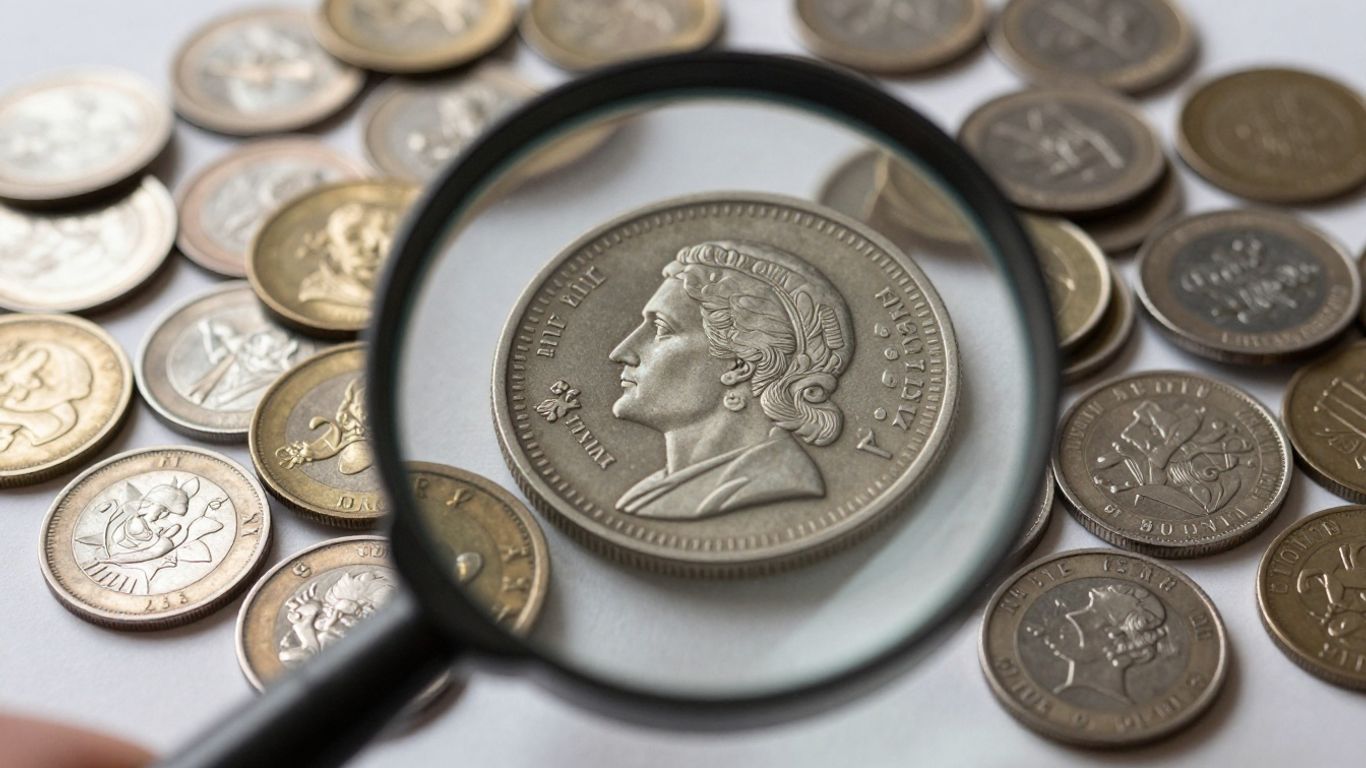
Having the right books and online tools can make a big difference when you’re trying to figure out what your coins are worth or just learn more about them. It’s like having a cheat sheet for the coin world.
Essential Coin Guides and Price Catalogs
For anyone serious about coins, a good printed guide is a must-have. Think of it as your go-to manual. The annual "Red Book" (A Guide Book of United States Coins) is a classic for U.S. coins. It covers pretty much every coin ever made, giving you historical tidbits, how many were produced, and what they might be worth in different conditions. While the prices are just a snapshot and change, it gives you a solid starting point for understanding rarity and value. Getting a current edition of the Red Book early on is a smart move for your coin education. It’s a resource that helps you understand the basics of coin values and rarity. For more current market data, resources like the Greysheet provide up-to-date valuations for coins and other collectibles, which is really helpful for professionals in the field.
Utilizing Online Databases and Resources
Beyond physical books, the internet offers a treasure trove of information. Websites from grading services like PCGS and NGC are fantastic. They have reports showing how many coins of a certain type and grade exist, price guides based on real sales, and clear pictures. These sites let you research specific coins, watch market trends, and compare different examples. The American Numismatic Association (ANA) also has a lot of educational stuff online. These digital tools can help you catalog your collection and keep track of details, making it easier to assess your coins. Many free and paid books are also available online to help collectors understand coin values and improve their collecting knowledge.
Building A Personal Numismatic Library
Your collection of reference materials is your personal knowledge base. It’s not just about having the books; it’s about using them. Regularly checking updated guides and online databases helps you stay current with market shifts. You might also want to look into subscription services from major auction houses or independent pricing guides if you get more serious. These can offer really detailed market analysis and pricing trends that aren’t always obvious in basic guides. They’re often aimed at more experienced collectors, but knowing they exist is a good step as you grow. Building this library, both physical and digital, is key to making smart decisions about your collection.
A coin’s original surface, including its natural toning or patina, is a big part of its numismatic value. Cleaning, no matter how gentle, can permanently damage this surface, leaving behind scratches or an unnatural shine. This damage significantly lowers a coin’s worth. It’s best to embrace the coin’s natural state; its history is part of its charm and value. Always use inert, archival-safe storage materials and avoid anything with PVC. Store albums or slab boxes in a cool, dark place, away from external walls where temperature and humidity can change a lot. Consider using silica gel packets in sealed containers if you live in a very humid area, but remember to swap them out periodically.
Here are some basic tests you can do to check if a coin is real:
- Magnet Test: Most precious metals used in coins are not magnetic. If your coin sticks to a strong magnet, it’s likely not made of a valuable metal or it’s a fake.
- Ping Test: Genuine coins, especially older silver ones, often make a distinct ringing sound when gently tapped or dropped on a hard surface. Fakes tend to make a dull thud.
- Cross-Referencing: Always compare the physical coin’s specifications (size, weight, metal content, mint mark) with reliable sources like the Red Book or online databases. Discrepancies are a major red flag.
Authenticity Verification Techniques
Spotting a fake coin from the real deal is a skill that takes practice, but there are some straightforward methods every collector can use. It’s not just about knowing the coin’s history; it’s about knowing the coin itself.
Performing Basic Magnet and Ping Tests
One of the simplest checks involves a magnet. Most precious metals used in coinage, like gold, silver, and copper, are not magnetic. If a coin sticks to a magnet, it’s a strong indicator that it’s not made of the expected material, or it has been plated over a magnetic base metal. Keep in mind that some alloys might have trace magnetic properties, so this test is best used as an initial screening tool. For a more nuanced check, especially with silver coins, the "ping test" can be useful. Gently tap the coin with another coin or a hard surface. Genuine silver coins often produce a clear, ringing sound, while fakes tend to have a duller thud. This sound varies with the coin’s size and thickness, so it’s a test best learned by comparing known genuine examples to potential fakes.
Cross-Referencing Specifications with Reliable Sources
Every coin has specific physical characteristics defined by the mint. These include weight, diameter, thickness, and the composition of its metal. Comparing these details against official mint records or reputable numismatic references is a vital step in verification. For instance, if a coin is supposed to weigh 10 grams but the one you’re examining is significantly lighter or heavier, something is amiss. Resources like the Red Book are invaluable for this kind of cross-referencing. Checking the mint mark’s appearance and location against known examples is also critical, as counterfeiters often get these details wrong.
Recognizing Counterfeit Indicators
Counterfeiters are getting better, but they often make mistakes. Look closely at the coin’s surface. Are there signs of casting, like small pits or a grainy texture, instead of the smooth, struck appearance of a genuine coin? Check the lettering and numbers; are they sharp and well-defined, or do they appear mushy or uneven? Sometimes, counterfeiters will alter genuine coins, perhaps by adding a mint mark or changing a date. Look for signs of tooling, such as file marks or a different patina in altered areas. If you’re dealing with potentially valuable coins, it’s always wise to consult resources that detail common counterfeit indicators for specific series or periods. For example, understanding how to identify counterfeit gold and silver coins can save you a lot of trouble.
Verifying a coin’s authenticity is a multi-faceted process. It begins with simple physical tests and progresses to detailed comparisons with known specifications. Paying close attention to the finer points of design, lettering, and surface texture can reveal inconsistencies that point to a fake. Never hesitate to consult trusted numismatic guides or seek advice from experienced collectors or dealers when in doubt.
Professional Coin Appraisal Best Practices
Understanding Factors Influencing Coin Value
When it comes to figuring out what your coins are really worth, it’s not just a simple matter of looking up a number. Several things come into play, and a good appraisal takes all of them into account. Think about the coin’s age, how many were made, and, importantly, its condition. A coin that looks like it just came from the mint will naturally be worth more than one that’s seen a lot of wear and tear. This is where understanding grading standards becomes really important. Even small differences in condition can mean big differences in value. It’s also about what collectors want right now; market demand plays a huge role. What’s popular today might not be tomorrow, so staying aware of trends is key.
The Role of Mint State and Provenance
Two terms you’ll hear a lot in appraisals are "mint state" and "provenance." Mint state, often abbreviated as MS, refers to coins that are in the same condition as when they left the mint. They haven’t been handled or circulated, so they retain their original luster and detail. These coins are highly sought after. Provenance, on the other hand, is the history of ownership for a coin. If a coin belonged to a famous collector or has a documented history that adds to its story, that can significantly increase its desirability and value. Knowing this history helps confirm authenticity and adds a layer of appeal that goes beyond the coin itself. It’s like owning a piece of history with a pedigree. For collectors looking to understand these aspects better, resources on coin history can be quite helpful.
When to Engage Professional Appraisers
While you can certainly do some research on your own, there comes a point where professional help is really needed. If you have a large collection, rare coins, or pieces that might be worth a substantial amount, getting an expert opinion is wise. Professional appraisers have the training and experience to spot details that the average person might miss. They understand the nuances of grading, know current market values, and can identify potential fakes. This is especially important for insurance purposes, estate planning, or if you’re considering selling your collection. They can provide a detailed report that outlines each coin’s value and the reasoning behind it. Finding a reputable appraiser often involves asking for recommendations from other collectors or coin clubs. You’ll want someone familiar with the types of coins you own and who can clearly explain their appraisal methods. It’s also good to discuss fees upfront to avoid any surprises. A professional appraisal can give you peace of mind and help you make informed decisions about your collection’s future. Learning about preparing for an appraisal can make the process smoother.
Safeguarding Your Collection Financially
Evaluating Insurance Options for Collectibles
When your coin collection grows in value, thinking about how to protect that investment becomes a practical next step. Insurance is a primary way to do this. It’s not just for homeowners; specialized insurance exists for collectibles like coins. This type of policy can cover your coins against theft, damage, or loss. When looking into options, consider what level of coverage you need. A basic homeowner’s policy might offer some protection, but it often has limits on valuable items. You might need a separate rider or a dedicated collectibles policy for full peace of mind. It’s wise to get detailed appraisals for your collection to determine the right amount of coverage. High-quality photographs of your coins can also be very helpful if you ever need to file a claim, making the process smoother. Researching different coin insurance providers can help you find a plan that fits your collection’s worth and your budget.
Understanding Tax Implications of Sales and Transfers
Selling coins or transferring them as part of an estate involves tax considerations. When you sell coins for more than you paid for them, you might owe capital gains tax. The rate of this tax depends on how long you owned the coins and your overall income. If you’ve held coins for over a year, they are typically subject to long-term capital gains rates, which are often lower than short-term rates. For estate planning, understanding how coins are valued for tax purposes is also important. Proper documentation and appraisals are key here. Consulting with a tax professional can help you plan effectively and avoid surprises. This knowledge helps you make informed decisions about when and how to sell or pass on your collection.
Strategic Selling and Holding Decisions
Deciding whether to sell a coin now or hold onto it for potential future appreciation is a common dilemma for collectors. Market trends, rarity, and current demand all play a role. Sometimes, a coin might be experiencing a surge in popularity, making it a good time to sell. Other times, holding a rare or historically significant piece might lead to greater returns down the line. Keeping an eye on numismatic news and understanding the factors that influence coin values can guide these choices. Building a strong, well-documented collection also makes it easier to track its performance over time. This careful approach helps maximize the financial rewards of your hobby.
Proper storage and care are not just about preserving the physical coin; they are also about preserving its financial value. A coin that has been cleaned improperly or stored in a damaging environment will fetch a lower price than one in its original condition. Therefore, investing time and resources into archival storage solutions and avoiding common mistakes like cleaning are direct financial safeguards for your collection.
Enhancing Expertise Through Community Engagement
Collecting coins can sometimes feel like a solitary hobby, but connecting with other enthusiasts can really make it more enjoyable and help you learn a lot faster. It’s not just about the coins themselves; it’s about the shared passion and the collective knowledge that grows when people come together.
Participating in Coin Shows and Auctions
Coin shows and auctions are fantastic places to see a wide variety of coins up close and get a feel for the market. You can talk directly with dealers and other collectors, ask questions, and get a sense of what’s popular and what prices are being asked. It’s a great way to learn about different coin series and even find that missing piece for your own collection. Remember to handle coins with care, perhaps using gloves or a soft cloth, and avoid touching the surfaces directly, especially when placing them into albums.
Joining Local Coin Clubs and Online Forums
Local coin clubs offer regular meetings where you can meet people who share your interest. These gatherings often include educational talks, coin identification sessions, and informal trading. Online forums, like those found on general coin collecting sites, provide a 24/7 connection to a global community. You can post pictures of your coins, ask for opinions on grading, or discuss the latest numismatic news. This kind of interaction is invaluable for getting diverse perspectives.
Learning from Experienced Collectors and Experts
Experienced collectors and numismatic experts have a wealth of knowledge gained over years of study and hands-on experience. They can offer advice on everything from spotting fakes to understanding market trends. Don’t be shy about asking questions; most seasoned collectors are happy to share what they know. Attending seminars or workshops, often held at larger coin shows or through numismatic organizations, can provide structured learning opportunities with leading figures in the field.
Building a network within the numismatic community provides more than just information; it offers camaraderie and a shared journey. These connections can lead to mentorship, friendships, and a deeper appreciation for the hobby.
Here are some ways community engagement can help:
- Discovering New Areas: You might be introduced to coin series or types you hadn’t considered before.
- Gaining Practical Advice: Get tips on storage, cleaning (or rather, not cleaning!), and identifying specific coin features.
- Understanding Market Value: Observing sales at auctions and discussions in clubs helps you gauge what coins are worth.
- Finding Mentors: Connect with individuals who can guide you through more complex aspects of collecting.
Advanced Study and Specialization
Once you’ve got a handle on the basics of documenting, identifying, and storing your coins, you might find yourself wanting to dig a bit deeper. That’s where advanced study and specialization come in. It’s about taking your hobby to the next level, focusing on specific areas that really capture your interest.
Exploring Coin Varieties and Mint Errors
This is where things get really interesting for many collectors. Beyond just the date and mint mark, coins can have subtle differences that make them much rarer and more valuable. These are often called "varieties." Think of things like a doubled die, where the design appears doubled, or a repunched mint mark, where the mint mark was punched onto the die more than once. Identifying these takes a keen eye and good reference materials. For instance, the study of VAMs (Van Allen-Mallis) for Morgan Dollars is a whole field in itself, with collectors hunting for specific die variations. Learning to spot these can turn an ordinary coin into a significant find. You can find guides dedicated to these specific types of coins, like those detailing essential coins for collectors.
Mint errors are another exciting area. These happen when something goes wrong during the striking process. Examples include off-center strikes, double strikes, or coins struck on the wrong planchet (the blank metal disc). These are usually accidental and not intended, making them unique collectibles. Understanding the minting process helps in identifying these anomalies.
Attending Numismatic Seminars and Workshops
To really get good at spotting these advanced details, you’ll want to learn from the pros. Many numismatic organizations and even large coin shows put on seminars and workshops. These are great places to learn about specific coin series, get better at grading, or understand market trends. You’ll often hear from people who have spent decades studying coins. It’s a good way to pick up tips you won’t find in a book and to ask questions directly. These events are often a good place to find information on identifying valuable die varieties.
Deepening Knowledge of Specific Coin Series
Instead of trying to collect everything, many collectors find it more rewarding to focus on a particular series. Maybe you love Lincoln cents, or perhaps you’re drawn to early American silver dollars. By concentrating on one series, you can become a real expert. You’ll learn all the different dates, mint marks, varieties, and even the historical context behind them. This focused approach allows for a more in-depth appreciation and can lead to building a truly outstanding collection in that niche.
Specializing means you’re not just collecting coins; you’re becoming a student of a particular part of numismatic history. It requires patience and a willingness to learn the fine details that others might overlook. This dedication often leads to a more satisfying collecting experience and can significantly increase the value of your focused collection over time.
Putting It All Together
So, we’ve gone over a lot of ground, from how to store your coins so they don’t get ruined to understanding what makes one coin worth more than another. It might seem like a lot at first, but really, it’s all about taking care of your collection and knowing what you have. Think of good documentation and proper storage as the foundation for everything else. It protects your investment and makes it easier to enjoy your coins for years to come. Keep learning, keep asking questions, and most importantly, keep enjoying the hunt for those special pieces. Happy collecting!
Frequently Asked Questions
What are the most important details to record when I first get a coin?
When you get a new coin, it’s smart to write down its name, like ‘Lincoln Cent’ or ‘Morgan Dollar.’ Also, note where you got it from, like if you bought it at a show or a friend gave it to you. It’s also good to record the date you got it and how much you paid, if anything. This helps you keep track of your collection.
Why shouldn't I clean my coins?
You should never clean your coins because it can damage their original surface and lower their value. What looks like dirt is often a natural, old coating called patina that collectors like. Cleaning can leave tiny scratches or change the coin’s shine in a way that makes it look fake or worn out, costing you money.
What kind of storage is best for my coins?
It’s best to use storage materials that won’t harm your coins over time. Look for things labeled ‘archival safe’ or ‘acid-free.’ Plastic flips made of Mylar are good, and certified slabs from companies like PCGS or NGC are even better for valuable coins. Avoid anything that says it contains PVC, as that can damage coins.
How can I tell if a coin is real or a fake?
You can do a few simple checks. Some metals aren’t magnetic, so a magnet test can help. Real coins often make a clear ringing sound when gently tapped, while fakes might sound dull. Comparing the coin’s details, like its size and weight, to information in a reliable coin book or online database is also very important.
What's the difference between a coin's 'obverse' and 'reverse'?
The ‘obverse’ side of a coin is usually the front, often showing a person’s head or a main design. The ‘reverse’ is the back side, which typically has the coin’s name, value, and date. The ‘edge’ is the side that runs around the coin.
Where can I find reliable information about coin values?
A great place to start is a coin guide book, like ‘The Red Book’ for U.S. coins, which is updated every year. Online databases and coin collecting websites also offer a lot of information. These resources can give you an idea of what coins are worth based on their condition and rarity.
Do I need to insure my coin collection?
If your collection is worth a good amount of money, it’s a good idea to look into insurance. Regular home insurance might not cover the full value of your coins. You can talk to your insurance company about adding a special policy for collectibles or fine art to protect your investment.
How can I learn more about coin collecting from others?
You can learn a lot by going to coin shows, where you can see many different coins and talk to other collectors. Joining a local coin club or an online forum dedicated to coin collecting is also a great way to share knowledge, ask questions, and learn from people who have been collecting for a long time.