
Thinking about selling your star notes? If you’re in San Antonio, finding the right people to buy them can feel like a treasure hunt. This guide is here to help you connect with those who know their value and will give you a fair deal. We’ll cover where to look, what to ask, and how to make sure you’re getting what your currency is worth. Let’s get started on finding those star notes currency buyers in San Antonio.
Key Takeaways
- Look for dealers with good reputations and affiliations with numismatic groups when searching for star notes currency buyers in San Antonio.
- Understand the condition and rarity of your star notes; this heavily influences their market value.
- Compare offers from different buyers and be prepared to negotiate for a fair price.
- Properly handling and storing your star notes before selling can help maintain their condition and value.
- Researching recent sales of similar star notes can provide a baseline for pricing and negotiation.
Finding Reputable Star Notes Currency Buyers in San Antonio
Understanding the Value of Your Star Notes
Star notes are a special kind of currency. They have a star symbol at the end of their serial number, which means they replaced a defective note during the printing process. Because they are less common than regular bills, they can sometimes be worth more to collectors. The exact value depends on a few things, like how rare the specific star note is, its condition, and if it has any other interesting features. It’s always a good idea to do some basic research before you talk to any buyers.
Where to Find Expert Appraisers
Finding someone who really knows their stuff when it comes to star notes is important. You want an appraiser who can accurately tell you what your notes are worth. In San Antonio, you can look for dealers who specialize in paper money. Sometimes, local coin shops also have people on staff who are knowledgeable about currency. You might also find appraisers through numismatic organizations. These groups often have lists of trusted professionals.
What to Expect from a Professional Buyer
A professional buyer will typically look at your star notes carefully. They’ll consider the condition, the rarity, and the current market demand. They should be able to explain their valuation process clearly. You should expect them to make a fair offer based on their assessment. If you’re not comfortable with an offer, it’s okay to say no and look elsewhere. It’s also good to ask if they are members of any professional numismatic groups, like the American Numismatic Association.
Navigating the San Antonio Currency Market
Local Coin and Currency Dealers
San Antonio has a number of established businesses that deal in coins and currency. These dealers often have a physical storefront where you can bring your star notes for evaluation. They typically employ individuals with a good amount of knowledge about different types of currency, including rarer items like star notes. It’s a good idea to visit a few of these places to get a feel for their expertise and how they operate. Some places might specialize more in coins, while others have a stronger focus on paper money. Rufers’ Coin Company, for example, is one such business in the area that handles coins.
Online Marketplaces and Auction Houses
Beyond local shops, the internet offers a vast landscape for selling currency. Online marketplaces can connect you with a wider pool of buyers, potentially leading to better prices. Auction houses, both online and those with a physical presence that might accept mail-in consignments, can also be an option, especially for particularly rare or high-value notes. These platforms often have a broad reach, attracting collectors from all over.
Specialty Collectors and Enthusiasts
Sometimes, the best buyers aren’t businesses at all, but individual collectors who are passionate about specific types of currency. These enthusiasts often have a deep knowledge of niche areas, like star notes, and may be willing to pay a premium for a note that fits perfectly into their collection. Finding these individuals might take a bit more effort, often through coin clubs or specialized online forums, but they can be very dedicated buyers. Connecting with these collectors can sometimes yield the most satisfying results for unique items.
When looking to sell your star notes, remember that the market is diverse. You have local dealers who know the San Antonio scene, large online platforms that reach globally, and passionate collectors who seek out specific pieces. Each avenue has its own pros and cons, and understanding these differences will help you make the best choice for your currency.
Here are some types of places you might encounter:
- Coin and Currency Shops: These are your traditional brick-and-mortar stores. They often buy and sell a variety of numismatic items.
- Jewelry Stores with Coin Departments: Some jewelry stores also have a coin and currency buying division, offering appraisals and purchases.
- Online Auction Sites: Platforms where you can list your notes for auction, allowing buyers to bid.
- Dedicated Paper Money Dealers: Specialists who focus solely on banknotes, often possessing extensive knowledge.
It’s always wise to do some preliminary research on any buyer before committing to a sale. Looking into their reputation and how they handle transactions can save you a lot of trouble down the line. For instance, if you’re looking for expert coin appraisals in San Antonio, places like San Antonio Coin Buyers can provide reliable evaluations.
Key Factors When Selling Star Notes
When you’re ready to sell your star notes, a few things really matter in getting a good price. It’s not just about having the note; it’s about understanding what makes it special to collectors. Think of it like selling a rare book – the condition and how many were printed play a big role.
Condition and Rarity Assessment
The physical state of your star note is probably the most important factor. Collectors want notes that look as good as possible. This means checking for things like folds, creases, tears, stains, or even just worn edges. A note that looks like it just came from the bank will always be worth more than one that’s been handled a lot. Buyers often use a grading scale, from Poor (P-1) to Gem Uncirculated (CU-70), to describe the condition. A higher grade means a higher value.
Beyond condition, rarity is a huge driver of value. Star notes are already a bit special because they replace "broken" notes in a Federal Reserve series. But some star notes are much rarer than others. This can be due to a short print run, a limited distribution, or simply fewer of them surviving over time. For example, a star note from a less common Federal Reserve Bank or a specific print run that had issues might be significantly rarer than a more common one. Researching the specific series and bank of your note can give you clues about its potential rarity.
Understanding Market Trends
Like any market, the one for collectible currency has its ups and downs. What’s in high demand today might be less so next year, and vice versa. Keeping an eye on what collectors are looking for can help you time your sale. Sometimes, a particular series or type of star note might become popular due to historical anniversaries or new research. You can get a sense of current trends by looking at recent sales results for similar notes. This kind of information can be found on auction sites or through dealer inventories. It’s also worth noting that new state-themed currency, like the Texas Lone Star Coins and Modern Texas Redback Gold Notes, can sometimes influence interest in other Texas-related collectibles. Texas Lone Star Coins
Fair Pricing and Negotiation
Once you have a good idea of your note’s condition and rarity, and you’ve looked at market trends, you can start thinking about price. It’s important to be realistic. Overpricing can scare away potential buyers, while underpricing means you might not get what your note is truly worth. A good starting point is to look at what similar star notes have sold for recently. Remember that dealers need to make a profit, so they will likely offer you less than the retail price. Be prepared to negotiate, but also know your bottom line. If you’re unsure, getting an appraisal from a reputable dealer or appraiser is a smart move. They can provide an objective assessment of your note’s worth in the current market.
When selling valuable items like star notes, it’s always a good idea to have some background information ready. Knowing the history of the note, if possible, or any unique circumstances surrounding its acquisition can sometimes add to its appeal, even if it doesn’t directly affect the monetary value. This kind of detail can make your note more interesting to a potential buyer.
The Importance of Trustworthy Buyers
When you’re looking to sell your star notes, finding someone you can rely on is a big deal. It’s not just about getting a fair price; it’s about knowing your valuable currency is being handled by someone who respects its worth and history. A trustworthy buyer means peace of mind.
Verifying Credentials and Reputation
How do you know if a buyer is legit? Look for signs that show they’re serious about their business and have a good standing. This could be anything from how long they’ve been in business to what other collectors say about them. Checking online reviews or asking around in local collector circles can give you a good idea of who to approach.
The Role of Professional Organizations
Many reputable dealers are part of professional groups. These organizations often have standards for their members, which can be a good indicator of reliability. For example, belonging to groups like the Professional Numismatist Guild (PNG) or the American Numismatic Association (ANA) suggests a commitment to ethical practices. It’s like a stamp of approval from the numismatic community.
Avoiding Scams and Lowball Offers
Unfortunately, not everyone in the buying world plays fair. Some people might try to take advantage of sellers who aren’t familiar with the market. Be wary of anyone who pressures you to sell immediately or offers a price that seems too good to be true, or way too low. Doing your homework on your star notes’ potential value beforehand is your best defense. If a deal feels off, it probably is. It’s always better to walk away and find another buyer than to regret a hasty sale. You might find some helpful information by looking at local coin and jewelry buyers in the San Antonio area.
Selling valuable items like star notes requires a certain level of trust between the buyer and the seller. You want to feel confident that the person you’re dealing with understands the significance of what you’re selling and won’t try to exploit your lack of knowledge. A good buyer will be transparent about their process and pricing.
Types of Currency Buyers in San Antonio
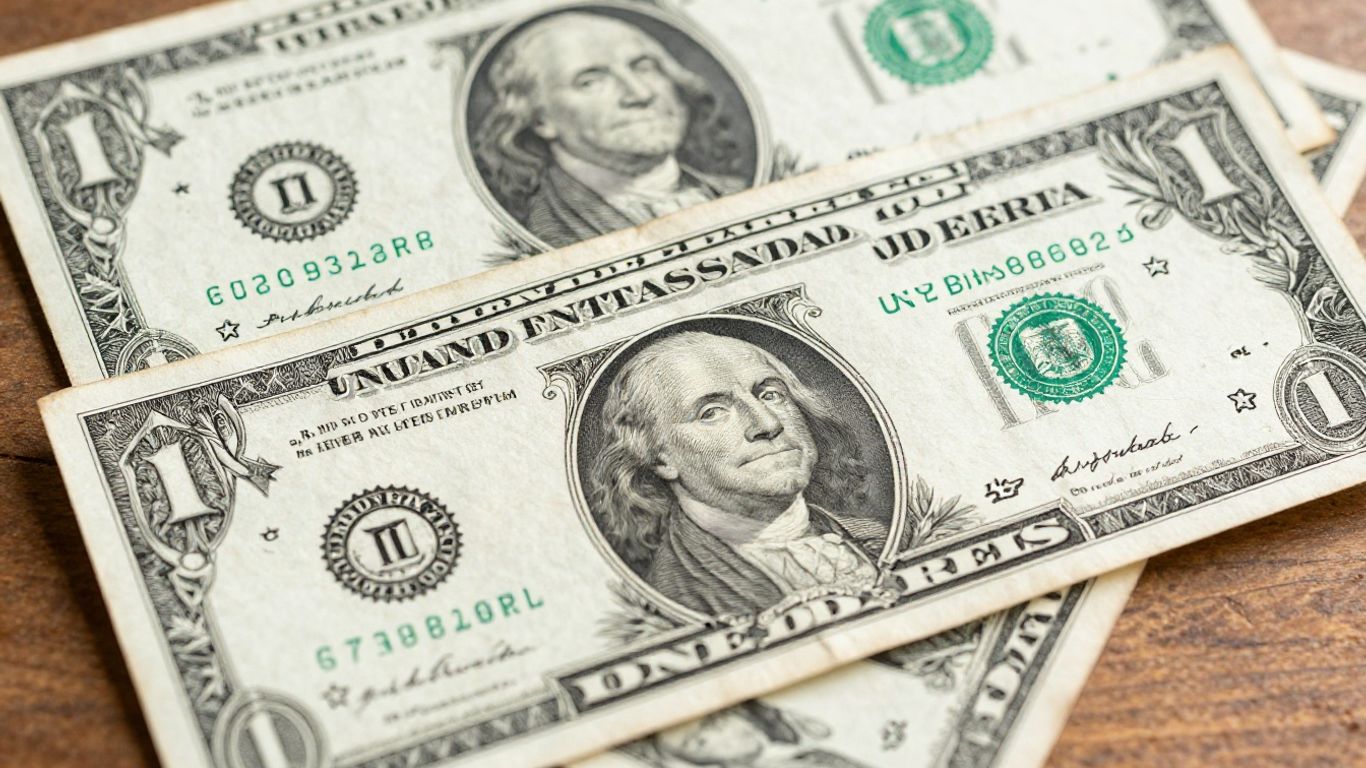
When you’re ready to sell your star notes, you’ll find a few different kinds of places in San Antonio that buy currency. It’s good to know who they are so you can pick the right one for your needs.
Established Coin and Jewelry Stores
Many local shops that deal in coins also buy paper money, including star notes. These places often have a long history in the community and a good reputation. They might also buy other items like jewelry, which can be convenient if you have a mix of things to sell. These stores are often a good starting point because they are accessible and familiar to many people. They usually have staff who know about different types of currency and can give you an idea of what your notes are worth. Some might even have appraisers on-site.
Dedicated Paper Money Specialists
Then there are businesses that focus specifically on paper money. These folks are true experts in the field of numismatics, particularly currency. They tend to have a deep knowledge of rare notes, errors, and the specific factors that make star notes valuable. If you have a particularly rare or valuable star note, taking it to a specialist might get you the best price. They are often very knowledgeable about market trends and can offer informed appraisals. You can sometimes find these specialists through local coin clubs or by asking experienced collectors.
Online Buyers with Local Presence
Some buyers operate primarily online but have a physical presence or conduct buying events in San Antonio. This gives you the flexibility of online reach combined with the option for an in-person evaluation. These buyers might specialize in certain types of currency or have a broad interest. It’s important to research their online reviews and credentials, just as you would with a local brick-and-mortar store. They might use online forms for initial evaluations, which can be a quick way to get an estimate before scheduling an in-person meeting. You can explore options for selling your collectibles, including both online and in-person methods, with both free and paid services available here.
When considering who to sell to, think about:
- The type and condition of your star notes: Are they common or rare? Are they in excellent shape?
- Your comfort level: Do you prefer dealing with someone face-to-face or online?
- The buyer’s reputation: Do they have good reviews? Are they members of professional organizations?
It’s always a good idea to get more than one opinion on the value of your currency. Different buyers might have different interests or levels of knowledge, and comparing offers can help you get the best deal.
Preparing Your Star Notes for Sale
Before you approach any buyer, taking a few steps to prepare your star notes can make a significant difference in how they are perceived and valued. It’s about presenting your currency in the best possible light. This preparation helps potential buyers assess your notes accurately and can lead to a more favorable outcome for you.
Proper Handling and Storage
Star notes are delicate pieces of paper, and their condition is paramount to their value. Always handle them by the edges to avoid transferring oils from your skin, which can cause discoloration or damage. It’s best to use cotton gloves if you have them, but clean, dry hands will suffice for brief handling. Store your star notes in a stable environment, away from direct sunlight, high humidity, or extreme temperatures. Archival-quality currency sleeves or holders are ideal for protecting individual notes from physical damage and environmental factors. Avoid using regular plastic bags or tape, as these can degrade over time and harm the paper.
Gathering Documentation and History
If you have any information about where or when you acquired the star notes, or if they have a known history, compile it. This could include old receipts, letters, or even family stories. While not always a primary factor in valuation, a compelling provenance can sometimes add interest and perceived value, especially for rarer notes. Documenting any known errors or unique characteristics of the note is also important. This information helps a buyer understand the full picture of what you are offering.
Researching Similar Sales
Understanding what similar star notes have sold for recently is a smart move. This gives you a baseline for what to expect and helps you negotiate effectively. Look for sales of notes with comparable serial numbers, conditions, and rarity. Online auction sites and specialized numismatic forums can be good places to find this data. Remember that prices can fluctuate based on market demand and the specific buyer. You might find that some dealers specialize in certain types of currency, like older Federal Reserve Notes, which could influence their interest and offer.
Preparing your currency involves more than just having it ready to hand over. It’s about demonstrating that you’ve cared for these items and understand their potential significance. This diligence can build confidence with a potential buyer and set a positive tone for the transaction.
Maximizing Your Star Notes' Value
So, you’ve got some star notes and you’re wondering how to get the most bang for your buck when you decide to sell them. It’s not just about having them; it’s about understanding what makes them special to collectors. Think of it like finding a rare comic book or a vintage toy – condition and unique features play a huge role.
Identifying Unique Features and Errors
Star notes are already a bit special because they’re replacements for damaged or misprinted bills. But within that category, some have even more appeal. Look for things that are out of the ordinary. Did the printing press make a mistake? Is there an unusual ink smudge or a misaligned cut? These kinds of printing errors, if they’re significant, can really catch a collector’s eye. It’s these little quirks that can turn a regular star note into something much more sought after. Sometimes, a note might have a serial number that’s repeated or a very obvious printing defect that wasn’t caught. These are the kinds of things that make a note stand out from the pack.
The Impact of Serial Numbers
Serial numbers on star notes are a big deal. While all star notes have a serial number, some are more desirable than others. Numbers that are "radar" (read the same forwards and backward, like 1234321), "repeater" (like 123123), or have a long string of the same digit (like 7777777) are often worth more. Even a low serial number, like 00000001, can be incredibly valuable. The more unique or patterned the serial number, the higher the potential value. It’s like finding a winning lottery ticket, but for currency.
Grading Services and Certification
For serious collectors, the condition of a star note is paramount. This is where professional grading services come in. Companies like PCGS and NGC examine your currency and assign it a numerical grade based on its condition, from "poor" to "gem uncirculated." A high grade, especially from a reputable service, can significantly increase the value of your star note. It provides an objective assessment that buyers can trust. Getting your notes graded can be a smart move if you believe they are in excellent condition and have the potential for a high valuation. You can find more information on grading at places that deal with certified coins.
When preparing your star notes for sale, remember that presentation matters. Even if you’re not getting them professionally graded, handling them with care is key. Avoid touching the printed surfaces directly, as oils from your skin can damage the paper over time. Store them in a safe, dry place away from direct sunlight and humidity. This attention to detail can make a difference when a buyer is evaluating your notes.
Connecting with San Antonio's Numismatic Community
Local Coin Clubs and Shows
Getting involved with local coin clubs and attending numismatic shows can be a fantastic way to learn more about star notes and connect with people who share your interest. These gatherings often feature experienced collectors and dealers who are happy to share their knowledge. You might even find a buyer for your star notes right there at a show. Keep an eye out for announcements about events hosted by groups like the San Antonio Coin Club. These events are a great place to see a variety of coins and currency, and to talk with people who know their stuff.
Networking with Fellow Collectors
Building a network of fellow collectors can provide a support system and a source of information. Sharing experiences and insights with others who are passionate about currency can be very rewarding. You might learn about upcoming sales, potential buyers, or even get a second opinion on the value of your star notes. The numismatic community thrives on shared knowledge and enthusiasm.
Building Relationships with Dealers
Establishing a rapport with reputable dealers in San Antonio is key. Dealers who specialize in paper money often have a deep understanding of the market and a ready clientele. Visiting local establishments like Royalty Coins can be a good starting point. Building trust over time means you’ll have a go-to resource when you’re ready to sell. Remember, a good dealer values repeat business and will strive to offer fair prices.
Engaging with the local numismatic community offers more than just potential sales avenues; it provides opportunities for education, mentorship, and a deeper appreciation for the hobby. These connections can be invaluable for anyone looking to understand and sell their currency effectively.
Selling Different Denominations and Eras
Modern Star Notes
Star notes from recent print runs, typically from the 1980s onward, are often sought after by collectors. Their value can depend heavily on the rarity of the specific serial number and the overall condition of the note. While many modern star notes exist, some specific series or denominations might be harder to find in pristine condition, increasing their desirability. Collectors often look for notes with low serial numbers or those that represent a significant printing run.
Older Federal Reserve Notes
Federal Reserve Notes from earlier eras, particularly those printed before the widespread adoption of smaller-sized notes, can hold considerable interest. This includes large-size notes issued by Federal Reserve Banks. Their historical significance, coupled with the condition and rarity, dictates their market value. Some collectors focus on specific Federal Reserve districts or particular design elements that changed over time. For those interested in historical currency, understanding the context of these notes is key.
Obsolete and Confederate Currency
Obsolete currency, issued by private banks before the establishment of a national currency system, and Confederate currency, printed during the Civil War, represent a distinct segment of the paper money market. These notes are often valued for their historical context and the unique circumstances under which they were produced. The condition is important, but the historical narrative and rarity often play a larger role in determining value. Many of these notes are scarce due to their age and the turbulent periods they represent. If you have such currency, it’s wise to consult with specialists who understand this niche market. You can find dealers who specialize in rare coins and paper currency that might also handle these older notes.
The Appraisal Process for Your Currency
When you’re looking to sell your star notes, getting a proper appraisal is the first step. This process helps you understand what your currency is actually worth before you even think about selling it. It’s not just about getting a number; it’s about understanding the factors that contribute to that number. Think of it like getting an estimate before a big repair job – you need to know what you’re dealing with.
In-Person Appraisals
This is often the most thorough way to get your star notes evaluated. You’ll bring your currency to a buyer or appraiser, and they’ll examine it right there. They’ll look at the condition, the serial number, any special markings, and compare it to current market values. It’s a good idea to schedule an appointment, especially if you have a larger collection. This allows the appraiser to dedicate the necessary time to your items. Some buyers might even come to you if you have a significant amount of currency, which can be convenient.
Online Evaluation Forms
Many dealers offer online forms where you can submit details about your star notes. You’ll typically need to provide information like the denomination, series year, condition, and any unique features you’ve noticed. Often, you can upload photos directly through the form or send them via email. This is a quick way to get a preliminary idea of value without leaving your home. However, keep in mind that an online evaluation is usually an estimate, and a final price might require an in-person inspection.
What Information Buyers Need
To get the most accurate appraisal, you’ll want to have certain information ready. This helps the buyer assess your currency more efficiently. Having documentation or any history related to the notes can also be quite helpful.
Here’s a list of what buyers typically look for:
- Denomination and Series: Knowing if it’s a $1, $5, $10, etc., and the year it was printed.
- Condition: Is it crisp and new (uncirculated), or does it show signs of wear (circulated)? This is a major factor in value.
- Serial Number: Is it a low number, a repeating pattern, or does it have a star at the end (indicating a replacement note)?
- Any Errors or Unusual Features: Misprints, color variations, or other anomalies can significantly increase value.
- Previous Ownership History: If you know where the note came from, especially if it has a notable past, this can add interest.
Getting a professional appraisal is more than just finding out a dollar amount. It’s about understanding the story behind your currency and what makes it special in the eyes of collectors and buyers. This knowledge empowers you when you decide to sell.
For those looking for a straightforward process, San Antonio Coin Buyers can offer an efficient way to get your currency evaluated and potentially sold.
Wrapping Up Your Search for Star Notes
So, you’ve learned a bit about finding people in San Antonio who buy star notes and other paper money. It’s not always easy, but knowing where to look helps. Whether you’re dealing with old dollar bills or something rarer, these collectors and appraisers are out there. Remember to do a little homework on who you’re working with, just like you would with any important transaction. Good luck with your search!
Frequently Asked Questions
What exactly are star notes, and why are they special?
Star notes are special because they are replacement currency. If a regular banknote has a printing error, it’s pulled and replaced with a star note. This makes them rarer than regular bills, and collectors often pay more for them.
How do I know if my star notes are valuable?
The value of your star notes depends on a few things. The condition of the note is very important – bills that look new and crisp are worth more. Also, how rare the note is plays a big role. Sometimes, the serial number itself can make a note more desirable.
Where can I find people in San Antonio who buy star notes?
You can look for local coin and currency dealers in San Antonio. Some jewelry stores that also deal in collectibles might buy them. Online marketplaces and specialized collectors are also good places to explore, though it’s best to find someone local if possible.
What should I do before I try to sell my star notes?
Before selling, it’s a good idea to learn about your notes. Handle them carefully and store them safely to keep them in good condition. Try to find out if there’s any special history or documentation related to your notes, as this can add to their value.
How do I make sure I'm dealing with a trustworthy buyer?
Look for buyers who are part of professional groups, like the Professional Numismatist Guild (PNG) or the American Numismatic Association (ANA). Checking their reputation and reviews can also help you find someone honest. A good buyer will be clear about their process and offer fair prices.
What is an appraisal, and do I need one?
An appraisal is when an expert looks at your star notes to figure out how much they are worth. While not always required, it’s highly recommended. An appraisal helps you understand the value before you sell, so you know if you’re getting a fair offer.
What factors influence the price a buyer offers?
Buyers consider the condition of the star note, its rarity, and current market demand. Unique features, like errors or special serial numbers, can also increase the value. They’ll compare your notes to similar ones that have sold recently.
What's the difference between a coin dealer and a paper money specialist?
A coin dealer might buy paper money, but a dedicated paper money specialist has deeper knowledge specifically about currency. They are more likely to understand the nuances of star notes and rare bills, potentially offering a more accurate valuation and better price.