
Looking to sell your Confederate currency in San Antonio? It can be a bit tricky to find the right people to buy it. This guide will help you figure out where to look for Confederate currency buyers in San Antonio, what to think about before you sell, and how to make sure you get a fair deal. Whether you have a few old notes or a whole collection, knowing where to go is half the battle.
Key Takeaways
- When selling Confederate notes, understand their market value by researching different types and their condition.
- Look for dealers in San Antonio who specialize in Civil War era paper money and have a good reputation.
- Prepare your notes by understanding their condition and considering professional grading to get better offers.
- Compare offers from various buyers and ensure the transaction is secure and trustworthy.
- Consider working with experienced buyers or consignment options for larger collections to maximize returns.
Locating Confederate Currency Buyers in San Antonio
Understanding the Market for Confederate Currency
The market for Confederate currency can be quite active, with collectors and investors always on the lookout for interesting pieces. These notes, issued by the Confederate States of America between 1861 and 1865, represent a unique period in American history. Their value isn’t just in the paper itself, but in the historical context and rarity of each specific note. Some notes are common, while others are quite scarce, making research a key part of the process.
The demand for Confederate currency is driven by a passion for history and the thrill of owning a tangible piece of the past. Many collectors focus on specific series, types, or even individual notes with unique errors or historical significance. The condition of the note plays a big role, of course, but even damaged notes can hold interest for those building a complete picture of Confederate monetary history.
Key Considerations When Selling Confederate Notes
When you’re ready to sell your Confederate notes, there are a few things to keep in mind. First, know what you have. Are they Treasury notes, or perhaps Southern State currency? Each type has its own market. Second, consider the condition. Notes are often graded on a scale, and this grading significantly impacts their worth. A note that’s crisp and clean will fetch more than one that’s torn or heavily worn.
Here are some points to think about:
- Authenticity: Make sure your notes are genuine. Counterfeits exist, and knowing yours are real is important.
- Condition: Look for tears, folds, stains, or missing pieces. These all affect the value.
- Rarity: Some notes were printed in much smaller quantities than others.
- Series and Type: Different issues from the Confederacy have varying levels of collector interest.
It’s always a good idea to do some homework before you approach a buyer. Understanding the basics of what makes a Confederate note desirable will help you get a fair price.
Finding Reputable Dealers for Your Collection
Finding the right person to buy your Confederate currency is important. You want someone who knows their stuff and will treat you fairly. In San Antonio, like any city, there are coin and currency dealers who specialize in this area. Look for dealers who are members of professional organizations, like the American Numismatic Association (ANA) or the Professional Numismatists Guild (PNG). These affiliations often indicate a commitment to ethical business practices.
Checking online reviews and asking for references can also point you toward trustworthy buyers. A dealer who is transparent about their buying process and willing to explain their valuation is usually a good sign. Some dealers might focus more on coins, while others have a strong paper money division. It’s worth finding one with a specific interest in Confederate currency.
Expertise in Confederate Paper Money
When you’re looking to sell Confederate currency, knowing a bit about what makes these notes special can really help. It’s not just about the face value; these pieces of history have their own unique stories and characteristics that collectors look for. Understanding these details can make a big difference in how much your notes are worth.
Identifying Confederate Treasury Notes
Confederate Treasury Notes are the most common type of Confederate currency you’ll find. They were issued by the central government of the Confederacy between 1861 and 1865. There were several different series, each with its own designs and features. For example, the 1861 notes might look quite different from the 1864 issues. Key identifying features include the "Confederate States of America" text, the denomination, and the specific series or date of issue. Many notes also feature elaborate artwork, often depicting historical scenes or allegorical figures.
Recognizing Southern State Currency
Beyond the national Confederate notes, individual Southern states also issued their own currency. These often predate the Confederacy itself, with some issues going back to the 1830s. While the U.S. Constitution generally prohibited states from issuing money, the Confederate Constitution allowed it. This resulted in a wide variety of state-specific notes, often featuring local landmarks or symbols. Collecting these can be a fascinating area, as they represent a diverse range of designs and historical contexts. Some states, like Texas, had unique issues even before the war.
Understanding Grading and Authentication
Just like with coins, Confederate currency is graded to determine its condition and value. Grading helps buyers and sellers agree on a note’s quality. You’ll often see terms like "uncirculated," "fine," or "poor." Professional grading services can provide an objective assessment, but many collectors also use traditional grading standards. Authentication is also important, especially for rarer notes, to confirm they are genuine and not counterfeits. A note’s condition, rarity, and authenticity all play a big role in its market price.
Navigating the Selling Process
Selling Confederate currency can feel like a big step, especially if you’re new to it. It’s not just about handing over old paper; it’s about getting a fair price for something with historical weight. Let’s break down how to make this process smoother.
Preparing Your Confederate Notes for Sale
Before you even think about showing your notes to a buyer, a little preparation goes a long way. You don’t want to accidentally damage something valuable or present it in a way that makes it look less appealing. Think of it like getting ready for a job interview – you want to look your best.
- Handle with Care: Always use clean, dry hands or, even better, cotton gloves. The oils and dirt from your skin can degrade the paper over time. Avoid folding or creasing notes that are already in good condition.
- Gentle Cleaning (If Any): Resist the urge to clean your notes aggressively. Most "cleaning" methods can actually harm the paper and significantly reduce its value. If there’s loose dirt, a very soft brush might be used cautiously, but generally, leave it alone.
- Documentation: Gather any information you have about the notes. Where did you get them? Do you have any old appraisals or notes about their history? This can add context for a buyer.
- Storage: Keep your notes in a stable environment, away from direct sunlight, humidity, and extreme temperatures. Archival-quality sleeves or holders are best for long-term storage and will protect them until sale.
Evaluating Offers from Buyers
Once you start talking to potential buyers, you’ll likely get a range of offers. It’s important to know how to look at these offers critically.
- Research is Key: Before accepting an offer, do your homework. Look up similar notes (same denomination, date, and condition) on auction sites or through dealer price lists. This gives you a baseline.
- Consider the Buyer’s Reputation: Is the buyer a well-known dealer with good reviews? Or is it someone you’ve never heard of? A reputable buyer is more likely to offer a fair price and conduct business honestly.
- Understand the Offer: Does the offer include shipping costs? Are there any fees deducted? Make sure you’re comparing the net amount you’ll actually receive.
The market for Confederate currency can fluctuate. What seems like a great offer today might be average tomorrow, or vice versa. Staying informed about general trends is helpful, but don’t get too caught up in short-term market swings when selling a piece of history.
Ensuring Secure Transactions
When it’s time to finalize the sale, security and trust are paramount. You want to be sure you get paid and that your notes arrive safely.
- Payment Methods: Agree on a secure payment method. For local sales, cash or a cashier’s check are common. For online sales, reputable platforms often hold funds in escrow until the item is received and approved.
- Shipping: If shipping is involved, use a trackable and insured shipping service. Document the condition of the notes before packing them, and take photos of the package as you seal it. This provides proof in case of any disputes.
- Contracts (for larger sales): For significant collections or high-value individual notes, a simple bill of sale outlining the terms of the transaction can protect both parties. It should include a description of the items, the agreed-upon price, and the date of sale.
Specialized Confederate Currency Dealers
Dealers Focusing on Civil War Era Notes
When you’re looking to sell Confederate currency, finding dealers who really know their stuff is key. These aren’t just general coin shops; they’re specialists who focus specifically on the paper money from the Civil War period. They understand the nuances of Confederate Treasury notes, Southern state currency, and even military-issued scrip. These experts can often spot value that a more general dealer might miss. They’ve spent years studying the different series, varieties, and historical context, which translates into a better understanding of what your collection is truly worth.
Collectors Seeking Specific Confederate Issues
Some dealers cater to collectors who are hunting for very particular Confederate notes. Maybe you have a rare 1864 $100 bill or a specific state-issued bond that someone is actively looking to add to their collection. These specialized dealers act as matchmakers, connecting sellers with buyers who have a focused interest. They often maintain extensive want lists and can help you find the right buyer for those hard-to-find pieces. It’s like having a personal shopper for your currency, but in reverse.
Online Platforms for Confederate Currency Sales
Beyond brick-and-mortar shops, the internet has opened up a huge marketplace. Many specialized dealers now have robust online presences. You can find them through dedicated numismatic websites, auction platforms, or their own company sites. These platforms allow for wider reach, connecting you with buyers not just in San Antonio, but potentially across the country or even internationally. When using online platforms, always check the seller’s reputation and feedback. Look for dealers who provide detailed descriptions, clear photos, and transparent grading information. Some platforms even offer escrow services for added security.
- Research Dealer Specialization: Look for dealers who explicitly mention Confederate currency or Civil War era paper money in their descriptions.
- Check Credentials: Many reputable dealers are members of professional organizations like the Professional Numismatists Guild (PNG) or the Society of Paper Money Collectors (SPMC).
- Read Reviews: Seller feedback on auction sites or testimonials on their own websites can give you a good sense of their reliability and customer service.
Dealing with specialists means you’re more likely to get a fair assessment and a competitive offer. They understand the market demand and the historical significance of each note, which is vital for accurate valuation.
Building and Selling Collections
The Value of Comprehensive Collections
When it comes to Confederate currency, a complete collection often holds more appeal and value than a scattered assortment of individual notes. Buyers looking to acquire a significant piece of history are frequently drawn to sets that represent a particular series, state, or even a chronological progression of issues. Building such a collection takes time, dedication, and a good eye for quality. It’s not just about quantity; it’s about the narrative and completeness that a well-assembled group of notes can tell. Think of it like putting together a historical puzzle – each piece is interesting on its own, but together they form a much richer picture.
Working with Experienced Buyers
Finding the right buyer for your collection is key. An experienced dealer or collector will appreciate the effort you’ve put into building your holdings and will be able to offer a fair assessment of its worth. They understand the nuances of Confederate currency, from the various types of Treasury notes to the less common Southern state issues. An informed buyer can often see the potential value in a collection that might be overlooked by someone less familiar with the field. They can also guide you on how best to present your collection for sale, whether as a whole or in parts. If you’re looking to connect with local enthusiasts, consider attending meetings at places like the Gateway Coin Club.
Consignment Options for Your Notes
Sometimes, selling a collection outright might not yield the best return. This is where consignment can be a smart option. When you consign your Confederate notes, you entrust them to a dealer who will then market and sell them on your behalf, usually for a percentage of the final sale price. This method can be particularly effective for rare or high-value items, as a reputable dealer has the network and marketing tools to reach the most interested collectors. They handle the listing, negotiation, and transaction, saving you time and effort. It’s a way to potentially maximize your return while minimizing the direct selling hassle.
The Role of Grading Services
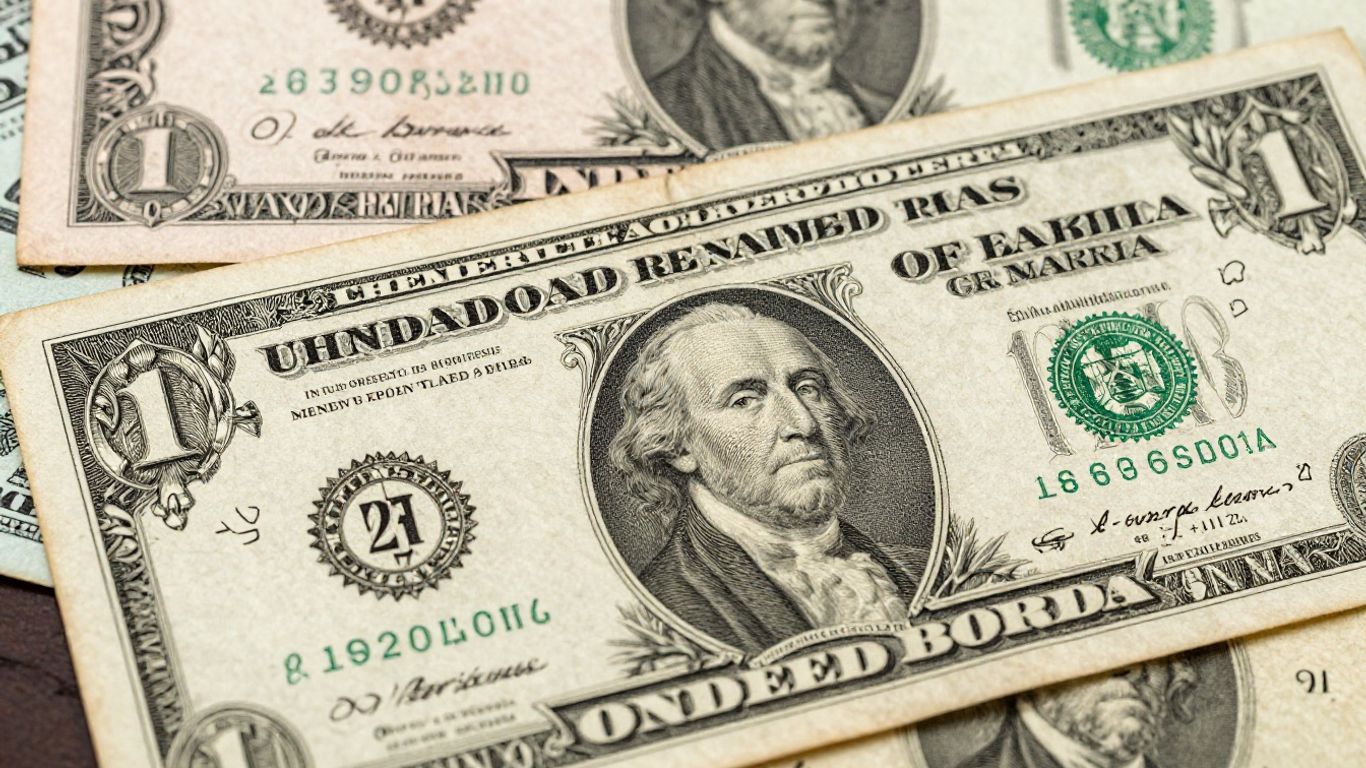
Third-Party Grading for Confederate Currency
When you’re looking to sell your Confederate currency, getting it graded by a professional service can make a big difference. These services look at your notes and give them a score based on their condition. This score helps buyers know exactly what they’re getting. It’s like getting a report card for your money. A good grade can really boost the price you get.
Understanding Professional Grading Scales
Different grading services use slightly different scales, but they all aim to describe the condition of the note. You’ll often see terms like "Uncirculated," "Extremely Fine," "Very Fine," and so on. These terms tell you how much wear and tear the note has. For example, an "Uncirculated" note looks like it just came from the printer, with no folds or damage. A "Very Fine" note might have a few light folds and some minor edge wear. It’s important to know what these terms mean so you can understand the grade given to your notes.
Here’s a simplified look at some common grading levels:
- Gem Uncirculated (or higher): Perfect or near-perfect condition, no visible flaws.
- Choice Uncirculated: Very close to perfect, maybe a tiny imperfection.
- About Uncirculated: Shows very slight signs of handling but is still quite clean.
- Extremely Fine: Minor wear, but still looks pretty sharp.
- Very Fine: Noticeable wear, but the note is still attractive.
- Fine: Significant wear, but all parts of the note are readable.
- Very Good: Heavy wear, folds, and possible small tears.
- Good: Very worn, possibly with major defects, but still identifiable.
- Fair/Poor: Heavily damaged, torn, or missing pieces.
The Impact of Grading on Value
Grading isn’t just about describing condition; it directly affects how much your Confederate currency is worth. A note that is graded highly by a reputable service will almost always fetch a higher price than an identical note that hasn’t been graded or is graded poorly. Buyers feel more confident purchasing a professionally graded note because it reduces the risk of them overpaying for a note in worse condition than they thought. It provides a standardized way to compare notes, making the market more transparent for everyone involved. This is especially true for rarer Confederate notes where condition can be the primary factor in determining value.
Professional grading adds a layer of trust and objectivity to the sale of collectible currency. It helps standardize the market by providing a consistent measure of a note’s condition, which is vital for both buyers and sellers in determining fair market value.
Types of Confederate Currency to Sell
When you’re looking to sell Confederate currency, it’s helpful to know the different categories collectors are interested in. This isn’t just one big pile of old money; there are distinct types, each with its own history and appeal.
Confederate Treasury Notes (1861-1865)
These are the notes issued by the Confederate government itself. They came out in several "series" or "types" throughout the war, from the early days in 1861 right up to the final months of 1865. Each series has different designs and security features. The most commonly sought after are the "Legal Tender" notes, often called "Bluebacks" due to the blue ink on the reverse. Collectors often focus on specific types, like the T-16 $50 note from September 2, 1861, or the higher denominations from later years. The condition of these notes plays a big role in their worth.
Southern State Bonds and Currency
Beyond the national Confederate issues, individual Southern states also printed their own money and bonds. While the U.S. Constitution generally stopped states from issuing currency, the Confederate Constitution allowed it. This resulted in a wide variety of notes from states like Texas, Georgia, and Virginia. These can be quite interesting, often featuring local landmarks or symbols. They are generally more affordable than the federal Confederate notes, making them a good entry point for some collectors. You might find these listed alongside obsolete bank notes from the era.
Military and Civilian Issued Notes
This category covers currency that wasn’t officially issued by the Confederate government or state governments but was created for specific purposes. This could include notes issued by military commands for soldiers to use in occupied territories, or even notes printed by civilian businesses or organizations when official money was scarce. These are often rarer and can be quite specialized. Some might be interest-bearing notes from 1861 or 1862, intended as a form of short-term investment for the holder.
Here’s a quick look at what buyers might consider:
- Confederate Treasury Notes: The main currency of the CSA.
- Southern State Currency: Money issued by individual states.
- Military/Civilian Issues: Specialized notes for specific groups or needs.
Understanding these distinctions helps you present your collection more effectively to potential buyers. Knowing what you have is the first step in getting a fair price for your Confederate paper money.
Connecting with San Antonio Coin and Currency Experts
Finding the right people to talk to about your Confederate currency in San Antonio can make a big difference. It’s not just about finding anyone; it’s about finding someone who really knows their stuff and will treat you fairly. Think of it like finding a good mechanic for your car – you want someone trustworthy who won’t take advantage of you.
Local Dealers Specializing in Paper Money
San Antonio has a number of local dealers who focus on coins and paper money. These folks often have a deep knowledge of historical currency, including Confederate notes. They might be found in small shops or even operate online, but they have a physical presence in the area. It’s a good idea to visit them if you can, to get a feel for their shop and their approach.
- Look for dealers who advertise their specialization in U.S. paper money or Civil War era currency.
- Check their business hours and location to plan a visit.
- Ask if they have experience with Confederate Treasury notes, Southern State currency, or other related items.
Numismatic Societies and Collector Groups
Joining or attending meetings of local numismatic (coin and currency collecting) societies can be a great way to connect with experienced collectors and dealers. These groups often have members who are very knowledgeable about Confederate currency. They can offer advice, share insights, and sometimes even point you toward reputable buyers.
- Attend a local coin show or numismatic society meeting.
- Talk to members about your collection and your selling goals.
- Ask for recommendations for trusted dealers or appraisers in the San Antonio area.
Online Resources for San Antonio Buyers
Even if you prefer to deal locally, online resources can help you identify potential buyers and learn more about the market. Many dealers who operate in San Antonio also have an online presence. You can research their reputations, see examples of currency they handle, and sometimes even find contact information or auction listings.
It’s always wise to do some homework before you sell. Look for sellers who have a solid history of fair dealings and positive feedback from other collectors. This helps ensure you’re working with someone reliable.
Here are a few things to keep in mind when looking for experts:
- Reputation: What do other collectors say about them? Look for reviews or testimonials.
- Experience: How long have they been dealing in Confederate currency specifically?
- Transparency: Are they open about their buying process and how they determine prices?
Valuing Your Confederate Currency
Figuring out what your Confederate money is actually worth can feel like a puzzle. It’s not just about the face value; a lot more goes into it. Think about the condition of the note – is it crisp and new, or does it have folds, tears, or stains? These details really matter to collectors.
Factors Affecting Confederate Note Value
Several things play a role in how much a Confederate note might fetch. The rarity of the specific note is a big one. Some notes were printed in huge numbers, while others were issued in limited runs or for very short periods. The condition, as mentioned, is key. Collectors often look for notes that are well-preserved. The specific series and denomination also matter; for instance, higher denominations or notes from earlier series might be more sought after.
Here’s a quick look at some common factors:
- Rarity: How many of these notes were originally printed and how many still exist today?
- Condition: Is the paper clean, with sharp corners, or is it worn, torn, or damaged?
- Series and Denomination: Notes from different printing periods (like 1861 vs. 1864) and different face values can have varying demand.
- Historical Significance: Some notes might be tied to specific events or figures, adding to their appeal.
Researching Rare Confederate Varieties
Digging into the specifics of Confederate currency can uncover some real treasures. There are many varieties within the main types of Confederate notes. Sometimes, small printing errors, different watermarks, or even slight variations in the artwork can make a note much more desirable to a specialist collector. For example, certain "fantasy notes" or contemporary counterfeits might be collected alongside genuine issues. Identifying these subtle differences often requires a good reference book or the help of an experienced dealer.
The world of Confederate currency is surprisingly complex. Beyond the standard issues, there are numerous variations, errors, and special printings that collectors actively seek. Understanding these nuances is part of the fun and can significantly impact a note’s desirability and price.
Appraisals from Knowledgeable Dealers
If you’re unsure about the value of your Confederate currency, getting an appraisal from a dealer who specializes in this area is a smart move. They have the experience to spot rare varieties, accurately assess condition, and know the current market demand. A good dealer can provide a realistic estimate of what your notes might sell for. They often look at:
- Market Comparables: What have similar notes sold for recently?
- Grading: Assigning a grade based on established standards.
- Authenticity: Confirming the note is genuine.
Some dealers might offer free informal appraisals, while others may charge a fee for a more formal written appraisal, especially if you need it for insurance purposes. It’s always a good idea to get a second opinion if you’re dealing with potentially high-value items.
The Importance of Seller Reputation
When you’re looking to sell your Confederate currency, who you sell to matters a lot. A seller’s reputation isn’t just about being nice; it’s a big sign of whether they’ll treat you fairly and know what they’re doing. Think about it: you’ve got these historical pieces, and you want them to go to someone who respects their past and understands their worth. A good seller will be upfront about everything, from how they’ll assess your notes to how they’ll handle the payment. It makes the whole process feel a lot safer and less stressful.
Checking Seller Feedback and Reviews
Before you even think about handing over your collection, take a few minutes to see what other people are saying. Online platforms often have feedback sections where buyers can leave comments about their experience. Look for patterns in these reviews. Are people consistently happy with how the seller describes their items? Is shipping usually prompt and secure? Good feedback, especially from a lot of buyers over time, is a strong indicator of a trustworthy seller.
- Look for a high percentage of positive reviews. A few neutral or negative comments might pop up for any seller, but a large majority of happy customers is a good sign.
- Read the actual comments. Sometimes, a "positive" review might still mention a minor issue. Seeing detailed comments can give you a clearer picture.
- Consider the volume of feedback. A seller with hundreds or thousands of reviews is generally more established than someone with only a handful.
- Check how recently the feedback was left. Recent reviews are more relevant to a seller’s current practices.
Working with Established Dealers
Established dealers often have a long history in the numismatic community. This means they’ve likely been buying and selling coins and currency for years, building relationships and a solid understanding of the market. They often belong to professional organizations, which can be another layer of assurance. These groups usually have codes of conduct that members are expected to follow, promoting honest dealings.
Dealing with someone who has been in the business for a while often means they have a better grasp of what makes certain notes rare or desirable. They’ve seen trends come and go and have a good sense of fair market value. This experience translates into more accurate appraisals and offers for your collection.
Building Trust with Buyers
Trust is built over time through consistent, honest actions. For sellers of Confederate currency, this means being transparent about their buying process, offering fair prices based on the condition and rarity of the notes, and handling transactions professionally. A seller who is willing to answer your questions thoroughly, provide detailed explanations for their offers, and communicate clearly throughout the sale is one you can likely rely on. They understand that selling a collection can be a significant event for the seller, and they treat it with the respect it deserves.
Here’s what to look for in a dealer you can trust:
- Clear Communication: They respond to inquiries promptly and answer questions fully.
- Fair Offers: Their offers reflect the current market value and the condition of your notes.
- Professionalism: They conduct business in an organized and respectful manner.
- Transparency: They explain their pricing and the process for buying your currency.
- Positive Track Record: Their history shows consistent, honest dealings with other collectors.
Wrapping Up Your Search for Confederate Currency Buyers
So, you’ve got some Confederate currency you’re looking to sell or just want to know its worth. Finding the right buyer in San Antonio doesn’t have to be a huge hassle. We’ve talked about looking for folks who really know their stuff, people who have been in the collecting game for a while and understand the history and value behind these old notes. It’s good to find someone who grades fairly and treats you right. Remember, these aren’t just old pieces of paper; they’re bits of history. Taking a little time to find a reputable buyer means you’ll likely get a fair deal and peace of mind. Happy collecting, or selling!
Frequently Asked Questions
Where can I find people in San Antonio who buy old Confederate money?
You can find buyers for Confederate money in San Antonio by looking for local coin and currency dealers who specialize in historical paper money. Checking with numismatic societies or collector groups in the area can also lead you to knowledgeable buyers. Online platforms and auction sites are also good places to find potential buyers, especially those who deal with Civil War era items.
What makes Confederate money valuable?
The value of Confederate money depends on several things. These include how rare a particular note is, its condition (how well it’s preserved), and if it has any special features or historical significance. Some notes are worth more because fewer of them were printed or because they are from a specific time or event during the Civil War.
How do I know if my Confederate notes are real and in good shape?
To check if your notes are real and to understand their condition, you can consult grading guides or seek help from experienced dealers. Many collectors use professional grading services like PCGS or PMG. These services examine the notes for authenticity and assign a grade based on their condition, which helps determine their value.
What types of Confederate currency are there?
Confederate currency includes notes issued by the Confederate government, known as Treasury Notes, from 1861 to 1865. Southern states also printed their own money, and there were also notes issued by the military or civilians during the Civil War. Each type has its own history and collecting appeal.
Should I get my Confederate money professionally graded?
Getting your Confederate money professionally graded can be very helpful. It provides an unbiased opinion on the note’s authenticity and condition, which can increase buyer confidence and potentially its selling price. Reputable grading services offer a standardized way to assess value.
How can I make sure I get a fair price for my collection?
To get a fair price, research the value of your notes using reliable guides and by looking at recent sales of similar items. Get offers from multiple reputable dealers and compare them. Understanding the market and the condition of your notes will help you negotiate effectively.
What should I look for in a dealer when selling my Confederate currency?
When choosing a dealer, look for someone with a strong reputation and experience specifically with Confederate currency. Check their reviews and feedback from other sellers. A trustworthy dealer will be transparent about the selling process, grading, and pricing, and will offer fair terms.
Can I sell my Confederate notes online?
Yes, you can sell Confederate notes online through various platforms. Many dealers specializing in rare currency have websites, and auction sites like eBay are also options. When selling online, ensure you use secure payment methods and reliable shipping to protect your transaction.