
Tracking down what coins actually sold for at auction is a big deal if you’re serious about this hobby. It’s not just about knowing what a coin is worth in theory, but what someone was actually willing to pay for it. This guide will help you get a handle on coin auction result tracking, looking at everything from market trends to how you can best present your own coins for sale. We’ll break down how to understand prices, where to sell, and why keeping good records matters. Let’s get started.
Key Takeaways
- Understanding past coin auction results is vital for setting realistic prices and sales strategies. Reviewing previous sales data helps identify trends and understand what buyers are paying.
- Accurate coin valuation involves more than just looking at a price guide; it requires decoding fair market value, understanding the difference between retail and wholesale pricing, and using auction data.
- Choosing the right selling platform, whether an auction house or an online marketplace, significantly impacts the final realized price. Consider fees and the overall selling experience.
- Thorough documentation, including records of authenticity, provenance, and previous sales, adds credibility and is crucial for maximizing value and resolving potential disputes.
- Staying informed about market dynamics, rarity, grading systems, and expert predictions is key to making profitable decisions in coin sales and effective coin auction result tracking.
Understanding Coin Market Dynamics
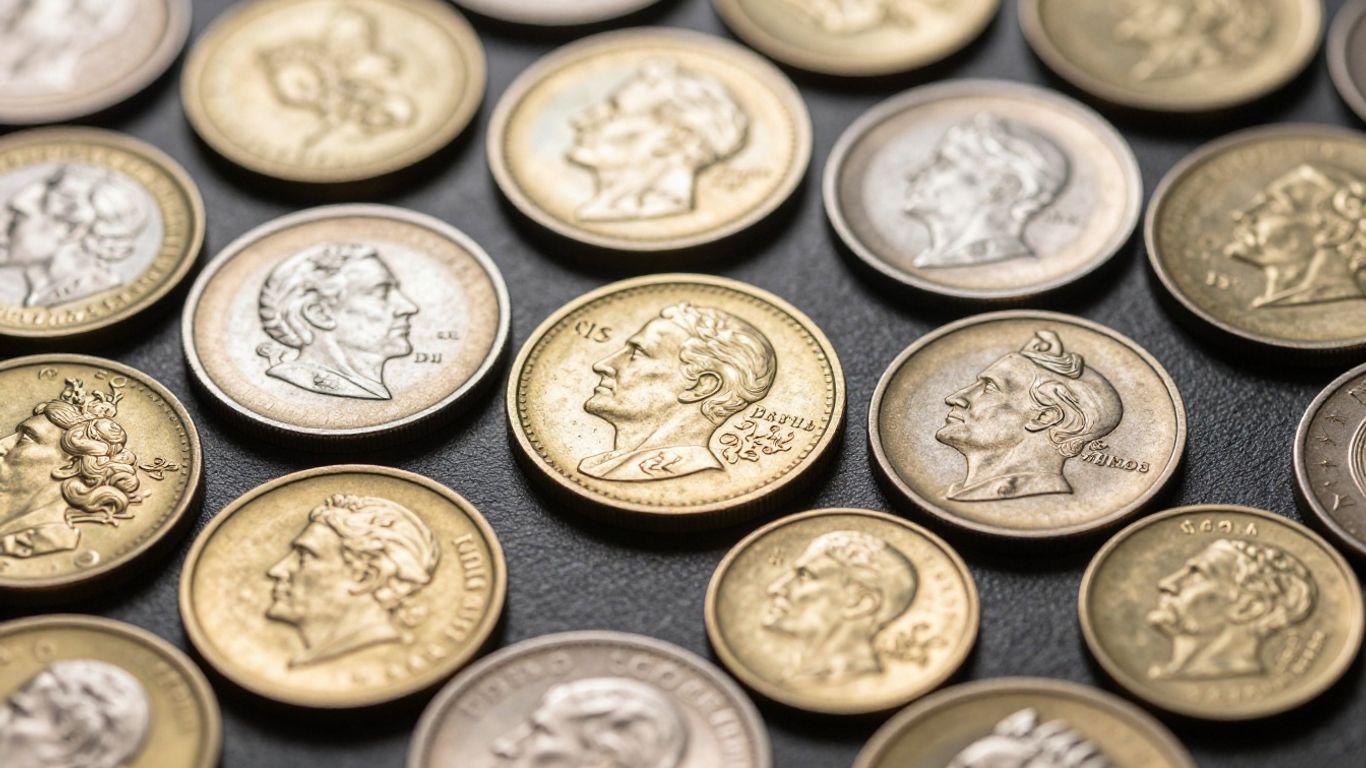
The world of coin collecting and trading isn’t static; it’s a living, breathing entity shaped by a variety of forces. To truly succeed, whether you’re buying, selling, or just appreciating these historical artifacts, you need to get a handle on what makes the market tick. It’s not just about the metal content or the date on the coin; a whole ecosystem of factors influences its desirability and, consequently, its price.
Analyzing Historical Trends and Valuations
Looking back at how coin prices have moved over time can offer some serious clues about future performance. Think of it like studying weather patterns; you can’t predict tomorrow’s sunshine with 100% certainty, but understanding past patterns helps you prepare. For instance, certain series of coins might see consistent interest, while others experience boom-and-bust cycles, often tied to broader economic conditions or shifts in collector focus. Tracking these historical valuations helps you spot potential opportunities and avoid overpaying for items that have historically underperformed.
- Economic Cycles: Recessions can sometimes boost interest in tangible assets like gold and silver coins as people seek stability. Conversely, booming economies might see collectors spending more freely on rarer, more specialized items.
- Collector Fads: Sometimes, a particular type of coin or a specific historical period becomes incredibly popular for a while, driving up prices. This popularity can fade, so understanding these trends is key.
- Supply and Demand Shifts: Changes in the availability of certain coins, perhaps due to hoarding or new discoveries, can dramatically alter their historical price trajectory.
The coin market has seen its share of ups and downs. Periods of intense speculation, often driven by the idea of coins as pure investments, have been followed by sharp corrections. It’s important to distinguish between coins bought for their intrinsic historical or aesthetic value and those purchased solely for speculative gain, as their market behavior can differ significantly.
Recognizing Rarity and Its Impact on Price
Rarity is a cornerstone of coin value, but it’s not always straightforward. It’s not just about how few coins were originally minted; it’s also about how many have survived in collectible condition. A coin might have had a large mintage, but if most were melted down or lost to time, the remaining ones can become quite scarce and valuable.
- Low Mintage: Fewer coins produced means less supply.
- Survival Rate: How many of those coins are still around today, especially in high grades?
- Key Dates and Varieties: Within a coin series, certain dates or specific mint errors (varieties) are much rarer than others and command premium prices.
Leveraging Expert Predictions and Market Demands
While historical data and rarity are vital, the coin market is also influenced by current sentiment and expert opinions. Coin dealers, auction houses, and numismatic publications often provide insights into what’s currently in demand and what might become popular. Staying informed about these expert predictions and understanding the underlying market demands can give you an edge.
- Dealer Insights: Experienced dealers often have a pulse on what collectors are actively seeking.
- Auction Trends: Watching what coins perform well at major auctions can signal current collector interest.
- Collector Community Buzz: Online forums and collector groups can highlight emerging trends or specific coins gaining attention.
Mastering Coin Valuation Techniques
Accurately determining what a coin is worth is a skill that separates casual collectors from serious investors. It’s not just about looking at a price guide; it involves understanding several layers of value and how they interact. This section breaks down the key methods for assessing a coin’s true worth.
Decoding Fair Market Value (FMV)
Fair Market Value (FMV) represents the price a coin would likely fetch in a transaction between a willing buyer and a willing seller, assuming both have reasonable knowledge of the item and are not under any pressure to buy or sell. For collectors, understanding FMV is about recognizing the price point that reflects genuine market acceptance, not just an optimistic asking price. It’s the price point where a deal is most likely to happen.
Differentiating Retail Versus Wholesale Pricing
There’s a significant difference between what a dealer sells a coin for (retail price) and what they are willing to pay for it (wholesale price). Retail pricing reflects the dealer’s overhead, profit margin, and the convenience of having the coin readily available. Wholesale pricing, on the other hand, is closer to the coin’s intrinsic liquid value – what a dealer might pay another dealer or what they’d offer for it in a quick sale. Serious investors focus on the wholesale price as a baseline for their own buying decisions.
Here’s a simple way to think about it:
- Retail Price: The price you see on a dealer’s shelf or in a catalog. This is the higher end.
- Wholesale Price: The price a dealer might offer you or pay at auction. This is the lower, more liquid end.
- Fair Market Value (FMV): Often falls somewhere between wholesale and retail, depending on the specific coin, its condition, and current demand.
Utilizing Auction Data for Accurate Appraisals
While price guides offer a general idea, actual auction results provide the most concrete data for coin valuation. These results show what buyers were actually willing to pay for specific coins under competitive conditions. Tracking sales of similar coins, paying attention to their grade, rarity, and any special attributes, can give you a much clearer picture of current market values.
- Review Past Auction Records: Look at sales from reputable auction houses for coins of the same type, date, and mint mark.
- Consider the Grade: A coin’s condition (grade) dramatically impacts its price. Compare sales of coins in identical or very similar grades.
- Note Rarity and Demand: Factors like low mintage, historical significance, or current collector trends can push prices above general estimates.
Relying solely on published price guides can lead to misjudgments. The real market is dynamic, and auction results offer the most up-to-date and reliable indicators of what coins are truly worth to collectors and investors today. Understanding these realized prices is key to making informed decisions, whether you are buying or selling.
Navigating Coin Selling Platforms
Choosing where to sell your coins can make a big difference in how much money you get back. It’s not just about listing them somewhere; it’s about finding the right audience and the right environment for your specific pieces. Different platforms attract different types of buyers, and some are better suited for rare, high-value items, while others are good for more common coins.
Choosing the Right Venue for Maximum Return
When you’re looking to get the most money for your coins, think about who is most likely to buy them and what they’re willing to pay. A coin that might fetch a decent price on a general marketplace could bring in significantly more at a specialized auction where serious collectors are competing. It’s about matching your coins to the buyers who appreciate their value the most. The venue you select directly impacts the final realized price.
- Specialized Auction Houses: These are often the best bet for rare and valuable coins. They attract a dedicated clientele willing to pay top dollar. Think Heritage Auctions or Stack’s Bowers, where competition can drive prices up. They have the infrastructure and reputation to handle high-value items and attract serious bidders. You can review their publicly reported realized prices to get a sense of what sells and for how much.
- Online Marketplaces: Platforms like eBay offer broad reach and convenience. They are great for coins that are more common or if you need to sell quickly. While you might not always get the absolute highest price compared to a specialized auction, the ease of use and access to a global buyer base can be very appealing.
- Local Coin Shops/Dealers: These can be a good option for quick sales, especially for less rare items. They often buy coins outright, saving you the hassle of listing and waiting for bids. However, their offers will typically be lower than what you might achieve through other channels, as they need to make a profit on resale.
The decision of where to sell should align with your goals. Are you prioritizing speed, convenience, or the absolute highest possible price? Understanding these priorities will guide you toward the most suitable selling platform.
Understanding Online Marketplaces and Auction Houses
Online marketplaces and traditional auction houses operate quite differently. Online platforms are generally more accessible and allow for a wider reach, which is great for getting your coins in front of as many potential buyers as possible. However, they can also be crowded, and it might take more effort to stand out.
Auction houses, on the other hand, specialize in creating a competitive environment. They often have a curated selection of items, drawing in serious collectors who are ready to bid. This can lead to exciting price discoveries, but it also means you’re subject to their consignment terms and fees. It’s important to research the specific auction house to understand their buyer demographics and their track record with coins similar to yours.
Balancing Fees and User Experience for Profitability
No matter where you sell, there will likely be fees involved. These can include listing fees, commission percentages, payment processing fees, and sometimes even shipping or insurance costs. It’s vital to factor these costs into your pricing strategy. A platform with lower fees might seem attractive, but if it doesn’t attract the right buyers, you might end up with less profit overall. Conversely, a platform with higher fees might be worth it if it consistently delivers higher selling prices and a better overall experience. Always read the fine print and understand the complete fee structure before committing to a selling venue. This careful consideration helps ensure that your selling efforts translate into maximum financial gain.
The Importance of Coin Documentation
Keeping good records for your coins is a really big deal, especially if you’re dealing with valuable pieces. It’s not just about knowing what you own; it’s about proving it and tracking its worth over time. Think of it like a detailed history for each coin. This information is super helpful when you decide to sell, as it adds a lot of credibility. Buyers want to see that a coin has a clear past and that its value has been monitored.
Creating Dossiers for High-Value Pieces
For your most prized coins, you’ll want to put together a special file, or dossier. This isn’t just a quick note; it’s a thorough collection of information. It should include things like:
- High-resolution photos of the coin from different angles.
- Detailed descriptions, including any unique characteristics.
- Copies of grading reports from reputable services.
- Purchase receipts or records of where and when you acquired it.
- Any previous auction results or sales records.
- Information about its history, if known (provenance).
This kind of detailed record-keeping makes a significant difference when you’re ready to sell. It shows potential buyers that you’ve taken care of the coin and know its background.
Maintaining Records for Authenticity and Provenance
Beyond just value, good documentation is key for proving a coin is real and where it came from. Scammers can be pretty clever, and sometimes fakes look very convincing. Having solid records helps you show that your coin is authentic and has a legitimate history. This is especially important for older or rarer coins where authenticity can be questioned. Knowing a coin’s journey – its provenance – adds to its story and can increase its desirability and, therefore, its price.
Proper handling is also part of good record-keeping. Never clean a valuable coin yourself, as this can destroy its natural patina and significantly reduce its worth. If a coin needs professional attention, seek out specialized conservation services. Always handle coins by their edges, preferably while wearing gloves, to avoid transferring oils from your skin.
Using Documentation for Dispute Resolution
Sometimes, things don’t go as planned. You might run into a situation where there’s a disagreement about a coin’s authenticity, condition, or sale. This is where your documentation becomes your best friend. If you ever need to resolve a dispute, having a clear, well-organized record of the coin’s history, purchase details, and grading can provide the factual basis needed to sort things out. It can help protect you from potential fraud or misrepresentation, giving you a solid foundation to stand on if legal action or arbitration becomes necessary. It’s about having the proof to back up your claims and protect your investment.
Leveraging Numismatic Resources
Consulting Pricing Guides and Market Trackers
Staying informed about coin values means looking beyond just what you paid for something. It’s about understanding what the market is actually willing to pay right now. This is where pricing guides and market trackers become really useful tools. Think of them as your go-to references for checking the pulse of the coin world. They compile data from actual sales, giving you a realistic picture of realized prices. This kind of data is gold for anyone serious about selling coins. It helps you avoid pricing your items too high and scaring off buyers, or too low and leaving money on the table.
These resources often break down prices by coin type, date, mint mark, and even grade. This level of detail is important because even small differences can affect value significantly. For example, a coin in MS-65 condition might fetch a very different price than the same coin in AU-58. Keeping up with these guides helps you spot trends, too. You might notice that certain series or types of coins are becoming more popular, which can influence their market value.
- Identify current market values for specific coins.
- Track historical price performance to spot trends.
- Compare realized prices from recent auctions.
The information found in these guides is not static; it changes as the market does. Regularly consulting these resources is key to making informed decisions about when to buy, sell, or hold onto your collection.
Building Relationships with Coin Dealers
While pricing guides offer data, experienced coin dealers offer something more: practical, real-world insight. These professionals spend their days evaluating, buying, and selling coins. They have a feel for the market that numbers alone can’t always capture. Building a connection with a reputable dealer can be incredibly beneficial. They can offer opinions on your coins, suggest fair pricing, and even point you toward potential buyers or auctions where your items might do well. It’s like having a knowledgeable friend in the business who can help you avoid common pitfalls. They often have access to auction results that might not be widely published yet, giving you an edge. You can find dealers at local coin shows or through professional organizations. Remember, a good dealer wants to build a long-term relationship, not just make a quick sale.
Engaging with Collector Communities
Beyond dealers and guides, the numismatic community itself is a treasure trove of information. Online forums, collector clubs, and social media groups dedicated to coins are places where enthusiasts share knowledge, discuss market trends, and sometimes even trade or sell coins among themselves. Participating in these groups can expose you to different perspectives and provide insights into what collectors are actively seeking. You might learn about upcoming auctions or discover niche markets for specific types of coins. It’s also a great way to get feedback on your own collection and learn from the experiences of others. Many collectors are passionate and willing to share their journey, which can be both educational and inspiring. For instance, seeing what coins are fetching high prices at various venues can give you a good idea of current demand. You can research past sales data on sites like coin auction archive to see what has sold and for how much.
Key Elements of Coin Value
When you’re looking at coins, whether to buy, sell, or just admire, a few things really stand out that decide how much they’re worth. It’s not just about the metal they’re made of, though that’s part of it. There’s a whole mix of factors that collectors and dealers consider, and understanding these can make a big difference in how you approach the coin market.
Assessing Rarity and Demand
This is probably the biggest driver of value after the basic material. A coin that’s hard to find, meaning it’s rare, is naturally going to be more sought after. But rarity alone isn’t enough. You also need demand – people have to actually want that rare coin. Think about it: if only ten of a certain coin exist, but nobody cares about it, its value won’t be very high. On the flip side, a coin that’s not super rare but is incredibly popular can fetch a high price simply because so many people want one.
- Low Mintage Numbers: Coins produced in smaller quantities are generally rarer.
- Historical Significance: Coins tied to important events or figures often see higher demand.
- Condition Rarity: Even if a coin was made in large numbers, finding one in top-notch condition can make it rare.
- Collector Trends: What’s popular changes. Sometimes, a specific type of coin or series becomes highly desirable for a period.
The interplay between how many coins exist and how many people want them creates the market’s price point. It’s a constant dance between scarcity and desire.
Understanding Grading Systems
This is where things get a bit technical, but it’s super important. Grading is basically a standardized way to describe a coin’s condition. A coin that looks perfect, with no scratches, wear, or damage, is worth a lot more than one that’s been handled a lot. Professional grading services use scales, most commonly the Sheldon scale, which runs from 1 (poor) to 70 (mint state or perfect). A coin graded MS-65, for example, is in excellent condition and will be worth significantly more than the same coin graded MS-60.
Here’s a simplified look at the scale:
| Grade Category | Description |
|---|---|
| Poor (P-1) | Barely identifiable |
| Fair (F-12) | Very worn, but some features are visible |
| Good (G-4) | Significant wear, but major details are present |
| Very Fine (VF-20) | Moderate wear, but design elements are clear |
| Extremely Fine (XF-40) | Light wear, sharp details |
| About Uncirculated (AU-50) | Very light wear, almost uncirculated |
| Uncirculated (MS-60+) | No wear, full details, varying luster |
The difference between a coin graded MS-65 and one graded MS-67 can be thousands of dollars.
The Influence of Historical Context
Sometimes, a coin’s story is as important as its physical state. Coins can gain value because of the historical period they come from, the events they witnessed, or the people associated with them. A coin minted during a time of great economic upheaval or a significant historical moment might be more desirable to collectors interested in that era. It’s like owning a piece of history. This context can also affect demand; for instance, coins from a specific country’s founding period might be highly sought after by collectors of that nation’s numismatic history. It adds a layer of narrative that pure condition or rarity might not capture on its own.
Strategies for Profitable Coin Sales
When it comes time to sell your coins, how you go about it can make a big difference in your final payout. It’s not just about having a valuable coin; it’s about getting that value recognized and realized. Thinking about the best way to sell is as important as knowing what your coin is worth.
Direct Sales Versus Middlemen
Selling directly to collectors or through platforms where you control the listing can often yield a better return than going through a traditional dealer or intermediary. While middlemen offer convenience, they also take a cut. Direct sales, on the other hand, allow you to connect with the end buyer, potentially cutting out those extra costs. This approach requires more effort on your part, but the financial rewards can be significant. Building relationships with collectors can make the sale enjoyable for everyone involved. For extremely rare coins, auctions are often the best route, though specialist dealers can also be valuable resources for selling such items [e19d].
Timing Sales with Market Fluctuations
Coin markets, like any other, have their ups and downs. Understanding these cycles is key to timing your sale for maximum profit. Certain coins might see increased demand during specific times of the year or in response to broader economic events. Keeping an eye on market trends and news can help you identify opportune moments to sell. For instance, if gold prices are soaring, gold coins might fetch a higher price. Conversely, if a particular series of coins is experiencing a surge in collector interest, that could be the ideal time to list yours.
Maximizing Returns Through Informed Decisions
Making smart choices throughout the selling process is how you truly maximize your profits. This involves several steps:
- Accurate Valuation: Before listing, get a solid understanding of your coin’s fair market value. This means consulting recent auction results, reliable pricing guides, and perhaps getting an appraisal from a trusted expert.
- Choosing the Right Venue: Decide whether an auction, a direct sale on an online platform, or a private sale is best for your specific coin. Each has its pros and cons regarding fees, reach, and speed.
- Presentation Matters: High-quality photos and a detailed, honest description are vital, especially for online sales. Highlight the coin’s condition, rarity, and any unique attributes.
- Understanding Fees: Be aware of all associated costs, including listing fees, commission rates, payment processing fees, and shipping costs. Factor these into your pricing strategy.
The coin market can be complex, with prices influenced by a mix of rarity, condition, historical significance, and current collector demand. Making informed decisions about when and where to sell, and how to present your coins, is paramount to achieving the best possible financial outcome. It’s a blend of numismatic knowledge and market savvy.
By carefully considering these strategies, you can approach the sale of your coin collection with confidence, aiming to achieve the best possible financial results.
Analyzing Past Coin Auction Results
Looking back at what coins have sold for in the past is a really smart move if you’re serious about coin collecting, especially if you plan to sell. It’s not just about seeing a number; it’s about understanding the story behind that number. Auction results give you a direct look at what collectors are actually willing to pay, which is different from what a price guide might suggest.
Reviewing Previous Sales Data
When you look at past sales, you’re essentially getting a snapshot of the market at a specific time. This data can show you how certain coins, or even types of coins, have performed over the years. It helps you see if a coin that was popular a decade ago is still in demand, or if new trends have emerged. Think of it like checking the stock market’s history before investing – you want to see the patterns.
- Identify the specific coin: Note the date, mint mark, condition (grade), and any special features.
- Record the realized price: This is the final hammer price, often before buyer’s premiums are added.
- Note the auction house and date: Different venues can attract different buyers.
- Consider market conditions at the time: Was it a strong or weak market overall?
Tracking Coin Performance at Auction
This is where you start to see the real action. You’re not just looking at one sale, but many. By tracking how a particular coin or series performs across multiple auctions, you can spot trends. For example, if a certain type of Morgan dollar consistently sells for more than expected, that’s a signal. This consistent performance is often more telling than a single outlier sale.
Here’s a quick way to think about performance:
| Coin Type | Avg. Realized Price (2023) | Avg. Realized Price (2025) | % Change |
|---|---|---|---|
| MS-65 Silver Eagle | $35 | $40 | +14.3% |
| AU-58 Indian Head | $150 | $130 | -13.3% |
| Proof Set (1960) | $25 | $28 | +12.0% |
Identifying Trends in Realized Prices
Trends are the big picture. Are gold coins generally doing better than silver coins? Are coins from a specific era suddenly becoming more popular? Auction results can reveal these shifts. You might notice that coins with strong historical significance are fetching higher prices, or that coins with exceptional eye appeal are consistently outperforming their graded counterparts. It’s about connecting the dots between what’s happening in the world and what collectors are collecting.
Understanding the ebb and flow of auction prices requires patience and a keen eye. It’s not always about the rarest coin, but sometimes about the coin that captures the current collector’s imagination or fills a specific gap in many collections. Paying attention to these subtle shifts can make a big difference in your selling strategy.
The Role of Third-Party Certification
Aiding Authentication and Market Acceptability
When you’re looking at coins, especially ones that cost a good bit of money, you’ll often see them in a sealed plastic holder, sometimes called a "slab." Inside that holder is a coin that’s been looked at and graded by a professional company. These companies, like PCGS (Professional Coin Grading Service) and NGC (Numismatic Guaranty Company), are what we call third-party certification services. They examine coins and give them a grade based on their condition, along with a description of what the coin is. This certification process helps make coins more trustworthy and easier for people to buy and sell. It’s like getting a seal of approval that says, "This coin is what it says it is, and here’s how good it looks." For collectors, especially those new to the hobby, this takes a lot of the guesswork out of buying. You don’t have to be an expert yourself to know if you’re getting a good deal on a coin’s condition.
Understanding Limitations of Certification
While these grading services are super helpful, they aren’t perfect. Think of them as a really good guide, but not a crystal ball. Sometimes, two coins with the exact same grade can look quite different to the human eye. One might have a bit more shine or a more pleasing color, which can make it more desirable to collectors. The grading services focus on the technical aspects, but that "eye appeal" can really change how much someone is willing to pay. Also, the grading itself is done by people, and people can sometimes make mistakes or have slightly different opinions. It’s also important to remember that the certification is about the coin’s condition and authenticity at the time it was graded. It doesn’t guarantee that the coin’s value will go up in the future.
Verifying Provenance and Legal Acquisition
Getting a coin certified is a big step, but it’s not the only thing you should check, especially for really valuable pieces. Certification tells you about the coin itself, but it doesn’t always tell you where the coin came from or if it was obtained legally. This is called "provenance." Knowing a coin’s history – who owned it before, where it was sold – can add to its story and sometimes its value. More importantly, it helps make sure the coin wasn’t stolen or involved in something shady. While the grading companies do their best to spot fakes, a determined counterfeiter can be tricky. So, it’s always a good idea to do your own homework, look at the coin yourself with a magnifying glass if you can, and try to find out as much as possible about its background. Buying from reputable dealers or auction houses can also give you more confidence in a coin’s history.
Here’s a quick look at what certification can tell you:
- Coin Identification: Confirms the coin’s type, date, and mint mark.
- Grade Assignment: Provides a standardized numerical grade (e.g., MS-65, AU-58) based on condition.
- Authenticity: Asserts that the coin is genuine and not a counterfeit.
- Holder Security: The sealed holder protects the coin from damage and tampering.
It’s wise to remember that while third-party grading offers a significant layer of security and marketability, it is not a substitute for personal due diligence. Understanding the coin’s history and physical characteristics remains a key part of making a sound numismatic investment.
Understanding Bullion and Spot Prices
Foundational Terminology for Transactions
When you’re looking at coins, especially those made of precious metals like gold and silver, you’ll run into a couple of terms that are pretty important: "bullion" and "spot price." Bullion coins are basically coins that are valued primarily for the amount of precious metal they contain, rather than their numismatic rarity or historical significance. Think of American Gold Eagles or Canadian Maple Leafs – their value is directly tied to the gold or silver inside. The "spot price" is the current market price for a given commodity, like gold or silver, for immediate delivery. This price changes constantly throughout the day, influenced by global markets, economic news, and supply and demand.
Impact on Gold and Silver Coin Valuations
For coins that are considered bullion, the spot price is a huge factor in their value. If the spot price of gold goes up, the value of gold bullion coins generally goes up too, and vice versa. This is different from collectible coins where rarity, condition, and historical interest play a bigger role. With bullion coins, the numismatic premium – that extra value beyond the metal content – is usually smaller. So, if you’re tracking the price of a gold coin, you’ll want to keep an eye on both the coin’s specific market and the general spot price of gold.
Informed Decision-Making in Trading
Knowing about spot prices and bullion helps you make smarter choices when buying or selling. If you see a gold coin being offered for sale, you can compare its price to the current spot price of gold to see if it’s a fair deal. It’s not just about the metal, though. You also need to consider:
- The Coin’s Condition (Grade): Even bullion coins can have different grades, which might affect their value slightly.
- Minting Premiums: Sometimes, the mint charges a bit extra to produce the coin.
- Dealer Markups: The seller will add their profit margin.
- Market Demand: How many people want this specific coin right now?
Understanding the interplay between the intrinsic value of the metal and the numismatic appeal of the coin is key. A coin’s price isn’t just the metal content; it’s a blend of commodity value, rarity, condition, and market sentiment. For coins where the metal content is the primary driver, the spot price acts as a baseline, but other factors can still influence the final transaction price.
Here’s a quick look at how spot prices can influence coin values:
| Metal | Spot Price (Approx. 3/21/2026) | Example Bullion Coin Value Range | Notes |
|---|---|---|---|
| Gold | $2,350 per ounce | $2,400 – $2,550 | Varies by coin, premium, and dealer. |
| Silver | $28 per ounce | $30 – $40 | Varies by coin, premium, and dealer. |
Remember, these are just general ranges. The actual price you see will depend on many factors, including the specific coin, its condition, and the seller.
Putting It All Together
So, we’ve gone over a lot of ground, from figuring out what coins are actually worth to knowing where to sell them. It’s not just about having old coins lying around; it’s about understanding the market, doing your homework, and making smart choices. Whether you’re looking to make a bit of extra cash or build a serious collection, keeping track of auction results and understanding pricing trends is key. Don’t be afraid to connect with other collectors or experts – they’ve got insights that can really help. In the end, knowing your coins and the market means you’re in a much better spot to get the most for your collection.
Frequently Asked Questions
What is the most important thing to know when tracking coin auction results?
The most crucial aspect is understanding that past auction results provide valuable clues about a coin’s current worth. By looking at what similar coins sold for before, you can get a better idea of what your own coins might bring.
How do I figure out a coin's true value, not just what someone is asking for it?
You need to look at the ‘fair market value’ (FMV). This is what a willing buyer and seller agree on. It’s different from the price a shop might sell it for (retail) and what a dealer would buy it for (wholesale). Auction data is a great way to see real sale prices.
Why is knowing about coin rarity and demand so important for pricing?
Rarity means there aren’t many of that coin around. High demand means lots of people want it. When a coin is both rare and in high demand, its price usually goes up a lot.
What role does third-party certification play in selling coins?
Getting a coin certified by a reputable company (like PCGS or NGC) helps prove it’s real and what condition it’s in. This makes buyers more confident and can help your coin sell for a better price.
Are online auction sites the best place to sell my coins?
Online sites offer a wide reach, which can be good. However, you should also consider traditional auction houses or even local coin dealers. The best place depends on your coin and what you want to achieve. Always compare fees and how easy it is to sell.
What are 'bullion coins' and why do they matter?
Bullion coins are made of precious metals like gold or silver. Their value is closely tied to the current price of that metal (the ‘spot price’). This is different from collectible value, though rare bullion coins can have both.
How can I use expert advice to help sell my coins?
You can talk to experienced coin dealers or numismatic experts. They understand market trends and can offer insights into pricing, the best time to sell, and where to find interested buyers, helping you make smarter decisions.
Why is keeping good records for my coins so important?
Detailed records, like photos, purchase information, and any certificates, build trust. They prove a coin’s history and authenticity, which is vital if you ever have a disagreement or when you decide to sell later.