
San Antonio, a city rich in history, also holds a special place for collectors of United States Notes. This guide is for anyone interested in finding and understanding these pieces of American financial history right here in the Alamo City. We’ll walk through where to look, what to look for, and how to keep your finds in good shape. Whether you’re just starting out or have been collecting for a while, this information on united states notes san antonio should be helpful.
Key Takeaways
- United States Notes represent a specific era of American paper money and are distinct from other currency types.
- San Antonio has local coin and currency dealers, antique shops, and estate sales that may carry United States Notes.
- Collectors should examine the condition, rarity, and any unique markings (like mint marks or varieties) to determine a note’s value.
- Understanding market trends and consulting price guides are important for assessing the worth of United States Notes.
- Proper storage and handling are vital for preserving the condition and value of collected currency.
Discovering United States Notes in San Antonio
San Antonio, a city steeped in history, offers a unique backdrop for collectors interested in United States Notes. These notes, distinct from other forms of U.S. paper money, represent a fascinating chapter in American financial history. For those looking to start or expand a collection, the city presents several avenues for discovery.
The Allure of Historical Currency
Collecting historical currency, particularly United States Notes, is more than just acquiring old paper. It’s about holding a piece of the past, a tangible link to economic events and societal changes. Each note tells a story, from the intricate designs that reflect the artistry of their time to the signatures that represent individuals who played a role in shaping the nation’s financial landscape. The appeal lies in the rarity, the historical significance, and the sheer beauty of these artifacts.
Navigating San Antonio's Numismatic Landscape
San Antonio’s rich history means it’s a fertile ground for finding numismatic treasures. While dedicated coin and currency shops are the most direct route, don’t overlook other potential sources. Antique stores, estate sales, and even local auctions can sometimes yield unexpected finds. It’s about knowing where to look and being patient. The city’s historical districts, in particular, might house establishments with a keen eye for such items.
Key Considerations for Collectors
Before embarking on your search, it’s wise to have a few things in mind. Understanding the basics of United States Notes, their history, and what makes them desirable is a good starting point. Researching common pitfalls and learning about proper handling and storage will help protect your investments. Building a foundational knowledge is as important as finding the notes themselves.
Here are some initial steps to consider:
- Educate yourself: Familiarize yourself with the different types of United States Notes and their historical periods.
- Set a budget: Determine how much you are willing to spend, both initially and for future acquisitions.
- Network: Connect with other collectors or dealers to gain insights and potential leads.
The pursuit of historical currency requires a blend of research, patience, and a bit of luck. San Antonio, with its deep historical roots, provides an engaging environment for this endeavor. Whether you are a seasoned collector or just beginning, the journey of discovery promises to be rewarding.
Historical Context of United States Notes
Evolution of Paper Money in America
Before the widespread adoption of standardized currency, the American monetary landscape was quite varied. During the free-banking era, for instance, individual banks issued their own notes, creating a patchwork of different currencies circulating across the country. These bank notes were essentially promises to pay, backed by the issuing institution’s assets. This system, while functional to a degree, often led to confusion and a lack of uniformity. The need for a stable, nationally recognized currency became increasingly apparent as the United States grew.
The Significance of Early Federal Currency
Early federal currency played a vital role in establishing a unified economic system. These notes represented the government’s commitment to providing a reliable medium of exchange. They were a step towards national identity and economic stability, moving away from the decentralized systems of the past. Understanding these early issues gives us a window into the challenges and aspirations of a young nation.
United States Notes: A Unique Issuance
United States Notes, also known as Legal Tender Notes, hold a special place in American monetary history. Authorized by acts of Congress, these notes were intended to circulate as general currency. Unlike some other forms of paper money, they were direct obligations of the U.S. government. Their issuance often coincided with periods of national need, such as financing the Civil War.
Here’s a look at some key periods and their impact on currency:
- Civil War Era: The need for funds led to the issuance of Demand Notes and later United States Notes.
- Post-Civil War: Continued issuance aimed to provide a stable currency supply.
- Later Issues: While their prominence waned with the rise of Federal Reserve Notes, U.S. Notes continued to be printed for some time.
The journey of paper money in the United States is a story of evolving needs and governmental responses. From the early days of private bank notes to the establishment of federal currency, each phase reflects the nation’s economic and political development. United States Notes represent a significant chapter in this ongoing narrative, serving as a tangible link to America’s past financial endeavors.
Collectors often find the history behind these notes as fascinating as the notes themselves. Learning about the specific acts of Congress that authorized their printing, the economic conditions of the time, and the designs that graced their surfaces adds a rich layer to the hobby. You can find more information on U.S. currency history and identification at U.S. currency information.
Locating United States Notes in San Antonio
Finding United States Notes in San Antonio involves exploring a few different avenues. It’s not quite like finding a needle in a haystack, but it does require a bit of legwork and knowing where to look. The good news is that San Antonio has a number of places where collectors can hunt for these historical pieces of currency.
Local Coin and Currency Dealers
San Antonio is home to several reputable coin and currency dealers. These shops are often the first stop for serious collectors. They typically have a rotating inventory, so it’s worth visiting them regularly. Some dealers specialize more in coins, while others have a good selection of paper money, including United States Notes. It’s always a good idea to call ahead or check their websites to see if they have any United States Notes in stock before making a special trip.
Here are a couple of places to start your search:
- Texas Coins: This established dealer has been serving the San Antonio area since 1988 and deals in a wide variety of numismatic items. They might have United States Notes among their offerings.
- Alamo Heights Coin Shop: Known for a professional approach to buying and selling currency, their appraisers can assist you in finding what you’re looking for.
Remember to ask dealers if they specialize in paper money or if they can point you in the direction of someone who does if they don’t.
Antique Shops and Estate Sales
Beyond dedicated coin dealers, antique shops and estate sales can be surprising sources for United States Notes. People often come across old currency when clearing out attics or going through personal belongings. You might find notes tucked away in old desks, safes, or even within books. Estate sales, in particular, can yield a treasure trove of items, and currency is no exception. Keep an eye on local listings for upcoming estate sales in the San Antonio area.
- Check for Estate Sale Listings: Websites and local newspapers often advertise upcoming sales.
- Inspect Items Carefully: When you find currency at an antique shop or estate sale, take a close look at its condition.
- Be Prepared to Negotiate: Prices at these venues can sometimes be flexible.
Finding United States Notes at antique shops or estate sales often requires patience and a bit of luck. These locations are less predictable than dedicated dealers, but the thrill of discovery can be quite rewarding for the persistent collector.
Online Marketplaces and Auctions
In today’s digital age, online platforms have become a significant resource for collectors. Websites like eBay, and specialized numismatic auction sites, host countless listings for United States Notes. You can often find a wider selection online than you might in a single physical location. However, buying online comes with its own set of considerations, such as verifying the seller’s reputation and understanding grading before making a purchase. Many auction houses also have online bidding options, allowing you to participate from anywhere.
- Reputable Online Auction Sites: Look for platforms that cater specifically to collectibles and currency.
- Seller Reviews: Always check feedback and ratings before bidding or buying.
- Detailed Descriptions and Photos: Ensure the listing provides clear images and thorough information about the note’s condition.
Identifying Valuable United States Notes
When you’re looking through old paper money, especially United States Notes, figuring out what’s actually worth something can feel like a puzzle. It’s not just about the picture on the bill; a lot more goes into its worth. The condition of the note is often the first thing people look at.
Condition and Grading
Think about a dollar bill you’ve used. It’s probably soft, maybe has a few creases, or even a small tear. That’s a heavily circulated note. Now imagine a bill that looks like it just came from the Bureau of Engraving and Printing – crisp, with sharp corners and no folds. That’s uncirculated. The difference in value between these two can be huge.
Grading services use a scale, often from 1 to 70, to describe a note’s condition. A note graded 60-70 is usually considered uncirculated. Anything lower means it’s been handled. When you’re starting out, it’s good to get a feel for what different grades look like. You can often find examples online or by talking to experienced collectors.
Rarity and Key Dates
Some United States Notes are just harder to find than others. This could be because fewer were printed, or maybe a lot of them were destroyed over time. Certain dates or series might be particularly scarce. For example, a note from a specific year or a particular series might be much rarer than others from the same design period.
It’s helpful to do some research on what are considered the
Understanding the Market for United States Notes
Factors Influencing Value
The worth of any United States Note, like other collectibles, isn’t set in stone. Several things play a part in how much a particular bill might be worth. The most obvious factor is its condition. A note that’s crisp and shows no signs of wear will naturally be more desirable than one that’s been folded many times or has tears. Rarity also plays a big role. If only a few of a certain type of note were printed, or if very few have survived, its scarcity can drive up the price. Think about it: if everyone has one, it’s not worth much, but if only a handful exist, collectors will compete for it. Mint marks and specific varieties can also affect value, sometimes significantly. These are the small details that experienced collectors look for.
Current Market Trends
Right now, the market for United States Notes is pretty steady. There’s always a core group of collectors interested in these pieces of American history. While not as flashy as some other collectibles, they hold a certain appeal for those who appreciate the story behind the money. Some specific series or rare dates might see spikes in interest, especially if they are featured in auctions or discussed in numismatic circles. It’s a market that rewards patience and knowledge. For those looking to get a sense of current pricing, resources like a paper money value guide can be quite helpful.
Resources for Price Guidance
Figuring out what a United States Note is worth can be tricky. You can’t just walk into any store and ask. For serious collectors, there are a few go-to resources. Auction results from major numismatic auction houses often provide a good snapshot of what certain notes are selling for. Specialized price guides, often published by numismatic organizations or reputable dealers, are also invaluable. These guides usually list notes by series and condition, giving you a range of expected values. Keep in mind that these are just guides; the actual price paid can vary based on the buyer and seller.
The value of currency is a complex interplay of its physical state, how many were originally made, and how many still exist today. Small details, often overlooked by the casual observer, can dramatically alter a note’s desirability and, consequently, its market price. Patience and diligent research are key for anyone serious about collecting.
Preserving Your Collection
Once you’ve acquired some United States Notes, the next big step is making sure they stay in good shape. It’s not just about keeping them safe from damage; it’s about maintaining their condition, which directly impacts their value. Think of it like taking care of any old, delicate item – a little attention goes a long way.
Proper Storage Techniques
Storing your notes correctly is pretty straightforward, but it’s important to get it right. The main enemies are light, humidity, and physical stress. You’ll want to keep your notes in a cool, dry place. Avoid attics or basements if they tend to get damp or experience wild temperature swings. Many collectors use special archival-quality sleeves or holders made from Mylar or polyethylene. These materials won’t degrade over time and harm your notes. Albums designed for paper currency are also a good option, providing individual protection for each note. Never use regular plastic bags or tape, as these can cause chemical reactions and stick to the paper.
Handling and Display
When you’re looking at your notes, or showing them off, be gentle. Always handle them by the edges. Your fingers have oils and dirt that can transfer to the paper, causing discoloration or damage over time. If you want to display them, consider using frames with UV-protective glass or keeping them in albums where they are protected from direct light. Avoid placing them near heat sources or in direct sunlight, as this can cause fading and brittleness. For more sensitive or valuable items, a safe deposit box might be a good secondary storage location, but remember that regular access is key for enjoyment.
Documentation and Insurance
Keeping good records of your collection is a smart move. This includes noting where and when you acquired each note, the price you paid, and its condition. This information is invaluable for insurance purposes and for tracking your collection’s growth. For higher-value collections, it’s wise to get them appraised and insured. This protects your investment against theft, loss, or damage. Having a detailed inventory, perhaps with photographs, makes the insurance process much smoother if you ever need to make a claim. It’s also helpful to save any original documentation that came with the notes or sets, as this can add to their historical context and appeal [ec3f].
Taking the time to properly store and handle your United States Notes is an investment in their future. It ensures that these pieces of history can be enjoyed and appreciated for years to come, maintaining their integrity and potential value.
Notable Collections and Archives
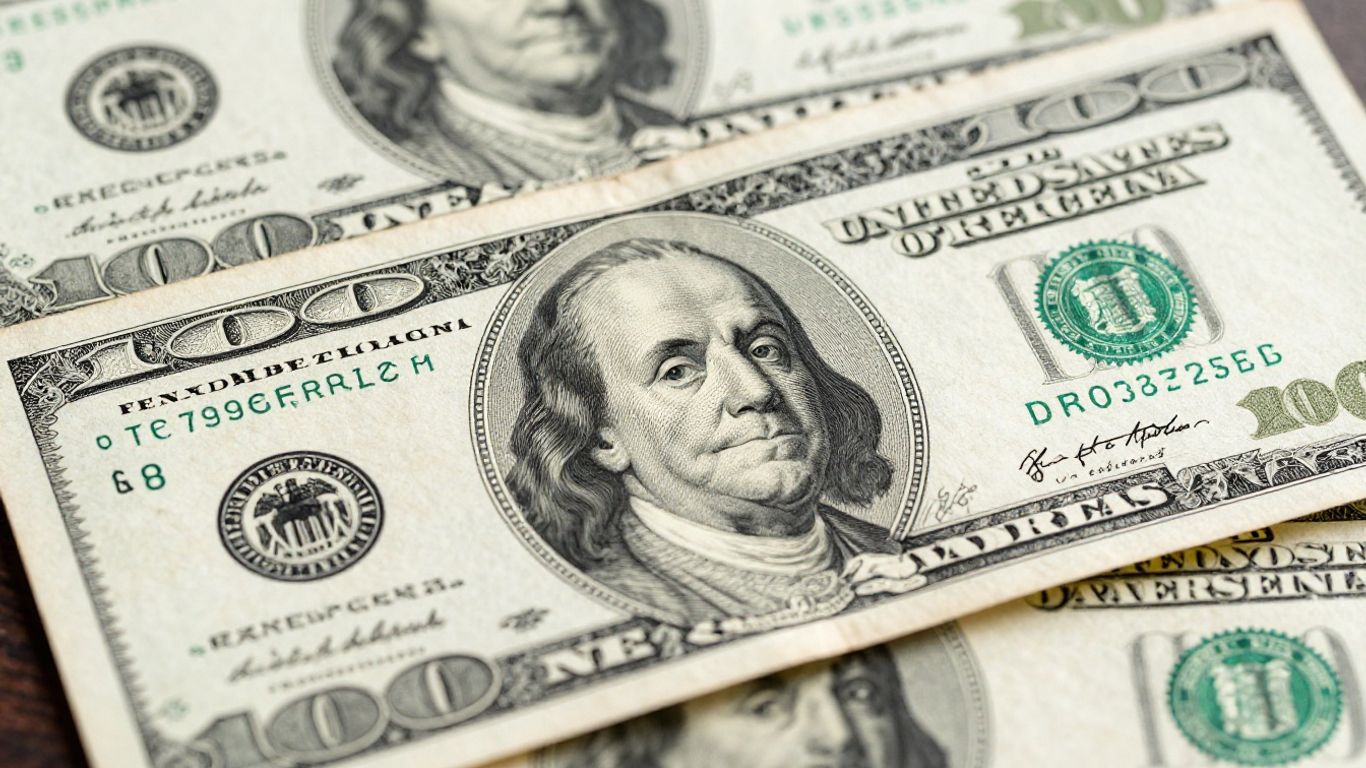
When you’re deep into collecting United States Notes, you might start wondering where all the old paper money ends up. It’s not just about what you can find at local dealers; there are some pretty amazing collections out there, tucked away in archives and historical societies. These places often hold items that rarely, if ever, hit the open market. It’s like a treasure hunt for history buffs.
Local Historical Societies
San Antonio and the surrounding Texas areas have a rich history, and many local historical societies are custodians of fascinating documents. While they might not have vast displays of currency, they often possess older records, ledgers, or even personal papers that could contain or reference early forms of money. It’s worth checking with institutions like the Bexar Archives, which hold documents dating back centuries. You never know what you might uncover in their holdings.
University Archives
Universities, especially those with strong history or economics departments, can be goldmines for archival material. Texas universities, for instance, might have collections related to the state’s unique financial past, including periods before and during the Civil War. Think about the records of early banks, businesses, or even personal papers of prominent Texans. These archives are often meticulously organized, making research more straightforward.
Private Collections
Of course, many of the most significant collections of United States Notes are held by private individuals. These collectors have spent years, sometimes decades, amassing their holdings. While these collections aren’t typically open to the public in the same way as institutional archives, sometimes collectors will loan items for special exhibitions or share their knowledge through numismatic clubs. It’s a good reminder that the community aspect of collecting is quite strong.
The pursuit of historical currency often leads collectors beyond the immediate marketplace. Understanding where significant collections are housed, whether in public institutions or private hands, provides context for the rarity and historical importance of the notes you seek. These archives serve as vital repositories, preserving pieces of our financial past for future generations.
The Role of Dealers in San Antonio
When you’re hunting for United States Notes in San Antonio, local dealers are your best bet. These folks know the market, have access to inventory, and can help you spot a good deal. They’re not just sellers; they’re often collectors themselves, with a real passion for old paper money.
Expertise and Authentication
One of the biggest advantages of working with a dealer is their knowledge. They can tell you if a note is genuine, what condition it’s in, and if it’s a rare find. This is super important because spotting fakes or misidentified notes can save you a lot of heartache and money. They often have resources to help verify authenticity, which is a big plus when you’re starting out.
- Authenticity Checks: Dealers can identify counterfeit or altered notes.
- Condition Assessment: They provide an informed opinion on a note’s grade.
- Market Knowledge: They understand what makes a note desirable and how much it’s worth.
Building Relationships with Dealers
Getting to know dealers in San Antonio can really pay off. If you find a dealer you trust, they might even reach out to you when they get something they think you’ll like. It’s like having a personal shopper for your collection. Building these connections takes time, but it’s worth it. You can find some great places to start looking, like Texas Currency Exchange.
Building a good relationship with a dealer means you’re more likely to get fair prices and access to better inventory. It’s a two-way street; they appreciate repeat customers who are serious about collecting.
Ethical Practices in Numismatics
Reputable dealers follow certain standards. They should be upfront about the condition and history of the notes they sell. If a dealer seems shady or pushes you to buy something too quickly, it might be a sign to look elsewhere. A good dealer will be happy to answer your questions and provide documentation if needed. Some dealers even specialize in specific types of currency, like those who buy and sell promissory notes, which shows their focused knowledge in financial instruments.
Beyond United States Notes: Related Collectibles
While United States Notes hold a special place in numismatics, the world of paper money collecting extends much further. Exploring related historical currencies can add depth and variety to your collection, offering a broader perspective on American financial history. San Antonio, with its rich past, can be a surprising place to find these other fascinating pieces of history.
Confederate Currency
Confederate currency represents a unique and often poignant chapter in American history. Issued by the Confederate States of America during the Civil War, these notes reflect the economic and political struggles of the era. Their designs often feature prominent figures and symbols of the Confederacy, and their condition can vary widely due to the turbulent times in which they were produced.
- Design Elements: Look for distinctive imagery, such as portraits of Confederate leaders, allegorical figures, and scenes from Southern life.
- Denominations: Confederate notes were issued in a range of denominations, from fractional currency to large bills.
- Rarity: Some Confederate notes are quite rare, especially those from earlier issues or in high grades.
Texas Republic Currency
Before Texas became a state, it existed as an independent republic. During this period, the Republic of Texas issued its own currency. These notes are highly sought after by collectors, particularly those with a connection to Texas history. They offer a glimpse into the early financial systems of a nation that was forging its own identity.
Collecting Texas Republic currency can be a rewarding pursuit, connecting you to a specific and significant period in the state’s past. These notes are often harder to find than later U.S. currency, making them a prize for dedicated collectors.
Colonial and Fractional Currency
Colonial currency predates the United States Notes, representing the various forms of money used by the thirteen colonies. This can include notes issued by individual colonies or even by local authorities. Fractional currency, on the other hand, was issued by the U.S. government in denominations less than a dollar, often during times of coin shortages, such as the Civil War.
- Colonial Notes: These can be very scarce and are often in fragile condition due to their age.
- Fractional Currency: These small notes were designed to circulate alongside coins and can be found in various designs and denominations.
The pursuit of these related collectibles often leads to a deeper appreciation for the evolution of money in America. Each type of currency tells a story, contributing to a richer understanding of the nation’s economic journey.
When searching for these items, remember that local coin dealers and antique shops in San Antonio might have hidden gems. You might also find them through specialized banknote dealers or online auctions. For those interested in the broader numismatic market, resources like the PMG Banknote Dealer Locator can be helpful in finding specialists.
Engaging with the Numismatic Community
Collecting United States Notes, or any currency for that matter, can feel like a solitary pursuit at times. You spend hours researching, hunting for that elusive note, and carefully organizing your finds. However, connecting with other collectors and enthusiasts can significantly enrich your experience. It opens doors to shared knowledge, potential trades, and a deeper appreciation for the hobby.
Local Coin Clubs and Shows
Joining a local coin club is one of the best ways to get involved. These groups often meet regularly, providing a consistent opportunity to discuss numismatics, share recent acquisitions, and learn from more experienced members. Many clubs also organize or participate in coin shows, which are fantastic events for both buying and selling. You can often find dealers specializing in United States Notes at these shows, and the atmosphere is usually quite lively. It’s a chance to see a wide variety of currency and talk directly with people who know their stuff. For instance, clubs like the Gateway Coin Club often have a packed schedule of events throughout the year.
Online Forums and Social Media
If local meetings aren’t feasible, the internet offers a vast network of numismatic communities. Online forums and social media groups dedicated to coin collecting, and specifically paper money, are abundant. These platforms allow you to ask questions, post pictures of your notes for identification or opinions, and connect with collectors worldwide. You can find discussions on everything from grading specific notes to the history behind certain issues. It’s a convenient way to stay connected and informed, regardless of your location.
Educational Resources
Beyond direct interaction, there are numerous educational resources available. Organizations like the American Numismatic Association provide a wealth of information through their publications, online resources, and educational programs. These resources can help you learn more about the history of United States Notes, grading standards, and market trends. Staying informed is key to making smart collecting decisions and avoiding potential pitfalls. Remember, the more you know, the more enjoyable and successful your collecting journey will be.
Building connections within the numismatic community offers more than just social interaction; it provides access to a collective pool of knowledge and experience that can significantly benefit your collecting endeavors. Sharing insights and learning from others’ journeys can prevent common mistakes and uncover new avenues for discovery.
Wrapping Up Your San Antonio Note Hunt
So, that’s a look at what you might find if you’re hunting for old United States Notes around San Antonio. It’s not always easy to track down these pieces of history, and sometimes the best finds are tucked away in unexpected places. Keep your eyes open, talk to local collectors, and maybe you’ll stumble upon something special. Happy hunting out there!
Frequently Asked Questions
What exactly are United States Notes?
United States Notes, also called Legal Tender Notes, were a type of paper money issued by the U.S. government. They were first printed in the 1860s and were meant to be used alongside other forms of currency. Think of them as early dollar bills that the government backed.
Why are collectors interested in United States Notes?
These notes are fascinating because they represent a significant piece of American history. They tell a story about how money worked in the past and the government’s role in printing it. Each note can be a small window into a different time.
Where can I find United States Notes in San Antonio?
You might find these old notes at local coin and currency shops, antique stores, or even at estate sales. Sometimes, online auctions also have them. It’s like a treasure hunt!
How do I know if a United States Note is valuable?
Value often depends on how well the note has been kept (its condition), how rare it is, and if it has any special markings like a specific mint mark. Older notes in great shape are usually worth more.
What makes one United States Note different from another?
Notes can differ in their design, the year they were printed, and where they were made (indicated by mint marks). Some dates or varieties are much harder to find than others, making them more special to collectors.
How should I store my United States Notes?
It’s important to keep them safe from damage. Store them in special protective sleeves or albums designed for paper money. Keep them away from sunlight, moisture, and anything that could harm the paper.
Are there other types of old money I might find interesting?
Yes! Besides U.S. Notes, collectors also look for Confederate currency, money from the Texas Republic, and even older colonial or fractional currency. Each has its own unique history.
How can I learn more about collecting United States Notes?
You can join local coin clubs, visit numismatic shows, or explore online forums and social media groups dedicated to currency collecting. Reading books and guides about paper money is also very helpful.