
Looking to figure out what makes a coin in good shape, especially if you’re in San Antonio, TX? It’s not just about whether it’s old. The condition of a coin really matters when it comes to its value, whether you’re thinking of selling or just want to know what you have. We’ll break down the good coin condition characteristics San Antonio TX collectors look for.
Key Takeaways
- Understanding coin condition is key to determining its value in San Antonio, TX.
- Look for signs of wear, damage, and surface preservation when assessing coins.
- Detail retention, such as sharp design elements and original mint luster, is important.
- Authenticity and professional grading services play a role in assessing coin quality.
- Reputable dealers in San Antonio offer fair appraisals and clear policies for buyers and sellers.
Understanding Coin Condition Characteristics in San Antonio
When you’re looking at coins, especially if you’re in San Antonio and thinking about their value, the condition is a really big deal. It’s not just about whether the coin is old; it’s about how well it has held up over time. Think of it like a vintage car – one that’s been kept in a garage and driven carefully will be worth a lot more than one that’s been left out in the elements. The same applies to coins. The physical state of a coin directly impacts its desirability and, consequently, its price.
The Importance of Coin Condition for Value
Why does condition matter so much? Well, for collectors, a coin’s appearance is key. A coin that looks almost new, with sharp details and a bright surface, is far more appealing than one that’s worn smooth or has obvious damage. This appeal translates directly into monetary value. A coin in a higher grade, meaning better condition, can be worth many times more than the exact same coin in a lower grade. It’s a simple but powerful principle in the coin collecting world.
Key Factors in Assessing Coin Quality
So, what exactly do people look for when they’re checking a coin’s quality? There are several things to consider. You’ll want to examine the overall surface for any marks or wear. The sharpness of the design elements is also important, as is the presence of original mint luster, which is that shiny, almost iridescent quality coins have when they’re first made. Damage, like scratches or bent spots, will always lower a coin’s grade and value.
Here’s a quick rundown of what experts consider:
- Wear: How much of the original design has been worn away by circulation.
- Surface Preservation: The presence of scratches, nicks, or other marks.
- Strike: How well the coin’s design was impressed by the minting dies.
- Luster: The original shine or brilliance of the coin’s surface.
- Damage: Any unintended marks or alterations, like bends, holes, or corrosion.
Recognizing Wear and Damage on Coins
Spotting wear is usually straightforward. Look at the high points of the design – areas like a president’s hair, the eagle’s wings, or lettering. If these areas are rounded or smoothed over, the coin has seen circulation. Damage is a bit more varied. It can range from tiny hairlike scratches to significant gouges or even corrosion that eats away at the metal. Even minor damage can significantly reduce a coin’s value. It’s always best to get a professional appraisal for your coins in San Antonio if you’re unsure about their condition. You can find services that offer coin appraisals in the area, which can help clarify the condition and potential worth of your collection.
Evaluating Surface Preservation in San Antonio Coins
When you’re looking at coins, especially those found or traded in San Antonio, how the surface looks is a big deal. It’s not just about the main design; it’s about the whole picture. Think of it like looking at an old painting – you want to see the original colors and details, not just a bunch of smudges and scratches. The condition of a coin’s surface tells a story about its life and how it’s been treated.
Spotting Scratches and Abrasions
Scratches are probably the most obvious sign of wear or mishandling. They can range from tiny, hairline marks that are hard to see without magnification, to deep gouges that really stand out. Abrasions are similar but tend to be more like rub marks, where the coin’s surface has been worn down unevenly. These can happen from coins rubbing against each other in a bag or during storage. When you see a lot of these, it usually means the coin isn’t in top shape, which can affect its value. It’s good to check coins under a bright light, maybe even with a magnifying glass, to catch these imperfections. For collectors in San Antonio, knowing how to spot these issues is key to making smart purchases.
Identifying Rim Dings and Edge Damage
The edge of a coin is just as important as its faces. Dings, nicks, or flat spots on the rim can happen if a coin is dropped or handled roughly. Sometimes, you might see evidence of filing or tooling on the edge, which is a sign of tampering. A clean, smooth rim is generally preferred. If you’re looking at older coins, especially those that might have circulated heavily, some minor edge wear is expected. However, significant damage can really lower a coin’s grade and, consequently, its worth. It’s worth taking a moment to inspect the coin’s edge carefully.
Assessing Surface Patina and Toning
Patina and toning refer to the natural discoloration that coins develop over time due to their metal composition and exposure to the environment. On silver coins, this might appear as a gentle toning, ranging from light golden hues to darker, more complex patterns. On copper coins, a rich brown or reddish-brown patina can be desirable. However, artificial toning or cleaning that removes this natural surface can be a major red flag. It’s important to distinguish between attractive, natural toning and damage that has been done to the coin. Some collectors specifically seek out coins with beautiful, original toning, as it can add character and historical appeal. Understanding these surface characteristics is part of appreciating the history behind coins, whether they are from ancient times or more recent issues like those found near the San Antonio Missions National Historical Park.
When evaluating a coin’s surface, look for consistency. Are the marks random or do they suggest a pattern of wear? Does the color look natural for the metal and age of the coin, or does it seem artificially applied or removed? These details matter a lot to collectors.
Detail Retention for San Antonio Coin Collectors
When you’re looking at coins, especially in San Antonio, how much of the original design is still clear is a big deal. This is what we call detail retention. It’s about how well the coin’s features have held up over time. Think of it like a photograph – if it’s faded or blurry, it’s not as good as a sharp, clear image. The same applies to coins. The more detail that remains, the more a coin is generally worth.
Examining High-Point Wear on Designs
Coins have certain areas that stick out the most, like the tops of a president’s head or the tips of a bird’s wings. These are called high points. Over time, these high points are the first to show wear because they rub against things more often. When you look at a coin, check these spots. If the details are still sharp and well-defined, that’s a good sign. If they look worn down and smooth, the coin has seen better days. For collectors in San Antonio, seeing strong detail on these high points is a key indicator of a coin’s quality.
Checking for Fullness of Strike
Sometimes, a coin might look worn, but the issue isn’t wear at all. It could be that the coin wasn’t struck properly at the mint. This means the metal didn’t fully fill all the parts of the die when it was made. A coin with a "full strike" will have all its design elements clearly visible and well-formed. A weak strike means some details might be missing or mushy-looking, even if the coin is otherwise in good shape. It’s important to distinguish between wear and a weak strike when you’re assessing a coin’s condition. You can find more information about coin dealing from Neil S Berman.
Understanding Mint Luster and Originality
Mint luster is that original shine a coin has when it’s brand new, fresh from the mint. It’s like a frosty or satiny sheen. This luster is a sign of originality – meaning the coin hasn’t been cleaned or handled excessively. When luster is present and strong, it tells you the coin has been well-preserved. If a coin looks dull or has a strange, artificial shine, it might have been cleaned, which can hurt its value. For collectors, original mint luster is highly desirable and shows the coin is in its most natural state. Many collectors feel more comfortable with coins that have been graded by a third-party service, as these services often comment on the presence of original surfaces. You can find places like Royalty Coins in San Antonio that deal with a variety of coins, and understanding these details helps when you’re looking at their stock.
The original appearance of a coin, including its surface texture and shine, is a significant factor in its desirability. Preserving this original state, often referred to as "originality," is paramount for collectors who value authenticity and historical integrity. Any alteration, such as cleaning or polishing, can detract from this original appeal and consequently affect the coin’s market value.
Authenticity and Grading of San Antonio Coins
When you’re looking at coins in San Antonio, making sure they’re the real deal and understanding their condition is super important. It’s not just about what the coin looks like; it’s about its history and how it’s been treated over the years. This is where authenticity and grading come into play.
The Role of Third-Party Grading Services
Lots of collectors feel better when a coin has been looked over by a professional, independent company. These services check coins for fakes and give them a score based on their condition. While you might not get every single coin graded, especially if you’re just selling, knowing that dealers work with certified coins shows they care about quality. It’s a good sign if they regularly handle these types of coins. These services provide a standardized way to assess a coin’s state, which helps buyers and sellers agree on its condition and value. For example, services like PCGS and NGC are well-known for their thorough evaluations.
Identifying Counterfeit Coins
Spotting a fake coin can be tricky, but there are clues. Counterfeits often have slightly off details, a different weight, or an unusual sound when tapped. Sometimes the metal composition isn’t quite right, or the "mint luster" looks artificial. If a deal seems too good to be true, it probably is. Always be cautious, especially with rare or high-value coins. If you’re unsure, it’s best to consult with a trusted coin dealer.
Understanding Professional Coin Appraisals
Getting a professional appraisal is a really smart step. Experts can examine your coins and tell you what they’re worth based on how rare they are, their condition, and what people are buying them for right now. This isn’t just about getting a price; it’s about understanding the story behind your coin and its place in history. A good appraisal gives you the confidence to negotiate a fair price. If you’re in the San Antonio area, places like Texas Coins can help with this. The process of valuing coins involves looking at several factors:
- Authenticity Check: Confirming the coin is not a counterfeit.
- Condition Assessment: Evaluating wear, damage, and overall preservation.
- Rarity Determination: Researching the coin’s mintage and survival rate.
- Market Analysis: Comparing your coin to recent sales of similar items.
- Historical Context: Understanding any unique historical aspects that might add to its appeal.
When you’re evaluating coins, remember that authenticity and proper grading are the bedrock of their value. A coin’s condition, verified by experts, tells a story of its journey through time and its place in numismatic history. Trustworthy appraisals and third-party grading provide a clear picture for collectors and sellers alike.
Specific Coin Types and Their Condition Needs
When you’re looking at coins, especially in a place like San Antonio where history meets modern collecting, you’ll find that different types of coins have their own specific condition requirements. It’s not a one-size-fits-all situation. What might be acceptable wear on one coin could significantly impact the value of another. Let’s break down a few common categories.
Gold Coin Condition Considerations
Gold coins, whether they are ancient issues or modern bullion, often hold value based on their metal content as well as their numismatic appeal. For bullion coins, like American Eagles or Canadian Maple Leafs, the primary concern is the preservation of their surface. Even minor scratches or bag marks can reduce their melt value slightly, as buyers often prefer pristine examples. For more collectible gold coins, such as early U.S. gold dollars or double eagles, the original mint luster and the sharpness of the strike become more important. Damage to the rim or significant wear on high points can be particularly detrimental to their value.
Silver Coin Condition Nuances
Silver coins present a broad spectrum, from common circulated pieces to rare, high-grade rarities. For circulated silver coins, like Morgan or Peace dollars, collectors often look for coins that show minimal wear on the main design elements. A coin that is "Fine" or "Very Fine" might be desirable, but one that is "Good" or "Fair" will have much less appeal. For uncirculated silver coins, the focus shifts to original mint luster, the absence of distracting marks, and the overall eye appeal. Toning, which is a natural discoloration of the silver surface, can sometimes be desirable if it’s attractive and even, but harsh or artificial toning can be a negative. Many collectors appreciate certified coin selections for their silver coins, as these have been professionally graded.
Understanding Half Cent Condition
Half cents are among the earliest U.S. copper coins, and their condition is paramount. Because they were made of copper, they are prone to corrosion and wear. Collectors of half cents often seek out coins that retain a good amount of their original detail, especially on the portrait and the denomination. Even coins in lower grades, like "Good" or "Very Good," should ideally show the main features of the design. Damage, such as significant rim nicks, edge splits, or deep scratches, can drastically reduce the value of these historically important coins. When evaluating half cents, it’s also important to consider the strike. Some early half cents were not struck with great force, so a coin that appears slightly soft might still be considered well-struck for its type. Professional appraisals can help determine the specific condition needs for these early issues, and places like San Antonio Coin Buyers can assist with this.
Where to Find Coin Experts in San Antonio
When you’re looking to get a handle on the condition and value of your coins in San Antonio, finding someone knowledgeable is key. It’s not always easy to tell if a coin is in top shape or if it’s been altered. That’s where local experts come in. They can help you understand what makes a coin desirable and how its condition impacts its worth.
Local Coin Dealers and Their Expertise
San Antonio has a number of coin dealers who specialize in numismatics. These professionals have spent years learning about different coin types, mintages, and grading standards. They can offer appraisals, buy collections, and provide advice on building your own collection. When you visit a dealer, don’t hesitate to ask questions about their experience and how they assess coins. A good dealer will be transparent about their methods and happy to share their knowledge.
Here are a few places to start your search:
- Texas Coins: Located at 6866 Bandera Rd, they are a well-known spot for coin dealings. They also have another location at 950 NE Loop 410.
- Alamo Heights Coin Shop: Situated at 7223 Broadway in Alamo Heights, this shop has been serving collectors for a while.
- Royalty Coins Inc: You can find them at 431 E Commerce St, right in the heart of downtown.
Jewelry Stores with Coin Departments
Some local jewelry stores also have departments dedicated to coins and precious metals. While their primary focus might be jewelry, many of these establishments employ staff with numismatic knowledge. They often deal in gold and silver coins, and can sometimes offer appraisals or purchase coins. It’s worth checking with larger, established jewelry businesses in the area to see if they have a coin division.
Specialty Coin Shops in the Area
Beyond general coin dealers, San Antonio might have specialty shops focusing on specific areas of numismatics, like ancient coins, error coins, or particular series. These shops can be harder to find but are often run by collectors with very deep knowledge in their niche. If you have a rare or unusual coin, a specialist might be the best person to consult. You can sometimes find these specialists through coin clubs or by asking other collectors for recommendations. For those looking to invest in precious metals, places like Texas Precious Metals offer online options, but local expertise is often best for understanding the condition of individual coins.
When evaluating a coin’s condition, remember that even minor imperfections can significantly affect its market value. Experts can spot details like hairline scratches, rim dings, or signs of cleaning that might escape the untrained eye. Their assessment is based on established grading standards, ensuring a fair evaluation.
The Impact of Cleaning on Coin Condition
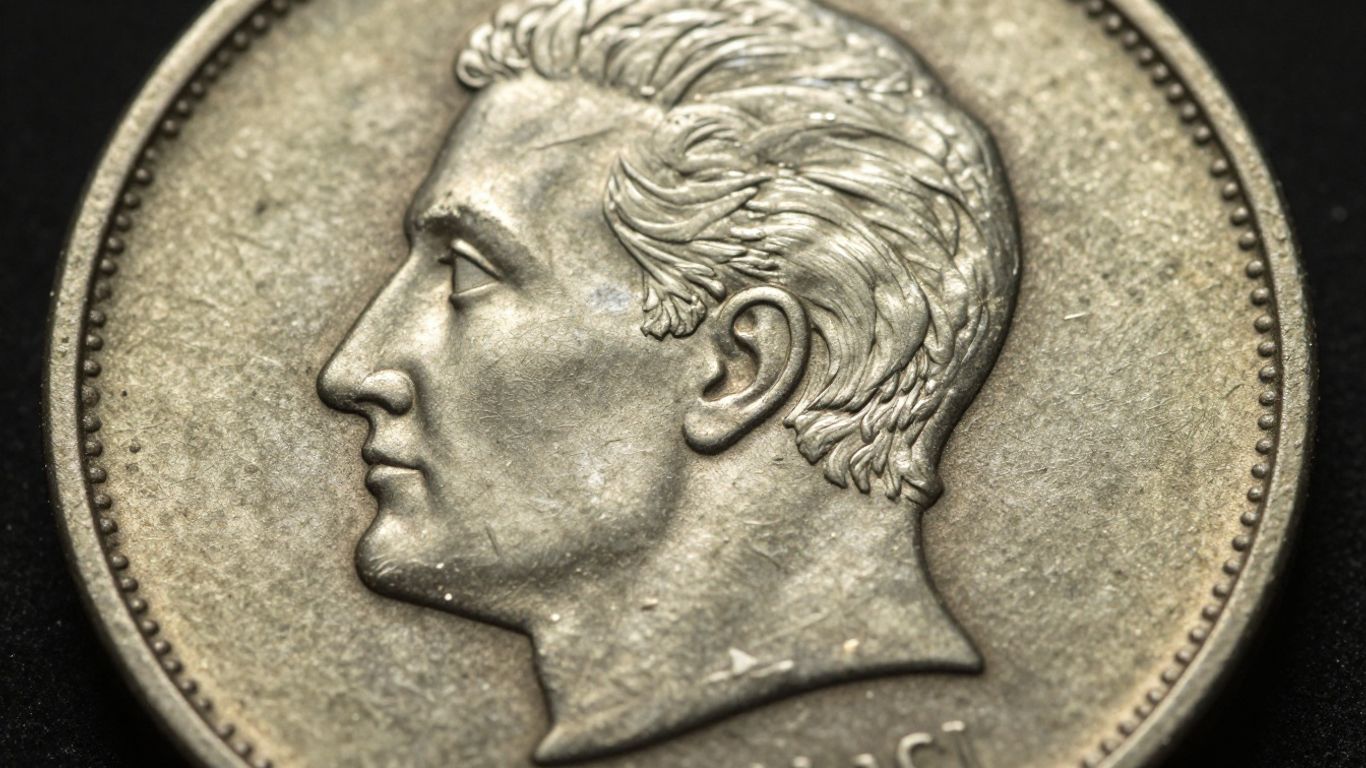
When you’re looking at coins, especially those you might want to buy or sell here in San Antonio, how they’ve been treated matters a lot. Cleaning a coin, even with the best intentions, can really change its story and, unfortunately, its worth. It’s like trying to polish a historical artifact – you might make it shine, but you can also erase important details or damage the original surface. This is why collectors and dealers are often wary of coins that show signs of cleaning.
Why Cleaning Can Devalue Coins
Think about a coin’s surface. It’s not just metal; it’s a record of its journey. Over time, coins develop a natural patina or toning, which is often desirable. Cleaning can strip away this original surface, revealing a brighter, but less authentic, appearance. This process can also introduce microscopic scratches that are visible under magnification. These imperfections, often called ‘hairlines,’ are a dead giveaway that a coin has been cleaned. Grading services look for these signs, and a coin that has been cleaned will typically receive a lower grade, or a "details" grade, which significantly impacts its market value. It’s a tough lesson for many: a shiny coin isn’t always a valuable coin.
Identifying Signs of Past Cleaning
Spotting a cleaned coin takes a bit of practice, but there are common indicators. Look for an unnatural, overly bright surface, especially on the high points of the design. Sometimes, cleaning can leave a slightly ‘sanded’ or ‘wiped’ look. You might also notice a lack of original mint luster, which is that soft, satiny sheen coins have when they come from the mint. Another tell-tale sign is the presence of fine, parallel scratches, often called hairlines, which are a result of abrasive cleaning methods. Even if the cleaning was done gently, these marks can be present. If you’re unsure, it’s always best to consult with a local coin dealer in San Antonio who has experience in identifying these issues. They can help you recognize a cleaned coin before you make a purchase.
Professional Conservation Options
Sometimes, coins might have surface issues that aren’t from intentional cleaning but still affect their appearance. In such cases, professional conservation might be an option, though it’s a delicate process. Conservation aims to stabilize a coin and remove harmful surface contaminants without altering its original appearance or creating new damage. This is different from cleaning, which typically aims to make the coin look brighter or more appealing. Conservation is usually reserved for coins with significant problems, like active corrosion. It’s a specialized field, and not all coins benefit from it. For most collectors, the best approach is to avoid cleaning coins altogether and to seek out coins that have retained their original surfaces. Remember, cleaning coins damages their original surface, and it’s often irreversible.
Market Value and Coin Condition in San Antonio
How Condition Affects Pricing
When you’re looking to buy or sell coins in San Antonio, the condition of a coin is a really big deal. It’s not just about how old a coin is; its physical state can change its worth quite a bit. A coin that looks almost new, with sharp details and no obvious scratches, will almost always fetch a higher price than one that’s worn down or damaged. Think about it like a used car – one that’s been well-maintained and looks good will sell for more than one that’s seen better days. This is true for everything from common circulated coins to rare, ancient pieces.
Current Market Trends for Coins
Keeping up with what’s happening in the coin market is smart if you’re serious about collecting or investing. Prices can go up and down based on what people are looking for, how many of a certain coin were made, and even what’s happening in the broader economy. For example, sometimes gold coins become more popular when people are worried about other investments. It’s always a good idea to check with local dealers or numismatic resources to see what’s trending. For instance, in January, San Antonio’s housing market saw an increase in inventory, with active listings rising by 11.5% compared to the previous year, reaching 6,693. While this is about real estate, it shows how local economic factors can shift. Coin prices can be influenced by similar broad economic shifts.
Getting Fair Offers for Your Collection
Getting a fair price for your coins in San Antonio means understanding what makes them desirable. Here are a few things to consider:
- Condition: As we’ve talked about, this is key. Look for coins with minimal wear, clear details, and original surfaces.
- Rarity: How many of these coins were originally made, and how many still exist today? Fewer coins usually mean higher value.
- Demand: Are collectors actively seeking out this particular coin or series right now?
- Authenticity: Make sure your coins are genuine. Counterfeits have no collector value.
It’s often best to get multiple opinions. Visiting a few reputable coin dealers in San Antonio can give you a good sense of what your collection is worth. They can look at your coins and tell you what they’re worth based on rarity, condition, and current market demand. This isn’t just about getting a price; it’s about understanding the story behind your coin and its place in history. A good appraisal gives you the confidence to negotiate a fair price.
When you’re looking to sell coins, remember that dealers are in business to make a profit. They need to buy low enough to be able to sell for a higher price later. This doesn’t mean they’ll offer you a bad price, but it’s something to keep in mind when you’re comparing offers from different places.
Building Trust with San Antonio Coin Buyers
When you’re looking to sell your collection or even just a single coin, feeling secure about the transaction is really important. We get that. That’s why establishing a good relationship with buyers in San Antonio is key. It’s about more than just the money; it’s about knowing you’re dealing with honest people who respect your numismatic items.
Reputable Dealer Practices
Finding a dealer who operates with integrity makes all the difference. Look for businesses that are upfront about their buying process and pricing. They should be willing to explain how they arrive at an offer and be transparent about any fees involved. A good dealer will also be knowledgeable about the coins you’re selling, whether it’s a common piece or something more unusual. They should be able to provide context and history, showing they appreciate the item beyond its melt value. This transparency builds confidence and makes you feel respected as a seller.
Understanding Return Policies and Guarantees
For buyers, understanding return policies and guarantees is just as vital as it is for sellers. A dealer who offers a clear and fair return policy shows they stand behind the quality of the coins they sell. This might include a specific window, like 30 days, during which you can return a coin if it doesn’t meet your expectations. Knowing there’s a money-back guarantee provides peace of mind, especially when purchasing rarer or more expensive items. It means you have recourse if something isn’t quite right upon closer inspection.
Direct Communication for Valuations
Don’t hesitate to reach out directly to potential buyers. If you have coins you’re considering selling, a quick call or email to a local coin dealer can be very helpful. This allows you to inquire about their interest and understand their buying process before you make a trip. It saves time and effort, and it’s a good way to gauge their responsiveness and professionalism. For those looking for specific items, direct communication can also help locate that elusive coin for your collection. Many dealers specialize in historic rarities and can tap into their networks to assist your search for specific numismatic pieces.
Trust isn’t just given; it’s earned through consistent, honest dealings. Whether you’re buying or selling, clear communication and fair practices are the foundation of a good relationship in the coin collecting world.
Navigating Coin Purchases in San Antonio
When you’re looking to buy coins in San Antonio, it’s smart to know a few things beforehand. It’s not just about picking up something shiny; it’s about making a good choice that you’ll be happy with later. Whether you’re just starting out or you’ve been collecting for a while, understanding how to approach buying coins can save you headaches and maybe even some money.
Buying Certified vs. Uncertified Coins
This is a big one for coin buyers. Certified coins have been examined by a professional grading service, like PCGS or NGC, and put into a sealed holder with a grade. Uncertified coins are just sold as they are, with the seller’s description. Certified coins generally offer more buyer confidence because their condition and grade are backed by a third party.
Here’s a quick look at the differences:
| Feature | Certified Coins | Uncertified Coins |
|---|---|---|
| Grading | Graded and sealed by a third-party service | Graded by the seller or buyer |
| Authenticity | High confidence due to professional grading | Relies on seller’s reputation and buyer’s judgment |
| Price | Typically higher due to grading and assurance | Generally lower, but variable |
| Resale Value | Often easier to sell at a predictable price | Can be harder to sell, price depends on buyer |
| Buyer Risk | Lower, as grade is professionally determined | Higher, requires more buyer knowledge |
Assessing Seller Reputation
Finding a seller you can trust is key. In San Antonio, there are many places to look, from established coin dealers to jewelers who also handle coins. It’s a good idea to do a little homework. Check online reviews, ask other collectors for recommendations, or see if a dealer is part of any professional numismatic organizations. A seller with a solid reputation usually means they stand behind their products and are fair in their dealings. For instance, places like Shetler Fine Jewelers might offer guidance on precious metals, which can be a good starting point for understanding value.
Making Informed Decisions on Purchases
Before you hand over your money, take a moment to think. Does the price seem fair for the coin’s condition and rarity? Are you getting what you expect? Don’t be afraid to ask questions. A good seller will be happy to explain the coin’s details and answer your concerns. If something feels off, or if a deal seems too good to be true, it’s often best to walk away and look elsewhere. Remember, building a collection is a marathon, not a sprint, and making smart purchases now will pay off in the long run.
When buying coins, especially in a city like San Antonio with a variety of dealers, it’s always wise to compare prices and conditions. Don’t feel pressured into a sale. Take your time, do your research, and trust your gut. A well-informed buyer is a successful buyer.
Final Thoughts on Coin Condition
So, after all this talk about coin condition, what’s the main takeaway? It really comes down to knowing what to look for. Whether you’re buying or selling coins here in San Antonio, keeping an eye on things like wear, damage, and overall appearance is key. It’s not always about finding a perfect coin, but understanding how these details affect its worth. If you’re unsure, don’t hesitate to visit local dealers like those mentioned, such as Alamo Heights Coin Shop or Texas Coins. They can help you get a better idea of what you have. Happy collecting, San Antonio!
Frequently Asked Questions
What makes a coin valuable in San Antonio?
A coin’s value in San Antonio, like anywhere else, depends on several things. The most important are its condition – how worn or damaged it is – and how rare it is. Coins that are in great shape and were made in small numbers are usually worth more. Also, if a coin has a special history or is from an important time, that can add to its value.
How can I tell if my coin is in good condition?
To check a coin’s condition, look closely for signs of wear, like faded details or smooth spots where the design should be sharp. Also, check for any damage such as scratches, nicks on the edge, or bent areas. The less wear and damage a coin has, the better its condition is considered.
Should I clean my old coins?
It’s generally not a good idea to clean old coins yourself. Cleaning can actually lower a coin’s value because it often removes the original surface, called patina, or can leave tiny scratches that are hard to see but damage the coin. It’s best to leave coins as they are unless a professional conservator advises otherwise.
What is third-party grading, and why is it important?
Third-party grading is when an independent company checks a coin’s authenticity and condition, then puts it in a protective holder with a numerical grade. This is important because it gives buyers confidence that the coin is real and accurately described. It helps ensure you’re getting what you pay for and can make selling easier.
Where can I get my coins appraised in San Antonio?
In San Antonio, you can find coin experts at local coin dealers, some jewelry stores that handle coins, or specialty coin shops. Places like Royalty Coins Inc., Texas Coins, or Alamo Heights Coin Shop are good starting points. They can help you understand the condition and potential value of your collection.
How does a coin's appearance affect its price?
A coin’s appearance has a huge impact on its price. Coins that look sharp, with all their original details clear and bright, are much more desirable. Features like original shine, called luster, and natural coloring, known as toning, can also make a coin more attractive to collectors and increase its worth.
Are gold and silver coins a good investment?
Gold and silver coins are often seen as a way to protect wealth, especially during uncertain economic times, because their value tends to hold steady or increase when other investments might fall. While they can be a good addition to an investment portfolio, it’s wise to research and understand the market before buying.
What should I look for when buying coins from a dealer?
When buying coins, especially in San Antonio, look for dealers who are honest and have a good reputation. Check if they offer guarantees on authenticity and have a clear return policy, usually for about 30 days. Good communication is key; a trustworthy dealer will explain things clearly and answer your questions patiently.