
Thinking about selling your old silver coins? San Antonio has a market for them, and you want to make sure you get a fair price. Whether you have a few old dimes or a big bag of quarters, knowing where to start can make a big difference. This guide will help you figure out what your coins are worth and where to find the best cash for silver coins San Antonio offers.
Key Takeaways
- Understand what makes a silver coin valuable, focusing on pre-1965 U.S. coins often called ‘junk silver’.
- Explore local coin dealers, online options, and coin shows in San Antonio as places to sell.
- Research current silver prices and compare offers from different buyers to get the most cash.
- Pre-1965 dimes, quarters, half dollars, and silver dollars like Morgans and Peace dollars are commonly sought after.
- Avoid common selling mistakes like rushing, accepting low offers, or not checking a buyer’s reputation.
Understanding Rare Coins Value In San Antonio TX
What Constitutes "Junk Silver" Coins?
When people talk about "junk silver," they’re usually referring to U.S. coins minted before 1965 that contain a significant amount of silver. These coins aren’t typically valuable for their rarity or historical significance, but rather for their melt value – the worth of the silver they’re made from. Think dimes, quarters, and half dollars from before the metal content of U.S. coinage was changed. While some might have a date or mint mark that makes them a bit more special, most are valued simply by weight.
Identifying 90% Silver U.S. Coins
Figuring out if you have 90% silver coins is pretty straightforward. The key is the date. If a U.S. coin – specifically dimes, quarters, or half dollars – was minted in 1964 or earlier, it’s almost certainly 90% silver. Before 1965, these denominations were made with an alloy of 90% silver and 10% copper. After 1965, the composition changed to a copper-nickel clad. So, a quick look at the mint date is usually all you need.
Here’s a simple breakdown:
- Dimes: Pre-1965 (e.g., Mercury dimes, Roosevelt dimes)
- Quarters: Pre-1965 (e.g., Standing Liberty quarters, Washington quarters)
- Half Dollars: Pre-1965 (e.g., Walking Liberty half dollars, Franklin half dollars, Kennedy half dollars minted in 1964)
The Value Of Pre-1965 Coinage
The worth of these older, silver-content coins is mostly tied to the current price of silver. While a rare date or a coin in perfect condition might fetch a bit more from a collector, the bulk of their value comes from the silver itself. This means their price can change daily based on the silver market. For example, a $1,000 face value bag of these coins contains roughly 723 troy ounces of pure silver. The actual cash you receive will fluctuate with the daily price of silver.
Understanding the silver content and the general market for these coins is the first step in getting a fair price when you decide to sell. It’s not just about the face value printed on the coin; it’s about the precious metal inside.
Where To Sell Your Coins In San Antonio
When it’s time to part with your coin collection, San Antonio offers a few different avenues to explore. Each has its own set of benefits, so understanding them can help you choose the best fit for your needs.
Local Coin Dealers and Shops
San Antonio is home to several coin dealers who specialize in buying and selling numismatic items. These local experts often have a keen eye for both the silver content and any collector value your coins might hold. Visiting a local shop means you can get an on-the-spot appraisal and often walk away with cash the same day. This direct interaction can be reassuring, especially if you’re new to selling coins. Many of these dealers have been in business for years, building a reputation for fair dealings within the community.
Here are a few places to consider:
- Texas Coins: Located at 950 NE Loop 410, San Antonio, TX 78209. They’ve been buying pre-1964 coins since 1988 and welcome walk-ins Monday through Thursday, 10 am to 4 pm.
- San Antonio Coin Company: For collections and estates, owner Steve Petrik prefers appointments. It’s best to call or text him at 210-838-4764 to set up a time.
- Alamo Heights Coin Shop: Known for expert evaluations, this shop is another local option for assessing your collection.
Working with local dealers simplifies the selling process. They understand the San Antonio market and can provide immediate assessments, cutting out the delays often associated with shipping items or waiting for online auctions.
Online Marketplaces and Auctions
If you’re looking to reach a broader audience, online platforms can be a good choice. Websites like eBay allow you to list your coins for sale, either at a set price or through an auction format. This can potentially expose your collection to buyers nationwide, or even globally, which might lead to a higher price if demand is strong.
However, selling online comes with its own set of tasks. You’ll need to take clear photos, write detailed descriptions, and manage shipping. There are also fees associated with these platforms that eat into your profits. It’s important to research the platform’s policies and buyer protection measures before you list your items.
Coin Shows and Events
Coin shows are events where numerous dealers gather in one location. This presents a great opportunity to compare offers from multiple buyers in a short period. You can find dealers who specialize in various types of coins, from common silver pieces to more specialized numismatic items. These shows are often held in convention centers or community halls and attract collectors and dealers from across the region.
To find upcoming coin shows in the San Antonio area, check with local coin clubs or numismatic association calendars. Sometimes, local coin shops will also advertise these events. Keep an eye out for gatherings like those hosted by the San Antonio Coin Club or larger regional events that draw dealers from all over Texas.
Choosing Reputable San Antonio Coin Dealers
When it comes time to sell your coins, finding someone you can trust is a big deal. It’s not just about getting a fair price; it’s about the whole experience. You want to work with people who know what they’re talking about and treat you right. In San Antonio, there are several ways to find these trustworthy dealers.
Expertise in Numismatics
Good coin dealers know more than just the melt value of silver. They understand the history behind coins, the different mint marks, and what makes one coin more collectible than another. This knowledge is super important, especially if you have coins that aren’t just common "junk silver." A dealer with real numismatic smarts can spot a rare date or a special error that could significantly increase your coin’s worth. They can tell you if your pre-1965 dimes, quarters, and half-dollars are worth more than just their silver content. It’s like having a knowledgeable guide for your collection.
Convenient Local Transactions
One of the best things about selling locally in San Antonio is the convenience. You can often walk into a shop, have your coins looked at right then and there, and get paid on the spot. No need to mail your valuable items off and wait for them to be appraised or sold. This makes the process feel much more secure. Plus, local dealers are usually familiar with the San Antonio market, so they can give you a realistic offer quickly. Some shops have set hours, like Monday through Thursday from 10 am to 4 pm, while others might be more flexible and allow appointments. If you’re looking for a place that buys gold and jewelry alongside coins, you might check out places like EZPAWN.
Building Trust and Relationships
Reputable dealers build their business on trust. They want you to come back if you have more coins to sell or if you want to buy something. This means they’re usually upfront and honest about their pricing and their process. You can often tell if a dealer is trustworthy by how long they’ve been in business and if they have good reviews from other customers. Building a relationship with a local dealer means you have a go-to person who understands your collection and can offer fair deals over time. It’s a good feeling knowing you’re working with someone reliable.
Here are a few things to look for:
- Clear Pricing: They should explain how they arrive at their offer.
- Good Reputation: Check online reviews or ask other collectors.
- Professionalism: They should be knowledgeable and courteous.
When you’re selling something as potentially valuable as a coin collection, taking the time to find the right buyer makes a significant difference. It’s about more than just the money; it’s about a fair and respectful transaction.
Maximizing Your Coin Sale Value
Getting the most cash for your coins in San Antonio involves a bit of preparation and smart strategy. It’s not just about having old coins; it’s about understanding what makes them tick and how buyers see their worth. Think of it like selling anything else valuable – a little homework goes a long way.
Research Current Silver Prices
Before you even think about talking to a buyer, get a handle on the current market price for silver. This is often called the "spot price." You can find this information easily online from financial news sites or commodity trackers. Knowing this number gives you a baseline. Your 90% silver coins, like those pre-1965 dimes and quarters, will be valued based on their silver content, and the spot price is your starting point. Buyers will typically offer a percentage of this spot price, and understanding that percentage helps you evaluate their offer.
Compare Offers From Multiple Buyers
Don’t just take the first offer that comes your way. It’s really easy to get excited about selling and just accept the first number you hear, but that’s often a mistake. Try to get quotes from a few different places. This could mean visiting a couple of local coin dealers in San Antonio or even checking out online options. Having multiple offers in hand lets you see who is being competitive and who might be trying to lowball you. Remember, dealers need to make a profit, but a fair dealer will offer a price that reflects the current market and the coin’s silver content.
Understand Valuation Methods
Buyers will look at your coins in a couple of ways. For most older U.S. silver coins (think dimes, quarters, and half dollars made before 1965), the primary value is their silver content, often called "melt value." However, some coins might have additional collector value, known as numismatic value. This comes from rarity, condition, historical significance, or specific mint marks. A good buyer will explain how they are valuing your coins – are they paying purely for the silver, or is there a numismatic premium involved? If you have something that looks particularly old or unusual, it’s worth asking if it has collector appeal beyond just its silver weight.
Selling your coins isn’t just a transaction; it’s an opportunity to learn. Understanding how your coins are valued, whether by melt or by collector appeal, helps you make informed decisions and ensures you get a fair price. Don’t be afraid to ask questions about their process.
Here are some common things buyers consider:
- Silver Content: The percentage of pure silver in the coin.
- Weight: How much the coin weighs, directly impacting melt value.
- Rarity: How many of that specific coin were minted.
- Condition: The wear and tear on the coin, which affects collector appeal.
- Demand: How sought-after the coin is by collectors or investors.
By doing your research and talking to several buyers, you put yourself in a much stronger position to get the best possible outcome for your coin collection.
Navigating Coin Shows For Maximum Value
Finding Upcoming San Antonio Coin Shows
Coin shows present a great chance to meet collectors and dealers, and they can be a good place to sell your silver coins. To find out when and where these events are happening in and around San Antonio, check local coin club websites or numismatic association calendars. Sometimes, local coin shops will also advertise upcoming shows. Keep an eye out for events like the San Antonio Coin Show, often hosted by local clubs, or larger regional gatherings. These shows can take place in various locations, from convention centers to community halls.
Tips For Selling At Coin Shows
When you attend a coin show with the intention of selling, preparation is key. Before you go, do some research on the current market price for silver. This will give you a baseline for what your coins are worth. It’s also a good idea to organize your coins, perhaps by denomination or type, and have a general idea of what you’re hoping to get for them. Don’t be afraid to walk around and get a feel for the different dealers and their buying prices. Some dealers might specialize in certain types of coins, so knowing who might be most interested in your silver can be helpful.
- Research current silver prices: Know the spot price of silver before you arrive.
- Organize your coins: Group similar items together for easier evaluation.
- Talk to multiple dealers: Get a few offers before accepting one.
- Be realistic: Understand that dealers need to make a profit.
Selling your silver coins can be a straightforward process, but it’s easy to make missteps that cost you money. Being aware of common pitfalls can help you get the best possible return for your collection. Don’t let a few avoidable errors diminish the value of your hard-earned silver.
Key Considerations For Selling Silver Coins
When you’re ready to part with your silver coins, a little preparation goes a long way. It’s not just about handing over old metal; it’s about understanding what you have and how to get the best return. Many people overlook simple steps that can significantly impact the final cash amount they receive.
Pre-1965 Dimes, Quarters, and Half Dollars
These coins are often referred to as "junk silver" because their primary value comes from their silver content, not necessarily their rarity as collector’s items. Most U.S. dimes, quarters, and half dollars minted before 1965 contain 90% silver. While they might not be rare, their silver content makes them desirable. When selling these, buyers typically pay a percentage of the current silver spot price. The exact percentage can vary based on the buyer and the volume you’re selling.
Common Selling Mistakes To Avoid
It’s easy to make missteps when selling coins, especially if you’re new to it. One common error is not knowing the current market value of silver. Without this baseline, you might accept an offer that’s much lower than what your coins are actually worth. Another mistake is cleaning your coins; this can actually decrease their numismatic value. Always handle them with care and avoid any polishing.
- Failing to research current silver prices: Always check reliable sources for the daily spot price of silver before you talk to any buyer.
- Accepting the first offer: Get quotes from several different dealers or coin shows to compare prices.
- Not verifying buyer reputation: Sell to established dealers with good reviews and a physical presence in the San Antonio area.
Selling your silver coins involves understanding both their intrinsic metal worth and any potential collector appeal. Overlooking either aspect can lead to a less favorable sale price. Transparency and fairness from the buyer are key indicators of a good transaction.
Getting The Best Cash For Silver Coins San Antonio
To maximize the cash you get for your silver coins in San Antonio, start by organizing them. Grouping your dimes, quarters, and half dollars by denomination makes it easier for potential buyers to assess your collection. If possible, note the dates on the coins, though for 90% silver, the date is often less critical than the silver content itself. Remember that dealers need to make a profit, so expect offers to be slightly below the melt value. However, by comparing offers from multiple reputable local coin dealers, you can ensure you’re getting a competitive price. Don’t be afraid to negotiate politely, armed with your knowledge of current silver prices.
Local San Antonio Coin Specialists
When it comes to selling your coins in San Antonio, connecting with local specialists can make a big difference. These professionals often have a deep understanding of the market and can provide a more personal touch than a faceless online buyer. They’re part of the community and understand the specific types of coins that might be more common or sought after in the area.
Texas Coins: A Longstanding Dealer
Texas Coins has been a fixture in the San Antonio coin scene for a long time, operating since 1988. They focus on buying pre-1964 coins, which includes a lot of that "junk silver" people are often looking to sell. You can visit them at 950 NE Loop 410, San Antonio, TX 78209. They are open Monday through Thursday from 10 am to 4 pm, and you don’t need an appointment to drop in. This makes them a convenient option if you want to get a quick evaluation and potential offer.
San Antonio Coin Company: By Appointment
For those with more extensive collections or estate items, the San Antonio Coin Company, run by Steve Petrik, offers a more personalized service. Steve prefers to work by appointment, so it’s a good idea to call or text him at 210-838-4764 to set up a time to meet. This approach allows for a more focused and detailed appraisal of your coins, especially if you have a significant numismatic collection.
Alamo Heights Coin Shop: Expert Evaluation
While specific details about "Alamo Heights Coin Shop" are not readily available in the provided context, generally, local coin shops like this are invaluable resources. They often employ individuals with a keen eye for numismatic value beyond just the melt price of silver. Finding a shop with knowledgeable staff is key to getting a fair assessment of your collection. They can help identify rare dates, mint marks, or errors that might significantly increase a coin’s worth. It’s always wise to check their reviews and reputation within the local collecting community before visiting.
Working with local dealers simplifies the selling process. They are familiar with the San Antonio market and can provide immediate assessments and offers, cutting out the delays often associated with shipping items to distant buyers or waiting for online auctions to conclude. This direct interaction also allows for immediate payment, making the transaction straightforward.
Here are some general tips when approaching any local coin dealer:
- Do your homework: Have a general idea of what you have and what similar items are selling for. Look up current silver prices online.
- Get multiple opinions: Don’t feel obligated to sell to the first dealer you visit. Visit a few different places to compare offers.
- Be prepared to negotiate: While dealers need to make a profit, a fair offer is usually negotiable. Be polite but firm about what you believe your coins are worth.
If you’re looking for a place to start, San Antonio Rare Coins & Jewelry is another established business in the area that buys various items, including coins.
Understanding Silver Coin Content
When you’re looking to sell your silver coins in San Antonio, knowing what they’re made of is pretty important. It’s not just about having old coins; it’s about the actual amount of silver inside them. This purity level really affects how much cash you can get, especially if you’re dealing with buyers who focus on the metal itself.
Which U.S. Coins Are Considered 90% Silver?
Most of the silver coins you’ll find from before 1965 are made of 90% silver. This means that 90% of the coin’s weight is pure silver, and the other 10% is usually copper. These are the common dimes, quarters, and half dollars you might have lying around. Think Roosevelt dimes, Washington quarters, and Franklin or Kennedy half dollars minted in 1964 or earlier. Because their value is mostly tied to their silver content, they’re often called "junk silver." It doesn’t mean they’re worthless, just that their main worth comes from the silver, not necessarily collector rarity.
- Pre-1965 Dimes: Typically Roosevelt or Mercury dimes.
- Pre-1965 Quarters: Usually Washington quarters.
- Pre-1965 Half Dollars: Common types include Franklin and Kennedy half dollars.
These coins are straightforward to sell because buyers know exactly what they’re getting – a predictable amount of silver.
How To Find Out The Current Value Of Silver
Figuring out the current value of silver is key before you sell. The price of silver changes daily, sometimes even by the hour. You can easily check this online. Many financial websites provide live price charts for precious metals. Keeping an eye on these trends will give you a better idea of what your silver is worth right now.
The value of your silver coins is directly linked to the fluctuating market price of silver. Understanding this connection helps you time your sale for the best possible outcome.
For your 90% silver coins, buyers will typically weigh them and then pay you a percentage of the current silver spot price. This percentage can vary depending on the buyer and the quantity you have. Modern silver bullion coins, like American Silver Eagles, are usually made of .999 fine silver (meaning they are almost pure silver) and are valued more directly based on their weight and the spot price, often at a higher rate per ounce than 90% silver due to the higher purity. You can track these prices at sites that offer live silver price charts.
Selling Your Collection Locally
When it comes time to sell your coin collection, especially if you have a substantial amount, looking towards local options in San Antonio can be a practical choice. Dealing with buyers in your community often simplifies the process, cutting down on shipping worries and allowing for face-to-face interactions. It’s a way to get a feel for the market right here at home.
Why Choose San Antonio Coin Dealers?
Local coin dealers in San Antonio offer a direct route to selling your collection. They are often familiar with the regional market and can provide immediate assessments. For many, the convenience of a local transaction is a major plus. You can physically bring your coins to them, allowing for a quick evaluation and, potentially, an on-the-spot offer. This direct interaction can build confidence, as you can see the coins being examined and discuss their worth in real-time.
- Immediate Feedback: Get an idea of your collection’s worth without waiting for mail or online responses.
- Reduced Risk: Avoids the potential issues associated with shipping valuable items.
- Personal Connection: Build a relationship with a local business that understands your needs.
- Cash Transactions: Many local dealers can offer cash for your coins, providing immediate liquidity.
Selling locally means you can often get a feel for the buyer’s trustworthiness by observing their professionalism and how they handle your collection. It’s about finding someone you’re comfortable doing business with.
Simplifying the Selling Process
Selling a coin collection doesn’t have to be a complicated ordeal. By taking a few preparatory steps, you can make the experience much smoother. Organization is key. Before you approach any dealer, try to sort your coins. Grouping them by denomination (like dimes, quarters, and half dollars) and by date can help immensely. If you have a large quantity, making a simple list of what you have can be very helpful for both you and the dealer.
Here’s a basic breakdown to simplify things:
- Inventory Your Coins: Create a list of the types of coins, approximate quantities, and any visible dates. For pre-1965 silver coins, note if they are dimes, quarters, or half dollars.
- Understand "Junk Silver": Most U.S. dimes, quarters, and half dollars minted before 1965 are valued primarily for their silver content. These are often referred to as "junk silver" and are a significant part of many collections.
- Handle with Care: Avoid cleaning your coins. Cleaning can damage their surface and reduce their collector value. If they are in protective sleeves, leave them be.
- Research Local Buyers: Identify a few reputable coin dealers in the San Antonio area. Look for those with good reviews and a history of fair dealings.
- Compare Offers: Don’t accept the first offer you receive. Visit multiple dealers to compare what they are willing to pay. This helps ensure you get the best possible price for your collection.
Discovering Hidden Coin Treasures
Inherited Collections and Valuations
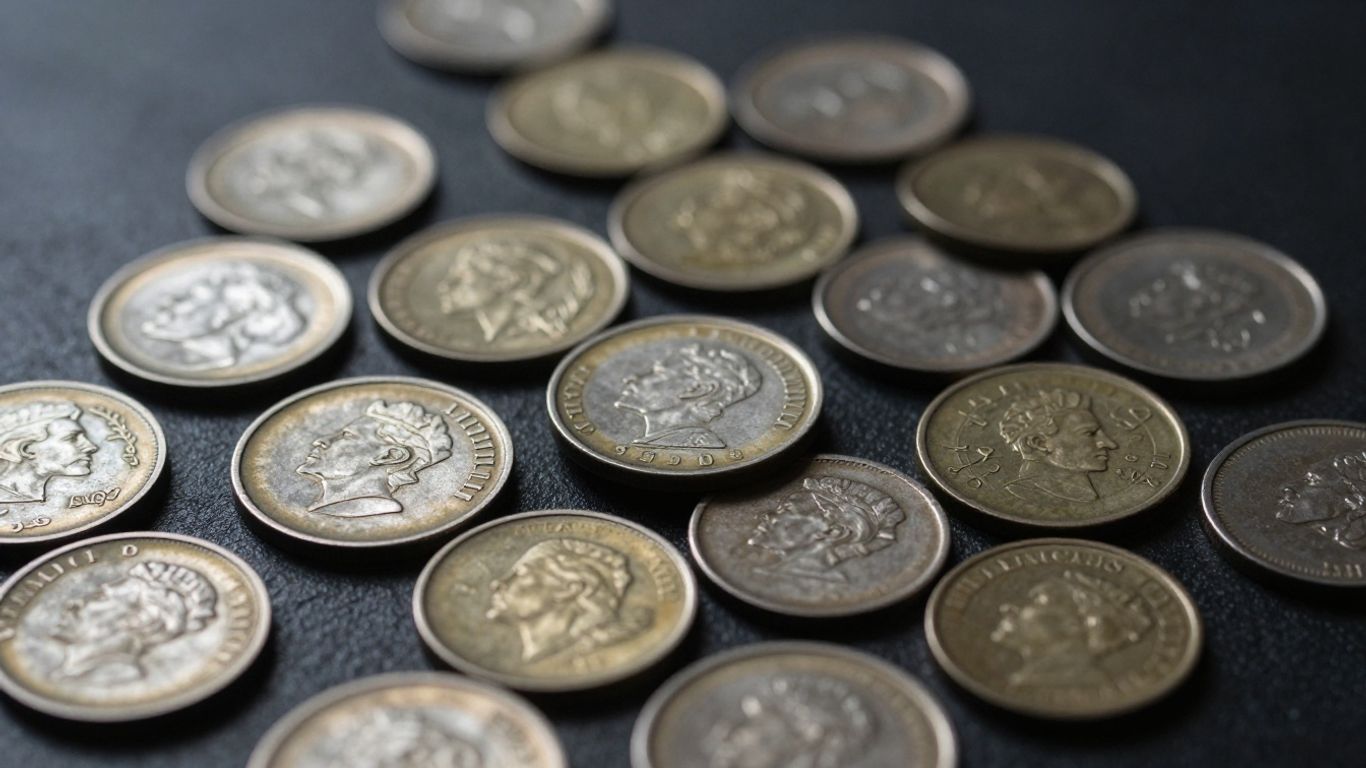
Sometimes, the most interesting coins aren’t found through active searching, but rather through family history. Many people come into possession of coin collections without knowing their actual worth. These might be old coin albums tucked away in an attic, or a jar of coins passed down from a grandparent. Figuring out what you have is the first step to understanding its potential value. It’s not uncommon for these seemingly ordinary collections to contain rare items that collectors would be very interested in. A professional appraisal can help sort through these inherited treasures and identify any pieces that stand out.
Identifying Unique Type Coins
Beyond just the silver content or the date, some coins are valuable because of their specific design or historical significance. These are often called "type coins." For example, a coin might be a rare variety of a common series, or it might represent a period of change in U.S. coinage. Even coins that aren’t made of precious metal can be quite valuable if they are rare or in excellent condition. Learning to spot these unique characteristics is key to assessing a coin’s true worth.
Here are a few categories of coins that often hold hidden value:
- Early American Coppers: Coins like large cents and half cents from the late 1700s and early 1800s can be very sought after.
- Key Date Coins: Within popular series (like Lincoln Cents or Mercury Dimes), certain dates and mint marks are much rarer than others and command higher prices.
- Error Coins: Coins with minting mistakes, such as double strikes or off-center impressions, are often collected and can be worth a surprising amount.
When evaluating a collection, especially one that’s been inherited, it’s easy to get overwhelmed. Remember that condition plays a huge role in value. A coin that looks okay at first glance might have scratches, wear, or damage that significantly reduces its worth. Take your time and look closely, or better yet, let a professional do the detailed inspection.
Wrapping Up Your Coin Journey
So, you’ve learned a bit about what makes those old coins tick and where you might find someone interested in them right here in San Antonio. It’s not always about finding a super rare gem, though that’s exciting too. Often, it’s about understanding the value of the silver or gold content in coins you might have just sitting around. Remember to do a little homework before you sell. Knowing the current silver price and getting a few different opinions on your coins can really make a difference in your pocket. Whether you decide to visit a local shop like Texas Coins or explore other options, taking that first step to find out what you have is the main thing. Don’t let those coins just gather dust; they might be worth more than you think.
Frequently Asked Questions
What makes a coin considered “junk silver”?
“Junk silver” coins are common U.S. coins made mostly of silver, usually 90%. Their value comes from the silver metal inside them, not because they are rare or special collector items. Think of them as everyday coins that are worth money because of the silver they contain, like old dimes and quarters.
Which U.S. coins are made of 90% silver?
Most U.S. dimes, quarters, and half dollars made before 1965 are 90% silver. Dollar coins from that time are also usually 90% silver. After 1964, the U.S. government stopped using silver in these coins. Pennies and nickels have never been made with silver.
How can I find out the current price of silver?
You can easily check the current price of silver by searching online for the ‘spot price of silver’ or ‘silver prices today.’ This will show you the going rate for silver right now, which helps you understand the base value of your silver coins.
Where can I sell my silver coins in San Antonio?
In San Antonio, you can sell your silver coins to local coin dealers and shops, through online marketplaces and auctions, or at coin shows and events. Each option has its own advantages for selling your collection.
Why should I choose a local San Antonio coin dealer?
Local coin dealers in San Antonio often have a good understanding of the coin market and can provide quick, in-person evaluations and payments. They offer convenient transactions and can build trust over time, making them a reliable choice for selling your coins.
What’s the best way to get the most money for my silver coins?
To get the best price, research the current silver prices, compare offers from several different buyers, and understand how your coins are valued. Don’t be afraid to negotiate and ensure you’re getting a fair deal based on the silver content and any collector value.
Are pre-1965 coins always valuable?
Pre-1965 coins are valuable primarily for their silver content. While some might have extra value if they are in perfect condition or are rare dates, most are sold based on the amount of silver they contain. Their worth changes with the daily price of silver.
What are some common mistakes to avoid when selling coins?
Common mistakes include selling too quickly without checking prices, accepting the first offer without comparing others, not verifying the buyer’s reputation, and not understanding the silver content or potential collector value of your coins. Taking your time and doing your research helps avoid these pitfalls.