
When selling your coins, picking the right place is super important. Here are the main things to remember to help you get the best deal.
Key Takeaways
- Match your coins to the platform: Rare coins do well on eBay or Heritage Auctions, gold/silver on APMEX, vintage on Etsy, and certified coins on GreatCollections.
- High-value coins ($500+) often do best with specialized auction houses like Heritage.
- For precious metals like gold and silver, APMEX is a top choice with fast payouts.
- If you want full control and to build your own brand, a Shopify store is a good option, though it takes more effort.
- Always take clear, detailed photos and write thorough descriptions to attract buyers and build trust.
1. Ebay
When it comes to selling coins online, eBay is often one of the first places people think of, and for good reason. It’s a massive marketplace with a huge number of active buyers, which can be a real advantage, especially for those rare or collectible pieces.
The auction format on eBay is particularly well-suited for one-of-a-kind coins. It allows for a dynamic pricing process where interested collectors can bid against each other, potentially driving the final sale price higher than a fixed-price listing might achieve. This can be a great way to find out what a unique coin is truly worth in the current market.
Here’s a quick look at some key aspects of selling coins on eBay:
- Buyer Base: Over 180 million active buyers globally, offering broad exposure for your items.
- Format Options: You can choose between auction-style listings, which are great for rare items, or fixed-price listings for more common coins or bullion.
- Fees: Be aware that eBay charges a final value fee, which is typically around 13.25% of the total sale amount, plus a small fixed fee per transaction.
- Payouts: Payments are usually processed through their Managed Payments system and can take a couple of days to reach your bank account.
It’s a good idea to check out resources like Great Southern Coins’ feedback to see how other sellers manage their presence and build trust on platforms like eBay. While eBay is accessible, it’s important to present your coins professionally. This means taking clear, detailed photos of both sides and writing thorough descriptions that include all the relevant numismatic details like mint year, denomination, and any grading information if available. For higher-value items, consider the shipping costs and security measures needed.
Selling on eBay can feel a bit like a popularity contest sometimes. The more eyes you can get on your listing, the better your chances of a good sale. This means using good keywords in your title and description, and maybe even considering promoted listings if you’re willing to spend a bit extra to get noticed. It’s not just about having the coin; it’s about making sure the right people see it.
2. Heritage Auctions
When you’ve got coins that are really valuable, like over $500, Heritage Auctions is a big name to consider. They’re known for handling serious numismatic items, especially U.S. coins. They put together cataloged auctions, which means they attract collectors who are really serious about buying.
Heritage Auctions is generally best suited for high-value coins and collections.
Here’s a quick look at how they stack up:
- Fees: Expect a commission of 10-15% on your sale. There’s also a buyer’s premium, which is standard for auctions.
- Payout Time: This can take a while, usually 30-45 days after the auction ends. They need time to process everything.
- Protection: They offer reserve pricing, which is good because it means your coin won’t sell for less than a price you set.
It’s a good idea to check their consignment requirements before sending anything in, as they often have a minimum value for items they accept. You can find more details about their process on Heritage Auctions’ website.
Selling through a major auction house like Heritage means your coins get seen by a dedicated audience. While the fees and waiting period are longer, the potential for a strong sale price on rare or high-value items is often greater than other methods. It’s a trade-off between speed and potential return.
3. Apmex
APMEX is a big name, especially if you’re dealing with gold and silver bullion. They’re one of the largest precious metals dealers in the US, and their pricing is directly tied to the current spot price. This means you’re getting a price that reflects the market right now, which is pretty straightforward.
When you sell to APMEX, you’re essentially selling to a dealer. This often means you won’t get the absolute top dollar a collector might pay, but the process is usually quick and simple. They’re known for fast payouts, often within a day or two via wire or check. This speed is a big plus if you need cash quickly.
They are particularly well-suited for common bullion items like American Gold Eagles, Canadian Maple Leafs, and generic silver rounds. If you have a large quantity of these, APMEX can be a very efficient option. However, if you have rare or unique coins that might attract a premium from collectors, you might find better results elsewhere.
Here’s a quick look at what selling to APMEX typically involves:
- Item Type: Primarily gold and silver bullion, but they do buy some other precious metals.
- Pricing: Based on current spot prices for precious metals.
- Fees: Generally, there are no listing fees when selling directly to them.
- Payout Speed: Very fast, often 1-2 business days.
Some sellers have noted that the process can be a bit slow, especially if you’re sending in a large amount of material. It’s worth considering if speed is your absolute top priority over potentially getting a higher price from a collector. For those looking to liquidate bullion quickly and without much hassle, APMEX is a solid choice. You can find more details on their buyback program if you’re interested in their process.
4. Greatcollections
GreatCollections is a pretty solid choice if you’ve got certified coins, especially those graded by PCGS, NGC, or ANACS. They run weekly auctions, which means things can move pretty quickly.
One of the big draws here is their fee structure. For consigning those certified coins, it’s often free, which is a nice perk. The buyer’s premium is also generally lower than some of the bigger players, usually sitting between 5% and 10%. This can make it an attractive place for buyers, potentially leading to more bids on your items.
Here’s a quick look at what they offer:
- Focus on Certified Coins: Primarily deals with coins graded by major services.
- Weekly Auctions: Consistent sales schedule keeps inventory moving.
- Competitive Fees: Often free to consign certified coins and lower buyer premiums.
- Fast Turnaround: Generally, you can expect payment about 30 days after the auction concludes.
They have a reputation for being a straightforward platform for selling graded coins.
If you’re looking to sell a collection of certified coins, GreatCollections is definitely worth checking out. You can read about other people’s experiences on their review page.
When considering where to sell, it’s always a good idea to compare the fee structures and payout timelines. GreatCollections offers transparent auctions with competitive fees, including a low buyer’s premium and minimal seller’s fees on many consignments. They also provide fast consignment turnaround, which is a big plus for many sellers.
5. Ma-Shops
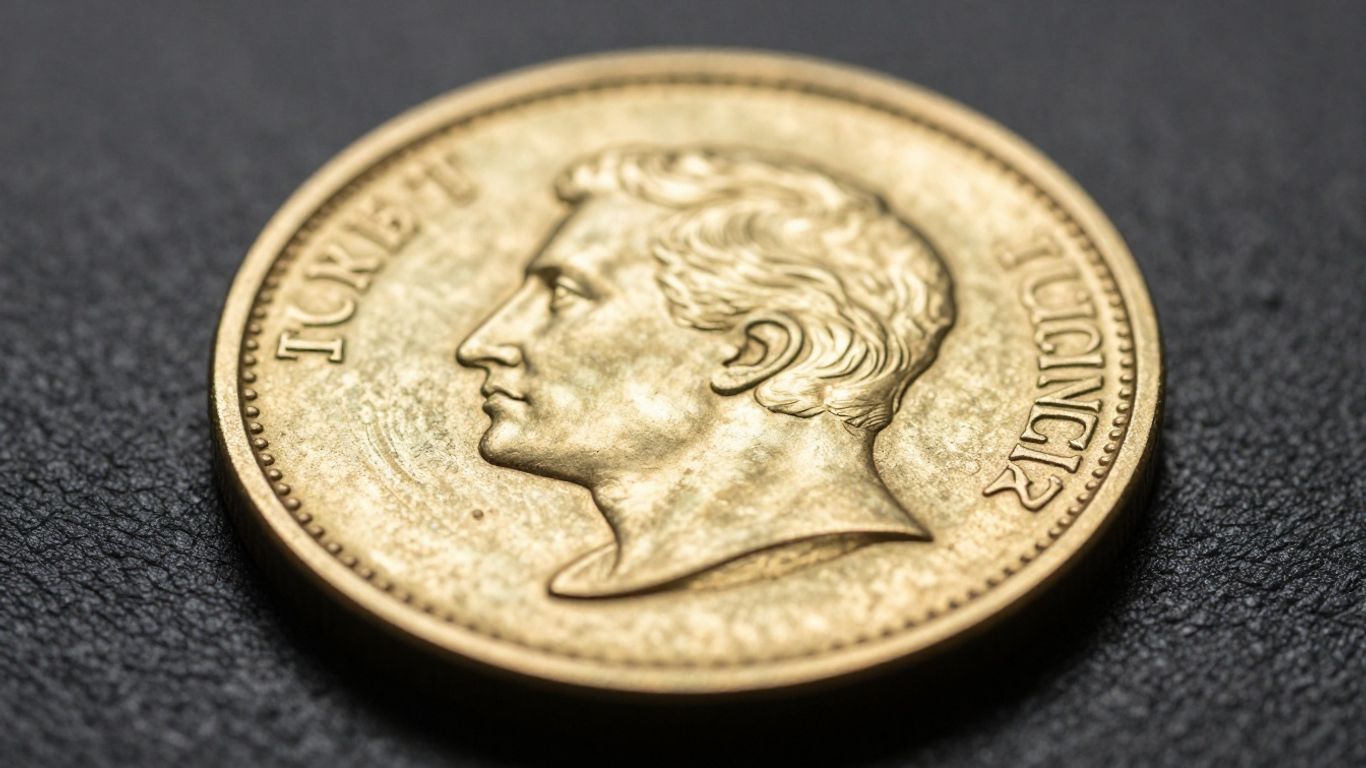
Ma-Shops is a bit different from the other platforms we’ve looked at. Think of it as a specialized marketplace, particularly strong if you’re dealing with coins from the European side of things. It’s a place where many European dealers list their inventory, so if you have ancient coins, world coins, or even older U.S. coins that pre-date 1900, this could be a good spot to check out. It’s known for its focus on the European numismatic market.
When it comes to fees, Ma-Shops generally charges a commission that falls between 5% and 8%. This is pretty competitive, especially when you consider the specialized audience it attracts. One of the nice things is that payouts go directly to the seller, meaning there’s no middleman holding onto your funds for an extended period. It’s a more direct approach.
Here’s a quick look at how it stacks up:
- Market Focus: Primarily European dealers and collectors.
- Coin Types: Strong for ancient, world, and pre-1900 U.S. coins.
- Commission Fees: Typically 5-8%.
- Payouts: Direct to seller.
While not as widely known in the U.S. as some other platforms, Ma-Shops has built a solid reputation. It’s a good option if your collection leans towards international or older coinage and you want to connect with a specific buyer base. You can find out more about their trusted marketplace status and history.
If you’re looking to sell coins that might appeal more to a global audience, especially those with European connections, Ma-Shops is definitely worth considering. It offers a focused environment that can be quite effective for the right type of numismatic items.
6. Etsy
Etsy is a marketplace that really shines when you’re looking to sell coins that have a more unique or vintage appeal. Think state quarters, commemorative coins, or even coin jewelry. It’s not a dedicated coin platform, so you’re going to find a lot of general shoppers looking for gifts or interesting items. This can be a good thing, as it might expose your coins to people who aren’t necessarily hardcore numismatists but appreciate something special.
The platform is best suited for coins that typically sell for under $200. If you have a rare, high-grade coin, you’ll likely do better on a specialized auction site. However, for those more common, yet still collectible, pieces, Etsy can be a solid choice. The fees are pretty reasonable too: a 6.5% transaction fee plus a $0.20 listing fee. It’s a good place to start if you’re testing the waters with less valuable items.
Here’s a quick look at what works well on Etsy:
- Commemorative Coins: Special issue coins celebrating events or people.
- State Quarters & National Park Quarters: Popular with collectors looking to complete sets.
- Vintage Coin Sets: Older collections that might appeal to nostalgia.
- Coin-Themed Crafts: Items like coin rings or art made from coins.
While Etsy has policies against counterfeit items, it’s worth noting that the platform has been identified as a significant distributor of fake and replica coins in the past. Buyers should always be cautious and sellers should be upfront about the authenticity of their items. It’s always a good idea to do your research on pricing and similar items sold on Etsy to make sure you’re setting a competitive price.
Selling on Etsy means you’re part of a larger craft and vintage community. This can be a double-edged sword. On one hand, you might attract buyers who appreciate the aesthetic or historical value of your coins. On the other hand, serious coin collectors might overlook it in favor of more specialized numismatic marketplaces. It’s about finding the right audience for your specific items.
7. Shopify
If you’re looking to build your own coin brand and have more control over your sales, Shopify is a solid choice. It’s not a marketplace where you list against thousands of others; instead, you create your own online store. This means you handle everything from the look and feel of your site to how you interact with customers. This approach is best for sellers who have a decent inventory, maybe over 100 coins, and are aiming for repeat business.
Setting up a Shopify store involves a few steps:
- Sign up for a plan. The basic plan usually starts around $39 a month.
- Pick a theme and customize your store’s design.
- Add your coin listings, making sure to include good photos and detailed grading information.
- Set up payment processing, like Shopify Payments, which typically charges a percentage plus a small fee per transaction.
- Use their tools for marketing and search engine optimization to draw collectors to your site.
While there’s no marketplace fee like on eBay, you do pay for the platform and payment processing. However, the upside is that you keep more of the profit and build direct relationships with your buyers. It’s a good way to establish yourself as a serious dealer. You can even integrate tools like SyncAuction to help manage your inventory if you’re selling across multiple platforms SyncAuction offers seamless integrations.
Building your own store on Shopify gives you complete command over your pricing, your brand’s image, and how you connect with collectors. This direct relationship can lead to more loyal customers and better profit margins over time, especially if you’re selling a consistent volume of coins.
8. Amazon
Amazon is a massive online marketplace, and while it’s not typically the first place people think of for selling rare coins, it can be a decent option for certain types of numismatic items. Think of it more for bullion, coin collecting supplies, or perhaps lower-value collectible coins that have broad appeal. The sheer number of people browsing Amazon daily is staggering, so there’s definitely an audience there.
When selling on Amazon, you’ll encounter a referral fee, which is generally around 15%. If you decide to use their Fulfillment by Amazon (FBA) service, there will be additional fees for storage and shipping. This can add up, so it’s important to factor those costs in when setting your prices.
Here’s a quick look at what works best on Amazon:
- Bullion: Gold and silver coins that are widely recognized, like American Eagles or Canadian Maple Leafs.
- Coin Collecting Supplies: Albums, holders, magnifying glasses, and cleaning kits.
- Lower-Priced Collectibles: Common date coins, mint sets, or state quarters that many people might pick up as a casual purchase.
It’s generally not the best platform for high-value, rare, or graded coins. Those types of items usually do better on specialized auction sites where serious collectors are actively looking. Amazon’s system is more geared towards general consumer goods, and dispute resolution can sometimes favor the buyer, which is a risk with valuable collectibles. If you’re looking to sell precious metals, American Rare Coin and Collectibles might be a more specialized and potentially better option.
Selling on Amazon requires you to understand their fee structure, which can be a bit complex when you add in FBA costs. It’s important to do your homework on the seller fees to make sure you’re still making a profit after everything is accounted for. For most serious coin collectors and dealers, Amazon is more of a secondary marketplace rather than a primary destination.
9. Cash For Coins
If you’re looking to offload coins quickly and don’t mind potentially getting less than top dollar, Cash For Coins might be an option. They focus on providing fast transactions, which means they’re usually buying at a price that allows them to resell for a profit. This isn’t the place for collectors hoping to maximize their return on investment, but it’s certainly a straightforward way to get cash in hand.
Their main selling point is speed and convenience.
Here’s a general idea of how the process typically works:
- Get an Offer: You’ll usually start by getting an offer, either online or over the phone. They’ll base this on the current market value of your coins, especially if they’re precious metals.
- Ship Your Items: If you accept the offer, they’ll provide instructions for shipping. Often, they’ll cover insured shipping costs.
- Receive Payment: Once they receive and verify your coins, payment is usually processed quite quickly, often within a few business days.
It’s important to understand that the prices offered by services like Cash For Coins are generally below what you might get from a collector or a specialized auction house. They are essentially a business looking to buy low and sell high. For precious metals, their offer will be closely tied to the fluctuating spot price of gold or silver. If you have common circulated coins or less desirable items, the offer might be quite low.
When considering Cash For Coins, remember that the convenience comes at a cost. You’re trading potential profit for immediate cash. It’s a good option if you need money fast and have coins you’re ready to part with without a lot of fuss. For anything rare or particularly valuable, you’ll likely want to explore other avenues, perhaps starting with a look at eBay for its broad reach.
10. Social Media Groups And Forums
When you’re looking to sell coins, especially if you want to avoid fees or connect directly with other collectors, social media groups and online forums can be a good place to start. Platforms like Facebook Marketplace, Reddit (with subreddits like r/Coins4Sale or r/Pmsforsale), and dedicated numismatic forums let you list items without paying a cut to a big platform. This means you can potentially get more money for your coins, or offer them at a better price to buyers. It’s a way to build relationships within the collecting community. You might find people who are really passionate about specific types of coins, and they’ll be happy to deal directly with a seller who knows their stuff.
Here are some common places to look:
- Facebook Groups: Search for local or general coin collecting groups. Some are very active and have clear rules about buying and selling.
- Reddit: Subreddits dedicated to coins offer a space for transactions. Always check the rules for each subreddit before posting.
- Numismatic Forums: Many long-standing coin collecting websites have forums where members discuss coins and sometimes trade them.
The biggest advantage here is cutting out the middleman and their fees. This can make a significant difference, especially for lower-value items where platform fees might eat up most of your profit. It’s also a great way to learn more about coins by talking to other enthusiasts. You can often find discussions about restoration projects or see pictures of interesting finds, like those shared in some UKVAC Facebook groups.
However, it’s not all smooth sailing. You have to be more careful about scams. Always use secure payment methods, like PayPal Goods & Services, which offers some protection for both buyer and seller. Never agree to payment methods that don’t offer recourse if something goes wrong. It’s also important to be clear about the condition of your coins and to provide good photos. Building a good reputation in these communities takes time, but it can lead to repeat business and a more personal selling experience.
Selling directly through these channels requires a bit more effort on your part to ensure a safe and fair transaction. You’re responsible for vetting buyers, handling shipping carefully, and managing any disputes that might arise. It’s a trade-off for potentially higher profits and direct community engagement.
Conclusion
Choosing the right place to sell your coins can make a big difference in how much you get. Think about what kind of coins you have – are they rare, made of gold and silver, or more like keepsakes? Each platform has its own strengths. For the really special, high-value items, big names like Heritage Auctions might be the way to go. If you have gold or silver, APMEX is a solid choice. For those unique, older coins, Etsy could be perfect. And if you’re serious about selling a lot and building your own brand, setting up your own Shopify store gives you the most control. Don’t forget about eBay for general collectibles and GreatCollections for certified coins. By matching your coins to the best platform, you’re setting yourself up for a successful sale. Do a little homework, take good pictures, write clear descriptions, and you’ll be on your way to getting a fair price for your collection.
Frequently Asked Questions
What's the best way to sell coins online?
The best way really depends on what kind of coins you have. If they’re rare and collectible, places like eBay or Heritage Auctions are good bets. For gold and silver coins, APMEX is a popular choice. If you have older, more unique coins, Etsy might be a good spot. And if you want to run your own coin business, you can build a website with Shopify.
How do I know if my coins are worth a lot?
To find out if your coins are valuable, it’s best to get them checked by experts. Companies like PCGS or NGC can grade your coins, which tells you about their condition and rarity. Things like how many were made (mintage), how good their condition is, and if they’re historically important all play a part. Coins that are officially graded often sell for much more money.
How much does it cost to get coins graded?
Getting coins graded can cost different amounts. Basic services from companies like PCGS or NGC might start around $20 to $25 per coin, but it can take a while to get them back. If you want them graded faster, it costs more, sometimes $75 or even hundreds of dollars. Cheaper options are available, but they might not add as much value to your coin when you sell it. It’s usually only worth grading coins that you think will be worth $100 or more after they are graded.
Is eBay good for selling coins?
Yes, eBay is a really big place to sell coins, especially rare and collectible ones. Its auction style can sometimes lead to higher prices if people get into a bidding war. Just remember that eBay takes a fee from your sale, which is around 13.25% plus a small amount per listing.
What about selling gold and silver coins?
For gold and silver coins, also known as bullion, APMEX is a very popular and trusted dealer. They buy directly and their prices are usually tied closely to the current market price of the metal. They also tend to pay out pretty quickly.
Are there places with no selling fees?
Yes, places like social media groups (like on Facebook or Reddit) and online forums often let you sell coins without charging a platform fee. This means you keep more of the money. However, you need to be more careful because there’s a higher chance of running into scams. It’s smart to use payment methods that offer protection, like PayPal Goods & Services.
What's the difference between an auction house and a regular online marketplace?
An auction house, like Heritage Auctions, is more specialized and often deals with very high-value coins. They run cataloged auctions that attract serious collectors. Regular marketplaces like eBay are more general, allowing anyone to list coins, and they have a wider range of prices and types of buyers. Auction houses might take a bigger cut, but they can also reach buyers willing to pay top dollar for rare items.
How important are photos when selling coins online?
Photos are extremely important! You need to show clear pictures of both the front and back of the coin. Use good lighting and a plain background so people can see all the details. Collectors want to see the coin exactly as it is, so don’t use filters. Good photos help buyers trust you and are more likely to make them want to buy.