
Starting a coin collection is pretty exciting. You find these little pieces of history, and you want to keep them safe and looking good. But then comes the question: how do you actually store them? Picking the right coin storage albums can feel like a big decision, especially when you want your collection to look neat and last a long time. This guide is here to help you figure out the best way to store your coins, so they stay protected and you can enjoy them for years to come.
Key Takeaways
- Figure out how many coins you have now and how many you might get later. This helps you pick an album that won’t get too full too fast.
- Look at how the album pages are set up. Some have spots for specific coins, others are blank. Think about what works best for your collection.
- Good quality materials matter. You want an album that protects your coins from damage, like scratches or environmental stuff.
- There are different kinds of albums: some have pages already printed, some are like binders you can change, and others are just for showing off your best coins.
- Don’t just shove coins in anywhere. Organize them in a way that makes sense to you, like by type, where they came from, or when they were made.
Understanding Your Coin Storage Album Needs
Before you even think about buying a coin album, you need to figure out what you actually need. It sounds simple, but honestly, it’s the most important step. Getting this wrong means you might end up with something that doesn’t work for your coins, or worse, something that could actually harm them. So, let’s break down what you should be considering.
Assessing Collection Size and Future Growth
How many coins do you have right now? And, more importantly, how many do you plan to have? If you’ve got a dozen coins, a small album might be fine. But if you’re aiming for a complete set of U.S. State Quarters, or you’re already sitting on hundreds of coins, you’ll need something with a lot more room. Think about albums that have plenty of pages, or ones where you can easily add more pages later. It’s way easier to buy a bigger album now than to have to move your whole collection later because you ran out of space. Don’t underestimate how quickly a collection can grow.
Evaluating Album Layout and Page Variety
Not all coin pages are created equal. Some have little slots for specific coin sizes, like pennies or dimes. Others might have larger pockets for bigger coins, or even special pages for things like proof sets or mint sets. Do you want every coin to have its own perfectly sized spot? Or are you okay with a more general layout? Some albums offer a mix, which can be really handy. It’s worth looking at the different page types available and seeing which ones make the most sense for the kinds of coins you have and the way you want to see them.
Considering Aesthetic Preferences
Okay, so this is about how the album looks. Do you want something that looks like a fancy old book, maybe with a leather cover? Or are you more into a modern, clean look? Some albums are designed to be displayed on a shelf like a piece of art, while others are more utilitarian. Think about where you’ll keep the album and how you want it to fit in with your other things. It’s your collection, so it should look how you want it to look. After all, a nice-looking album can make looking at your coins even more enjoyable.
Choosing the right album isn’t just about fitting coins in. It’s about protecting them, organizing them in a way that makes sense to you, and making sure you actually enjoy looking at your collection. Take your time with this part; it really matters.
Prioritizing Quality and Durability in Albums
When you’re putting your hard-earned coins into an album, you want to know they’re safe. It’s not just about looks; the album itself needs to be built well to protect your collection. Think of it like buying a good toolbox – you wouldn’t put your best tools in a flimsy box, right? The same goes for your coins.
Importance of High-Quality Materials
The materials used in an album make a big difference. You’ll want to look for albums made with sturdy binders that won’t warp or fall apart. The pages should be made of a material that won’t harm your coins over time. Some plastics can break down and cause damage, so it’s best to stick with archival-safe options. These are designed to last and won’t react with the metal of your coins. Choosing an album with high-quality materials is the first step in safeguarding your numismatic treasures. Look for pages that are clear and resist scratching, so you can always see your coins without issue. Many collectors prefer pages that offer a good balance of clarity and protection, like those found in some GRANDE Sheets.
Features for Coin Security and Stability
Beyond just the material, the way the album is designed matters for keeping your coins in place. Pages with individual slots or pockets that fit your coins snugly are ideal. This stops them from sliding around when you move the album, which can cause scratches. Some albums have special locking mechanisms or secure closures to keep everything shut tight. This is especially important if you plan to move your album around or display it.
Here are some features to look for:
- Individual coin slots: These hold each coin firmly in place.
- Secure page binding: Pages should be firmly attached to the binder.
- Protective covers: A good cover shields the pages and coins from dust and light.
Protecting Against Environmental Damage
Your coins can be affected by more than just physical handling. Things like humidity, extreme temperatures, and even light can cause damage over time. A good album offers some protection against these elements. Storing your album in a cool, dry place is always recommended, but the album itself can provide a first line of defense. Some albums have thicker covers or more robust binding that helps create a more stable environment for your coins inside. It’s about creating a consistent atmosphere for your collection, away from the harshness of the outside world.
Proper storage isn’t just about preventing immediate damage; it’s about long-term preservation. The right album acts as a shield, protecting your collection from the slow, insidious effects of environmental factors that can degrade coins over decades.
When you’re looking at albums, don’t just glance at the price tag. Think about how well it will protect your collection. A slightly more expensive album made with better materials and thoughtful design can save you a lot of heartache and potential loss down the road. It’s an investment in the longevity of your hobby.
Exploring Different Types of Coin Albums
When you start collecting coins, you quickly realize you need a good place to keep them. It’s not just about tossing them in a box; you want something that protects them and lets you see what you have. Luckily, there are a few main kinds of albums out there, and picking the right one makes a big difference.
Traditional Coin Albums with Pre-Printed Pages
These are probably what most people picture when they think of coin albums. They usually have pages with specific spots for different coins, often already labeled. Think of it like a scrapbook, but for your coins. The pages might be set up for a specific country, like U.S. coins, or for a certain type, like state quarters. This makes them super easy to use right out of the box, especially if you’re just starting out or collecting something very common. You just find the right spot and pop the coin in. It’s a straightforward way to keep things organized.
- Pros: Simple to use, good for beginners, often organized by denomination or series.
- Cons: Less flexible if your collection doesn’t fit the pre-set layout, pages can’t be easily rearranged.
- Best for: New collectors, those focusing on a single, well-defined series (like Lincoln Cents or National Park Quarters).
Binder-Style Albums for Customization
If you like to have more control over how your collection is arranged, a binder-style album might be more your speed. These are basically three-ring binders, but they’re made for coins. You buy the binder and then choose the pages you want to put inside. This means you can mix and match different types of pages, add more as your collection grows, or even rearrange everything if you change your mind about how you want to organize things. It’s a lot more adaptable.
- Page Options:
- Cardboard pages with round cutouts.
- Plastic slides that hold multiple coins.
- Pages with slots for specific coin sizes.
- Flexibility: You can add, remove, or reorder pages easily.
- Scalability: Great for collections that grow quickly or change focus.
These albums give you the freedom to build a system that’s uniquely yours. You’re not limited by what a manufacturer decided was the best way to organize a particular set of coins. You get to decide.
Display Albums for Showcasing Prized Coins
Sometimes, you have a few coins that are just really special, and you want to show them off. That’s where display albums come in. These aren’t usually for storing hundreds of coins; they’re more like a presentation piece. They might have larger openings for bigger coins, or they might be designed to look more like a framed picture. They’re often used for the best coins in a collection, the ones you’re most proud of or that have significant value. Think of them as a spotlight for your numismatic stars.
- Focus: Highlighting individual or small groups of valuable coins.
- Aesthetics: Often designed to be visually appealing on their own.
- Purpose: Ideal for showing off your best pieces at home or at coin club meetings.
Choosing the right type depends on how big your collection is, what kind of coins you have, and how you want to look at them. A traditional album is easy for beginners, a binder gives you control, and a display album is for showing off your favorites.
Effective Strategies for Organizing Your Collection
Alright, so you’ve got your coins, and you’re ready to put them into an album. But just shoving them in there isn’t the best idea, right? A little planning goes a long way to making your collection look good and easy to manage. Think of it like organizing your bookshelf – you wouldn’t just pile books randomly.
Organizing by Denomination
This is probably the most straightforward way to start. You group all your pennies together, then your nickels, dimes, quarters, and so on. It makes it super simple to see how many of each you have and to find a specific coin if you need it. It’s a clean, logical system that most collectors find works well, especially when you’re just starting out or if your collection is mostly made up of common coins.
Arranging Coins by Country or Region
If you’re into coins from different places, this method makes a lot of sense. You can have a section for U.S. coins, another for Canadian, maybe one for European coins. It lets you see the differences and similarities in coin designs from around the world. It’s a great way to learn about different countries and their history through their money. You could even break it down further, like grouping coins from specific states or provinces within a larger region.
Categorizing by Historical Era or Theme
This is where things can get really interesting. Maybe you collect coins from a specific king’s reign, or coins that were made during a particular war, or even coins that feature animals. It tells a story. You can group coins by when they were made, like "Ancient Rome" or "Victorian Era," or by a theme like "Ships on Coins" or "Famous Leaders." It really makes your collection unique and personal.
No matter which method you pick, the key is to be consistent. If you decide to organize by denomination, stick with it. If you go by country, keep it that way. Mixing systems can get confusing fast and make your album look messy. A clear system helps you find what you’re looking for and keeps your collection looking sharp.
Here’s a quick look at how you might structure your album pages:
- Denomination: Pennies, Nickels, Dimes, Quarters, Half Dollars, Dollars
- Country: United States, Canada, Mexico, United Kingdom, France
- Era/Theme: Roman Empire, World War II, Presidential Series, Animal Designs
Choosing the right way to organize your coins isn’t just about making things look neat. It’s about making your collection more enjoyable and easier to manage as it grows. Plus, a well-organized album is much easier to show off to friends or family who might be curious about your hobby.
Tips for Displaying Your Coin Collection
Once you’ve got your coins neatly organized, the next step is making them look good. It’s not just about keeping them safe; it’s also about showing them off. Think of your coin album as a personal museum.
Enhancing Visual Appeal with Accessories
Adding a few extras can really make your collection pop. You don’t need much, just a few thoughtful touches. Consider things like:
- Custom Stands: A small stand can lift a particularly special coin or even the entire album, giving it prominence.
- Specialized Lighting: If you’re displaying your album in a cabinet, a small LED light can highlight the coins without generating heat.
- Thematic Elements: Depending on your collection’s theme, small related artifacts or background images can add context and visual interest.
The goal is to draw attention to the coins themselves, not distract from them.
Creating Informative Labels and Context
People appreciate knowing what they’re looking at. Good labels turn a collection into a story. Think about what information is most important for each coin or section:
- Basic Details: Country, year, denomination, and mint mark are standard.
- Historical Significance: Why is this coin important? Was it part of a major event?
- Rarity or Key Features: Is it a rare variety? Does it have a unique design element?
Proper labeling helps viewers connect with your collection on a deeper level. It transforms a simple arrangement of metal discs into a narrative of history, art, and economics. This added layer of information makes the display more engaging and educational for anyone who views it, including yourself.
Showcasing Your Album at Home or Events
Where you display your album matters. At home, a sturdy shelf or a glass-front cabinet works well. If you’re taking your collection to a coin show or club meeting, make sure the album is protected during transport. A well-presented album can spark conversations and share your passion with others. You might even find new trading partners or advice from fellow collectors. For a more permanent display, consider options like shadow boxes for specific sets, which can be a striking way to present your numismatic treasures [e527].
Avoiding Common Mistakes in Coin Storage
When you’re putting together a coin album, it’s easy to make a few missteps. These aren’t usually big, dramatic errors, but little things that can add up and cause problems down the line. Thinking about these common slip-ups beforehand can save you a lot of hassle and keep your collection in good shape.
The Pitfalls of Improper Coin Holders
Using the wrong kind of holder for your coins is a big one. Think about it: coins are made of metal, and metal can react with things. If you use holders that aren’t made for archival use, or if they have chemicals in them, they can actually damage your coins over time. This might show up as discoloration, a dulling of the surface, or even little spots. It’s not just about keeping them from rattling around; it’s about protecting the metal itself. Even something as simple as a plastic baggie that isn’t the right type can cause issues. Always check that your holders are made from inert materials, like Mylar or polyethylene, and are labeled as archival safe. This is especially important for older coins or those made from more sensitive metals.
The Consequences of Haphazard Organization
Just tossing coins into an album without a plan is a recipe for frustration. You might forget where you put a specific coin, or you might not be able to easily see how your collection is growing. This makes it hard to appreciate what you have. If you decide to sell or trade a coin later, finding it quickly becomes a chore. A disorganized album can also look messy, which takes away from the enjoyment of your collection. It’s better to pick a system – maybe by date, by country, or by type – and stick with it. Even a simple system is better than no system at all.
The Dangers of Overcrowding Your Album
It might seem like a good idea to fit as many coins as possible onto each page, but this can actually be harmful. When coins are packed too tightly, they can rub against each other, causing scratches. It also makes it difficult to get a good look at each individual coin. You might even damage the coin’s surface when trying to insert or remove it from a tight spot. Giving each coin a little breathing room not only protects it but also makes your album look much neater and more professional. It allows you to admire each piece without worrying about it bumping into its neighbor.
Sometimes, the simplest solutions are the most overlooked. When it comes to coin storage, using the correct materials and maintaining a clear organizational structure are not just about aesthetics; they are about preserving the physical integrity and historical value of your collection for years to come. Taking a little extra time upfront can prevent costly mistakes and ensure your coins remain in the best possible condition.
Budgeting for Your Coin Storage Albums
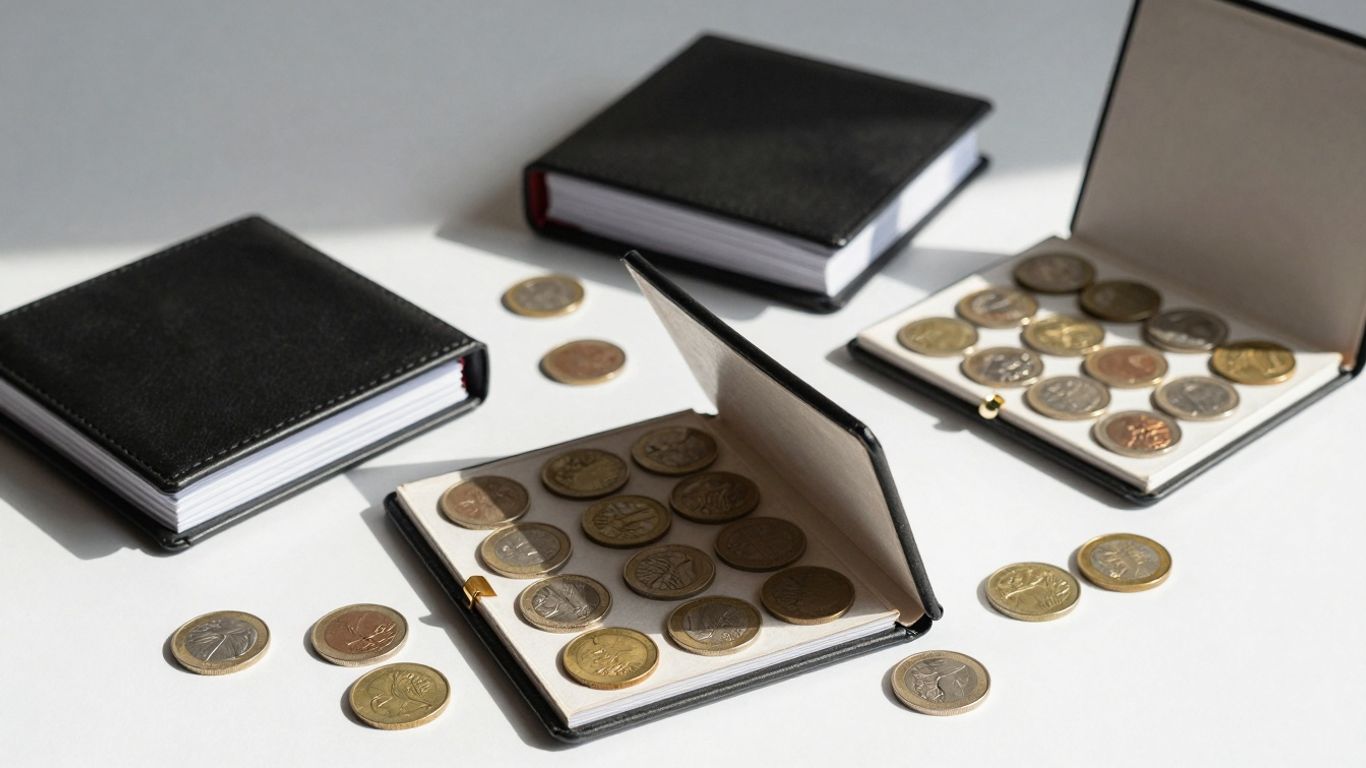
When you’re building a coin collection, it’s easy to get caught up in the thrill of finding that next rare piece. But let’s talk about the practical side of things: the albums themselves. You can’t just grab any old binder; you need something that actually protects your coins and looks decent. This is where budgeting comes in. It’s not just about the initial purchase, but thinking about the long haul.
Balancing Quality with Cost
It’s tempting to go for the cheapest option you can find. I’ve seen folks grab binders with flimsy plastic that scratches easily or pages that don’t quite fit the coins right. The problem with cheap albums is that they can actually damage your collection over time. Think about it: coins can shift around, get scratched, or even react with the materials if they aren’t acid-free. So, while you don’t need to break the bank on the most expensive album out there, it’s wise to spend a bit more for something that’s built to last and won’t harm your coins. Look for albums made with sturdy covers and pages that are clear and smooth. Sometimes, spending a little more upfront saves you a lot of heartache (and money) down the road.
Allocating Funds for Additional Accessories
Albums are just one part of the equation. You’ll likely need other bits and pieces to make your storage system work. This could include:
- Coin holders: These are often sold separately and come in various types, like cardboard flips, plastic capsules, or 2×2 holders. They provide an extra layer of protection.
- Divider pages: If you’re organizing your collection by country, era, or type, dividers help keep everything neat and easy to find.
- Labels: Good labels are a must. You’ll want to note the coin’s details, and having a system for this saves time later.
- Cleaning supplies (use with caution!): While not strictly for the album, having the right, gentle cleaning tools can be important for maintaining your coins before they go into storage.
When you’re planning your budget, remember to factor in these extras. They might seem small individually, but they add up.
Long-Term Value of Investing in Good Storage
Think of your coin album not just as a container, but as an investment in preserving your collection’s value. A well-chosen album protects your coins from environmental damage like humidity and dust, and from physical damage like scratches and dents. This preservation is key if you ever plan to sell your collection or pass it down. A collection stored in a high-quality album will almost always be in better condition than one kept in subpar storage. This means it will likely hold its value better, and potentially even increase in value over time, simply because it’s been well cared for. So, when you’re looking at the price tag, consider the long-term benefits. It’s about protecting your passion and your investment.
Adapting Your Album Strategy Over Time
As your coin collection grows and your interests shift, your initial album strategy might need some adjustments. It’s not a set-it-and-forget-it kind of hobby. Think of your album as a living document, one that evolves alongside your passion for numismatics.
Refining Organizational Systems
What seemed logical when you started might become cumbersome later. Perhaps you began by organizing strictly by denomination, but now you find yourself wanting to group coins from a specific historical period. Don’t be afraid to shake things up. Regularly review how you’ve arranged your coins. Does it still make sense? Is it easy to find what you’re looking for? Sometimes, a simple rearrangement can make a big difference in how you interact with your collection.
- Assess current organization: Spend time flipping through your album. Are there sections that feel cluttered or hard to navigate?
- Consider new themes: Have your collecting interests expanded? Maybe you’ve started focusing on a particular mint or a specific type of coin.
- Implement changes gradually: You don’t have to overhaul everything at once. Make changes section by section to avoid feeling overwhelmed.
Accommodating Collection Expansion
This is where many collectors hit a wall. You might have started with a standard album, but as your collection burgeons, you’ll need more space. This could mean adding more pages to a binder-style album or, in some cases, transitioning to a larger or more specialized album altogether. It’s important to plan for this growth. Running out of space can lead to coins being stored improperly, which is the last thing you want.
The key is to anticipate growth. Having a plan for expansion, whether it’s extra pages or a new album, prevents last-minute scrambling and potential damage to your coins.
Staying Current with Collecting Trends
Numismatics, like any hobby, has its trends. New discoveries are made, historical research sheds new light on existing coins, and popular collecting areas can shift. Keeping an eye on these developments can inform how you organize and even what you collect. For instance, if a particular series suddenly gains a lot of attention, you might decide to dedicate a special section in your album to it. Staying informed helps you appreciate your collection not just for its monetary value, but also for its place within the broader numismatic community.
| Trend Area | Potential Album Impact |
|---|---|
| New Discoveries | May require creating new categories or sections. |
| Historical Research | Could lead to re-evaluating coin significance and order. |
| Market Popularity | Might influence how prominently certain coins are displayed. |
Ultimately, adapting your album strategy is about ensuring your collection remains a source of enjoyment and pride, reflecting your journey as a collector.
Wrapping Up Your Coin Album Journey
So, we’ve gone over a lot of ground here, haven’t we? Picking the right album for your coins isn’t just about grabbing any old book off the shelf. It’s about finding something that keeps your collection safe, lets you see everything clearly, and honestly, just looks good on your shelf. Whether you’re just starting out with a few pocket finds or you’ve got a serious hoard building up, there’s an album out there that fits. Think about how many coins you have now, and how many you think you’ll get. Also, consider what kind of pages work best for you – the ones with little slots, or maybe something more open. Don’t forget the quality; you want something that lasts. In the end, the best album is the one that makes you happy to look at your coins and confident they’re protected. Happy collecting!
Frequently Asked Questions
What are the most important things to think about when choosing a coin album?
When picking a coin album, think about how big your collection is now and how much you expect it to grow. Also, consider the layout of the pages – do they have different sizes for different coins? It’s also smart to check if the album is made of good, strong stuff that will last and keep your coins safe from damage like scratches or bending. Lastly, think about how it looks; you want it to be something you’re proud to show off.
What makes a coin album high quality and durable?
A high-quality album is made from tough materials that won’t fall apart easily. The pages should be clear and resist scratches, and they need to hold coins securely so they don’t move around too much. Good albums also help protect coins from things like humidity and air, which can cause them to tarnish or corrode over time. Strong binding is also key to keeping everything together.
Can you explain the different kinds of coin albums available?
There are a few main types. Traditional albums often have pages with spaces already printed for specific coins, like by year or country. Binder-style albums are more flexible; you can add, remove, or rearrange pages yourself, which is great for custom setups. Then there are display albums, which are designed to make your best coins look really impressive, almost like a showpiece.
What are some good ways to organize the coins in my album?
You can organize them in several ways that make sense. A common method is by denomination, meaning all your pennies together, then all your nickels, and so on. Another popular way is by country or region, grouping coins from the United States, then Canada, then Mexico, for example. Some collectors also like to arrange them by historical time period or a specific theme, like coins from wartime or ancient times.
How can I make my coin album look its best when I show it to others?
To make your album look great, focus on a clean and organized layout. Use accessories like special stands or lighting if you’re displaying it. Clear, informative labels that tell a bit about each coin’s history or significance can really add to the appeal. Make sure the album itself looks neat and tidy, and choose a good spot to display it where it can be seen easily.
What are some common mistakes people make when storing coins in albums?
A big mistake is not using proper holders or sleeves, which can scratch or damage coins. Another common issue is messy organization; if it’s hard to find coins, it’s not very enjoyable. Also, don’t cram too many coins onto one page – this can cause them to rub against each other and get damaged. Give your coins a little breathing room!
How much should I spend on a coin album, and is it worth the cost?
The cost can vary a lot. While you don’t need the most expensive option, investing in a good quality album is usually worth it because it protects your collection. Think about how much your coins are worth and how much you want to keep them safe. You might also need to budget for extra things like special holders or dividers, but a solid album is a long-term investment in preserving your hobby.
What if my coin collection grows a lot? Can I change my album system?
Absolutely! As your collection grows or your interests change, you can definitely adjust your album strategy. You might need to add more pages, switch to a different type of album, or even reorganize your coins with a new system. The key is to be flexible and make sure your storage method continues to work well for you and keeps your coins safe and well-presented.