
Thinking about selling your coin collection in San Antonio? It can feel a bit overwhelming to figure out where to start, especially with so many options out there. This guide is here to help you understand the basics of coin accumulation, how to find the best places to sell your coins in San Antonio, and how to make sure you get a fair price. We’ll cover everything from getting your coins appraised to choosing a trustworthy buyer.
Key Takeaways
- Understand the basics of coin accumulation in San Antonio, including coin types and their value.
- Learn where to sell your coin collection, whether it’s inherited, gold, silver, or other U.S. coins.
- Discover the importance of professional coin appraisals, including free, at-home, and virtual options.
- Prepare for the selling process by understanding market value, creating an inventory, and choosing between in-person or mail-in sales.
- Select a reputable coin buyer in San Antonio by checking licenses, reputation, and avoiding common scams.
Understanding Coin Accumulation In San Antonio
The Value of Rare Coins
Coins are more than just old money; they’re tiny pieces of history. Think about it – each coin has passed through hands, witnessed events, and carries a story from its time. This historical aspect, combined with how many were made and how many still exist, gives them a special kind of value. This value isn’t just about the metal they’re made from, like gold or silver, though that’s part of it. It’s also about their rarity, how many people want them, and their overall condition. Some coins are common, found in many collections, while others are incredibly scarce, making them highly sought after by collectors.
Types of Collectible Coins
When people start collecting coins, they often find themselves drawn to different kinds. Many folks in San Antonio focus on U.S. coins. You’ve got your classic silver dollars, like the Morgan or Peace dollars, which are popular for their design and silver content. Then there are older half dollars and quarters that people find interesting. Beyond U.S. currency, there’s a whole world of international coins. These can range from ancient Roman coins to modern issues from countries all over the globe, offering a huge variety in terms of metal, design, and history. And let’s not forget bullion coins. These are coins like the American Gold Eagle or Canadian Silver Maple Leaf, primarily valued for their gold or silver content, making them a popular choice for those looking to invest in precious metals.
Grading and Authentication
Figuring out what a coin is really worth often comes down to its condition. This is where grading comes in. Professional grading services use a standardized scale to assess a coin’s condition, looking at things like wear, strike quality, and surface preservation. A coin graded as ‘Mint State’ is in top-notch condition, while a coin with significant wear might be graded much lower. Authentication is also key. It’s about making sure a coin is genuine and not a fake. For valuable coins, getting them authenticated and graded by a reputable third-party service can significantly increase their perceived value and make them easier to sell. It provides buyers with confidence in what they are purchasing.
The journey into coin collecting can be quite rewarding, offering a blend of historical discovery and potential financial gain. Understanding the basics of coin value, the different types available, and how condition impacts worth is the first step for anyone looking to build or sell a collection in San Antonio.
Where To Sell Your Coin Collection In San Antonio
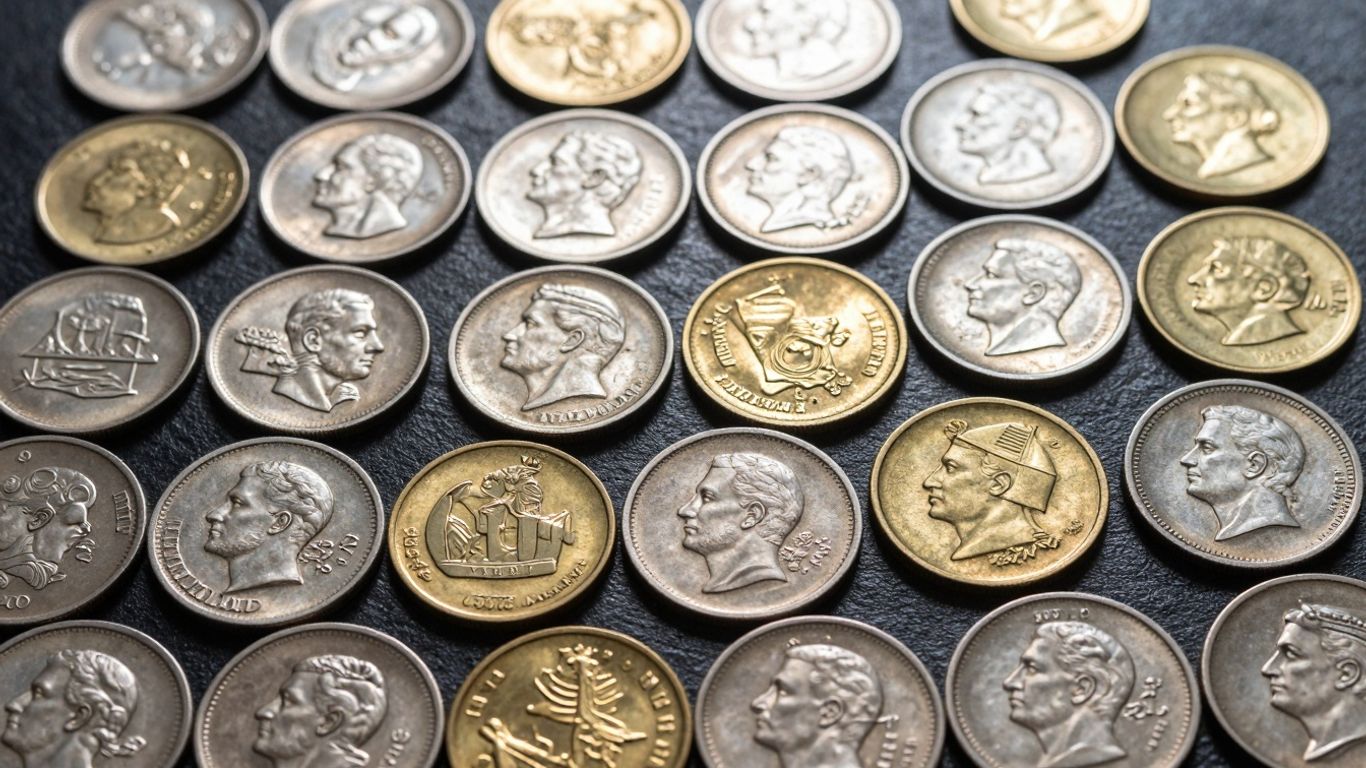
Deciding to sell your coin collection is a big step, and knowing where to turn in San Antonio can make all the difference. You’ve likely spent time and care building your collection, and you want to ensure you get a fair deal when it’s time to part with it. Several options exist, each with its own set of advantages.
Selling Inherited Coin Collections
When a loved one passes away, you might find yourself with a coin collection you weren’t expecting. It can feel overwhelming to figure out what to do with it. The first step is often to get a clear understanding of what you have. This might involve sorting through boxes or albums. If the collection is extensive, consider reaching out to a professional who specializes in estate liquidations or coin appraisals. They can help identify rare pieces and provide an accurate valuation. Many local buyers are experienced in handling inherited collections and can guide you through the process with sensitivity.
Selling Gold and Silver Coins
Gold and silver coins often hold significant intrinsic value due to the precious metals they contain. When selling these, it’s important to be aware of the current market prices for gold and silver. Reputable coin dealers will base their offers on these fluctuating market rates. Look for buyers who are transparent about how they arrive at their pricing. Some dealers might offer different rates for bullion coins (like American Eagles) versus collectible gold or silver coins with numismatic value.
Selling Other Rare U.S. Coins
Beyond gold and silver, the U.S. has produced a vast array of collectible coins over the centuries. This includes everything from early American copper cents to Morgan silver dollars and modern commemorative issues. The value of these coins depends on several factors, including rarity, condition, historical significance, and demand among collectors. When selling these types of coins, it’s beneficial to work with a dealer who has a broad knowledge of U.S. numismatics. They can properly assess the condition and market appeal of each piece. You can find established dealers in San Antonio, such as Royalty Coins, who are well-versed in various U.S. coin series.
When you’re ready to sell, remember that transparency is key. A good buyer will explain their evaluation process and the factors influencing their offer. Don’t hesitate to ask questions and seek clarification on any part of the transaction you don’t fully understand. This approach helps build trust and ensures you feel confident about the sale.
Here are some common types of coins you might consider selling:
- Precious Metal Coins: Gold, silver, platinum, and palladium coins.
- Circulated U.S. Coins: Older coins that have been used in commerce, like Lincoln cents or Mercury dimes.
- Uncirculated U.S. Coins: Coins that have never been used in commerce, often found in mint sets or proof sets.
- Commemorative Coins: Special issues often created to honor events or people.
Choosing the right buyer is paramount. Look for dealers who are members of professional numismatic organizations and have positive reviews. This diligence helps ensure you receive a fair price and have a positive selling experience.
Getting A Professional Coin Appraisal
Before you think about selling your coins, it’s a good idea to get a professional appraisal. This helps you understand what you actually have and what it might be worth. It’s not just about knowing the price; it’s about learning about the history and condition of your collection. Think of it like getting a check-up for your coins.
Free Coin Appraisals
Many places offer free appraisals, and it’s a smart way to start. You don’t have to pay anything upfront to find out the general value of your coins. These appraisals are usually free because the buyer hopes you’ll sell your collection to them. However, you’re never obligated to sell. It’s a good chance to get an idea of your collection’s worth without any pressure.
- Get a baseline value for your collection.
- Learn about the types of coins you own.
- Understand if your coins are common or rare.
At-Home Appraisals
If you have a large collection or prefer not to travel, an at-home appraisal might be perfect. A professional can come to your home to look at your coins. This is convenient and can be less stressful than taking a whole collection somewhere. They’ll examine your coins right there, often giving you an offer on the spot if you decide to sell.
This service is especially helpful for inherited collections or when you simply want the appraisal done in a familiar environment.
Virtual Appraisals
Technology makes it possible to get an appraisal without anyone leaving their home. With virtual appraisals, you can send photos or even video of your coins to an expert. They’ll review the images and give you an estimated value. This is a quick and easy method, especially if you’re just curious about a few specific coins or want a preliminary idea before a more formal appraisal.
- Requires clear photos or videos of your coins.
- Offers a quick initial valuation.
- Convenient for those far from a physical dealer.
Navigating The Selling Process
Selling your coin collection involves more than just finding a buyer; it’s about understanding the market and presenting your items effectively. Knowing the true worth of your collection is the first step toward a successful sale. This process can seem complicated, but breaking it down makes it manageable.
Understanding Market Value
The value of your coins isn’t static. It changes based on several factors, including rarity, condition, historical significance, and current demand. For precious metal coins (gold, silver, platinum), the market price of the metal itself plays a significant role. For numismatic coins (collectible coins valued for their rarity and condition), factors like grading, historical context, and collector interest are more important. It’s wise to research recent sales of comparable coins to get a realistic idea of what buyers are currently paying.
Creating An Inventory List
Before you even talk to a potential buyer, take the time to create a detailed inventory of your collection. This list should include:
- Coin Name/Type: (e.g., Morgan Silver Dollar, Lincoln Cent)
- Year of Minting:
- Mint Mark: (e.g., D for Denver, S for San Francisco, O for New Orleans)
- Condition/Grade: (If you know it, otherwise note any visible damage like scratches or wear)
- Any distinguishing features: (e.g., errors, specific varieties)
This list serves multiple purposes: it helps you keep track of what you have, provides a clear reference point for buyers, and demonstrates your preparedness. It also helps prevent any misunderstandings during the evaluation process.
Selling In Person vs. Mail-In Offers
When it comes to selling, you have a couple of main options: selling in person or accepting mail-in offers. Selling in person, especially to a local San Antonio coin dealer, offers several advantages. You can directly interact with the buyer, observe the appraisal process, and receive an immediate offer. This face-to-face interaction builds trust and allows you to ask questions in real-time. Mail-in offers, while seemingly convenient, can be riskier. You lose direct control over your coins during transit, and the final offer might be lower than expected after the coins are evaluated remotely. It’s generally advisable to prioritize in-person transactions whenever possible to ensure transparency and fair dealing.
When evaluating your coins, always keep them in sight. A reputable buyer will never ask to take your collection to a back room for appraisal. Transparency is key to a fair transaction.
Choosing A Reputable Coin Buyer
Finding the right person or business to buy your coins is a big deal. You want someone who knows what they’re talking about and treats you fairly. It’s not just about getting the most money, though that’s important. It’s also about feeling comfortable and confident that you’re making a good decision.
Working With Licensed Dealers
When you’re looking to sell coins, sticking with dealers who are properly licensed is a smart move. In Texas, like in many places, there are rules and regulations that businesses have to follow. Being licensed means they’ve met certain requirements and are operating legally. This offers a layer of protection for you as a seller. It shows they’re serious about their business and are accountable.
Checking Dealer Reputation
Before you hand over your collection, do a little homework on the dealer. Look them up online. See what other people are saying about them on review sites. Check with the Better Business Bureau. A good reputation usually means they’re honest and fair. If you see a lot of negative feedback or complaints, it might be best to look elsewhere.
Avoiding Scams and Low Offers
Unfortunately, not everyone in the coin business is honest. Some people might try to take advantage of sellers who don’t know much about coin values. Be wary of anyone who pressures you to sell quickly or makes offers that seem too good to be true. Always get a second opinion if you’re unsure about an offer. A reputable buyer will be transparent about their pricing and happy to explain how they arrived at their offer.
Here are some things to watch out for:
- Dealers who won’t let you watch the appraisal process.
- Offers that are significantly lower than what you expect based on your research.
- High-pressure sales tactics.
- Lack of clear identification or licensing.
It’s always a good idea to have a general idea of what your coins might be worth before you even talk to a buyer. This way, you’re better prepared to spot a lowball offer. You can do this by looking up similar coins online or getting a preliminary appraisal.
Selling Specific Coin Types In San Antonio
When you’re ready to part with some of your coin collection in San Antonio, knowing how different types of coins are valued can make a big difference. It’s not just about rarity; the metal content and historical significance play a huge role, especially for gold and silver.
Selling Gold Coins
Gold coins are often sought after not just for their numismatic value but also for their intrinsic gold content. This means their price can fluctuate with the global gold market. When selling, expect buyers to consider both the coin’s collectible status and its melt value.
- Krugerrands, American Eagles, and Canadian Maple Leafs: These are common examples of modern gold bullion coins. Their value is closely tied to the current price of gold.
- Pre-1933 U.S. Gold Coins: Coins like the Double Eagle, Eagle, and Half Eagle minted before 1933 often carry a premium above their gold content due to their historical context and rarity.
- Foreign Gold Coins: Many international gold coins also hold significant value, depending on the issuing country, year, and gold purity.
The intrinsic value of the gold itself is a primary factor in pricing these coins.
Selling Silver Coins
Similar to gold, silver coins have both a collectible aspect and a melt value based on their silver content. Older U.S. silver coins, in particular, are popular among collectors and investors.
- U.S. Silver Dollars, Half Dollars, and Quarters (pre-1965): Coins like Morgan Dollars, Peace Dollars, and older dimes, quarters, and half dollars are made of 90% silver and are often sold based on their silver weight.
- Silver Bullion Coins: Modern coins like American Silver Eagles or Canadian Silver Maples are valued based on the silver market price.
- Commemorative Silver Coins: These coins might have a higher numismatic value if they are part of a limited mintage or have special designs.
Selling Bullion
Bullion refers to precious metals in a bulk form, such as coins or bars, valued by weight and purity. While many collectible coins are also bullion, the term often refers to items primarily valued for their metal content rather than their historical or numismatic rarity.
- Gold Bars: From small one-ounce bars to larger ones, their value is directly linked to the current gold price.
- Silver Bars: Similar to gold bars, their worth is determined by the silver market.
- Platinum and Palladium: While less common than gold and silver, bullion in these metals is also traded and valued based on market prices.
When selling any of these items in San Antonio, it’s wise to get a few quotes. Local coin dealers will assess your specific items, considering factors like condition, rarity, and current market demand to provide an offer.
The Benefits Of Local Coin Buyers
When it comes to selling your coin collection in San Antonio, choosing a local buyer often makes the most sense. It’s not just about convenience; there are several practical advantages to working with someone right here in town.
Face-To-Face Transactions
One of the biggest pluses of dealing with a local coin buyer is the ability to meet in person. This means you can see exactly what’s happening with your coins from start to finish. No shipping your valuables off into the unknown, hoping for the best. You can watch as they’re examined, weighed, and evaluated. This transparency builds confidence and helps you feel more in control of the process. It’s a much more direct and personal way to handle a sale, especially when dealing with items that hold sentimental or significant monetary value.
Immediate Offers
Local buyers are typically in a position to make an offer on the spot. Once they’ve had a chance to assess your collection, they can tell you what they’re willing to pay right then and there. This is a stark contrast to mail-in services where you might wait days or even weeks for a quote, only to find out it’s lower than you expected. With a local buyer, you can get a clear picture of your coin’s worth and decide whether to accept the offer immediately. This quick turnaround can be really helpful if you need funds sooner rather than later.
Building Trust With Dealers
Establishing a relationship with a local coin dealer can be beneficial in the long run. When you find a buyer you trust, you know you’re likely to get fair treatment not just for this sale, but for any future transactions. They get to know you and your collection, and you get to know them. This can lead to better prices over time as they understand your needs and the quality of what you’re offering. It’s about building a connection in the community, rather than just being another number in a large, impersonal online system. A good local dealer can become a go-to resource for all your coin-related needs.
Here are some things to consider when looking for a local buyer:
- Licensing and Registration: Make sure the dealer is properly licensed and registered with the state and local authorities. This is a sign they operate legitimately.
- Reputation: Check online reviews, ask for recommendations from other collectors, or look for affiliations with professional numismatic organizations.
- Transparency: A reputable buyer will be open about their evaluation process and pricing.
Dealing locally means you can often avoid the risks associated with shipping valuable items. You have the opportunity to ask questions directly and get immediate feedback, making the entire selling experience feel more secure and straightforward.
Preparing Your Coins For Sale
Before you head out to meet a coin buyer in San Antonio, taking a little time to get your collection ready can make a big difference. It’s not about cleaning them – please don’t clean your coins! – but about organizing and understanding what you have. This preparation helps you get a fairer price and makes the whole selling process smoother for everyone involved.
Sorting Your Collection
Start by grouping your coins. A good way to begin is by denomination (quarters, dimes, dollars, etc.) and then by date. If you have a lot of coins, you might want to further sort them by mint mark (like ‘D’ for Denver or ‘S’ for San Francisco) if you can easily identify it. For particularly valuable or rare coins, keep them separate. This initial sorting helps you see the scope of your collection and makes it easier to create an inventory.
Understanding Payout Calculations
When you sell coins, especially those made of precious metals like gold or silver, the buyer will likely weigh them. They’ll use the current market price for that metal to calculate a base value. For collectible coins, the value is more about rarity, condition, and historical significance. Buyers will assess these factors. It’s helpful to have a general idea of what your coins are made of and if they’re known for being rare. For instance, knowing if a coin is made of .999 fine silver or if it’s a key date in a series can give you a starting point for understanding potential offers.
What To Bring To A Buyer
When you visit a coin buyer, bring your sorted coins, ideally in protective holders if you have them. If you’ve created an inventory list, bring that too. This list should include the coin’s type, date, mint mark (if known), and any condition notes you might have. Also, consider bringing any documentation you have related to the coins, such as old appraisals or purchase receipts. If you have a digital scale at home, you could even bring a printout of recent precious metal prices to compare with the buyer’s calculations. Having this information ready demonstrates you’ve done your homework and are serious about getting a fair deal.
Preparing your coins doesn’t require specialized tools or extensive knowledge. Simple organization and a basic understanding of what you’re selling are key. This proactive approach helps ensure you receive a more accurate valuation and a better selling experience.
Coin Accumulation Resources In Texas
Texas Coin Buyers
When you’re looking to sell coins in Texas, finding the right buyer is key. Many dealers operate across the state, from major cities like Houston and Dallas to smaller towns. Some specialize in certain types of coins, like gold and silver, while others buy a broader range of numismatic items. It’s a good idea to research local businesses to see who has a solid reputation and offers fair prices. Some companies even offer services like at-home appraisals, which can be really convenient if you have a large collection or prefer not to travel.
State Regulations For Dealers
Texas doesn’t have a lot of specific state laws that directly regulate coin dealers in the way some other states might. However, general business laws and consumer protection rules still apply. This means dealers should operate honestly and transparently. For buyers, it’s important to be aware of any local ordinances or business licensing requirements in the specific city or county where they operate. For sellers, understanding that these general protections are in place can offer some peace of mind when dealing with a new buyer.
Resources For Estate Planning
If you’ve inherited a coin collection or are planning your own estate, getting a professional appraisal is a smart move. This helps ensure that your assets are properly valued for distribution or for insurance purposes. Several Texas-based coin buyers offer appraisal services, sometimes for free, especially if you’re considering selling. They can help you sort through inherited items, identify valuable pieces, and provide documentation that can be useful for estate planning. This process can turn a potentially confusing situation into a clear understanding of the collection’s worth.
Dealing with a coin collection, whether inherited or accumulated over time, can feel overwhelming. Knowing where to turn for reliable information and fair dealings is important. Taking the time to research local resources and understand the process can make a big difference in getting the best outcome for your collection.
Maximizing Your Coin Sale Payout
Getting the most money for your coin collection in San Antonio involves a few smart steps. It’s not just about handing over your coins; it’s about understanding what you have and knowing the market. Think of it like selling anything valuable – preparation makes a big difference.
Knowing Current Market Prices
Before you even think about selling, do a little homework. Coin values can swing based on demand, rarity, and the condition of the coin. You’ll want to get a feel for what similar coins are selling for right now. Online resources, coin price guides, and even checking recent auction results can give you a good idea. Don’t rely on just one source; compare a few to get a balanced view.
Comparing Offers
Once you have an idea of your coins’ worth, it’s time to shop around. Different buyers will offer different prices. A local coin shop might give you one price, while an online dealer might offer another. It’s wise to get quotes from at least three different reputable buyers. This way, you can see who is offering the most competitive price for your specific collection. Remember, the highest offer isn’t always the best if the buyer isn’t trustworthy, so keep that in mind.
Negotiating Your Sale
Don’t be afraid to negotiate. If you’ve done your research and have a solid understanding of your coins’ market value, you’re in a good position to discuss the price. If a buyer offers less than you expected, politely explain your reasoning, perhaps referencing your research. Sometimes, a buyer might be willing to meet you closer to your asking price, especially if they really want your coins for their inventory. It’s a conversation, not a demand, and a friendly approach often works best.
Selling coins can feel a bit overwhelming, especially if you’re new to it. The key is to approach it with a clear head and a bit of preparation. Knowing what you have and what it’s worth puts you in a much stronger position when you talk to potential buyers. It’s about being informed so you can make the best decision for your collection.
Here’s a quick checklist to help you prepare:
- Research Market Value: Use online guides and auction results.
- Get Multiple Appraisals: Don’t settle for the first offer.
- Document Your Collection: Create a list of what you have.
- Understand Buyer Fees: Be aware of any commissions or charges.
- Be Prepared to Negotiate: Know your bottom line.
Wrapping Up Your Coin Journey in San Antonio
So, that’s a look at how you can get started with coins right here in San Antonio. Whether you’re looking to buy a few pieces to start a collection or need to sell off some inherited items, there are local spots that can help. Remember to do a little homework before you go, know what you have, and don’t be afraid to ask questions. Finding the right place makes all the difference, turning what could be a confusing process into a pretty straightforward one. Happy collecting, San Antonio!
Frequently Asked Questions
What makes a coin valuable?
A coin’s worth can come from a few things. The metal it’s made of, like gold or silver, gives it a basic value. But what really makes a coin special and valuable to collectors is its rarity, how many people want it, its condition, and if it has an interesting history.
What are the most popular types of coins to collect?
People often collect U.S. coins like old silver dollars or half dollars because they look nice and have historical meaning. Some also enjoy collecting coins from around the world or special coins made of gold or silver, like the American Gold Eagle, which are seen as good investments.
Why is coin grading important?
Grading is like giving a coin a report card on its condition. A coin’s condition is super important for its value. A well-preserved coin is usually worth much more than one that’s worn out or damaged. Grading helps buyers and sellers agree on a coin’s quality.
How can I sell a coin collection I inherited?
If you’ve inherited coins, the first step is to figure out what you have. Some coins might just be worth their metal, while others could be quite rare. It’s wise to sort them and then get a professional appraisal to understand their true value before deciding to sell.
Should I sell my gold and silver coins online or in person?
Selling in person is often better because you can talk directly with the buyer and see the entire process. This helps you avoid scams and get an immediate offer. Mail-in services can be convenient, but you lose control, and offers might be lower.
What is a coin appraisal, and do I need one?
A coin appraisal is when an expert looks at your coins to figure out how much they are worth. It’s a good idea to get one, especially if you have rare coins or are thinking of selling. Many places offer free appraisals, so you can find out the value without paying.
How do I know if a coin buyer is trustworthy?
To find a good coin buyer, check if they are licensed and have good reviews from other customers. Look for dealers who are honest about their reputation, perhaps by checking with organizations like the Better Business Bureau. Avoid anyone who pressures you or seems shady.
What should I do to get ready to sell my coins?
Before you sell, try to sort your coins into groups, like by metal type or country. Making a list of what you have can also be helpful. This makes it easier for the buyer to understand your collection and helps you keep track of everything.