
Thinking about selling your wheat pennies in San Antonio? It’s a common question for folks who find these old coins. They might look like just pocket change, but some can be worth a surprising amount. Figuring out where to sell wheat pennies in San Antonio can feel a bit tricky at first. You want to make sure you get a fair price and deal with honest people. This guide will walk you through the steps, from understanding what makes your pennies valuable to finding the right place to sell them right here in San Antonio.
Key Takeaways
- Local coin shops and dealers in San Antonio are a good place to start when you want to sell wheat pennies.
- Online marketplaces can offer a wider reach for selling your wheat pennies, but require careful handling of shipping and payments.
- Understanding the factors that influence wheat penny value, like date, mint mark, and condition, is important before you sell.
- Avoid selling to pawn shops, as they typically offer much lower prices than specialized coin dealers.
- Researching fair market value and comparing offers will help you get the best possible price when you sell wheat pennies in San Antonio.
Understanding Wheat Penny Value
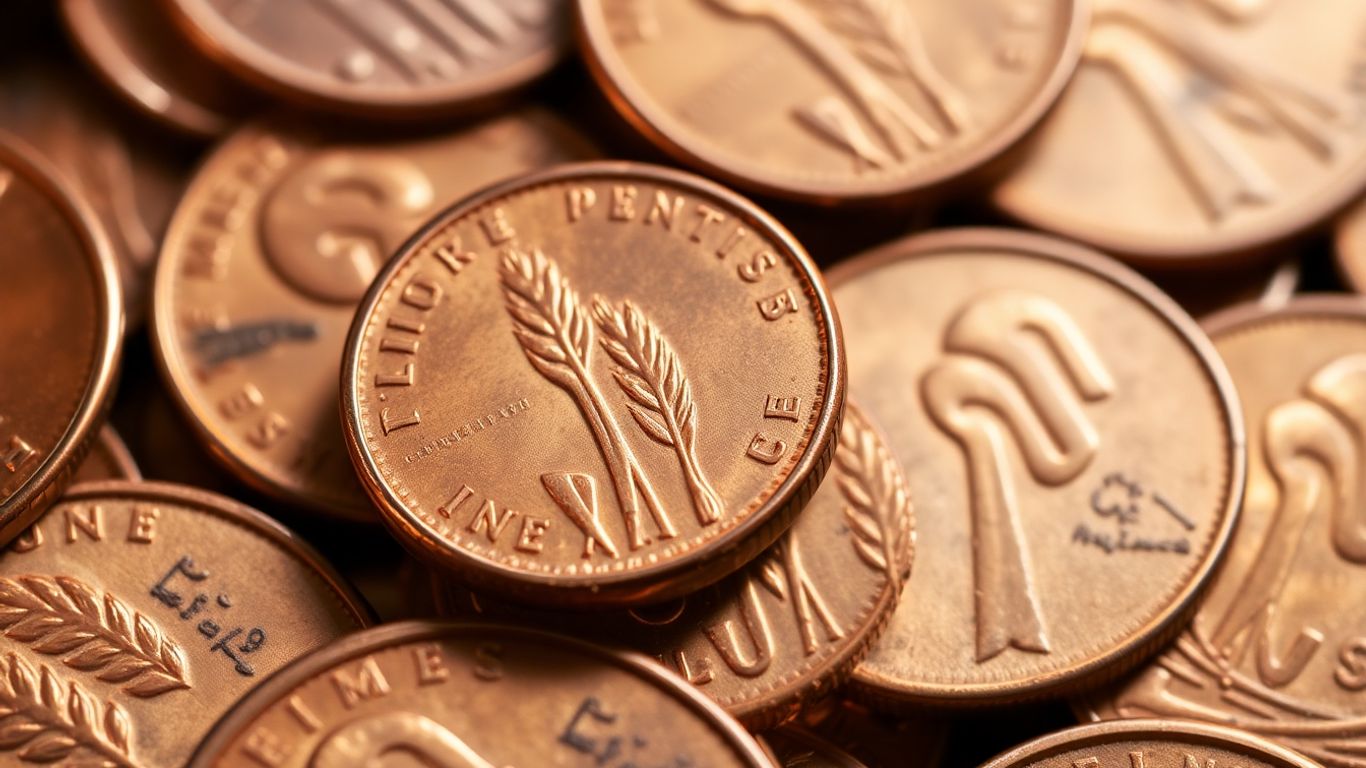
Before you think about selling your wheat pennies in San Antonio, it’s a good idea to get a handle on what makes them tick in terms of value. It’s not just about the date on the coin; a few other things play a big part. Knowing these factors will help you figure out if you’ve got a common find or something a bit more special.
Factors Influencing Wheat Penny Worth
The worth of a wheat penny isn’t set in stone. Several elements come into play, and understanding them can give you a better idea of what your coins might be worth. Think about the metal they’re made of – most wheat pennies are copper, which has a base value. But beyond that, rarity is a huge driver. Some years and mints produced far fewer coins than others, making those scarcer. Errors during the minting process can also make a coin more interesting and valuable to collectors. Even the design itself, like a particularly well-struck Lincoln image, can add to its appeal.
Identifying Key Dates and Mint Marks
When collectors talk about wheat pennies, certain dates and mint marks pop up more often than others. These are the ones that tend to be more sought after. For example, pennies from the early years of production, like 1909 to the early 1920s, are often more interesting. You’ll also want to look for pennies made at mints other than Philadelphia. The mint marks are small letters found on the coin, usually on the reverse side, below the "ONE CENT" inscription. "D" stands for Denver, and "S" stands for San Francisco. Pennies from these mints, especially in certain years, can be worth more than their Philadelphia counterparts.
Here’s a quick look at some dates and mints that often get more attention:
- 1909-S: One of the most famous and sought-after wheat pennies.
- 1914-D: Another key date that collectors often look for.
- 1931-S: Known for its lower mintage, making it scarcer.
- 1943: These were made of steel due to copper being needed for the war effort, making them unique.
The Role of Condition in Value
Condition is a really big deal when it comes to coin value. A coin that looks like it just came from the mint will be worth a lot more than one that’s been heavily worn, scratched, or damaged. Coin grading is a whole system used by experts to describe a coin’s condition, from "Poor" (barely recognizable) to "Mint State" (uncirculated). Even small details matter – are the lines on Lincoln’s ear visible? Is the wheat stalk design sharp? Generally, the better the condition, the higher the price. It’s usually best not to clean your coins yourself, as improper cleaning can actually lower their value significantly.
Collectors often prefer coins in their original state, even if they show signs of age. Aggressive cleaning can remove patina and fine details, making a coin less appealing and potentially damaging its surface. It’s a common mistake for new sellers to try and "improve" a coin’s appearance, only to reduce its market worth.
Where to Sell Wheat Pennies in San Antonio
Finding the right place to sell your wheat pennies in San Antonio involves looking at a few different options. You want to connect with buyers who understand the value of these coins and will offer a fair price. It’s not just about getting rid of them; it’s about getting what they’re worth.
Local Coin Shops and Dealers
San Antonio has a number of coin shops and dealers that specialize in buying and selling numismatic items, including wheat pennies. These businesses often have a good understanding of the market and can provide on-the-spot appraisals. When you visit a local dealer, it’s a good idea to have an idea of what you have. Some places might offer a quick evaluation, while others may take more time for a detailed assessment. It’s always wise to visit more than one dealer to compare offers.
- U.S. Coins and Jewelry: Located in Houston, this is an example of a place that buys coins. While not in San Antonio, it shows the type of business to look for. You’ll want to find similar establishments within San Antonio.
- Mockingbird Gold & Silver: Another example from Dallas, highlighting the presence of coin buyers in Texas.
- San Antonio Coin Buyers: This business, located nearby in Converse, offers free appraisals and can be a good starting point for selling your coins in the San Antonio area. They provide appointments for evaluations.
Online Marketplaces for Coin Sales
Selling online opens up your options beyond San Antonio. There are several platforms where collectors and dealers actively search for coins. This can be a good way to reach a wider audience, potentially leading to better prices, especially for rarer dates or coins in excellent condition. However, it also requires more effort on your part to list, describe, and ship the coins securely.
- Auction Sites: Platforms like eBay are popular for selling individual coins or small lots. You can set a starting bid or a "buy it now" price.
- Specialty Coin Forums/Websites: Some websites cater specifically to coin collectors and may have sections for buying and selling.
- Direct Sales Platforms: Some services allow you to sell directly to the company, which can be simpler but might offer a lower price than a public auction.
When selling online, clear, well-lit photographs are incredibly important. Buyers can’t physically inspect the coin, so your images need to show its condition accurately. Also, be very precise in your descriptions, noting any key dates or mint marks.
Numismatic Events and Shows
Coin shows and numismatic events are fantastic opportunities to sell your wheat pennies. These events bring together many dealers and collectors in one place, creating a competitive environment. You can often get immediate offers and sell your collection in a single visit. It’s also a chance to learn more about your coins and connect with other enthusiasts. Keep an eye on local event listings for any coin shows happening in or near San Antonio. These events are perfect for selling your coins, as you can auction off your coin collection to multiple buyers at once.
- Check Local Listings: Look for announcements from coin clubs or hobby shops in the San Antonio area.
- Travel to Larger Shows: Sometimes, larger regional or national coin shows might be within driving distance and offer a broader market.
- Network: Talk to dealers and other collectors at shows; they often know about upcoming events or private buyers.
Preparing Your Wheat Pennies for Sale
Before you even think about finding a buyer for your wheat pennies, taking some time to get your collection ready can make a big difference in how much you get. It’s not just about having the coins; it’s about presenting them in a way that shows their potential. This preparation phase is where you lay the groundwork for a successful sale.
Organizing Your Collection
Having your wheat pennies in order makes them easier to assess and present. Think about how you want to group them. Common methods include sorting by date, mint mark, or even by condition. For a large collection, a spreadsheet can be a lifesaver, listing each coin with its details. This organization helps you see what you have at a glance and makes it simpler for potential buyers to understand your inventory.
- Sort by Date: Grouping pennies from the same year together. This is often the first step collectors take.
- Sort by Mint Mark: Further organizing by ‘D’ (Denver) or ‘S’ (San Francisco) under each date.
- Sort by Condition: Separating coins that are in better shape from those that are worn.
Cataloging Your Wheat Pennies
Once organized, cataloging is the next step. This means creating a list or record of each coin. For each penny, you’ll want to note its date, mint mark, and any visible identifying features. If you’re unsure about specific varieties or key dates, it’s worth doing some research or consulting a guide. A well-cataloged collection demonstrates care and knowledge, which can instill confidence in buyers.
Here’s a basic template for cataloging:
| Date | Mint Mark | Condition Notes | Key Date/Variety? | Estimated Value |
|---|---|---|---|---|
| 1910 | D | Worn | No | $0.10 |
| 1931 | S | Good | Yes | $5.00 |
| 1943 | P | Very Fine | No | $0.50 |
Avoiding Unnecessary Cleaning
This is a really important point, and one that many people get wrong. While it might seem like cleaning your coins will make them look better and increase their value, it often does the opposite. Harsh cleaning can remove the coin’s original surface, create fine scratches, and significantly reduce its numismatic worth. For most wheat pennies, especially those you plan to sell, it’s best to leave them as they are. If a coin is particularly dirty, a gentle rinse with distilled water might be acceptable, but avoid any abrasive materials or chemicals. Let the buyer decide if they want to clean it further, though most experienced collectors prefer uncleaned coins.
Resist the urge to polish your wheat pennies. What might look like an improvement to the untrained eye can actually be a significant detractor to a coin’s value in the eyes of a collector or dealer. The original patina and surface are often more desirable than a shiny, but damaged, appearance.
Getting the Best Price for Your Pennies
Researching Fair Market Value
Before you even think about selling your wheat pennies, it’s a good idea to get a handle on what they’re actually worth. This isn’t always straightforward, as coin values can swing based on a few things. You’ll want to look at recent sales of similar coins. Websites that track auction results can be super helpful here. Don’t just look at the asking price; see what coins actually sold for. Remember, a coin’s condition plays a huge role, so try to find comparisons that match yours as closely as possible. Also, keep an eye out for any special varieties or errors on your pennies, as these can sometimes make a big difference in value.
Understanding Dealer Offers
When you talk to coin dealers, they’ll likely make you an offer. It’s important to understand how they arrive at that number. Dealers need to make a profit, so their offer will usually be less than what you might see a coin sell for at retail. They have to account for their overhead, the time it takes to sell the coin, and the risk they take. A good dealer will be transparent about how they’re valuing your coins. Don’t be afraid to ask questions about their offer and how they determined it. It’s also wise to get offers from a few different dealers to compare.
Negotiating Your Sale
Negotiation is a normal part of selling anything, and coins are no different. Once you have a good idea of your pennies’ value and you’ve received offers, you can start talking price. If you feel an offer is too low, politely explain why you believe it should be higher, perhaps referencing your research. Sometimes, dealers might be willing to budge a little, especially if you have a larger collection or if they really want the coins. Remember to stay polite and professional throughout the negotiation. It’s about finding a price that both you and the buyer feel is fair.
Here are some points to consider when negotiating:
- Know your bottom line: Decide beforehand the lowest price you’re willing to accept.
- Be informed: Have your research on fair market value readily available.
- Be patient: Don’t feel pressured to accept the first offer.
- Consider the buyer’s perspective: Understand that dealers need to make a profit.
- Be willing to walk away: If a fair price can’t be reached, it’s okay to look elsewhere.
When selling your collection, it’s often beneficial to leave a little room for the buyer to make a profit. This can foster goodwill and encourage repeat business. Trying to squeeze every last cent out of every transaction can sometimes backfire, making buyers hesitant to return.
Choosing Reputable Buyers in San Antonio
Checking Dealer Reviews and Reputation
When you’re ready to sell your wheat pennies, finding a buyer you can trust is super important. It’s not just about getting a fair price; it’s about having a smooth transaction. A good starting point is to look into what other people are saying about the dealers you’re considering. Online reviews can give you a pretty good idea of a dealer’s reputation. Look for patterns in feedback – are customers consistently happy with their service, or are there recurring complaints?
Understanding Buyer Practices
Different buyers operate in different ways. Some might focus on bulk purchases, offering a lower price per coin but a quicker sale for a large collection. Others might be more interested in individual key dates or coins in exceptional condition. It’s helpful to understand their buying philosophy. For instance, a dealer who specializes in high-grade coins might not be the best place to sell a large quantity of circulated wheat pennies. Knowing this helps you approach the right kind of buyer. Some services, like Coinfully, offer a straightforward appraisal process that includes you in the evaluation, making things more transparent.
Avoiding Pawn Shops for Coin Sales
Pawn shops are generally not the ideal place to sell collectible coins like wheat pennies. While they might offer cash quickly, their primary business isn’t numismatics. This often means they’ll offer significantly less than a coin dealer would, as they need to account for a wider range of potential resale scenarios and may not have the specialized knowledge to accurately assess your coins’ value. It’s usually best to stick with businesses that focus specifically on buying and selling coins. If you’re looking for coin dealers in nearby cities, you might find resources that list reputable shops, such as those in Austin, Texas Austin coin dealers.
Here are some things to consider when evaluating a potential buyer:
- Online Presence: Do they have a website? What information is available about their business and services?
- Customer Feedback: Look for reviews on platforms like Google, Yelp, or specialized coin collecting forums.
- Specialization: Do they focus on the types of coins you have (e.g., US copper coins)?
- Transparency: Are they open about their appraisal process and how they determine prices?
It’s wise to get multiple opinions and offers before agreeing to sell. This helps you gauge the market and ensures you’re getting a competitive price for your collection. Don’t feel pressured to accept the first offer you receive.
Appraising Your Wheat Penny Collection
Before you even think about selling your wheat pennies, it’s a good idea to get a handle on what they’re actually worth. This isn’t always straightforward, as a coin’s value can swing quite a bit based on a few key things. Think of it like checking the mileage and condition of a car before you try to sell it – you need to know what you’re working with.
Professional Appraisal Services
If you’ve got a collection that seems particularly special, or if you just want the most accurate picture possible, bringing in a professional is a solid move. These folks know coins inside and out. They can spot rare varieties, assess condition with a trained eye, and give you a realistic idea of what your collection might fetch. It’s like taking your prized possession to an expert mechanic for a full diagnostic. They’ll look at things like:
- Rarity: Are these common dates, or are you sitting on a rare mint year?
- Condition (Grade): How worn is the coin? Are the details sharp, or is it smooth from circulation?
- Mint Mark: Where was it made? Sometimes a small mark can make a big difference.
- Historical Significance: Does the coin have any unique story or connection?
While you might pay a fee for this service, it can often pay for itself by helping you avoid selling too low or by identifying coins that are worth holding onto or getting professionally graded.
DIY Valuation Methods
Don’t have the budget for a professional appraisal right now? No worries, you can do a lot of the legwork yourself. It takes a bit of time and research, but it’s totally doable. Start by getting a good coin catalog or using online resources. Websites that track past auction sales can be super helpful. You’ll want to look up each of your wheat pennies, noting the date and mint mark.
Here’s a basic rundown of how to approach it:
- Identify Each Coin: Figure out the year and where it was minted (e.g., Philadelphia ‘P’, Denver ‘D’, San Francisco ‘S’).
- Assess the Condition: This is where it gets tricky. Look for wear on the high points, like Lincoln’s hair and cheek. Is the design clear, or is it faded? Compare your coins to grading guides online – they often have pictures showing different levels of wear.
- Check Recent Sales: Search for your specific coin (date, mint mark, and estimated condition) on sites that show sold prices. This gives you a real-world idea of what collectors are actually paying, not just what someone is asking.
Remember, a coin’s appearance is a huge part of its story. Even if a coin is rare, if it’s heavily damaged or worn down to almost nothing, its value will drop significantly. It’s a balance between rarity and how well it has survived the years.
What to Expect During an Appraisal
Whether you go the professional route or do it yourself, the process generally involves a few core steps. A professional appraiser will likely examine each coin individually. They’ll use magnification tools to check for details, wear, and any potential errors or damage. They’ll compare your coins against established grading standards and market data. You can expect them to provide a written report detailing their findings and estimated values. If you’re doing it yourself, you’re essentially mimicking this process, using available resources to make your own educated guesses about value. The goal is to get a clear, objective picture of your collection’s worth before you start making any sales decisions.
Selling Wheat Pennies Online
Selling your wheat pennies online opens up a vast marketplace, reaching collectors far beyond San Antonio. While it requires a different approach than local sales, it can often yield better results if done correctly. The internet provides access to a global audience, increasing the chances of finding the right buyer for your specific coins.
Popular Online Auction Platforms
Platforms like eBay are well-known for coin sales. You can list individual coins or groups of coins. It’s important to create detailed listings with clear photos and accurate descriptions. Consider the fees associated with these platforms, as they can impact your final profit. Researching similar sold items can give you a good idea of pricing.
- eBay: A widely used platform with a large buyer base. Offers auction and fixed-price formats.
- Specialty Coin Auction Sites: Some sites focus specifically on coins and collectibles, potentially attracting more serious buyers.
- Online Marketplaces: Platforms like Amazon or Etsy might also be options, though less common for numismatic items.
Selling Directly to Online Buyers
Beyond auction sites, you can also sell directly to online coin dealers or through dedicated collector forums. This often involves more direct negotiation. Some dealers maintain websites where they purchase coins, and collector forums can connect you with individuals actively seeking specific items.
- Online Coin Dealers: Many established dealers have websites where they list coins for sale and also indicate if they are buying. Research their reputation before engaging.
- Collector Forums and Social Media Groups: Engage with online communities dedicated to coin collecting. Be cautious and follow group rules for selling.
- Personal Website/Blog: For larger collections, you might consider setting up your own simple website to showcase your coins.
Ensuring Secure Online Transactions
Security is paramount when selling online. Always use payment methods that offer buyer and seller protection. This helps prevent fraud and ensures you receive payment for your sold items. Proper packaging is also key to ensure coins arrive safely.
- Payment Methods: Utilize secure payment processors like PayPal (with their seller protection policies) or escrow services for high-value transactions.
- Shipping: Use tracked and insured shipping methods. Package coins carefully to prevent damage during transit.
- Communication: Maintain clear and prompt communication with potential buyers throughout the sales process.
When selling online, remember that clear, high-quality photographs are your best tool. Take pictures in good lighting from multiple angles, showing any key details or imperfections. A well-presented coin is more likely to attract attention and a better offer.
Maximizing Your Wheat Penny Sale
Selling your wheat pennies effectively involves a few smart strategies to make sure you get the most for your collection. It’s not just about finding a buyer; it’s about presenting your coins in the best possible light and understanding the market. Think of it like preparing anything valuable for sale – a little effort upfront can go a long way.
Timing Your Sale for Optimal Returns
While the coin market can fluctuate, certain times of the year tend to be more active for buyers. Major coin shows, like those typically held in January (often around the FUN show) and in the summer (like the ANA show), can see increased interest and activity. This is when many collectors and dealers are actively looking to buy. Selling around these events, either before or shortly after, might put you in a better position to find interested buyers.
Considering Bulk Sales vs. Individual Coins
Deciding whether to sell your wheat pennies as a large group or one by one depends on what you have. Common date wheat pennies, especially those in average condition, are often best sold in bulk. Dealers might buy these in "lots" to sort through and resell. However, if you have rare dates, mint marks, or coins in exceptionally good condition, selling them individually can fetch a higher price. Researching each coin’s potential value is key here.
Here’s a general idea:
- Bulk Sale: Good for common dates, circulated condition, large quantities.
- Individual Sale: Best for rare dates, uncirculated coins, coins with significant errors, or those with high collector demand.
Understanding Buyer Motivations
Buyers, whether they are individual collectors or dealers, have different reasons for purchasing coins. Collectors are often looking for specific pieces to complete a set or to add a particular coin to their personal collection. Dealers, on the other hand, are looking to acquire inventory they can then resell for a profit. Knowing this can help you tailor your approach. For instance, a dealer might offer a lower price than a collector who has been searching for that exact coin.
When selling, try not to appear desperate. If a potential buyer senses you need to sell quickly, they may offer less. Allowing ample time for the sale process, ideally 45-60 days or more, gives you the flexibility to find the right buyer and get a fair price. Rushing a sale can significantly reduce the amount you receive.
Navigating the San Antonio Coin Market
Local Coin Shows and Events
San Antonio hosts a variety of coin shows and numismatic events throughout the year. These gatherings are fantastic places to connect with local dealers and fellow collectors. You can often find a wide selection of coins, including wheat pennies, and get a feel for current market prices. Attending these events allows for face-to-face interactions, which can be helpful when you’re looking to sell. It’s a good idea to check local listings or numismatic club websites for schedules. These events are prime opportunities to get multiple offers in one place.
Specialty Coin Dealers in the Area
Beyond general coin shops, San Antonio may have dealers who specialize in specific areas, such as U.S. coins or even specific denominations like cents. While finding a dealer who only deals in wheat pennies might be rare, a specialist in U.S. coins will certainly have a good understanding of their value. These dealers often have a more in-depth knowledge and a dedicated customer base. Researching dealers who focus on coins from the 1909-1958 era can be beneficial. You can often find these specialists through online searches or by asking for recommendations at local coin clubs.
Networking with San Antonio Collectors
Connecting with other collectors in the San Antonio area can provide a wealth of information and potential leads. Local coin clubs or online forums dedicated to Texas numismatics are great places to start. Members often share tips on where to sell, what prices to expect, and can offer insights into the local market. Building relationships within the collecting community can lead to better selling opportunities and a more informed approach to your sales. Sometimes, a fellow collector might be interested in purchasing your wheat pennies directly, cutting out the middleman. You might even find someone looking for a large lot, like 5000 unsearched wheat cents.
Understanding the local market dynamics is key. Prices can fluctuate based on dealer inventory, current collector demand, and even the time of year. Being informed about these factors will help you get a fair price for your collection.
Wrapping Up Your Wheat Penny Search
So, you’ve got these old wheat pennies lying around, and you’re wondering what to do with them. We’ve talked about a few places in San Antonio where you might be able to sell them, from dedicated coin shops to places that deal in precious metals. It’s always a good idea to do a little homework before you head out. Knowing what you have and what it might be worth can really help you get a fair price. Don’t rush into the first offer you get, and remember to look for places that seem honest and have good reviews. Selling old coins can be a straightforward process if you go about it the right way.
Frequently Asked Questions
How do I know if my wheat pennies are valuable?
The value of a wheat penny isn’t just about its age. Key factors include the year it was made, where it was minted (look for a mint mark like ‘D’ for Denver or ‘S’ for San Francisco), and its condition. Pennies that are in great shape, with no major scratches or wear, are usually worth more. Rare dates or mint marks can also significantly increase a penny’s value. Checking online coin guides or consulting with a coin dealer can help you figure out if you have a valuable find.
Where in San Antonio can I sell my wheat pennies?
In San Antonio, you have several options for selling your wheat pennies. Local coin shops and dealers are a good starting point; they often specialize in buying coins and can give you a fair price. You might also find numismatic events or coin shows in the area, which bring many buyers together. Online marketplaces are another avenue, allowing you to reach a wider audience of collectors.
Should I clean my wheat pennies before selling them?
Generally, it’s best to avoid cleaning your wheat pennies. While it might seem like a good idea to make them shiny, improper cleaning can actually damage the coin’s surface and reduce its value. Collectors often prefer coins in their original condition, even if they appear a bit dull. It’s usually safer to leave the cleaning to the experts or the potential buyer.
How can I get the best price for my wheat pennies?
To get the best price, do your homework first. Research the current market value for your specific wheat pennies, paying attention to their date, mint mark, and condition. Understanding what similar coins have sold for will give you a good idea of their worth. When you talk to dealers, be prepared to negotiate, but also know when to walk away if an offer seems too low.
Are pawn shops a good place to sell coins?
It’s generally advised to avoid selling coins to pawn shops if you’re looking for the best possible price. Pawn shops often offer much lower prices because they are not coin specialists and may not know the true numismatic value of your wheat pennies. Dedicated coin dealers or reputable online platforms are usually a better choice for getting a fairer offer.
How do I organize my wheat penny collection before selling?
Organizing your collection makes selling much smoother. You can sort your wheat pennies by year or by mint mark. Creating a simple list or inventory, noting the date and condition of each coin, can be very helpful. This organization not only helps you keep track of what you have but also makes it easier for potential buyers to see what you’re offering.
What's the difference between selling to a dealer and selling online?
Selling to a local dealer often means getting an offer on the spot and completing the sale quickly. However, they may offer a lower price because they need to make a profit. Selling online can potentially get you a higher price, as you can reach more collectors, but it might take longer, and you’ll need to handle shipping and payment security carefully.
How can I find out if a coin dealer in San Antonio is trustworthy?
When choosing a coin dealer in San Antonio, it’s wise to check their reputation. Look for online reviews, ask for recommendations from other collectors, or see if they are members of professional numismatic organizations. A reputable dealer will be transparent about their practices and offer fair prices based on the coin’s actual value, rather than trying to take advantage of sellers.