
If you’re looking to sell territorial gold coins in San Antonio, understanding the market and knowing where to find reputable buyers is key. This guide points you toward some of the top places that handle these unique pieces of history. Whether you have a rare 1851 Humbert Fifty Dollar or a well-preserved 1887 Liberty Double Eagle, finding the right buyer ensures you get a fair price.
Key Takeaways
- When you want to sell territorial gold coins in San Antonio, look for dealers with a good reputation and experience with rare coins.
- Specific coins like the 1851 Humbert Fifty Dollar and the 1887 Liberty Double Eagle are highly sought after by collectors.
- Proof-only issues, such as the 1883 and 1887 Liberty Double Eagles, often command higher prices due to their rarity.
- Even coins that are not gold, like the 1919-S Quarter or the 2000-D Sacagawea Dollar, can be valuable if they are rare mintages or have unique errors.
- Researching the history and condition of your specific coin will help you understand its potential value before you sell.
1. 1851 Humbert Fifty Dollar
The 1851 Humbert Fifty Dollar coin is a significant piece of California Gold Rush history. These large gold pieces, often octagonal in shape, were produced by the San Francisco Assay Office. They were widely accepted for large transactions and even for paying customs duties, making them quite important during that era.
This particular coin is a notable example, often recognized for its high grade. When you’re looking to sell such a piece, understanding its condition and rarity is key. The grading of these coins can be complex, especially when different varieties exist and population data isn’t always clear-cut.
Here’s what makes these coins stand out:
- Historical Context: Issued during the California Gold Rush, these coins represent a unique period in American economic history.
- Assay Office Production: They were made by a private assay office, not the U.S. Mint, adding to their distinctiveness.
- Denomination: A fifty-dollar gold piece was a substantial amount of money, especially in the mid-19th century.
When assessing an 1851 Humbert Fifty Dollar, collectors and dealers will look at factors like the specific variety (e.g., K-6 or K-7), the minting details, and the overall condition. The finest certified examples are highly sought after by collectors.
The value of territorial gold coins like the 1851 Humbert Fifty Dollar is heavily influenced by their rarity, condition, and historical significance. Buyers in San Antonio will be looking for pieces that are well-preserved and have a clear provenance.
If you have an 1851 Humbert Fifty Dollar, finding a buyer who appreciates its historical weight and numismatic value is important. Specialized coin dealers and auction houses are typically the best places to get a fair assessment and offer.
2. 1887 Liberty Double Eagle
The 1887 Liberty Double Eagle is a notable coin for collectors, especially those interested in proof issues. This particular year is known for being a proof-only mintage, meaning no regular circulation strikes were produced. This fact alone makes it stand out.
When looking to sell an 1887 Liberty Double Eagle, understanding its rarity is key. While exact numbers can be tricky, estimates suggest a limited number of these coins survive in any condition. For collectors, the condition and appearance are paramount. A coin graded high, like PR65 Deep Cameo, indicates a very well-preserved specimen with strong visual contrast between the frosted devices and the mirrored fields. Such coins are highly sought after.
Here’s a general idea of what buyers look for:
- Grade: Higher grades (like MS65 and above for uncirculated, or PR65 and above for proofs) command more attention.
- Eye Appeal: The coin should look good. This means clear details, attractive toning (if any), and minimal distracting marks.
- Authenticity and Certification: Coins graded by reputable services like PCGS or NGC, especially those with CAC approval, are generally more trusted and easier to sell.
Selling a rare coin like the 1887 Liberty Double Eagle requires finding a buyer who appreciates its specific numismatic qualities. This often means dealing with specialists or auction houses that can reach the right audience.
If you have an 1887 Liberty Double Eagle, especially a high-grade proof example, it’s worth getting it professionally appraised. This will give you a clear picture of its condition and potential market value before you approach any dealers or auctioneers in San Antonio.
3. 1895 Morgan Dollar
The 1895 Morgan Dollar holds a special place in the hearts of many coin collectors, and for good reason. It’s a bit of an anomaly in the series because, unlike most Morgan Dollars, this particular year was only issued as a proof coin. That means no regular circulation strikes were ever made for the public to spend or save. This proof-only status makes the 1895 Morgan Dollar a highly sought-after piece, especially in top condition.
When you’re looking to sell an 1895 Morgan Dollar in San Antonio, its condition and grade are absolutely key. Because so few were originally produced, and even fewer have survived the years, collectors are willing to pay a premium for coins that are well-preserved. You’ll often see these coins graded by services like PCGS or NGC, and the ‘Cameo’ or ‘Deep Cameo’ designations indicate a frosty appearance on the devices contrasted with a mirror-like field, which is very desirable.
Here’s a general idea of what influences its value:
- Rarity: As a proof-only issue, it’s inherently rarer than its business strike counterparts.
- Condition (Grade): Higher grades, especially those with excellent eye appeal (like Cameo or Deep Cameo), command significantly higher prices.
- Provenance: If the coin comes from a well-known collection, that can add to its appeal and value.
The scarcity of the 1895 Morgan Dollar, coupled with its unique status as a proof-only issue, creates a strong demand among serious collectors. Finding one in excellent condition can be a significant find, and its market value reflects this.
When you’re ready to sell, consider dealers who specialize in U.S. rare coins. They’ll have a better understanding of the nuances of coins like the 1895 Morgan Dollar and can offer a fair price based on its condition and the current market.
4. 1883 Liberty Double Eagle
The 1883 Liberty Double Eagle is a coin that collectors often seek out. It’s part of the Double Eagle series, which are $20 gold coins. What makes this particular year stand out is its status as a proof-only issue. This means that unlike regular circulation coins, these were made specifically for collectors and were not intended for everyday use.
This coin is considered a popular rarity within its series. Only a small number, just 92 proof-only pieces, were struck in 1883. Experts estimate that the number of surviving examples is even lower, with some putting the figure as low as 20 to 25 coins in any condition. This scarcity is a big reason why it’s so desirable among numismatists.
When you’re looking to sell an 1883 Liberty Double Eagle in San Antonio, you’ll want to find a buyer who understands the value of these rare proof coins. A dealer specializing in U.S. gold coins or rare U.S. currency would be your best bet. They’ll be able to properly assess its condition and rarity.
Here’s what to consider when selling:
- Condition: The grade of the coin is very important. Higher grades, especially those with designations like Deep Cameo (DCAM) from grading services like PCGS or NGC, will command a higher price.
- Authenticity: Ensure the coin is properly authenticated and graded by a reputable third-party service. This adds a layer of trust and verifiable value.
- Market Knowledge: Look for buyers who are up-to-date on the current market for U.S. gold coins, particularly proof issues.
The limited mintage and proof-only nature of the 1883 Liberty Double Eagle make it a special piece for any serious coin collection. Its rarity is a key factor in its appeal to collectors.
5. 1870-CC Liberty Double Eagle
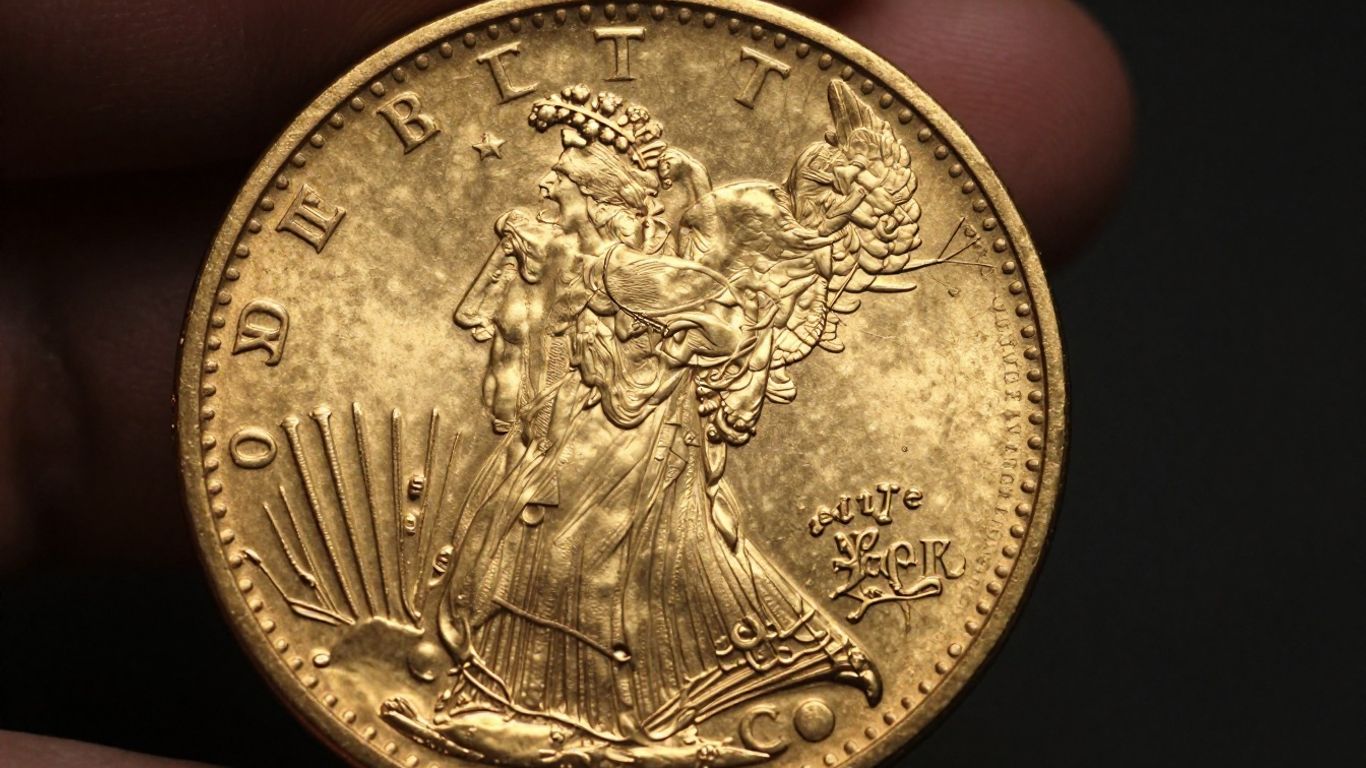
The 1870-CC Liberty Double Eagle is a notable coin for collectors, especially those interested in U.S. gold coinage from the Carson City Mint. These coins carry a special appeal due to their origin at a mint that operated for a relatively short period, making many of its issues scarce.
The ‘CC’ mint mark signifies its production at the Carson City Mint in Nevada, a facility established during the height of the Comstock Lode silver rush. This particular coin, the Liberty Double Eagle, represents a significant denomination in gold coinage. Finding one in good condition can be a challenge, as many were melted down or lost over time.
When looking to sell an 1870-CC Liberty Double Eagle in San Antonio, it’s important to know its condition and any distinguishing features. Grading services like PCGS or NGC provide a standardized assessment of a coin’s state, which greatly influences its market value. For instance, a coin graded XF40 (Extremely Fine) by NGC, as seen in some records, indicates wear but still retains significant detail.
Here are some factors that influence the value of an 1870-CC Liberty Double Eagle:
- Mint Mark: The ‘CC’ is a key identifier and a major draw for collectors.
- Condition (Grade): Higher grades, meaning less wear and more original detail, command higher prices.
- Rarity: While not as rare as some other Carson City issues, the 1870-CC Double Eagle is still considered a scarce coin.
- Provenance: If the coin has a documented history of ownership by notable collectors, it can add to its desirability.
Dealers and collectors often seek out these coins for their historical significance and limited availability. Understanding these aspects will help you get a fair price when selling.
When you bring your 1870-CC Liberty Double Eagle to a coin buyer in San Antonio, they will assess these points. Be prepared to discuss the coin’s history if you know it. Buyers specializing in U.S. gold coins or Western mint issues are typically your best bet for a fair evaluation.
6. 1919-S Quarter
The 1919-S Standing Liberty Quarter is a coin that collectors often seek out. Minted in San Francisco, indicated by the ‘S’ mint mark, this particular quarter has a history that makes it interesting to many.
This coin is known for its distinctive design and the ‘S’ mint mark, which signifies its origin in San Francisco.
When you’re looking to sell a 1919-S Quarter, understanding its condition is key. Factors like wear, the presence of original mint luster, and any damage will affect its value. For example, a coin graded MS66 Full Head by PCGS, as mentioned in some records, represents a very high-quality example.
Here’s a general idea of what buyers look for:
- Grade: Higher grades (like MS66) command more attention.
- Full Head Detail: The clarity of Liberty’s head is a significant grading point for this series.
- Mint Mark: The ‘S’ mint mark is important for identification.
- Surface Preservation: Lack of scratches or other marks is preferred.
Finding a buyer who appreciates the specifics of this coin, like the detail on Liberty’s head, can make a difference in the sale. It’s not just about the silver content; it’s about the coin’s history and condition.
If you have a 1919-S Quarter in excellent condition, it’s worth exploring options with dealers who specialize in U.S. coinage. They can provide an accurate appraisal based on the coin’s specific attributes and current market demand.
7. 1799 Ten Dollar
The 1799 Ten Dollar gold coin is a significant piece of early American numismatics. These coins, officially known as the Coronet Head or Turban Head Eagles, were among the first gold denominations produced by the United States Mint. Struck during a period when the nation was still establishing its financial systems, these Eagles represent a tangible link to the country’s formative years.
Finding a 1799 Ten Dollar coin in good condition can be quite a find for collectors. The specific example, the 1799 Ten Dollar, MS65+ CACG, is noted as the finest known example of the BD-2 variety. This particular coin signifies a high level of preservation and rarity within the series.
When considering the sale of such a coin in San Antonio, it’s important to understand its historical context and condition. Factors influencing its value include:
- Mint State Grade: The coin’s preservation, free from wear, is paramount. Higher grades command significantly more value.
- Variety and Die Characteristics: Specific die pairings or minor variations can impact rarity and collector demand.
- Provenance: A documented history of ownership, especially if it includes notable collections, can add considerable value.
- Certification: Coins graded by reputable third-party services like PCGS or NGC, and authenticated by services like CAC, provide confidence to buyers and often fetch higher prices.
The early gold coinage of the United States, including the Ten Dollar Eagles, was produced in relatively small quantities compared to later issues. This scarcity, combined with their historical importance, makes them highly sought after by collectors and investors alike. The 1799 issue, in particular, stands out due to its early date and the specific die varieties that exist.
8. 1920-S Indian Ten
The 1920-S Indian Head gold ten-dollar coin, also known as the "Indian Eagle," is a notable piece for collectors. Struck at the San Francisco Mint, indicated by the ‘S’ mint mark, this coin represents a period when gold coinage was still a significant part of the U.S. monetary system.
While not as rare as some earlier issues, the 1920-S still holds appeal due to its mint mark and the overall demand for Indian Head Eagles. The mintage figures for this particular year and mint are important for determining its relative scarcity. For instance, the 1920-S had a mintage of 1,472,000 pieces, which is substantial but still less than some other years in the series.
When looking to sell your 1920-S Indian Ten, consider these factors:
- Condition: The coin’s grade is paramount. Higher grades, such as Mint State (MS) 64 or above, will command significantly higher prices. Look for coins with minimal wear, sharp details, and attractive luster.
- Mint Mark: The ‘S’ mint mark is essential. Coins from San Francisco are often more sought after than those from Philadelphia, especially in higher grades.
- Market Demand: The overall interest in Indian Head Eagles fluctuates. Staying informed about current market trends can help you get the best price.
Here’s a general idea of how condition can affect value, though actual prices vary:
| Grade | Description |
|---|---|
| About Uncirculated | Shows slight wear on high points. |
| Mint State 60-62 | Very well preserved, minor imperfections. |
| Mint State 63-64 | Attractive, sharp details, good luster. |
| Mint State 65+ | Gem quality, exceptional eye appeal and strike. |
Selling a coin like the 1920-S Indian Ten requires finding a buyer who appreciates its specific characteristics and market value. Local coin shops in San Antonio that specialize in U.S. gold coins are your best bet for a fair assessment and offer.
9. 2000-D Sacagawea Dollar
The 2000-D Sacagawea Dollar is a more recent addition to the world of collectible U.S. coinage. Unlike some of the older, rarer coins, this dollar is primarily collected for its design and its place in the Native American Dollar series. The "D" mint mark indicates it was produced at the Denver Mint.
These coins are generally not considered rare in terms of mintage numbers, but they hold significance as the first year of issue for the Sacagawea Dollar. Many collectors seek out uncirculated examples to complete their sets. When looking to sell, focus on coins in pristine condition, as this will significantly impact their value.
When evaluating your 2000-D Sacagawea Dollar, consider these points:
- Mint Mark: Ensure it is clearly visible (the "D" for Denver).
- Condition: Look for coins that are free from scratches, nicks, or wear. "Uncirculated" is the standard for desirable examples.
- Strike Quality: A sharp, well-defined strike will always be more appealing.
While not a high-value coin for most collectors, a well-preserved 2000-D Sacagawea Dollar can still find a buyer, especially if you’re looking to sell a collection of modern U.S. currency. You might find these coins included in broader collections of Native American Dollars or general U.S. coinage.
The Sacagawea Dollar series, initiated in 2000, features a distinctive golden color due to its manganese brass composition. Its obverse depicts Sacagawea and her infant son, Jean-Baptiste Charbonneau, while the reverse showcases an eagle in flight. This design was chosen to honor the Shoshone woman who played a vital role in the Lewis and Clark Expedition.
For those looking to sell, local coin shops in San Antonio that deal in modern U.S. currency are your best bet. They often purchase these types of coins in bulk or as part of larger collections.
10. 1907 Ultra High Relief Double Eagle
The 1907 Ultra High Relief Double Eagle is a truly remarkable coin, often considered a masterpiece of American coinage. Designed by Augustus Saint-Gaudens, it was intended to be a more artistic and elevated representation of U.S. currency. The "ultra high relief" aspect means the design elements stand out significantly from the coin’s surface, giving it a three-dimensional quality rarely seen on coins.
This coin is highly sought after by collectors due to its stunning aesthetic and historical significance. While the original intention was for these coins to circulate, production issues and the Mint’s inability to strike them properly in high relief led to a very limited mintage. Most were melted down, making surviving examples quite rare and valuable. Later versions were produced with a modified, lower relief to allow for easier minting.
When looking to sell a 1907 Ultra High Relief Double Eagle in San Antonio, it’s important to find a buyer who understands its unique characteristics and rarity. These coins are not your everyday gold pieces; they represent a significant moment in numismatic art. You’ll want to work with dealers who specialize in U.S. gold coins and have a good reputation for fair pricing. Consider getting your coin professionally graded by services like PCGS or NGC, as this can significantly impact its market value. A well-graded example, especially one in high relief, can command a premium. You can find more information on specific coin details and sales at Heritage Auctions.
Here are a few points to consider when selling:
- Condition: The grade of the coin is paramount. Higher grades (like MS-63 or above) will fetch considerably more than lower grades.
- Relief Type: Distinguish between the original Ultra High Relief and the later High Relief versions, as the former is much rarer.
- Authenticity and Grading: Ensure your coin is authenticated and graded by a reputable third-party service.
The 1907 Ultra High Relief Double Eagle stands apart from other gold coins. Its creation was an ambitious artistic endeavor that, while facing production challenges, resulted in one of the most beautiful and collectible U.S. coins ever produced. Its scarcity and artistic merit make it a prize for any serious collector.
Final Thoughts on Selling Your Territorial Gold Coins
So, you’ve got some old territorial gold coins sitting around, and you’re wondering what to do with them. We’ve talked about a few places in San Antonio where you might be able to sell them. It’s not always a simple process, and finding the right buyer who knows what they’re looking at is key. Do a little homework, maybe get a couple of opinions, and you should be able to find a fair deal for your pieces of history. Good luck out there!
Frequently Asked Questions
What makes some gold coins more valuable than others in San Antonio?
Several things make a gold coin valuable. Its age, how rare it is, its condition (like if it’s shiny and has no scratches), and if it has a special historical story all play a big part. Some coins made in specific places, like territorial gold coins, are also extra special.
Where can I find reputable buyers for my territorial gold coins in San Antonio?
In San Antonio, you can look for established coin dealers and reputable auction houses. It’s wise to research businesses that specialize in rare coins and have good reviews. Checking with local coin clubs or numismatic organizations can also provide recommendations.
Should I get my territorial gold coins appraised before selling?
Yes, getting an appraisal is a very good idea. An expert can tell you the true value of your coin, considering its rarity, condition, and historical significance. This helps you know what a fair price is before you sell.
What is 'territorial gold'?
Territorial gold coins are gold coins that were made outside of the main U.S. Mint before the government officially established branch mints everywhere. These coins were often made during times like the Gold Rush when people needed a way to use gold for everyday money.
How do I know if my coin is a 'territorial gold coin'?
Territorial gold coins often have mint marks or names that show where they were made, like ‘San Francisco’ or specific assay office marks. They were usually made in the mid-1800s, especially during the California Gold Rush, and might look different from regular U.S. coins.
What is the difference between a proof coin and a regular coin?
A proof coin is made using special methods to make it look extra nice, often with a shiny background and frosted design. They are usually made in small numbers for collectors and are not meant for everyday spending, unlike regular coins.
Are older coins always worth more money?
Not always. While age is a factor, rarity and condition are usually more important. A common coin that is very old might be worth less than a rarer coin from a slightly later period if the older one is in poor shape or many were made.
What should I bring when I go to sell my coins?
When you go to sell your coins, bring the coins themselves, of course. If you have any paperwork that came with them, like certificates of authenticity or previous appraisals, bring those too. Having any information about the coin’s history can also be helpful.