
Thinking about selling your old silver coins? San Antonio has a market for them, and you want to make sure you get a fair price. Whether you have a few old dimes or a big bag of quarters, knowing where to start can make a big difference. This guide will help you figure out what your coins are worth and where to find the best cash for silver coins San Antonio offers.
Key Takeaways
- Understand what makes a silver coin valuable, focusing on pre-1965 U.S. coins often called ‘junk silver’.
- Explore local coin dealers, online options, and coin shows in San Antonio as places to sell.
- Research current silver prices and compare offers from different buyers to get the most cash.
- Pre-1965 dimes, quarters, half dollars, and silver dollars like Morgans and Peace dollars are commonly sought after.
- Avoid common selling mistakes like rushing, accepting low offers, or not checking a buyer’s reputation.
Understanding Your Standing Liberty Quarters
Before you can get the best price for your Standing Liberty Quarters in San Antonio, it’s important to know what you have. These coins, minted between 1916 and 1930, are more than just pocket change; they’re a piece of American history and, importantly, they contain silver.
What Constitutes "Junk Silver" Coins?
When coin collectors or dealers talk about "junk silver," they’re generally referring to older U.S. coins that are primarily valued for their silver content rather than their numismatic (collector) value. These coins were once common but are now mostly found in collections or as melt value. The term "junk" isn’t meant to be derogatory; it simply signifies that the coin’s main worth comes from the precious metal it’s made of. For many sellers, especially those with common dates and conditions, "junk silver" is the category their Standing Liberty Quarters will likely fall into.
Identifying 90% Silver U.S. Coins
Standing Liberty Quarters are part of a group of U.S. coins minted before 1965 that are made of 90% silver. This means that 90% of the coin’s weight is pure silver, with the remaining 10% being copper. This composition is key to determining their melt value. Other common coins that share this 90% silver content include:
- Dimes: Mercury Dimes (1916-1945) and pre-1965 Roosevelt Dimes.
- Half Dollars: Walking Liberty Half Dollars (1916-1947), Franklin Half Dollars (1948-1963), and 1964 Kennedy Half Dollars.
- Silver Dollars: Morgan Dollars (1878-1921) and Peace Dollars (1921-1935).
Knowing that your Standing Liberty Quarters are 90% silver is the first step in understanding their base value. While some rare dates or coins in exceptionally high grades might fetch more based on collector demand, most will be priced based on the silver they contain. This is why understanding the silver market is the next logical step in selling your coins.
Researching Current Silver Prices
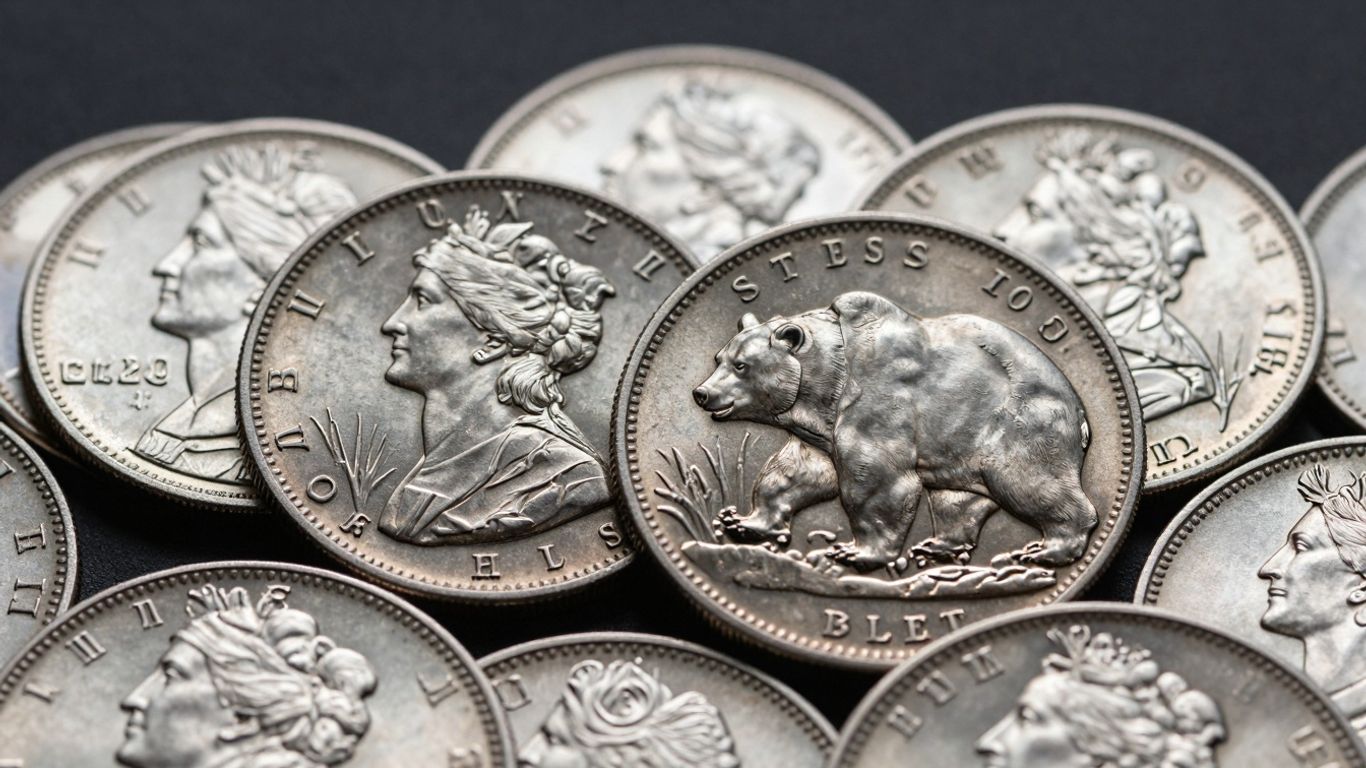
Before you even think about selling your Standing Liberty Quarters, it’s smart to get a handle on what silver is worth right now. Prices for silver can change daily, sometimes even hourly, so knowing the current market rate is your first step to getting a fair deal. You’ll want to look up the "spot price" of silver. This is the going rate for pure silver on the global market.
Finding The Spot Price Of Silver
Finding the current spot price is pretty straightforward. A quick search online will give you plenty of options. Many financial news sites and commodity tracking websites offer live updates. For instance, you can check resources that show the price per ounce, gram, or even kilogram. Having this number in hand before you talk to any buyer gives you a solid baseline for negotiation. It helps you quickly spot offers that are too low.
Adjusting For Coin Silver Content
Now, remember that your Standing Liberty Quarters aren’t made of pure silver. They are typically 90% silver. This means you can’t just take the spot price of pure silver and apply it directly to your coins. You need to account for that 10% that isn’t silver. For every troy ounce of your 90% silver coins, you actually have 0.9 troy ounces of pure silver. So, when you see the spot price, you’ll need to do a little math:
- Find the spot price per troy ounce.
- Multiply that price by 0.9 (to account for the 90% silver content).
- Consider the weight of your coins. A Standing Liberty Quarter weighs about 6.25 grams, or 0.2009 troy ounces. You’ll multiply the adjusted price per ounce by the number of troy ounces you have.
Understanding the silver content and current market price is key. It prevents you from accepting an offer that doesn’t reflect the actual metal value of your coins. This research is a simple but effective way to protect yourself from lowball offers.
For example, if the spot price for silver is $25 per troy ounce, the value of the silver in your 90% silver coins would be roughly $22.50 per troy ounce ($25 x 0.9). If you have 10 troy ounces of these coins, the melt value would be around $225. Keep in mind that dealers will typically offer slightly less than the melt value because they need to make a profit. You can find live charts and the current spot price for silver on this resource.
Comparing Offers From San Antonio Buyers
When you’re ready to sell your Standing Liberty Quarters, getting offers from different buyers in San Antonio is a smart move. It’s not about finding the first person willing to take them; it’s about making sure you get a price that truly reflects their worth. Think of it like shopping around for anything else important – you wouldn’t buy the first car you see, right? The same applies here.
The Importance Of Multiple Quotes
Never settle for the first offer you receive. Different coin dealers operate with different business models and inventory needs, which can lead to surprisingly varied offers for the same coins. Some buyers might be looking to quickly move inventory, while others might have a specific demand for certain types of silver coins. Getting quotes from at least two or three reputable San Antonio coin buyers is a good practice. This allows you to gauge the market and understand what a fair price looks like for your specific Standing Liberty Quarters.
Here’s a simple way to think about it:
- Buyer A: Offers based on melt value plus a small premium.
- Buyer B: Offers slightly higher, recognizing potential collector interest.
- Buyer C: Offers the highest, perhaps needing this type of coin for a specific customer.
This comparison helps you identify buyers who are more competitive or have a greater appreciation for what you’re selling.
Evaluating Dealer Inventory Needs
Understanding what a dealer is looking for can sometimes help you negotiate a better price. If a dealer has a particular shortage of dimes, quarters, or half-dollars from the pre-1965 era, they might be willing to pay a bit more to acquire them. This is where doing a little research on the buyer can pay off. Are they a general precious metals dealer, or do they specialize in U.S. coinage? Do they cater to collectors or primarily to investors looking for bullion? Knowing their focus can give you insight into their potential interest and the price they might offer.
A buyer’s interest in your coins can be influenced by their current stock. If they have too many of a certain item, their offer might be lower. Conversely, if they’re running low, they might be more eager to buy, potentially leading to a better price for you. Always ask how they arrived at their offer and if there’s any room for negotiation based on their current needs.
Why Choose San Antonio Coin Dealers?
When you’re looking to sell your Standing Liberty Quarters, especially if you have a good number of them, thinking about local coin dealers in San Antonio makes a lot of sense. It’s not just about convenience, though that’s a big part of it. These folks often know coins inside and out, which can be a real plus.
Expertise In Numismatics
Local coin dealers usually have a solid grasp on the coin world. They know more than just how much silver is in your quarters. They understand the history behind them, how they were made, and if any particular coins might be worth more than just their melt value. This means they can properly sort through your collection, figuring out which coins are just worth their silver weight and which ones might have a little extra collector appeal. It’s this specialized knowledge that helps ensure you get a fair assessment.
Convenient Local Transactions
Selling to a San Antonio coin dealer means you can often do the whole deal face-to-face. This feels more secure than mailing your coins off somewhere. You can walk into a shop, have your coins looked at right there, and get paid on the spot. Many dealers keep regular business hours, and some even set up appointments outside of those times, making it easier to fit into your busy schedule. It cuts out a lot of the waiting and uncertainty you might find with other selling methods.
Building Trust And Relationships
Reputable coin dealers work hard to build a good name in the community. They want customers to trust them, which often leads to repeat business. Finding a dealer you feel good about means you’re probably dealing with someone honest. This is especially true if you have a lot of coins or something particularly valuable. A dealer who’s been around for years, like some in San Antonio who’ve been active since the late 1980s, usually has a proven track record and cares about customer satisfaction. They aim to be your go-to place for all your coin needs.
Working with local dealers can simplify the selling process significantly. They are familiar with the San Antonio market and can provide immediate assessments and offers, cutting out the delays often associated with shipping items to distant buyers or waiting for online auctions to conclude.
Here’s a quick look at some established San Antonio options:
- Texas Coins: Located at 950 NE Loop 410, San Antonio, TX 78209. They’ve been buying pre-1964 coins since 1988 and are open Monday-Thursday, 10 am to 4 pm. No appointment is needed for walk-ins.
- San Antonio Coin Company: The owner, Steve Petrik, prefers appointments. It’s best to call or text him at 210-838-4764 to set up a time to meet. He buys coin collections and estates.
Top San Antonio Coin Buyers
When it comes time to sell your Standing Liberty Quarters, finding the right buyer in San Antonio is key to getting a fair price. While online options exist, local dealers often provide a more straightforward and trustworthy experience. They understand the local market and can offer immediate assessments.
Texas Coins: A Longstanding Option
Texas Coins has been a fixture in the San Antonio coin scene since 1988. Located at 950 NE Loop 410, San Antonio, TX 78209, they focus on buying pre-1964 coins, which includes your Standing Liberty Quarters. They operate Monday through Thursday from 10 AM to 4 PM and welcome walk-in customers, meaning you don’t necessarily need an appointment to get an offer.
San Antonio Coin Company: By Appointment
For those looking for a more personalized transaction, San Antonio Coin Company, run by Steve Petrik, operates on an appointment-only basis. This approach allows for a focused evaluation of your collection. To arrange a meeting to discuss selling your coin collections or estates, it’s best to contact Steve directly via call or text at 210-838-4764. This method can be particularly useful for larger or more complex collections.
Choosing a local buyer means you can often see your coins evaluated right in front of you, which adds a layer of transparency to the process. It also means you can walk away with cash in hand the same day, avoiding the delays often associated with shipping or waiting for checks.
When considering where to sell, remember these points:
- Reputation: Look for dealers with a long history in the community, as this often indicates reliability.
- Transparency: A good buyer will explain their valuation process and be clear about the price they are offering.
- Convenience: Local dealers offer the ease of in-person transactions, saving you time and shipping costs.
It’s always a good practice to get quotes from a couple of different places before making a decision. This helps ensure you’re getting a competitive price for your silver coins.
Exploring Online Marketplaces And Auctions
Selling your Standing Liberty Quarters online opens up your options to a much wider audience, potentially including buyers from all over the country or even the world. It’s a different approach compared to local San Antonio dealers, and it comes with its own set of pros and cons.
Selling On Platforms Like eBay
Platforms like eBay are probably the most well-known for online sales. You can list your coins with a set price, often called "Buy It Now," or you can run an auction where buyers bid against each other. This can sometimes drive the price up, especially if you have a desirable coin or a collection that attracts attention. However, you need to be prepared for the work involved. This includes taking clear, well-lit photos of your quarters, writing detailed descriptions that accurately represent their condition, and then handling the packaging and shipping once a sale is made. There are also fees associated with selling on eBay, which will cut into your final profit.
Specialized Coin Forums
Beyond the big auction sites, there are online communities and forums dedicated specifically to coin collecting. These places often have sections where members can buy, sell, or trade coins. The advantage here is that you’re often dealing with other collectors or specialized dealers who have a good understanding of numismatics. This can lead to more informed offers. However, these forums might have smaller user bases than major marketplaces, and you’ll still need to be careful about payment and shipping arrangements.
Understanding Online Selling Challenges
Selling online isn’t always as simple as listing an item and waiting for the money to arrive. You have to consider several factors:
- Fees: Most platforms charge a percentage of the final sale price, plus listing fees. Make sure you factor these into your expected return.
- Shipping: You’ll need to package your coins securely to prevent damage during transit. This might mean buying special mailers or bubble wrap. You also have to pay for postage.
- Payment Processing: Some platforms hold payments until delivery is confirmed, and you might have to wait a few days to receive your funds.
- Buyer Disputes: Occasionally, a buyer might claim the item wasn’t as described or that it arrived damaged, leading to returns or disputes that can be time-consuming to resolve.
- Competition: You’ll be competing with many other sellers, so pricing your coins competitively is important.
When selling online, remember that buyers are often looking for a good deal. They’ll compare your prices to others and factor in shipping costs and potential risks. Being transparent and offering fair prices can help you stand out.
Navigating Coin Shows For Maximum Value
Coin shows offer a unique chance to sell your Standing Liberty Quarters directly to a variety of buyers. It’s a place where many dealers gather, making it easier to compare offers on the spot. Think of it as a marketplace specifically for coins, where you can talk to people who know their stuff.
Finding Upcoming San Antonio Coin Shows
To find out when and where coin shows are happening around San Antonio, your best bet is to check local coin club websites or numismatic association calendars. Sometimes, local coin shops will also advertise upcoming shows. Keep an eye out for events like the San Antonio Coin Show, often hosted by local clubs, or larger regional gatherings. These shows can pop up in various locations, from convention centers to community halls.
Tips For Selling At Coin Shows
When you attend a coin show with the intention of selling, preparation is key. Before you go, do some research on the current market price for silver. This will give you a baseline for what your coins are worth. It’s also a good idea to organize your coins, perhaps by denomination or type, and have a general idea of what you’re hoping to get for them. Don’t be afraid to walk around and get a feel for the different dealers and their buying prices. Some dealers might specialize in certain types of coins, so knowing who might be most interested in your silver can be helpful.
- Know the spot price of silver before you arrive. This gives you a solid starting point for negotiations.
- Organize your coins. Group similar items together for easier evaluation by dealers.
- Talk to multiple dealers. Get a few offers before accepting one to ensure you’re getting a fair price.
- Be realistic. Understand that dealers need to make a profit on the coins they buy.
Selling your silver coins can be a straightforward process, but it’s easy to make missteps that cost you money. Being aware of common pitfalls can help you get the best possible return for your collection. Don’t let a few avoidable errors diminish the value of your hard-earned silver.
Coin shows aren’t just about immediate transactions; they’re also about building relationships. Chatting with dealers can give you insights into the market and help you find trustworthy buyers for future sales. Many dealers are passionate about coins and enjoy sharing their knowledge. Building a rapport with a few reputable dealers can lead to better offers and a more pleasant selling experience over time.
Understanding Valuation Methods For Your Coins
When you’re looking to sell your Standing Liberty Quarters, or any silver coins for that matter, it’s helpful to know how buyers figure out what they’re worth. There are generally two main ways your coins will be valued: by their silver content, or by their collector appeal.
The Value Of Pre-1965 Coinage
Most U.S. coins made before 1965, including your Standing Liberty Quarters, are made of 90% silver. This means their value is largely tied to the current market price of silver. Buyers often refer to these as "junk silver" coins, but don’t let the name fool you. It simply means their primary worth comes from the silver they contain, not necessarily from being a rare collectible. When you sell these, a dealer will typically weigh them and pay you a percentage of the current silver spot price. This percentage accounts for their profit and handling costs.
- Weighing the silver: The total weight of the silver in your coins is calculated.
- Spot price: This weight is then multiplied by the current market price per ounce of silver.
- Dealer’s percentage: Buyers usually pay a portion of the spot price, often around 70-90%, depending on the market and the buyer.
For example, a common roll of 90% silver quarters contains about 8 ounces of silver. If the spot price of silver is $25 per ounce, the raw silver value would be $200. A buyer might offer you 80% of that, or $160, for the roll.
Bullion Value Versus Numismatic Value
This brings us to the two main types of value: bullion value and numismatic value.
Bullion value is simply the worth of the metal content in your coin. For your Standing Liberty Quarters, this is determined by their 90% silver content and the current price of silver. It’s a straightforward calculation based on weight and purity.
Numismatic value, on the other hand, relates to the coin’s collectible appeal. This is influenced by factors like rarity, condition, historical significance, and demand from collectors. A Standing Liberty Quarter in exceptionally pristine condition, or a rare date or mint mark, might fetch more than its silver content alone. Understanding the differences between 1917 Standing Liberty quarters and other varieties can help you gauge this potential collector value. However, for most common circulated Standing Liberty Quarters, the bullion value is the primary driver of their worth when selling to a local dealer.
When selling, it’s always a good idea to have a general idea of the current silver spot price. This gives you a baseline for any offers you receive and helps you understand if a buyer’s offer is fair based on the metal content alone. Remember that dealers need to make a profit, so you won’t get the full spot price, but knowing the market rate is your best defense against lowball offers.
Avoiding Common Selling Mistakes
Selling your Standing Liberty Quarters, or any silver coins for that matter, can be a straightforward process if you know what to look out for. It’s easy to make a few missteps that end up costing you money, though. Being aware of these common pitfalls can help you get a much better return for your collection. Don’t let a few avoidable errors chip away at the value of your hard-earned silver.
Don’t Clean Your Silver Coins
This is a big one, and it’s something many people get wrong. You might think that making your old coins look shiny and new will increase their value. In reality, for most collectible coins, cleaning them can actually decrease their worth significantly. The original patina, or surface toning, is often desired by collectors. Harsh cleaning can remove this, and it can also introduce fine scratches that are visible under magnification. For Standing Liberty Quarters, especially those in good condition, cleaning is almost always a bad idea. It’s best to leave them as they are. If you’re curious about the condition of your coins, you can always consult resources on coin grading, but resist the urge to grab a polishing cloth.
Not Verifying Buyer Reputation
It’s really important to sell to trustworthy people or businesses. Some less-than-honest dealers might try to take advantage of sellers who aren’t fully informed. Always do a quick check on potential buyers. Look for established coin dealers with good reviews online or ask around in local collector circles. A quick search for reviews or asking fellow collectors can save you a lot of trouble and potential financial loss. You want to find buyers who are known for being fair and transparent. For example, if you happen to find a coin with an unusual mark, you’ll want to be sure the buyer recognizes its potential value rather than just dismissing it as damage. Finding a reputable buyer is key to getting a fair price for your pre-1965 U.S. coins.
Failing To Account For Both Values
Your silver coins have two main types of value: their melt value and their numismatic value. Melt value is simply what the silver content is worth at the current market price. Numismatic value is based on the coin’s rarity, condition, historical significance, and collector demand. Standing Liberty Quarters, depending on their date and mint mark, can have significant numismatic value above their silver content. A buyer who only focuses on the melt value might be trying to get a bargain. Always aim to sell to a buyer who understands and acknowledges both aspects of your coin’s worth. This ensures you get a price that truly reflects what your silver is worth.
Here are some key steps to avoid common mistakes:
- Know the spot price: Before you even talk to a buyer, check the current market price for silver. This gives you a baseline for what your coins are worth by weight.
- Get multiple quotes: Don’t accept the first offer you receive. Contact a few different reputable dealers in San Antonio to compare their offers.
- Organize your coins: Group your quarters by date if possible, or at least by type. This makes it easier for buyers to assess your collection quickly and can speed up the process.
- Ask questions: Don’t be afraid to ask the buyer how they arrived at their offer. A transparent dealer will be happy to explain their valuation process.
Selling your coins is a transaction, but it doesn’t have to be a stressful one. By doing a little homework and being aware of potential pitfalls, you can ensure you get a fair price and a positive experience.
Getting The Best Cash For Silver Coins San Antonio
So, you’ve got some old silver coins sitting around and you’re wondering how to get the most cash for them right here in San Antonio. It’s not as complicated as it might seem, but a little bit of know-how really goes a long way. You want to make sure you’re not leaving money on the table, right? Let’s break down how to get top dollar for your silver.
Know The Spot Price Before You Sell
Before you even think about talking to a buyer, you need to know what silver is worth today. Silver prices can swing quite a bit, sometimes daily. You can easily find this information online by searching for the "spot price of silver." This is the going rate for pure silver right now. Keep in mind that your coins aren’t pure silver; they’re usually 90% silver (or sometimes 40% for older half dollars). So, you’ll need to adjust the spot price based on the silver content of your coins. It’s a good starting point to know if an offer you receive is fair. For example, if the spot price is $25 per ounce, and your coin is 90% silver and weighs about 0.77 ounces (like a quarter), its melt value would be roughly $25 * 0.90 * 0.77 = $17.33. This gives you a baseline.
Seek Reputable And Transparent Buyers
This is probably the most important step. Don’t just walk into the first coin shop you see and accept their offer. Different dealers will have different overheads, different customer bases, and different needs for inventory. That means their offers can vary. It’s a good idea to visit at least two or three reputable coin dealers in the San Antonio area. Even better, if you can find a coin show happening locally, you might get even more competitive offers there. Take your time and get a few quotes before you decide where to sell. When you visit a dealer, pay attention to how they operate:
- Clear Pricing: Do they readily tell you how they’re valuing your coins (melt value vs. numismatic value)?
- Transparency: Are they open about their buying process and the factors influencing their offer?
- Professionalism: Do they treat you with respect and answer your questions clearly?
Getting multiple quotes is key. It’s like shopping around for any major purchase; you wouldn’t buy a car without comparing prices, and selling your silver coins should be no different. This simple step can significantly increase the amount of cash you walk away with.
When you’re ready to turn your silver into cash, consider places like Texas Coins. They are known for their straightforward approach to buying precious metals.
Wrapping Up Your Coin Sale in San Antonio
So, you’ve got these old Standing Liberty quarters, and you’re wondering what to do with them right here in San Antonio. It’s not rocket science, but knowing a few things helps you get a better price. We’ve gone over how to figure out what your coins are worth, mostly by checking the silver price and seeing what local shops like Texas Coins or San Antonio Coin Company might offer. Remember, don’t just take the first offer you get. Shopping around, maybe even checking out a coin show if one pops up, can really make a difference. Selling your coins should feel straightforward, and by doing a little homework, you can make sure you get a fair deal for your silver.
Frequently Asked Questions
What exactly are “junk silver” coins?
“Junk silver” coins are common U.S. coins made mostly of silver, usually 90% of their weight. Their value comes from the silver metal inside, not because they are rare or special collector items. Think of them as everyday coins that are mostly worth their silver content, like old dimes and quarters made before 1965.
Which U.S. coins are typically 90% silver?
Most U.S. dimes, quarters, and half dollars made before 1965 are 90% silver. Some dollar coins from that time are also made of 90% silver. The government changed how these coins were made in 1965 because silver prices had gone up. Nickels and pennies were never made with silver.
How can I find out the current value of silver?
To get the best price for your silver coins, it’s smart to check the current market price of silver. You can easily find this information online by searching for the ‘spot price of silver’ or ‘silver prices today.’ This will give you a good idea of what your silver is worth before you talk to any buyers.
Should I clean my silver coins before selling them?
It’s generally best not to clean your silver coins. Cleaning can sometimes damage the coin’s surface and actually lower its value, especially if it has any collector appeal. Most buyers prefer to look at the coins just as they are.
What’s the difference between 90% silver and .999 fine silver?
90% silver coins, like old U.S. dimes and quarters, are made of 90% silver and 10% other metals. ‘.999 fine silver’ means the coin or bar is almost pure silver, with 99.9% silver content. Pure silver items are usually worth more because they have more silver in them.
Where in San Antonio can I sell my silver coins?
In San Antonio, you have several options. You can visit local coin dealers and shops that buy precious metals and coins. Sometimes, local coin shows or events are great places to find buyers. You can also explore online marketplaces, though local transactions are often simpler and quicker.
What should I do if I have a large collection of silver coins to sell?
If you have a large collection, it’s a good idea to look for dealers who specialize in buying collections. They often have the knowledge to accurately value many coins. Some dealers might even offer to appraise them or come to you if the collection is big enough.
How do I make sure I’m getting a fair price for my silver coins?
To ensure a fair price, always get offers from multiple trusted buyers. Compare what each dealer offers, keeping the current silver price in mind. It’s also important to understand how they value your coins – whether by their weight or for their collector value. Don’t hesitate to ask questions and negotiate respectfully.