
Thinking about selling those old coins you’ve got lying around? Maybe you’ve heard the term ‘so-called dollars’ and aren’t quite sure what that means or where to even start. If you’re in the San Antonio area and considering selling, this guide is for you. We’ll break down what these coins are, why San Antonio might be a good place to sell them, and how to find someone trustworthy to buy them. Let’s get your coins appraised and see what they’re worth.
Key Takeaways
- Understand what ‘so-called dollars’ are, which are typically medals or tokens rather than official currency.
- San Antonio has a market for coin collectors and dealers, making it a potential place to sell your collection.
- Getting your coins appraised by a professional is important to know their true worth before selling.
- Factors like rarity, condition, and market demand heavily influence the value of your coins.
- Look for buyers who are knowledgeable, honest, and offer fair prices for your coins.
Where To Sell So-Called Dollars In San Antonio
Understanding So-Called Dollars
So-called dollars are a fascinating category of tokens or medals that resemble U.S. dollar coins but were not issued as official government currency. They often commemorate specific events, places, or people, making them historical artifacts as much as numismatic items. These pieces can range from common promotional items to quite rare and sought-after collectibles. Their value is determined by rarity, condition, historical significance, and collector demand.
Why Sell Your Collection in San Antonio
San Antonio has a growing community of coin collectors and dealers, making it a practical location to sell your so-called dollars. The city offers several avenues for transactions, from established coin shops to private dealers. Choosing to sell locally can sometimes streamline the process, allowing for in-person evaluations and immediate payment. This can be particularly helpful for larger or more valuable collections where trust and direct interaction are preferred.
Finding Reputable Buyers
When looking to sell your so-called dollars, finding a buyer you can trust is key. Here are a few points to consider:
- Reputation: Look for dealers with a long-standing presence in the numismatic community or positive reviews from other collectors.
- Specialization: Some buyers focus on specific types of coins or tokens, which can be advantageous if you have a specialized collection.
- Transparency: A good buyer will be open about their evaluation process and how they arrive at their offer.
It’s always a good idea to get multiple opinions or offers if possible, especially for items you believe might be particularly valuable. This helps ensure you’re getting a fair price for your collection.
Valuation Services For Your So-Called Dollars
Before you even think about selling your so-called dollars in San Antonio, you’ll want to get a solid idea of what they’re actually worth. This isn’t just about knowing the price; it’s about understanding the story behind each piece and what makes it desirable to collectors. Getting a professional appraisal is a smart first step.
Professional Coin Appraisals
When it comes to valuing your collection, a professional appraisal is key. These experts have the knowledge to look beyond the surface and assess the true numismatic value. They’ll consider factors like rarity, condition, and historical significance. Think of it like taking a classic car to a specialist mechanic; they know what to look for. Many places offer free appraisals, which is a great way to start without any upfront cost. This service helps you understand what you have, whether you’re planning to sell or just curious about your collection’s worth. It’s also helpful for insurance purposes, especially if you have a valuable collection.
Factors Influencing Value
Several things can affect how much a so-called dollar is worth. The metal content is one part, but often, the historical context and how many were made play a bigger role. The condition of the coin, or its grade, is super important. A coin that’s been heavily worn will be worth less than one that looks almost new. Professional grading services, like PCGS or NGC, can give an official grade, which buyers often trust. Also, demand from collectors matters a lot. If a particular type of so-called dollar is popular right now, its price will likely be higher. Some so-called dollars were made to commemorate big events, like world’s fairs, and these often have a special appeal. You can find selections of these commemorative tokens on sites like GreatCollections.
Getting an Accurate Assessment
To get the most accurate assessment, consider a few options. Some dealers offer in-person appraisals, where you can meet them and discuss your coins directly. Others provide remote or online appraisals, which can be convenient. For remote appraisals, you might need to send clear photos or a list of your coins. The process often involves you being part of the evaluation, so you can learn about your coins as they’re being assessed. This transparency helps build trust. If you opt for an in-person appraisal, you might even get an offer on the spot. For online sales, you’d typically ship your coins, and they’d be insured during transit and handled with care upon arrival.
Understanding the value of your coins is more than just a number; it’s about appreciating their history and place in the numismatic world. A good appraisal service will educate you on these aspects, making the selling process more informed and less stressful.
Selling Different Types of Coins
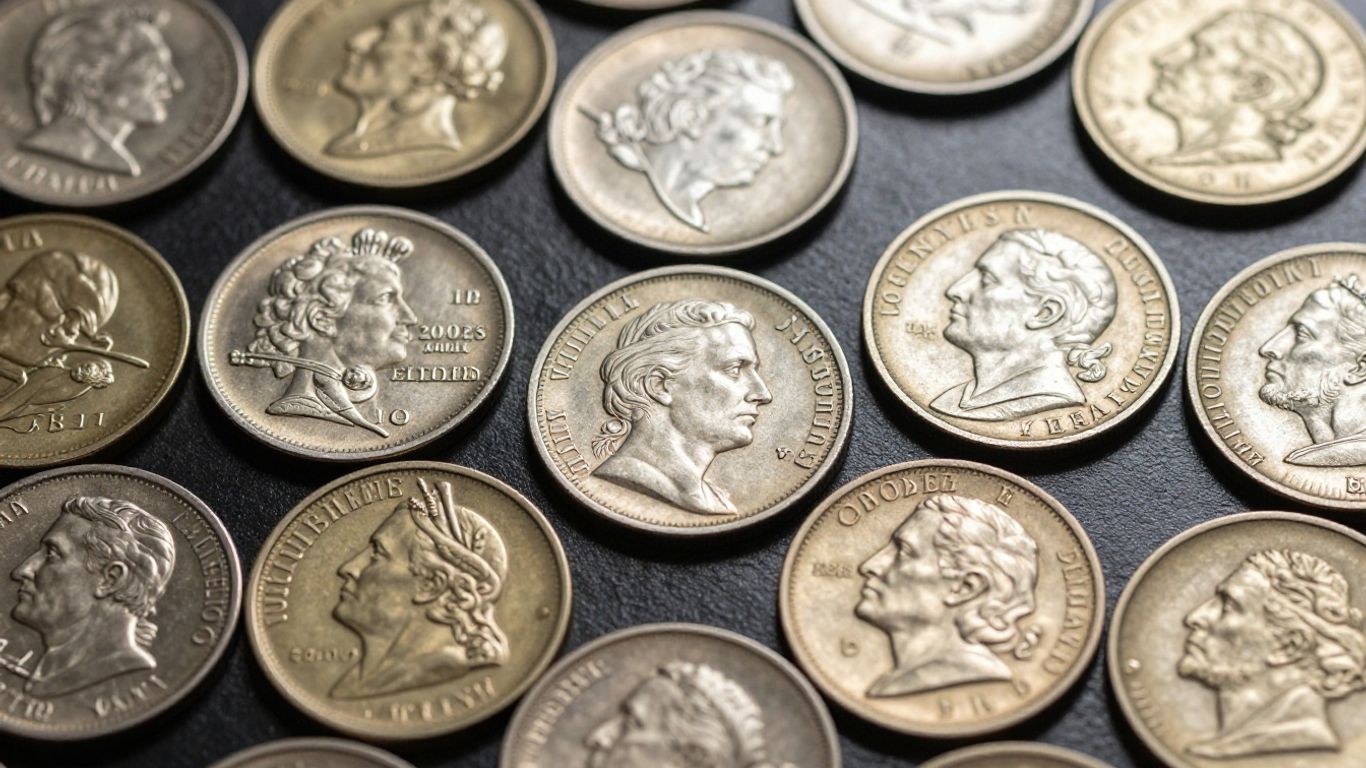
When it comes to selling your collection, not all coins are created equal. Understanding the specific types of coins you possess can make a significant difference in how you approach the selling process and the offers you receive. While "so-called dollars" have their own unique market, many collections also include more common, yet still valuable, categories like silver dollars, gold coins, and even foreign currency.
Selling Silver Dollars
Silver dollars are a staple in many coin collections. Their value is influenced by both their silver content (bullion value) and their numismatic appeal. Older silver dollars, especially those from before 1965, are typically made of 90% silver. The market price for these coins can fluctuate based on the spot price of silver. However, certain dates, mint marks, or conditions can make a silver dollar far more valuable than its melt value. For instance, rare silver dollars in high grades can command significant premiums. If you’re looking to sell silver coins in San Antonio, dealers will assess both the silver content and the coin’s collectible status.
Selling Gold Coins
Gold coins, whether they are American Eagles, South African Krugerrands, or historical gold pieces, are highly sought after. Their value is primarily driven by the gold content, making them a popular choice for investors. However, like silver dollars, numismatic rarity can also play a role. A rare gold coin in excellent condition might be worth considerably more than its weight in gold. When selling gold coins, it’s important to find a buyer who understands both the precious metal market and the nuances of rare coin valuation. This ensures you get a fair price that reflects the coin’s full worth.
Selling Foreign Currency
While the focus is often on U.S. coinage, many collections include foreign coins and paper money. The market for foreign currency can be more specialized. Some older or rarer foreign coins can be quite valuable to collectors, especially if they represent a significant historical period or a scarce mintage. Others might only be worth their metal content if they are made of silver or gold. When selling foreign currency, it’s beneficial to work with a dealer who has knowledge of international numismatics or can connect you with specialists in that area. This is where a place like Alamo Heights Coin Shop might be able to assist.
The value of any coin, regardless of its origin or metal content, is a combination of its intrinsic worth and its desirability among collectors. Understanding these factors is key to achieving a successful sale.
Selling Rare Coin Collections
When you have a collection of rare coins, it’s a bit different than selling just a few pieces. These collections often represent years of dedicated searching and a significant investment of time and money. Properly evaluating and selling such a collection requires a specialized approach.
Comprehensive Collection Evaluations
Assessing a full coin collection involves more than just looking at individual coins. We need to consider the collection as a whole, looking for themes, rarities, and overall condition. This is where a detailed evaluation becomes important. We can help you understand the combined worth of your holdings, taking into account factors like completeness of sets, historical significance, and market demand for the specific types of coins you possess. This process helps paint a clear picture of your collection’s total value.
Inherited Coin Collections
Many people find themselves with coin collections through inheritance. It can be a bit overwhelming to figure out what you have and what it’s worth. We understand that these situations can be sensitive. Our goal is to make the process of valuing and potentially selling an inherited collection as straightforward and respectful as possible. We can help you sort through items, identify key pieces, and provide a clear valuation so you can make informed decisions about what to do next. It’s a good idea to get a professional appraisal for estate planning purposes, even if you don’t plan to sell right away.
Selling Your Entire Portfolio
Sometimes, the best option is to sell your entire coin portfolio at once. This can be more efficient than selling coins individually, especially for larger collections. We work with collectors and estates across Texas, including in San Antonio, to buy entire collections. Our process is designed to be transparent and fair, offering competitive prices based on current market conditions. We handle everything from initial appraisal to final payment, making the sale as smooth as possible for you. If you’re looking to sell your collection, consider reaching out to local dealers like Matthews Coins and Collectibles.
Selling a rare coin collection is a significant undertaking. It requires careful consideration of each coin’s individual merit as well as its place within the broader context of numismatic history and market trends. A thorough evaluation by experienced professionals is key to achieving a satisfactory outcome.
The Selling Process In San Antonio
Selling your so-called dollars in San Antonio involves a few straightforward steps. It’s not as complicated as some might think, and understanding the process can make things go much smoother. The goal is to get a fair price for your items without unnecessary hassle.
In-Person Appraisals
For those who prefer a hands-on approach, visiting a local coin dealer in San Antonio is a solid option. You can bring your so-called dollars directly to them. They’ll look them over, tell you what they think they’re worth, and often make an offer on the spot. This method allows for immediate interaction and the chance to ask questions face-to-face. It’s a good way to get a feel for the buyer and their knowledge.
Here’s a general idea of what to expect:
- Initial Consultation: You’ll present your coins to the dealer.
- Examination: The dealer will inspect the coins, looking at condition, rarity, and any other factors that affect value.
- Valuation: They’ll provide an estimated worth based on their assessment and current market prices.
- Offer: If they’re interested, they’ll make a cash offer.
Online Selling Options
If getting out of the house isn’t ideal, or if you want to cast a wider net, online selling is a viable path. Many reputable dealers now operate online, accepting submissions via mail or even offering virtual appraisals. You might photograph your coins or create a list and send it to them. They’ll review the information and get back to you with an offer. Some services even provide insured shipping for your items, which can offer peace of mind.
Consider these online approaches:
- Virtual Appraisal: Submit photos or detailed descriptions for an initial valuation.
- Mail-In Services: Send your coins securely to a dealer for a thorough appraisal and offer.
- Online Marketplaces: Platforms where you can list your coins for sale to a broad audience, though this often requires more effort on your part.
When considering online sales, always verify the buyer’s reputation. Look for established dealers with clear policies on shipping, insurance, and payment. A trustworthy online buyer will make the process transparent and secure, much like a reputable in-person dealer.
Choosing A Trusted Coin Buyer
Finding the right person or company to buy your so-called dollars is a big step. You want someone who knows what they’re talking about and treats you fairly. It’s not just about getting the most money, though that’s important. It’s also about feeling comfortable and confident throughout the whole process. After all, these coins might have been in your family for years, or you might have spent a lot of time building your collection.
Expertise and Integrity
When you’re looking for a buyer, check if they really know their stuff. Do they have experience with so-called dollars specifically, or are they just general coin dealers? A good buyer will be able to tell you about the history of your coins and what makes them special. They should also be upfront about everything. Honesty is key when dealing with valuable items. Look for buyers who are transparent about their process and pricing. It helps to see if they have any certifications or belong to professional numismatic organizations. This often means they follow a code of ethics.
Competitive Offers
Of course, you want to get a good price for your coins. A reputable buyer will give you a fair offer based on the current market. They shouldn’t pressure you to sell right away. It’s a good idea to get a few different opinions or offers before you decide. This way, you can compare and make sure you’re getting a solid deal. Some buyers might specialize in certain types of coins, so finding one that focuses on your collection could lead to a better offer. If you’re looking for places that buy silver coins in San Antonio, there are a few well-known spots to check out.
Customer Satisfaction
What do other people say about the buyer? Check online reviews or ask for references. A buyer who cares about their customers will have positive feedback and a good reputation. They should make the selling process easy and stress-free for you. This includes clear communication and a smooth transaction. A buyer who prioritizes your satisfaction will likely offer different ways to complete the sale, whether that’s in person or through a secure shipping method. They should also be clear about payment options and how quickly you can expect to be paid.
- Ask about their experience with so-called dollars.
- Request a detailed explanation of their offer.
- Inquire about their return policy or buy-back options.
- Check for reviews or testimonials from previous sellers.
Selling coins can feel a bit overwhelming, especially if you’re not an expert. Finding a buyer you trust makes all the difference. They should guide you through the process, answer your questions, and make you feel confident in your decision. It’s about building a relationship based on mutual respect and fair dealing.
Understanding Coin Value
When you’re looking to sell coins, especially those interesting "so-called dollars" or any other numismatic items, it’s important to get a handle on what makes them tick in terms of worth. It’s not just about the metal they’re made from, though that’s part of it. There are two main ways to think about a coin’s value: its intrinsic value and its numismatic value.
Intrinsic vs. Numismatic Value
Intrinsic value is pretty straightforward. It’s basically the worth of the metal the coin contains. Think of gold coins or silver dollars; their value is tied directly to the current market price of gold or silver. If the price of gold goes up, the intrinsic value of a gold coin goes up too. It’s a tangible, market-driven figure.
Numismatic value, on the other hand, is where things get more interesting and often more significant for collectors. This is the value a coin holds beyond its metal content. It’s influenced by a bunch of things:
- Rarity: How many of these coins were made, and how many still exist today?
- Demand: How many collectors want this specific coin?
- Condition: What shape is the coin in? Is it worn down, or does it look almost new?
- Historical Significance: Does the coin represent an important event or era?
So, a coin might be made of a common metal, but if it’s incredibly rare and highly sought after, its numismatic value could far outweigh its melt value.
Grading and Authentication
This is where understanding the condition comes into play. Coins are graded on a scale, usually from 1 (poor) to 70 (perfect mint state). A coin graded MS70, for example, is considered flawless. Professional grading services, like PCGS and NGC, are the go-to for getting an impartial assessment. They examine the coin’s surface, strike, color, and preservation, assigning a grade that significantly impacts its market price. Getting your coins authenticated and graded by a reputable service provides a clear, objective measure of their condition, which is vital for both buyers and sellers.
The condition of a coin is one of the most significant factors in determining its value. A coin that appears similar to another might fetch vastly different prices simply due to subtle differences in wear or preservation.
Market Trends
Finally, like any market, the coin market has its ups and downs. What’s popular today might be less so next year, and vice versa. Factors like economic conditions, collector interest shifts, and even major events can influence coin prices. Staying aware of current market trends can help you time your sale for the best possible outcome. It’s a good idea to see what similar coins have been selling for recently to get a realistic idea of what you can expect.
Specialized Coin Sales
Bullion Coin Valuations
When you have gold or silver coins, their value often comes from the metal content itself. These are called bullion coins. Think of American Eagles, Canadian Maple Leafs, or South African Krugerrands. We look at the current market price for gold and silver, often called the ‘spot price,’ and base our offer on that. The condition of the coin matters, but usually less than for collectible coins. A coin with more precious metal is generally worth more, regardless of its rarity.
Here’s a quick look at how bullion value is determined:
- Metal Content: The primary factor. More gold or silver means higher value.
- Weight: The amount of precious metal in the coin.
- Purity: How much of the coin is actually gold or silver (e.g., .999 fine).
- Market Price: The daily fluctuating price of gold and silver.
Commemorative Coin Sales
Commemorative coins celebrate specific events, people, or places. They can be made of silver, gold, or other metals. Their value isn’t just about the metal; it’s also about their collectibility and historical significance. Some commemoratives are made in limited numbers, which can increase their desirability. We assess these based on:
- Rarity: How many were originally produced?
- Condition: Is it in mint condition or show signs of wear?
- Design: Is the design appealing and historically important?
- Metal Content: What precious metals, if any, are used?
Historical Coin Transactions
Selling older coins with a significant past is a bit different. These coins might be from ancient civilizations or important periods in U.S. history. Their numismatic value – their value as collectibles – can be quite high, often far exceeding the value of the metal they contain. We consider:
- Historical Significance: What era or event does it represent?
- Rarity: How many of these coins still exist today?
- Condition and Grade: Is it well-preserved? Professional grading services can help determine this.
- Demand: Are collectors actively seeking this type of coin?
When dealing with historical or commemorative coins, understanding the story behind the piece can significantly impact its perceived worth. It’s not just metal; it’s a piece of history.
We aim to provide fair assessments for all types of coins, whether they’re valued for their precious metal content or their unique place in history.
Maximizing Your Sale
Getting the best possible price for your so-called dollars involves a bit of preparation and understanding the market. It’s not just about handing them over; a few steps can make a significant difference in your final payout.
Preparing Your Coins for Sale
Before you even think about showing your coins to a buyer, take some time to get them ready. This doesn’t mean cleaning them, which can actually harm their value. Instead, focus on organization and presentation.
- Gather all relevant documentation: This includes any certificates of authenticity, previous appraisals, or purchase receipts you might have. This information can help establish provenance and value.
- Organize your collection: Group coins by type, date, or any other logical system. This makes it easier for potential buyers to assess your holdings.
- Handle coins with care: Always use gloves or hold coins by their edges to avoid transferring oils from your skin, which can cause damage over time.
Understanding Payment Options
Different buyers offer various payment methods. Knowing these in advance can help you choose the most convenient and secure option for you.
- Cash: For smaller transactions, cash is immediate, but it carries risks for larger sums.
- Check: A common method, though it may take a few days to clear.
- Wire Transfer: Often the fastest and most secure for significant amounts, though there might be bank fees.
- Payment Plans: Some dealers might offer installment payments for very large collections, though this is less common.
When considering payment, always prioritize security and speed, especially for valuable items. A reputable dealer will be transparent about their payment processes and timelines.
Negotiating Your Best Price
Negotiation is a normal part of selling valuable items. Approaching it with knowledge and confidence can lead to a better outcome. If you’re looking to understand the worth of your silver dollars, resources are available to help you determine their value.
- Know your coins’ worth: Research current market prices and consult with multiple dealers to get a range of offers. This gives you a strong basis for negotiation.
- Be realistic: Understand that buyers need to make a profit. Aim for a fair price that reflects the coin’s condition, rarity, and market demand.
- Don’t be afraid to walk away: If an offer doesn’t meet your expectations, it’s okay to decline. There will be other opportunities to sell.
| Coin Type | Estimated Market Value Range | Notes |
|---|---|---|
| Morgan Silver Dollar | $25 – $1,000+ | Varies greatly by date and mint mark |
| Peace Silver Dollar | $20 – $500+ | Condition and rarity are key |
| Eisenhower Dollar | $1 – $10 | Generally lower numismatic value |
Wrapping Up Your San Antonio Coin Sale
So, you’ve gone through your collection and decided it’s time to part with some of those old coins. It might seem a bit daunting at first, trying to figure out where to go and who to trust. But really, finding a good place to sell your coins in San Antonio isn’t as complicated as it sounds. We’ve looked at a few options, and the main thing is to find someone who knows their stuff, offers a fair price, and makes the process easy for you. Whether you’re selling a few silver dollars or a whole box of foreign currency, a little research goes a long way. Don’t be afraid to ask questions and make sure you feel comfortable with the buyer. Happy selling!
Frequently Asked Questions
Where can I sell my coins in San Antonio?
In San Antonio, you can sell your coins at places like San Antonio Coin Buyers. They offer professional evaluations and pay cash for coins. They handle all kinds of coins, including silver, gold, and rare ones, promising a fair price for your collection.
How do I get my coins appraised near San Antonio?
To get your coins appraised, you can visit experts who offer coin valuation services in the San Antonio area. These specialists will look at your coins and tell you exactly how much they are worth based on today’s market. You can bring your coins to them for a quick and expert opinion.
Do you buy silver coins in San Antonio?
Yes, dealers in San Antonio do buy silver coins. If you have silver dollars, silver bars, or other collectible silver items, they are interested. The prices paid usually match the current value of silver, so you know you’re getting a fair deal.
Where is the best place to sell a rare coin collection in San Antonio?
If you have a whole collection of coins to sell, some buyers specialize in purchasing complete collections. Whether you got the coins from family or built the collection yourself, they can give you a good price. Experts in San Antonio often handle these types of sales.
Do you buy foreign coins and paper money?
Yes, many coin buyers also purchase foreign coins and old paper money from different countries. If you have international coins or currency, they can evaluate them for you. You might be surprised how much some foreign items are worth!
What makes a coin valuable?
A coin’s value comes from two main things: its metal content (like gold or silver) and its numismatic value. Numismatic value depends on how rare the coin is, how many people want it, its condition, and its history.
How are coins graded?
Coins are graded based on their condition, from perfect (like MS70) to worn. Professional services like PCGS and NGC examine coins and give them a grade. This grade is very important because it greatly affects how much a coin is worth.
What should I do to prepare my coins for sale?
When selling coins, it’s usually best not to clean them yourself, as this can sometimes lower their value. It’s also helpful to have an idea of what coins you have, maybe by making a list. Letting the buyer handle the professional evaluation is often the best approach.