
Looking to sell silver coins in San Antonio, TX? Finding the right place can make all the difference. You want to be sure you’re getting a fair price and working with people you can trust. This guide will help you understand where to go and what to expect when you want to sell your silver coins.
Key Takeaways
- San Antonio offers several reputable options for selling silver coins, including dedicated coin shops and online buyers.
- Getting an appraisal is a key step to understanding the value of your silver coins before selling.
- Look for buyers who offer fair market prices and transparent transaction processes.
- Consider the convenience of the selling method, whether in-person or through mail-in services.
- Reputation and customer reviews can be good indicators of a trustworthy buyer for your silver coins.
1. Silver Coins
San Antonio is a great place to sell your silver coins. Whether you have a few old dimes and quarters lying around or a more substantial collection, understanding their worth is the first step. Many silver coins, especially those minted before 1965 in the U.S., contain a significant amount of actual silver, which gives them both a melt value and a collectible value.
The value of your silver coins depends on a few things: the amount of silver they contain, their rarity, and their condition. For instance, common silver coins like pre-1965 U.S. dimes, quarters, and half dollars are often valued based on their silver content. However, rarer coins, like certain mint-dated silver dollars or special edition issues, can be worth much more than their silver alone.
Here’s a quick look at what influences silver coin value:
- Silver Content: This is the most straightforward factor. Coins made before 1965 (in the U.S.) are typically 90% silver. The more silver, the higher the melt value.
- Rarity and Mintage: How many of a particular coin were made? If a coin is rare, its numismatic (collector) value can skyrocket.
- Condition (Grade): A coin that’s been well-preserved will be worth more than one that’s heavily worn or damaged. Professional grading services can assess this.
- Demand: What are collectors looking for right now? Popular series or specific dates can drive up prices.
When you’re ready to sell, you’ll want to find a reputable buyer who can accurately assess these factors. A good dealer will explain how they arrived at their offer, whether it’s based on melt value or collector appeal.
Selling silver coins involves understanding both their metal worth and their history. Don’t just assume they’re only worth their weight in silver; sometimes, a single coin can be a small treasure.
2. Gold Coins
Gold coins are a bit different from silver. While silver coins are often collected for their numismatic value or as a more accessible way to invest in precious metals, gold coins are frequently seen as a more substantial investment. Think of the American Gold Eagle, the Canadian Gold Maple Leaf, or the South African Gold Krugerrand. These aren’t just pretty pieces; they represent a tangible store of value.
When you’re looking to sell gold coins in San Antonio, you’ll want to find a place that understands their worth, not just based on the spot price of gold, but also considering any collector appeal they might have. Some places might just melt them down, which is a shame if they’re rare or in good condition. A good buyer will assess them individually.
Here’s what to consider when selling your gold coins:
- Purity and Weight: Most gold coins are minted with a specific purity (like .9999 fine gold) and have a defined weight. This is the primary factor in their melt value.
- Rarity and Condition: Are you holding a common bullion coin, or something more scarce? The condition (or grade) of the coin can significantly impact its value beyond its gold content.
- Market Fluctuations: The price of gold changes daily. A reputable dealer will base their offer on the current market price, often with a small discount for their own costs.
Selling gold coins requires a bit of homework. It’s not just about the gold itself, but also about the coin’s history, its condition, and how many others like it are out there. Getting a few opinions is usually a smart move.
Many places that buy silver will also buy gold, but it’s worth asking if they specialize in gold coins specifically. They’ll be able to give you a more accurate appraisal and a better price.
3. Rare Coins
When you’re looking to sell coins in San Antonio, it’s important to remember that not all coins are valued the same. While many people think of silver or gold content, some coins are worth much more because they’re rare. These aren’t just your everyday pocket change; they’re often special issues, limited mintages, or coins that have survived in excellent condition for a long time.
The value of a rare coin depends on several things, including its rarity, condition, historical significance, and how many people want to buy it.
Here’s a quick look at what makes a coin rare and desirable:
- Mintage Numbers: Coins produced in smaller quantities are naturally rarer. Sometimes, a mint might have a production error, leading to fewer coins being made than planned.
- Condition (Grading): A coin’s physical state is a huge factor. Coins are graded on a scale, and those in near-perfect condition (often called ‘uncirculated’ or ‘mint state’) are worth significantly more than worn ones.
- Historical Importance: Coins tied to significant historical events or figures can gain extra value.
- Demand: Even a rare coin might not fetch a high price if there aren’t many collectors looking for it.
Some examples of coins that collectors often seek out include:
- Certain U.S. silver dollars, like the Morgan Dollar, especially those from specific years or mint marks.
- Older U.S. half dollars, such as the Walking Liberty Half Dollar, in high grades.
- Coins from ancient civilizations or early American history.
When you bring your collection in, we’ll take a close look at each piece. We consider the metal content, of course, but we also pay close attention to the factors that make a coin truly rare. Our goal is to give you a fair price based on its actual market worth, not just its weight in silver.
Understanding the difference between bullion value and numismatic value is key when dealing with coins. While the metal content provides a baseline, the rarity and condition can multiply that value many times over. It’s this specialized knowledge that helps us accurately assess your collection.
4. Jewelry
When you’re looking to sell jewelry in San Antonio, it’s not just about the gemstones. The metal itself often holds significant worth, especially if it’s gold, silver, or platinum. Many people have pieces tucked away in drawers or jewelry boxes that they no longer wear, perhaps a necklace from an old relationship, a ring that’s out of style, or even broken earrings. These items can still bring in good money.
The value of your jewelry depends on several factors, including the type of metal, its purity (karat for gold, fineness for silver), the weight, and the presence and quality of any gemstones. Even if the stones aren’t particularly valuable, the metal content can be quite substantial. For instance, a heavy gold chain or a solid silver bracelet will have a base value determined by the current market price of the precious metal.
Here’s a quick look at what influences jewelry value:
- Metal Type: Gold, silver, and platinum are the most common precious metals found in jewelry. Each has a different market value.
- Purity: Gold is measured in karats (24K is pure gold, 18K is 75% gold, 14K is 58.3% gold). Silver is often measured in fineness (e.g., .925 for sterling silver).
- Weight: The heavier the piece, the more metal it contains, and thus, the higher its intrinsic value.
- Gemstones: While not always the primary driver of value for scrap jewelry, significant diamonds or colored gemstones can add to the overall worth.
When you bring your jewelry to a reputable buyer, they will typically test the metal to confirm its purity and weigh it accurately. They’ll then offer you a price based on the current market rates for those precious metals. It’s a straightforward process, and you can often get an appraisal and an offer on the spot. If you’re looking for a place that handles various precious items, including jewelry, Alamo City Gold and Silver is a well-regarded option in the area.
Selling jewelry can be a surprisingly simple way to convert unused items into cash. Don’t let those pieces sit idle when they could be providing you with funds. A professional appraisal will give you a clear picture of what your items are worth based on their material composition and current market prices.
5. Scrap Gold
When you have gold items that are no longer wearable or have become damaged, they often end up as scrap gold. This can include broken chains, single earrings, rings with missing stones, or even old dental gold. Don’t let these items sit in a drawer; they still hold significant value. We buy all sorts of scrap gold, regardless of its condition. Even small pieces can add up.
Here’s what typically falls under scrap gold:
- Broken or tangled jewelry
- Worn-out rings and bracelets
- Single earrings
- Gold dental fillings or crowns
- Gold-filled or plated items (though these have much lower value)
When you bring in your scrap gold, we’ll assess its purity and weight. The karat of the gold (like 10K, 14K, 18K, or 24K) is a key factor in determining its worth. We use precise scales and testing methods to give you a fair offer based on the current market price for gold.
The process for selling scrap gold is straightforward. We’ll examine your items, test them for purity, and then provide a price based on the gold’s weight and karat. It’s a simple way to turn unwanted gold into cash.
We understand that sometimes people aren’t sure if their gold items are worth selling. If you have any doubts, just bring them in. We’re happy to look at anything you might have and give you an honest appraisal.
6. Currency
When people think about selling valuable items, they often focus on coins or jewelry. But don’t forget about paper money! Old bills, especially those from earlier eras of U.S. history, can hold significant value. This includes various types of notes like silver certificates, gold certificates, and large-size legal tender notes. Even if a bill looks a bit worn, it might still be worth something to collectors.
Collectors are often interested in the historical context and rarity of paper currency.
Here’s a quick look at what might make your paper money more desirable:
- Condition: Bills in better condition, with crisp folds and no major tears, generally fetch higher prices. Look for terms like "uncirculated" or "gem new" if you see them described.
- Rarity: Certain denominations or series of notes were printed in smaller quantities, making them harder to find and thus more sought after.
- Historical Significance: Notes associated with specific historical events or periods can be particularly appealing to collectors.
- Denomination: While not always the case, higher denominations like $500 or $1000 notes are often rarer and more collectible than common bills.
Evaluating paper money requires a good eye for detail. Factors like the specific design, the signatures present, and any unique markings can all play a role in determining its worth. It’s not just about the face value; it’s about the story and scarcity behind the bill.
If you have a collection of old bills, whether it’s a few notes or a shoebox full, it’s worth getting them appraised. You might be surprised at what you have. We buy all sorts of paper money, from silver certificates to legal tender, so bring them in and let us take a look.
7. Silver Bars
When you’re looking to sell silver bars in San Antonio, you’re probably hoping to get a fair price for your investment. Unlike silver coins, which can sometimes carry numismatic value beyond their silver content, bars are generally valued based on their weight and the current market price of silver. This makes the selling process a bit more straightforward, focusing primarily on the melt value.
The purity and weight of your silver bars are the most important factors when determining their worth. Most reputable dealers will look for bars that are .999 fine silver, meaning they are 99.9% pure silver. Common weights include 1 ounce, 10 ounces, and the larger 100-ounce bars, as well as the 1000-ounce bars often used in institutional trading.
Here’s what you can expect when selling silver bars:
- Verification of Purity: A buyer will likely test your bars to confirm their silver content. This might involve using an XRF scanner or other methods to ensure they are not plated or made of a lesser alloy.
- Weight Confirmation: The bars will be weighed accurately to determine the total amount of silver you have.
- Market Price Calculation: The current spot price of silver will be checked, and an offer will be made based on that price, usually a percentage of the spot price.
It’s a good idea to know the approximate weight and purity of your bars before you go in. You can often find this information stamped directly on the bar itself. For instance, a bar might say "10 oz .999 Fine Silver." This will give you a baseline for what to expect.
While silver bars are primarily valued for their silver content, some older or more unique bars might have a small collector’s premium. However, this is less common than with silver coins, and most buyers will focus on the bullion value. Always be wary of offers that seem too good to be true, as they might be trying to undervalue your precious metal.
8. Platinum Coins
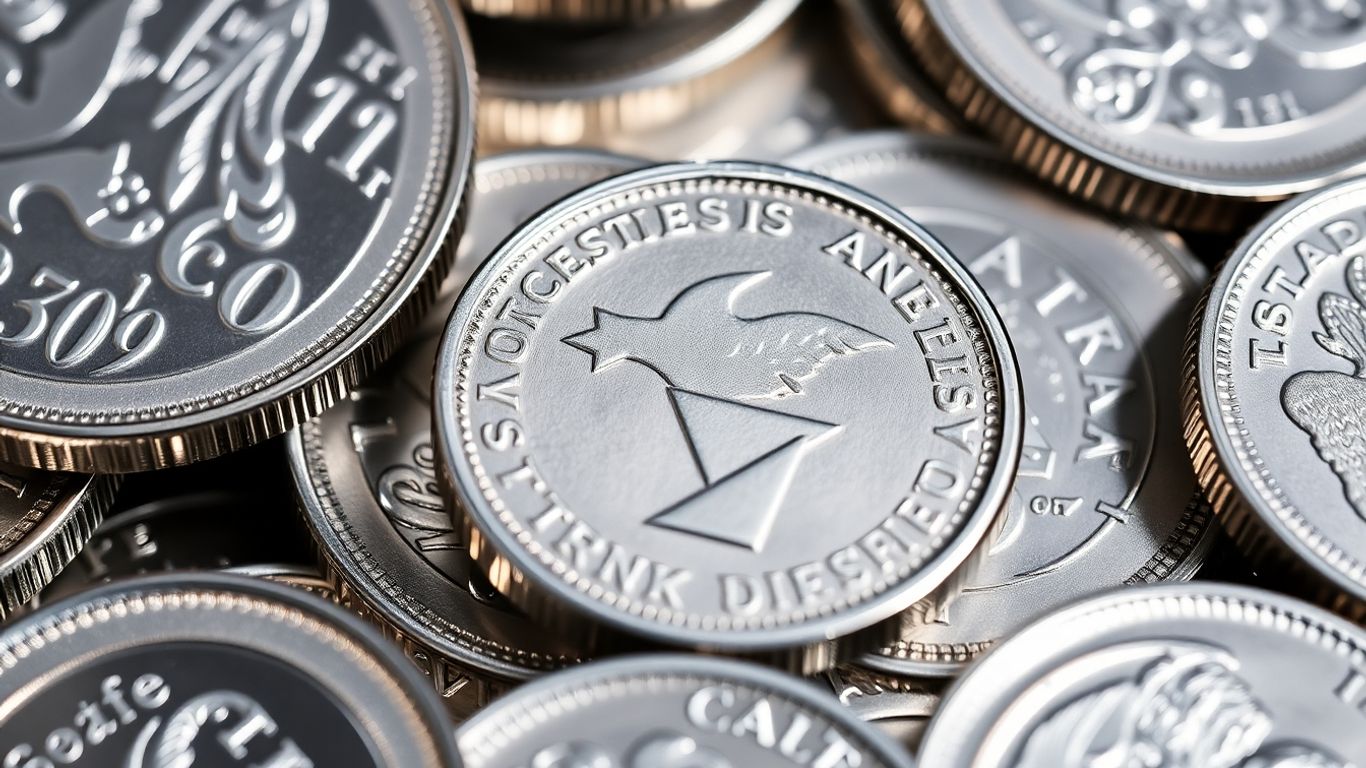
While perhaps not as common as gold or silver, platinum coins hold a significant place in the world of precious metals and collectibles. These coins are often minted from pure platinum and are valued not only for their metal content but also for their rarity and historical significance. Think of coins like the American Platinum Eagle or the Canadian Platinum Maple Leaf; these are sought after by both investors looking for a tangible asset and collectors who appreciate their design and limited mintage.
When you’re looking to sell platinum coins, it’s important to find a buyer who understands their unique market. The value can fluctuate based on the spot price of platinum, but also on collector demand and the coin’s condition. Getting an accurate appraisal from someone knowledgeable about platinum bullion and numismatics is key to getting a fair price.
Here’s what typically influences the value of your platinum coins:
- Purity and Weight: Most platinum bullion coins are .9995 fine or higher. The exact weight and purity are primary factors in determining melt value.
- Rarity and Mintage: Coins with lower mintage numbers or those that are no longer produced can command higher prices, especially if they are in good condition.
- Condition and Grade: Like other coins, platinum coins are graded based on their condition. A coin in mint state, free from scratches or wear, will be worth more than a damaged one.
- Market Demand: The current price of platinum on the global market plays a big role, as does the demand from collectors and investors.
Selling platinum coins requires a bit of specialized knowledge. It’s not just about the metal; it’s about the coin itself as a piece of history and a collectible item. A good buyer will look at all these aspects to give you the best possible offer.
If you have platinum coins you’re considering selling, it’s wise to research recent sales of similar items and consult with reputable dealers or appraisers in San Antonio. They can help you understand the current market and ensure you get a price that reflects the true worth of your platinum holdings.
9. Paper Money
When people think about selling collectibles, coins often come to mind first. But don’t forget about paper money! Old bills, especially those from before 1928, can be quite valuable. These are often called "large-size" notes. Think about things like Silver Certificates, Gold Certificates, and Legal Tender notes. Even some higher denomination bills, like $500 or $1000 notes, are sought after by collectors.
The condition of the paper money is a big factor in its worth. A bill that’s crisp and has no folds or tears will fetch a much higher price than one that’s been heavily circulated, written on, or has missing pieces. Grading services can assess the condition, which helps determine the market value.
Here are some types of paper money collectors often look for:
- Silver Certificates: Issued between 1878 and 1964.
- Gold Certificates: Issued between 1863 and 1933.
- United States Notes (Legal Tender): The first federal currency issued.
- Confederate Currency: While less common, some collectors seek these.
If you have a collection of old bills, it’s a good idea to get them appraised by someone who knows paper money. Places like Alamo Heights Coin Shop can help you figure out what you have and what it’s worth. They deal with all sorts of collectibles, including currency.
Sometimes, what looks like a simple old dollar bill can turn out to be a rare piece of history with significant value. It’s always worth checking out what you have before dismissing it.
10. Inherited Collections
When you inherit a coin collection, it can feel like a mixed bag. On one hand, it’s a tangible link to a loved one, a piece of their history. On the other hand, you might be wondering what to do with it all, especially if you don’t know much about coins. Figuring out the value of inherited coins is a common concern.
It’s not uncommon for people to inherit collections without any clear instructions or understanding of their worth. This can leave you feeling a bit lost. The first step is usually to get a professional appraisal. This helps you understand what you have, whether it’s a few valuable pieces or a large assortment.
Here’s a general idea of what to expect when dealing with an inherited collection:
- Inventory and Assessment: A professional will help catalog the coins, noting their type, condition, and any identifying marks.
- Valuation: Based on the inventory, an appraisal will determine the current market value, considering factors like metal content and rarity.
- Decision Making: With the valuation in hand, you can decide whether to keep the collection, sell it, or divide it among family members.
Sometimes, the coins might be more sentimental than valuable, but it’s always best to get them checked out. You might be surprised by what you find. If you’re in the San Antonio area and need help with an appraisal, there are local experts who can assist you. For instance, San Antonio Coin Buyers can provide a free appraisal to help you understand the worth of your inherited coins.
Dealing with an inherited collection often involves more than just the coins themselves. It can bring up memories and emotions, so taking the time to understand the process and get reliable information is important for making informed decisions.
Remember, you don’t have to be a coin expert to handle an inherited collection. The key is to find trustworthy sources for appraisal and advice. This way, you can honor the legacy of the collection while also making practical choices for its future.
Wrapping Up Your Coin Sale in San Antonio
So, you’ve looked into selling your silver coins here in San Antonio. It’s good to know there are places that can give you a fair price. Whether you go with a local shop that’s been around for a while or a service that handles things online, the main thing is getting a clear appraisal. Don’t just take the first offer you get. Do a little homework, compare what different places say your coins are worth, and pick the option that feels right for you. Selling your collection should be straightforward, and with the right approach, you can get a good deal for your silver.
Frequently Asked Questions
What kind of silver coins do you buy in San Antonio?
We are interested in purchasing a wide variety of silver coins. This includes collectible U.S. silver coins like Morgan dollars and Walking Liberty half dollars, as well as silver bullion coins such as the American Silver Eagle. We also buy silver bars and any other silver items you may wish to sell.
How can I get an appraisal for my coins in San Antonio?
Getting your coins appraised is simple. You can start by taking clear photos of your coins or creating a list of what you have and sending it to us. For larger collections, we can arrange an in-person appraisal at your home. We offer free, no-obligation appraisals.
What makes a coin valuable?
A coin’s value depends on a few things. The metal it’s made of (like gold or silver) is important, but so is its rarity, how many people want it, its condition (how well-preserved it is), and its history. Some coins are rare and historically significant, making them worth much more than just the metal they contain.
Do you buy other precious metals besides silver?
Yes, we do! In addition to silver coins and bars, we also buy gold coins, gold jewelry, scrap gold, and platinum coins. If you have any items made from precious metals, we’d be happy to take a look.
What is the process for selling my coins?
Our selling process is designed to be straightforward. After you get an appraisal, if you decide to sell, we offer immediate payment for in-person sales. If you’re selling online, you’ll ship your coins to us, and payment is issued once they are received and verified. We ensure your items are safe during shipping.
Is it safe to mail my coins if I'm not in San Antonio?
Absolutely. If you need to mail your coins, they are fully insured by Lloyd’s of London and handled with high-security measures. We guarantee the safety of your coins during transit and upon arrival.
What if I inherited a coin collection?
If you’ve inherited a coin collection, we can help you understand its value. We provide free appraisals for inherited collections, which can be very useful for estate planning or if you decide to sell the coins.
How quickly will I get paid if I sell my coins?
For in-person sales, payment is typically made on the spot. If you ship your coins to us, you will receive your payment on the same business day that your shipment is verified.