
Thinking about selling your Seated Liberty coins in San Antonio, TX? It can feel like a big task, especially with these older coins. You want to make sure you get a fair price and deal with trustworthy people. This guide is here to help you figure out the best ways to sell your Seated Liberty coins in San Antonio, TX, making the process a bit easier.
Key Takeaways
- Understand the value of your Seated Liberty coins by looking at their specific dates, how well they’ve been kept, and if they’re certified.
- Explore different places to sell in San Antonio, like local coin shops, online sites, or coin shows.
- Get your coins ready by handling them carefully and knowing what they’re worth on the current market.
- Know what makes your coin valuable, such as its rarity, condition, and any historical importance.
- When selling, get offers from a few places, talk about the price, and make sure the payment process is secure.
Understanding Your Seated Liberty Coins
Identifying Key Dates and Varieties
Seated Liberty coins, minted from 1836 to 1891, come in a wide array of dates and mint marks, each with its own level of scarcity. Some dates are far more common than others, and certain mint marks, like those from New Orleans (O) or San Francisco (S), can add significant rarity. Beyond just the date and mint mark, you’ll want to look for specific die varieties. These are minor differences in the coin’s design caused by wear or damage to the dies used for striking. For example, some Seated Liberty dimes are known for double dies (DDO) or repunched mint marks (RPM), which can make them much more sought after by collectors. Identifying these varieties often requires a good reference guide or the help of an experienced numismatist.
Assessing Coin Condition and Grade
The condition, or grade, of your Seated Liberty coin plays a huge role in its value. Coins are graded on a scale from Poor (P) to Mint State (MS), with numerical grades from 1 to 70. A coin in Mint State condition has no wear and looks as if it just left the mint. Circulated coins, those that have been used in commerce, will show varying degrees of wear. Even small differences in grade can mean a big jump in price, especially for rarer dates. When assessing condition, look closely at:
- Wear: Are the high points of the design (like Liberty’s hair or the eagle’s wings) worn smooth?
- Surface Preservation: Does the coin have significant scratches, nicks, or corrosion?
- Luster: Does the coin retain its original mint shine, or is it dull and tarnished?
- Strike: How well-defined are the details of the design?
The Importance of Certification and Provenance
For valuable Seated Liberty coins, professional grading by services like PCGS (Professional Coin Grading Service) or NGC (Numismatic Guaranty Company) can significantly boost confidence and value. These services authenticate the coin, assign a precise grade, and encapsulate it in a protective holder. Sometimes, coins are also submitted to CAC (Certified Acceptance Corporation) for a second opinion on quality, which can add a premium. Provenance, which is the history of ownership for a coin, can also add to its desirability, especially if it comes from a well-known collection. Knowing where your coin has been can sometimes provide clues to its authenticity and quality.
While grading services provide a standardized assessment, the ‘eye appeal’ of a coin—its overall visual attractiveness—remains a subjective but important factor for many collectors. A coin that is technically a lower grade but looks exceptionally nice for its grade might still command a strong price.
Where to Sell Seated Liberty Coins in San Antonio TX
Local Coin Shops and Dealers
When you’re ready to sell your Seated Liberty coins in San Antonio, checking out local coin shops is a solid first step. These businesses often have a good understanding of the local market and can provide a quick assessment. They might be interested in buying your coins outright, especially if they are common dates or in lower grades. It’s a good idea to visit a few different shops to compare their offers. Remember, they are running a business, so they will offer a price that allows them to make a profit.
- Research potential shops beforehand: Look for dealers who specialize in U.S. coins or have a good reputation for fair dealings.
- Bring your coins in person: This allows the dealer to physically inspect the coins and give you a more accurate offer.
- Be prepared to negotiate: Don’t be afraid to discuss their offer, especially if you’ve received quotes from other dealers.
Visiting local shops can be a straightforward way to sell, but always be aware that their offers will reflect their need to resell the coins for a profit. It’s a good starting point, especially for less rare pieces.
Online Marketplaces and Auctions
For potentially rarer dates or coins in higher grades, online platforms can sometimes yield better results. Websites like eBay allow you to reach a global audience of collectors who might be actively searching for the specific coins you have. Auction sites, in particular, can create competitive bidding environments that might drive up the final sale price. However, selling online comes with its own set of challenges, including shipping, payment processing, and potential fees.
- High-quality photos are a must: Clear, well-lit images from multiple angles are essential for attracting buyers.
- Accurate descriptions are key: Detail the coin’s date, mint mark, condition, and any known varieties.
- Understand the fees: Factor in marketplace commissions, payment processing fees, and shipping costs when setting your price.
Coin Shows and Conventions
Coin shows and conventions offer a dynamic environment to sell your Seated Liberty coins. These events bring together numerous dealers and collectors, all focused on numismatics. You can often find dealers who specialize in the series you own, potentially leading to more informed offers. It’s also a great opportunity to network with other collectors and learn more about your coins. Attending a show allows for direct interaction and immediate transactions.
- Check the show’s exhibitor list: Identify dealers who might be interested in Seated Liberty coinage.
- Prepare a list of your coins: Have details ready, including dates, mint marks, and condition.
- Be ready to sell on the spot: Many dealers at shows are looking to buy inventory and may make offers immediately.
Preparing Your Seated Liberty Coins for Sale
Before you even think about listing your Seated Liberty coins, taking a little time to get them ready can make a big difference in what you get for them. It’s not about cleaning them, mind you – that’s usually a big no-no in the coin world. Instead, it’s about organization, presentation, and knowing what you have. Think of it like getting a classic car ready for a show; you wouldn’t just roll it out of the garage without a once-over.
Handling and Storage Best Practices
How you’ve kept your coins safe over the years matters. If you’ve been storing them in old paper envelopes or plastic bags that might have PVC (a type of plastic that can damage coins over time), it’s time to move them. The best way to handle these coins is by their edges, using soft cotton gloves or even just holding them by the rim. This prevents transferring oils from your skin, which can cause spotting or corrosion. For storage, individual holders are ideal. These can be simple Mylar flips, hard plastic cases, or even custom-fit holders depending on the coin’s value and your budget. Keeping them in a stable environment, away from extreme temperature fluctuations and humidity, is also key. Proper storage protects your investment and shows potential buyers you’ve cared for your collection. If you’re unsure about the best way to store specific coins, consulting resources on coin preservation can be helpful.
Researching Current Market Values
This is where you become your own expert, at least for a little while. You need to get a feel for what your coins are actually worth today. Don’t just guess or rely on old price guides. Look at recent sales of similar coins. Websites that track auction results can be a goldmine here. Pay attention to the grade of the coins sold, their condition, and whether they were certified by a major grading service like PCGS or NGC. You can also check out what dealers are asking for similar coins, but remember that asking price isn’t always selling price. For a more organized approach, you might want to create a simple spreadsheet to track your findings.
| Coin Type | Date | Mint Mark | Grade (Estimated) | Recent Sale Price | Notes |
|---|---|---|---|---|---|
| Seated Liberty Dime | 1853 | O | VF30 | $50 – $75 | Arrows, original toning |
| Seated Liberty Quarter | 1876-CC | CC | AU55 | $200 – $300 | Scarce date, some friction |
| Seated Liberty Half | 1853 | Arrows | MS63 | $400 – $600 | Gem quality, attractive luster |
Deciding Whether to Sell Individually or as a Lot
This decision often comes down to the coins themselves and your selling goals. If you have a few really rare or high-grade coins, selling them individually might get you the most money. Each coin can be marketed to collectors specifically looking for that particular date, mint mark, or variety. However, if you have a larger collection with many common dates or lower-grade coins, selling them as a lot can save you a lot of time and effort. A lot might appeal to a dealer looking to fill inventory or a new collector wanting to build a collection quickly. Sometimes, a mixed approach works best: sell your key dates individually and group the rest into smaller, themed lots. Consider the time you have available and how much effort you want to put into the selling process. Selling a complete set, even if it has some common pieces, can sometimes be more attractive than breaking it up entirely. You can find resources on how to organize your coin collection to help with this decision.
Factors Influencing Your Coin's Value
When you’re looking to sell your Seated Liberty coins, several things really affect what someone will pay for them. It’s not just about the date on the coin; there’s a bit more to it than that. Think of it like selling a car – a newer model in great shape will fetch more than an older one with a lot of miles, right? Coins are similar, but with their own unique set of considerations.
Rarity and Mintages
The number of coins made for a specific date and mint mark is a big deal. If only a few thousand were produced, it’s naturally going to be rarer than one where millions were minted. This scarcity directly impacts demand and, therefore, price. Some dates are just plain hard to find in any condition, let alone good condition.
- Low Mintages: Coins produced in smaller quantities are generally more sought after.
- Key Dates: Certain dates and mint marks are known as
Navigating the Selling Process
Selling your Seated Liberty coins involves a few key steps to make sure you get a fair deal and the transaction goes smoothly. It’s not just about finding a buyer; it’s about how you approach the sale.
Getting Multiple Offers
Don’t just take the first offer you receive. It’s always a good idea to shop your coins around. Different dealers and collectors might have varying levels of interest and different ideas about your coin’s worth. Getting a few quotes can give you a clearer picture of the market value.
- Contact several local coin shops.
- Consider online dealers who specialize in your type of coin.
- Ask fellow collectors if they know of interested parties.
Negotiating Fair Prices
Once you have offers, you’ll need to negotiate. Be prepared to discuss your coin’s condition, rarity, and any unique features. If you’ve done your research on market values, you’ll be in a stronger position. Remember, a fair price is one that satisfies both you and the buyer.
Negotiation is a conversation, not a confrontation. Approach it with respect for the buyer’s perspective and a clear understanding of your own coin’s attributes.
Understanding Payment and Transaction Security
How you get paid and the security of the transaction are important. Discuss payment methods upfront. For larger sales, consider secure methods like cashier’s checks or wire transfers. If meeting in person, arrange to conduct the transaction in a safe, public place, perhaps even at a bank.
- Cash: Good for smaller transactions, but be cautious with large amounts.
- Cashier’s Check/Money Order: Generally secure, but verify authenticity.
- Wire Transfer: Often the safest for significant sums, but may involve fees.
- Payment Platforms (e.g., PayPal): Can offer buyer/seller protection, but check terms and fees.
Special Considerations for Seated Liberty Dimes
When you’re looking to sell your Seated Liberty dimes, there are a few things that really stand out. These coins, while part of a larger series, have their own unique characteristics that collectors pay close attention to. It’s not just about the date and mint mark; the specific variety of the die used can make a big difference in what someone is willing to pay.
Key Dates and Scarce Varieties
Just like with other denominations in the Seated Liberty series, certain dates and mint marks are much harder to find than others. For dimes, some of these can be quite rare. For example, dimes from the early years, especially those from branch mints like New Orleans (O mint), can be particularly sought after. The 1846, 1871-S, and 1873-S (without arrows) are often mentioned as key dates that collectors actively search for. Finding these in good condition can be a real find.
The Impact of Die Varieties on Value
Beyond the standard date and mint mark, die varieties can significantly alter a dime’s value. These are variations that occur during the coin-making process, like doubled dies, repunched mint marks, or even errors in the dies themselves. Sometimes, a coin that seems common can become much more valuable if it exhibits a rare die variety. For instance, certain doubled die obverse (DDO) or doubled die reverse (DDR) varieties are highly prized. It’s worth researching if your dime has any known variety status, as this can sometimes be the deciding factor for a collector. A rare dime was sold for $3,600,000 at Heritage Auctions in January 2023, making it one of the most valuable dimes ever sold. This sale highlights the significant potential worth of certain collectible coins.
Market Trends for Seated Dimes
The market for Seated Liberty dimes, especially those with desirable varieties or in high grades, has shown consistent interest. Collectors often target specific series or types within the dime denomination, meaning that while some common dates might see steady but modest demand, rarer issues or those with unique attributes can command significant premiums. Understanding current collector preferences is key to getting the best price.
Here’s a quick look at some factors that can influence a Seated Liberty dime’s desirability:
- Mint Mark: Dimes from branch mints, particularly early ones, are often scarcer than those from Philadelphia.
- Arrows/No Arrows: The presence or absence of arrows beside the date (indicating a weight change) creates distinct varieties that collectors focus on.
- Die State: The condition of the dies used to strike the coin can lead to different appearances and varieties, some more desirable than others.
- Condition: As always, the coin’s preservation state is paramount. Higher grades with sharp details and pleasing surfaces fetch higher prices.
Selling Seated Liberty Quarters and Halves
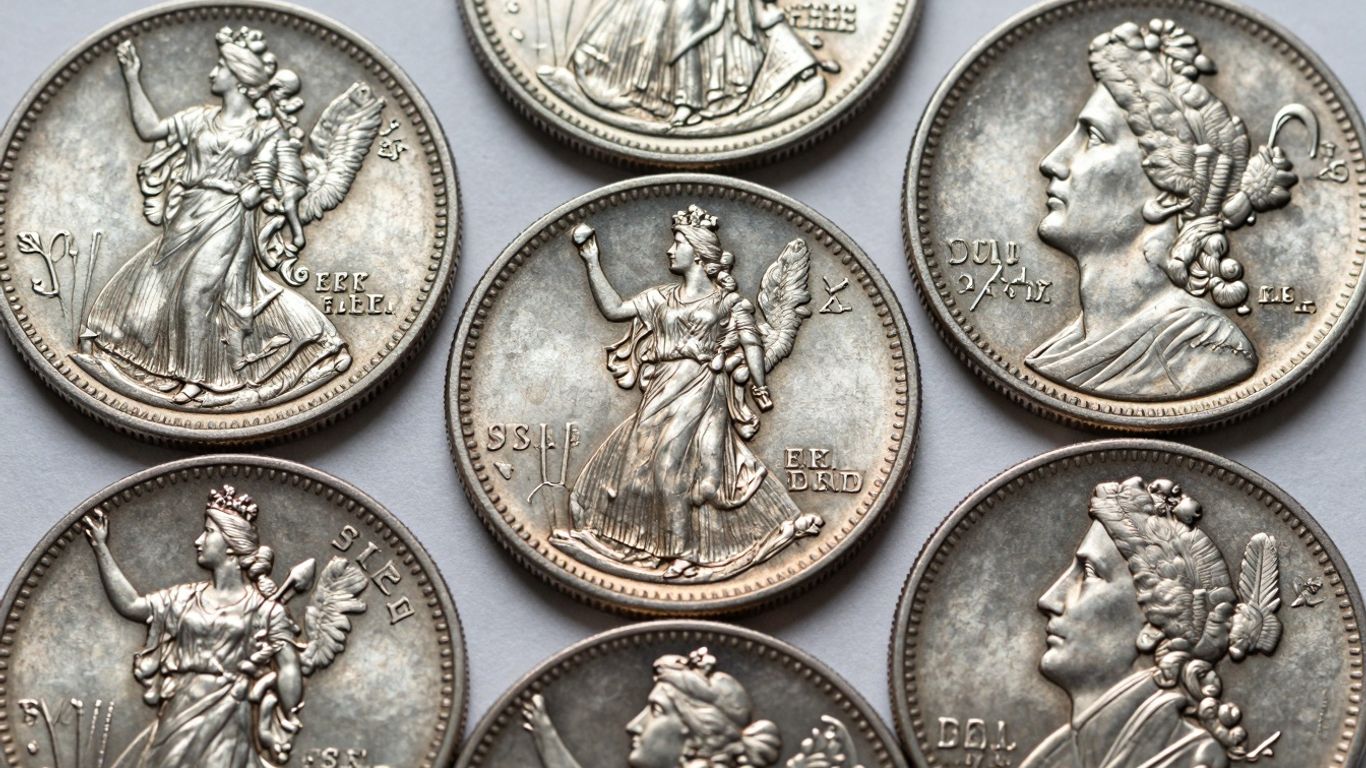
When it comes to selling your Seated Liberty quarters and halves, understanding their specific market is key. These larger denominations often attract a different type of collector than the smaller denominations, and their value can be influenced by unique factors.
Identifying High-Demand Quarters
Certain Seated Liberty quarters are more sought after than others. Collectors often look for specific dates and mint marks that were produced in lower quantities or have historical significance. For instance, quarters from the early years of the series or those from branch mints like San Francisco (S) or Dahlonega (D) can command higher prices, especially in better condition.
- Key Dates: Look for dates like 1827/3, 1840-O, 1853 Arrows, and 1864-S. These are often the most challenging to find and therefore most desired.
- Mint Marks: Quarters from branch mints, particularly the ‘O’ (New Orleans) and ‘S’ (San Francisco) mints, can be more valuable than those from Philadelphia, especially in higher grades.
- Varieties: Die varieties, such as repunched mint marks or doubled dies, can add significant interest and value for specialized collectors.
Valuable Seated Liberty Half Dollars
Seated Liberty half dollars, like their quarter counterparts, have their own set of desirable coins. The series ran for a considerable time, and many dates and mint marks were produced in large numbers. However, scarcity in higher grades is a common theme.
- Early Dates: The initial years of the series (1839-1840) are generally more collectible.
- Arrows and Rays: Variations like the 1853 Arrows and Rays half dollar are popular and often command a premium.
- Condition is King: For half dollars, finding examples in Mint State (uncirculated) condition can be quite difficult. Coins graded MS60 and above are particularly sought after.
The market for Seated Liberty halves and quarters can be quite robust, especially for coins that are well-preserved. Collectors often seek out pieces with original surfaces and pleasing eye appeal, even if they aren’t the absolute rarest dates. Consignment to a reputable dealer or auction house is often a good route for these higher-value coins, as they can reach a wider audience of interested buyers.
Consignment Options for Larger Collections
If you find yourself with a substantial collection of Seated Liberty quarters and halves, or even just a few very high-value pieces, consignment might be your best bet. This involves entrusting your coins to a dealer or auction house who will then sell them on your behalf, taking a commission from the final sale price.
- Benefits: Consignment can expose your coins to a broader base of collectors, potentially leading to a higher sale price than selling directly. Reputable dealers also handle the marketing, photography, and transaction process.
- Choosing a Consignor: Look for dealers or auction houses with a strong track record in selling Seated Liberty coinage. Check their past sales results and read reviews.
- Agreement: Carefully review any consignment agreement. Understand the commission rates, insurance coverage, and the timeline for payment.
Maximizing Your Return When You Sell
Getting the most for your Seated Liberty coins means being smart about how you present and sell them. It’s not just about having a rare coin; it’s about making sure the right people see it and understand its worth. Think of it like preparing a prized possession for a show – presentation matters.
The Role of CAC and PCGS/NGC Grading
When you’re looking to get top dollar, having your coins professionally graded by services like PCGS (Professional Coin Grading Service) or NGC (Numismatic Guaranty Company) is a big step. These companies assess the coin’s condition and assign a numerical grade, which collectors rely on. A good grade can significantly boost a coin’s desirability and price. Beyond the main grading services, a CAC (Coin Authentication Guild) sticker is another layer of approval. CAC verifies the quality of the grade, meaning they believe the coin is accurately graded and has good eye appeal for its assigned grade. Coins with CAC approval often command a premium because buyers trust that they are getting a superior example.
Presentation and Photography Tips
How you show off your coins can make a real difference. If your coins are in slabs from PCGS or NGC, make sure the slabs are clean and free of smudges. For raw (ungraded) coins, handle them by the edges with cotton gloves to avoid fingerprints. Good lighting is key for photos. Natural light is often best, but avoid direct sunlight, which can create harsh glare. Try taking pictures from a few different angles to show off the coin’s details and surfaces. A plain, neutral background helps the coin stand out. If you’re selling online, clear, sharp images are non-negotiable.
Timing Your Sale for Optimal Results
Sometimes, when you sell can be just as important as what you sell. Coin markets can fluctuate based on economic conditions, collector interest, and even the time of year. For instance, leading up to major coin shows or holidays when collectors might be looking to add to their collections or spend their bonuses, demand can sometimes increase. Researching current trends and understanding when buyers are most active can help you time your sale for the best possible outcome. It’s not always about a quick sale; sometimes, a little patience can pay off.
Selling valuable coins requires a thoughtful approach. It’s about more than just the metal content or the date. The coin’s condition, its rarity, and how well it’s presented all play a part in what a buyer is willing to pay. Taking the time to get professional opinions and present your coins attractively can lead to a much better selling experience and a higher return.
Finding Reputable Buyers in San Antonio
Checking Dealer Reviews and Reputation
When you’re ready to sell your Seated Liberty coins, finding a buyer you can trust is a big deal. In San Antonio, like anywhere else, there are good dealers and not-so-good ones. It pays to do a little homework before you hand over your valuable coins. Think about it: you’ve probably spent time and effort collecting these pieces, and you want to make sure they go to someone who appreciates them and offers a fair price. Checking online reviews is a good starting point. Look for feedback on sites like Google, Yelp, or even coin collecting forums. See what other collectors are saying about their experiences. Are they known for honest dealings? Do they pay fair prices? Are they knowledgeable about Seated Liberty coinage specifically?
Understanding Consignment Agreements
If you decide to sell through a dealer on consignment, you’ll sign an agreement. This document is important, so read it carefully. It lays out the terms of the sale, including the percentage the dealer takes, how long they will try to sell the coin, and what happens if it doesn’t sell. It should also detail how the coin will be stored and insured while in their care. Make sure you’re comfortable with all the points before signing. Don’t be afraid to ask questions if anything is unclear. A reputable dealer will be happy to explain everything.
Here’s what to look for in a consignment agreement:
- Commission Rate: What percentage does the dealer keep?
- Sale Duration: How long will the dealer attempt to sell your coin?
- Insurance and Security: How will your coin be protected?
- Payment Terms: When will you receive payment after the coin sells?
- Return of Unsold Items: What happens if the coin doesn’t sell within the agreed timeframe?
The Benefits of Selling to Fellow Collectors
Sometimes, the best place to sell your Seated Liberty coins is directly to another collector. These individuals often have a deep appreciation for the history and artistry of these coins. They might be looking to fill a specific gap in their own collection and could be willing to pay a premium for the right piece. Selling to a fellow collector can sometimes mean a more personal transaction, and you might even get to see your coin go to a good home. This can be especially satisfying if you’ve formed a connection with other collectors in the San Antonio area through local coin clubs or shows. It’s a way to keep these historical items circulating within the community of enthusiasts who truly value them.
Final Thoughts on Selling Your Seated Liberty Coins
So, you’ve got these old Seated Liberty coins and you’re looking to sell them here in San Antonio. We’ve talked about a few ways you might go about it, from local coin shops to online options. It really comes down to what works best for you and your collection. Some folks prefer the quick cash from a dealer, while others might want to hold out for a better price through a consignment or auction. Just remember to do your homework, know what you have, and find a buyer you feel good about. Selling these pieces of history can be a rewarding experience, and hopefully, this guide has given you a good starting point for your journey.
Frequently Asked Questions
What makes a Seated Liberty coin valuable?
The value of a Seated Liberty coin depends on a few things. Key dates, meaning coins made in certain years or at specific mints that were produced in smaller numbers, are often more valuable. The coin’s condition, or how well-preserved it is, plays a big role too. Coins that look almost new are worth more than those that are worn out. Finally, any special history or unique features can also increase its worth.
How do I know if my Seated Liberty coin is a rare date?
To find out if your coin is a rare date, you’ll need to check its mint mark (a small letter indicating where it was made, like ‘S’ for San Francisco or ‘CC’ for Carson City) and the year it was made. Some years and mint marks had much lower production numbers than others. You can find lists and guides online or in coin books that show which dates and mints are considered rare.
Should I get my Seated Liberty coin graded?
Getting your coin graded by a professional service like PCGS or NGC can help confirm its authenticity and condition. This can sometimes increase its value, especially for rarer coins or those in very good condition. However, grading costs money, so it’s best to weigh the potential increase in value against the grading fees.
Where is the best place to sell Seated Liberty coins in San Antonio?
In San Antonio, you have a few options. You can visit local coin shops and dealers who specialize in buying and selling coins. Online marketplaces and coin shows are also popular places to sell. Each option has its pros and cons, so it’s often a good idea to explore a few before making a decision.
How do I prepare my coins for sale?
Before selling, handle your coins carefully by their edges to avoid fingerprints. Store them in protective holders. It’s also wise to research the current market value of similar coins. Deciding whether to sell coins one by one or as a group can also affect your final price.
What is 'provenance' and why does it matter for my coin?
Provenance refers to the history of a coin’s ownership. If your coin belonged to a famous collector or has a documented history, this can add to its appeal and value. It helps prove the coin is genuine and can make it more interesting to buyers.
What's the difference between selling to a dealer and selling to a collector?
When you sell to a coin dealer, they typically buy coins to resell in their shop, so they need to make a profit. This might mean they offer you a lower price than a collector might pay. Selling directly to another collector, perhaps at a coin show or through an online forum, might get you a higher price, but it can also take more effort to find the right buyer.
Are Seated Liberty dimes, quarters, and halves all valued the same?
No, they are not valued the same. Each type of coin (dimes, quarters, and halves) has its own set of key dates, varieties, and rarity levels. Some Seated Liberty dimes might be very valuable, while certain quarters or halves might be more common or less sought after, and vice versa. It’s important to research each denomination separately.