
Thinking about selling your Seated Liberty coins in San Antonio, TX? It’s a good idea to know what you have and where to find the right buyers. This guide will help you figure out the value of your coins and point you towards places that might be interested in buying them. We’ll cover how to get the best price and what to watch out for when you sell Seated Liberty coins in San Antonio, TX.
Key Takeaways
- Understand what makes your Seated Liberty coins valuable, like their date, mint mark, condition, and rarity.
- Explore different places to sell in San Antonio, including local coin shops, online options, and coin shows.
- Prepare your coins by knowing whether to clean them (usually not) and gathering any history you have.
- Look for trustworthy buyers by checking their reputation and getting a few opinions on your coins’ worth.
- Plan your sale to get the best price, whether that’s by timing the market or considering selling through a dealer on consignment.
Understanding Seated Liberty Coin Value
Factors Influencing Your Coin's Worth
When you’re looking to sell your Seated Liberty coins, knowing what makes them tick in terms of value is pretty important. It’s not just about the date on the coin; a whole bunch of things play a role. The metal content is a baseline, sure, but that’s usually the least of it for these older coins. What really moves the needle is how many were made, how many are still around, and, of course, what condition they’re in. Think of it like this: a coin that’s super rare and looks almost brand new is going to fetch a lot more than one that’s common and looks like it went through a rock tumbler.
Here are some of the main things that affect how much your Seated Liberty coin is worth:
- Rarity: How many of this specific coin were originally produced, and how many are believed to still exist today? Fewer surviving examples generally mean higher value.
- Condition (Grade): This is a big one. Coins are graded on a scale, usually from 1 (poor) to 70 (perfect). The better the condition, the higher the price. Even small details like sharp features and minimal wear make a difference.
- Mint Mark: Where the coin was made (Philadelphia, San Francisco, New Orleans, etc.) can significantly impact its rarity and, therefore, its value. Some mints produced far fewer coins than others.
- Key Dates: Certain years or specific mint mark combinations are known to be much rarer than others. These "key dates" are often the most sought-after by collectors.
- Metal Content: While less significant for Seated Liberties compared to modern bullion coins, the silver content still contributes to the base value.
- Demand: Ultimately, what someone is willing to pay for a coin is a major factor. Popular series or coins with a strong collector following will generally command higher prices.
Identifying Key Dates and Mint Marks
Spotting a key date or a rare mint mark on your Seated Liberty coins can be the difference between a modest sale and a significant payday. These aren’t always obvious, so a little detective work is needed. The date is usually right there on the coin, often on the obverse (front) under the bust of Liberty. Mint marks, however, can be a bit trickier to find. For Seated Liberty dimes, quarters, and half dollars, you’ll typically find the mint mark on the reverse (back) of the coin, below the wreath. Pennies and two-cent pieces don’t have mint marks, as they were only made in Philadelphia.
Here’s a quick guide to common mint marks for Seated Liberty coinage:
- P (or no mint mark): Philadelphia Mint. This is the most common and usually doesn’t add a premium unless it’s a specific rare date.
- O: New Orleans Mint. Often indicates a scarcer coin, especially in higher grades.
- S: San Francisco Mint. Similar to the ‘O’ mint, ‘S’ marked coins can be quite rare.
- CC: Carson City Mint. These are almost always highly collectible and valuable due to their extreme rarity and historical significance.
Key dates are specific year and mint mark combinations that were produced in lower numbers or have a higher rate of survival loss. For example, certain dates in the 1870s for Seated Liberty dimes are particularly scarce. Researching specific series within the Seated Liberty era is your best bet for pinpointing these valuable coins.
The value of a coin is a complex equation. It’s not just about the metal it’s made from or the year it was struck. Collectors are looking for coins that tell a story, coins that are hard to find, and coins that are in the best possible condition. Understanding these elements is the first step to getting a fair price for your collection.
Assessing Condition and Rarity
Figuring out the condition, or "grade," of your Seated Liberty coins is probably the most subjective part of the process, but it’s also one of the most important. A coin that looks "good" to you might be considered "average" or even "poor" by a seasoned collector or dealer. The key is to look for wear. Are the high points of the design worn smooth? Can you still see all the details clearly? Even minor scratches or nicks can take a big bite out of a coin’s value.
When assessing rarity, you’re looking at the combination of the date, mint mark, and the coin’s condition. A common date in a very high grade might be rarer than a key date in a very low grade. For instance, finding a 1873-CC Seated Liberty Dime in MS-65 condition is incredibly rare, far rarer than finding a 1853 Seated Liberty Dime in G-4 condition, even though 1873-CC is a key date and 1853 is not.
Here’s a simplified look at condition grading:
- Uncirculated (Mint State): No wear on the coin’s surface. All original luster is present. These are the most desirable.
- Extremely Fine (XF): Very light wear on the highest points of the design. Most details are sharp.
- Very Fine (VF): Moderate wear, but the main features of the design are still clear.
- Fine (F): Significant wear, but the coin is still identifiable, and the outline of the design is visible.
- Good (G): Heavy wear, major features are flattened, but the coin is still recognizable.
Remember, for Seated Liberty coins, even coins in lower grades can have value, especially if they are rare dates or mint marks. Don’t discount a coin just because it’s not in perfect condition. It’s the combination of all these factors that determines the final price.
Where to Sell Seated Liberty Coins in San Antonio
So, you’ve got some Seated Liberty coins and you’re wondering where to turn them into cash right here in San Antonio. It’s not as complicated as it might seem, but you do want to go about it the right way. Think of it like selling anything else of value – you want to find the right buyer who appreciates what you have.
Local Coin Shops and Dealers
Your first stop might be the local coin shops. These places are the backbone of the coin-selling world in any city. They deal with coins every day, so they usually have a good idea of what things are worth. Plus, selling to a local dealer means you can often get your money right away. It’s a pretty straightforward process.
Here are a few things to keep in mind when visiting local shops:
- Bring your coins in person: This lets the dealer see them directly and give you a more accurate offer.
- Ask questions: Don’t be afraid to ask how they arrived at their price. A good dealer will explain their reasoning.
- Visit more than one: Just like shopping around for anything else, getting quotes from a few different shops can help you find the best price.
Online Marketplaces and Auctions
If you’re comfortable with the internet, online options can be a good way to reach a wider audience. Websites like eBay are popular, and there are also specialized coin auction sites. The upside here is that you might get more eyes on your coins, potentially leading to a higher sale price. However, it can take longer, and you’ll need to deal with shipping and payment processing.
Selling online means you’re competing with sellers from all over, which can drive up prices. But remember, there are also fees involved, and you need to be sure your coins are well-photographed and described accurately to attract buyers.
Coin Shows and Conventions
San Antonio sometimes hosts coin shows or conventions. These events bring together collectors and dealers from a wider area. It’s a great chance to see a lot of different coins, talk to people who really know their stuff, and get a feel for the current market. You can often find dealers who specialize in the exact type of coins you have, which can be a big plus.
Attending a coin show offers several benefits:
- Direct interaction: You can talk face-to-face with potential buyers.
- Market insight: See what other coins are selling for and what collectors are looking for.
- Potential for better prices: Dealers at shows are often looking to buy inventory and may offer competitive prices.
Preparing Your Seated Liberty Coins for Sale
Before you hand over your Seated Liberty coins, taking a little time to get them ready can make a big difference in what you get for them. It’s not about making them look brand new, but more about presenting them in the best possible light without causing any harm. Think of it like getting ready for a job interview – you want to look presentable, but you don’t want to overdo it.
Cleaning vs. Preservation
This is a really important point, and one where many people go wrong. Never try to clean your Seated Liberty coins with abrasive materials or harsh chemicals. While it might seem like a good idea to make them shiny, you’ll almost certainly damage the surface. This damage, often called "cleaning," can drastically lower a coin’s value, sometimes by more than half. Instead of cleaning, focus on preservation. This means handling them carefully and storing them properly.
- Avoid Polishing: Don’t use metal polish, toothpaste, or even a soft cloth vigorously. The microscopic scratches left behind are a dead giveaway to experienced buyers.
- Gentle Dusting: If there’s loose dust, you can gently blow it off or use a very soft brush (like a makeup brush that’s never been used for makeup).
- Water Rinse (Rarely): In very specific cases, a distilled water rinse might be considered for removing loose dirt, but this should only be done if you’re absolutely sure and understand the risks. It’s generally best to leave this to the professionals.
Documentation and Provenance
Do you have any history with your coins? Where did they come from? Even a little bit of information can add to a coin’s story and, potentially, its worth. This is called provenance.
- Family History: If the coins were passed down, note down any stories or dates associated with them. Who owned them before? When did they acquire them?
- Previous Sales Records: If you bought them yourself, do you have old receipts or auction records?
- Notes on Discovery: Did you find them in an old house or a specific location? While less common for Seated Liberties, any unique context can be helpful.
Keeping good records isn’t just about proving ownership; it’s about building a narrative around your coins. This narrative can make them more appealing to collectors who appreciate the history and journey of a numismatic item. A well-documented coin often commands more attention and a better price than one with a mysterious past.
Secure Storage and Handling
How you store and handle your coins before selling is just as important as how you prepare them. You want to prevent any further damage or wear.
- Gloves are Key: Always wear cotton or nitrile gloves when handling your Seated Liberty coins. Fingerprints contain oils and acids that can damage the metal over time.
- Appropriate Holders: Store your coins in individual, inert plastic holders (like Mylar flips or hard plastic slabs). Avoid PVC-containing flips, as they can cause green residue.
- Safe Environment: Keep your coins in a stable environment, away from extreme temperatures, humidity, and direct sunlight. A safe deposit box or a secure home safe can be good options.
Finding Reputable Coin Buyers in San Antonio
When it comes to selling your Seated Liberty coins, finding a buyer you can trust is pretty important. You want someone who knows what they’re looking at and will give you a fair shake. It’s not just about getting the most money, though that’s definitely a big part of it. It’s also about having a smooth experience without any shady dealings.
Researching Dealer Reputation
Before you even think about showing off your coins, do a little homework on the dealers in the San Antonio area. A good place to start is by looking for reviews online. See what other collectors have said about their experiences. Were they treated fairly? Did the dealer seem knowledgeable? Sometimes, local coin clubs or numismatic organizations can offer recommendations too. You can also check if they are members of professional organizations, which often have ethical standards.
Seeking Multiple Appraisals
Don’t just take the first offer you get. It’s a smart move to get appraisals from a few different places. This gives you a better sense of your coins’ actual market value. Think of it like getting a second opinion from a doctor – you want to be sure.
Here’s a simple way to approach getting appraisals:
- Visit at least three different dealers. This gives you a good range of opinions.
- Be upfront about your intentions. Let them know you are looking to sell and are seeking appraisals.
- Compare the offers. Look not just at the price, but also at how each dealer explains their valuation.
Understanding Buyer's Premiums and Fees
Be aware that dealers often have to make a profit, so they might offer you less than the coin’s retail value. They might also charge fees for certain services, like grading or authentication, though this is less common when you’re selling directly to them. It’s good to ask about any potential costs upfront so there are no surprises.
It’s always wise to have a general idea of what your coins are worth before you start talking to buyers. This way, you’re better equipped to evaluate the offers you receive and can spot if something seems off.
If you’re looking for coin buyers in the nearby Converse area, San Antonio Coin Buyers offers services and free appraisals. They can be reached at 726-465-0380 for appointments.
Maximizing Your Return on Seated Liberty Coins
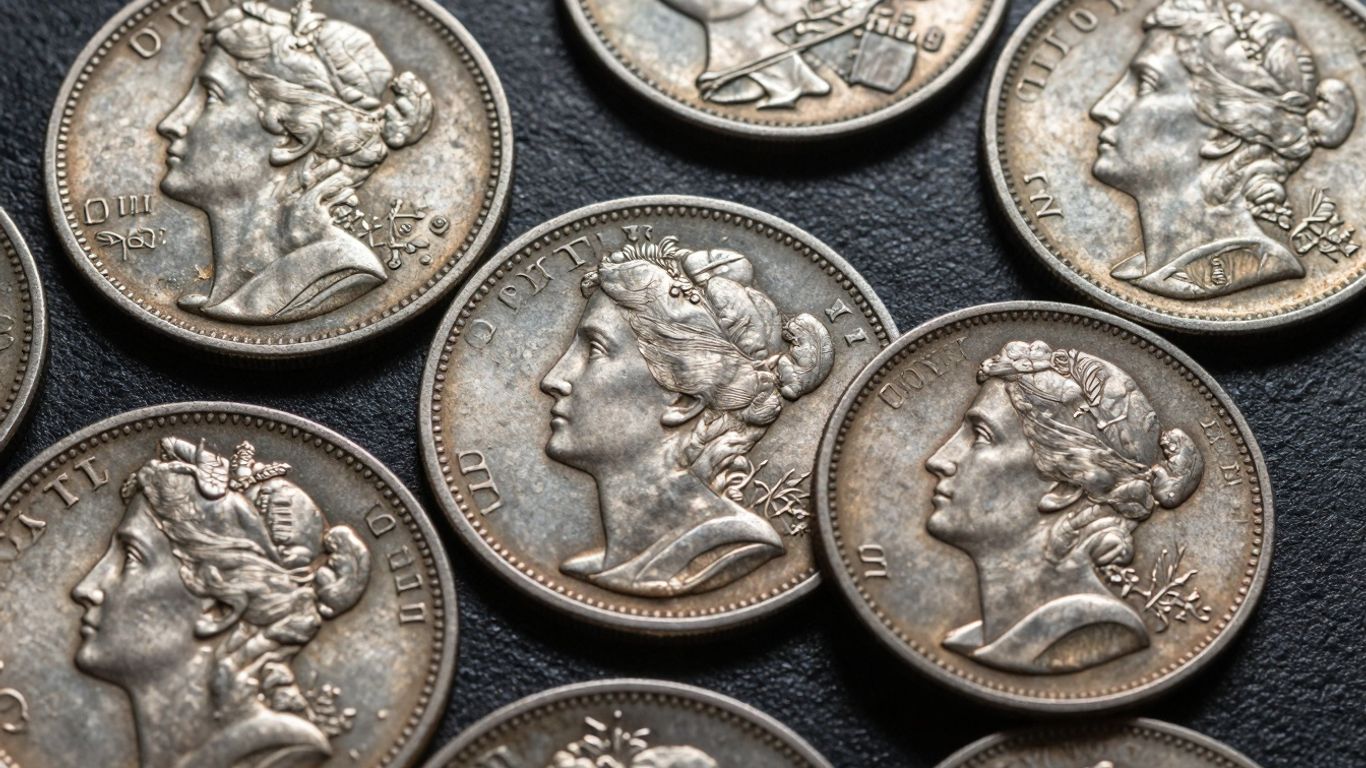
Getting the most money for your Seated Liberty coins means being smart about how and when you sell. It’s not just about finding a buyer; it’s about finding the right buyer and presenting your coins in the best possible light. Think of it like preparing a valuable item for an important event – a little effort upfront can make a big difference in the final outcome.
Timing the Market for Optimal Prices
Coin values can shift based on collector demand, economic trends, and even current events. While predicting the market perfectly is impossible, paying attention to trends can help. For instance, if there’s a surge in interest for early American coinage, that might be a good time to consider selling. Keep an eye on auction results and numismatic news to get a feel for what’s popular. Sometimes, waiting a bit longer can lead to a significantly better offer, especially for rarer dates or higher-grade coins. Remember, the market for coins, like the market for items such as the 2025 Morgan and Peace Dollar Reverse Proof Two-Coin Set, can fluctuate.
Negotiating Fair Offers
When you receive an offer, don’t feel pressured to accept it immediately. Do your homework beforehand to know what your coins are generally worth. This gives you a solid basis for negotiation. Be polite but firm. If a dealer offers less than you expected, ask them to explain their reasoning. Sometimes they might be factoring in costs for grading or restoration, which you can address if you’ve already had those services done. A good negotiation is one where both parties feel they’ve reached a fair agreement.
Considering Consignment Options
If you’re looking to get the absolute top dollar for your Seated Liberty coins and have the patience, consignment might be a great route. This is where you entrust your coins to a dealer or auction house, and they sell them on your behalf. They typically take a percentage of the final sale price as their fee. This method often works best for high-value or rare coins because these dealers have established networks of collectors who are actively seeking such pieces. It requires a bit more waiting, but the potential for a higher return can be substantial. You’ll want to find a reputable dealer who specializes in the type of coins you have, like those who focus on US coinage.
Selling coins is a process that benefits from preparation and knowledge. Understanding the market, knowing your coin’s condition, and researching potential buyers are key steps. Don’t rush the process; take the time to get the best possible outcome for your collection.
Specialized Dealers for Numismatic Treasures
Dealers Focusing on US Coinage
When you have Seated Liberty coins, you’re dealing with a significant part of American history. Many dealers in San Antonio specialize in U.S. coinage, and they’ll know the ins and outs of these specific series. They understand the nuances of different mints, dates, and the historical context that can affect a coin’s appeal. These specialists often have a deep inventory of U.S. coins themselves, so they can compare your pieces to what’s currently in demand.
Experts in Early American Coins
Some dealers go even further, focusing specifically on early American coins. Seated Liberty coinage falls into this category. These experts are not just looking at the metal content; they appreciate the artistry, the historical significance, and the rarity of coins from this era. They can spot subtle varieties or errors that a general dealer might miss, which can make a big difference in your coin’s worth. Finding a dealer with this level of specific knowledge is key to getting a fair assessment.
Buyers of Rare and High-Grade Coins
If your Seated Liberty coins are in particularly good condition or are rare key dates, you’ll want to find buyers who focus on high-grade and rare numismatic items. These buyers often cater to serious collectors who are willing to pay a premium for top-quality pieces. They might be less interested in common circulated coins but will be very keen on exceptional examples. They often work with grading services to authenticate and grade these valuable coins.
Here’s a look at what these specialized dealers might look for:
- Key Dates: Specific years and mint marks that were produced in lower quantities.
- High-Grade Coins: Coins that have survived with minimal wear, often in uncirculated or near-uncirculated condition.
- Varieties and Errors: Unusual minting characteristics that make a coin unique.
When dealing with specialized buyers, be prepared to discuss the coin’s history and any previous grading or authentication it may have undergone. They value transparency and detailed information about the item’s journey.
The Role of Grading Services
When you’re looking to sell your Seated Liberty coins, especially if they’re older or in good shape, you’ll likely run into the topic of grading services. Think of these services as the official referees for coin condition. They look at your coin and give it a grade, sort of like a report card, based on its wear, eye appeal, and other factors. This grade is pretty important because it tells potential buyers exactly what they’re getting.
Understanding Professional Grading
Professional grading means sending your coins to a company that specializes in evaluating them. These companies have experts who examine each coin carefully. They look for things like scratches, nicks, and how much of the original design is still visible. The goal is to provide an objective assessment of a coin’s state. This helps standardize how coins are described and valued across the market. It takes a lot of the guesswork out for both the seller and the buyer.
When to Submit Your Coins for Grading
It’s not always necessary to get every coin graded. Usually, it makes the most sense for coins that are:
- Potentially rare or valuable.
- In very good condition (high grade).
- Key dates or mint marks that collectors specifically seek.
- Coins you plan to sell for a significant amount.
For common coins or those in poor condition, the cost of grading might be more than the coin’s actual worth. It’s a bit like getting a cheap toy professionally appraised – it just doesn’t add up.
Third-Party Graders and Their Impact
There are a few big names in third-party grading, like PCGS and NGC. When a coin is graded by one of these reputable services, it usually comes back in a sealed, tamper-evident holder (often called a "slab") with its grade printed on it. This slab provides protection and a clear identification of the coin’s condition. Buyers often feel more confident purchasing a coin that has been professionally graded because it reduces the risk of buying a coin that’s not as good as described. It can also make your coin more attractive to a wider range of collectors, potentially leading to a better selling price.
Getting your Seated Liberty coins graded can be a smart move, especially for those that might be worth more than you think. It adds a layer of trust and clarity to the selling process, which is always a good thing when you’re dealing with collectibles.
Navigating the Selling Process
Selling your Seated Liberty coins might seem a bit daunting at first, but with a clear plan, it can go pretty smoothly. It’s all about knowing what to expect and being prepared.
Setting Realistic Expectations
First off, let’s talk about what you can actually expect to get for your coins. The value isn’t just about the date on the coin; it’s a mix of its condition, rarity, and what collectors are looking for right now. Don’t go into this thinking you’ll get top dollar for every single coin, especially if they’re common dates or in rough shape. Research is key here, and understanding that a dealer needs to make a profit too will help.
Understanding Payment Methods
When you agree on a price, how will you get paid? Most reputable dealers will offer several options. Cash is usually the quickest, but sometimes there are limits. Checks are common, though they take a few days to clear. Bank transfers are also an option, especially for larger sums. Some buyers might even offer store credit if you’re looking to trade up.
Here’s a quick look at common payment types:
- Cash: Immediate, but sometimes limited for large transactions.
- Check: Reliable, but requires a waiting period.
- Bank Transfer: Good for big sales, usually fast.
- Store Credit: An option if you plan to buy other coins.
Ensuring a Secure Transaction
Safety is important, no matter how you’re selling. If you’re meeting a dealer in person, choose a public place or their established business. Always get a written receipt detailing the coins sold and the amount paid. If you’re shipping coins, use a trackable and insured shipping service. Never send coins without confirmation of payment or a clear agreement. It’s better to be a little cautious than to have problems later.
When you’re ready to sell, remember that patience often pays off. Rushing the process or accepting the first offer without doing your homework can lead to a lower return. Take your time, get a few opinions if possible, and feel confident in the deal you make.
Local San Antonio Coin Collecting Community
Connecting with other coin collectors in San Antonio can really help when you’re looking to sell your Seated Liberty coins. It’s not just about finding a buyer; it’s about learning from people who share your interest. These groups often have members who are knowledgeable about older coins and might offer fair prices or point you toward someone who will.
Coin Clubs and Organizations
San Antonio has a few places where coin enthusiasts gather. These clubs are great for meeting people and getting a feel for the local market. You can often find out about upcoming coin shows or events where you might be able to sell your coins directly.
- Gateway Coin Club, Inc.: This club is active in the area and hosts events. Keep an eye out for their announcements regarding coin shows.
- Local Meetups: Check online platforms for smaller, informal coin collecting meetups that might be happening around town.
- Specialty Groups: Depending on your specific interest within numismatics, there might be smaller groups focusing on particular types of coins or historical periods.
Networking with Fellow Collectors
Talking to other collectors is a smart move. They can offer advice on pricing, authenticity, and where to find the best buyers. Sometimes, a fellow collector might even be interested in purchasing your coins directly, cutting out the middleman and potentially giving you a better deal. Building relationships within the numismatic community can be just as valuable as the coins themselves.
Resources for Local Coin Enthusiasts
When you’re looking for information or trying to connect with the right people, local resources are key. You can often find dealer directories or event listings that can guide you. For instance, shows like the San Antonio & Collectible Show are excellent places to get a sense of the market and meet dealers face-to-face.
Engaging with the local coin community provides a support system and a wealth of knowledge. It’s a way to learn about your coins’ history and potential value from people who genuinely appreciate numismatics. Don’t underestimate the power of a friendly conversation at a coin club meeting or show.
Common Mistakes to Avoid When Selling
Selling your Seated Liberty coins can be a rewarding experience, but it’s easy to stumble into common pitfalls that can cost you money. Being aware of these mistakes beforehand can help you get the best possible price for your collection.
Over-Cleaning Your Valuable Coins
This is probably the most frequent error collectors make. You might think a good polish will make your coin shine and increase its appeal, but in the numismatic world, cleaning is almost always detrimental. Even a gentle wipe with a cloth can remove microscopic details or create fine scratches that are visible under magnification. These imperfections drastically reduce a coin’s value. Collectors and dealers prefer coins in their original state, even if they appear dull or dirty. A professional conservator might be able to safely remove certain types of grime, but amateur cleaning is rarely advisable.
Accepting the First Offer
It’s tempting to take the first offer that comes your way, especially if you’re eager to sell. However, this often means leaving money on the table. Different buyers will have different perspectives on your coin’s worth, and some may be looking to profit significantly from a quick resale. It’s wise to get a feel for the market before agreeing to a sale. This involves:
- Researching recent sales: Look at auction results for similar coins in comparable condition.
- Consulting multiple dealers: Visit or contact several reputable coin shops in San Antonio.
- Considering online platforms: See what similar coins are listed for, keeping in mind that listed prices aren’t always selling prices.
Failing to Research Market Value
Before you even approach a buyer, you should have a solid understanding of what your Seated Liberty coins are worth. This isn’t just about knowing the melt value of the silver; it’s about understanding the numismatic value, which is influenced by rarity, condition, and historical significance. Key factors include:
- Date and Mint Mark: Certain dates and mint marks are much rarer than others.
- Condition (Grade): A coin in mint state will be worth far more than one that is heavily worn.
- Rarity: How many of this specific coin were originally minted, and how many are believed to still exist?
Without this foundational knowledge, you are essentially selling blind. You won’t know if an offer is fair, low, or even exceptionally good. Take the time to educate yourself on your specific coins before engaging with potential buyers.
Not Documenting Your Coins
If your coins have any history or provenance, make sure to document it. This could include old purchase receipts, letters from previous owners, or even family stories about how the coin was acquired. While not always a major factor for common dates, for rare or high-value coins, a clear history can add to their desirability and, consequently, their price. Keep any original holders or packaging, as these can sometimes provide clues about the coin’s past.
Wrapping Up Your Seated Liberty Coin Sale in San Antonio
So, you’ve got these Seated Liberty coins and you’re looking to sell them here in San Antonio. We’ve gone over a few places that might be a good fit. Remember, doing a little homework on each spot, like checking out their reputation or what kind of coins they usually deal with, can really help. It’s not always a quick process, but finding the right buyer who appreciates what you have makes a big difference. Good luck with your coin sale!
Frequently Asked Questions
What makes a Seated Liberty coin valuable?
Several things affect how much a Seated Liberty coin is worth. The coin’s condition is a big one; coins that look newer and less worn are usually worth more. Also, coins made in certain years or at specific mints (where coins are made) can be rarer and therefore more valuable. Sometimes, a coin might have a unique feature or be part of a limited run, which also increases its price.
How can I tell if my Seated Liberty coin is rare or a key date?
To find out if your coin is a ‘key date’ or rare, you’ll need to check its date and the mint mark, which is a small letter showing where it was made. Some dates and mint marks were produced in much smaller numbers than others, making them harder to find. Researching coin guides or asking an expert can help you identify these special coins.
Should I clean my Seated Liberty coins before selling them?
It’s generally best not to clean your coins. Cleaning can often damage the surface and lower the coin’s value. Instead of cleaning, focus on preserving the coin’s current state. If you think a coin might be dirty, it’s better to leave it as is or consult a professional who knows how to handle coins carefully.
Where in San Antonio can I sell my Seated Liberty coins?
In San Antonio, you have a few options for selling your coins. You can visit local coin shops and dealers who specialize in buying and selling numismatic items. Online marketplaces and coin shows are also popular places to find buyers. Sometimes, local coin clubs might have members interested in purchasing coins.
How do I find a trustworthy coin dealer in San Antonio?
To find a reliable dealer, it’s wise to do some homework. Look for dealers who are members of respected numismatic organizations. Reading online reviews and asking for recommendations from other collectors can also help. Getting opinions from a couple of different dealers before selling is a smart move.
What is the best way to get the most money for my coins?
To get the best price, understand your coin’s value first. Consider the current market for coins and when might be a good time to sell. If you’re comfortable, you can try to negotiate with buyers. Another option is to use a consignment service, where someone else sells the coin for you and takes a percentage of the sale price.
What is professional grading, and do I need it for my coins?
Professional grading means sending your coin to a special company that evaluates its condition and authenticity, then puts it in a protective case. This can sometimes increase a coin’s value, especially for rarer or more valuable pieces. However, grading costs money, so it’s best to decide if the potential increase in value is worth the expense.
What are common mistakes people make when selling coins?
A common mistake is cleaning coins, which can hurt their value. Another is accepting the very first offer without checking what the coin might be worth elsewhere. Finally, not doing enough research to understand the coin’s market value before selling can lead to getting less money than you could have.