
Thinking about selling rare coins in San Antonio, TX? It can feel like a big task, figuring out where to get a fair price and who to trust. This guide breaks down the process, from understanding what makes a coin valuable to finding the right buyer for your collection. We’ll cover everything from local dealers to online options, helping you make informed decisions.
Key Takeaways
- Understand coin value by looking at metal content, rarity, and condition.
- Consider local coin shops, online platforms, or precious metal refiners when looking to sell rare coins in San Antonio, TX.
- Getting a professional appraisal, whether free, at home, or virtual, is a good first step.
- Selling gold and silver coins often follows slightly different paths than other rare US coins.
- Choose a buyer who is trustworthy, offers fair prices, and prioritizes customer satisfaction.
Selling Your Rare Coins In San Antonio
Thinking about selling some old coins you’ve found or inherited? It can feel a bit overwhelming at first, especially if you’re not sure where to start. San Antonio has a few options when it comes to turning those coins into cash. It’s not just about finding any buyer; it’s about finding the right buyer who knows what your coins are really worth.
Understanding Coin Valuation
Figuring out what your coins are worth is the first big step. It’s not always as simple as looking up a price online. Several things play a role. The coin’s date, its mint mark (where it was made), how rare it is, and its condition all matter a lot. Even tiny scratches can change the value. A coin’s condition is often the most significant factor in its worth.
Here’s a quick look at what goes into valuing a coin:
- Rarity: How many of these coins were made, and how many still exist today?
- Condition (Grade): Is it worn down, or does it look almost new? Experts use a grading scale to describe this.
- Demand: Are collectors actively looking for this specific coin right now?
- Metal Content: For gold and silver coins, the actual metal value is a baseline.
The market for rare coins can shift. What’s highly sought after one year might be less popular the next. Staying informed about current trends can help you get a better price.
Types of Collectible Coins
Coins aren’t just money; they’re pieces of history. Some common types people collect include:
- U.S. Silver Dollars: Like Morgan and Peace dollars, these are popular.
- Early American Coins: Coins from before 1837 can be quite valuable.
- Commemorative Coins: Special issues often made for events or people.
- Gold Eagles and American Silver Eagles: Modern bullion coins that also have collector appeal.
- Foreign Coins: Some older or rarer foreign coins can be worth a good amount.
The Importance of Grading and Authentication
When you’re ready to sell, having your coins professionally graded and authenticated can make a big difference. Grading services, like PCGS and NGC, examine your coins and put them in a protective holder with a grade assigned. This process confirms the coin’s identity and condition, which gives potential buyers confidence. It can often lead to a higher selling price because the coin’s quality is verified by a trusted third party. While there’s a cost involved, for valuable coins, it’s usually well worth the investment.
Where To Sell Rare Coins In San Antonio
When it comes time to sell your rare coins in San Antonio, you have a few different avenues to explore. It’s not just about finding someone who wants to buy them; it’s about finding the right place that will give you a fair price and make the process smooth. Let’s look at the main options available right here in the city.
Local Coin Buyers and Dealers
San Antonio has a number of local coin shops and dealers. These are often the first places people think of when they want to sell coins. They usually have a physical storefront where you can bring your collection. The upside here is that you can often get an immediate offer, and you can see the coins being evaluated right in front of you. This can feel more personal and trustworthy for some sellers. However, it’s wise to visit a few different dealers to compare offers, as prices can vary.
- Get multiple opinions: Don’t settle for the first offer you receive. Visit at least two or three different local dealers.
- Check reviews: Look for dealers with good reputations and positive customer feedback.
- Ask questions: Don’t be afraid to ask how they arrived at their offer.
Dealing with local shops means you can build a relationship, which can be helpful if you plan to sell more coins in the future. They often have a good sense of the local market and what collectors in the area are looking for.
Online Coin Selling Platforms
Selling online has become a really popular choice for many reasons. Platforms like Coinfully, for example, allow you to sell from the comfort of your home. You typically start by creating photos or an inventory of your coins. Then, you send them in, and experts evaluate them. This method can often yield better prices because online platforms have a wider reach and can connect you with buyers nationwide or even globally. They often have streamlined processes for shipping and payment, and some even offer insurance for your shipment.
- Convenience: Sell without leaving your house.
- Wider Market: Access to a larger pool of potential buyers.
- Professional Evaluation: Often handled by specialists with up-to-date market knowledge.
Precious Metal Refiners
If your coins are primarily valuable for their gold or silver content rather than their numismatic rarity, a precious metal refiner might be an option. Places like Elemetal San Antonio can buy gold, silver, platinum, and palladium. They are equipped to handle refining these metals. While they might not offer the highest prices for rare collectible coins, they can be a straightforward choice if the melt value is your main concern. They often deal with larger quantities and can provide quick settlements based on the current market price of the metals.
- Focus on Metal Content: Best for coins valued primarily for their gold, silver, etc.
- Quick Transactions: Often faster payment based on spot prices.
- Bulk Handling: Suitable for larger amounts of bullion or scrap precious metals.
Getting A Professional Coin Appraisal
Figuring out what your coins are really worth can feel like a puzzle. That’s where a professional appraisal comes in. It’s not just about knowing the price; it’s about understanding the story and condition of each piece. A good appraisal looks at things like how rare a coin is, how well it’s been kept, and if people are looking to buy it right now. This helps you get a clear picture of its actual market value.
Free Coin Appraisals
Many places offer free appraisals, and it’s a smart way to start. You can usually bring in your coins, or sometimes even send in photos, and get an idea of their worth without any cost. This initial assessment helps you decide your next steps. It’s important to remember that a free appraisal is often a preliminary look, and you’re never obligated to sell if you don’t want to. It’s your collection, and knowing its value is the first step to making informed decisions.
At-Home Appraisals
If dealing with a lot of coins or just preferring comfort, an at-home appraisal might be the way to go. Some buyers will come to your house to look at your collection. Usually, they’ll ask for a few pictures beforehand to see if it’s worth their time to visit. This makes the process easier for you, especially if you have a large or heavy collection. They can often make an offer right there and then if you’re ready to sell.
Virtual Appraisals
Technology makes things convenient, and coin appraisals are no exception. A virtual appraisal means you can connect with an expert online, perhaps through a video call. You’d show them your coins through the camera, and they’d give you their assessment. This is a great option if you’re short on time or live far from local dealers. It’s a quick way to get an expert opinion without leaving your home.
Selling Specific Types Of Coins
When you’re looking to sell your coin collection, it helps to know a bit about the different kinds of coins out there. Not all coins are created equal, and their value can swing quite a bit based on what they’re made of and how rare they are. Let’s break down some of the main categories you might encounter.
Selling Gold Coins
Gold coins are often a big draw for collectors and investors. Their value is tied to both the gold content and their numismatic (collector) appeal. This means you’re looking at two potential price points: the melt value of the gold itself, and what a collector might pay for the coin as a piece of history or rarity. When selling, it’s important to get an appraisal that considers both aspects. Some dealers might focus more on melt value, while others will recognize the collector’s premium. Understanding this distinction is key to getting a fair price.
Selling Silver Coins
Similar to gold, silver coins have value based on their silver content and their collectible status. Older U.S. silver coins, like dimes, quarters, and half dollars minted before 1965, are often sought after for their silver. Their worth will fluctuate with the price of silver on the market. Beyond just the silver content, some silver coins are rare enough to command prices well above their metal value. A good buyer will know how to spot these.
Selling Other Rare U.S. Coins
This category covers a huge range of coins that aren’t necessarily gold or silver but are still valuable due to their rarity, historical significance, or condition. Think about:
- Key Date Coins: These are coins from a specific year and mint mark that were produced in very low numbers.
- Error Coins: Coins with minting mistakes can be quite collectible.
- Commemorative Coins: Special issues often made for events or people.
- Proof and Uncirculated Coins: Coins made with special finishes for collectors.
When you have these types of coins, their condition and grading are super important. A coin that looks almost perfect might be worth a lot more than one with visible wear. It’s often a good idea to get these appraised by specialists who know the ins and outs of the U.S. coin market. If you’re in the San Antonio area, places like Great Southern Coins can help with this.
The Coin Selling Process Explained
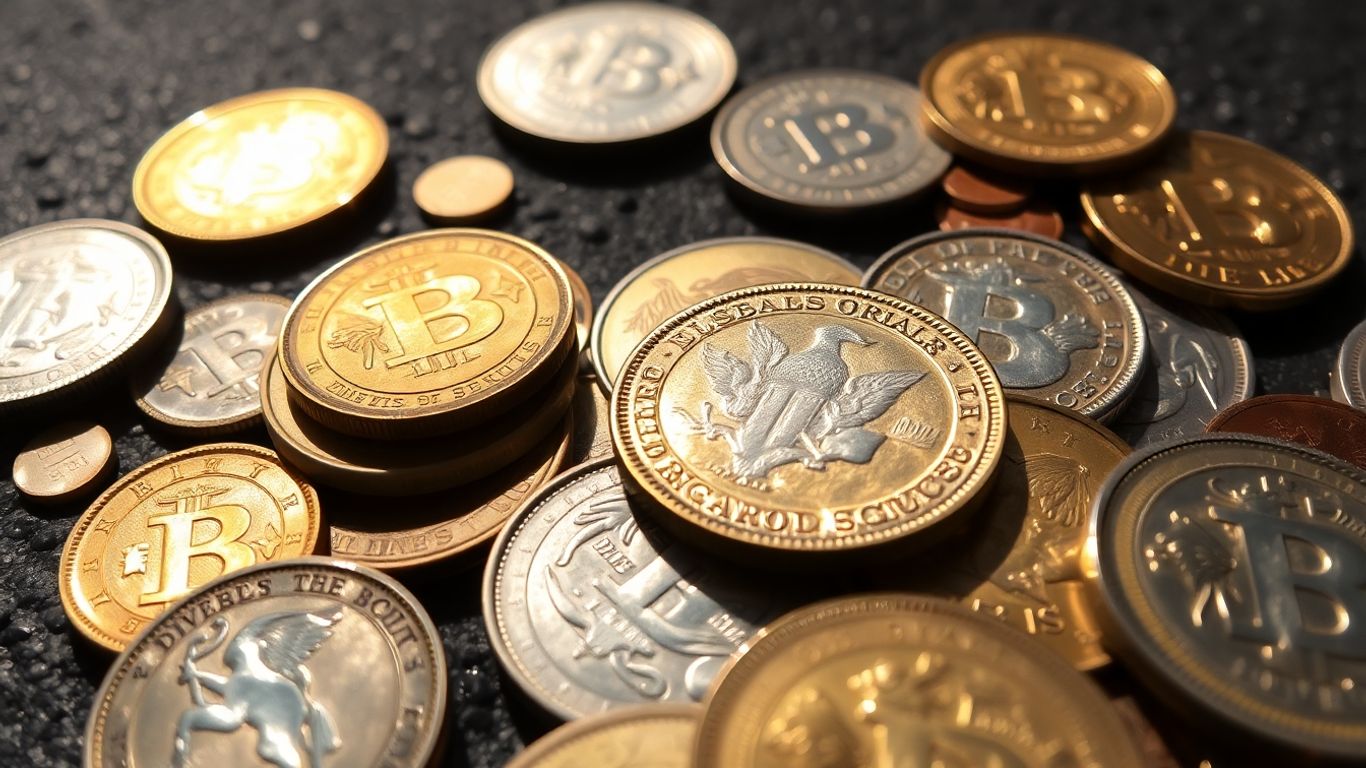
Selling your rare coins might seem like a big task, but breaking it down into steps makes it much more manageable. It’s all about preparation and knowing what to expect.
Creating Coin Photos or Inventory
Before you even think about contacting a buyer, it’s a good idea to get a handle on what you have. This doesn’t have to be overly complicated. For most buyers, a clear set of photos showing the front and back of each coin is a great starting point. If you have a larger collection, creating a simple list or inventory can also be helpful. This list could include the coin’s date, mint mark (if you can find it), and any identifying features. The goal here is to give potential buyers a clear picture of your collection without them needing to see it in person right away.
Receiving Your Appraisal Offer
Once a buyer has a good idea of what you’re selling, they’ll typically provide an appraisal or an offer. This is where their knowledge comes into play. They’ll look at factors like the coin’s condition, rarity, and current market demand. Some buyers might offer a single price for your entire collection, while others might price each coin individually. It’s wise to get a few different offers if possible, just to compare.
Secure Payment Options
After you accept an offer, the next step is getting paid. Reputable coin buyers offer secure and reliable payment methods. Common options include:
- Checks: A traditional and safe way to receive funds.
- Bank Transfers (ACH): Direct deposit into your bank account, often the quickest method.
- Cash: For in-person transactions, immediate cash payment is sometimes an option.
It’s important to discuss payment terms upfront to make sure you’re comfortable with how and when you’ll receive your money. A smooth transaction concludes with you being paid fairly and promptly for your coins.
Understanding the process from start to finish helps reduce any uncertainty. Knowing what information to prepare and what to expect during the offer and payment stages can make the entire experience much less stressful.
Why Choose A Trusted Coin Buyer
When you’re ready to sell your rare coins, picking the right buyer makes a big difference. It’s not just about getting a price; it’s about having a smooth experience and feeling confident you got a fair deal. A trusted coin buyer brings a lot to the table that can make the whole process much better.
Expertise and Trustworthiness
A good coin buyer knows their stuff. They’ve spent years learning about different coins, their history, and what makes them desirable to collectors. This knowledge means they can accurately assess what you have, from common silver dollars to really rare gold pieces. They understand the nuances that affect a coin’s value, like its condition, rarity, and historical significance. This expertise helps prevent misunderstandings and ensures you’re dealing with someone who respects the numismatic world.
Competitive Offers and Fair Assessments
Getting a fair price is usually the main goal. Trusted buyers use current market data and their own knowledge to give you an offer that reflects your coin’s true worth. They don’t just guess; they look at recent sales, metal prices, and collector demand. This means you’re more likely to get a competitive offer that you can feel good about.
Here’s a general idea of how offers might compare:
| Buyer Type | Typical Offer Range (vs. Market Value) |
|---|---|
| Trusted Dealer | 80% – 95% |
| General Pawn Shop | 30% – 60% |
| Online Auction (Net) | 70% – 90% (after fees) |
Customer Satisfaction Priority
Ultimately, a buyer who cares about customer satisfaction will make the selling process easier. They’ll be clear about their process, answer your questions patiently, and aim to make you feel comfortable. This focus on the customer means they’re not just looking for a quick transaction, but want you to have a positive experience that might lead you to return or recommend them.
Working with a reputable buyer means you’re less likely to encounter hidden fees or lowball offers. They operate with transparency, making sure you understand every step of the valuation and selling process. This builds confidence and makes the entire experience less stressful.
Here are some things to look for in a trusted buyer:
- Clear communication throughout the process.
- Willingness to explain their valuation methods.
- Positive reviews or testimonials from other sellers.
- Professional demeanor and a clean, organized place of business (if applicable).
- No pressure to sell immediately.
Navigating Inherited Coin Collections
Finding out you’ve inherited a coin collection can be a surprise. It might be a box of old coins from a grandparent or a more organized collection built over years. Whatever the case, the first step is figuring out what you have and what it’s worth. This isn’t always straightforward, as coins can have value based on the metal they’re made of, or their rarity and condition.
Estate Appraisals for Collections
When dealing with an estate, getting a professional appraisal is a smart move. This helps you understand the full picture of the collection’s worth, which is important for estate planning and taxes. You’ll want someone who knows coins well to look at everything. They’ll check for things like:
- Coin Type: Is it a common coin or something rare?
- Metal Content: Is it made of gold, silver, or other precious metals?
- Condition: How worn is the coin? Are there any scratches or damage?
- Rarity and Demand: How many of these coins exist, and how many people want them?
Understanding Inherited Coin Value
The value of inherited coins depends on several factors. It’s not just about the face value. A coin that looks ordinary might be quite valuable to a collector. Factors like the year it was minted, where it was made, and its historical significance all play a part. Sometimes, a coin’s worth comes from the precious metal it contains, while other times, its numismatic value—its value as a collectible—is much higher.
It’s easy to get overwhelmed by the sheer number of coins or the technical details. Taking it one step at a time and seeking expert advice can make the process much smoother. Remember, these coins are pieces of history, and understanding their story can be as rewarding as knowing their monetary worth.
Options for Selling Inherited Coins
Once you know what your inherited coins are worth, you have a few choices for selling them:
- Local Coin Dealers: These are shops in San Antonio that buy and sell coins. They can offer quick sales, but it’s good to get quotes from a few places.
- Online Platforms: Websites dedicated to selling coins can reach a wider audience of collectors.
- Auctions: For particularly rare or valuable collections, an auction might get you the best price, though it takes more time.
- Precious Metal Refiners: If the coins are primarily valuable for their gold or silver content, a refiner might be an option, though you’ll likely get less than their collector value.
Insurance Appraisals For Coin Collections
Accurate Valuation for Insurance Claims
When it comes to insuring your coin collection, getting an accurate valuation is key. Insurance companies sometimes underestimate the worth of these historical items. If something happens to your collection, like damage or theft, you want to be sure you’re covered properly. A detailed appraisal helps make sure you get fair compensation. It’s about more than just the metal; it’s about the rarity, condition, and historical importance of each piece. This kind of appraisal helps document exactly what you have and what it’s worth on the open market.
Working with Certified Appraisers
It’s a good idea to work with appraisers who are certified and have experience with coins. They know what to look for and how to assess value correctly. They can help you understand the different factors that go into a coin’s worth, like its grade and any special historical significance. This professional assessment provides a solid basis for your insurance policy. You can find local experts who specialize in numismatics. For example, San Antonio Coin Buyers have experience in evaluating coin collections.
Ensuring Full Compensation
Having a professional appraisal done before any incident occurs is the best way to prepare. It gives you a clear record of your collection’s value. This documentation is vital if you ever need to file an insurance claim. It helps prevent disputes and makes the process smoother. The goal is to have peace of mind knowing your collection is protected and that you’ll be fully compensated if the unexpected happens. This process helps you understand the true market value, not just a guess.
Here are some points to consider when getting an insurance appraisal:
- Documentation: The appraiser will create a detailed list of your coins, including descriptions, condition, and estimated value.
- Market Knowledge: Certified appraisers stay updated on current market trends and collector demand.
- Professionalism: They follow established appraisal standards to provide an objective valuation.
- Record Keeping: Keep copies of the appraisal report in a safe place, separate from your collection.
Selling Coins Safely Through Mail
Sending your valuable coins through the mail might sound a little nerve-wracking, but it’s a common and secure method when done correctly. Many reputable coin buyers offer mail-in services designed to protect your items during transit. The key is to work with a buyer who provides robust insurance and uses secure shipping procedures. This approach allows you to access a wider market of buyers, potentially getting better offers than you might find locally, without the need to travel.
Insured Mail-In Coin Sales
When you choose to sell your coins via mail, look for buyers who offer comprehensive insurance coverage. Some companies partner with well-known insurance providers to cover your shipment from the moment it leaves your hands until it reaches their facility. This insurance is not just a formality; it’s a critical safeguard against loss or damage. It’s important to understand the specifics of the insurance policy, including the coverage limits and any conditions that might apply.
Secure Shipping Procedures
Beyond insurance, the actual shipping process matters a great deal. Reputable dealers will provide clear instructions on how to package your coins securely. This often involves using sturdy boxes, ample padding to prevent movement, and discreet outer packaging to avoid drawing unwanted attention. Some buyers even offer pre-paid shipping labels and specific packaging materials to simplify the process for you. Once the shipment arrives, it’s common practice for buyers to open packages under video surveillance to document the contents accurately.
Verification and Payment Upon Arrival
After your coins arrive, the buyer will typically verify the contents against your inventory or initial agreement. This verification step is usually done promptly, often on the same business day. Once verified, you can expect to receive your payment. Buyers offer various payment methods, such as checks, bank transfers, or PayPal. The speed of payment can vary, but many aim to process payments quickly after verification, providing a clear and efficient transaction.
Building Relationships With Coin Buyers
Longstanding Customer Relationships
When you’re looking to sell rare coins, finding a buyer you can trust is key. It’s not just about getting a good price for your coins today; it’s about building a connection for the future. Many collectors find that working with the same reputable dealer over time leads to better outcomes. These buyers get to know your collection, understand your goals, and can often provide more tailored advice and offers as they become familiar with your specific coins and what you’re looking for. Think of it like finding a good mechanic for your car – once you find someone reliable, you stick with them.
Transparency in Transactions
Honest dealings are the bedrock of any good relationship, and selling coins is no different. A buyer who is open about their process, explains how they arrive at their offers, and clearly outlines any fees or commissions builds trust. This transparency means you understand exactly what’s happening with your coins and why you’re being offered a certain amount. It removes the guesswork and makes you feel more confident about the sale. A clear, step-by-step explanation of the appraisal and offer process is always a good sign.
Becoming Part of the Numismatic Community
Reputable coin buyers often see their clients not just as customers, but as fellow enthusiasts. They might share insights into market trends, alert you to interesting coins that might fit your collection, or even invite you to local coin shows or events. Engaging with these buyers can open doors to a wider numismatic world, offering opportunities to learn more and connect with others who share your passion. It transforms a simple transaction into a more engaging experience.
Here’s a look at what makes a buyer a good long-term partner:
- Knowledge: They know their coins and the market.
- Fairness: They offer competitive prices and explain their reasoning.
- Communication: They keep you informed throughout the process.
- Respect: They treat you and your collection with care.
Building a relationship with a coin buyer means finding someone who values your business beyond a single sale. It’s about trust, clear communication, and a shared appreciation for the history and artistry held within each coin.
Final Thoughts on Selling Your Coins
So, you’ve got some old coins lying around and you’re wondering what to do with them. We’ve talked about a few places in San Antonio where you can get them looked at and maybe sold. Whether you’re leaning towards a local shop or a company that handles things online, the main thing is to do a little homework first. Make sure whoever you choose is upfront about their process and what they’re offering. Selling coins can be a bit of a process, but with the right information, you can feel good about the deal you make. Good luck out there!
Frequently Asked Questions
How do I know if my coins are valuable?
The value of a coin depends on several things. These include how rare it is, its condition (how well-preserved it is), and if many people want to collect it. Coins made of gold or silver also have value based on the metal’s price. A professional appraisal is the best way to find out for sure.
What is coin grading, and why is it important?
Coin grading is like giving a coin a score based on its condition, from perfect to worn out. This score, often a number from 1 to 70, helps buyers and sellers know exactly what they are dealing with. Professional grading services can give official scores that make coins easier to buy and sell.
Can I get my coins appraised for free?
Yes, many places offer free appraisals for your coins. This means experts will look at your coins and tell you what they think they are worth without charging you. You don’t have to sell your coins to them if you don’t want to after getting the appraisal.
What's the difference between selling coins online versus to a local dealer?
Selling online often means you can reach more buyers and potentially get better prices, but it might involve shipping your coins. Local dealers offer a quick, in-person transaction, but their offers might be lower because they need to make a profit. Both have pros and cons depending on what’s important to you.
Is it safe to mail my rare coins to a buyer?
Yes, it can be very safe if you use a reputable buyer who offers insurance. Companies often insure your coins for their full value during shipping. They also usually have security measures in place when they receive the coins, like cameras, to make sure everything is accounted for.
What types of coins do buyers usually look for?
Buyers are often interested in U.S. coins that are rare or made of precious metals like gold and silver. This can include old coins, special edition coins, or coins with historical significance. They also buy paper money if it’s rare.
What happens if I inherit a coin collection?
If you inherit coins, it’s a good idea to get them appraised. This helps you understand their value for estate purposes and decide if you want to keep them or sell them. Many places offer special appraisal services for inherited collections.
How do I prepare my coins for an appraisal?
For an appraisal, you usually need to provide photos of your coins or a list of what you have. It’s best not to clean your coins, as this can sometimes lower their value. Just gather them together, and let the appraiser handle the rest of the evaluation.