
Thinking about selling your proof coins in San Antonio, TX? It can feel a bit overwhelming at first. You’ve got these special coins, and you want to make sure you get a fair deal. This guide is here to help you figure out where to go and what to expect when you decide to sell proof coins in San Antonio, TX. We’ll cover understanding what makes a proof coin valuable, how to find trustworthy buyers, and how to get the most money for your collection.
Key Takeaways
- Proof coins are special because they are made with extra care for collectors, often having a mirror-like finish and frosted details. Knowing this helps when you sell proof coins in San Antonio, TX.
- Finding a good coin dealer is important. Look for shops that specialize in or are known for handling proof coins. Checking online reviews or asking other collectors can help you find reputable places to sell proof coins in San Antonio, TX.
- How you handle your coins matters. Proof coins can be easily damaged, which lowers their value. Avoid cleaning them yourself; it’s usually better to leave that to the experts when you sell proof coins in San Antonio, TX.
- Getting your coins graded by a professional service like PCGS or NGC can increase their value and make them easier to sell. Even if they aren’t graded, understanding their condition is key when you sell proof coins in San Antonio, TX.
- Always compare offers from different dealers. Researching the current market value for your specific coins will help you know if you’re getting a fair price when you sell proof coins in San Antonio, TX.
Understanding Proof Coins Before You Sell
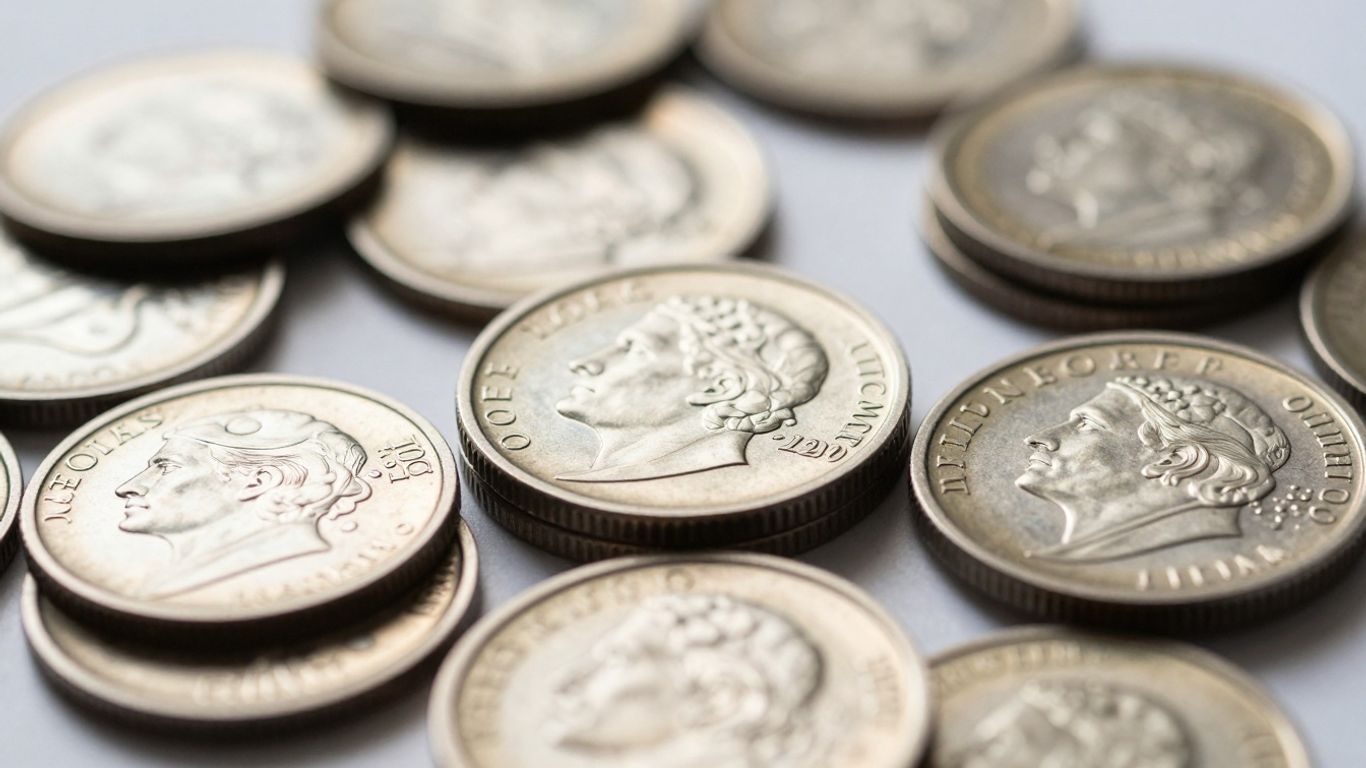
Before you head out to sell your proof coins in San Antonio, it’s a good idea to know what makes them special. Proof coins aren’t just regular coins; they’re made using a special process that gives them a unique look and feel. This process is all about creating coins that are meant to be admired, not spent. They’re struck multiple times with specially polished dies and planchets, resulting in a mirror-like finish on the fields and frosted details on the design elements. This contrast is a hallmark of a true proof coin.
What Constitutes A Proof Coin?
So, what exactly makes a coin a "proof"? It all comes down to how it’s made. Unlike circulating coins, proof coins are produced using specially prepared dies and planchets. The dies are polished to a mirror finish, and the planchets (the blank metal discs) are also highly polished. Each coin is struck at least twice, sometimes more, with lower striking speeds to ensure the details are sharp and clear. This meticulous process results in coins with a distinct, high-quality appearance, often featuring a brilliant, reflective surface and frosted design elements. This careful manufacturing is what sets proof coins apart from their business-strike counterparts.
The Importance of Mint Marks and Dates
When you’re looking to sell your proof coins, pay close attention to the mint mark and the date. These two pieces of information are incredibly important for determining a coin’s identity and, consequently, its value. The mint mark tells you where the coin was made (e.g., ‘S’ for San Francisco, ‘D’ for Denver, ‘O’ for New Orleans), and the date tells you when it was minted. Certain dates and mint marks are rarer than others, making them more desirable to collectors. For example, a proof coin from a mint that produced fewer proofs in a specific year might be worth more than one from a mint that produced many more. Always check these details carefully; they are fundamental to a coin’s numismatic story.
Proof Coin Grading: A Crucial Factor
Grading is a big deal when it comes to selling proof coins. It’s essentially an assessment of a coin’s condition and quality, usually on a scale from 1 to 70. A professional grading service assigns this grade. The better the grade, the higher the coin’s value is likely to be. Factors like the sharpness of the strike, the quality of the surfaces (looking for scratches, hairlines, or other imperfections), and the overall eye appeal all play a role. Even minor differences in grade can mean significant differences in price. It’s worth understanding that grading is subjective to some extent, and different graders might have slightly different opinions, but professional grading services provide a standardized system that collectors rely on.
Finding Reputable Coin Dealers in San Antonio
When it comes time to sell your proof coins, finding a trustworthy dealer is half the battle. You want someone who knows their stuff, offers fair prices, and treats you right. San Antonio has a number of places where you can do just that.
Locating Coin Shops and Dealers
Your first step is to find out who’s actually in the business of buying and selling coins in the area. A good starting point is to look for established coin shops. These are businesses that typically have a physical storefront and specialize in numismatics. You can often find them through online searches, local business directories, or even by asking other collectors. Some national organizations also maintain directories of dealers, which can be helpful.
- Online Search Engines: Use terms like "coin dealers San Antonio" or "buy coins San Antonio."
- Numismatic Organizations: Check websites of major grading services like PCGS or NGC, as they often have dealer locators.
- Local Classifieds and Forums: Sometimes smaller, independent dealers advertise in local spots.
Specialty Dealers for Your Proof Coins
Proof coins, especially rare or high-grade ones, might be best handled by dealers who focus on that specific area. Some dealers might specialize in U.S. gold coins, while others might focus on ancient coins or error coins. For proof coins, look for dealers who are knowledgeable about mint errors, special finishes, and the nuances of proof coin grading. A dealer who actively buys and sells certified coins is often a good bet. For instance, LCR Coin is known for dealing in certified rare coins, which often include high-quality proof examples.
Evaluating Dealer Reputation and Services
Once you have a list of potential dealers, it’s time to vet them. How do you know if a dealer is reputable? Look for signs of professionalism and transparency.
- Years in Business: Longer-established dealers often have a solid reputation.
- Online Reviews and Testimonials: See what other customers have said.
- Professional Affiliations: Membership in numismatic organizations can be a good indicator.
- Transparency in Pricing: Do they explain how they arrive at their offers?
It’s wise to visit a few different dealers before making a decision. Get quotes from each and compare them. A dealer who is willing to take the time to explain their offer and answer your questions is usually a good sign. Don’t be afraid to ask about their buying process and what factors influence their pricing.
Consider what services they offer. Do they buy outright, or do they work on consignment? Understanding their business model can help you choose the best fit for selling your specific proof coins. Some dealers might also offer appraisals, which can be helpful if you’re unsure of your coins’ value.
Preparing Your Proof Coins for Sale
Before you head out to sell your proof coins, taking a little time to prepare them can make a big difference in the offers you receive. It’s not about making them look brand new, but rather about presenting them in the best possible light while preserving their inherent value. Think of it as getting ready for a job interview – you want to look presentable.
Handling Proof Coins With Care
Proof coins are special because they are made using polished dies and planchets, often struck multiple times to bring out fine details and a mirror-like finish. This means they are quite delicate. The most important thing is to avoid touching the coin’s surface directly. Fingerprints can leave oils that, over time, can cause damage or be difficult for a buyer to remove without risking harm to the coin. Always handle coins by their edges.
- Use cotton gloves: This is the best way to prevent transferring oils from your skin to the coin’s surface.
- Hold by the rim: If gloves aren’t available, grasp the coin gently between your thumb and forefinger on its edge.
- Work over a soft surface: Prepare your coins on a clean, soft cloth or a felt mat. This way, if you accidentally drop a coin, it won’t hit a hard surface.
The Impact of Cleaning on Coin Value
This is a really important point, and one where many sellers make a mistake. Never clean your proof coins. While it might seem like a good idea to wipe away any dust or smudges, cleaning can severely damage a proof coin’s surface and drastically reduce its value. The mirror-like finish and intricate details are easily marred by even the gentlest scrubbing. What might look cleaner to you could appear damaged and less desirable to a seasoned collector or dealer. Even using a soft cloth can introduce micro-scratches that are visible under magnification.
The temptation to ‘improve’ a coin’s appearance by cleaning it is strong, but it’s almost always counterproductive. The original, untouched state of a proof coin is what collectors and dealers value most. Any attempt to alter its condition, even with good intentions, can be seen as damage.
Organizing Your Collection for Sale
Having your coins organized makes the selling process smoother for both you and the potential buyer. It shows you’ve taken care of your collection and makes it easier for them to assess what you have.
- Keep coins in their original holders: If your proof coins came in official mint packaging or a reputable third-party grading service slab, keep them that way. These holders protect the coins and often contain important information.
- Create a list: Make a simple list of the coins you have, including their denomination, year, mint mark, and any identifying features. If they are graded, note the grade and the grading service.
- Group similar coins: If you have many coins, consider grouping them by type, year, or metal content. This can help a dealer quickly understand the scope of your collection.
Navigating the Selling Process
Selling your proof coins involves a few steps that are good to know about beforehand. It’s not just about handing them over; there are agreements, potential bidding, and how you get paid to think about.
Understanding Consignment Agreements
When you decide to sell your coins through a dealer or auction house, you’ll likely enter into a consignment agreement. This is a formal contract outlining the terms of your sale. It’s important to read this carefully. Key things to look for include:
- Commission Rates: How much the dealer or auction house will take from the final sale price.
- Reserve Price: The minimum price you’re willing to accept for your coins. If the bidding doesn’t reach this, the coins may not be sold.
- Sale Duration: How long the consignment period will last.
- Insurance: Who is responsible for insuring the coins while they are in the dealer’s or auction house’s possession.
- Payment Terms: When you can expect to receive your payment after the sale.
This agreement is your primary protection and guide for the entire selling process.
Always ask for a copy of the consignment agreement in writing. Verbal agreements can lead to misunderstandings later on. Make sure you understand every clause before signing.
The Role of Auctioneers and Bidding
If you choose to sell your proof coins at an auction, the auctioneer plays a central role. They are responsible for presenting your coins to potential buyers and facilitating the bidding process. The auctioneer has the right to accept or decline any bid, and they can even open the bidding on a lot themselves. Sometimes, an auctioneer might bid on behalf of the seller to meet a reserve price. It’s also important to be aware that collusion among bidders is illegal and can result in penalties.
Payment Terms and Timelines
Understanding when and how you’ll get paid is vital. Most agreements will specify a payment timeline after the sale is complete. This can vary, but often it’s within a certain number of days (e.g., 14-30 days) once the buyer has paid and the funds have cleared. Payment methods can include checks, wire transfers, or direct deposit. Be aware that some auction houses may charge buyer’s commissions, which are added to the final bid price. For example, a buyer’s commission might be 20% or more on top of the hammer price.
Here’s a general idea of what to expect:
- Payment Window: Typically 14-30 days post-sale.
- Payment Methods: Check, wire transfer, direct deposit.
- Buyer’s Premium: Often added to the winning bid (e.g., 20%).
- Seller’s Commission: Deducted from the hammer price.
It’s also worth noting that if a buyer fails to pay, the terms of the consignment agreement will dictate how that situation is handled, which could involve the auction house reselling the item.
Key Considerations When Selling Proof Coins
When you’re ready to sell your proof coins, there are a few important things to keep in mind. It’s not just about handing them over and getting cash; there are details that can affect the final amount you receive. Thinking about these points beforehand can make the whole process smoother and potentially more profitable.
Authenticity and Grading Warranties
One of the first things a buyer will want to know is if your coins are genuine. Reputable dealers will often provide a warranty of authenticity, meaning they stand behind the fact that the coin is not counterfeit and that its date or mint mark hasn’t been tampered with. However, this warranty is usually limited. It’s important to understand what it covers and what it doesn’t. For instance, a dealer might guarantee authenticity but not offer any guarantees about whether a coin has been cleaned or if its toning is natural. Always ask for clarification on these points.
Grading is a subjective process, and opinions can differ even among experts. What one person considers a high-grade coin, another might see differently. It’s wise to be aware that grading standards can change over time, influenced by market trends and collector preferences.
Disclaimers and Buyer's Commissions
Be aware that many sellers, especially auction houses, will have specific terms and conditions. These often include disclaimers about the condition or grade of the coins. They might state that any description is an opinion and not a guarantee. You’ll also encounter buyer’s commissions, which are fees added to the hammer price in an auction. These can significantly increase the total cost for the buyer, and understanding how they work is important if you’re selling through an auction. Some terms might also state that coins graded by specific services cannot be returned for any reason.
- Understand the return policy: Know if and under what conditions a coin can be returned. Some sales are final, especially if you’ve examined the item beforehand.
- Check for grading disputes: If a coin’s grade is disputed, there’s often a limited window to make a claim, usually within a few days of receiving the item.
- Review consignment agreements: If you’re consigning coins, read the agreement carefully to understand the dealer’s responsibilities and your payout terms.
Potential Risks and Buyer Protections
Selling coins, especially valuable ones, comes with certain risks. For buyers, there’s the risk of purchasing a counterfeit or an overgraded coin. For sellers, the risk might be not getting a fair price or dealing with a dishonest buyer. Reputable dealers aim to mitigate these risks by offering authenticity guarantees and transparent grading. However, it’s always a good idea to do your homework. Researching the dealer and understanding common practices in the numismatic world can help protect you. For example, if a dispute arises over ownership, some terms allow the seller to initiate legal proceedings at the expense of the involved parties.
- Verify dealer credentials: Look for dealers who are members of professional organizations or have a long-standing reputation.
- Get offers in writing: Always request written offers that detail the coin, its grade, and the proposed price.
- Consider third-party grading: For high-value coins, having them graded by a recognized service like PCGS or NGC can provide a level of assurance for potential buyers and often leads to a better sale price. The 1979 Susan B. Anthony dollar is an example where its value is heavily dependent on its grade.
Maximizing Your Return on Proof Coins
Selling your proof coins can feel like a puzzle, and getting the best price for them is the ultimate goal. It’s not just about finding a buyer; it’s about finding the right buyer and presenting your coins in the best possible light. Let’s break down how to make sure you get what your collection is truly worth.
Researching Current Market Values
Before you even think about showing your coins to a dealer, you need to do your homework. What are similar proof coins selling for right now? This isn’t always straightforward, as prices can shift based on rarity, condition, and overall market demand. You’ll want to check resources like online price guides, auction results, and even recent sales data from reputable dealers. Keep in mind that a coin’s listed price isn’t always what it actually sells for; the final sale price is the real indicator.
Comparing Offers from Multiple Dealers
Don’t take the first offer you get. It’s like shopping around for anything else – you want to see what different places are offering. Each dealer might have a different perspective on your coin’s value, or they might be looking for specific pieces to fill their inventory. Visiting several dealers in San Antonio, or even reaching out to a few online, can give you a much clearer picture of your coins’ market worth. This comparison shopping is key to avoiding a lowball offer.
The Benefits of Professional Appraisal
Sometimes, especially with rare or high-value proof coins, a professional appraisal can be a smart move. An experienced numismatist can provide a detailed assessment of your coins, taking into account factors you might overlook. This appraisal isn’t just about getting a number; it’s about understanding the nuances of your specific coins, like their historical significance or unique characteristics. While appraisals cost money, they can often pay for themselves by helping you negotiate a better selling price or by confirming the true value of your collection.
Selling Graded vs. Ungraded Proof Coins
When you’re ready to sell your proof coins, one of the first things you’ll consider is whether they’ve been professionally graded or if you’ll be selling them as they are. This distinction can significantly impact how buyers perceive your coins and, consequently, the offers you receive.
The Value of Third-Party Grading
Third-party grading services, like PCGS and NGC, provide an objective assessment of a coin’s condition and authenticity. These services encapsulate coins in protective holders, often called "slabs," along with a detailed grade and description. This process offers several advantages for sellers:
- Enhanced Buyer Confidence: A graded coin comes with a warranty of authenticity and a standardized grade, reducing risk for the buyer.
- Market Transparency: Graded coins are easier to price, as their condition is clearly defined and widely understood by collectors and dealers.
- Potential for Higher Prices: Coins that receive high grades from reputable services often command premium prices due to their desirability and rarity in that condition.
When to Consider Grading Before Selling
Deciding whether to grade your proof coins before selling involves weighing the cost of grading against the potential increase in value. Generally, it makes sense to grade coins that:
- Are of significant intrinsic value (e.g., contain a substantial amount of precious metal).
- Are rare or have a low mintage.
- Are in exceptionally high, uncirculated condition.
- Are part of a popular series or have strong collector demand.
It’s important to research the potential market value of your coin after grading. If the estimated increase in value doesn’t significantly outweigh the grading fees and shipping costs, it might be better to sell the coin ungraded. You can often find resources online to help estimate a coin’s potential grade and value. For instance, checking a coin price guide can give you an idea of market trends.
Selling Raw Proof Coins Effectively
Selling ungraded, or "raw," proof coins is also common, and they can still find buyers. The key is to present them honestly and accurately. Buyers of raw coins often rely more heavily on their own expertise or the reputation of the seller.
Here’s how to approach selling raw proof coins:
- Accurate Description: Provide as much detail as possible about the coin, including its date, mint mark, and any visible imperfections. Be upfront about any damage or flaws.
- Careful Handling: Always handle raw proof coins by their edges to avoid fingerprints or scratches, which can significantly reduce their value.
- Realistic Pricing: Since the buyer assumes the risk of grading, price your raw coins competitively, often at a slight discount compared to their graded counterparts.
While grading adds a layer of assurance, well-presented raw coins can still attract serious collectors and dealers in San Antonio. Understanding the market and being transparent about your coin’s condition are your best tools when selling ungraded items.
Specialized Venues for Selling Coins
Beyond the typical coin shop, San Antonio offers several other places where you can sell your proof coins. Each has its own way of doing things, so knowing what to expect can help you get the best outcome.
Coin Shows in the San Antonio Area
Coin shows are events where many dealers and collectors gather in one place, usually over a weekend. Think of it as a temporary marketplace specifically for coins. You can often find shows happening in and around San Antonio. These events are great because you can talk to multiple dealers face-to-face, compare their offers on the spot, and sometimes even get a better price due to the competitive environment. It’s a good idea to check local listings or numismatic association websites for upcoming show dates and locations.
- Check show schedules: Look for announcements from local coin clubs or national numismatic organizations.
- Bring your coins: Have them organized and ready for dealers to examine.
- Be prepared to negotiate: Dealers at shows are often looking to make deals, but they’ll still want a fair price.
Online Marketplaces for Numismatics
The internet has opened up a huge market for selling coins. Websites dedicated to coin collecting allow you to list your proof coins for sale to a global audience. This can be a good option if you’re looking for a wider reach than your local area. However, selling online comes with its own set of considerations, like shipping securely and dealing with potential buyer disputes. Some platforms are more geared towards collectors, while others are more like general auction sites.
Selling online means you’re responsible for accurate descriptions and secure packaging. It’s wise to research the platform’s policies on disputes and payment protection before listing.
Local Coin Clubs and Collector Networks
Joining a local coin club in San Antonio can connect you with other collectors and dealers. These clubs often have informal gatherings or meetings where members can buy, sell, or trade coins. It’s a more personal way to sell, and you might find a collector who is specifically looking for the type of proof coins you have. Building relationships within the numismatic community can lead to better opportunities and advice.
- Attend meetings: Get to know other members and their interests.
- Network: Let people know you’re looking to sell.
- Ask for recommendations: Club members can often point you toward reputable buyers.
Understanding Coin Dealer Practices
Dealer Inquiries and Offers
When you approach a coin dealer in San Antonio to sell your proof coins, they’ll typically want to examine them closely. This is standard procedure. They’re looking at the coin’s condition, its rarity, and current market demand. A dealer’s offer is based on what they believe they can sell the coin for, minus their overhead and profit margin. It’s not uncommon for dealers to offer a percentage of the retail value. This percentage can vary widely depending on the coin and the dealer’s business model. Some dealers might specialize in certain types of coins, which could mean they offer more for specific items in your collection.
The Negotiation Process
Selling coins often involves a bit of back-and-forth. Don’t be afraid to ask questions about their offer. Why are they offering a certain amount? What do they see as the coin’s strong or weak points? If you’ve done your homework on your coins’ potential value, you’ll be in a better position to negotiate. Remember, dealers are running a business, and they need to make a profit. However, a fair offer is one that reflects the coin’s true market worth, even if it’s below what you might get selling directly to another collector. It’s a balance between convenience and maximizing your return.
Building Relationships with Dealers
Over time, you might find a few dealers you trust and feel comfortable working with. Building a good relationship can be beneficial. A dealer who knows your collection and your interests might be more inclined to give you a fair shake or even alert you to opportunities. They might also be more willing to work with you on consignment if that’s a route you decide to explore. Think of it like finding a good mechanic or a trusted tailor; once you find someone reliable, it simplifies things. Regular interactions can lead to better deals and a smoother selling experience for everyone involved.
Legal and Transactional Aspects
Sales Tax and Reporting Requirements
When you sell coins, especially proof coins, in San Antonio, you’ll want to be aware of any sales tax obligations. Texas generally imposes a sales tax on tangible personal property. However, there are often exemptions for certain items, and precious metals or coins might fall under these. It’s a good idea to check with the Texas Comptroller of Public Accounts or a local tax professional to see if your specific coin sale is taxable. If it is, you’ll need to collect the tax from the buyer and remit it to the state. For larger transactions, dealers are usually required to report sales to the IRS, so be prepared for that if you’re selling a significant collection.
Secure Payment Methods
When it comes time to get paid, think about how you want to receive your money. For smaller sales, cash or a check might be fine. However, for more substantial amounts, you might want to consider more secure options. Wire transfers are generally very safe and quick. If you’re selling through a dealer or auction house, they’ll typically have their own payment procedures, which could include checks, wire transfers, or even direct deposit. Always confirm the payment method and ensure it’s something you’re comfortable with before finalizing the sale. Never accept payment methods that you don’t fully understand or trust.
Dispute Resolution for Coin Sales
Sometimes, disagreements can pop up during a coin sale. It might be about the coin’s condition, the price, or even the payment itself. Most reputable dealers and auction houses will have a process for handling disputes. This often involves reviewing the terms of sale and potentially mediating between the buyer and seller. If you’re selling directly to another collector, it’s wise to have a clear, written agreement outlining the terms of the sale. This can help prevent misunderstandings down the road. If a serious dispute arises that can’t be resolved amicably, you might need to look into legal advice, but this is usually a last resort for most coin transactions.
Final Thoughts on Selling Your Proof Coins
So, you’ve got some proof coins you’re looking to sell in San Antonio. We’ve gone over a few ways you might go about it, from checking out local coin shops to understanding how auctions work. Remember, doing a little homework beforehand can really help you get a fair price. It’s not always straightforward, and sometimes you might feel like you’re just guessing. But by knowing what to look for and where to go, you can make the process a bit smoother. Good luck out there finding the right buyer for your coins.
Frequently Asked Questions
What makes a coin a 'proof' coin?
Proof coins are special coins made by mints using a special process. They are made with polished dies and planchets (the blank metal discs) and struck multiple times to get a really clear, shiny, and detailed image. They’re not meant for everyday spending; they’re made for collectors.
Why are the date and mint mark important on my proof coin?
The date tells you when the coin was made, and the mint mark shows which mint facility produced it. These details, along with the coin’s condition, are super important for figuring out how much it’s worth. Some dates and mint marks are much rarer than others.
How does the condition (grade) of my proof coin affect its value?
A coin’s grade is like its report card, showing how well it has been preserved. Coins in perfect or near-perfect condition, with no scratches or wear, are worth much more than those that are damaged or worn. Professional grading services assess this.
How can I find trustworthy coin dealers in San Antonio?
Look for dealers who are members of respected numismatic organizations. Checking online reviews and asking for recommendations from other collectors can also help. A good dealer will be knowledgeable, transparent, and fair in their dealings.
Should I clean my proof coins before selling them?
Absolutely not! Cleaning a proof coin, even with the best intentions, can severely damage its surface and drastically reduce its value. It’s best to leave them as they are, or in their original holders if they have them.
What's the difference between selling graded and ungraded proof coins?
Graded coins have been evaluated by a professional service (like NGC or PCGS) and are in a sealed holder with their condition noted. This often makes them easier to sell and can command higher prices because their quality is guaranteed. Ungraded (‘raw’) coins require the buyer to trust your assessment or get them graded themselves.
How do I know the current market value of my proof coins?
You can research prices in coin collecting price guides, check recent sales on reputable online auction sites, or consult with a professional coin appraiser. Comparing offers from several dealers is also a smart way to gauge their value.
What should I expect regarding payment when I sell my coins?
Reputable dealers will typically pay you promptly after agreeing on a price. Payment methods can vary, including cash, check, or bank transfer. Always clarify the payment terms and timeline upfront before finalizing the sale.