
Thinking about selling your coin collection in San Antonio? It can be a bit of a process, and getting a fair price is key. This guide looks at how to sell pattern coins in San Antonio, covering everything from understanding their value to finding the right buyers. We’ll talk about getting good appraisals and what to watch out for.
Key Takeaways
- Understanding a coin’s value involves looking at its condition, rarity, and market demand, not just its metal content.
- Professional coin grading in San Antonio provides a standardized way to assess authenticity and condition, which affects market price.
- Local coin shops and online buyers offer different benefits; consider convenience versus potential pricing.
- Market trends, including demand for specific coin types and the price of precious metals, influence how much you can get for your coins.
- Working with experienced and trusted dealers in San Antonio ensures you get fair valuations and avoid lowball offers when you sell pattern coins.
1. Understanding Coin Value
When you look at a coin, it’s easy to see just a piece of metal. But for collectors and investors, coins represent much more. Their worth isn’t just about the metal they’re made of; it’s a mix of rarity, condition, historical significance, and current market demand. Figuring out a coin’s true value requires a trained eye and a deep knowledge of numismatics. This means looking beyond the surface to understand the factors that make one coin more sought after than another. It’s a complex picture, and getting it right is key to making smart decisions about your collection.
Several factors contribute to a coin’s worth:
- Rarity: How many of these coins were originally minted, and how many still exist today?
- Condition (Grade): This refers to the coin’s physical state, including wear, damage, and overall appearance. A coin in mint condition is generally worth more than one that’s heavily circulated.
- Metal Content: Coins made of precious metals like gold, silver, or platinum often have a base value tied to the commodity market.
- Historical Significance: Coins associated with important historical events or figures can command higher prices.
- Demand: The current interest from collectors and investors plays a significant role in a coin’s market price.
The value of old coins is determined by a combination of factors including their metal content, overall condition, rarity, historical importance, and provenance. Understanding these elements is the first step toward knowing what your coins are truly worth. For those in San Antonio, getting an expert opinion is a smart move to accurately assess your collection’s worth and ensure you get a fair deal if you decide to sell. We can help you understand the value of your coins.
Determining a coin’s precise value isn’t always straightforward. It involves a careful examination of its physical state, its historical context, and its place within the broader numismatic market. An experienced eye can spot details that significantly impact worth, making professional assessment highly recommended.
2. Services Offered by San Antonio Coin Experts
When you’re looking to sell your coins in San Antonio, the experts are there to help with more than just a quick look. They provide a range of services designed to give you a clear picture of your collection’s worth and to make the selling process smoother. These professionals bring knowledge and experience to the table, helping you understand the true value of your numismatic items.
Here’s what you can typically expect:
- Coin Authentication: Experts can verify if your coins are genuine. This is important because fakes can sometimes look very convincing, and you want to be sure you’re dealing with real items.
- Grading Services: Beyond just authenticity, they assess the condition of your coins. Grading uses a standardized scale (often 1-70) to describe wear and tear, which greatly affects a coin’s market price.
- Detailed Appraisals: You’ll receive a thorough evaluation of your collection. This isn’t just a guess; it involves looking at factors like rarity, metal content, historical importance, and current market demand.
- Buying and Selling Assistance: Whether you’re looking to acquire specific coins or sell what you have, these experts can facilitate transactions. They often have a network of buyers and sellers.
- Market Trend Analysis: They stay updated on what’s happening in the coin market, so you get pricing based on current trends, not outdated information.
The process of getting your coins evaluated should feel transparent. You should understand how the value is determined and feel confident in the assessment provided. It’s about getting a fair understanding of what you own.
Some services might also offer:
- In-home consultations for larger collections.
- Guidance on selling strategies to get the best return.
- Information on specific coin types, such as gold coins, silver dollars, or rare U.S. currency.
3. Coin Authentication and Grading
When you’re looking to sell coins, especially those that might be valuable, getting them authenticated and graded is a really important step. It’s not just about slapping a number on a coin; it’s about getting an expert’s opinion on whether it’s real and what condition it’s in. Think of it like getting a diamond checked out – you want someone who knows what they’re doing to tell you its true quality. This objective look is key to getting a fair price and building trust with potential buyers.
Professional grading services use trained eyes and sometimes special tools to check coins. They look for signs of wear, damage, or anything that looks off. They also check to make sure the coin isn’t a fake. Once a coin is graded, it’s usually put in a protective case, often called a "slab," with details about its grade and authenticity. This gives collectors peace of mind.
Here’s a quick look at what grading involves:
- Authenticity Check: Confirming the coin is genuine and not a counterfeit.
- Condition Assessment: Evaluating wear, luster, and overall appearance.
- Grading Scale: Assigning a numerical grade, typically from 1 (poor) to 70 (perfect mint state).
- Encapsulation: Sealing the coin in a protective holder.
The grade a coin receives can really change its market value. A coin in top condition will be worth much more than the same coin with visible scratches. Grading provides a common language for everyone involved, making the market more predictable. For those looking to understand their collection better, resources like PCGS and NGC grading can offer more insight into how coins are evaluated.
Authenticating and grading coins is a vital part of the numismatic process. It provides a standardized, unbiased evaluation that builds confidence for both buyers and sellers, protecting against fakes and ensuring fair market value.
Trying to figure all this out on your own can be tough, especially if you’re new to collecting. Professional services bring a level of knowledge that’s hard to match. They can spot subtle details that an amateur might miss, which is exactly what separates a good appraisal from a great one. Working with experts means you can trust the assessment of your coins, whether you’re looking to sell or just understand what you own.
4. Appraisals for Your Collection
Getting a solid appraisal for your coins is a big step, whether you’re thinking about selling or just want to know what you have. It’s not always straightforward, and that’s where professional services come in handy. We aim to make this process as clear and beneficial for you as possible.
When you decide to have your coins looked at, there’s a clear path we follow to figure out what they’re worth and if they’re the real deal. It’s not just a quick glance; we take a structured approach to make sure everything is covered. This systematic process helps us provide you with an accurate assessment and a fair offer.
Our evaluation process goes beyond just a quick glance. We look at several factors to determine a coin’s true value.
Here’s a look at what we commonly consider:
- Condition: The state of the coin, including wear and tear, is a major factor. Even if not professionally graded, keeping your coins in good condition, without cleaning them (which can devalue them), is important.
- Rarity: How many of these coins were made, and how many still exist? Knowing the mintage numbers and survival rates for your specific coins can significantly impact their value.
- Metal Content: The value of the gold, silver, or other precious metals in the coin.
- Historical Significance: Some coins are valuable simply because of the history they represent.
- Market Demand: What are collectors and investors looking for right now? Timing Matters: The market for precious metals and rare coins can fluctuate. Selling when demand is high can lead to a better outcome.
Understanding these elements helps us provide an accurate assessment. It’s about more than just the metal; it’s about the coin’s place in history and its appeal to collectors.
We have a couple of options for how we can evaluate your coins:
- Online Appraisal: If you have clear photos and a list of your coins, we can often start the evaluation remotely. This is quick and convenient for many collections. It’s a great way to get a quick assessment without leaving your home.
- In-Home Consultations: For larger or particularly significant collections, especially if you’re in the San Antonio area, we can arrange to come to you. This saves you the trouble of moving valuable items and allows for a more thorough evaluation.
We’ll discuss which method works best for your situation. Sometimes, a combination might even be used. Our goal is to make the appraisal process fit your needs, not the other way around.
Getting a solid appraisal is about more than just knowing a number. It’s about understanding the story behind your coins and their place in the market. This knowledge empowers you to make informed decisions, whether you plan to sell soon or hold onto your collection for the future.
5. Selling Your Collection
When you’ve decided it’s time to sell your coin collection, the process can feel a bit daunting. However, breaking it down into manageable steps can make it much smoother. The most important thing is to get a fair price that truly reflects what your coins are worth. This often means doing a bit of homework before you approach any buyers.
Here’s a general idea of what to expect when selling:
- Initial Contact: Reach out to potential buyers, whether they are local shops or online services, to let them know you have coins available.
- Evaluation: Arrange for your collection to be examined. This might be done in person at a shop, at your home, or through photos sent online.
- Offer Presentation: After assessing your coins, the buyer will present an offer based on their findings.
- Transaction: If you accept the offer, the sale is finalized, and you receive payment.
Understanding the selling process is key to a successful transaction. It’s not just about the money; it’s about feeling confident that you’ve made a good decision.
When you’re ready to part with your collection, the goal is to receive an offer that reflects the true worth of your coins. This means doing a little homework beforehand. Look into what similar coins have sold for recently, especially if they are graded by a reputable service. This gives you a baseline for what to expect. Dealers often make offers based on wholesale value, which is typically lower than retail. However, a good dealer will be transparent about how they arrived at their offer.
Consider what matters most to you: is it getting the absolute highest price, or is it the speed and ease of the sale? For larger or rarer collections, an in-home consultation can save you the trouble of transporting valuable items. Always ensure that the buyer offers secure payment methods and, if shipping is involved, that it is fully insured.
6. Local Coin Shops vs. Online Buyers
When it comes time to sell your coin collection, you’ve got a couple of main avenues to consider: local brick-and-mortar shops or online platforms. Each has its own set of pros and cons, and understanding them can help you make the best choice for your specific situation.
Local coin shops, like those you might find right here in San Antonio, offer a tangible experience. You can meet the buyer face-to-face, show them your coins directly, and often get an immediate offer. This personal interaction can build trust, and for some, it’s simply more comfortable than dealing with someone they’ve never met. Plus, you avoid the hassle and potential risk of shipping your valuable collection.
On the other hand, online buyers, including dealers with official stores on sites like eBay, can sometimes offer more competitive pricing. This is often due to lower overhead costs compared to a physical storefront. They might also have a broader customer base, which can be beneficial for rarer items. Finding reputable online sellers is key, so always look for established dealers with high feedback ratings and clear return policies.
Here’s a quick look at what each option typically involves:
- Local Shops:
- Face-to-face interaction and immediate appraisal.
- No shipping required, reducing risk and hassle.
- Potential for building a long-term relationship with a local dealer.
- Online Buyers:
- Potentially wider reach and competitive pricing.
- Access to a larger market, including specialized collectors.
- Requires careful vetting of sellers and secure shipping arrangements.
When considering online options, it’s wise to look for dealers who provide detailed descriptions and high-quality images of the actual coins. Be cautious of deals that seem too good to be true. If you’re in the San Antonio area and prefer a local touch, consider reaching out to places like San Antonio Coin Buyers.
Ultimately, the best approach often involves comparing offers. Get appraisals from a few different local dealers and also explore what reputable online buyers might offer. This comparison shopping can help ensure you get a fair price for your collection, whether you choose to sell it in person or ship it off.
7. Market Trends and Pricing
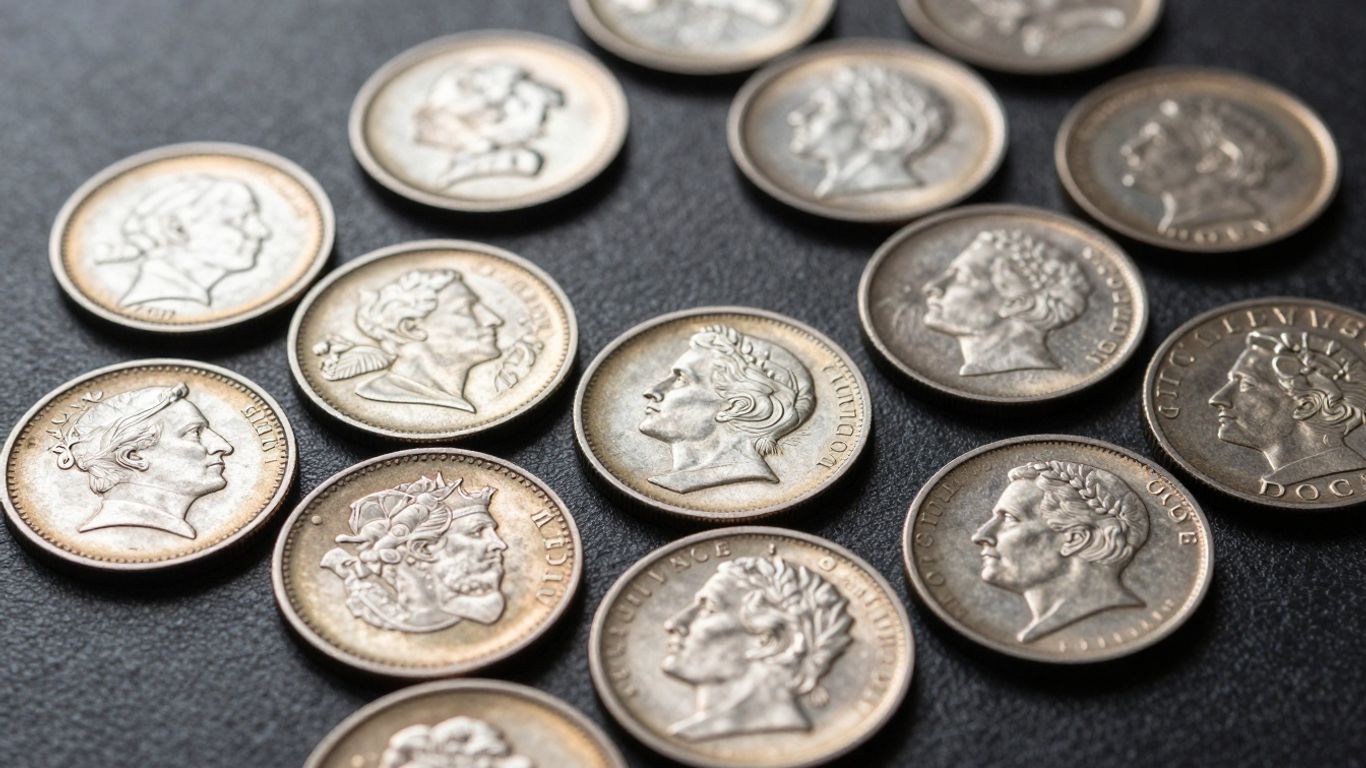
The value of coins isn’t static; it shifts based on a few key things. For coins made of precious metals, like gold or silver, the daily price of those metals is a big factor. Think of it like this: if gold prices go up, the value of your gold coins usually follows. Rarity also plays a huge part. A coin that was made in very small numbers or is hard to find in good condition will naturally be worth more than a common one. And, of course, the coin’s condition, or ‘grade,’ makes a big difference. A coin that looks like it just came from the mint will always be more desirable than one that’s seen a lot of wear and tear.
Keeping an eye on what’s popular with collectors right now can also help you time things right. Sometimes, a particular type of coin or a certain historical period becomes a hot item, and that can push prices up. Knowing these trends helps you decide the best moment to sell.
The coin market can be complex, with many factors influencing a coin’s desirability and price. An experienced dealer acts as a guide, helping you understand these factors and make informed choices. Their familiarity with grading standards, market demand, and historical significance is invaluable for both buyers and sellers.
Here are some points to consider when thinking about coin pricing:
- Condition is Key: Coins graded by professional services often fetch higher prices. Even if not professionally graded, keeping your coins in good condition, without cleaning them (which can devalue them), is important.
- Research Rarity: Some coins are simply much rarer than others. Knowing the mintage numbers and survival rates for your specific coins can significantly impact their value.
- Timing Matters: The market for precious metals and rare coins can fluctuate. Selling when demand is high can lead to a better outcome.
Understanding these elements helps you get a fair price for your collection.
8. Working with Experienced Buyers
When you decide to sell your coin collection, partnering with experienced buyers makes a significant difference. These professionals have spent years in the numismatic world, building a deep well of knowledge about coins, their history, and their market value. They can spot details that might escape a less seasoned eye, like subtle mint errors or rare varieties that can greatly increase a coin’s worth. Their familiarity with grading standards and market demand helps them provide a fair assessment.
Working with experienced dealers offers several advantages:
- Accurate Valuation: They can precisely assess a coin’s condition and grade, which is key to determining its value.
- Market Insight: They understand current trends and can advise on the best time to sell specific types of coins.
- Access to Networks: Experienced buyers often have connections with other collectors and dealers, which can help them find the right buyer for your collection, potentially leading to a better price.
Here’s a general idea of the selling process when working with a professional:
- Initial Contact: Reach out to a dealer to discuss your collection.
- Evaluation: Schedule a time for them to examine your coins.
- Offer: Receive a proposal based on their assessment.
- Transaction: Complete the sale if you accept the offer.
A dealer needs to make a profit when buying coins. Their offer will reflect the costs and risks associated with reselling your collection. Understanding this perspective can lead to a more productive conversation about pricing.
For those in the San Antonio area looking for a reliable place to sell, consider contacting San Antonio Coin Buyers for appraisal services. Building a relationship with a trusted dealer can be beneficial for future transactions as well.
9. Specialties of Local Coin Dealers
When you’re looking to sell your pattern coins in San Antonio, you’ll find that local coin dealers often have specific areas they focus on. It’s not a one-size-fits-all situation. Some dealers might be really into U.S. coins, from early American pieces to modern mint sets. Others might specialize in world coins, ancient coins, or even specific types of currency like paper money. Then there are those who concentrate heavily on precious metal bullion – gold, silver, platinum, and palladium coins and bars. These dealers are usually well-versed in current market prices for these metals and can advise on investment-grade pieces.
Understanding these specialties can help you find the right buyer for your pattern coins. If your coins have a particular historical significance or belong to a specific series, a dealer who focuses on that niche might offer a more informed valuation. For example, a dealer specializing in early U.S. coinage might have a better appreciation for the rarity and historical context of certain pattern coins than someone who primarily deals in modern bullion.
Here are some common areas of dealer specialization:
- U.S. Coins: Covering everything from colonial issues to modern commemoratives.
- World Coins: Focusing on coins from various countries and historical periods.
- Ancient Coins: Dealing in Greek, Roman, and other ancient civilizations’ coinage.
- Bullion: Specializing in gold, silver, platinum, and palladium coins and bars.
- Paper Money: Concentrating on banknotes and other forms of currency.
It’s wise to do a little research beforehand to see which local shops, like those found through resources such as the top coin collectors in San Antonio, might align with the type of pattern coins you possess. This can save you time and ensure you’re speaking with someone who truly understands what you have.
When you approach a dealer, be prepared to discuss what you know about your coins. Even if you’re not an expert, any information you can provide about their origin, any previous appraisals, or unique characteristics can be helpful. A dealer’s willingness to share their knowledge and explain their valuation process is a good indicator of their professionalism.
10. Understanding the Importance of Trusted Dealers
When you’re looking to sell your pattern coins in San Antonio, finding a dealer you can rely on is a really big deal. It’s not just about getting a fair price, though that’s important. It’s about knowing you’re dealing with someone honest who understands the value of what you have. A good dealer won’t try to take advantage of you, and they’ll be upfront about their process.
Working with a trusted dealer means you’re more likely to get an accurate valuation and a reasonable offer. They have the knowledge to spot the unique characteristics of pattern coins, which can sometimes be overlooked by less experienced buyers. This expertise is what separates a good transaction from a bad one.
Here are a few things to look for when choosing a dealer:
- Reputation: What do other collectors and sellers say about them? Look for online reviews or ask around in local numismatic circles.
- Professional Affiliations: Are they members of recognized coin dealer associations? This often means they adhere to a code of ethics.
- Transparency: Do they clearly explain their pricing, grading, and the buying process? You should feel comfortable asking questions.
- Experience: How long have they been in the coin business? Dealers with years of experience have likely seen a wide variety of coins and know how to handle them.
Building a relationship with a reputable coin dealer can be beneficial in the long run. They can become a go-to resource for future sales or even help you find specific coins you might be looking to acquire. Trust is earned, and it’s the foundation of a good business relationship in the coin world.
It’s always a good idea to do a little homework before you commit to selling. Visit a few different dealers if possible, compare their offers, and see who you feel most comfortable working with. A dealer who takes the time to explain things and treats you with respect is usually a sign you’re in the right place.
Final Thoughts on Selling Your Coins in San Antonio
So, you’ve got coins you’re looking to sell here in San Antonio. It can seem like a lot to figure out, right? We’ve gone over how important it is to get a good look at what you have, whether that means getting them graded or just finding out their real worth. There are definitely places and people around town who know their stuff when it comes to coins, from old US currency to foreign pieces. Taking a little time to find a buyer you trust, one who’s upfront about prices and knows the market, will make a big difference. It’s really about getting a fair deal for something that might be worth more than you think. Don’t just take the first offer you get; do a bit of homework and find the right spot for your collection.
Frequently Asked Questions
What makes a coin valuable?
A coin’s worth depends on a few things. How rare it is, its condition (how worn it is), if it has any historical importance, and how much people want to buy it right now all play a role. Sometimes, the metal the coin is made of, like gold or silver, also adds to its value.
What is coin grading, and why is it important?
Coin grading is like giving a coin a grade based on how well it was made and its current condition. It’s important because it helps everyone agree on a coin’s value. Professional graders use a scale to describe how much wear a coin has, if it has any scratches, and other details that affect its worth.
How do I find a trustworthy coin dealer in San Antonio?
To find a good dealer, look for ones who have been in business for a while and have good reviews from other customers. Asking friends who collect coins for suggestions can also help. A trustworthy dealer will be clear about their prices and happy to answer your questions without pressuring you to buy or sell.
What services can I expect from a coin expert?
Coin experts can help with many things. They can tell you what your coins are worth (appraisal), check if they are real and in good condition (authentication and grading), and they often buy and sell coins. Some also specialize in certain types of coins, like old US coins or foreign money.
Should I sell my coins to a local shop or an online buyer?
Local shops offer a personal touch, letting you meet the buyer face-to-face. Online buyers might offer more competitive prices because they have fewer costs. Consider what’s more important to you: convenience, the highest possible price, or a direct, in-person experience.
How do I know if I'm getting a fair offer for my coins?
Before selling, do some research on what similar coins have sold for. Reputable dealers will explain how they arrived at their offer, often based on the wholesale value. Be wary of offers that seem too low, and don’t be afraid to get a second opinion from another dealer.
What types of coins do dealers typically buy?
Dealers often buy a wide range of coins, including US currency (like quarters, dimes, and dollars), gold and silver coins (bullion), and sometimes rare or ancient coins. Some dealers might focus on specific areas, so it’s good to know what kind of coins you have.
Is it worth getting my coins professionally graded before selling?
For valuable or rare coins, professional grading can definitely help. It provides an official opinion on the coin’s condition and authenticity, which can increase its appeal to buyers and potentially lead to a higher selling price. It adds a layer of trust and clarity to the sale.