
Finding a buyer for those interesting, slightly-off coins can feel like a puzzle. If you’re in San Antonio and have an off-center error coin you’re looking to sell, you’re in the right place. This guide is here to help you figure out where to sell off center error coins in San Antonio. We’ll cover what makes these coins special, where you might find buyers, and how to get a fair price for your unique finds.
Key Takeaways
- Understand what makes an off-center strike a coin error and why collectors find them interesting.
- Explore local coin shops, online platforms, and special events in San Antonio as potential places to sell.
- Learn how the coin’s condition and current market trends affect its selling price.
- Prepare your coin properly by handling it with care and researching similar sales.
- Build trust with buyers through clear communication and fair dealing when you sell off center error coins San Antonio.
Understanding Off-Center Error Coins
What Constitutes An Off-Center Strike?
When a coin is made, a blank metal disc, called a planchet, is placed between two dies. These dies have the coin’s design pressed into them. The striking process involves immense pressure to transfer the design onto the planchet. An off-center strike happens when the planchet isn’t perfectly aligned between these dies during this critical moment. Instead of the design being impressed evenly across the surface, it’s shifted to one side. This results in a coin where part of the design is missing, and a blank area of the planchet is visible.
The degree of this misalignment can vary significantly. Some coins might show only a slight shift, perhaps just a few millimeters. Others can be dramatically off-center, with only a small portion of the intended design appearing on the metal. For instance, some rare errors might be as much as 60% off-center, leaving very little of the design visible [a661].
Identifying Common Minting Errors
Off-center strikes are just one type of error that can occur during the minting process. Collectors often look for a variety of these mistakes because they are unique and represent a deviation from the norm. Here are a few common ones:
- Clipped Planchets: These occur when the metal strip from which blanks are cut has a curved notch missing from its edge. The resulting coin looks like a bite was taken out of it.
- Broadstrikes: This happens when the collar that normally contains the planchet during striking is absent or doesn’t function correctly. The coin then spreads out wider than usual, often resulting in a thinner, flatter appearance.
- Lamination Errors: Sometimes, the metal used for planchets has impurities or air bubbles. When struck, these can cause layers of the coin’s surface to peel or flake away, creating a distinct visual effect.
The Appeal of Misaligned Designs
Why do people collect these imperfect coins? For many, it’s about the rarity and the story they tell. Each error coin is a snapshot of a moment when the minting machinery didn’t perform as expected. They are tangible pieces of history that showcase the complexities and occasional failures of mass production. The appeal lies in their uniqueness; no two off-center errors are exactly alike. This individuality makes them stand out from the millions of perfectly struck coins produced each year. Collectors are drawn to the challenge of finding these anomalies and the satisfaction of owning a piece of minting history that most people overlook.
Where To Sell Off-Center Error Coins In San Antonio
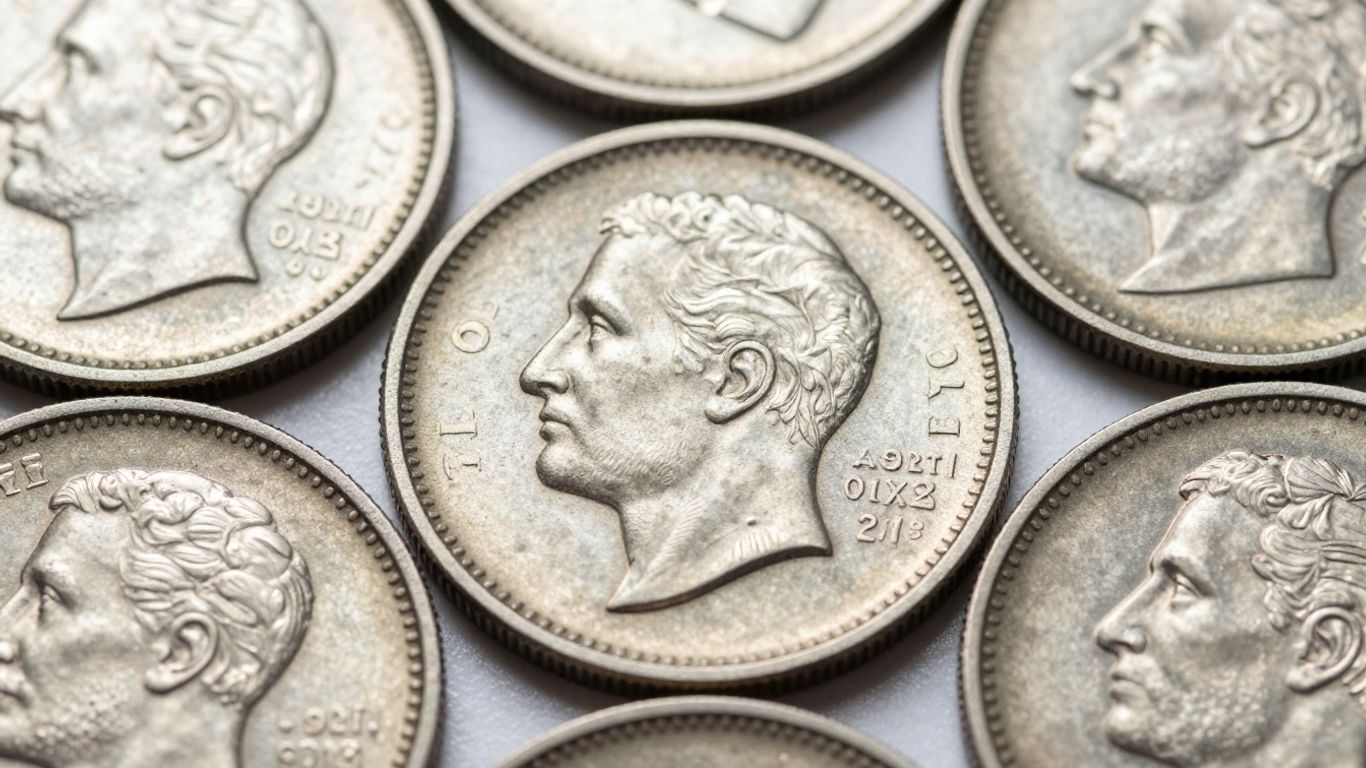
Finding the right place to sell your off-center error coins in San Antonio involves looking at a few different options. It’s not like selling a regular coin; these pieces have a unique appeal to collectors who appreciate the mistakes made at the mint. You’ll want to find buyers who understand this niche.
Local Coin Dealers and Collectors
San Antonio has several local coin shops that cater to collectors. These dealers often have a good pulse on the market for error coins and might be interested in adding your off-center pieces to their inventory. It’s a good idea to visit a few of them to get a feel for their knowledge and the prices they offer. Building a relationship with a reputable local dealer can be beneficial for future sales.
When you visit:
- Be prepared to explain what makes your coin an error coin.
- Ask if they specialize in mint errors or error coins.
- Inquire about their appraisal process for such items.
Online Marketplaces for Error Coins
If you’re looking to reach a wider audience, online platforms are a great choice. Websites dedicated to coin collecting and auctions can connect you with buyers from all over. This is especially useful if your off-center coin is rare or has a significant error.
Some popular online venues include:
- Dedicated coin auction sites.
- General online auction platforms with coin categories.
- Collector forums with buy/sell sections.
Specialty Coin Shows and Events
Keep an eye out for coin shows or numismatic events happening in and around San Antonio. These gatherings often attract dealers and collectors who are specifically looking for error coins. It’s a chance to meet potential buyers face-to-face and get immediate feedback on your coin’s value. You might find someone who has been searching for exactly what you have.
Attending these events allows for direct interaction with knowledgeable individuals in the coin community. It’s a good way to learn more about your coin and its potential market.
Evaluating Your Off-Center Error Coin's Value
Factors Influencing Value
Figuring out what your off-center error coin is actually worth can feel a bit like guesswork at first. But there are some pretty clear things that collectors and dealers look at. The biggest factor is usually how much of the coin is off-center. A coin that’s only slightly misaligned might not fetch much, but one where a significant portion of the design is missing, leaving a large blank area, is often much rarer and thus more desirable. Think about it: an off-center strike that cuts off a big chunk of the image is less common than one that’s just a little bit askew. The type of coin also matters a lot – a rare date or a coin made of precious metal that has an off-center error can be worth considerably more than a common modern coin with the same type of error.
Here’s a quick look at what impacts the price:
- Percentage of Off-Center Strike: The more off-center, generally the rarer and more valuable.
- Coin Type and Date: Older coins, silver coins, or those from limited mintages often command higher prices.
- Rarity of the Specific Error: Some error types are simply found less often than others.
- Overall Appeal: Does the error create a visually interesting or unique look?
The Role of Coin Condition
Beyond the error itself, the condition of the coin plays a huge part in its value. Even a dramatic off-center error won’t be worth as much if the coin is heavily worn, scratched, or damaged. Collectors prefer coins that are as close to their original mint state as possible. This means looking for:
- Sharpness of Design: Even the remaining design elements should be clear and not worn down.
- Surface Preservation: Avoid coins that have been cleaned, as this often damages the surface and reduces value. Look out for scratches, nicks, or spots.
- Luster: The original shine or
Preparing Your Error Coins For Sale
Before you try to sell your off-center error coins, taking a little time to get them ready can make a big difference. It’s not about making them look new, because that can actually hurt their value. Instead, it’s about presenting them in the best possible light, showing off their unique features without causing any damage. Think of it as tidying up before a showing.
Proper Handling and Storage
Handling coins, especially those with errors, requires a gentle touch. The oils and dirt from your hands can damage the surface over time, and even a slight scratch can lower the coin’s worth. Always hold coins by their edges. If you need to get a closer look, use cotton gloves or a soft cloth. For storage, acid-free holders are best. These can be simple plastic flips or more elaborate coin cases. Avoid storing them in plastic bags that can degrade or in containers that allow them to rub against each other. Keeping your coins protected from environmental factors like moisture and air pollution is key to preserving their condition.
Documenting Your Coin's Features
Good documentation helps potential buyers understand what they are looking at. Take clear, well-lit photos of your coin from multiple angles, making sure to capture the off-center strike clearly. If possible, photograph both sides and the edge. Note down specific details about the coin:
- Date and Mint Mark: Identify where and when the coin was made.
- Type of Error: Describe the off-center strike – how much of the design is missing, and where.
- Any Other Notable Features: Are there any other minting anomalies, or perhaps signs of wear?
- Dimensions and Weight: If you have calipers and a scale, these precise measurements can be helpful.
Researching Comparable Sales
Knowing what similar coins have sold for is a big part of setting a fair price. You don’t want to ask too much or too little. Look for sales of off-center error coins of the same denomination, year, and similar error percentages. Online auction sites, coin dealer websites, and specialized coin forums can be good places to start. Pay attention to the condition of the coins sold and the final prices they fetched. This research will give you a solid baseline for understanding your coin’s potential market value.
Preparing your error coins properly isn’t about making them perfect; it’s about showing their unique characteristics and condition accurately. Gentle handling, secure storage, and thorough documentation are steps that build confidence with buyers and can lead to a better selling experience.
Navigating Transactions With San Antonio Buyers
Building Trust with Reputable Dealers
When you’re ready to sell your off-center error coins, finding a buyer you can trust is key. In San Antonio, several local coin dealers have built solid reputations over the years. It’s a good idea to do a little homework before you walk in the door. Look for dealers who are members of professional numismatic organizations, as this often indicates a commitment to ethical practices. Asking around within the collecting community or checking online reviews can also point you toward reliable businesses. A transparent and honest dealer will be happy to explain their appraisal process and answer all your questions. Visiting a few different places can give you a feel for who operates with integrity. You might find a great local spot like Harry’s Coins & Jewelry that understands the unique market for error coins.
Ensuring Fair Appraisals
Getting a fair appraisal for your off-center error coin is crucial. Several factors influence its worth, and a good buyer will take these into account. The degree of the off-center strike, the specific coin denomination, its overall condition, and the rarity of the error all play a part. A coin that is only slightly off-center might not fetch as much as one where a significant portion of the design is missing. Similarly, a common coin with a minor error will likely be valued differently than a rare coin with a dramatic minting anomaly.
Here’s a general idea of what influences value:
- Error Severity: How much of the coin is off-center? The more dramatic, the more interesting.
- Coin Condition: Even with an error, the coin’s overall wear and tear matters.
- Rarity: Is this a common error on a particular coin, or is it a rare occurrence?
- Demand: Are collectors actively seeking this type of error coin right now?
Understanding Payment Options
Once you agree on a price, you’ll want to know how you’ll be paid. Most reputable dealers in San Antonio offer several payment methods. Common options include:
- Immediate Cash: This is often the quickest way to get your money.
- Check: A personal or business check can be provided.
- Bank Transfer: Some dealers may offer electronic fund transfers.
It’s always wise to discuss payment terms upfront. Confirming the payment method and timeline before finalizing the sale helps avoid any misunderstandings later on. If you’re selling a particularly valuable coin, you might want to ensure the payment method is secure and traceable.
When dealing with any buyer, whether it’s for error coins or something else, always remember that clear communication is your best tool. Don’t hesitate to ask questions about their process, their offer, and how they arrived at that number. A reputable buyer will welcome your curiosity and be happy to provide the information you need to feel comfortable with the transaction.
Specialized Buyers for Unique Coin Errors
Dealers Focusing on Mint Errors
When you have an off-center error coin, it’s not always about finding just any coin buyer. Some dealers really specialize in these kinds of minting mistakes. They know the ins and outs of what makes an error coin interesting and, more importantly, what makes it valuable. These specialists often have a keen eye for the details that collectors look for, like the degree of the off-center strike or any other accompanying errors. They might be more willing to pay a fair price because they understand the rarity and appeal of such unique pieces. It’s like selling a rare book to a bookstore that focuses on antique literature; they appreciate its specific worth.
Collectors Seeking Specific Varieties
Beyond general dealers, there’s a whole world of collectors who actively hunt for specific types of coin errors. An off-center strike might be exactly what they need to complete a set or fill a gap in their collection. These collectors often belong to clubs or online forums dedicated to error coins. They tend to be very knowledgeable about the market and what different errors are worth. Finding these dedicated collectors can sometimes lead to the best prices for your off-center coins. They are buying for passion and completeness, not just for resale value. You might find them at coin shows or through specialized auction sites.
The Importance of Expertise in Valuation
Valuing an off-center error coin isn’t always straightforward. The degree of the error, the condition of the coin, and the specific minting year all play a role. A dealer who focuses on mint errors will have a better grasp of these nuances. They can tell you if your coin is a common variety or something truly rare. For instance, an off-center strike on a popular coin series might fetch a good price, but if it has other issues like a clipped planchet or a lamination error, its appeal could change. It’s always a good idea to seek out buyers who demonstrate a deep knowledge of minting anomalies. This ensures you’re getting an accurate appraisal and not being undervalued. You can often find these specialists through coin collecting publications or by asking other collectors for recommendations. Many of these specialists are active on platforms like GreatCollections, which has a history of selling error coins [4f10].
Here’s a general idea of how the percentage of the off-center strike can affect value:
| Percentage Off-Center | General Appeal | Potential Value Impact |
|---|---|---|
| 1-10% | Minimal | Slight premium over face value |
| 11-25% | Noticeable | Moderate premium |
| 26-50% | Significant | Strong premium, highly sought after |
| 51-75% | Major | Very rare, high collector interest |
| 76-99% | Extreme | Extremely rare, potentially very high value |
When dealing with error coins, especially off-center strikes, remember that the market can be quite niche. Buyers who specialize in these errors understand the specific appeal and rarity. They are often more informed about the factors that drive value, such as the percentage of the design that is missing and the overall condition of the coin. This specialized knowledge is what makes them the go-to people for unique mint errors.
Maximizing Your Return on Error Coin Sales
Selling an off-center error coin isn’t just about finding a buyer; it’s about getting the best possible price for your unique find. A little planning can go a long way in making sure you get what your coin is truly worth. Think of it like preparing any other item for sale – the better you present it and the more you know about it, the better the outcome.
Timing Your Sale Effectively
When you decide to sell can make a difference. The coin market, like many others, has its ups and downs. Sometimes, a particular type of error coin might be in high demand, while at other times, interest might be lower. Keeping an eye on coin shows, auction results, and what collectors are talking about can give you a sense of when the market is hot for your specific type of error. Selling when demand is high can lead to a better price.
Negotiating with Confidence
Knowing your coin’s worth is key to negotiating. This means doing your homework on similar coins that have sold recently. Look at the percentage of the strike that is off-center, the condition of the coin, and whether it’s a common or rare type of error. Armed with this information, you can approach buyers with confidence. Don’t be afraid to walk away if an offer doesn’t feel right; there will likely be other opportunities.
Considering Consignment Options
If you have a particularly rare or valuable off-center error coin, you might consider selling it through a consignment service. This is where a dealer or auction house sells the coin on your behalf, taking a percentage of the final sale price. This can be a good option if you want to reach a wider audience of collectors, especially for high-value items. They handle the marketing, listing, and transaction, which can save you a lot of time and effort. However, be sure to understand their fees and terms clearly before agreeing.
Here’s a general idea of how different error types might be valued, though condition is always a major factor:
| Error Type | Potential Value Factor |
|---|---|
| Off-Center Strike | Varies greatly by % |
| Double Die | Often higher demand |
| Clipped Planchet | Generally lower |
| Lamination Error | Depends on visibility |
The coin market can be unpredictable. What seems common today might become rare tomorrow, and vice versa. Staying informed and patient is often the best strategy for getting the most out of your error coins.
The Role of Expertise in Selling Error Coins
When you’re looking to sell an off-center error coin, having someone knowledgeable in your corner makes a big difference. It’s not just about knowing what an error coin is; it’s about understanding the nuances that make one coin more sought-after than another. This is where the value of experience really shines through.
Leveraging Knowledge of Minting Processes
Understanding how coins are made at the mint helps you identify and appreciate errors. For instance, knowing about planchets (the blank metal discs before striking) and dies (the metal tools that imprint the design) is key. An off-center strike happens when the planchet isn’t perfectly aligned between the dies during the striking process. The degree of this misalignment, and how much of the design is present or missing, directly impacts its appeal. Other errors, like lamination issues where layers of metal separate, or clipped planchets where the metal sheet was cut improperly, also stem from specific points in the minting chain. Recognizing these processes helps you describe your coin accurately and understand why certain errors are rarer than others.
- Planchet Preparation: The blank metal disc needs to be the right size and thickness.
- Die Alignment: The dies must be perfectly positioned to strike the planchet.
- Striking Pressure: Sufficient force is needed to transfer the design clearly.
- Collar Function: The collar holds the planchet in place and forms the coin’s reeded edge.
Working with Certified Appraisers
While you can learn a lot on your own, sometimes you need a professional opinion. Certified appraisers have studied coins extensively and can offer a formal assessment of your coin’s authenticity and condition. They understand grading standards and can identify subtle details that might affect value. For rare or potentially high-value error coins, getting a professional appraisal is a smart step. It provides a solid basis for pricing and can give potential buyers confidence in your item. You can find these professionals through coin dealer associations or by asking for recommendations from trusted sources in the numismatic community.
The condition of a coin is a primary factor influencing its market value. Surface imperfections, such as scratches, dings, or cleaning marks, are closely examined by graders and can significantly reduce a coin’s desirability and price.
The Value of Experience in the Coin Market
Experienced coin dealers and collectors have seen a lot of coins over the years. They have a feel for what’s currently in demand and what prices similar items have fetched. They can often spot errors that a novice might overlook and can tell if a coin has been altered or cleaned, which can drastically reduce its worth. For example, a coin with a significant off-center strike might be more desirable than one with a minor shift, and an experienced eye can quickly assess this. If you’re looking to sell, connecting with reputable dealers who specialize in mint errors, like San Antonio Coin Buyers, can be very beneficial. They have the knowledge to accurately price your coin and the network to find interested buyers.
| Error Type | Potential Impact on Value | Notes |
|---|---|---|
| Off-Center Strike | Varies Widely | Depends on percentage of design visible |
| Clipped Planchet | Moderate to High | Rarity and size of clip matter |
| Lamination Error | Low to Moderate | Condition of the flaking is important |
| Double Die | High to Very High | Depends on the clarity and rarity of the doubling |
Finding Trusted Coin Buyers in San Antonio
When you’re ready to sell your off-center error coins, finding the right buyer in San Antonio is key. You want someone who knows coins, especially errors, and treats you fairly. It’s not just about getting the most money, but also about having a smooth and honest experience. Let’s look at how to find those trustworthy folks.
Reputation and Reviews of Local Dealers
Before you walk into a shop, do a little homework. Check online reviews for coin dealers in the San Antonio area. Look for consistent praise about their honesty, fair pricing, and good customer service. A dealer with a long history in the community and positive feedback is usually a safe bet. Sometimes, local coin clubs or collector forums can also point you toward reputable dealers.
Questions to Ask Potential Buyers
Don’t be afraid to ask questions. It shows you’re serious and helps you gauge their knowledge and integrity. Here are a few things you might want to ask:
- How long have you been dealing in coins, especially error coins?
- What is your process for evaluating an off-center error coin?
- Are you a member of any professional numismatic organizations?
- Can you provide references from other sellers?
- What are your payment terms and methods?
The Benefits of a Transparent Selling Process
A transparent process means you understand exactly what’s happening with your coin. This includes:
- Clear explanations of the appraisal: A good buyer will explain how they arrived at their offer, detailing the factors that influence your coin’s value.
- Visible evaluation: If possible, ask to be present during the appraisal so you can see the coin being examined and hear the assessment firsthand.
- Written offers: Always ask for any offer to be put in writing, detailing the coin, the price, and any conditions.
- No pressure: A reputable dealer won’t pressure you into selling immediately. They’ll give you time to consider their offer.
Dealing with someone who is open about their methods and pricing builds confidence. It means they respect you as a seller and are serious about building a good business relationship, not just making a quick sale.
Selling Rare and Valuable Error Coins
Identifying High-Value Off-Center Strikes
Not all off-center coins are created equal when it comes to value. The real money is in the ones that show a significant portion of the design but are clearly misaligned. A coin that’s only slightly off-center might not fetch much, but one where a large part of the design is missing, and a substantial blank rim is present, can be quite desirable. The percentage of the design that is present and the overall eye appeal are key factors. For instance, an off-center strike that shows a full portrait of a president but is missing a significant chunk of the date and mint mark will likely be more sought after than one where only a small sliver of the design is visible.
The Market for Rare Quarters and Other Denominations
While any denomination can have an off-center error, certain coins tend to attract more attention from collectors. Quarters, especially those from the America the Beautiful series or older state quarters, can be quite popular if they have a significant off-center error. Likewise, rare mint errors on Lincoln cents or Jefferson nickels can also command good prices. The market is driven by collector demand, so understanding which series or dates are currently popular is important.
Here’s a general idea of how error severity can impact value:
| Error Severity | Description | Potential Value Impact |
|---|---|---|
| Minor (1-10% off) | Slight shift in design, mostly centered. | Minimal to none |
| Moderate (10-30% off) | Noticeable shift, some blank rim visible. | Moderate increase |
| Significant (30-70% off) | Large portion of design missing, substantial blank rim. | High increase, collector interest |
| Extreme (70%+ off) | Very little design visible, mostly blank metal. | Can be high if unique, but less desirable than significant errors. |
Strategies for Selling Premium Error Coins
When you have a coin that you believe is a premium error, selling it requires a bit more thought. Simply taking it to any local dealer might not get you the best price. Consider these approaches:
- Professional Grading: For truly rare and valuable off-center errors, getting the coin graded by a reputable service like PCGS or NGC can significantly increase its perceived value and marketability. A graded coin offers buyers confidence.
- Specialty Auctions: High-end error coins often do best in specialized coin auctions, either online or at major coin shows. These venues attract serious collectors who are willing to pay top dollar for unique pieces.
- Targeted Marketing: If you know a specific type of error or denomination is in high demand, try to find dealers or collectors who specialize in that area. Networking within the coin community can help.
The value of an off-center error coin is a mix of its rarity, the percentage of the design that is visible, its overall condition, and the current demand from collectors. It’s not just about how much of the coin is off-center, but also how appealing the resulting error is to the market. Researching similar sold coins is a good way to get a feel for what yours might be worth.
Remember, patience can pay off when selling rare error coins. Rushing the process might mean leaving money on the table. Doing your homework and choosing the right sales channel are your best bets for getting a fair price.
Wrapping Up Your Coin Sale
So, you’ve got an off-center error coin sitting around, and you’re wondering what to do with it. We’ve talked about why these coins happen and where you might be able to sell them here in San Antonio. It’s not always a simple process, and finding the right buyer who knows what they’re looking at is key. Remember to do a little homework on your specific coin and the places you’re considering selling to. Getting a fair price for these unique pieces is definitely possible if you go about it the right way. Good luck with your sale!
Frequently Asked Questions
What exactly is an off-center error coin?
An off-center error coin is a coin that wasn’t struck perfectly in the middle by the minting machines. Imagine a stamp that hits the paper a bit crooked – it’s similar, but with coins. This means the design might be pushed to one side, leaving a blank space on the other part of the coin.
How can I tell if my coin has an off-center strike?
Look closely at your coin. If the design, like the picture or numbers, isn’t centered and seems cut off on one side while there’s a blank space on the other, it’s likely an off-center strike. The amount it’s off can vary a lot, from a little bit to a lot.
Are off-center error coins valuable?
Yes, they can be! The value depends on a few things. How much of the coin is off-center, how clear the design is, and the overall condition of the coin all play a role. Rare or unusual off-center errors might be worth more.
Where in San Antonio can I sell my off-center error coins?
You have a few options in San Antonio. You can visit local coin shops, look for coin dealers who specialize in errors, or check if there are any coin shows or collector events happening. Online marketplaces are also a good place to find buyers.
How do I figure out how much my off-center coin is worth?
To get an idea of its worth, you should look at the coin’s condition (is it worn out or in great shape?), how rare the specific error is, and what similar coins have recently sold for. Checking with experienced coin dealers or appraisers can also help.
Should I clean my off-center error coin before selling it?
It’s generally best not to clean error coins. Cleaning can often damage the surface and lower the coin’s value. It’s better to handle it carefully and leave it as is, or store it in a protective holder.
What makes some off-center coins more valuable than others?
The degree of the off-center strike is a big factor. If a coin is significantly off-center, showing a large blank area, it’s often more interesting to collectors. Also, if the coin is a rare date or denomination, or if the error is very unusual, it can increase its value.
What should I do if I find a rare off-center error coin?
First, handle it with care to avoid damage. Then, do some research to understand the specific error and the coin’s details. Consider getting it appraised by a reputable coin dealer or a service that specializes in grading error coins to get a professional opinion on its value and authenticity.