
Looking to sell Morgan silver dollars in San Antonio, TX? It can be tough figuring out where to get a fair price. Lots of places might offer you something, but are they giving you the best deal for your coins? This guide helps you understand your options for selling these specific coins and other valuables in the San Antonio area.
Key Takeaways
- When you sell Morgan silver dollars in San Antonio, TX, compare offers from different buyers to ensure you get the best price.
- Consider both local coin shops and online dealers for selling your coins.
- Look for buyers who specialize in U.S. silver coins and can provide expert appraisals.
- Understand that the value of your Morgan silver dollars depends on factors like condition, rarity, and market demand.
- Reputable buyers offer transparent pricing and secure transactions for your peace of mind.
1. Morgan Silver Dollars
Morgan Silver Dollars are a popular choice for collectors and investors alike. These coins, minted from 1878 to 1904 and again in 1921, are known for their distinctive design featuring Lady Liberty.
When you’re looking to sell your Morgan Silver Dollars in San Antonio, understanding what makes them valuable is key. Several factors come into play:
- Date and Mint Mark: The year the coin was minted and the location (mint mark) can significantly impact its rarity and value. For example, coins from the Carson City (CC) or New Orleans (O) mints often command higher prices.
- Condition (Grade): The physical state of the coin is paramount. Coins are graded on a scale, with higher grades indicating less wear and tear, thus a greater value. Professional grading services like PCGS and NGC are the standard for authenticating and grading these coins, providing a reliable assessment of their worth.
- Rarity: Some dates and mint marks were produced in much smaller quantities than others, making them harder to find and more desirable to collectors.
- Mintage Numbers: The total number of coins produced for a specific date and mint mark plays a role in its scarcity.
The 1889-O Morgan Silver Dollar is a prime example of a coin whose value can be greatly influenced by its condition and rarity.
Here’s a general idea of how different conditions might affect value, though actual prices vary widely:
| Condition | General Value Range (USD) |
|---|---|
| Poor/Fair | $25 – $50 |
| Good/Very Good | $30 – $75 |
| Fine/Very Fine | $40 – $100 |
| Extremely Fine | $50 – $150 |
| Uncirculated (AU) | $60 – $200+ |
| Mint State (MS) | $70 – $500+ |
Note: These are approximate ranges and do not account for specific rare dates, mint marks, or errors. For precise valuations, consult with a coin expert.
When you’re ready to sell, finding a buyer who understands the nuances of Morgan Silver Dollars is important. Reputable dealers in San Antonio, like Alamo Heights Coin Shop, have been in the business for years and can offer fair prices. Alternatively, services like Coinfully offer a streamlined process for selling coins, providing competitive offers based on market data. They simplify the process with a secure and transparent approach for selling your rare coins.
Evaluating your Morgan Silver Dollars involves looking at more than just the silver content. The historical significance, the specific strike, and the overall preservation of the coin all contribute to its market appeal and potential price.
2. Gold Coins
When it comes to selling gold coins in San Antonio, you’ve got a few options. Many local shops, like Alamo Heights Coin Shop, have been around for a while and know their gold. They’ll look at your American Eagles, Double Eagles, or any older U.S. gold coins you might have.
It’s always a good idea to get a few opinions before you settle on a price. Different buyers might see different values in your coins, especially if they’re rare or in great condition. You can also look into online buyers, though you’ll want to make sure they’re reputable and offer insured shipping for your peace of mind.
Here’s a quick look at what buyers generally consider:
- Type of Gold Coin: Is it a common bullion coin or a more collectible piece?
- Purity and Weight: This is key for determining the melt value.
- Condition (Grade): A coin in mint condition is worth more than one that’s heavily worn.
- Rarity and Mintage: How many were made, and how many still exist?
Selling gold coins can feel a bit overwhelming, especially if you’re not sure where to start. Taking the time to understand what makes a gold coin valuable will help you get a fair offer. Don’t be afraid to ask questions about how they arrived at their price.
3. Silver Coins
When you’re looking to sell silver coins in San Antonio, you’ve got a few avenues to explore. It’s not just about the melt value; many silver coins have collector appeal that can significantly increase their worth. Think about coins like the Morgan Silver Dollar, which is a favorite among collectors, but there are many other U.S. and foreign silver coins that hold value beyond their silver content.
Understanding the value of your silver coins involves looking at both their precious metal weight and their numismatic (collector) value. This means a coin’s condition, rarity, and historical significance all play a part. For instance, a heavily circulated silver dime might be worth close to its silver content, while a well-preserved, rare silver dollar could fetch a much higher price.
Here’s a quick look at what influences silver coin value:
- Silver Content: The amount of pure silver in the coin. This is often based on weight and purity.
- Rarity: How many of that specific coin were minted and how many still exist today.
- Condition (Grade): The physical state of the coin, from mint condition to heavily worn.
- Demand: How many collectors are actively looking for that particular coin.
If you have a collection of silver coins, it’s a good idea to get a professional appraisal. Places like Alamo Heights Coin Shop have been in the business for a long time and know how to assess these factors. They can help you understand if your coins are more valuable for their silver content or as collectibles. Sometimes, a coin that looks common might have a rare mint mark or variety that collectors seek out.
Selling silver coins requires a bit of homework. Don’t just take the first offer you get. Researching your coins or consulting with a reputable dealer can make a big difference in the amount you receive. It’s about finding someone who recognizes the true value, whether it’s the silver itself or the history it represents.
For those who prefer a more modern approach, online services can also provide appraisals and offers for your silver coins. These platforms often use real-time market data to give you a competitive price, and they can be quite convenient if you’re not near a local shop or have a large quantity to sell. You can explore options for selling coins online with Coinfully to see how their process works.
4. Rare Coins
When you’re looking to sell coins, especially those considered ‘rare,’ it’s not just about the silver content. These coins often have a numismatic value that goes way beyond their metal weight. This value comes from factors like historical significance, limited mintage, condition, and demand from collectors.
Identifying a coin as ‘rare’ requires a keen eye and knowledge of the market. It’s not always obvious, and what might seem like a common coin to one person could be a significant find for a collector. For instance, certain mint years or coins with specific errors can dramatically increase their worth.
Here’s a quick look at what makes a coin rare:
- Mintage Numbers: Coins produced in very small quantities are naturally rarer.
- Condition (Grading): A coin’s preservation state is critical. Coins graded by professional services (like PCGS or NGC) in high grades are much more desirable.
- Historical Context: Coins tied to important historical events or figures can command higher prices.
- Errors and Varieties: Mistakes during the minting process can create unique, sought-after varieties.
Selling rare coins means you need an appraisal that understands these nuances. A simple melt value calculation won’t cut it. You need someone who knows the collector market and can accurately assess the coin’s true numismatic worth. This often means looking beyond just the silver or gold content and considering the coin’s place in history and its appeal to enthusiasts.
Getting a professional appraisal is the best first step. This helps you understand exactly what you have and what its potential market value might be. It’s a good idea to work with buyers who specialize in rare coins, as they’ll have a better understanding of the current collector demand and can offer a more accurate price.
5. Coin Collections
Selling a coin collection can feel like a big task, especially if you’ve gathered items over many years. It’s not just about individual coins; it’s about the story they tell and the history they represent. When you’re ready to part with your collection, getting a fair appraisal is key. You want to make sure you’re getting a price that reflects the true worth of all those carefully acquired pieces.
Here’s a general idea of how the process might work when you’re looking to sell a collection:
- Initial Contact: Reach out to a reputable buyer. This could be a local shop or an online service. Be ready to provide some basic information about your collection.
- Appraisal Method: Decide how you want your collection evaluated. Some services offer online appraisals where you send photos and details, while others might offer in-home assessments, especially for larger or more significant collections.
- Receiving an Offer: Once the appraisal is complete, you’ll get an offer based on the current market value and the specific coins in your collection.
- Payment: If you accept the offer, the buyer will arrange for payment. This should be a secure and straightforward process.
When dealing with a collection, remember that its value isn’t just the sum of its parts. The rarity, condition, and historical significance of each coin, combined with the overall completeness of the set, all play a role in determining its market price. A good appraiser will consider all these factors carefully.
Many collectors find that working with a buyer who specializes in various types of coins, from Morgan dollars to gold and silver pieces, can lead to a more accurate and competitive offer for their entire collection. It simplifies the process when one buyer can handle the diverse nature of a well-rounded numismatic hoard.
6. U.S. Currency
Beyond coins, the United States has a rich history of paper money, and many of these notes hold significant value for collectors. We’re talking about more than just the bills in your wallet; we’re interested in older currency, like large-size notes and various types of certificates.
Think about Silver Certificates, Gold Certificates, and Legal Tender notes. These were once common but are now sought after for their historical significance and rarity. Even smaller denominations can be quite valuable depending on their condition, rarity, and specific series.
Here’s a quick look at what collectors often seek:
- Silver Certificates: Issued between 1878 and 1964, these notes were backed by silver. Older ones, especially in good condition, are quite collectible.
- Gold Certificates: These were in circulation from 1863 to 1933 and were backed by gold. They are generally rarer and more valuable than Silver Certificates.
- Large-Size Notes: Before 1929, U.S. currency was printed in a larger format. These older bills are often more desirable to collectors.
- Confederate Currency: While not technically U.S. currency, notes issued by the Confederacy during the Civil War are also a popular collecting area.
The condition of the paper money is a major factor in its worth. A crisp, uncirculated bill will always fetch more than one that’s been heavily handled and shows signs of wear.
Evaluating paper money requires a keen eye for detail. Factors like the specific series, the issuing bank (for National Bank Notes), and any "star notes" (used to replace misprinted bills) can all influence value. It’s not just about the face value; it’s about the story and the scarcity behind each piece of currency.
7. Silver Bars
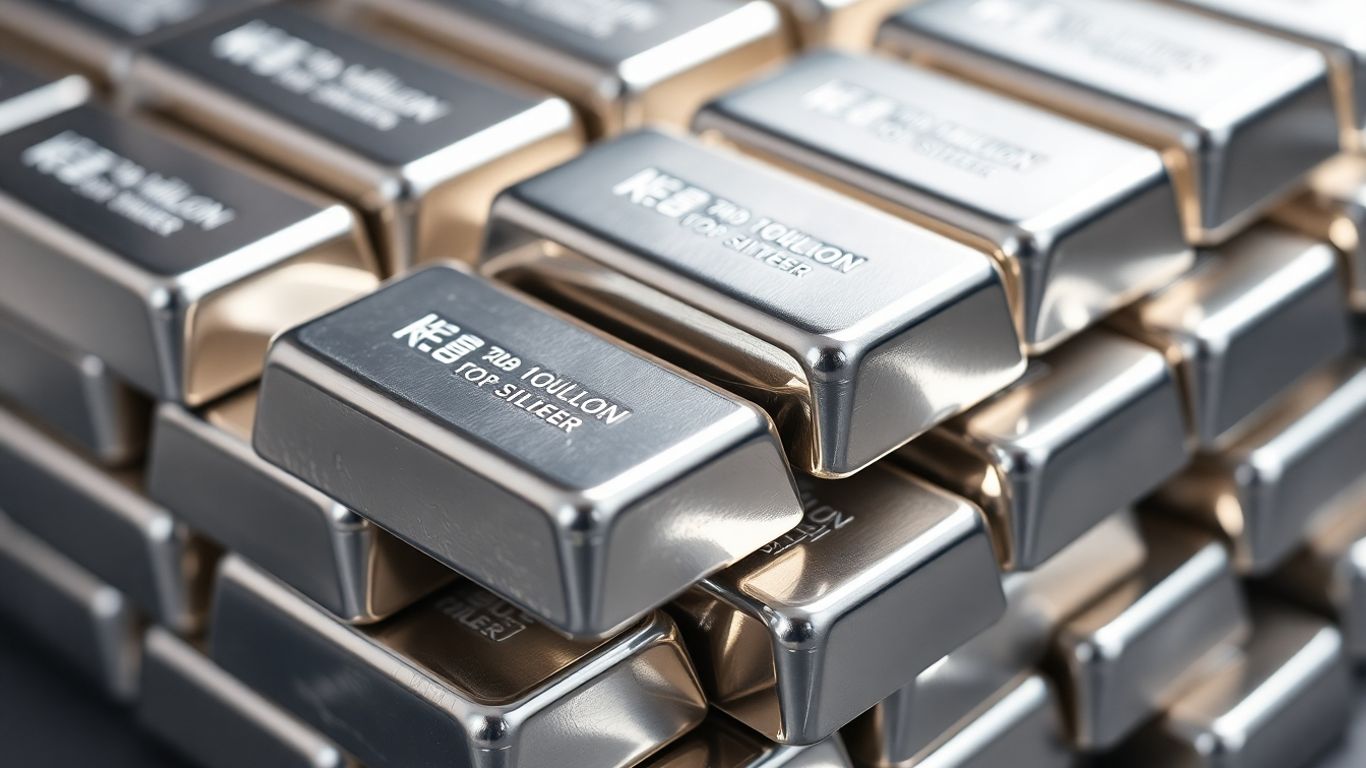
When you’re looking to sell silver bars in San Antonio, you’re dealing with a straightforward commodity, but getting the best price still matters. Unlike collectible coins, the value of silver bars is primarily tied to their silver content and the current market price of the metal. This means that reputable dealers will weigh your bars and calculate their worth based on the spot price of silver, minus a small premium or "buy-back" spread.
The purity and weight of your silver bars are the most important factors in determining their value. Most commonly, you’ll find bars made of .999 fine silver, but older or less common bars might have different purities. It’s always a good idea to know what you have before you go in.
Here’s what to expect when selling silver bars:
- Identification: Dealers will first identify the bar’s manufacturer, weight, and purity. Reputable mints and refiners are generally preferred.
- Weighing: The bars will be weighed accurately to confirm the total silver content.
- Purity Verification: Sometimes, a dealer might use specialized equipment to verify the purity, especially for larger or less common bars.
- Market Price Calculation: The current spot price of silver is the baseline. The dealer will then offer a percentage of that price.
Here’s a general idea of how prices might compare, though actual offers will vary:
| Item Type | Purity | Typical Offer Range (as % of Spot) |
|---|---|---|
| Silver Bars | .999 | 85% – 95% |
| Silver Coins | .90-.999 | 70% – 90% (depends on numismatic value) |
When selling silver bars, remember that you’re primarily selling the metal itself. While some rare or antique silver bars might have collector value beyond their silver content, most modern bullion bars are valued based on weight and purity. A dealer who offers significantly less than 85% of the spot price might not be giving you a fair deal.
It’s wise to get quotes from a couple of different places in San Antonio. This way, you can compare offers and ensure you’re getting a competitive price for your silver.
8. Jewelry
When you’re looking to sell jewelry in San Antonio, it’s not just about the precious metals. Many places will just give you a melt value for gold or silver, but a good buyer looks at the whole picture. This means considering the craftsmanship, any gemstones, and the overall condition of the piece.
The value of your jewelry can depend on several factors.
Here’s a quick look at what goes into appraising jewelry:
- Metal Content: This is the base value, usually determined by weight and purity (like 10K, 14K, 18K gold, or sterling silver).
- Gemstones: The type, size, quality (cut, color, clarity, carat), and setting of any stones can significantly increase the value.
- Brand and Designer: Pieces from well-known or high-end designers often command higher prices.
- Condition: Is it pristine, or does it have visible wear and tear? Repairs can also affect the value.
- Era and Style: Antique or vintage pieces, or those with a unique, in-demand style, can be worth more than modern, mass-produced items.
Selling jewelry requires a buyer who understands that a piece might be worth more than just its raw materials. They should be able to identify unique characteristics that add to its desirability beyond the gold or silver content alone.
For example, a simple gold chain might be valued primarily by its weight, but a diamond engagement ring or a designer bracelet involves a more complex appraisal. Places that specialize in coins and precious metals often have appraisers who can also assess jewelry accurately. They know how to weigh the gold, check the hallmarks, and evaluate the stones to give you a fair offer.
9. Scrap Gold
When you think about selling gold, you might picture old jewelry or maybe even gold coins. But scrap gold covers a lot more than that. It’s essentially any gold that’s no longer in its original, usable form. This could be anything from a broken necklace or a bent earring to a single gold tooth filling or even small, unidentifiable gold fragments.
The value of scrap gold is primarily determined by its weight and its purity. Most gold jewelry, for instance, isn’t pure gold but is instead mixed with other metals like copper, silver, or nickel to make it more durable. This mixture is what determines its karat rating. For example, 14K gold means the item is 14 parts gold out of 24 total parts, or about 58.3% pure gold. 10K is even less pure, at around 41.7% gold.
Here’s a quick look at common gold purity levels:
- 24K: Pure gold (99.9% pure)
- 22K: About 91.7% pure gold
- 18K: 75% pure gold
- 14K: 58.3% pure gold
- 10K: 41.7% pure gold
When you bring your scrap gold to a buyer in San Antonio, they’ll typically test its purity using methods like acid testing or an electronic gold tester. They’ll then weigh the gold and calculate its value based on the current market price for that specific karat. It’s important to find a reputable buyer who is transparent about their testing and weighing process.
Selling scrap gold can be a straightforward way to get some cash, especially if you have items that are broken or no longer hold sentimental value. The key is understanding what you have and knowing how its value is assessed. Don’t be afraid to ask questions about how the purity is tested and how the final weight is determined.
10. Watches
When it comes to selling timepieces, especially those with a bit of history or from well-known brands, a specialized buyer is often your best bet. Think about luxury brands like Rolex, Omega, or Patek Philippe. These watches can hold significant value, not just for their function but also for their craftsmanship and brand prestige. Even if a watch isn’t a high-end designer piece, vintage or unique watches can still attract collectors.
The condition of a watch plays a big role in its appraisal value. Scratches on the crystal, wear on the case, or a malfunctioning movement can all affect how much a buyer is willing to pay. It’s helpful to know the make, model, and approximate age of your watch. If you have the original box or papers, that can also add to its worth.
Here are some factors that influence a watch’s value:
- Brand Recognition: Well-known luxury brands generally command higher prices.
- Materials: Watches made from precious metals like gold or platinum are worth more.
- Complications: Features beyond basic timekeeping, such as chronographs or moon phases, can increase value.
- Rarity: Limited edition or discontinued models are often more sought after.
- Condition: The overall state of the watch, including the case, dial, bracelet, and movement.
If you’re looking to sell a watch in San Antonio, seeking out dealers who specialize in timepieces or reputable coin and precious metals shops that also handle watches is a good approach. They’ll have a better understanding of the current market for watches and can offer a fair price. It’s always a good idea to get a few opinions if you have a particularly valuable piece.
Selling a watch requires a different approach than selling coins. While both can be valuable, the market dynamics and appraisal factors are distinct. Understanding these differences helps ensure you get a fair offer for your timepiece.
Final Thoughts on Selling Your Morgan Silver Dollars in San Antonio
So, you’ve got these Morgan silver dollars and you’re looking to sell them here in San Antonio. It can feel like a lot to figure out, right? We talked about a few places, like the local shops such as Alamo Heights Coin Shop and San Antonio Coin Company, which have been around and know their stuff. They offer that in-person feel, which some people really like. Then there’s Coinfully, which provides a more modern way to do things, with online options and even at-home visits for bigger collections. They focus on using current market prices to give you a fair offer. No matter which route you choose, remember to get a few opinions if you can. Doing a little homework helps make sure you get a good deal for your coins. Selling these pieces of history can be a straightforward process when you know where to look and what to expect.
Frequently Asked Questions
What are Morgan Silver Dollars and why are they valuable?
Morgan Silver Dollars are old U.S. coins made from silver, minted between 1878 and 1904, and again briefly in 1921. Their value comes from the silver content and their rarity, especially for coins in good condition or from specific mints.
How can I get my Morgan Silver Dollars appraised in San Antonio?
You can get your Morgan Silver Dollars appraised by contacting Coinfully. We offer free appraisals, either online by sending us photos or in person for larger collections. We look at the coin’s condition, rarity, and current silver prices to give you a fair offer.
What makes a coin rare and valuable?
A coin’s value often depends on how many were made, how many still exist, its condition (how worn it is), and if it has any special errors or historical significance. Coins that are hard to find or in excellent shape are usually worth more.
Do you buy other types of coins besides Morgan Silver Dollars?
Yes, we buy a wide variety of coins. This includes other silver coins, gold coins like Double Eagles, rare and historic U.S. coins, and even entire coin collections of any size.
Is it safe to mail my coins to you for appraisal or sale?
Absolutely. We use secure, fully insured shipping methods, backed by a guarantee from a well-known insurance company. Your coins are protected during transit, ensuring a safe journey to us.
How long does the appraisal process usually take?
The time it takes can vary. For small collections, we can often provide an estimate quickly after you send us photos and a list. For larger collections requiring an in-person appraisal, we schedule an appointment at your convenience.
What if I have inherited a coin collection and don't know where to start?
Inheriting a collection can feel overwhelming, but we make it simple. Contact us, and our experts can help you understand what you have, provide a fair appraisal, and guide you through the selling process smoothly.
What are the benefits of selling coins to Coinfully compared to a local shop?
Coinfully offers competitive prices based on real-time market data, a secure and transparent process, and convenient appraisal options, including at-home visits for qualifying collections. We aim to provide a hassle-free experience with fair offers.