
Thinking about selling your Franklin Half Dollars here in San Antonio? It’s a smart move, as these coins can hold more than just their face value. This guide will walk you through how to find the best place to sell Franklin Half Dollars in San Antonio, what to look for, and how to make sure you get a fair deal. We’ll cover everything from understanding your coins’ worth to avoiding common mistakes people make when selling.
Key Takeaways
- Franklin Half Dollars are primarily valuable for their silver content, especially those minted before 1965. Look for dates and mint marks to help determine their specific value.
- When looking to sell Franklin Half Dollars in San Antonio, consider local coin dealers and precious metal buyers. Always get multiple offers before deciding.
- Assess the condition of your coins. While many Franklin Half Dollars are considered ‘junk silver’ and priced based on their silver content, condition can still play a role.
- Be aware of market fluctuations. The price of silver changes daily, which directly impacts the amount you can expect to receive for your coins.
- Choose licensed and registered dealers for your transaction. Avoid mail-in offers and be wary of pawn shops, as they may not offer the best prices for your Franklin Half Dollars.
Understanding Your Franklin Half Dollars
What Makes Franklin Half Dollars Valuable
Franklin half dollars, minted between 1948 and 1963, hold a special place in American numismatics. While many are valued primarily for their silver content, certain factors can significantly increase their worth beyond the melt value. These include the coin’s condition (its state of preservation), the presence of specific mint marks, and the year of mintage. Key dates and varieties, such as the 1950-D Franklin half dollar, are particularly sought after by collectors. Even coins that appear worn can be valuable if they represent a rare date or a significant error. Understanding these elements is the first step in determining the potential value of your Franklin half dollars.
Identifying Silver Content in Your Coins
Franklin half dollars are composed of 90% silver and 10% copper. This composition means their intrinsic value is tied to the fluctuating price of silver. To confirm the silver content, you can look at the coin’s specifications. Each Franklin half dollar contains approximately 0.3617 troy ounces of pure silver. While most Franklin half dollars are 90% silver, it’s important to remember that coins minted after 1964 changed composition. For Franklin halves, the entire series (1948-1963) is 90% silver.
The Role of Dates and Mint Marks
When assessing the worth of your Franklin half dollars, the date and mint mark are critical. The date indicates when the coin was produced, and the mint mark tells you where it was made. The primary mints that produced Franklin half dollars were Philadelphia (no mint mark), Denver (D), and San Francisco (S).
Here’s a general breakdown:
- Philadelphia Mint: These coins have no mint mark.
- Denver Mint: Look for a ‘D’ mint mark.
- San Francisco Mint: Look for an ‘S’ mint mark.
Certain date and mint mark combinations are rarer than others. For instance, the 1953-S and 1949-S are generally more common, while the 1950-D is a key date that collectors actively seek. The condition of the coin, combined with its date and mint mark, will ultimately influence its market price. A coin in pristine condition with a rare date and mint mark will command a much higher price than a heavily worn coin of a more common variety.
The intrinsic value of a coin is often overshadowed by its numismatic appeal. While the silver content provides a baseline value, the rarity, condition, and historical significance can multiply that worth considerably for collectors.
Where to Sell Franklin Half Dollars in San Antonio
When it comes time to sell your Franklin Half Dollars in San Antonio, you have a few options. It’s important to find a buyer who offers a fair price and treats you with respect. This isn’t like selling a common item; these coins have a history and a silver content that buyers will assess.
Local Coin Dealers and Precious Metal Buyers
San Antonio has several local businesses that specialize in buying coins and precious metals. These dealers often have a good understanding of the numismatic (coin collecting) and bullion (silver content) value of your Franklin Half Dollars. Look for dealers who are members of professional organizations like the American Numismatic Association (ANA), as this often indicates a commitment to ethical practices.
When you visit, they will typically examine your coins to determine their condition, date, and mint mark. They’ll also test the silver content. It’s a good idea to have a general idea of what your coins might be worth before you go, but be prepared for their professional assessment.
Reputable San Antonio Coin Exchange Locations
Beyond general coin dealers, some locations in San Antonio specifically focus on coin exchanges, often dealing with bulk silver coins. These places might be more focused on the melt value of the silver rather than any collector’s premium, especially if your coins are in less-than-perfect condition. They can be a good option if you have a large quantity of Franklin Half Dollars.
Here are a few types of places to consider:
- Specialty Coin Shops: These shops are dedicated to coins and often have knowledgeable staff.
- Precious Metal Dealers: Businesses that buy gold, silver, and platinum often buy silver coins too.
- Reputable Jewelers: Some jewelers also deal in precious metals and might purchase silver coins.
Always check online reviews and ask for recommendations to find the most trustworthy locations.
Evaluating Offers from Local Buyers
Once you start getting offers, it’s important to know how to evaluate them. Buyers will usually offer a price based on two main factors: the silver content (bullion value) and any potential collector’s value (numismatic value).
- Bullion Value: This is based on the current market price of silver. Franklin Half Dollars minted before 1965 are 90% silver. Buyers will calculate the amount of silver in your coin and multiply it by the current silver price.
- Numismatic Value: This applies if your coin is rare, in exceptionally good condition, or has a particularly desirable date and mint mark. This value can sometimes be significantly higher than the silver content alone.
Be wary of any buyer who seems hesitant to explain how they arrived at their offer. A transparent dealer will clearly outline the factors contributing to their price, whether it’s based on silver weight or collector demand. They should be able to show you how they tested the silver and what market prices they are using for their calculation. This transparency helps you understand if you’re getting a fair deal for your Franklin Half Dollars.
Preparing Your Franklin Half Dollars for Sale
Before you head out to sell your Franklin half dollars, taking a little time to get them ready can make a difference. It’s not about making them look brand new, because that can actually hurt their value, but more about understanding what you have and presenting it clearly. This preparation helps buyers assess your coins fairly and can lead to a better selling experience for everyone.
Assessing Coin Condition
When it comes to coins, condition is a big deal. For Franklin half dollars, especially those made of silver, wear and tear are important factors. You don’t want to clean them, as this can damage the surface and reduce their worth. Instead, just look at them closely. Are there any obvious scratches, dents, or heavy wear on the high points like Franklin’s jaw or the bell on the reverse? These details help determine if your coin is considered ‘circulated’ or ‘uncirculated,’ and how much a buyer might offer.
- Look for wear: Check the highest points of the design. If they are smooth, the coin has seen circulation.
- Examine for damage: Keep an eye out for nicks, bends, or deep scratches.
- Note toning: Natural, even toning can sometimes be desirable, but dark, splotchy spots might be a concern.
Remember, cleaning your coins is generally a bad idea. It can remove the original surface and significantly lower their value. It’s best to leave them as they are.
Creating an Inventory List
Having a list of your Franklin half dollars can be super helpful. It doesn’t need to be fancy, just a simple way to keep track of what you have. For each coin, try to note the year and the mint mark (like ‘D’ for Denver or ‘S’ for San Francisco). If you can tell if it’s in better condition, you can add a note about that too. This list helps you keep track of your collection and makes it easier to discuss your coins with potential buyers.
Here’s a basic format you can use:
| Year | Mint Mark | Condition Notes |
|---|---|---|
| 1950 | D | Moderate wear |
| 1955 | No Mint Mark | Appears uncirculated |
| 1962 | S | Heavy wear on high points |
Understanding 'Junk Silver' Pricing
Many Franklin half dollars, especially those in average condition, are often referred to as ‘junk silver.’ This term doesn’t mean they’re worthless; it simply means their primary value comes from their silver content, not their numismatic (collector) rarity. Buyers typically price ‘junk silver’ based on the spot price of silver, multiplied by the amount of silver in the coin. Since Franklin half dollars are 90% silver, they contain a specific amount of pure silver. Buyers will usually pay a percentage of the current silver melt value. Knowing this helps you understand the baseline value of your coins before you even talk to a dealer.
Navigating the Selling Process
Getting Multiple Appraisals
Before you agree to sell your Franklin Half Dollars, it’s a smart move to get a few different opinions on their worth. Think of it like getting a second opinion from a doctor; you want to be sure you’re getting the best advice. Different dealers might offer slightly different prices based on their own inventory needs or how they value certain coins. It’s not uncommon for offers to vary, and this is perfectly normal. The goal is to find a buyer who offers a price that feels fair to you.
Understanding Market Value Fluctuations
The price of silver, and by extension, silver coins like your Franklins, can change daily. It’s influenced by global markets, economic news, and even collector demand. What your coins are worth today might be a little different tomorrow. It’s helpful to have a general idea of the current silver price per ounce, which you can often find online. This gives you a baseline for understanding the melt value, which is the minimum value of the silver content itself.
Choosing a Licensed and Registered Dealer
When you’re ready to sell, make sure you’re dealing with someone legitimate. In Texas, precious metal dealers should be registered with the state. This registration offers a layer of protection for you as a seller. You can often check this information through state consumer protection agencies or by asking the dealer directly. Dealing with licensed professionals means you’re more likely to have a transparent and secure transaction, avoiding potential scams or unfair practices. It’s always better to be safe than sorry when selling valuable items.
What to Expect from San Antonio Buyers
When you decide to sell your Franklin Half Dollars in San Antonio, knowing what to anticipate from potential buyers can make the process smoother. Reputable dealers aim for transparency and professionalism, but it’s always wise to be prepared. Here’s a breakdown of what you should generally expect.
In-Person Evaluations
Most legitimate buyers in San Antonio will want to see your coins in person. This allows them to properly assess the condition, authenticity, and specific characteristics of your Franklin Half Dollars. An in-person evaluation is the standard for accurate appraisal. You should expect the buyer to handle your coins carefully, often under good lighting, so they can examine them closely. This is also your opportunity to ask questions and observe their process.
Transparent Testing and Pricing
Buyers should be open about how they determine the value of your coins. This typically involves several steps:
- Visual Inspection: Checking for wear, damage, mint marks, and overall condition.
- Silver Content Verification: While Franklin Half Dollars are well-known for their silver content, some buyers might perform tests to confirm purity, especially if dealing with larger quantities or if there’s any doubt.
- Weight Verification: Using a calibrated scale to weigh the coins, which is a key factor in determining melt value.
- Market Comparison: Referencing current silver prices and any numismatic (collector) value your coins might hold.
You should be able to see the testing and weighing process. If a buyer takes your coins to a back room or out of your sight for these procedures, consider it a red flag. Pricing should be clearly explained, referencing the current market rate for silver and any additional collector value.
Secure Transaction Environments
Your safety and the security of your transaction are paramount. Reputable coin dealers and precious metal buyers in San Antonio will operate from a secure location, whether it’s a dedicated office or a well-established shop. You should feel comfortable and secure throughout the evaluation and transaction process. Expect them to have proper procedures for handling cash or issuing payments, and to provide you with a detailed receipt for the sale. This ensures that both parties have a clear record of the transaction.
Avoiding Common Selling Pitfalls
When you’re ready to sell your Franklin Half Dollars, it’s easy to fall into traps that can cost you money. Being aware of these common mistakes can help you get a fairer price for your collection.
The Risks of Mail-In Offers
While convenient, mail-in offers can be risky. You lose direct control over your coins once they leave your possession. Without being present, it’s harder to verify the exact weight and purity tests performed. This lack of transparency can lead to undervaluation, as you’re relying solely on the buyer’s word. It’s often difficult to get your coins back if you’re unhappy with the offer, and return shipping costs can add up.
Recognizing Lowball Offers
Some buyers, especially those who know you’re eager to sell, might present offers significantly below the actual market value of your Franklin Half Dollars. This is particularly true if they perceive you as uninformed or in a hurry. Always do your homework beforehand to understand the melt value of the silver and any potential numismatic (collector) value your coins might hold.
Here’s a general idea of how silver content impacts value:
| Coin Type | Silver Content | Approximate Silver Weight (troy oz) | Melt Value (as of 12/12/2025, approx.) |
|---|---|---|---|
| Franklin Half Dollar | 90% | 0.3617 | $9.00 – $10.00 |
Note: Melt value fluctuates daily with the price of silver.
Why Pawn Shops May Not Be Ideal
Pawn shops are primarily in the business of lending money, not coin collecting. Their offers for silver coins are often based solely on the immediate melt value, disregarding any collector appeal. They may not have the specialized knowledge to accurately assess the numismatic worth of rarer dates or coins in exceptional condition. This means you’re likely to receive a much lower offer than what a dedicated coin dealer might provide.
It’s always best to approach selling your coins with a clear understanding of their potential worth. Researching prices, understanding the silver content, and knowing the difference between melt value and collector value are key steps. If a buyer seems overly eager or their offer feels too good to be true, it probably is. Take your time, get multiple opinions, and don’t feel pressured into a sale that doesn’t feel right.
Maximizing Your Payout for Silver Coins
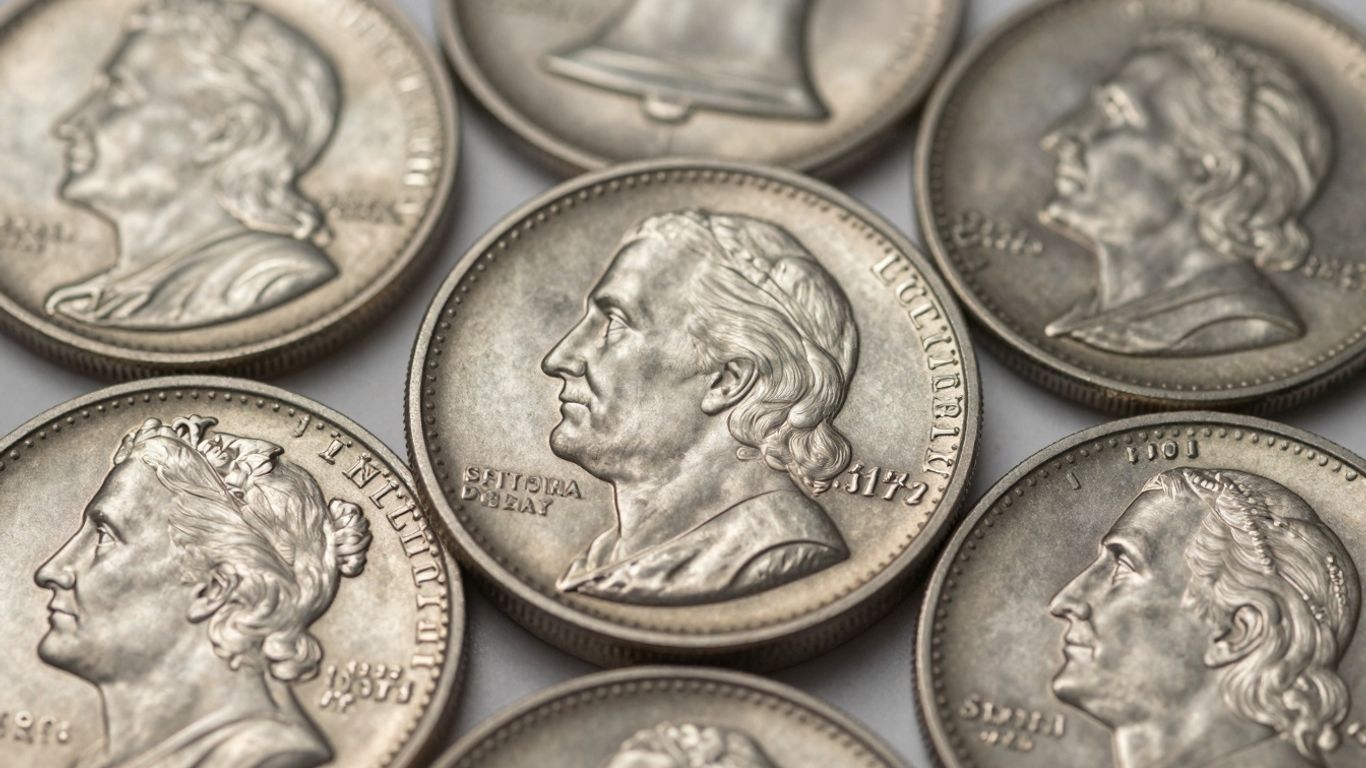
When it comes to selling your Franklin Half Dollars, getting the best possible price is usually the main goal. It’s not just about finding a buyer; it’s about finding the right buyer and understanding what influences the final amount you receive. Several factors can play a role, and being aware of them can make a significant difference in your payout.
Factors Influencing Coin Value
While Franklin Half Dollars are primarily valued for their silver content, certain characteristics can push their worth beyond the melt value. These include:
- Date and Mint Mark: Some years and mint marks are rarer than others. For example, a Franklin Half Dollar from 1953 with no mint mark (struck in Philadelphia) is common, but one from 1949-D (Denver) or 1953-S (San Francisco) might be less so, potentially fetching a slightly higher price.
- Condition (Grade): A coin that has been well-preserved and shows minimal wear will always be worth more than one that is heavily circulated. Collectors often pay a premium for coins in higher grades.
- Rarity and Collectibility: While most Franklin Half Dollars fall into the ‘junk silver’ category, exceptionally rare varieties or errors, though uncommon in this series, can significantly increase a coin’s value.
- Market Demand: Like any commodity, the price of silver fluctuates. When silver prices are high, the payout for your coins will generally be higher.
The Importance of Face Value Pricing
For most Franklin Half Dollars, especially those considered ‘junk silver’ (meaning they are valued primarily for their silver content rather than numismatic rarity), dealers often use face value as a baseline for pricing. This is because U.S. dimes, quarters, and half dollars minted before 1965 contain 90% silver and have a consistent amount of silver per dollar of face value. For instance, a $1 face value of these 90% silver coins contains approximately 0.715 troy ounces of silver.
Dealers calculate your payout using a formula like this:
Face Value × Silver Content Factor × Current Silver Offer Price = Your Payout
For 90% silver coins, the Silver Content Factor is typically around 0.715.
Negotiating Fair Prices
While face value pricing is common, it doesn’t mean you can’t negotiate. Here are a few points to keep in mind:
- Know the Silver Price: Before you go to sell, check the current spot price of silver. This gives you a benchmark for what your silver content is worth.
- Get Multiple Offers: Don’t accept the first offer you receive. Visit several reputable coin dealers or precious metal buyers in San Antonio to compare their offers. This competition can encourage better pricing.
- Understand the Buyer’s Margin: Dealers need to make a profit. They will buy your silver for slightly less than the current market price so they can sell it for a profit. Aim for an offer that is close to the melt value, reflecting a fair margin for the buyer.
- Consider the Buyer’s Reputation: A well-established dealer with good reviews is more likely to offer a fair price than a less reputable one. Look for transparency in their pricing and testing methods.
Selling coins can feel like a bit of a puzzle. You want to get a good price, but you also want the process to be straightforward. Understanding how dealers price common silver coins, like your Franklin Half Dollars, and knowing the current silver market can really help you feel more confident when you’re ready to make a sale. It’s about being informed so you can get a payout that feels right.
Key Information About Silver Coinage
When U.S. Coins Stopped Containing Silver
It’s important to know when the composition of U.S. coins changed, especially when you’re looking to sell. For dimes, quarters, and half dollars, 1964 was the final year they were made with 90% silver for general circulation. This shift happened because of a growing shortage of silver. The U.S. government responded with the Coinage Act of 1965, which permanently changed how coins were made.
Understanding 40% Silver Half Dollars
After the switch in 1964, the U.S. Mint didn’t stop using silver entirely in half dollars right away. From 1965 through 1970, half dollars were produced with a 40% silver content. This was a temporary measure before silver was removed from circulating coinage altogether after 1970. So, if you have half dollars from this specific period, they still contain silver, but less than the pre-1965 coins.
Modern Silver Coinage vs. Circulating Coins
Today, the U.S. Mint does still produce coins containing silver, but these are not intended for everyday use. You’ll find silver in modern bullion coins, special proof sets, and commemorative issues, typically made with .999 fine silver. These are usually bought and sold based on their silver content and collector appeal, not their face value. This is quite different from the older circulating coins, like your Franklin Half Dollars, which are valued primarily for their silver content when sold as bullion.
Here’s a quick look at the changes:
- Dimes & Quarters: 90% silver until 1964. After 1965, they became clad (copper-nickel) with no silver.
- Half Dollars: 90% silver until 1964. From 1965-1970, they contained 40% silver. After 1970, silver was removed.
- Silver Dollars: 90% silver until 1935. Later dollar coins were made from different metals, though some special issues contained 40% silver.
It’s a common misconception that all old coins are valuable. While many older coins have intrinsic value due to their silver content, their worth as collectibles can vary greatly. Always research your specific coins to understand their true market value beyond just the melt value of the silver.
Final Thoughts on Selling Your Franklin Half Dollars
So, you’ve got some Franklin Half Dollars sitting around and you’re wondering what to do with them. We’ve talked about why these coins are special and where you might be able to sell them right here in San Antonio. Remember to do your homework, find a buyer you feel good about, and don’t be afraid to ask questions. Selling old coins can be a straightforward process if you know who to trust. Good luck with your sale!
Frequently Asked Questions
What makes a Franklin Half Dollar valuable?
Franklin Half Dollars are mostly valued for their silver content. However, some might be worth more if they are rare due to their date, mint mark, or if they are in very good condition. Most of the time, their value comes from the silver they contain.
How can I tell if my Franklin Half Dollars have silver?
All Franklin Half Dollars made between 1948 and 1963 are made of 90% silver. You can usually tell by looking at the edge of the coin; if it’s solid silver-colored without a copper line, it contains silver. Also, coins made before 1965 are generally silver.
What does 'junk silver' mean when talking about coins?
‘Junk silver’ is a term used for old silver coins that aren’t rare enough to be valuable as collector’s items. Their main worth comes from the amount of silver they contain. This includes most Franklin Half Dollars, as well as older dimes and quarters.
Where in San Antonio can I sell my Franklin Half Dollars?
You can sell them to local coin dealers, precious metal buyers, or coin exchanges in San Antonio. It’s a good idea to visit a few places to compare their offers before you decide.
Should I clean my Franklin Half Dollars before selling them?
No, you should generally not clean your coins. Cleaning can damage the surface and reduce their value. Dealers prefer to see coins in their original condition, even if they appear a bit dirty.
How do buyers in San Antonio usually check the value of my coins?
Reputable buyers will typically examine your coins in front of you. They might use a magnifying glass to check the date and mint mark, and they will likely weigh the coins or calculate their value based on their silver content and the current market price.
When did U.S. coins stop being made of silver?
The U.S. stopped making dimes, quarters, and half dollars out of 90% silver for everyday use in 1964. Half dollars were made with 40% silver from 1965 to 1970, but after that, silver was removed from circulating coins.
Is it better to sell my coins to a local dealer or online?
Selling to a local dealer in San Antonio is usually better. You can get an offer on the spot, see how they test your coins, and avoid the risks of shipping your valuables. Local dealers often provide a more secure and transparent transaction.