
Thinking about selling your fantasy coins in San Antonio, Texas? It can be a bit confusing to know where to start, especially with these unique collectibles. This guide is here to help you figure out the best ways to sell fantasy coins San Antonio TX, from understanding what you have to finding the right buyers. We’ll cover how to get your coins ready and what to expect when you put them on the market.
Key Takeaways
- To sell fantasy coins San Antonio TX, first learn about your specific coins, their history, and what makes them valuable.
- Explore different selling options in San Antonio, including local coin shops, online platforms, and auction houses that deal with collectibles.
- Prepare your coins properly by cleaning them carefully (if needed), documenting any known history, and taking good pictures.
- Understand the local San Antonio market for fantasy coins by checking demand and connecting with other collectors.
- Get the best price by setting realistic expectations, knowing how to negotiate, and being aware of any selling fees or tax rules.
Understanding Your Fantasy Coins
Before you can think about selling your fantasy coins, it’s important to get a good handle on what you actually have. This isn’t like selling a common penny; fantasy coins can be a bit trickier. They often mimic real historical coins but were never officially issued by any government or mint. Think of them as artistic interpretations or even outright fakes, though not always with malicious intent. Knowing the difference between a genuine historical coin and a fantasy piece is the first step.
Identifying Fantasy Coin Types
Fantasy coins can show up in many forms. Some are modern creations designed to look like ancient or medieval pieces, while others might be contemporary issues from fictional worlds. You might find coins that look like they belong to a lost civilization, a popular fantasy novel, or even a movie. They can be made from various metals, including base metals, silver, or even gold-plated materials. The key is that they don’t correspond to any known official coinage series. Sometimes, they are produced by private mints or individuals for collectors who appreciate the aesthetic or thematic elements, rather than historical accuracy.
Assessing the Value of Your Collection
Figuring out what your fantasy coins are worth can be a challenge. Unlike regular coins with established market prices, fantasy coins don’t have a universal pricing guide. Their value is often driven by factors like rarity, the quality of the craftsmanship, the artist or maker if known, and the demand within specific collector circles. A coin that looks like it’s from a popular video game might fetch more than one that’s a generic imitation of a Roman denarius. It’s also important to consider if the coin is part of a limited mintage or a special series.
Here’s a general idea of what influences value:
- Rarity: How many were made? Were they part of a limited run?
- Condition: Is the coin in good shape, or does it show wear and tear?
- Artistry/Design: Is the coin visually appealing or intricately designed?
- Maker/Origin: Is there a known artist or private mint behind it?
- Demand: Are collectors actively seeking this type of fantasy coin?
Researching Historical Coin References
Even though you’re dealing with fantasy coins, understanding historical coinage can still be incredibly helpful. Many fantasy pieces are inspired by real coins. By researching actual historical coins, you can learn about the styles, designs, and periods that fantasy coin makers often imitate. This knowledge can help you spot inconsistencies or identify the historical period a fantasy coin is trying to replicate. It also gives you a better appreciation for the details that make a coin look authentic, even if it’s not.
For example, if you have a fantasy coin that looks like a Roman denarius, knowing what genuine denarii looked like – their typical size, weight, portrait styles, and common reverse designs – will help you evaluate the fantasy piece. Resources like numismatic encyclopedias, auction catalogs, and online databases for historical coins can be great places to start. You might find that a fantasy coin borrows elements from several different historical periods, which is a common characteristic.
It’s important to remember that fantasy coins, by definition, were never official currency. Their value is not tied to any historical monetary system but rather to their appeal as collectibles, their rarity, and the market’s interest in them. This distinction is key when you’re trying to understand their place in the collecting world.
Where to Sell Fantasy Coins in San Antonio
So, you’ve got some fantasy coins and you’re wondering where to turn them into cash right here in San Antonio. It’s not quite like selling a regular coin, since these are often unique pieces with their own story. Finding the right buyer is key to getting a fair price.
Local Coin Shops and Dealers
San Antonio has a number of coin shops. These places are usually the first stop for many collectors. They deal with all sorts of coins, and while they might not be specialists in fantasy pieces, they often have a good eye for what’s interesting or potentially valuable. It’s a good idea to call ahead and see if they handle fantasy coins specifically. Some dealers might be more interested than others, depending on their current inventory and what their customers are looking for.
- Check their specialization: Do they focus on ancient coins, world coins, or something else? This can give you a clue about their interest in fantasy items.
- Ask about their buying process: Understand how they evaluate and make offers on coins.
- Get multiple opinions: Visit a few different shops to compare offers and get a feel for the market.
Online Marketplaces for Collectors
If you’re looking to reach a wider audience, online platforms are a great option. Websites dedicated to coin collecting or general auction sites can connect you with buyers from all over. This is where you might find someone specifically looking for the type of fantasy coin you have.
- eBay: A huge marketplace, but be prepared for fees and a lot of competition.
- Specialty Coin Forums: Many online forums have "for sale" sections where collectors gather. These can be good for finding niche buyers.
- Dedicated Numismatic Websites: Some sites focus solely on coin sales and auctions, offering a more targeted approach.
When selling online, clear photos and honest descriptions are incredibly important. Buyers can’t hold the coin, so they rely entirely on what you show and tell them. Be prepared to answer questions and provide details about the coin’s origin if you know it.
Auction Houses Specializing in Numismatics
For potentially higher-value fantasy coins, a numismatic auction house might be the best route. These houses have a reputation for handling rare and valuable items and can often achieve higher prices through competitive bidding. They have the expertise to properly catalog and market your coins to serious collectors.
- Research auction house specialties: Look for houses that have a history of selling fantasy or unusual coinage.
- Understand their fees: Auction houses take a commission, so factor this into your expectations.
- Consignment process: Learn how they handle the submission, cataloging, and sale of your items.
Preparing Your Fantasy Coins for Sale
Before you even think about listing your fantasy coins or taking them to a dealer, a little preparation goes a long way. This isn’t about making them look brand new if they aren’t, but rather about presenting them in the best possible light and gathering the information a buyer will want. Think of it as getting your ducks in a row so the selling process is smoother for everyone involved.
Cleaning and Preservation Techniques
When it comes to cleaning coins, especially fantasy pieces where originality is often key, less is almost always more. Harsh cleaning can significantly devalue a coin, removing patina that might be desirable or even damaging the surface. For most fantasy coins, a gentle dusting with a soft, lint-free cloth is sufficient. If there’s loose dirt, a rinse under cool, distilled water might be considered, but avoid any scrubbing or abrasive materials. For more stubborn grime, consult with a professional numismatist. The goal is preservation, not restoration.
Documenting Your Coin's History
Any information you have about a fantasy coin’s origin can add to its appeal. Did you acquire it from a specific collector? Do you have any old receipts or notes? Even anecdotal stories, while not verifiable proof, can sometimes add a layer of interest. If the coin is part of a larger collection or has a known provenance, make sure to note that down. This history, or ‘pedigree,’ can sometimes influence a buyer’s perception of its rarity or significance.
Photographing Your Collection Effectively
Good photos are your best advertisement when selling online or even when showing a dealer. Use natural light whenever possible, avoiding direct sunlight which can create harsh glare. Set up a plain, neutral background – a piece of white or black cardstock works well. Take multiple shots from different angles, including close-ups of any details, mint marks, or unique features. Ensure the coin is in focus and that the images accurately represent its condition and appearance. Poorly lit or blurry photos can make even a desirable coin look unappealing.
Navigating the San Antonio Coin Market
Understanding Local Demand
To sell your fantasy coins effectively in San Antonio, it’s important to get a feel for what collectors in the area are looking for. Some types of fantasy coins might be more popular than others, depending on local interests and what dealers typically stock. Think about what makes your coins stand out. Are they particularly rare, in great condition, or do they represent a specific historical period or theme that resonates with collectors? Understanding this local demand can help you price your items and find the right buyers. It’s not just about having a coin; it’s about having a coin that someone in San Antonio wants to add to their collection. You might find that certain Spanish colonial fantasy pieces, for example, are highly sought after due to the region’s history. Researching what’s available at local coin shops and what’s being discussed in online forums frequented by Texas collectors can give you a good starting point. This knowledge helps you avoid overpricing or underselling your collection.
Networking with San Antonio Collectors
Building connections within the San Antonio coin collecting community can open doors to potential buyers and provide valuable insights. Attending local coin club meetings or events is a great way to meet fellow enthusiasts and dealers. These gatherings offer a chance to show your coins, get opinions, and learn about current market trends directly from people who are actively buying and selling. Don’t be shy about introducing yourself and discussing your collection. Many collectors are happy to share their knowledge and may even know someone specifically looking for the types of fantasy coins you possess. Building these relationships can lead to private sales or valuable referrals. Remember, a strong network is often more effective than simply placing an ad.
Attending Local Coin Shows
Local coin shows in the San Antonio area are prime opportunities to sell your fantasy coins directly to a concentrated group of interested buyers. These events bring together dealers, collectors, and investors, all looking for unique items. Prepare to showcase your coins professionally. Having them organized, with clear descriptions and perhaps some background information, will make a good impression. Be ready to negotiate prices, but also know the approximate value of your items beforehand. Coin shows are dynamic environments, and being informed and approachable can significantly increase your chances of making a successful sale. You might even discover that a particular dealer at the show specializes in the exact type of fantasy coins you have. For a list of places that deal with coins in San Antonio, you can check out local coin shops.
Selling fantasy coins requires a blend of market awareness and personal connection. Understanding what local collectors value and actively participating in the community are key steps to a successful sale. Don’t underestimate the power of face-to-face interactions at shows and club meetings.
Specialized Venues for Fantasy Coin Sales
Online Forums and Communities
Beyond the big auction sites, there are many online spaces where collectors gather to discuss and trade fantasy coins. These forums often have dedicated sections for buying and selling. Engaging with these communities can help you find buyers who specifically seek out the types of fantasy coins you own. It’s a good idea to become an active member, participate in discussions, and build a reputation before attempting to sell. This way, potential buyers will have a better sense of who you are and the legitimacy of your offerings. You might even find collectors interested in specific themes or eras of fantasy coinage.
Specialty Auctioneers
Some auction houses focus specifically on numismatics, and within that, some may have a particular interest in fantasy or exonumia (items that resemble coins but aren’t official currency). These auctioneers often have a well-established client base of serious collectors. They can provide professional cataloging, marketing, and a platform to reach a global audience. Researching auction houses that have previously sold similar items is a smart move. You’ll want to understand their commission rates and the process for consigning your coins.
| Auction Type | Typical Commission Range | Target Audience |
|---|---|---|
| General Numismatic | 10-20% | Broad range of coin collectors |
| Fantasy/Exonumia | 15-25% | Niche collectors of fantasy, tokens, and medals |
| Online-Only Auctions | 5-15% | Global online collector base |
Private Sales and Consignment
Selling directly to another collector or through a consignment arrangement can sometimes yield better results, especially for unique or high-value fantasy coins. This might involve working with a dealer who will sell your coins on your behalf for a fee, or arranging a direct sale after finding a buyer through your own network. This approach often involves more personal interaction and negotiation. It’s important to be clear about terms and expectations upfront. For those looking to sell specific types of fantasy coins, like those related to gaming or fictional worlds, you might find hobby shops that deal in such items. For instance, places like House of Cards and Collectibles in San Antonio might be interested in fantasy coins tied to popular games House of Cards and Collectibles.
When considering private sales, always prioritize security and clear communication. Ensure you have a solid agreement in place, especially if dealing with significant sums of money. Documenting the condition and history of the coins thoroughly beforehand can prevent misunderstandings later on.
Maximizing Your Return When You Sell Fantasy Coins
Getting the most money for your fantasy coins means being smart about how you sell them. It’s not just about finding a buyer; it’s about finding the right buyer and presenting your coins in the best possible light. Think of it like preparing a rare book for sale – the condition, the story behind it, and where you list it all play a big part in the final price.
Setting Realistic Price Expectations
Before you even think about listing your coins, do your homework. Fantasy coins, by their nature, don’t have the same established market as historical currency. This means prices can vary wildly. Look at what similar fantasy coins have sold for recently. Check online marketplaces, auction records, and collector forums. Don’t assume your coin is worth a fortune just because it looks impressive. Be honest about its condition, rarity, and any flaws. Overpricing can scare off potential buyers, while underpricing means leaving money on the table.
Negotiating Offers
When you receive an offer, take a moment to consider it. Is it close to what you were expecting based on your research? If it’s lower, don’t dismiss it immediately. Think about whether the buyer is serious and if their offer reflects a fair market value for that specific coin. You can always make a counter-offer. Be polite and professional, explaining your reasoning if necessary. Sometimes, a buyer might be willing to meet you in the middle if they really want the coin.
Understanding Seller Fees
This is a big one that many people overlook. Whether you’re selling through an online platform, an auction house, or even a local dealer, there are almost always fees involved. These can eat into your profit significantly. For example, online marketplaces often take a percentage of the final sale price, plus payment processing fees. Auction houses have their own commission structures. Local dealers might offer a lower price upfront because they need to factor in their own overhead and profit margin. Always ask about all applicable fees before you agree to sell. Knowing these costs upfront helps you set your price and negotiate offers more effectively.
Here’s a general idea of what to expect:
- Online Marketplaces: Typically 5-15% of the final sale price, plus payment processing fees (around 3%).
- Auction Houses: Can range from 10-25% commission, depending on the value and type of item.
- Local Dealers: Often offer a wholesale price, which can be 30-60% of the retail value, as they need to resell.
Always factor in these costs when determining your asking price. A coin that looks like it could fetch $100 might only net you $70 after all the fees are paid. It’s better to know this upfront than to be surprised later.
Key Resources for Fantasy Coin Sellers
When you’re looking to sell your fantasy coins, having the right information at your fingertips can make a big difference. It’s not just about finding a buyer; it’s about knowing what you have and what it’s worth. Luckily, there are several places to turn for help.
Numismatic Reference Books
Books are still a solid way to learn about coins. They offer detailed information that you might not find easily online. For fantasy coins, you might need to look at books that cover broader categories, like world coins or specific historical periods that your fantasy coins might mimic.
- Standard Catalog of World Coins series by Krause Publications: These are massive catalogs that cover coins from different eras. While they focus on real coins, they can give you a sense of how coins are categorized and what factors influence their value.
- Specialized Auction Catalogs: Past auction catalogs from major houses can be incredibly useful. They often feature detailed descriptions and images of rare and unusual coins, including those that might be similar to fantasy pieces.
- Books on Coinage History: Understanding the historical context of real coins can help you appreciate the design and production aspects of fantasy coins.
Online Valuation Tools
While specific valuation tools for fantasy coins are rare, general numismatic resources can still offer insights. These tools often rely on databases of past sales and current market trends.
- Auction House Archives: Many large auction houses, like Heritage Auctions or Stack’s Bowers, have searchable online archives of past sales. You can look for similar fantasy coins or coins with comparable artistic or historical themes.
- Numismatic Forums and Communities: Websites dedicated to coin collecting often have sections where members discuss and share information about various types of coins, including fantasy issues. You might find discussions about specific fantasy coin types or artists.
Professional Appraisals
For particularly unique or potentially valuable fantasy coins, a professional appraisal can be very helpful. An experienced numismatist can offer an informed opinion on authenticity, rarity, and market value.
- Local Coin Dealers: Some reputable coin dealers in San Antonio may offer appraisal services. It’s wise to seek out dealers who have a good reputation and experience with a wide range of numismatic items.
- Numismatic Societies: Organizations like the American Numismatic Association (ANA) can sometimes provide resources or recommendations for qualified appraisers.
It’s important to remember that fantasy coins, by their nature, don’t have the same established market or historical backing as genuine coinage. Their value is often subjective and driven by collector interest, artistic merit, or perceived rarity within the fantasy niche.
Using these resources can help you get a better grasp on your fantasy coin collection before you decide to sell.
Legal and Ethical Considerations
When you’re looking to sell your fantasy coins, it’s important to be aware of the legal and ethical aspects involved. This helps protect both you and the buyer, and keeps the hobby healthy.
Authenticity and Misrepresentation
It is your responsibility to ensure that you are not misrepresenting your fantasy coins. While these items are not typically legal tender, they can sometimes be mistaken for genuine historical pieces, especially by inexperienced collectors. If you are unsure about a coin’s origin or nature, it’s best to state that clearly. Avoid making definitive claims about authenticity or historical significance unless you have solid proof. For instance, if a coin is a modern fantasy piece designed to look old, you must disclose this. Misrepresenting a fantasy coin as a genuine artifact can lead to disputes and damage your reputation.
Tax Implications of Sales
Selling items, including fantasy coins, can have tax implications. Depending on the total value of your sales within a tax year, you may need to report this income to the IRS. It’s wise to keep good records of your purchases and sales. This includes the price you paid for the coins and the price you sold them for. This information is vital for calculating any potential capital gains or losses. For specific advice tailored to your situation, consulting a tax professional is recommended.
Secure Transaction Practices
When conducting sales, especially online or with private buyers, prioritize secure transaction methods. For online sales, platforms often have built-in secure payment systems. If dealing directly with a buyer, consider using escrow services for high-value transactions. Always get a clear agreement in writing, detailing the item, price, and terms of sale. This documentation can be very helpful if any disagreements arise later. For local sales in San Antonio, meeting in a public, well-lit place is a good safety practice.
Be honest about what you are selling. If it’s a fantasy piece, say so. Transparency builds trust and avoids future problems. Remember, the numismatic community values integrity above all else.
The Role of Provenance in Selling
Tracing Ownership History
When you’re looking to sell your fantasy coins, knowing where they came from can make a big difference. This is what we call provenance. It’s basically the history of who owned the coin before you. Think of it like a pedigree for a pet; it tells a story. For fantasy coins, this history might not be as long or as well-documented as with ancient coins, but any verifiable ownership trail adds a layer of trust. Did you buy it from a well-known collector? Was it part of a specific collection that was cataloged? Even a simple receipt from a reputable dealer can be a piece of the puzzle.
Highlighting Unique Pedigree
Sometimes, a coin’s history is more interesting than the coin itself, or at least, it makes the coin more desirable. If your fantasy coin was once owned by someone famous in the numismatic world, or if it was featured in a significant collection or publication, that’s a unique pedigree. This kind of history can really set your coin apart from others. It’s not just a coin; it’s a coin with a story. For example, if a coin was part of a collection that was specifically formed to represent a certain theme or era of fantasy coinage, that context is important.
Impact on Perceived Value
So, how does all this history stuff actually affect what someone will pay? Well, a strong provenance can definitely boost a coin’s perceived value. Buyers feel more confident that they’re getting a genuine item, and they’re often willing to pay a bit more for that peace of mind. It also adds a certain allure, making the coin more than just metal; it becomes a piece of history, even if that history is relatively recent. It’s like buying a piece of art versus buying a print – the story and origin matter.
Here’s a quick look at how different levels of provenance might influence a sale:
| Provenance Level | Description |
|---|---|
| None Documented | Coin acquired without any record of previous ownership. |
| Basic Ownership | Simple purchase receipt from a dealer or private seller. |
| Collection History | Coin was part of a known, documented collection. |
| Notable Pedigree | Previously owned by a recognized collector, dealer, or featured in a sale. |
A coin’s journey from its creation to your hands is part of its identity. Documenting this journey, even if it seems minor, can significantly influence how a potential buyer sees its worth and authenticity.
When you’re preparing to sell, think about any paperwork or information you have that traces the coin’s ownership. This could include:
- Original purchase receipts or invoices.
- Letters or notes from previous owners.
- Catalog entries from past auctions or sales where the coin was listed.
- Mentions in numismatic literature or articles.
- Certificates of authenticity from reputable sources (though these are less common for fantasy coins than for genuine historical ones).
Selling Fantasy Coins Online from San Antonio
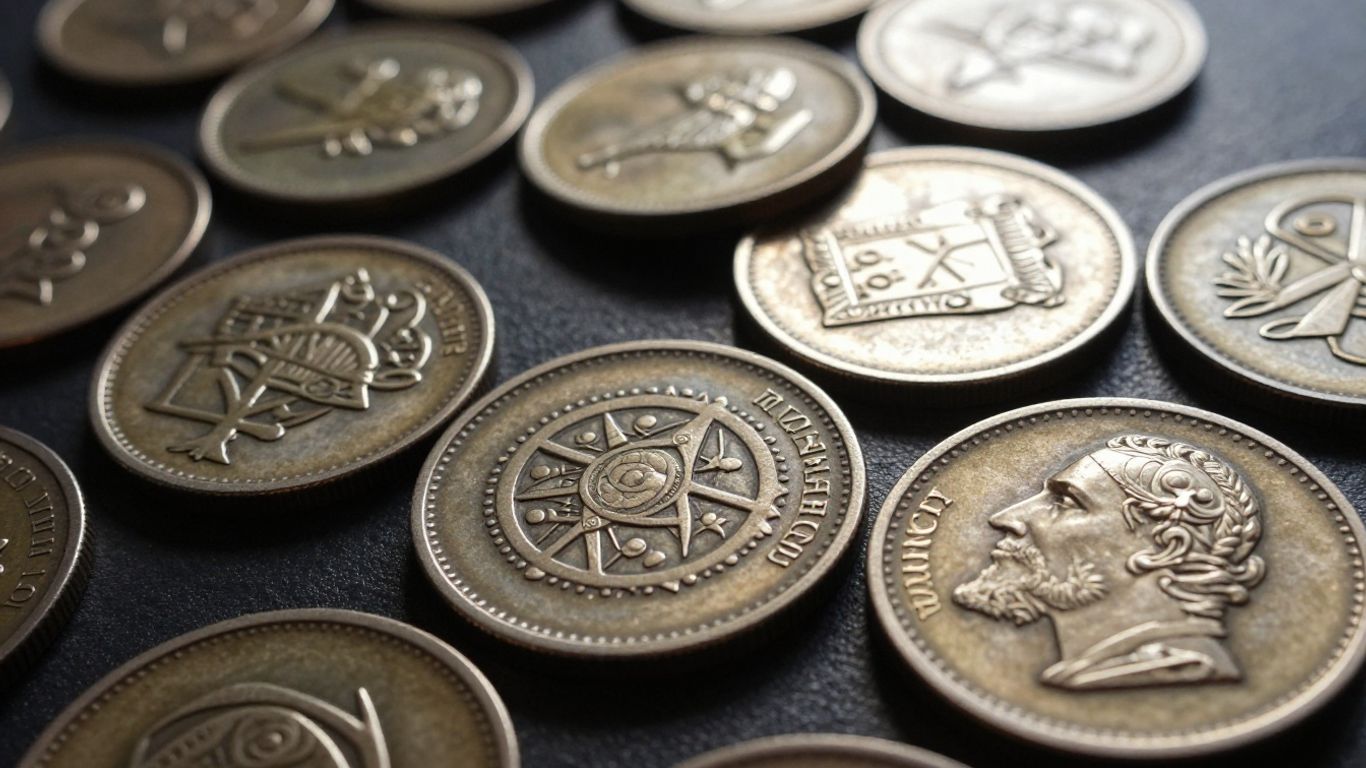
Selling your fantasy coins online from San Antonio opens up a world of potential buyers far beyond your local area. It’s a way to connect with collectors who might be specifically looking for the unique items you have. The internet makes it possible to reach a global audience, which can be a big plus for rarer or more specialized fantasy coins.
Choosing the Right Online Platform
When you’re ready to list your fantasy coins, picking the right place to sell is key. Different platforms cater to different types of collectors and coins. Some are general marketplaces, while others are more specialized for numismatics.
- General Auction Sites: These are good for broad reach. Think of sites where people sell all sorts of collectibles. They have a large user base, but you might face more competition and less specialized knowledge from buyers.
- Numismatic-Specific Marketplaces: These are online venues dedicated solely to coins and currency. Buyers here are usually more informed and actively seeking specific items. This can lead to better prices for your fantasy coins.
- Social Media Groups and Forums: Many online communities exist for coin collectors. These can be great for finding niche buyers, but transactions might require more direct communication and trust-building.
Crafting Compelling Listings
To get the best results, your listings need to be informative and attractive. People can’t hold the coin through the screen, so your description and photos have to do the heavy lifting.
- Detailed Descriptions: Include everything a collector would want to know. This means the coin’s material, weight, diameter, any markings, and its condition. If you know anything about its history or origin, add that too.
- High-Quality Photographs: Take clear, well-lit pictures from multiple angles. Show the front, back, and any edges or details. Good photos are non-negotiable for online sales.
- Accurate Condition Grading: Be honest about the coin’s condition. Misrepresenting a coin’s state can lead to returns and damage your reputation. If you’re unsure, it’s better to err on the side of caution.
Shipping and Insurance Best Practices
Once a sale is made, getting the coin to the buyer safely is the next step. Proper shipping and insurance are vital to protect your investment.
- Secure Packaging: Use sturdy mailers or boxes. Wrap the coin carefully to prevent movement and damage during transit. Bubble wrap or coin holders are good options.
- Insured Shipping: For valuable fantasy coins, always use a shipping service that offers insurance. This covers you in case the package is lost or damaged. Look into options like registered mail or services that provide tracking and delivery confirmation.
- Clear Communication: Let the buyer know when the item has shipped and provide them with the tracking number. This builds trust and manages expectations. It’s a good idea to check out resources like Standard Catalog of World Coins for general pricing information, though fantasy coins can be more variable.
Selling online requires a bit more effort upfront in creating good listings and handling shipping, but the potential to connect with a wider range of interested buyers makes it a very worthwhile avenue for San Antonio collectors looking to sell their fantasy coins.
Wrapping Up Your San Antonio Coin Hunt
So, you’ve got some fantasy coins and you’re wondering where to take them in San Antonio. We’ve looked at a few spots that might be worth checking out, from local coin shops to maybe even some online options if you’re feeling adventurous. Remember, doing a little homework on your coins beforehand can really help when you talk to potential buyers. Knowing what you have is half the battle, right? It’s not always easy to find the right place, but with a bit of patience, you can connect with folks who appreciate these unique pieces. Good luck with your selling!
Frequently Asked Questions
What exactly are fantasy coins, and how are they different from regular coins?
Fantasy coins are coins that were never officially made or used as money by any country. They might look like real coins, but they were created for fun, as collectibles, or sometimes to trick people. Think of them like special edition coins that aren’t part of a country’s official money system. They don’t have the same history or value as coins that were actually used in trade.
How can I figure out if my fantasy coins are worth anything?
To get an idea of your fantasy coins’ worth, you’ll need to do some homework. Look for any markings on the coin that might tell you who made it or what it represents. Sometimes, these coins are made in limited numbers, which can make them more interesting to collectors. Checking online marketplaces and coin collecting websites can give you a sense of what similar items sell for. However, remember that fantasy coins generally don’t have the same value as real, historical coins.
Where in San Antonio can I go to sell my fantasy coins?
In San Antonio, you can explore local coin shops and dealers who might be interested in buying your fantasy coins. It’s a good idea to call ahead or visit a few different places to see who specializes in or has an interest in these types of collectibles. Online platforms dedicated to coin collectors are also a great option, as they reach a wider audience of potential buyers.
Should I clean my fantasy coins before selling them?
Generally, it’s best not to clean fantasy coins yourself. Cleaning can sometimes damage the coin’s surface and actually lower its value. It’s usually safer to leave them as they are. If a coin is very dirty, a gentle rinse with distilled water might be okay, but avoid any harsh scrubbing or chemicals. Let the buyer decide if they want to clean it further.
How do I make my fantasy coins look more appealing to buyers?
To make your fantasy coins more attractive, focus on presenting them well. Take clear, well-lit photos from different angles. If you know anything about the coin’s story – like who might have designed it or why it was made – share that information. Good pictures and a little bit of background can help spark a collector’s interest.
What's the best way to price my fantasy coins?
Setting a price for fantasy coins can be tricky since they don’t follow standard value guides. Research what similar fantasy coins have sold for. Consider how rare it might be and how popular it is with collectors. It’s often wise to start with a reasonable price, maybe a little higher than you expect to get, so you have room to negotiate.
Are there any special online places to sell fantasy coins?
Yes, there are online communities and forums where fantasy coin collectors gather. Websites like eBay are popular, but there are also more specialized forums and social media groups dedicated to unique or fantasy coinage. These places can connect you directly with people who are actively looking for these kinds of items.
What should I be careful about when selling fantasy coins?
When selling fantasy coins, it’s important to be honest about what they are. Don’t try to pass them off as real, historical currency. Clearly state that they are fantasy or replica items. Also, be mindful of secure payment methods and safe shipping practices to protect yourself and the buyer.