
Thinking about selling exonumia coins in San Antonio, TX? It can be a bit confusing to know where to start. Exonumia, which includes things like tokens, medals, and other numismatic items that aren’t official government currency, can be quite interesting to collectors. This guide will help you figure out the best places and ways to sell your exonumia coins right here in San Antonio.
Key Takeaways
- Understand what exonumia is and how it differs from regular coins before you try to sell exonumia coins San Antonio TX.
- Research your exonumia items to get a sense of their value, considering factors like rarity, condition, and historical interest.
- Explore local options like the Gateway Coin Club or other San Antonio coin buyers for in-person sales.
- Consider coin shows, online marketplaces like eBay, or specialized exonumia websites for a wider reach.
- Prepare your items with accurate descriptions and be ready to negotiate when you sell exonumia coins San Antonio TX.
Where To Sell Exonumia Coins In San Antonio TX
Understanding Exonumia For Sale
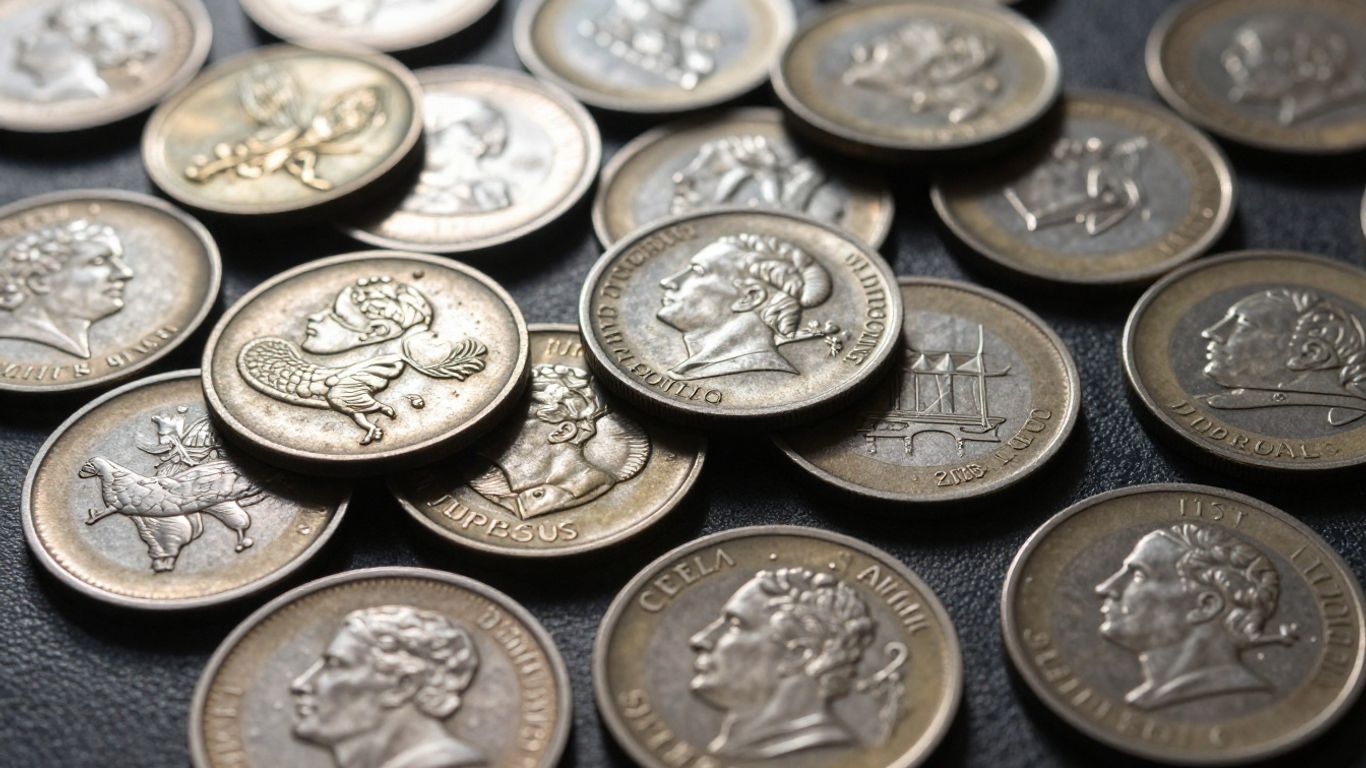
Exonumia, in simple terms, refers to numismatic items that aren’t official government-issued currency. This broad category includes things like tokens, medals, commemorative coins, and even some types of scrip. Think of it as the fascinating world of coins and currency that tells stories beyond just monetary value. These items often have unique historical or artistic merit, making them appealing to collectors. San Antonio has a surprisingly active community interested in these specialized items. If you’re looking to sell, understanding what makes your exonumia stand out is the first step.
Valuing Your Exonumia Collection
Figuring out what your exonumia is worth can be a bit tricky. Unlike standard coins, there isn’t always a readily available price guide. Factors like rarity, condition, historical context, and current collector demand all play a role. Some pieces might be common and have little monetary value, while others could be quite rare and sought after. It’s often a good idea to do some initial research online or consult with experienced collectors or dealers. For instance, a local dealer like the ones associated with the Gateway Coin Club San Antonio might offer insights.
Preparing Your Exonumia For Sale
Before you try to sell your exonumia, take some time to get it ready. First, make sure you have a clear idea of what you’re selling. If you have any documentation or history associated with the pieces, gather that information. For most exonumia, it’s best to leave them as-is; avoid cleaning them, as this can often decrease their value. Organize your items, perhaps by type or theme, to make them easier for potential buyers to look through. A little preparation can go a long way in making the selling process smoother.
Local Coin Dealers In San Antonio TX
Gateway Coin Club San Antonio
When looking to sell your exonumia in San Antonio, local coin dealers can be a good starting point. The Gateway Coin Club is a well-established group in the area. They celebrated their 50th anniversary back in 2012, even issuing a special bronze medal to mark the occasion. While they are a club focused on numismatics, their meetings often bring together collectors and dealers who might be interested in purchasing items. It’s worth checking their meeting schedule and location, often held at Denny’s Restaurant on IH10 West, to see if you can connect with potential buyers directly.
Other San Antonio Coin Buyers
Beyond specific clubs, San Antonio has other places where you might find buyers for your exonumia. These can range from dedicated coin shops to pawn shops that handle collectibles. It’s a good idea to do some research beforehand to find reputable dealers. Look for businesses that have a good online presence or positive reviews from other collectors. Some dealers might specialize in certain types of exonumia, so knowing what you have can help you find the right buyer.
- Research potential buyers: Before visiting, check online reviews and their specialization.
- Be prepared to negotiate: Understand that dealers need to make a profit, so expect an offer below retail value.
- Get multiple opinions: If possible, visit more than one dealer to compare offers.
When dealing with local shops, remember that their offer will reflect their need to resell the item. They are running a business, and their expertise allows them to quickly assess market value for resale. Be polite and professional, and you’ll likely have a smoother transaction.
Coin Shows And Events To Sell Exonumia
Attending coin shows and local events can be a fantastic way to sell your exonumia. These gatherings bring together collectors, dealers, and enthusiasts, creating a lively marketplace. It’s a chance to connect directly with people who appreciate the unique nature of exonumia.
Texas Numismatic Association Events
The Texas Numismatic Association (TNA) is a significant organization for coin collectors in the state. They host annual conventions that draw a large crowd of buyers and sellers. These events are prime opportunities to showcase and sell your exonumia. Keep an eye on their schedule for upcoming shows, which often feature a wide array of numismatic items, including exonumia.
Local San Antonio Coin Shows
Beyond the state-level events, San Antonio and its surrounding areas often have smaller, local coin shows. These can be more intimate and might offer a more focused audience for specific types of exonumia. Checking with local coin clubs, like the Gateway Coin Club in San Antonio, is a good way to find out about these smaller, more frequent shows. They often have bulletin boards or newsletters announcing upcoming events.
Here’s what you might find at a typical coin show:
- Dealers specializing in various numismatic fields.
- Collectors looking for specific exonumia pieces.
- Opportunities to trade or sell directly.
- Informal networking with other enthusiasts.
Coin shows offer a tangible way to engage with the numismatic community. You can physically examine items, talk to sellers, and get a feel for the market firsthand. This direct interaction is something online platforms can’t fully replicate, making shows a valuable venue for both buying and selling.
Online Platforms To Sell Exonumia
When you’re looking to sell exonumia, the internet opens up a world of possibilities beyond your local San Antonio coin shops. These platforms can connect you with a much wider audience, potentially leading to better prices for your items.
eBay And Online Marketplaces
For many people, eBay is the first place that comes to mind when thinking about selling items online. It’s a massive marketplace with millions of active users, and that includes a significant number of coin collectors and exonumia enthusiasts. The key to success on eBay is presenting your items clearly and honestly. This means taking good, well-lit photographs from multiple angles and writing detailed descriptions that include any known information about the piece.
Here are some tips for selling on eBay:
- Accurate Titles: Use keywords that collectors would search for. Include terms like the item’s type, material, date (if known), and any distinguishing features.
- Detailed Descriptions: Go beyond the basics. Mention the condition, any wear or damage, and historical context if you have it. The more information you provide, the more confident a buyer will be.
- Fair Pricing: Research similar items that have recently sold on eBay to get an idea of market value. You can set a fixed price or use an auction format.
- Shipping: Offer secure and well-packaged shipping. Consider offering different shipping options to cater to various buyer preferences.
Other general online marketplaces might also be an option, but eBay generally has the most robust system for collectibles.
Specialty Exonumia Websites
Beyond the giants like eBay, there are websites specifically dedicated to numismatics and exonumia. These sites often attract a more specialized and knowledgeable audience, which can be beneficial when selling niche items. While they might have a smaller user base, the buyers are often more serious and informed about what they are purchasing.
Some of these platforms focus on auctions, allowing for competitive bidding. For instance, Stack’s Bowers is a well-regarded auction house that handles a wide variety of numismatic items, including exonumia, through their online auctions. These specialized sites can be excellent places to find collectors who are actively seeking specific types of exonumia that might be harder to find on a general marketplace. You’ll want to investigate their fee structures and selling policies to see if they align with your needs.
Selling Exonumia Through Coin Clubs
Alamo Coin Club Meetings
Coin clubs can be a fantastic place to connect with fellow collectors and potentially find buyers for your exonumia. In San Antonio, the Alamo Coin Club is a local group that often serves as a hub for numismatic activity. These clubs typically hold regular meetings where members gather to discuss coins, share knowledge, and sometimes conduct informal trading or sales. Attending a meeting can give you a feel for the local collecting community and introduce you to people who might be interested in specific types of exonumia you have.
Connecting With Collectors
When you bring your exonumia to a coin club meeting, you’re not just showing items; you’re engaging with people who share a passion for coins and related items. This direct interaction is often more fruitful than simply listing items online. You can talk about the history of a piece, its condition, and why you think it’s interesting. This personal touch can make a big difference to a potential buyer. It’s also a good way to get informal opinions on your items’ value from experienced collectors.
Here are a few things to consider when selling through a coin club:
- Be Prepared: Have a general idea of what you’re looking to get for your items. While you don’t need a formal appraisal, knowing the market can help.
- Bring a Variety: If you have different types of exonumia, bring a selection. You never know what might catch someone’s eye.
- Network: Talk to people. Ask about their collecting interests. You might find someone looking for exactly what you have, or they might know someone who is.
Engaging with a coin club offers a more personal approach to selling exonumia. It allows for direct conversation about the items, fostering a connection with potential buyers who appreciate the history and detail of these unique pieces. This community-based selling can lead to more informed transactions and a better overall experience for both the seller and the collector.
Factors Affecting Exonumia Value
Rarity and Condition
When you’re looking to sell exonumia, two big things that dealers and collectors will look at are how rare the item is and what kind of shape it’s in. If you’ve got something that not many people have, that’s usually a good start. But even if it’s rare, if it’s all beat up, scratched, or worn down, its worth goes down quite a bit. Think about it like a vintage toy – a mint-condition one in its original box is worth way more than one that’s missing parts and has scuff marks.
Here’s a quick look at how condition can play a role:
- Mint State (MS): This means the item is in the same condition as when it was made. No wear at all. This is the best condition you can get.
- About Uncirculated (AU): Shows very slight wear, but it’s hard to see without looking closely.
- Extremely Fine (XF): You can see some wear, but it’s still pretty sharp looking.
- Very Fine (VF): More noticeable wear, but the main details are still clear.
- Fine (F): Significant wear, but the design is still recognizable.
- Good (G): Worn down a lot, with major details being faint.
Historical Significance
Sometimes, an exonumia piece is valuable not just because it’s old or rare, but because of the story it tells. Did it come from a famous event? Was it used by a notable person or group? Items tied to significant historical moments or figures often fetch higher prices. For example, a token from a World’s Fair or a medal commemorating a major battle might be more sought after than a similar item with no clear historical connection.
The history behind an exonumia piece can add a layer of appeal that goes beyond its physical attributes. Collectors are often drawn to items that offer a tangible link to the past, making the story as important as the object itself.
Demand and Collectibility
Just like anything else, if a lot of people want a certain type of exonumia, its price can go up. This is called demand. Some exonumia types are just more popular with collectors than others. Maybe it’s because they look cool, or perhaps there’s a well-known series that people like to complete. The more people actively looking to buy a specific kind of exonumia, the better your chances of getting a good price for it. It’s a bit like how certain sneakers become super popular and everyone wants them – the same thing can happen with collectible items.
Tips For A Successful Exonumia Sale
Selling exonumia, those fascinating coins and tokens not issued as official government currency, requires a thoughtful approach to get the best results. It’s not just about finding a buyer; it’s about connecting with someone who appreciates what you have. Doing your homework before you list or approach a dealer is key.
Research Potential Buyers
Before you even think about pricing, figure out who might be interested in your exonumia. Are you looking to sell to a local dealer, a collector at a coin show, or online? Each avenue has its own set of buyers with different interests and expectations. For instance, a local coin shop might be more interested in items they can quickly resell, while a specialized collector might pay a premium for a rare piece.
- Local Coin Dealers: Visit or call several dealers in San Antonio. See what kind of exonumia they typically buy and what their general price range is. Some dealers specialize in certain types of exonumia, so finding the right fit is important.
- Coin Shows: These events are great for meeting a wide range of collectors and dealers. You can often get a feel for what’s in demand by observing what others are buying and selling.
- Online Platforms: If you’re selling online, research similar items that have recently sold. Look at the prices achieved and the descriptions used. This gives you a baseline for what buyers are willing to pay.
Accurate Descriptions
Buyers want to know exactly what they are purchasing. Be honest and detailed in your descriptions. This builds trust and helps avoid misunderstandings later on.
- Condition: Describe the condition of the exonumia as accurately as possible. Use terms like ‘uncirculated,’ ‘lightly circulated,’ or ‘heavily worn.’ Note any scratches, dents, or other damage.
- Material and Size: Specify what the exonumia is made of (e.g., brass, silver, aluminum) and its dimensions if relevant.
- Rarity and Significance: If you know the item is rare or has historical importance, mention it. Provide any background information you have, such as where or when you acquired it.
Providing clear, factual information upfront can save a lot of time and potential headaches for both you and the buyer. It shows you respect their interest and their money.
Secure Transactions
Whether you’re meeting someone in person or selling online, safety and security should be a top priority. For in-person sales, choose a public, well-lit location. If selling online, use reputable platforms that offer buyer and seller protection. Be wary of offers that seem too good to be true. For those looking for a public sale, consider events like those held by Public Auctions of Texas.
Here’s a quick look at potential selling prices for common exonumia types, though actual values can vary greatly:
| Item Type | Estimated Value Range | Notes |
|---|---|---|
| Trade Tokens | $5 – $50+ | Depends heavily on rarity and condition |
| Medals (Commemorative) | $10 – $100+ | Historical significance plays a big role |
| Fantasy Coins | $2 – $20 | Generally lower value, collector interest |
| Good Luck Charms | $1 – $15 | Often sentimental value, not high monetary |
Remember, these are just general estimates. The true value lies in the specific item and the current market demand.
Navigating The Exonumia Market
Understanding the exonumia market can feel a bit like trying to find your way through a maze. It’s not as straightforward as regular coins, and that’s part of what makes it interesting. Knowing what’s currently popular and what might be overlooked is key to getting a fair price for your items.
Understanding Market Trends
The value of exonumia can shift based on what collectors are looking for. Sometimes, a specific type of token or medal might suddenly become very popular due to a historical anniversary, a new discovery, or even just a surge of interest from a prominent collector. Keeping an eye on what’s being talked about in collector forums or at coin shows can give you a good idea of where the market is heading.
Here are a few things that often influence trends:
- Historical Events: Anniversaries of significant events or figures can boost interest in related exonumia.
- Pop Culture: Sometimes, exonumia related to movies, music, or other pop culture phenomena can gain traction.
- New Discoveries: Finding previously unknown or rare exonumia can create excitement and drive up prices for similar items.
The exonumia market is a niche within a niche. Unlike mainstream coins, its value is often driven by specific historical contexts, artistic merit, or the sheer scarcity of a particular piece. This means research is your best friend when trying to figure out what you have and what it might be worth.
Identifying Rare Exonumia
Figuring out if your exonumia is rare involves a bit of detective work. Rarity isn’t just about how few were made; it’s also about how many have survived and are still in the hands of collectors. A piece with a low mintage might not be rare if most of them are still around and in good shape.
Consider these points when assessing rarity:
- Mintage Figures: Check any available records for how many were originally produced. Lower numbers generally mean higher rarity.
- Survival Rate: How many do you think are still out there? Items that were used up, melted down, or simply lost over time are rarer.
- Known Collections: Are there famous collections that feature this type of exonumia? If it’s a sought-after item in major collections, it’s likely rare.
It’s helpful to consult specialized catalogs or guides. For example, the Whitman Red Book Series has volumes dedicated to specific types of U.S. coins and tokens, which can provide detailed information on rarity and value for certain categories. While not always covering every piece of exonumia, these resources offer a good starting point for understanding the numismatic landscape.
Appraising Your Exonumia Collection
Before you can sell your exonumia, you need to know what it’s worth. This step is pretty important, and honestly, it can be a bit tricky. It’s not like appraising a regular coin; exonumia covers a lot of ground, from tokens and medals to transportation passes and even some foreign coins that aren’t official currency. Getting a solid idea of your collection’s value helps you set realistic prices and avoid getting shortchanged.
Professional Appraisals
For a really accurate valuation, especially if you have a large or potentially valuable collection, consider a professional appraisal. Coin dealers who specialize in exonumia or general numismatics can offer this service. They have the knowledge and resources to identify rare pieces and assess their condition accurately. Some dealers might offer this service for free if they’re hoping to buy your collection, while others charge a fee. It’s worth checking out places like PGS Gold & Coin as they often have experts on staff.
Self-Appraisal Resources
If you’re looking to do some of the legwork yourself, there are resources available. Specialized books, like those in Whitman’s Red Book Series, often cover various types of exonumia, providing historical context, pricing guides, and grading information. These books can be a bit dense, but they’re packed with details. You can also find information online, though you need to be careful about the source. Look for reputable numismatic websites and forums where collectors discuss values and share knowledge.
Here are a few things to look at when you’re appraising:
- Rarity: How many of these items were made? Are they common or hard to find?
- Condition: Is the item worn, damaged, or in pristine shape? Look for scratches, dents, or missing details.
- Historical Context: Does the item represent a significant event, place, or organization? This can add to its appeal.
- Material: Is it made of a precious metal like silver or gold, or a more common metal?
Trying to figure out the value of exonumia can feel like detective work. You’re piecing together clues from its appearance, its history, and what other collectors are willing to pay. Don’t rush this part; take your time to research each piece thoroughly.
When you’re assessing condition, a simple grading scale can help. While formal grading services are less common for exonumia than for standard coins, understanding the basics is key:
- Uncirculated (or Mint State): The item looks as it did when it was made, with no wear.
- Extremely Fine (XF): Shows very light wear, but details are still sharp.
- Very Fine (VF): Moderate wear is visible, but most details are clear.
- Fine (F): Significant wear, with many details softened.
- Good (G): Heavy wear, with major details worn away.
Alternative Selling Avenues
Auctions For Exonumia
Auctions can be a dynamic way to sell your exonumia, especially if you have items that are rare or in high demand. This method often attracts serious collectors willing to pay a premium for unique pieces. When considering an auction, think about whether a local auction house or an online platform would best suit your items. Online auctions, for instance, can reach a global audience, potentially increasing bids. Local auctions might be better for items with strong regional interest. The key is to find an auction house with a good reputation for handling numismatic items.
When preparing items for auction, consider:
- Condition: Clearly document the condition of your exonumia. High-quality photographs are a must.
- Description: Provide as much historical context and detail as possible. This helps buyers understand the item’s significance.
- Provenance: If you know the history of ownership, include it. This can add to an item’s appeal.
Private Sales
Selling privately allows for direct negotiation with potential buyers. This can be a more personal approach and might yield a better price if you can connect directly with a collector who specifically wants your item. This could involve selling to individuals you meet through coin clubs or shows, or even listing items on specialized forums. For example, a unique token from a San Antonio establishment might find a buyer through a local collector group. You can also explore platforms like Royal Card House if your exonumia includes casino chips or similar items. This method requires more effort in finding buyers and handling the transaction yourself, but it can be rewarding.
Consider these points for private sales:
- Networking: Attend local coin shows and club meetings to meet potential buyers.
- Patience: Finding the right buyer might take time.
- Fair Pricing: Research comparable sales to set a reasonable price.
Selling exonumia privately means you’re in control of the entire process, from setting the price to finalizing the deal. It requires a bit more legwork than simply handing items over to a dealer, but the potential for a higher return is often there if you connect with the right collector.
Wrapping Up Your Exonumia Sales in San Antonio
So, you’ve got some exonumia you’re looking to sell here in San Antonio. We’ve gone over a few places to check out, from local coin clubs to maybe even some online spots. It’s not always a huge market, but there are definitely people interested. Don’t be afraid to reach out to places like the Gateway Coin Club or the Alamo Coin Club; they might have members who collect exactly what you have. Sometimes, just talking to other collectors can give you a better idea of what your items are worth. Selling exonumia can be a bit of a treasure hunt, but with a little effort, you can find the right buyer. Good luck out there!
Frequently Asked Questions
What exactly are exonumia coins?
Exonumia refers to items that look like coins but aren’t official money. Think of things like tokens, medals, or even souvenir coins. They were made for different reasons, not for buying things in stores.
How can I figure out how much my exonumia is worth?
To find out what your exonumia is worth, you should look at how rare it is, its condition (is it worn out or like new?), and if people want to collect it. Checking with coin experts or looking at similar items sold online can also help.
Where in San Antonio can I sell my exonumia?
You can try local coin dealers in San Antonio, like the Gateway Coin Club. Sometimes coin shows or even local coin clubs are good places to find buyers who are interested in these special items.
Are coin clubs a good place to sell exonumia?
Yes, coin clubs can be excellent places to sell exonumia. Members are often collectors themselves and might be looking for specific pieces to add to their collections. It’s a great way to connect with people who appreciate these items.
What makes some exonumia more valuable than others?
Several things make exonumia more valuable. Its rarity plays a big role – if there aren’t many of them, they’re usually worth more. The condition is also key; pieces that are well-preserved tend to fetch higher prices. Plus, if an item has an interesting history or is in high demand by collectors, its value can increase.
Should I clean my exonumia before selling it?
It’s generally advised not to clean exonumia yourself. Cleaning can sometimes damage the surface and lower its value. It’s best to leave it as is and let a potential buyer decide if any cleaning is needed.
What's the difference between a coin dealer and a collector?
A coin dealer buys and sells coins and exonumia as a business, often aiming to make a profit. A collector, on the other hand, buys items to keep and add to their personal collection, usually driven by interest and passion rather than profit.
Are online selling platforms a good option for exonumia?
Online platforms like eBay can be useful for reaching a wide audience. However, for more specialized exonumia, dedicated numismatic websites might connect you with more knowledgeable buyers who understand the specific value of your items.