
Thinking about selling error coins in San Antonio, TX? It’s a smart move if you’ve got them. Finding the right place to sell them means getting a fair price. This guide will help you figure out where to go, whether you have a single rare find or a whole collection. We’ll cover some common types of coins and other items people often sell, so you know what to expect when you decide to sell error coins San Antonio TX.
Key Takeaways
- San Antonio has local coin shops and online dealers for selling coins.
- Consider online options for potentially better prices and convenience.
- Expert appraisals are important for getting the true value of your coins.
- Look for buyers who offer transparent pricing and secure transactions.
- Know what types of coins and other items are commonly bought.
1. Gold Coins
When you’re looking to sell gold coins in San Antonio, it’s good to know what makes them tick. We’re talking about more than just the metal’s weight; the coin’s history, rarity, and condition all play a big part in its worth. Think about the classic American Gold Eagle or the historic Double Eagle series. These aren’t just pieces of gold; they’re often sought after by collectors.
Here’s a quick look at what influences a gold coin’s value:
- Gold Content: The amount of pure gold in the coin is a baseline for its value.
- Rarity: How many of these coins were made, and how many still exist today?
- Condition (Grade): A coin that’s been well-preserved, with no major scratches or wear, will be worth more.
- Historical Significance: Some coins are valuable because of the era they come from or the events they represent.
Many places in San Antonio will buy your gold coins, but getting a fair appraisal is key. You want to make sure you’re getting a price that reflects the coin’s true market value, not just its melt value.
Understanding the different types of gold coins, from bullion pieces to numismatic treasures, is the first step in getting the best offer. Don’t just assume all gold coins are valued the same way; a professional appraisal can reveal hidden worth.
When you bring your gold coins in, expect the buyer to look at these factors. They’ll weigh the gold, check for any mint marks or special features, and assess its overall condition. It’s a process that requires a good eye and knowledge of the market.
2. Silver Coins
When it comes to selling silver coins in San Antonio, you’re looking at a market that values both the intrinsic worth of the metal and the historical or collectible nature of the piece. Many silver coins, especially older ones or those minted in larger quantities, are primarily valued for their silver content. This is often referred to as "bullion value."
The melt value of a silver coin is a significant factor in its appraisal. This means that even if a coin isn’t particularly rare, its silver content alone can make it quite valuable. For instance, common silver dollars or half dollars from earlier eras might not fetch a premium for their numismatic rarity, but their silver weight will still command a solid price.
Here’s a look at what influences the value of silver coins:
- Silver Content: The purity and weight of the silver are primary drivers of value. Coins like American Silver Eagles, Morgan Dollars, and Peace Dollars are popular for their silver content.
- Rarity and Mint Mark: Some silver coins are rare due to limited mintage numbers or specific mint marks (like Carson City or San Francisco). These can significantly increase a coin’s value beyond its silver weight.
- Condition (Grade): The physical state of the coin plays a big role. Coins in better condition, with less wear and tear, are generally worth more. Professional grading services can assess and certify a coin’s condition.
- Historical Significance: Coins tied to important historical events or periods can also hold a special appeal to collectors, sometimes adding value.
When you bring your silver coins to a dealer in San Antonio, they’ll typically assess them based on these factors. They’ll weigh the silver content, check for any rare dates or mint marks, and evaluate the coin’s overall condition. It’s a good idea to have a general idea of what you have, but an experienced buyer can provide a precise valuation.
Selling silver coins involves understanding both the market price of silver and the specific characteristics of each coin. Dealers in San Antonio are equipped to evaluate these elements to offer you a fair price, whether you’re selling a single piece or a large collection.
3. Rare & Historic Coins
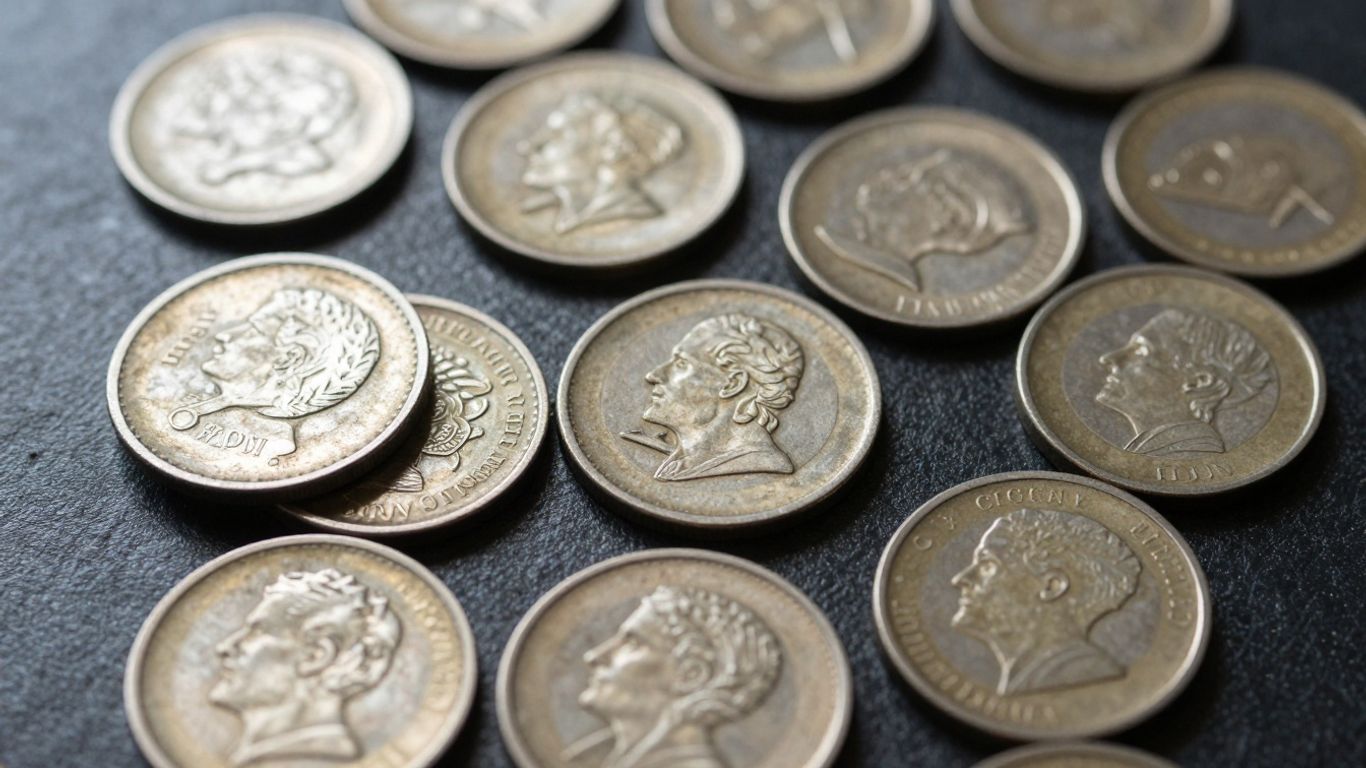
When you’re looking to sell coins that fall into the ‘rare and historic’ category in San Antonio, you’re dealing with items that have a story and a unique place in numismatic history. These aren’t just pieces of metal; they’re artifacts that collectors actively seek. Think about coins from early American history, special mint issues, or those with significant errors that make them stand out.
The value of these coins often depends on a combination of rarity, condition, historical significance, and market demand.
Here’s a quick look at what makes a coin rare or historic:
- Age: Older coins, especially those from the 18th and 19th centuries, are often considered historic.
- Mintage: Coins produced in very small quantities are inherently rarer.
- Condition (Grade): A coin’s preservation state is a major factor. A rare coin in poor condition might be worth less than a common coin in mint state.
- Errors: Minting mistakes, like double strikes or off-center impressions, can turn a regular coin into a highly sought-after collectible.
- Provenance: If a coin has a documented history of ownership, especially by a notable collector, it can add to its appeal and value.
Evaluating these types of coins requires a keen eye and knowledge of the market. It’s not just about the metal content; it’s about the coin’s place in history and its desirability among collectors. A professional appraisal is key to understanding the true worth of your rare and historic pieces.
When you bring these special coins to us, we look beyond the surface. We consider factors like:
- Specific Mint Marks: Where and when the coin was produced.
- Die Varieties: Subtle differences in the dies used for striking coins.
- Historical Context: The era and events associated with the coin’s mintage.
- Eye Appeal: The overall aesthetic quality of the coin.
4. Coin Collections
Selling a coin collection can feel like a big task, especially if you’ve gathered pieces over many years. It’s not just about individual coins; it’s about the story they tell and the history they represent. When you’re ready to part with your collection, getting a fair appraisal is key. You want to make sure you’re getting a price that reflects the true worth of all those carefully acquired items.
The value of a collection isn’t always just the sum of its parts; sometimes, the rarity and condition of the entire set can command a premium. Many collectors look for complete sets or specific runs of coins, which can make a whole collection more desirable than selling each coin separately. This is where a good appraisal makes a difference.
When you’re looking for places to sell your collection in San Antonio, consider a few things:
- Expertise: Does the buyer know about different types of collections, from modern sets to older, more obscure ones?
- Process: How do they handle appraisals? Do they offer in-person or online options? A smooth process makes things easier.
- Offer: What kind of offer do they make? Is it based on current market values, or does it seem low?
Here’s a general idea of how a collection appraisal might work:
- Initial Contact: Reach out to the buyer, perhaps through their website or by phone.
- Appraisal Method: Decide if you’ll send photos, bring the collection in, or have someone come to you (if available).
- Evaluation: The appraiser examines your coins, considering factors like rarity, condition, and market demand.
- Offer: You’ll receive a price based on their assessment.
Selling a collection often requires a buyer who understands the nuances of numismatics. They need to recognize not just the individual value of each coin but also the cohesive value of the collection as a whole. This requires a trained eye and access to up-to-date market data.
If you have a substantial collection, you might qualify for an in-home appraisal, which saves you the trouble of transporting everything. This is a great option for large or particularly valuable collections. Finding reputable dealers who specialize in buying coin collections is important for getting the best outcome.
5. Morgan Dollars
When you’re looking to sell coins in San Antonio, Morgan Dollars are a category that often sparks interest. These silver dollars, minted from 1878 to 1904 and again in 1921, are quite popular with collectors. Their appeal comes from their history, the large amount of silver they contain, and the variety of mint marks and dates available, which can significantly affect their value.
The condition of your Morgan Dollar is a major factor in its worth. A coin graded as "uncirculated" will fetch a much higher price than one that’s heavily worn. It’s also important to know where the coin was minted, as some mints produced fewer coins than others. For instance, Morgan Dollars from the Carson City mint (CC) are generally more sought after due to their rarity.
Here’s a quick look at what influences a Morgan Dollar’s value:
- Date and Mint Mark: Key dates and rarer mint marks (like CC, O, or S) often command higher prices.
- Condition (Grade): From heavily circulated to mint state, the wear on the coin is critical.
- Rarity: Some date/mint mark combinations were produced in much smaller quantities.
- Silver Content: While not the primary driver for collectible coins, the melt value of the silver is a baseline.
If you have a collection of Morgan Dollars or even just a few, getting them appraised by a knowledgeable dealer is a good idea. They can help you sort through the different varieties and determine the best place to sell them for a fair price. Sometimes, a local shop like Great Southern Coins can provide that in-person assessment you might be looking for.
Understanding the nuances of Morgan Dollars, from their historical context to specific minting details, can make a big difference when you’re ready to sell. It’s not just about the silver; it’s about the story and the rarity each coin holds.
6. Double Eagles
Double Eagles are a significant part of American numismatic history, and they hold a special place for collectors and investors alike. These large gold coins, primarily minted by the U.S. Mint, are known for their substantial gold content and often impressive designs. The most famous series is the Liberty Head Double Eagle, designed by James B. Longacre, which was produced from 1849 to 1907. Following that, the Saint-Gaudens Double Eagle, designed by Augustus Saint-Gaudens, was minted from 1907 to 1933 and is widely considered one of the most beautiful coins ever produced by the U.S. Mint.
When looking to sell your Double Eagles in San Antonio, understanding their value is key. Several factors influence a coin’s worth:
- Gold Content: All Double Eagles contain a significant amount of gold (nearly an ounce for most issues), which sets a baseline value.
- Mint Mark and Date: The specific mint (Philadelphia, San Francisco, Denver, etc.) and the year of mintage can greatly affect rarity.
- Condition (Grade): A coin’s preservation state, from worn to pristine, is critical. Higher grades command much higher prices.
- Rarity and Demand: Certain dates and mint marks are much scarcer than others, and collector demand plays a big role.
The 1933 Saint-Gaudens Double Eagle is particularly noteworthy, as most were melted down, making surviving examples exceptionally rare and valuable.
Here’s a general idea of what influences their value:
| Factor | Impact on Value |
|---|---|
| Gold Spot Price | Sets the base value for the metal content. |
| Rarity | Scarce dates/mint marks increase desirability. |
| Condition | Higher grades (e.g., MS-65) are worth significantly more. |
| Historical Significance | Coins tied to specific events or periods can be more sought after. |
When you bring your Double Eagles to a reputable dealer in San Antonio, they will assess these elements to provide a fair offer. It’s always a good idea to get an appraisal from a trusted source to ensure you’re getting a competitive price for these historic gold pieces.
7. Silver Bars
When you have silver bars you’re looking to sell, it’s important to find a buyer who understands their value. These aren’t just pieces of metal; they often represent a significant investment. We offer competitive prices for all types of silver bars, whether they’re from well-known mints or are less common.
We accept silver bars of various sizes and purities. Here’s a general idea of what we look for:
- Purity: We primarily deal with bars that are .999 fine silver or .925 sterling silver.
- Weight: From small one-ounce bars to larger kilo bars, we assess them all.
- Condition: While some wear is expected, bars in better condition generally fetch higher prices.
Common Silver Bar Types We Purchase:
- 1 oz Silver Bars (e.g., Buffalo, generic rounds)
- 10 oz Silver Bars
- 1 Kilo (32.15 oz) Silver Bars
- 100 oz Silver Bars
We understand that the market price for silver fluctuates daily. Our appraisals take into account the current spot price of silver, ensuring you receive a fair offer based on the metal’s intrinsic value. We also consider any numismatic or collector value a bar might have, especially if it’s from a limited mintage or a reputable refiner.
Bringing in your silver bars for appraisal is a straightforward process. Our team will carefully examine each bar, confirm its weight and purity, and provide you with a clear, no-obligation offer. We aim to make the selling experience as easy and transparent as possible for you.
8. Jewelry
When you’re looking to sell jewelry in San Antonio, think beyond the typical pawn shop. We’re interested in a wide variety of pieces, from fine necklaces and bracelets to rings and watches. The condition of your jewelry plays a role, but even items with minor wear or those that are broken can have value.
We assess jewelry based on several factors:
- Metal Content: We’ll test the gold, silver, or platinum content to determine its intrinsic value.
- Gemstones: Diamonds, emeralds, rubies, and other precious stones are evaluated for their quality and size.
- Brand and Craftsmanship: Unique designer pieces or items with exceptional artistry can command higher prices.
- Era and Style: Vintage or antique jewelry often holds a special appeal.
Bring in your unwanted or old jewelry, and we’ll provide a fair appraisal. We buy all types of jewelry, including:
- Rings (engagement, wedding, fashion)
- Necklaces and Pendants
- Bracelets and Bangles
- Earrings
- Watches (especially vintage or luxury brands)
- Brooches and Pins
We understand that jewelry can hold sentimental value, but sometimes it’s time to convert those pieces into cash. Our appraisal process is straightforward, and we aim to give you a clear understanding of your item’s worth.
9. Scrap Gold
When you have gold items that are no longer wearable or in good condition, they often end up as scrap gold. This can include broken jewelry, single earrings, old dental gold, or even small gold fragments. Many people don’t realize that these pieces still hold significant value. The market price for gold fluctuates daily, and reputable dealers will pay based on the current spot price for the purity of your gold.
Here’s what you should know about selling scrap gold:
- Purity Matters: Gold is measured in karats (K). 10K, 14K, 18K, and 24K are common. The higher the karat, the purer the gold, and the more it’s worth. Dealers use testing methods to determine the exact purity.
- Weight is Key: The value of your scrap gold is directly tied to its weight. Reputable buyers will use precise scales to weigh your items accurately.
- Market Fluctuations: The price of gold changes constantly. It’s a good idea to have a general idea of the current gold price before you go to sell.
Selling scrap gold is a straightforward process. Dealers assess the purity and weight of your items and offer a price based on the current market value. Even small amounts can add up, so don’t overlook those old, broken pieces.
When you bring your scrap gold to a place like Alamo Heights Coin Shop, they’ll typically follow these steps:
- Initial Inspection: They’ll look at your items to get a general idea of what they are.
- Purity Testing: Using methods like acid testing or electronic testers, they’ll determine the karat of the gold.
- Weighing: Your gold will be weighed on a certified scale.
- Offer: Based on the purity, weight, and current market price, they’ll make you an offer.
10. Currency
Beyond coins, we also purchase paper money. This includes a wide range of historical and modern banknotes. Think about those old bills tucked away in drawers or forgotten in albums. We’re interested in all sizes, from the large-size notes of yesteryear to the smaller bills we use today.
We accept various types of paper money, such as:
- Silver Certificates
- Gold Certificates
- Legal Tender Notes
- National Bank Notes
- Federal Reserve Notes (older issues)
The condition of the currency plays a significant role in its appraisal value. While some collectors seek out perfectly preserved notes, others are interested in historical significance regardless of wear.
When you bring in your paper money, we’ll examine it carefully. We look at factors like rarity, historical context, and overall condition to determine a fair offer. It’s always a good idea to handle old currency with care to avoid further damage before bringing it in.
Don’t hesitate to bring in any paper money you have. You might be surprised at what holds value.
Wrapping Up Your Coin Sale in San Antonio
So, you’ve got these error coins sitting around, and you’re wondering what to do next. It’s not always easy to figure out where to get a fair price, especially with so many options out there. We talked about checking out local spots like Alamo Heights Coin Shop or San Antonio Coin Company, which have been around for a while and know their stuff. They can give you a hands-on look at your coins. Then there’s also Coinfully, which offers a more modern, online approach with secure shipping and appraisals based on current market prices. They even do in-home visits for bigger collections. No matter which route you choose, remember to get a few opinions if you can. Doing a little homework helps make sure you get a good deal for those unique coins you’ve found.
Frequently Asked Questions
What types of coins can I sell in San Antonio?
You can sell many kinds of coins in San Antonio. This includes gold coins like Double Eagles, silver coins, and also rare or old coins that have historical importance. Even collections of coins are welcome.
How does the appraisal process work?
The appraisal process is simple. You can contact us to schedule a free chat. We can look at your coins online by you sending pictures, or for bigger collections, we can come to your home in San Antonio. After we check them, we’ll give you a fair price.
Is it safe to mail my coins if I sell them online?
Yes, it is very safe. We use shipping that is fully insured. This means your coins are protected while they are being sent to us. We want to make sure your valuable items are secure.
Do you buy coin collections?
Absolutely! We buy coin collections of all sizes. Whether you have just a few coins or a very large collection, we are interested in taking a look and making you a good offer.
What makes selling coins with Coinfully different from local shops?
Coinfully offers a modern way to sell. We provide appraisals based on current market prices, which can often be better than what local shops offer. Plus, you have the choice of selling online or having us come to you, making it very convenient.
How quickly will I get paid after accepting an offer?
Once you accept our offer, we aim to pay you quickly. We use secure payment methods to ensure you receive your money without unnecessary delays.
Do I have to pay for a coin appraisal?
No, all coin appraisals are completely free. There’s no pressure to sell your coins to us. You can find out their value and then decide what you want to do next.
What if I have other items like silver bars or jewelry?
Besides coins, we also buy other valuable items such as silver bars, gold, and even jewelry. If you have items made of precious metals or other collectibles, we can likely provide an offer for them too.