
Thinking about selling those old encased cents you found in San Antonio, TX? It can feel a bit overwhelming trying to figure out where to start. You’ve got these unique pieces of history, and you want to make sure you get a fair deal. This guide is here to help you sort through the process of selling encased cents in San Antonio, TX, pointing you toward folks who know their stuff and how to get the best price for your collection.
Key Takeaways
- Identify what makes your encased cents special, like their age and any history they carry, to help figure out their worth.
- Look for coin shops in San Antonio that focus on US coins or dealers who know about historical items.
- Before you sell, check what similar encased cents are going for and get a few opinions on your items’ value.
- Be ready to talk price and choose a selling spot, whether it’s a local shop, an online site, or a coin show, that feels right for you.
- Building a connection with coin experts in the San Antonio area can help you understand your collection better and find good buyers.
Understanding Encased Cents
What Are Encased Cents?
Encased cents are coins, most commonly Lincoln cents, that have been placed inside a metal holder, usually brass or copper. These holders often feature advertising or commemorative messages. Think of them as early forms of promotional items or keepsakes. They were popular from the late 19th century through the mid-20th century, especially during times of economic change or major events. The coin itself is still visible, but it’s protected and enhanced by the casing.
Historical Significance of Encased Cents
These coins tell a story about American commerce and culture. Businesses used them as a way to get their name out there, sort of like a business card that people would keep. You’ll find ads for everything from local shops and restaurants to national brands. Some were also made to commemorate special events or places. They offer a tangible link to the past, showing us what businesses were active and what was important to people at different times. They are more than just coins; they are miniature pieces of history.
Factors Affecting Encased Cent Value
Several things go into figuring out what an encased cent is worth. The coin inside is a big part of it, of course. Is it a common date or something rare? The condition of both the coin and the casing matters a lot. A coin that’s heavily worn or a casing that’s damaged won’t be worth as much. The rarity of the specific advertisement or design on the casing is also key. Some ads were produced in huge numbers, while others were very limited. Finally, the overall demand from collectors plays a role. If a lot of people want a particular type of encased cent, its price will likely go up.
Here’s a quick look at what influences value:
- Coin Condition: The state of the cent itself (e.g., wear, toning).
- Casing Condition: Damage like dents, scratches, or corrosion on the metal holder.
- Rarity of Casing: How many of that specific advertisement or design were made.
- Historical Context: Any special event or significant business associated with the casing.
- Eye Appeal: How attractive the entire piece looks to a collector.
Finding Reputable Coin Dealers in San Antonio
When you’re ready to sell your encased cents, finding a trustworthy buyer is the next big step. San Antonio has a number of places where you can connect with people who know coins. It’s not just about finding anyone; it’s about finding someone who appreciates what you have and offers a fair price.
Local Coin Shops Specializing in U.S. Currency
San Antonio is home to several local coin shops. These businesses often have a deep knowledge of United States currency, including items like encased cents. They are usually run by people who have been in the coin business for a long time and understand the market well. When you walk into one of these shops, you’re likely to find someone who can give you a good idea of what your encased cents are worth. They might even be interested in buying them directly.
- Check their specialization: Some shops focus more on bullion or ancient coins, so make sure they deal with U.S. currency.
- Look for experience: A shop that’s been around for years often has a solid reputation.
- Ask about their buying process: Understand how they evaluate and make offers.
Online Marketplaces with San Antonio Presence
While you might think of online selling as impersonal, there are ways to connect with buyers who have a local San Antonio presence. Some online dealers might have physical locations or attend local coin shows. This can offer a blend of online reach and local connection. You can often find these dealers through online directories or by searching for coin dealers specifically in the San Antonio area. This can be a good way to get a wider range of offers without leaving your home.
Auction Houses for Rare Coin Sales
For particularly rare or high-value encased cents, an auction house might be the best route. Auction houses can generate excitement and competition among buyers, potentially leading to a higher sale price. While this might take longer than selling directly to a dealer, it can be very effective for unique items. Research auction houses that have a history of selling numismatic items. You can find information on past sales to gauge their success with similar items. Some collectors and dealers who focus on early coppers are known to frequent these events, and you can read about some of them here.
Choosing the right place to sell is as important as knowing the value of your coins. A reputable dealer or auction house will treat you fairly and help you get the best possible price for your collection.
Key Considerations When Selling Encased Cents
Before you head out to sell your encased cents, there are a few things you should really think about. It’s not just about finding a buyer; it’s about making sure you get a fair shake for what you have. These little pieces of history can be worth more than you might think, but only if you go into the sale with your eyes open.
Assessing the Condition and Rarity
The condition of your encased cent is probably the most important factor. Is the cent itself worn down? Is the casing intact, or is it cracked or chipped? Any damage to either the coin or its holder can significantly lower its value. Think about it like a framed picture – if the frame is broken, it doesn’t look as good, right? The same applies here. Rarity plays a big role too. How many of these specific encased cents do you think were made? Were they tied to a specific event, business, or location? The less common it is, the more desirable it might be to collectors.
Understanding Market Demand for Encased Cents
Just because something is rare doesn’t automatically mean it’s in high demand. You need to consider who is actually looking to buy these items. Are there many collectors actively seeking out encased cents, or is it a niche market? Sometimes, a coin might be historically interesting but not particularly popular with buyers at the moment. It’s a bit like selling a particular style of clothing; if it’s not currently in fashion, you might have a harder time finding a buyer willing to pay top dollar. Researching recent sales of similar items can give you a good idea of what people are willing to spend.
Preparing Your Encased Cents for Sale
First off, don’t try to clean your encased cents yourself. Seriously, don’t. You could easily cause more damage than you fix, and that will hurt the value. Let the experts handle any cleaning, if it’s even needed. You should, however, gather any information you have about the cent. Do you know its date? What about the business or event it commemorates? Any historical context you can provide will be a plus. Make sure the cent is securely housed within its casing and that there are no loose parts. If you have any original packaging or documentation, keep that safe too. Having a clear, well-lit photograph of the encased cent can also be very helpful when you’re initially contacting potential buyers.
When you’re getting ready to sell, think about the story behind the coin. Who made it? Why? What was happening at the time? This kind of background information can sometimes add a surprising amount of appeal to an otherwise ordinary-looking item, making it more attractive to collectors who appreciate the historical narrative.
Here are some points to keep in mind:
- Cent Condition: Look for wear, toning, or any damage to the coin itself.
- Casing Integrity: Check for cracks, chips, or any signs of degradation in the holder.
- Historical Context: Note any specific events, businesses, or dates associated with the encased cent.
- Rarity Assessment: Try to determine how common or scarce your particular encased cent might be.
Maximizing Your Return When You Sell Encased Cents in San Antonio, TX
Researching Current Market Prices
Before you even think about selling your encased cents, it’s a good idea to get a feel for what they’re actually worth. This isn’t like selling old clothes; coin values can swing. You’ll want to check out recent sales of similar items. Look at online auction sites, coin collecting forums, and even price guides if you can find ones that cover encased cents specifically. Remember, the condition of your cent and the advertising on it play a big role in its price.
Getting Multiple Appraisals
Don’t just take the first offer you get. It’s smart to get opinions from a few different places. Take your encased cents to a couple of reputable coin dealers in San Antonio. They can give you an idea of what they’d pay. Also, consider getting an appraisal from a dealer who specializes in historical items or advertising memorabilia, as these can sometimes be overlooked by general coin dealers.
Negotiating Fair Offers for Your Collection
Once you have a few prices in mind, you’re in a better position to negotiate. Know what you think your encased cents are worth, but also be realistic. Dealers need to make a profit, so their offers will likely be lower than what you might see a coin sell for at a retail level. Be polite but firm. If an offer seems too low, it’s okay to thank them for their time and try elsewhere. Sometimes, selling a few at a time to different buyers can yield a better overall return than selling everything at once to a single dealer.
- Understand the buyer’s perspective: They need to resell the item for a profit.
- Be prepared to walk away: If the offer doesn’t meet your expectations, don’t feel pressured to accept.
- Consider the convenience: Sometimes, a slightly lower offer might be worth it if it means a quick and easy sale.
The market for encased cents can be quite specific. While some might be interested in the coin itself, others are drawn to the historical advertising or the story behind the piece. Understanding these different angles can help you find the right buyer and get a better price.
Specialized Buyers for Your Encased Cents
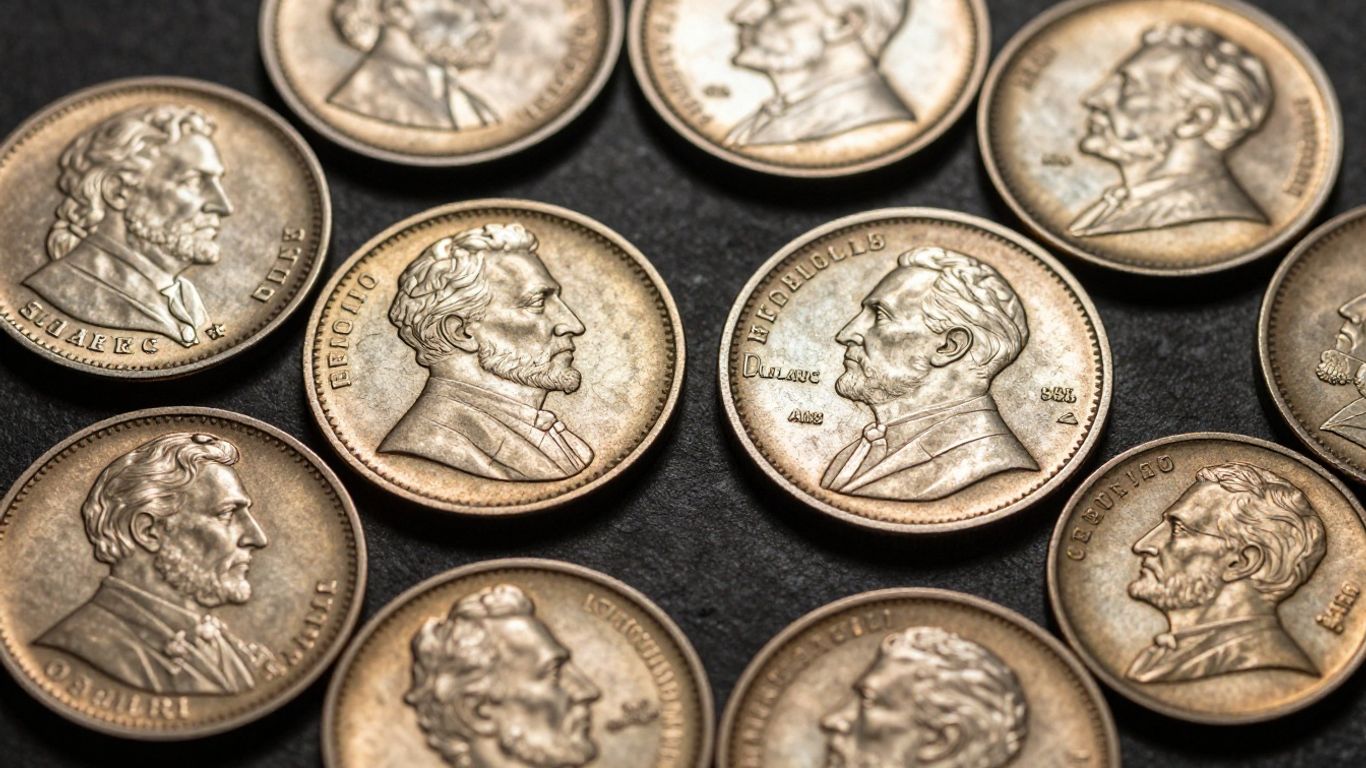
Dealers Focused on Lincoln Cents
Some dealers have a particular interest in Lincoln cents, which is the most common type of cent found encased. These specialists often have a deep knowledge of the various advertising slogans, dates, and mint marks associated with these coins. They might be looking for specific varieties or advertising that is less common. If your encased cent features a Lincoln cent, a dealer with this focus could be a good starting point. They understand the nuances of these coins and can often provide a fair assessment.
Collectors Seeking Unique Historical Items
Encased cents are more than just coins; they are small pieces of history. Many collectors are drawn to them because of the advertising or message they carry. These collectors often look for items that tell a story or represent a specific time period or business. They might be less concerned with the coin’s grade and more interested in the historical context and the condition of the casing and its message. Finding these collectors might involve attending specialized shows or connecting with historical societies.
Experts in Numismatic Memorabilia
Numismatic memorabilia is a broad category that includes items related to coin collecting, such as encased coins. Experts in this field appreciate the combined value of the coin itself and the historical artifact it has become. They understand that the casing, the advertising, and the coin all contribute to the item’s overall worth. These experts are often found at larger coin shows or through auction houses that deal in a wide range of collectibles. They can help you understand the full picture of what makes your encased cent desirable.
When looking for specialized buyers, consider these points:
- Research their specific interests: Does the dealer or collector focus on encased coins, advertising memorabilia, or a particular era of U.S. currency?
- Check their reputation: Look for reviews or testimonials from other sellers.
- Inquire about their buying process: Understand how they evaluate items and what kind of offers you can expect.
The value of an encased cent is a blend of the coin’s intrinsic worth, the rarity and condition of the casing, and the historical or advertising significance of the message it carries. A common cent encased with a widely known advertisement might be worth less than a rarer coin with a unique or historically important message. It’s this combination that makes each piece a potential treasure.
Navigating the Selling Process
Selling your encased cents involves a few steps to make sure you get a fair deal and the transaction goes smoothly. It’s not just about finding a buyer; it’s about understanding what you have and how the market works.
Setting Realistic Expectations
Before you even start looking for buyers, take a moment to think about what you realistically expect to get for your encased cents. Not every encased cent is a rare treasure. Some might be common, while others could be quite special. It helps to do a little homework first. Think about the condition of the cent itself and the holder. Is the cent clear and readable? Is the casing intact, or is it cracked or damaged? These details matter a lot to collectors.
Choosing the Right Selling Venue
Where you sell your encased cents can make a big difference in the price you get. You have a few options, and each has its pros and cons.
- Local Coin Shops: These places are great for a quick sale and can offer immediate payment. However, they need to make a profit, so their offers might be lower than what you could get elsewhere.
- Online Marketplaces (like eBay): This gives you access to a huge number of potential buyers. You can often get closer to the true market value, but it takes more effort to list items, deal with shipping, and wait for payment.
- Auctions: For potentially very rare or high-value items, an auction can drive up the price. However, there are fees involved, and you don’t always know what the final price will be.
- Directly to Collectors: Sometimes, you can find collectors who are specifically looking for what you have. This might involve attending coin shows or connecting with people through online forums.
Ensuring Secure Transactions
No matter where you decide to sell, safety is important. If you’re selling in person, meet in a public place, like a bank lobby or a well-lit area of a coin shop. If you’re shipping items, use a trackable shipping method and consider insuring the package, especially for more valuable pieces. For online sales, be wary of buyers who ask for unusual payment methods or try to rush you. Always get payment before you ship your items.
When you’re selling something like encased cents, remember that you’re not just selling a coin; you’re selling a piece of history. Buyers are often looking for that story and the condition that preserves it. Be prepared to talk about what you know about the item, and be honest about its condition. This builds trust, which is a big part of any successful sale.
The Role of Coin Shows in San Antonio
Discovering Local Coin Show Opportunities
Coin shows are fantastic places to find out what’s happening in the numismatic world, especially if you’re looking to sell encased cents. San Antonio and its surrounding areas often host these events, bringing together collectors, dealers, and enthusiasts. These gatherings are more than just markets; they are hubs for information and networking. Keep an eye on local event listings and numismatic publications for announcements. You might find a show happening sooner than you think, offering a direct path to potential buyers for your collection. For instance, events like the Greater Port Arthur Coin Club show, though not directly in San Antonio, highlight the kind of regional gatherings that can be beneficial.
Connecting with Dealers at Shows
Attending a coin show provides a unique chance to meet dealers face-to-face. This personal interaction can be very helpful when you’re trying to sell something specific like encased cents. You can show them your items directly, discuss their condition, and get an immediate sense of their interest. Building a rapport with dealers at these events can lead to better offers and a smoother selling process. It’s also a great way to learn more about the market for your particular type of collectible. Remember, many dealers attend these shows specifically looking for inventory.
Evaluating Encased Cents in Person
One of the biggest advantages of coin shows is the ability to have your encased cents evaluated right there. Dealers and experienced collectors can offer on-the-spot assessments of condition, rarity, and potential value. This direct, in-person appraisal is often more thorough than online estimates. You can ask questions, get immediate feedback, and understand what makes your specific encased cents desirable. This hands-on evaluation is invaluable for setting realistic expectations and preparing for negotiations. It’s a chance to get a feel for the market’s current appetite for items like the 1776-2026 P D Jefferson Nickels set, which represents a specific commemorative interest.
Online Platforms for Selling Encased Cents
When you’re looking to sell your encased cents, the internet opens up a world of possibilities beyond your local San Antonio area. These platforms can connect you with a much wider audience of collectors and dealers who might be specifically searching for what you have.
Utilizing eBay and Other Auction Sites
Platforms like eBay are often the first place people think of for selling items online. For encased cents, this can be a good option, especially if you have a common or moderately valuable piece. The key is to present your item clearly and honestly. Take good photos from multiple angles, showing the cent, the casing, and any inscriptions or damage. Write a detailed description that includes the date of the cent (if visible), the advertising on the casing, and its condition. Setting a fair starting bid or a reasonable ‘Buy It Now’ price is important to attract attention. Be prepared to answer questions from potential buyers.
Other auction sites also exist, some more specialized than eBay. Researching these can sometimes lead you to a more targeted audience, though they might have smaller user bases.
Exploring Dedicated Coin Forums
Online coin forums and communities are fantastic places to connect with serious numismatists. Many forums have sections dedicated to buying, selling, and trading. Here, you can often find collectors who specialize in specific areas, like encased cents or advertising memorabilia. The advantage of selling on a forum is that you’re dealing with people who understand the hobby. You can often get advice on pricing and presentation from other members. However, be sure to follow the specific rules of each forum regarding sales, and always prioritize safe transaction practices.
Considering Online Dealer Consignment
Some coin dealers, even those with a physical presence in San Antonio or elsewhere, accept items on consignment for online sales. This means you entrust your encased cents to the dealer, and they handle the listing, marketing, and sale on their own website or through their established online channels. They typically take a percentage of the final sale price as their fee. This can be a good option if you want the expertise of a dealer to help market your item but prefer not to sell it directly yourself. It can also be beneficial for higher-value items where a dealer’s reputation can help attract buyers and potentially achieve a better price.
Valuable Encased Cents to Look For
Rare Dates and Mint Marks
When looking at encased cents, some dates and mint marks are just naturally harder to find. Think about the 1909-S VDB Lincoln cent, for example. If you find one of those encased, it’s a big deal. Generally, cents from earlier years, especially those with a ‘D’ or ‘S’ mint mark, tend to be more sought after than common Philadelphia issues. It’s not just about the year, but where it was made.
Cents with Unique Advertising
Many encased cents were made to promote businesses. The more interesting or unusual the advertisement, the more collectors might want it. Was it a local San Antonio business? Did it advertise something quirky or a product that’s no longer around? These details add a layer of historical interest beyond just the coin itself. Some ads are simple, just a name and address, while others might have small graphics or slogans.
Encased Cents with Historical Provenance
Sometimes, an encased cent has a story attached to it. Maybe it was owned by someone notable, or it was part of a significant event. This kind of history, or provenance, can really boost its appeal. For instance, an encased cent from a World’s Fair or a major historical moment in Texas might be worth more than a similar one without that connection. It’s like owning a small piece of a larger story.
The rarity of the cent itself, combined with the distinctiveness of the advertising and any historical background, all play a part in how much someone might pay for it.
Here are a few things that can make an encased cent more desirable:
- Key Dates: Certain years and mint marks are inherently scarcer.
- Unusual Advertisers: Businesses that are no longer around or had unique products.
- Historical Context: Association with specific events, locations, or people.
- Condition: Both the cent and the casing should be in good shape.
Collectors often look for a combination of factors. A common cent in a very rare or interesting advertisement might be more appealing than a rare cent in a very plain or damaged casing. It’s a balance that makes each piece unique.
Building Relationships with San Antonio Coin Experts
When you’re looking to sell your encased cents, especially if you have a few or some particularly interesting ones, connecting with people who really know their stuff in San Antonio can make a big difference. It’s not just about finding a buyer; it’s about finding someone who appreciates the history and rarity of what you have.
Networking with Local Dealers
Local coin dealers are often the first point of contact for collectors. They see a lot of different coins pass through their shops, and they have a good sense of what’s in demand. Building a rapport with them means you’ll have someone to turn to when you find something new or want to get a fair price for your collection. Think of them as your go-to resource for all things numismatic in the area.
- Visit their shops regularly: Even if you’re not buying, stopping by to chat shows your interest and helps you get to know them.
- Ask questions: Don’t be afraid to inquire about specific coins or the market in general.
- Be honest about your collection: Transparency builds trust, which is key in any long-term relationship.
Attending Coin Club Meetings
San Antonio likely has local coin clubs where collectors and dealers gather. These meetings are fantastic places to learn more about coins, hear about what others are collecting, and meet people who share your passion. It’s a more informal setting than a shop, which can be great for making connections.
- Introduce yourself: Don’t be shy about meeting new people.
- Listen and learn: You’ll pick up a lot of useful information just by being present.
- Share your experiences: If you have a story about an interesting find, share it!
Seeking Advice from Experienced Collectors
Sometimes, the best insights come from fellow collectors who have been in the hobby for years. They might not be dealers, but they often have a deep knowledge of specific areas, like encased cents. They can offer advice on where to find information, what to look out for, and who the reputable dealers are in San Antonio.
Building these connections takes time, but it’s well worth the effort. A good relationship with a local expert can guide you through the selling process and help you get the best outcome for your encased cents. It turns a potentially stressful transaction into a more informed and positive experience.
Wrapping Up Your Encased Cent Sale in San Antonio
So, you’ve got these encased cents and you’re in San Antonio. It might seem a little tricky to figure out where to sell them, but it’s really not that bad once you know who to look for. We’ve talked about some places and people who deal with coins, and that’s a good start. Remember to do a little homework on the buyer before you go, just to make sure you’re getting a fair deal. Selling coins can be a pretty interesting experience, and hopefully, this helps you find the right spot in San Antonio to sell your encased cents.
Frequently Asked Questions
What exactly are encased cents, and why are they special?
Encased cents are old pennies that have been put inside a metal holder, often with a design or message on it. Think of them like a coin inside a special frame. They’re special because they often show advertisements or commemorate events from the past, making them little pieces of history.
How can I figure out how much my encased cent is worth?
To know the value, you need to look at a few things. First, how rare is the cent and its holder? Some are much harder to find than others. Also, the condition of both the penny and the holder matters a lot. Finally, how much do people want to buy them right now? This is called market demand.
Where in San Antonio can I go to sell my encased cents?
In San Antonio, you can look for local coin shops that know about U.S. coins. There are also online places where people buy and sell coins, and sometimes auction houses are good for very rare items. It’s smart to check out a few different options.
What should I do to get my encased cents ready to sell?
Before selling, try to find out how rare your cent is and what condition it’s in. Don’t try to clean them yourself, as this can actually lower their value! It’s best to just keep them safe and sound. Knowing what others are paying for similar coins is also a good idea.
Is it a good idea to get more than one opinion on the value?
Yes, absolutely! Getting appraisals from a few different dealers or experts is a very smart move. This helps you see if you’re getting a fair price and gives you a better idea of what your encased cents are truly worth in the market.
What if I can't find a buyer interested in my specific encased cent?
If you’re having trouble finding a buyer, consider looking for specialized dealers who focus on specific types of coins, like Lincoln cents, or collectors who love unique historical items. Sometimes, experts in coin-related collectibles might be interested too.
How do coin shows in San Antonio help with selling?
Coin shows are great places to meet many coin dealers all in one spot. You can show them your encased cents directly and get their opinions and offers on the spot. It’s a good way to see what the market is like and connect with people who are passionate about coins.
What's the best way to make sure I get a good deal?
To get the best deal, do your homework first. Research what similar encased cents are selling for. Talk to multiple buyers to compare offers, and don’t be afraid to negotiate politely. Knowing the value helps you ask for a fair price.