
Thinking about selling elongated coins in San Antonio? It’s a niche market, but there are definitely places and ways to find buyers. Whether you’ve got a few unique pieces or a whole collection, figuring out where to sell elongated coins San Antonio is the first step. This guide will walk you through some options, from local spots to online avenues.
Key Takeaways
- Explore local coin shops and antique stores in San Antonio for potential buyers.
- Consider online marketplaces like eBay or specialized numismatic forums to reach a wider audience.
- Understand your coins’ value by looking at their rarity, condition, and historical context.
- Prepare your coins properly, including cleaning (if appropriate), good photos, and fair pricing.
- Engage with the local coin collecting community through shows and clubs to connect with enthusiasts and potential buyers.
Local Coin Shops and Dealers in San Antonio
When you’re looking to sell your elongated coins in San Antonio, the first places that might come to mind are local coin shops and dealers. These establishments can offer a convenient way to get a valuation and potentially make a sale, especially if you’re looking for a quick transaction. However, it’s important to know what to expect and how to approach them.
Antique Stores with Coin Sections
Some antique stores in San Antonio have dedicated sections for coins or jewelry where elongated coins might be found. While not their primary focus, these places can sometimes be a source for unique finds. The staff might not be specialized numismatists, so their appraisal might be more general. It’s worth checking out places that have a reputation for carrying a variety of collectibles.
- Look for stores with a history of diverse inventory.
- Be prepared to explain what an elongated coin is.
- Consider it a starting point for understanding market interest.
Specialty Coin Dealers
For a more focused and informed experience, specialty coin dealers are your best bet. These professionals have a deep knowledge of numismatics, including the niche market of elongated coins. They can provide accurate appraisals based on rarity, condition, and current collector demand. Building a relationship with a reputable dealer can be beneficial for future sales.
It’s advisable to visit a few different dealers to compare offers.
Here’s a general idea of what to expect:
| Service | Description |
|---|---|
| Appraisal | Professional assessment of your coin’s worth. |
| Purchase Offer | Direct offer to buy your elongated coins. |
| Consignment | Dealer sells on your behalf for a commission. |
| Market Insights | Advice on current collector trends and demand. |
Pawn Shops for Quick Sales
Pawn shops are an option if you need to sell your elongated coins quickly. They typically offer immediate cash, but be aware that their offers may be lower than what you might get from a specialized dealer, as they are looking for a quick profit. They might not fully appreciate the historical or collectible value of an elongated coin, especially if it’s not a common design. If speed is your main concern, a pawn shop can be a viable choice, but do your research beforehand.
When dealing with any local shop, whether it’s an antique store, a specialty dealer, or a pawn shop, always be honest about what you know regarding the coin’s origin and history. Transparency can build trust and lead to a more positive selling experience. Remember that some elongated coins, like those related to San Antonio landmarks, might hold particular local interest.
If you have a coin with a connection to local history, like a Davy Crockett The Alamo San Antonio Texas TX Elongated Pressed Penny Coin, a local dealer might be particularly interested. You can find more information on specific types of coins in numismatic literature online databases and forums.
Online Marketplaces for Selling Elongated Coins
When you’re ready to part with your elongated coins, the internet offers a wide array of places to find interested buyers. These platforms can connect you with collectors far beyond San Antonio, potentially reaching a global audience. Each has its own way of working, so understanding them can help you get the best results.
eBay and Auction Sites
For sheer reach, eBay is hard to beat. It’s a well-known auction site where you can list your elongated coins. You can set a starting bid and let collectors bid against each other, or you can use a "Buy It Now" option for a fixed price. It’s important to write a clear description and include good photos. The success of your listing often depends on how well you present the coin.
- Create a detailed title: Include keywords like "elongated coin," "pressed penny," and any specific landmarks or themes.
- Write a thorough description: Mention the coin’s condition, any unique features, and where it was acquired.
- Use high-quality images: Show the coin from multiple angles, highlighting any wear or special details.
- Consider shipping costs: Factor in packaging and postage when setting your price or starting bid.
Specialized Numismatic Forums
Beyond the big auction sites, there are online communities dedicated specifically to coin collecting. These forums often have sections for buying, selling, and trading. The people here are usually serious collectors who know their stuff. You might find a more niche audience for your elongated coins on these sites, and they can be a good place to get advice on pricing and authenticity.
- Research active forums: Look for communities focused on exonumia, tokens, or pressed coins.
- Read the rules: Each forum has its own guidelines for selling.
- Build a reputation: Participate in discussions before trying to sell to gain trust.
Social Media Marketplaces
Platforms like Facebook have dedicated groups for coin collectors. These can be informal but effective ways to connect with buyers. You can post pictures and details of your elongated coins directly to interested groups. It’s a good idea to be cautious and deal with reputable members within these communities.
Selling online requires a bit of effort to make sure your items are seen and understood. Good descriptions and clear pictures are key to attracting the right buyers and getting a fair price for your collection.
Understanding the Value of Your Elongated Coins
Rarity and Condition
When you’re looking to sell your elongated coins, figuring out what they’re worth is the first big step. It’s not always straightforward, but a few things really make a difference. The scarcity of a particular design and how well it’s held up over time are probably the most important factors. Think about it: if only a handful of these coins were ever made, and yours is in great shape, it’s going to be worth more than a common design that’s seen better days. Collectors often look for coins that are free from major scratches, dents, or significant wear. Even small details, like the sharpness of the pressed image, can impact the price. It’s like anything else – condition matters a lot.
Historical Significance
Beyond just how rare or pristine a coin is, its story can add a lot of appeal. Elongated coins that commemorate a specific event, a famous landmark, or a significant historical period often draw more attention. For example, a coin pressed at a historic San Antonio site might be more sought after by collectors interested in local history than a generic souvenir. The context behind the coin – where it came from, what it represents – can really boost its desirability and, consequently, its market value. It’s not just metal; it’s a little piece of history.
Demand Among Collectors
Ultimately, what someone is willing to pay comes down to what collectors want. Some elongated coins might be rare and in good condition, but if not many people are actively looking for that specific type, the price might not be as high as you’d expect. On the other hand, if a particular design or theme is currently popular within the collecting community, you might find more interest and potentially better offers. Keeping an eye on what’s trending in the elongated coin world, perhaps by browsing online forums or talking to dealers, can give you a good sense of current demand. It’s a bit of a balancing act between the coin itself and the people who want to collect it.
Preparing Your Elongated Coins for Sale
Cleaning and Preservation
When it comes to selling your elongated coins, how you present them makes a big difference. For most elongated coins, especially those made from cents, harsh cleaning is a big no-no. You don’t want to scrub away that original patina or any surface details. Think of it like this: you wouldn’t polish a valuable antique table with sandpaper, right? The same idea applies here. If your coin has dirt or grime that’s really stuck on, a very gentle wipe with a soft, dry cloth might be all you need. For anything more, it’s usually best to leave it alone. Preservation is key; you want to maintain the coin’s condition as much as possible.
Documentation and Photography
Before you list your elongated coins, take some good pictures. Natural light is usually best, so try to photograph them near a window. Avoid using flash if it creates glare. You’ll want to show the front and back of the coin clearly. If there are any nicks, scratches, or other marks, it’s honest to show those too. Also, jot down some notes about the coin. Where did you get it? What machine made it? Is it from a famous place or event? Having this information ready will help potential buyers.
- Clear, well-lit photos of both sides.
- Close-ups of any significant details or imperfections.
- Information about the coin’s origin and the machine used.
Pricing Strategies
Figuring out what to ask for your elongated coins can be tricky. Some are quite common, while others are rare finds. Do a little research. See what similar coins have sold for on sites like eBay or specialized collector forums. Consider the condition of the coin and how interesting its design or history is. A coin from a popular San Antonio landmark might fetch more than one from a generic gift shop. Don’t be afraid to start with a slightly higher price and be open to offers, or set a firm price if you know exactly what you want.
Pricing is a balance between what you think it’s worth and what someone else is willing to pay. Research is your best friend here.
Here’s a quick look at factors influencing price:
| Factor | Impact on Value | Notes |
|---|---|---|
| Rarity | High | How many were made? How many survive? |
| Condition | Medium | Wear, scratches, patina, completeness |
| Design/Theme | Medium | Popular landmarks, historical events |
| Source/Machine | Low to Medium | Unique or historically significant machines |
| Completeness | High | Is the coin fully formed and intact? |
Navigating the San Antonio Coin Show Scene
Upcoming Shows and Events
Coin shows are fantastic places to find and sell elongated coins. While specific dates can change, San Antonio and the surrounding Texas area often host several numismatic events throughout the year. Keep an eye on local coin club newsletters and national numismatic organization websites for announcements. These shows can range from large regional gatherings to smaller, more specialized events. Attending these shows gives you a chance to see a wide variety of coins and connect with people who are passionate about them.
Networking with Dealers
Coin shows are prime spots for meeting dealers who specialize in all sorts of collectibles, including elongated coins. Don’t be shy about striking up conversations. Dealers are usually happy to talk about their inventory and what they’re looking for. You might find someone who has a particular interest in the types of elongated coins you have, or they can point you in the right direction. Building relationships with dealers can lead to future sales and valuable insights into the market. It’s a good idea to have a general idea of what you have before you go, but be open to learning from the professionals you meet.
Direct Sales Opportunities
Beyond selling to dealers, coin shows offer a direct line to collectors. Many attendees are there specifically to find items for their own collections. If you have a table or are just walking around, you’ll have opportunities to show your elongated coins to potential buyers. Be prepared to discuss the history or unique features of your coins. Sometimes, a direct sale to another collector can fetch a better price than selling to a dealer, as you cut out the middleman. It’s all about finding the right person who appreciates what you have.
The Role of Local Coin Clubs
Joining a local coin club can be a really good move for anyone interested in elongated coins, especially if you’re in San Antonio. It’s not just about buying or selling; it’s about connecting with people who get this hobby. Think of it as a community where you can share what you’ve found and learn from others who have been collecting for years.
Connecting with Fellow Collectors
Local clubs are fantastic places to meet other collectors. You’ll find people who are just starting out, like you might be, and also seasoned collectors who have a wealth of knowledge. These gatherings are informal, making it easy to strike up conversations. You might even find someone who specializes in elongated coins or knows a lot about their history. It’s a great way to build friendships around a shared interest.
Gaining Expertise and Advice
These clubs are goldmines for information. Members often share tips on where to find interesting coins, how to identify them, and what makes them special. If you’re unsure about the value of an elongated coin you have, or how to best preserve it, club members can offer practical advice. They’ve likely encountered similar situations and can guide you. You can learn about the history behind certain coins, too, which adds another layer to your collecting.
Potential Buyers Within the Club
Don’t underestimate the power of a club when it comes to selling. Many members are always looking to add to their own collections. If you have an elongated coin that might interest someone in the club, you could find a buyer right there. It’s often a more personal and trustworthy way to sell than going through a large, impersonal marketplace. Plus, you get immediate feedback on your item from people who truly appreciate it.
Selling Elongated Coins Directly to Collectors
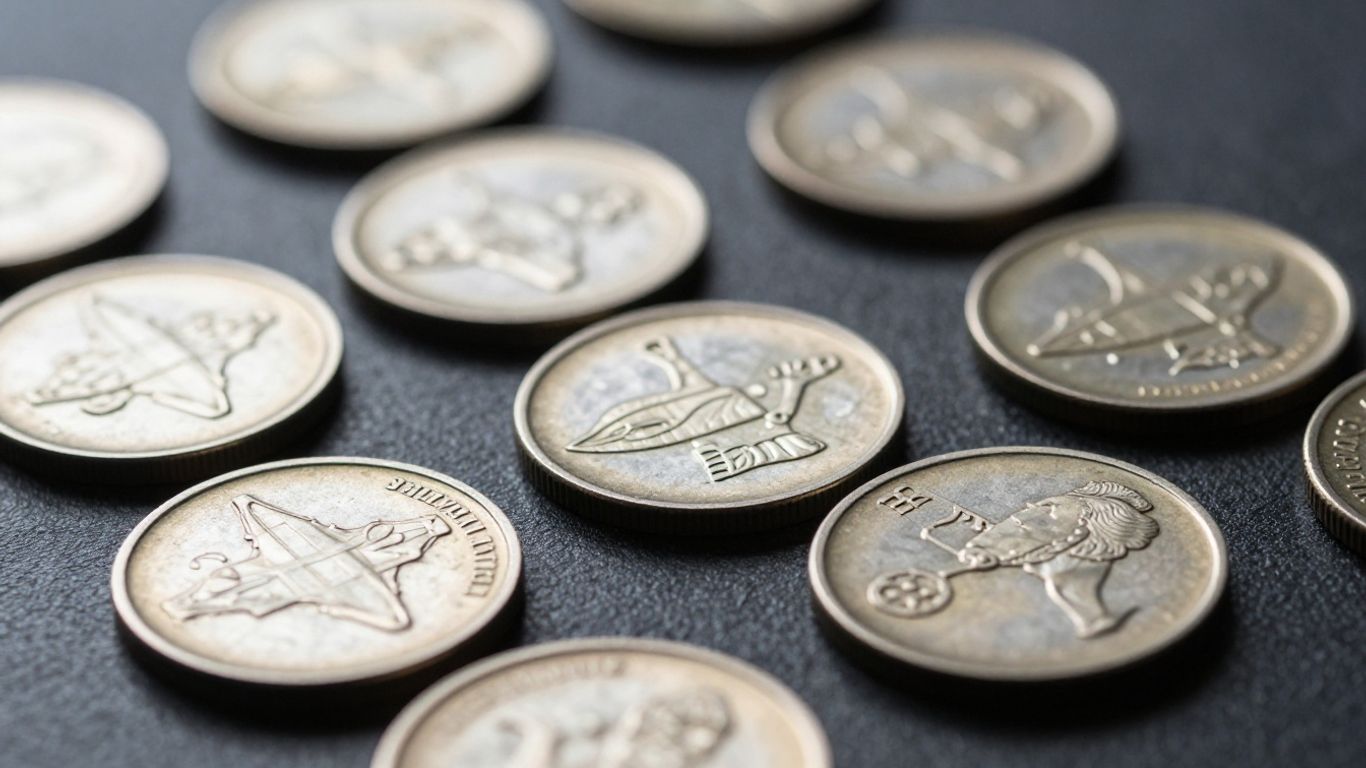
Sometimes, the best way to sell your elongated coins is to go right to the people who love them most: other collectors. This can be a really rewarding way to find a new home for your pieces, and you might even make a new friend or two in the process. It takes a bit more effort than just dropping them off at a shop, but the payoff can be worth it.
Building a Collector Network
Connecting with other collectors is key. Think about joining local coin clubs or attending numismatic events. These are places where people who share your passion gather. You can show off your coins, talk about what makes them special, and learn from others. Online forums and social media groups dedicated to coin collecting are also great spots to meet people. Just be sure to follow the rules of any group you join and be respectful of others.
- Attend local coin shows and club meetings.
- Participate in online numismatic communities.
- Share your collection and knowledge with others.
Attending Local Meetups
San Antonio likely has a few coin clubs or collector groups that meet regularly. These gatherings are perfect for showing your elongated coins in person. You can chat with potential buyers, get feedback on your collection, and even arrange trades or sales. It’s a more personal way to sell, and you can often get a better price because you’re cutting out the middleman. Plus, you get to see what other collectors are finding and trading.
Private Sales and Appraisals
When you’re ready to sell, consider how you want to handle private sales. You’ll need to be prepared to discuss the history and condition of your coins. If you’re unsure about the value, getting an appraisal from a reputable numismatist can be a good idea. This helps you set a fair price and gives potential buyers confidence. Remember, honesty is the best policy. Clearly describe any flaws or unique characteristics of your coins. Being upfront builds trust and leads to smoother transactions.
Selling directly means you control the process. You decide who buys your coins, when, and for how much. It requires more legwork, like marketing your items and handling communication, but it can lead to better prices and a more satisfying selling experience for both you and the buyer.
Considering the Historical Context of Your Coins
Coins from San Antonio Landmarks
Elongated coins often capture a moment in time, and those made at San Antonio landmarks are particularly sought after. Think about coins pressed at places like The Alamo, the Tower of the Americas, or even the historic Market Square. These aren’t just souvenirs; they’re tiny pieces of history tied to specific locations that draw visitors from all over. When you’re selling, highlighting the landmark where the coin was made can really boost its appeal. For example, a coin from The Alamo connects directly to a pivotal event in Texas history, making it more than just a pressed penny. It tells a story of heritage and remembrance.
Elongated Coins from Texas History
Beyond specific landmarks, consider the broader Texas historical narrative your elongated coins might represent. Were they created during a significant anniversary year for the state? Do they commemorate a particular historical figure or event unique to Texas, like the San Jacinto battle or the discovery of oil? These coins can serve as tangible links to the past. Collectors interested in Texas history might specifically seek out these pieces to add to their collections. The more you can tie your coin to a specific historical context, the more interesting it becomes to a potential buyer. It’s like holding a small piece of the Lone Star State’s legacy.
Commemorative and Event-Specific Coins
Many elongated coins are produced for special events, festivals, or anniversaries. In San Antonio, this could include coins made for Fiesta, local rodeos, or even specific museum exhibits. These coins often have a limited production run, making them rarer and more desirable once the event has passed. Think about the story behind the coin: was it for a one-time celebration? Was it sold at a specific venue for a short period? This kind of information adds depth and can significantly influence a coin’s perceived value. The more unique the event or the shorter the production window, the more compelling the coin becomes to collectors.
- Event Type: Was it a major festival, a local fair, or a private gathering?
- Production Quantity: Was it a large run or a limited edition?
- Date of Issue: Does it coincide with a significant historical anniversary?
Understanding the historical context of your elongated coins is key to unlocking their full potential value. It transforms a simple keepsake into a collectible item with a story to tell, appealing to a wider range of enthusiasts.
Tips for a Successful Sale
Selling your elongated coins, especially in a place like San Antonio, can be a rewarding experience if you approach it with a clear plan. It’s not just about finding a buyer; it’s about making sure both you and the collector walk away happy. Honesty and transparency are the bedrock of any good transaction. This means being upfront about what you have, its condition, and any history you know about it. Don’t try to hide flaws or exaggerate a coin’s rarity. Most collectors, especially experienced ones, can spot dishonesty a mile away, and it can ruin your reputation before you even get started.
Honesty and Transparency
When you’re listing your elongated coins, whether online or in person, be as detailed as possible. Describe the design, the machine used (if known), and any marks or wear. If you’re selling through a dealer, make sure they understand the specifics of what you’re offering. For instance, if a coin has a slight bend or a noticeable scratch, mention it. This builds trust. Think about it like this: would you want to buy something without knowing its full story? Probably not. So, give your potential buyers the full picture.
Fair Pricing
Figuring out a fair price can be tricky. It involves looking at what similar coins have sold for, but also considering the unique aspects of your specific piece. Rarity, condition, and historical context all play a role. Don’t just pick a number out of thin air. Do some research. Check online auction sites, look at dealer inventories, and see what elongated coins from similar locations or events are going for. Remember, a price that’s too high might scare buyers away, while a price that’s too low means you’re leaving money on the table. It’s a balance. Sometimes, getting a professional appraisal can be helpful, especially for rarer pieces. You might find a local coin dealer who can help, like JGREY Coins and Precious Metals.
Secure Transactions
Once you’ve agreed on a price, the next step is to make sure the transaction itself is safe and secure. If you’re meeting someone in person, choose a public, well-lit place. If you’re shipping the coin, use a reliable shipping service that offers tracking and insurance. For online sales, use payment methods that offer buyer and seller protection. This protects both parties and helps prevent any misunderstandings or potential issues down the line. It’s always better to be safe than sorry when dealing with collectibles.
Selling elongated coins requires a blend of knowledge, honesty, and practical steps. By focusing on clear communication, realistic pricing, and secure dealings, you can ensure a positive outcome for everyone involved. This approach not only helps you get a fair price but also contributes to the overall integrity of the collecting community.
Resources for Elongated Coin Enthusiasts
To really get a handle on elongated coins, you’ll want to tap into a few key resources. It’s not just about finding a buyer; it’s about understanding what you have and where it fits in the bigger picture of coin collecting. Think of it like this: knowing your stuff makes selling a lot smoother and often more profitable.
Numismatic Literature and Guides
Books and printed materials are still gold for collectors. You can find detailed catalogs, historical accounts, and price guides that offer deep dives into specific types of coins or historical periods. These resources can help you identify the rarity and condition of your elongated coins, which is super important for setting a fair price. Many dealers and collectors swear by these old-school methods for getting solid information. You might find some great deals on numismatic literature at local coin shows.
- Check out specialized numismatic book dealers. They often have a wide selection of both new and out-of-print titles.
- Look for auction catalogs from major coin sales. These can provide insights into what similar items have sold for in the past.
- Explore publications from numismatic societies. Organizations like the American Numismatic Society often publish research and journals.
Online Databases and Forums
The internet has opened up a whole new world for coin collectors. Online databases can help you track sales, identify coins, and connect with others who share your passion. Forums are great places to ask questions, share photos of your coins, and get opinions from experienced collectors. Just remember to be a bit cautious and cross-reference information you find online.
The digital age has made information more accessible than ever, but it’s always wise to verify what you learn. Comparing notes from multiple sources, both online and in print, will give you the most accurate picture.
Museums and Archives
While you can’t typically buy or sell coins directly through museums, they are incredible resources for learning. Many museums have extensive collections and archives that document the history of coinage and currency. Visiting them, or exploring their online exhibits, can give you a broader context for the coins you own. You might even find information about the specific mints or historical events related to your elongated coins. Some institutions even offer digital archives that are accessible from anywhere.
- The American Numismatic Society (ANS) Library is a treasure trove of numismatic information.
- Local historical societies in San Antonio might have records or exhibits related to Texas coinage history.
- The U.S. Mint’s website often has historical sections and information about coin production.
By using these resources, you’ll be much better equipped to understand, value, and successfully sell your elongated coins. It’s a journey of discovery, and the more you learn, the more rewarding the experience becomes. For news and trends in collecting, you might find the ADL Center on Extremism newsletter surprisingly relevant, as it often touches on the broader cultural impact of collectibles.
Final Thoughts on Selling Your Elongated Coins
So, you’ve explored the options for selling your elongated coins in San Antonio. It’s a niche market, for sure, but one with dedicated collectors. Whether you’re dealing with local coin shops, online marketplaces, or even specialized auctions, remember to do your homework. Knowing what you have and who might want it is half the battle. Don’t be afraid to ask questions and get a feel for the people you’re dealing with. Happy collecting, and hopefully, happy selling!
Frequently Asked Questions
What exactly are elongated coins, and why are they special?
Elongated coins, often called pressed pennies or squeeze coins, are regular coins that have been flattened and stretched out by passing them through a special machine. These machines usually have engraved dies that add a design to the coin, making it a unique souvenir or collectible.
Where is the best place to sell my elongated coins in San Antonio?
In San Antonio, you can try selling your elongated coins at local coin shops, antique stores that have coin sections, or even some pawn shops if you need a quick sale. Online marketplaces like eBay are also popular, as are specialized coin collecting websites and forums.
How do I know if my elongated coin is valuable?
The value of an elongated coin depends on a few things. How rare is it? Is it in good condition, with no major damage? Also, how much do collectors want it right now? Coins tied to famous landmarks or historical events can be more desirable.
Should I clean my elongated coins before selling them?
It’s usually best not to clean elongated coins yourself. Cleaning can sometimes damage the coin or its design, which might lower its value. It’s often better to leave them as they are or consult with a coin expert first.
What's the best way to show off my elongated coins to potential buyers?
Good pictures are key! Take clear, well-lit photos of your elongated coins from different angles. Providing details about where and when you got the coin, especially if it has a unique story or connection to a specific place, can also help attract buyers.
Are there any local coin clubs or groups in San Antonio I could join?
Yes, joining a local coin club can be a great idea. You can meet other collectors, learn more about your coins, and sometimes find people interested in buying what you have. A quick search online can help you find active clubs in the San Antonio area.
Can I sell my elongated coins directly to other collectors?
Absolutely! Building a network with other collectors, perhaps by attending local coin shows or joining online groups, can lead to direct sales. Sometimes, collectors are looking for very specific items, and you might have just what they need.
What kind of historical information is important for selling elongated coins?
Knowing the history behind your elongated coins can make them more interesting to buyers. For example, were they made at a famous San Antonio landmark, or do they represent a special event in Texas history? This kind of background information adds value.