
Thinking about selling your doubled die coins in San Antonio, Texas? It’s a smart move, as these coins can be quite valuable. But where do you go to get a fair price? This guide will help you figure out the best places to sell your doubled die coins in San Antonio, TX, and how to get the most for them. We’ll cover understanding what makes these coins special, finding trustworthy buyers, and making sure you get a good deal.
Key Takeaways
- Understand what makes a doubled die coin unique and why collectors want them.
- Find local coin shops and dealers in San Antonio that specialize in rare coins.
- Get your coins professionally appraised to know their true worth.
- Prepare your coins properly and research market prices before selling.
- Consider multiple buyers to get the best possible offer for your doubled die coins in San Antonio, TX.
Understanding Doubled Die Coins
What Constitutes a Doubled Die Error?
A doubled die error happens during the minting process when the die used to strike the coin receives a secondary impression. This isn’t just a simple slip; it’s a distinct event where the die is struck twice, or the hubbing process (where the die is created from a master hub) is misaligned. This results in a noticeable doubling of design elements on the coin’s surface. It’s important to distinguish this from ‘machine doubling,’ which is a shallower, shelf-like effect caused by vibration or slippage after the initial strike. True doubled dies have a more integrated, raised appearance to the doubled features.
Identifying Key Doubled Die Varieties
Identifying doubled die coins requires a keen eye and often a bit of research. Some varieties are much more famous and valuable than others. For instance, the 1955 Doubled Die Lincoln Cent is a classic example, known for its dramatic doubling on the date, motto, and other design elements. Another well-known one is the 1972 Doubled Die Lincoln Cent, though its doubling is often less pronounced and can be confused with machine doubling if not examined carefully. Collectors often focus on specific series or mint years where these errors are more prevalent.
Here are a few common areas where doubled dies are found:
- Lincoln Cents: Especially from the 1950s and 1970s.
- Jefferson Nickels: Certain issues can exhibit doubling.
- Washington Quarters: Some older series have notable doubled dies.
- Morgan and Peace Dollars: While rarer, these can also occur.
The Appeal of Doubled Die Coins to Collectors
What makes these coins so interesting to collectors? It’s a combination of factors. Firstly, they represent a mistake, a unique moment in the coin’s creation that makes it different from all others. This rarity is a huge draw. Secondly, some doubled dies are quite dramatic and visually striking, making them stand out in a collection. Finally, the pursuit of finding these errors, or acquiring well-known varieties, adds an element of treasure hunting to the hobby. The thrill of discovery and the inherent scarcity drive their desirability.
The history behind a coin error can be just as fascinating as the error itself. Understanding how and why a doubled die occurred adds another layer of appreciation for the coin and the minting process.
Finding Reputable Coin Dealers in San Antonio
Local Coin Shops Specializing in Rare Coins
When you’re looking to sell a doubled die coin, finding a dealer who really knows their stuff is pretty important. You don’t want to just walk into any shop; you want one that has a good reputation for handling rare coins, especially errors like doubled dies. These shops often have a deeper understanding of the market and can give you a more accurate idea of what your coin is worth. They’ve likely seen a lot of different coins come through their doors and have built relationships with collectors who are actively looking for specific varieties.
It’s a good idea to do a little homework before you go. Check online reviews, ask other collectors if they have recommendations, or even give a few shops a call beforehand to see if they deal with error coins. A shop that specializes in numismatics, rather than just general collectibles, will probably be your best bet.
Online Marketplaces and Auction Houses
Beyond the local brick-and-mortar stores, there are also online avenues to consider. Major online auction sites can give your coin exposure to a much wider audience of potential buyers, which can sometimes lead to a better price. However, you need to be aware of the fees involved and the potential for less personal interaction. Auction houses, especially those that focus on coins, can also be a good option. They have the infrastructure to market your coin effectively and reach serious collectors.
When using online platforms, make sure you understand their policies on selling, fees, and payment processing. It’s also wise to research the platform’s reputation and how they handle disputes. For valuable coins, choosing a reputable auction house with a proven track record in numismatics is often a smart move.
Networking with San Antonio Coin Collectors
Sometimes, the best way to find a buyer or get a good appraisal is by connecting with other people who are passionate about coins. San Antonio likely has local coin clubs or collector groups. Attending meetings or events hosted by these groups can be a great way to learn more about the hobby, get advice, and even meet potential buyers directly. Collectors often have a keen eye for specific types of coins and might be looking for exactly what you have.
Don’t be shy about asking questions or sharing what you’re looking to do. Most collectors are happy to share their knowledge and experiences. You might find that a fellow collector is willing to make a fair offer or can point you toward a dealer who specializes in doubled die varieties. Building these connections can be really beneficial in the long run.
Expert Appraisal for Your Doubled Die Collection
The Importance of Professional Coin Grading
Getting a professional appraisal is a big step when you’re looking to sell your doubled die coins. It’s not just about getting a number; it’s about understanding what makes your coin tick in the eyes of collectors and dealers. A good appraisal gives you a clear picture of your coin’s condition and its place in the market. This professional assessment is key to getting a fair price.
Factors Influencing Doubled Die Coin Value
Several things play a role in how much a doubled die coin is worth. It’s a mix of the coin itself and what’s happening in the collecting world.
- The Doubled Die Error: How clear and significant is the doubling? Some are very obvious, while others are subtle. The more pronounced the doubling, generally the more desirable it is.
- Coin Condition (Grade): This is huge. Coins are graded on a scale, usually from 1 to 70, with 70 being perfect. Wear, scratches, and other marks can lower a coin’s grade and, therefore, its value.
- Rarity: How many of these specific doubled die coins were made, and how many are still around? Scarcer coins often fetch higher prices.
- Demand: Are collectors actively looking for this particular coin? Popular series or specific dates can see more interest.
- Mint Mark and Date: The year and where the coin was minted (e.g., Philadelphia, Denver, San Francisco) matter. Some combinations are rarer than others.
Getting Accurate Appraisals for Your Coins
To get the most accurate appraisal, consider these points:
- Seek Out Specialists: Look for coin dealers or appraisers who have specific experience with error coins, especially doubled dies. They’ll know the nuances.
- Consider Professional Grading Services: Companies like PCGS and NGC offer grading services. While this costs money, a coin graded by one of these services often commands a higher price and is more easily understood by buyers.
- Get Multiple Opinions: Don’t rely on just one appraisal. Visit a few reputable dealers in San Antonio to compare their assessments and offers. This helps you spot inconsistencies and get a better feel for the market value.
When you’re getting your coins looked at, remember that the appraiser is looking at the coin through the lens of what they can sell it for. They need to make a profit, so their offer will likely be lower than what a collector might pay. Understanding this difference is part of getting a fair sale.
Here’s a simplified look at how condition can affect value, using a hypothetical doubled die example:
| Grade (Approximate) | Description | Estimated Value Range |
|---|---|---|
| MS-67 | Gem Uncirculated | $500 – $1,000+ |
| AU-58 | About Uncirculated | $200 – $400 |
| VF-20 | Very Fine | $50 – $100 |
| G-4 | Good | $20 – $40 |
Note: These are illustrative values and can vary greatly based on the specific coin and market conditions.
Maximizing Your Offer When Selling Doubled Die Coins
So, you’ve got a doubled die coin and you’re ready to sell it here in San Antonio. That’s great! But how do you make sure you get the best possible price? It’s not just about finding a buyer; it’s about presenting your coin in the best light and knowing what it’s worth. Let’s break down how to get the most money for your find.
Preparing Your Coins for Sale
First impressions matter, even with coins. You don’t want to clean your doubled die coin yourself – that can actually lower its value if done incorrectly. Instead, focus on presenting it cleanly. If it’s in a protective holder, leave it there. If it’s raw, make sure it’s free of fingerprints or smudges. A little care goes a long way.
- Handle with Care: Always hold coins by their edges to avoid adding oils or scratches.
- Storage: If your coin is in a damaged holder, consider getting it professionally re-encased, but avoid cleaning the coin itself.
- Documentation: Gather any paperwork or previous appraisals you might have. This adds to the coin’s story.
Understanding Market Trends for Doubled Dies
Coin values can shift. What’s hot one month might be less so the next. For doubled dies, demand is often driven by rarity and how well-known the specific variety is. Some doubled dies are incredibly famous and sought after, while others are more obscure. Keeping an eye on recent sales of similar coins can give you a good idea of current market prices.
The numismatic market is always moving. What collectors are looking for can change based on new discoveries, economic conditions, and even popular trends in collecting.
Negotiating the Best Price in San Antonio
When you’re sitting down with a dealer in San Antonio, be prepared to discuss your coin’s merits. Know its grade, its specific variety, and what similar coins have sold for. Don’t be afraid to ask questions about their offer. If a price doesn’t feel right, it’s okay to politely decline and seek other opinions. Getting multiple offers is a smart move.
- Know Your Coin: Research its specific doubled die designation and any known population reports.
- Compare Offers: Visit a few different dealers or consider online options to gauge interest and pricing.
- Be Realistic: Understand that dealers need to make a profit, so their offer will likely be lower than retail. However, it should still be fair.
Key Considerations for Selling Doubled Die Coins in San Antonio, TX
Local Market Dynamics for Rare Coins
When you’re looking to sell your doubled die coins right here in San Antonio, it helps to know what’s going on with the local coin scene. It’s not always about the biggest national players; sometimes, the best deals are found closer to home. Think about the types of coins that tend to do well in this area. Are collectors here more interested in classic U.S. coins, or are they into more modern issues? Understanding this can help you figure out where to get the best price.
Trustworthy Buyers in the San Antonio Area
Finding someone you can trust is a big deal when selling something as potentially valuable as a doubled die coin. You want to work with dealers who have a good name in the community. Ask around, maybe chat with other collectors if you know any. A dealer who is upfront about their pricing and doesn’t pressure you is usually a good sign. It’s always wise to get a feel for a dealer’s reputation before you commit to a sale.
Here are a few things to look for in a trustworthy buyer:
- Clear Communication: They explain their appraisal process and pricing clearly.
- Fair Offers: Their offers seem reasonable based on your research.
- Professionalism: They conduct business in a professional manner.
- Good Reviews: Check online reviews or ask for references if possible.
The Process of Selling Your Collection Locally
Selling your coins locally in San Antonio can be pretty straightforward if you know what to expect. Usually, it starts with an appraisal. A dealer will look at your coin, check its condition, and compare it to similar coins that have sold recently. They’ll then make you an offer. You don’t have to take the first offer, of course. It’s a good idea to get a few opinions from different dealers if you can. This helps you get a better sense of your coin’s true market worth. Remember, they are in business to make a profit, so their offer will likely be less than what a collector might pay if they bought it directly from you. But for convenience and a quick sale, selling to a dealer is often the way to go.
Selling valuable coins locally means you can often see the buyer and the transaction happen in person. This can make the process feel more secure. You can also build a relationship with a local dealer, which might be helpful if you have more coins to sell down the line.
Navigating the Selling Process
Documentation and Provenance
When you’re ready to sell your doubled die coins, having good records is a big help. This means keeping track of where you got the coins, any previous appraisals, or certifications they might have. For rare coins, especially those with a history, this information, known as provenance, can really add to their appeal and perceived value. It shows the coin has a story and hasn’t just appeared out of nowhere. Think of it like selling a piece of art – knowing who owned it before can make a difference.
Secure Transaction Methods
Selling valuable coins means you need to think about how you’ll get paid safely. For local sales in San Antonio, meeting in a secure, public place is a good idea. If you’re dealing with a dealer, they should have established payment methods. For larger sales, consider options like cashier’s checks or wire transfers. Avoid accepting personal checks unless you’re very familiar with the buyer, as they can bounce. Always confirm payment has cleared before handing over your coins.
Choosing the Right Buyer for Your Needs
Not all buyers are the same, and picking the right one depends on what you want. A local coin shop might offer a quick sale, but perhaps for a bit less than you could get elsewhere. An auction house might get you a higher price, but it takes time and there are fees involved. Collectors might pay top dollar for a specific coin they really want, but finding them can be tricky. Think about whether you prioritize speed, the highest possible price, or a specific type of buyer.
Selling rare coins can feel a bit overwhelming, but breaking it down into steps makes it manageable. Start with your paperwork, figure out how you want to get paid, and then decide who you want to sell to. It’s about making smart choices to get the best outcome for your collection.
The Value of Doubled Die Coins
Rarity and Mintages of Doubled Dies
Doubled die coins are special because they aren’t made every day. They happen when a die used to strike coins gets struck twice, but not perfectly aligned. This creates a "doubled" image. Because this is an error, it doesn’t happen on purpose, making these coins naturally rarer than regular ones. The number of coins made, or mintage, plays a big part in how much a coin is worth. Lower mintages usually mean higher prices, especially if the coin is also a doubled die. Think about it: if only a few hundred were made, and even fewer have this doubling error, that’s a lot of collectors chasing after a very small number of coins.
Condition and Eye Appeal
How a coin looks really matters. Even if a coin has a rare doubled die error, if it’s heavily worn, scratched, or damaged, its value goes down. Collectors want coins that look as good as possible. This means looking for coins with clear details, bright surfaces, and no major marks. Sometimes, a coin might have a beautiful toning, which is a natural discoloration that can actually make it more attractive to some collectors. This "eye appeal" can sometimes make a coin worth more than one that’s technically in a similar grade but just doesn’t look as nice.
Historical Significance and Demand
Sometimes, a coin’s story adds to its worth. If a doubled die coin comes from an important historical period or has a connection to a famous event or person, collectors might be more interested. This historical weight, combined with the rarity of the error, can really drive up demand. When lots of people want a specific coin, and there aren’t many available, prices tend to climb. It’s a mix of the coin’s physical attributes and the story it tells.
Here’s a look at how different factors can influence a doubled die coin’s price:
| Factor | Impact on Value |
|---|---|
| Rarity | Higher rarity generally leads to higher prices. |
| Mintage | Lower mintages often mean more valuable coins. |
| Error Visibility | Clear, strong doubling is more desirable. |
| Condition (Grade) | Higher grades (less wear, fewer marks) fetch more. |
| Eye Appeal | Attractive toning or luster can increase value. |
| Historical Context | Coins with significant history can be more sought after. |
| Collector Demand | Strong demand from collectors drives prices up. |
The market for rare coins, especially those with notable errors like doubled dies, can be quite dynamic. Prices can shift based on current collector trends, economic conditions, and the availability of specific rare varieties. It’s always a good idea to stay informed about what’s happening in the numismatic world.
Where to Sell Doubled Die Coins in San Antonio
So, you’ve got a doubled die coin and you’re wondering where to turn in San Antonio to get a fair shake for it. It’s not like you can just walk into any old store and expect them to know what they’re looking at. These aren’t your everyday pocket change pieces, after all. Finding the right buyer is key to getting what your coin is actually worth.
Local Coin Dealers with Expertise
San Antonio has a number of coin dealers who really know their stuff. These are the folks who have been in the numismatic game for a while, and they understand the nuances of errors like doubled dies. They’re often passionate collectors themselves, which means they’ll likely appreciate the rarity and significance of your coin. It’s a good idea to visit a few of these local shops. You can chat with the owners, see what kind of inventory they have, and get a feel for their knowledge. Don’t be afraid to ask questions about their experience with doubled die varieties.
- Research potential dealers online: Look for reviews and see if they specialize in U.S. coins or error coins.
- Visit in person: Get a sense of their shop’s atmosphere and the expertise of the staff.
- Ask for references: Reputable dealers should be willing to provide references from other collectors.
When you walk into a coin shop, pay attention to how they handle coins and how they talk about them. A good dealer will be enthusiastic and knowledgeable, not dismissive.
Online Platforms for Wider Reach
Sometimes, the best buyer for your doubled die coin might not be in San Antonio at all. That’s where online platforms come in. Websites dedicated to coin auctions or sales can connect you with collectors and dealers from all over the country, or even the world. This can be a great way to expose your coin to a much larger audience, potentially driving up the price. However, you’ll need to be comfortable with shipping your coin and dealing with online transactions, which can have their own set of risks.
- Major online auction sites: These platforms have a vast reach but also come with fees.
- Specialized coin forums and marketplaces: These can connect you directly with serious collectors.
- Reputable online coin dealers: Some established dealers also have online storefronts.
Private Sales and Collector Networks
Another avenue to explore is selling directly to other collectors. San Antonio likely has coin clubs or collector groups. Networking with these individuals can lead to private sales. Often, collectors are looking for specific pieces to fill gaps in their own collections, and they might be willing to pay a premium for the right coin. This method can sometimes cut out the middleman, meaning you might get a better price. Building relationships within the local coin community can be very beneficial in the long run.
- Attend local coin shows: These events are great for meeting collectors and dealers.
- Join a local coin club: This is a direct way to connect with enthusiasts.
- Utilize social media groups: Many numismatic communities exist online.
Ensuring a Fair Sale
When you’re ready to sell your doubled die coins, getting a fair price is the main goal. This means doing a bit of homework before you even talk to a buyer. It’s not just about finding someone who wants your coins; it’s about finding someone who recognizes their true worth and is willing to pay for it. Think of it like selling a classic car – you wouldn’t just take the first offer without checking what similar models are going for, right? The same applies here.
Researching Comparable Sales
Before you approach any dealer or collector in San Antonio, take some time to see what similar doubled die coins have sold for recently. This isn’t always straightforward, as condition and specific varieties play a huge role. Look at auction records from reputable houses, check online coin marketplaces, and see what prices are listed. Pay attention to the details: the exact date and mint mark, the specific doubled die error (like a DDO or DDR), and most importantly, the coin’s grade. A coin graded MS-65 will fetch a different price than one graded AU-55, even if it’s the same variety.
- Check online auction archives: Sites like Heritage Auctions or Stack’s Bowers often have past sale results. Filter by coin type and date.
- Browse major online coin marketplaces: Look for completed sales, not just asking prices. This gives you a real-world idea of what buyers are paying.
- Consult price guides: While not always up-to-the-minute, guides can offer a baseline for common varieties.
Understanding Dealer Markups
Coin dealers are in business to make a profit. This means they will typically offer you a price that allows them to resell the coin for more. This is perfectly normal, but it’s good to be aware of it. A dealer might offer you 60-80% of the retail value, depending on the coin, their inventory needs, and how quickly they expect to sell it. Knowing this helps you set realistic expectations for the offers you receive. Don’t be surprised if the offer is lower than what you might see a coin listed for online by another dealer.
A dealer’s offer reflects not only the coin’s market value but also their overhead, the risk they take in purchasing inventory, and the time and effort required to find a buyer for your specific coin. It’s a business transaction, and their offer is based on their ability to profit from the sale.
Seeking Multiple Offers
This is perhaps the most important step in getting a fair price. Don’t settle for the first offer you get. Visit several reputable coin dealers in the San Antonio area. Each dealer might have different needs, different customer bases, and therefore, different ideas about what your coin is worth to them. Some might specialize in certain series or types of errors, making them more interested and willing to pay a premium. Presenting your coins to multiple buyers gives you a chance to compare offers and negotiate from a stronger position. It also helps you build relationships with dealers who might be interested in future acquisitions from your collection.
Specialized Doubled Die Coin Resources
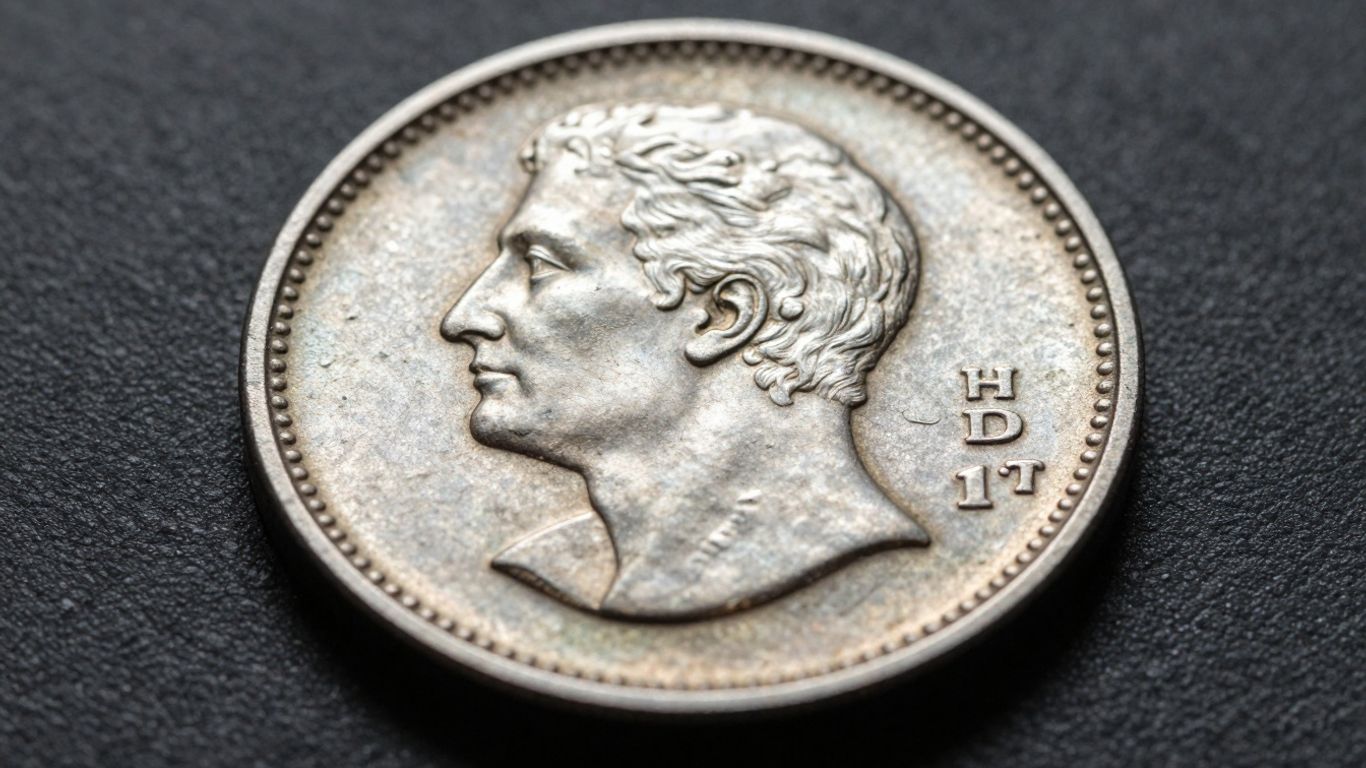
When you’re looking to sell your doubled die coins, having the right information is key. Luckily, there are several resources available to help you understand these unique errors better and get a fair price. These tools can be incredibly helpful, whether you’re a seasoned collector or just starting out.
Online Doubled Die Coin Databases
These online resources are a treasure trove for anyone interested in doubled die varieties. They often feature extensive listings, images, and sometimes even pricing information for known doubled die coins. Using these databases can help you identify specific varieties within your collection and understand their general market value. Many collectors rely on these sites to confirm the authenticity and characteristics of a doubled die error. Some databases even allow you to compare your coin’s features to documented examples, which is a big help.
Numismatic Literature and Guides
Beyond online databases, there’s a wealth of printed material dedicated to coin collecting and specifically to doubled die errors. Books by recognized numismatists can offer in-depth historical context, detailed explanations of minting processes, and expert analysis of specific varieties. For instance, "The Lincoln Cent Doubled Die Book" by John Wexler is a well-regarded resource for collectors focused on that particular series. These guides often provide a more thorough understanding than what you might find online, covering everything from rarity to grading.
Coin Shows and Conventions
Attending coin shows and conventions, whether local or national, offers a unique opportunity to connect with other collectors and dealers. These events are often where you can find specialized dealers who focus on error coins. You can show your coins, get opinions, and even find potential buyers. It’s also a great place to learn about current market trends directly from the people actively buying and selling. If you’re in the San Antonio area, looking for events or dealers similar to those found in other Texas cities like Austin might be a good starting point Austin coin dealers.
It’s always a good idea to do your homework before selling. Understanding the specifics of your doubled die coin, its rarity, and its condition will put you in a much stronger position when talking to potential buyers. Resources like these are designed to give you that knowledge.
Final Thoughts on Selling Your Doubled Die Coins
So, you’ve got a doubled die coin and you’re in San Antonio. Finding the right place to sell it can feel like a big task, but it doesn’t have to be. We’ve talked about why getting a good appraisal is the first step. It helps you know what you actually have. Then, it’s about finding dealers who know their stuff and are willing to pay a fair price. Whether you go with a local shop or a larger dealer, doing a little homework goes a long way. Remember, patience is key, and getting multiple opinions can’t hurt. Good luck with your coin sale!
Frequently Asked Questions
What exactly is a doubled die coin?
A doubled die coin is a special kind of coin that has a mistake made during the minting process. When the die, which is like a stamp used to make coins, was being made, the image was accidentally struck twice. This results in a doubling effect on the coin’s design, making some parts look blurry or doubled.
How can I tell if my coin has a doubled die error?
To spot a doubled die error, you’ll need to look closely at your coin, possibly with a magnifying glass. Check if any parts of the design, like letters, numbers, or parts of the image, appear to have a shadow or a second, slightly shifted impression. Specific known doubled die varieties have unique characteristics that collectors look for.
Why are doubled die coins valuable to collectors?
Doubled die coins are sought after because they are rare mistakes. Since they weren’t supposed to happen, only a limited number of these coins were ever made. This scarcity, combined with the coin’s appeal and condition, makes them very desirable to people who collect coins.
Where in San Antonio can I get my coin appraised?
In San Antonio, you can find reputable coin dealers who specialize in rare coins. These experts can help you figure out if your coin is a doubled die and what it might be worth. It’s a good idea to visit a few different dealers to get a sense of their knowledge and offers.
What makes one doubled die coin worth more than another?
Several things affect a doubled die coin’s value. The rarity of the specific error, how clear and noticeable the doubling is, and the overall condition of the coin (like scratches or wear) are very important. Also, how much collectors want that particular coin plays a big role.
Should I get my coin professionally graded?
Getting your coin professionally graded by a trusted service can be very helpful. A professional grader will assess the coin’s condition and authenticity, giving it a grade that collectors understand. This can often lead to a better price when you decide to sell, as buyers trust these official grades.
What's the best way to sell my doubled die coins in San Antonio?
The best way to sell often involves getting multiple offers. You can approach local coin shops, consider online auctions for a wider audience, or even connect with other collectors in the San Antonio area. Comparing offers will help you get the most money for your coins.
How do I prepare my coins before selling them?
When preparing your coins, it’s generally best to leave them as they are. Avoid cleaning them, as this can actually damage the coin and lower its value. Make sure you have any paperwork or history related to the coin, known as provenance, as this can add to its appeal and value.