
Thinking about selling your die trial coins in San Antonio? It’s a niche market, and knowing where to start can be tricky. This guide aims to help you figure out the best places to sell your die trial coins in San Antonio, from local shops to bigger online platforms. We’ll cover what makes these coins special and how to get the best price for them.
Key Takeaways
- Understand what die trial coins are and why they matter to collectors.
- Explore different selling options in San Antonio, including local dealers and online venues.
- Assess your coins based on their condition, rarity, and current market interest.
- Learn about the auction process and how to get the most for your coins.
- Consider working with specialists like Heritage Auctions for potentially better results.
Understanding Die Trial Coins
Before you think about selling, it’s important to know what you actually have. Die trial coins aren’t your everyday currency. They’re essentially test strikes made by the mint to check out new die designs or metal compositions before mass production. Think of them as prototypes for coins. They can be pretty rare, and because of that, they often attract serious collectors.
What Are Die Trial Coins?
Die trials are struck from dies that are not intended for circulation. These test pieces are made to evaluate the quality of a new die or a new metallic composition. They might look like regular coins, but they were never meant to be spent. Sometimes they’re made from different metals than the final coin, or they might have slight design variations. It’s a bit like a painter doing a color swatch before committing to a whole canvas.
The Significance of Die Trial Coins
These coins hold a special place in numismatics. They offer a glimpse into the coin-making process itself. Collectors are often fascinated by the history and the ‘what-ifs’ that die trials represent. They can show us design ideas that were considered but ultimately rejected, or metal alloys that didn’t make the cut. Finding a genuine die trial can be a significant numismatic event, and they are often discussed in resources about mint errors and numismatic rarities mint error news.
Identifying Genuine Die Trial Coins
Spotting a real die trial takes a keen eye. Here are a few things to look for:
- Unusual Metal Composition: They might be struck in metals like copper, brass, or aluminum, even if the final coin was intended to be silver or gold.
- Blank Planchets: Sometimes they are struck on planchets (the blank discs used for coins) that were not intended for regular issue.
- Design Details: Look for subtle differences in the design, such as unfinished elements or variations in lettering and numerals.
- Mint Records: The most definitive proof often comes from official mint records, though these can be hard to access.
Authenticating die trials can be tricky. It’s not always straightforward, and sometimes even experts can disagree. If you’re unsure, it’s always best to consult with a trusted numismatist or a reputable dealer who specializes in these kinds of unique pieces.
Choosing Where to Sell Die Trial Coins in San Antonio
When it comes time to sell your die trial coins, picking the right place is a big deal. You want to make sure you get a fair price and that the process is smooth. In San Antonio, you’ve got a few main options to consider.
Local Coin Dealers in San Antonio
Your first thought might be to visit a local coin shop. These places are convenient and can offer a quick sale. They often have a good understanding of the local market and might be able to give you an on-the-spot offer. However, keep in mind that dealers buy with the intention of reselling, so their offer will likely be lower than what you might get through other channels. It’s a good idea to visit a few different dealers to compare their offers.
- Pros: Quick, convenient, local expertise.
- Cons: Lower offers due to dealer markup.
- Tip: Get multiple appraisals before accepting an offer.
Online Auction Platforms
Selling online opens up your potential buyer pool significantly. Websites dedicated to coin auctions or general auction sites can attract collectors from all over. This can lead to competitive bidding, potentially driving up the price of your die trial coins. You’ll need to be comfortable with listing items, writing descriptions, and handling shipping, or factor in fees for those services.
- Reach: Global audience of collectors.
- Potential: Higher prices due to competition.
- Effort: Requires more work in listing and managing the sale.
Reputable Auction Houses
For particularly rare or valuable die trial coins, a well-established auction house might be your best bet. These firms specialize in high-end collectibles and have a proven track record of achieving top prices for unique items. They handle everything from cataloging and marketing to the auction event itself. While they take a commission, their reach and marketing power can often result in a higher net return for you, especially for significant pieces.
Working with a professional auction house means your coins are presented to a dedicated base of collectors who are actively looking for rare items. Their expertise in marketing and auction strategy can make a real difference in the final sale price.
- Specialization: Focus on rare and valuable items.
- Services: Full-service handling from start to finish.
- Outcome: Often achieves the highest prices for significant collections.
Evaluating Your Die Trial Coins for Sale
Before you even think about listing your die trial coins, it’s important to get a good handle on what you actually have. This isn’t like selling a common quarter; these are special pieces, and their value comes from a few key areas. You’ll want to look closely at the coin’s condition, how rare it is, and if people are actually looking to buy coins like yours right now.
Condition and Preservation
The physical state of your die trial coin is a big deal. Even minor wear can make a difference in what someone is willing to pay. Look for:
- Surface marks: Are there scratches, nicks, or other blemishes? These can really bring down the value.
- Luster: Does the coin still have its original shine, or does it look dull and worn?
- Edge details: Check the rim for any damage or unusual features.
- Coloration: Is the toning natural and appealing, or does it look artificial or damaged?
The better the condition, the higher the potential price. It’s often worth getting professional advice on whether to clean a coin, as improper cleaning can severely damage its value. Sometimes, leaving it as-is, even with some imperfections, is the best route.
Rarity and Historical Significance
Die trial coins are inherently rare, but some are rarer than others. Think about:
- Mintage numbers: How many are believed to have been produced? Even if it’s a small number, knowing it helps.
- Historical context: Was this coin part of a specific, important event or period in minting history? Does it represent a design that was considered but never officially adopted?
- Provenance: Do you have any history or documentation that shows where the coin came from? This can add a lot to its story and perceived value.
Understanding the story behind your die trial coin can significantly impact its desirability and market price. Collectors often pay a premium for pieces with a well-documented and interesting past.
Market Demand for Your Specific Coins
Even the rarest coin won’t fetch a high price if nobody wants it. You need to gauge the current interest in the specific types of die trial coins you own. This involves looking at:
- Recent sales: What have similar coins sold for recently? Websites that track coin sales can be helpful here. You can check out real-time price trends.
- Collector trends: Are there particular series or types of coins that are currently popular with collectors?
- Dealer interest: What are local coin dealers saying about the market for these types of items?
Knowing these factors will give you a realistic idea of what to expect when you decide to sell.
The Auction Process for Die Trial Coins
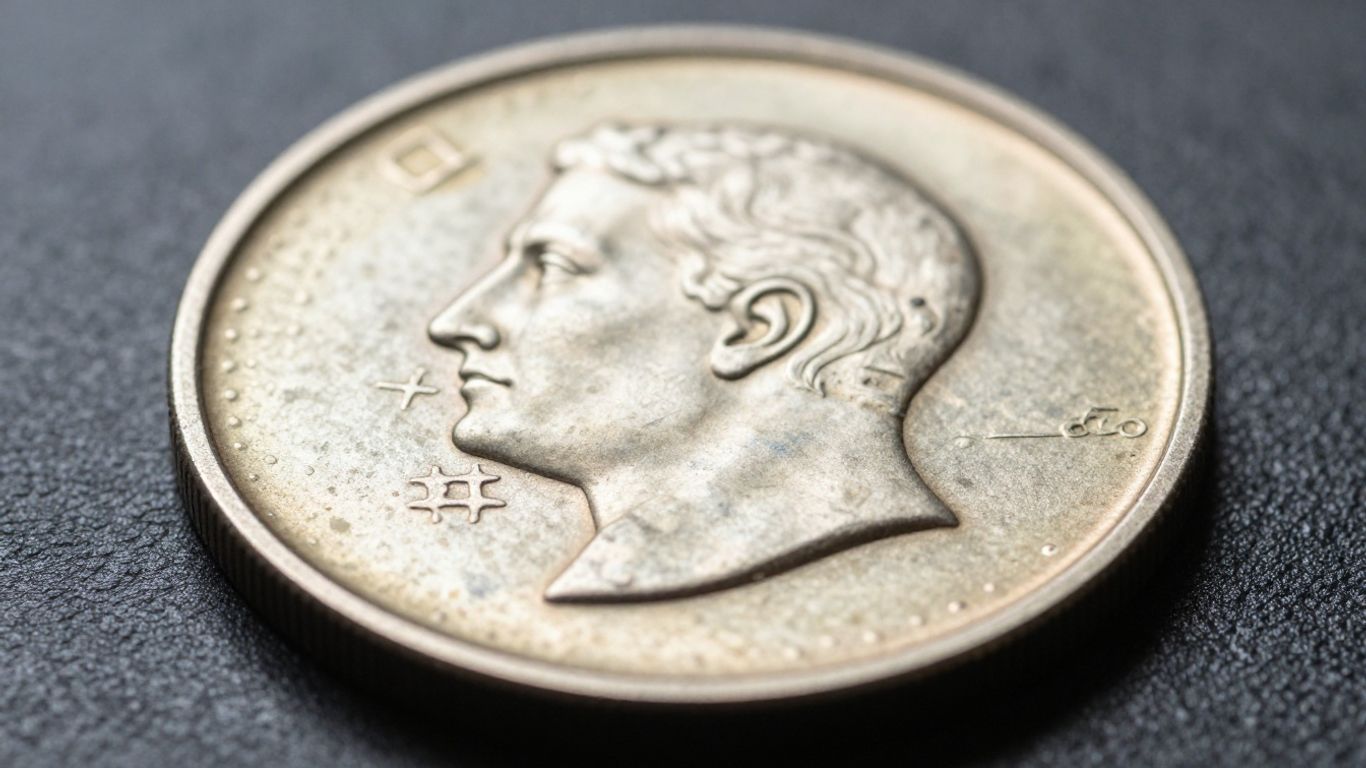
Selling die trial coins through an auction can be a good way to reach a wide audience of collectors. It involves several steps to get your coins ready and through the sale.
Consignment and Cataloging
When you decide to consign your die trial coins, the auction house will work with you to get the details. This usually starts with an appraisal to estimate the value. Then, your coins are formally accepted into an upcoming auction. The cataloging process is where the real work begins for the auction house. They will research each coin, noting its specific characteristics, condition, and any historical context. This information is vital for potential buyers. Detailed and accurate descriptions are key to attracting serious bidders.
Marketing and Promotion Strategies
Once cataloged, the auction house will promote your coins to their network. This often includes:
- Online Listings: Featuring your coins on their website with high-quality images and descriptions.
- Email Campaigns: Sending notifications to their database of collectors and dealers who have shown interest in similar items.
- Print Advertising: Placing ads in numismatic publications or specialized collector magazines.
- Social Media: Using platforms to generate buzz and reach a broader audience.
Live and Online Auction Events
The actual sale can happen in a few ways. Many auctions are now hybrid, offering both a live event and online bidding simultaneously. This allows people to participate in real-time, whether they are in the room or bidding from afar. Online-only auctions are also common, providing convenience for bidders worldwide. The auctioneer will present each lot, and bids are taken until the highest price is reached. It’s a dynamic process that can generate excitement and competitive bidding.
The success of an auction hinges on meticulous preparation and effective outreach. From the initial consignment to the final hammer fall, each stage is designed to connect your unique coins with the collectors most likely to appreciate and acquire them. Transparency and clear communication throughout this process help build confidence for both the seller and the potential buyer.
Maximizing Your Returns When Selling
Getting the most money for your die trial coins involves a few smart steps. It’s not just about finding a buyer; it’s about making sure that buyer pays what your coins are truly worth. This means looking closely at what makes your coins special and understanding how the market works.
Understanding Buyer's Premiums
When you sell through an auction house, the price a coin fetches is often higher than what the buyer actually pays. This difference is called the buyer’s premium. It’s a percentage added to the hammer price, and it goes to the auction house. While this doesn’t directly affect your payout, knowing how it works helps you understand the total amount a buyer is willing to spend, which can influence bidding.
Timing Your Sale for Optimal Prices
Sometimes, when you sell can make a big difference. Certain times of the year or specific events might bring more collectors to the table, leading to higher bids. Think about major coin shows or holidays when people might have more disposable income or a renewed interest in collecting.
- Major Coin Shows: Events like the American Numismatic Association (ANA) conventions often see increased collector activity.
- Seasonal Trends: Some collectors are more active during certain seasons, perhaps when they have more free time.
- Market Buzz: If a particular type of coin is getting a lot of attention in the news or online, selling around that time could be beneficial.
The Role of Expert Appraisal
Before you even think about selling, getting a professional appraisal is a smart move. An expert can tell you:
- The true condition of your coin.
- Its rarity and historical importance.
- What similar coins have sold for recently.
This information is gold. It helps you set a realistic price expectation and gives you confidence when talking to dealers or auction houses. It also helps you spot any potential issues or unique features that might make your coin more desirable to collectors.
Getting a solid appraisal is like having a roadmap for your sale. It helps you avoid common pitfalls and ensures you’re not leaving money on the table. Knowing the value upfront gives you a strong position, whether you’re negotiating with a dealer or setting a reserve price for an auction.
Key Considerations for San Antonio Sellers
Local Market Trends in San Antonio
When you’re looking to sell your die trial coins, it’s smart to get a feel for what’s happening right here in San Antonio. The coin collecting scene here has its own rhythm. Sometimes, local collectors are really keen on specific types of coins, maybe those with a connection to Texas history or even items related to local events like the Fiesta San Antonio celebrations. Keeping an eye on what local dealers are advertising or what’s showing up in local coin shows can give you clues. It’s not always about the biggest national trends; sometimes, a strong local interest can make a big difference in what your coins fetch.
Networking with San Antonio Collectors
Building connections within the San Antonio coin community can be really beneficial. Think about attending local coin club meetings or visiting coin shops regularly. You might meet other collectors who are passionate about the same things you are, or perhaps someone who knows a buyer looking for exactly what you have. These personal connections can sometimes lead to private sales or at least give you a better idea of your coins’ current worth from people who are actively involved in the market. It’s about more than just the money; it’s about being part of a shared interest.
Navigating Local Regulations
While selling coins is generally straightforward, it’s always a good idea to be aware of any local rules or regulations that might apply. This could involve understanding sales tax requirements or any specific documentation needed if you’re dealing with particularly rare or high-value items. Most reputable dealers and auction houses will handle the complexities for you, but it’s good to have a basic awareness. For most casual sales, this isn’t a major hurdle, but it’s a detail worth noting.
Being informed about the local San Antonio coin market and connecting with fellow collectors can provide unique advantages when selling your die trial coins. Understanding the nuances of local demand and building relationships within the community can lead to more successful and satisfying transactions.
Working with Heritage Auctions
Expertise in Rare Coin Sales
Heritage Auctions has a long history of dealing with all sorts of collectibles, including rare coins. They have people on staff who really know their stuff when it comes to coins, like your die trial pieces. This means they can help figure out what your coins are really worth and how best to present them to buyers. They’ve handled a lot of collections over the years, so they’ve seen a lot and know how to handle different types of items, from common coins to really unusual ones.
Global Reach for Your Collection
When you decide to sell with Heritage, your coins aren’t just shown to people in San Antonio. They have a huge network of buyers all over the world. This is a big deal because it means more people will see your coins, and more potential buyers usually means a better price. They use their website, catalogs, and marketing to get the word out to collectors everywhere. This wide reach is pretty important if you’re hoping to get the most money possible for your die trial coins.
Client Testimonials and Success Stories
Lots of people have sold their items through Heritage and have been happy with the results. For example, some collectors mention how clear the photos are on their auction site, making it easy to spot details. Others talk about how helpful the staff was, guiding them through the whole process from start to finish. There are stories about items selling for much more than expected, which is always good news for the seller. It seems like they focus on making the selling experience smooth and getting good outcomes for their clients.
Selling valuable items can feel a bit daunting, especially if it’s your first time. Knowing that a company has a solid track record and a team that understands what you’re selling can make a big difference. It’s about feeling confident that your collection is in good hands and that the auction house will do its best to find the right buyer at a fair price.
Here’s a look at what some sellers have experienced:
- Expert Guidance: Many clients appreciate the detailed knowledge of Heritage staff, who can provide accurate valuations and advice on presentation.
- Broad Exposure: The auction house’s marketing efforts reach a global audience, increasing the chances of attracting competitive bids.
- Transparent Process: Sellers often report feeling well-informed throughout the consignment and auction stages, with clear communication.
- Strong Results: Numerous testimonials highlight successful sales, with items often exceeding pre-auction estimates.
Preparing Your Die Trial Coins for Auction
Getting your die trial coins ready for auction is a big step, and doing it right can make a real difference in what you get. It’s not just about tossing them in a box; there’s a bit more to it than that. Think of it like getting ready for a big job interview – you want to look your best.
Proper Handling and Storage
First off, how you handle these coins matters a lot. Die trial coins, especially, can be delicate. You don’t want to add any new scratches or wear. Always hold coins by their edges, never by the flat surfaces. Use soft cotton gloves if you have them. For storage before the auction, keep them in individual, inert holders. Avoid plastic bags or anything that could react with the metal over time. A stable environment, away from extreme temperatures and humidity, is best. This helps maintain their current condition, which is a major factor in their value.
Documentation and Provenance
This is where you build the story of your coin. Any paperwork you have that shows where the coin came from is super important. This is called provenance. Did it come from a well-known collection? Do you have old receipts or letters mentioning it? Even a detailed note from a previous owner can add weight. For die trial coins, knowing their history, like when and where they were struck, can be a big plus. This kind of information helps buyers feel more confident about the coin’s authenticity and its place in numismatic history. It’s like having a birth certificate for your coin.
Certification vs. Non-Certification
Deciding whether to get your die trial coins certified is a key decision. Professional grading services, like PCGS or NGC, will authenticate and grade your coin, then seal it in a tamper-evident holder. This can add a lot of confidence for potential buyers and often leads to higher prices, especially for rare U.S. pattern coinage [4e52]. However, certification costs money and takes time. For some die trial coins, the cost of grading might not be recouped in the final sale price. It really depends on the specific coin. If a coin is already in excellent condition and its authenticity is not in question, sometimes it’s better to leave it as is. An auction house specializing in coins can help you figure out if certification makes sense for your particular pieces.
The goal is to present your die trial coins in a way that highlights their unique qualities and historical importance. Proper preparation minimizes risk and maximizes appeal to serious collectors and investors.
The Importance of Professionalism in Coin Sales
When you’re looking to sell something as specialized as die trial coins, how you handle the sale matters a lot. It’s not just about getting the best price; it’s about the entire experience. Being professional means being clear, honest, and respectful throughout the process. This builds trust, which is super important when dealing with valuable and rare items.
Building Trust with Buyers
Trust is the bedrock of any successful transaction, especially in the numismatic world. Buyers want to feel confident that what they’re purchasing is genuine and accurately represented. Professional sellers provide detailed descriptions, clear photographs, and are always ready to answer questions. This transparency helps buyers make informed decisions. For instance, when looking at local coin shops in San Antonio, a professional establishment will readily provide information about a coin’s condition and history, making you feel more secure about your purchase.
Ensuring Secure Transactions
Security is another big piece of the puzzle. This covers everything from how you handle the coins themselves to how payments are processed. For high-value items like die trial coins, secure shipping and payment methods are non-negotiable. Professional dealers and auction houses have established protocols to protect both the seller and the buyer. This might involve using insured shipping, escrow services, or secure online payment gateways. It’s about making sure the coin gets from point A to point B without any issues and that the money changes hands safely.
Maintaining a Positive Selling Experience
Ultimately, a professional approach makes the whole selling process smoother and more pleasant. This means clear communication, timely responses, and fair dealings. Even if a sale doesn’t go through, maintaining professionalism leaves a good impression. It’s about treating every client with respect, regardless of the value of their collection. A positive experience encourages repeat business and good word-of-mouth referrals, which are invaluable in the collecting community.
A professional seller understands that their reputation is built on consistent, ethical practices. This includes everything from accurate grading and honest appraisals to transparent fee structures and reliable customer service. When you engage with professionals, you’re not just buying or selling a coin; you’re participating in a transaction backed by integrity and a commitment to fairness. This is especially true when dealing with specialized items like die trial coins, where knowledge and trust are paramount.
Here are some key aspects of professionalism:
- Clear Communication: Keeping sellers and buyers informed at every stage.
- Accurate Representation: Providing honest descriptions and condition reports.
- Fair Pricing: Offering appraisals and prices that reflect market value.
- Timely Execution: Completing transactions and payments promptly.
- Confidentiality: Respecting the privacy of all parties involved.
Wrapping Up Your Coin Sale in San Antonio
So, you’ve got these old coins, maybe from a relative or just something you’ve collected over time, and you’re wondering what to do with them here in San Antonio. We’ve looked at a few ways you might go about selling them, from local shops to bigger auction houses. It really comes down to what kind of coins you have and what you’re hoping to get out of the sale. Taking the time to do a little homework, maybe get a couple of opinions, and understanding the process can make a big difference. Hopefully, this guide has given you a clearer picture of your options and helped you feel more ready to find the right place for your coins.
Frequently Asked Questions
What exactly are die trial coins?
Die trial coins are special coins made by mint workers to test new coin-making tools, called dies. They are not meant for regular circulation and are often made with different metals or designs than the final coins. Think of them as test runs for new coin ideas.
Why are die trial coins important?
These coins are important because they show us the history of how coins were made. They can reveal changes in design or metal used, giving us a peek into the minting process. Some die trials are very rare and valuable to collectors interested in coin history.
How can I tell if my die trial coin is real?
Verifying a die trial coin’s authenticity can be tricky. It’s best to consult with experts or reputable coin dealers. They can examine the coin’s metal, weight, markings, and compare it to known examples to confirm it’s genuine.
Where in San Antonio can I sell my die trial coins?
In San Antonio, you can explore local coin shops that specialize in rare coins. Online auction sites are also an option, or you could consider working with well-known auction houses that have a strong track record with numismatic items.
What makes a die trial coin valuable?
Several things make a die trial coin valuable: its condition (how well-preserved it is), its rarity (how many were made), its historical importance (what story it tells), and how much collectors want it right now (market demand).
How do auction houses help sell coins?
Auction houses help by cataloging your coins, promoting them to a wide range of potential buyers through advertising and special events, and then managing the live or online auction itself. They aim to get the best possible price for your items.
Should I get my die trial coin certified before selling?
Sometimes, getting a coin certified by a professional grading service can increase its value and appeal to buyers. However, it’s not always necessary. An expert can advise if certification will likely add more value than it costs for your specific coin.
What's the best way to get the most money for my coins?
To get the most money, work with experienced professionals who know the coin market well. They can help you understand your coin’s true value, market it effectively to the right collectors, and manage the sale process to achieve the best results.