
Looking to sell commemorative coins in San Antonio? Finding the right place to get a fair price for your collection can feel like a treasure hunt itself. Whether you have pieces from Texas’s own history, early American currency, or precious metals, understanding where to turn is key. This guide helps you find top dollar offers for your unique items.
Key Takeaways
- Texas has a rich numismatic history, from Republic of Texas currency to oil field tokens, making local knowledge important when you sell commemorative coins in San Antonio.
- Dealers specializing in U.S. coins, including gold, silver, and platinum bullion, are equipped to offer competitive prices.
- Specialized buyers are interested in historical currency like Confederate notes and National Bank Notes of Texas.
- Understanding the value of early U.S. and frontier coinage, as well as Mexican and Spanish colonial coins, is crucial for accurate appraisals.
- Reputable dealers offer free, transparent appraisals and fast, secure payment options for your convenience.
1. Republic of Texas Currency
Before Texas became a state, it was its own country, the Republic of Texas. During that time, from 1836 to 1845, they actually printed their own money. We’re talking about things like Treasury Warrants, Promissory Notes, and even smaller Change Bills. These aren’t just old pieces of paper; they’re direct links to a really important part of Texas history. Owning a piece of Republic of Texas currency means you hold a tangible connection to the state’s fight for independence and its early days as a sovereign nation.
If you happen to have any of these historical notes, they are quite collectible. Collectors and historians are often looking for them because they represent a unique period when Texas operated as its own country. The condition of the note plays a big role in its worth, of course, but even notes that aren’t in perfect shape can still be valuable.
Here’s a quick look at what you might find:
- Treasury Warrants: These were essentially government IOUs, issued by the Republic’s Treasury. They often paid debts or salaries.
- Promissory Notes: Similar to warrants, these were promises to pay a certain amount of money at a later date.
- Change Bills: These were smaller denominations used for everyday transactions, like making change.
When you’re looking to sell these kinds of items, it’s good to know their background. Understanding the history behind the note can help you appreciate its value. For those interested in seeing what similar items have sold for, checking out resources on Texas National Bank Notes can give you a general idea of the paper money market, even though Republic currency is a distinct category.
Selling Republic of Texas currency requires an understanding of its historical context and rarity. These notes are not just currency; they are artifacts from a pivotal era in Texan history, making them highly desirable to collectors seeking to own a piece of the past.
2. Confederate Currency
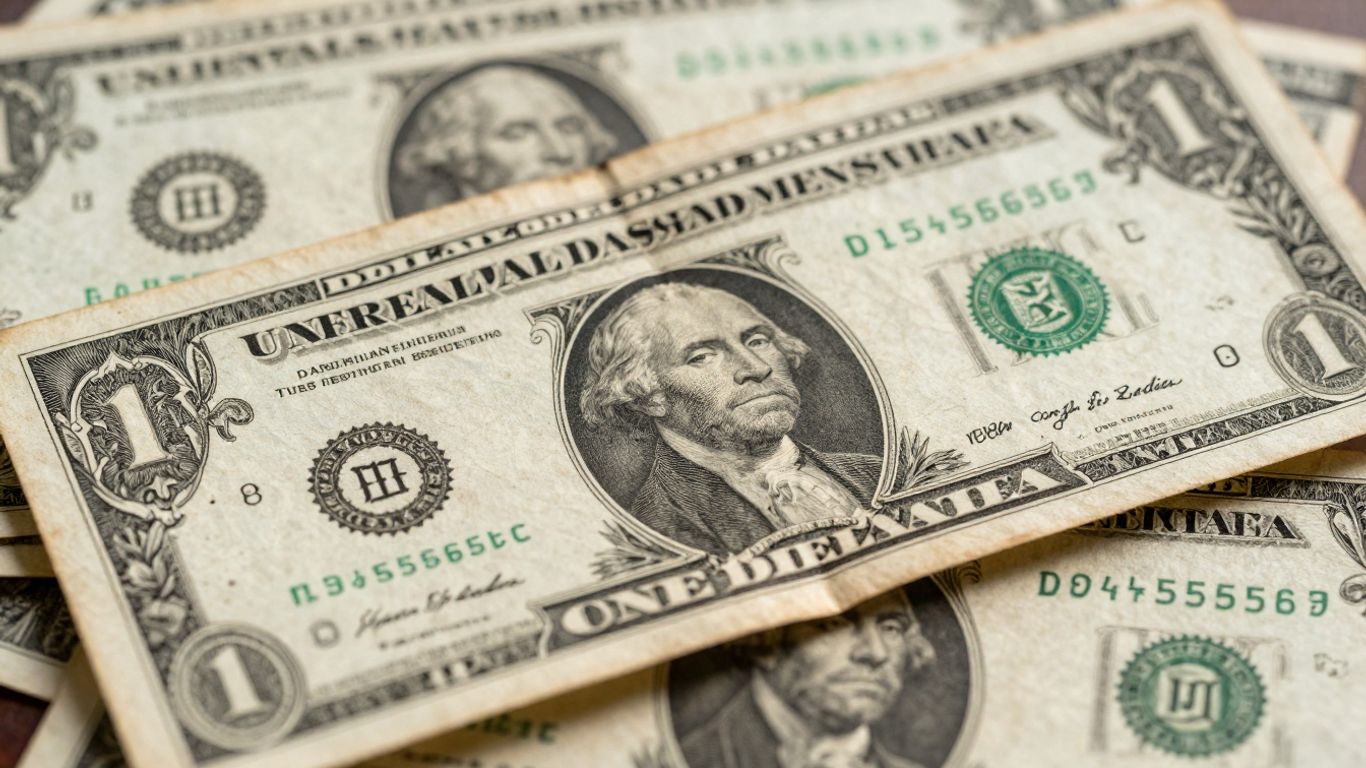
Texas played a significant role during the Civil War, and as a result, Confederate currency saw widespread use throughout the state. This includes notes issued by the Confederate government itself, as well as those printed by various Texas banks. These pieces of paper money are more than just old bills; they are tangible links to a turbulent period in American history, particularly for those with ties to the South.
Collectors often seek out Confederate currency for several reasons:
- Historical Significance: They represent the economic efforts of the Confederacy during the war.
- Rarity and Condition: Many notes were printed on poor-quality paper and circulated heavily, making well-preserved examples quite scarce.
- Regional Interest: Notes from specific Texas banks or those depicting local scenes can be especially desirable to collectors focused on Texas history.
When you’re looking to sell Confederate currency in San Antonio, understanding its place in history and its condition is key to getting a fair offer. The value can vary greatly depending on the denomination, the issuing authority, and how well the note has survived the decades. Some of the more common notes might not fetch a high price, but rarer issues or those in exceptional condition can be quite valuable.
The economic landscape of the Confederacy was complex, with constant efforts to maintain financial stability amidst war. The currency issued reflects these challenges, from early, more stable notes to later issues that suffered from rapid inflation. This historical context adds a layer of depth for collectors interested in the period.
3. National Bank Notes of Texas
Texas has a really interesting history when it comes to money, and National Bank Notes from the state are a big part of that story. During the National Banking Era, which ran from 1863 to 1935, a whole lot of banks across Texas got to print their own money. These weren’t just generic bills; they had the names of local towns and banks right on them, making them unique pieces of Texas’s financial past.
These notes are super popular with collectors because they represent a tangible connection to specific communities and historical periods within Texas. Think about it – a $50 note from a bank in San Antonio, like the circulated 1902 National Currency banknote from San Antonio, Texas, Charter #5217, tells a story about that town’s economy back then.
Here’s a quick look at what makes them special:
- Local Identity: Each note is tied to a specific bank and town, offering a snapshot of local commerce.
- Historical Significance: They document the growth and development of banking across Texas during a transformative era.
- Numismatic Variety: The sheer number of banks that issued these notes means there’s a huge diversity in design and rarity.
Collecting National Bank Notes from Texas is like piecing together a historical map of the state’s economic journey. Each denomination and bank charter represents a different chapter, from bustling cities to smaller frontier towns.
If you’ve come across any of these old Texas bank notes, whether they’re in pristine condition or show signs of wear, they could be quite valuable. They’re not just old paper; they’re pieces of history waiting to be appreciated by the right buyer.
4. Oil Field Tokens & Scrip
Texas’s history is deeply tied to oil, and this connection extends to its currency. During the big oil booms of the early 20th century, many companies operating in oil fields issued their own tokens or scrip. These were often used like money within company towns and stores. Think of them as "black gold" currency, a unique part of Texas’s industrial past.
These tokens are quite collectible today. They represent a tangible piece of that era’s economic activity and the lives of the people who worked in the oil fields. Collectors often look for tokens from specific companies, towns, or time periods. The condition of the token, its rarity, and its historical significance all play a role in its value.
When you’re looking to sell oil field tokens and scrip, it’s important to find buyers who understand their historical context and numismatic appeal.
Here are some things that make these tokens interesting:
- Company Origin: Tokens from well-known or historically significant oil companies tend to be more sought after.
- Location: Scrip from specific boomtowns or regions can be particularly interesting to collectors focused on Texas history.
- Material and Design: While most are metal, variations in design, size, and any unique markings can add to their appeal.
- Rarity: Like any collectible, the fewer tokens that exist, the higher their potential value.
These tokens offer a fascinating glimpse into the unique economic systems that developed around the oil industry in Texas. They tell a story of company towns, worker compensation, and the rapid growth that characterized boom periods.
5. Early U.S. & Frontier Coinage
Texas has a rich history, and that includes the coins that made their way through the state during its formative years. We’re talking about the early U.S. coins that circulated when Texas was still a frontier, a time when money wasn’t always straightforward. Think about the silver dollars and gold coins that were the backbone of commerce, but also the foreign coins that were common because of Spanish and Mexican influence.
These aren’t just old coins; they’re pieces of history that tell a story about how people traded and lived back then. Collectors really value these items because they represent a specific, often rugged, period in American and Texan history. If you have coins from this era, they might be worth more than you think, especially if they’re in good condition or have a unique mint mark.
Here are some types of early U.S. and frontier coinage that often attract collector interest:
- Early Copper Cents: These were some of the first coins minted by the U.S. and were widely used.
- Classic Silver Dollars: Coins like the Flowing Hair, Draped Bust, and Seated Liberty dollars were important for trade.
- Gold Coins: Early U.S. gold denominations such as Quarter Eagles, Half Eagles, and Eagles were used for larger transactions.
- Foreign Coins: Due to historical ties, Spanish and Mexican silver and gold coins were very common and are collected today.
The coins that circulated in early Texas offer a tangible connection to the state’s pioneering past. They reflect a time of expansion, settlement, and the establishment of a unique economic landscape.
When you’re looking to sell these kinds of coins, it’s important to find someone who understands their historical context and numismatic value. We’re interested in evaluating these early pieces, recognizing their significance beyond just their metal content.
6. Mexican & Spanish Colonial Coins
San Antonio’s history is deeply intertwined with Spanish and Mexican heritage, and this is reflected in the coins that circulated here long ago. If you have Mexican or Spanish colonial coins, they can be quite interesting to collectors. These pieces often tell a story of trade, exploration, and the early days of settlement in this region.
Think about coins like the Spanish silver dollar, also known as the ‘piece of eight’ or 8 reales. These were widely used and accepted for centuries, even influencing early U.S. coinage. We’re interested in seeing any such coins you might have, from various mints and dates. For example, an 1830 Spanish 8 Reales coin from Mexico is a prime example of what we look for.
Here are some types of Mexican and Spanish colonial coins that often attract collector attention:
- Spanish Colonial Era Coins: This includes pieces minted under Spanish rule, often featuring the Spanish coat of arms or portraits of Spanish monarchs. These coins circulated widely throughout the Americas.
- Mexican Silver Pesos: Following independence, Mexico continued to mint silver coins that were also popular trade coins. Look for dates from the early to mid-19th century.
- Early Republic of Mexico Coins: Coins issued shortly after Mexico gained independence from Spain, often showing early Mexican symbols.
These older coins, especially those in good condition, can hold significant numismatic value beyond their metal content. Their historical connection to Texas makes them particularly appealing.
When you’re looking to sell these historical artifacts, it’s good to know what makes them desirable. Condition is a big factor, of course, but so is rarity and the specific mint or date. We’re here to help you understand the potential worth of your Mexican and Spanish colonial coins and offer a fair price.
7. All U.S. Coins
When it comes to selling your collection of United States coins, we’re interested in just about everything. This covers a wide spectrum, from those early copper cents that might have passed through the hands of Texas pioneers to the large silver dollars that were once common in the West. We also look at modern commemorative coins and proof sets that celebrate American history and achievements.
We are particularly keen on acquiring any U.S. coins that hold historical significance or possess a higher value than their face amount. This includes a broad range of denominations:
- Gold Coins: All denominations, from early Eagles to later issues.
- Silver Dollars: Including popular series like Morgan and Peace dollars.
- Half Dollars, Quarters, Dimes, Nickels, and Cents: Especially those with key dates or specific mint marks.
- Error Coins and Die Varieties: Unique minting mistakes or variations can attract specialized collectors.
We understand that appraising a diverse collection can be a task. For smaller collections, sending clear photos or an inventory list can get you a quick evaluation. For larger collections, we can arrange an in-person appraisal to save you time and effort. If you’re looking to sell coins in San Antonio or surrounding areas, we can help you get a fair offer. You can also reach out to San Antonio Coin Buyers for assistance.
The value of U.S. coins can depend on many factors, including rarity, condition, historical context, and collector demand. Even common coins can sometimes hold unexpected value if they are in exceptional condition or have a rare mint mark.
We aim to make the selling process straightforward. Whether you have a few rare pieces or an entire collection amassed over years, we’re ready to take a look and provide a competitive offer.
8. Gold Bullion
When it comes to selling gold bullion in San Antonio, you’re looking at a market that’s pretty straightforward, but still requires some know-how. We’re talking about things like gold bars, gold rounds, and popular gold coins such as American Eagles, Canadian Maple Leafs, and South African Krugerrands. These aren’t your everyday coins; they’re primarily valued for their gold content, though some rare issues can fetch a premium.
The price you get for your gold bullion will largely depend on the current spot price of gold, the purity of the metal, and the weight. It’s a good idea to know the approximate weight and purity of your items before you start shopping around. Most bullion is stamped with this information.
Here’s a quick look at common forms of gold bullion you might have:
- Gold Bars: These come in various sizes, from small one-ounce bars to larger kilobars. They are typically stamped with the refiner’s name, purity, and weight.
- Gold Rounds: Similar to bars but often circular, these are also valued by weight and purity. They can feature various designs.
- Gold Coins: Government-minted coins like American Eagles, Canadian Maple Leafs, and Austrian Philharmonics are popular. While they have a face value, their worth is almost entirely tied to their gold content and the prevailing market price.
Understanding the market price is key. Gold prices fluctuate daily based on global economic factors, making it important to get an up-to-date valuation when you’re ready to sell. Reputable dealers will base their offers on the current spot price, minus a small margin for their services.
When you’re ready to sell, look for dealers who are transparent about their pricing and offer competitive rates based on the current market. Getting a few quotes is always a smart move to ensure you’re getting top dollar for your gold.
9. Silver Bullion
When you’re looking to sell silver bullion in San Antonio, you’re dealing with a market that’s influenced by both its precious metal value and its collectibility. This includes things like silver bars, rounds, and even older U.S. coins that are mostly valued for their silver content, often called "junk silver." Internationally recognized coins, such as American Silver Eagles or Canadian Silver Maples, also fall into this category.
The value of your silver bullion will largely depend on the current market price of silver, the purity of the metal, and the specific form it takes.
Here’s a breakdown of common silver bullion items you might have:
- Silver Bars: These can range from small, one-ounce bars to larger, kilogram bars. Their value is typically based on their weight and purity.
- Silver Rounds: Similar to bars but often round in shape, these are popular for their ease of handling and often feature various designs. Their price is tied to the silver content.
- 90% Silver U.S. Coins (Junk Silver): This refers to older U.S. dimes, quarters, and half dollars minted before 1965. While they have numismatic history, their primary value today comes from the silver they contain.
- Government-Minted Bullion Coins: Coins like the American Silver Eagle, Canadian Maple Leaf, and Austrian Philharmonic are minted by governments and are highly liquid, meaning they are easy to buy and sell.
When selling silver bullion, it’s wise to get a few quotes. Reputable dealers will assess your items based on the spot price of silver, the weight, and the condition or premium of any specific coins. Understanding these factors helps ensure you get a fair offer.
Getting a clear appraisal is key. A good buyer will explain how they arrived at their offer, considering the silver’s melt value and any collector appeal. This transparency helps you feel confident about the transaction.
10. Platinum and Palladium Bullion
Platinum and palladium, while perhaps less commonly discussed than gold or silver, are increasingly important precious metals. Their value stems not only from their rarity but also from their significant industrial applications, particularly in catalytic converters for vehicles and in electronics. When you’re looking to sell platinum or palladium bullion in San Antonio, you’ll want to find a buyer who understands the current market for these metals.
We purchase platinum and palladium in various forms. This includes investment-grade bars and rounds, as well as government-issued coins like the American Platinum Eagle or the Canadian Palladium Maple Leaf. The condition of these items generally matters less than their metal content, though any original mint packaging can sometimes add a small premium.
Here are some common forms of platinum and palladium bullion you might have:
- Coins: Official issues from mints around the world.
- Bars: Stamped with weight, purity, and manufacturer.
- Rounds: Similar to bars but often round in shape, typically from private refiners.
Understanding the value of your platinum and palladium is straightforward, as it’s primarily tied to the spot price of the metal, adjusted for purity and weight. While numismatic value is minimal for most bullion items, industrial demand can influence prices. We offer competitive prices based on real-time market rates for these valuable metals.
Selling platinum and palladium can be a smart move, especially when industrial demand is high. These metals are less volatile than some other commodities, but their prices do fluctuate. Knowing the current market price is key to getting a fair offer.
When you bring your platinum or palladium to us, we’ll assess its weight and purity. Our process is designed to be quick and transparent, ensuring you get a clear and fair offer for your bullion.
Ready to Sell Your Coins?
So, you’ve got some commemorative coins, maybe some old silver dollars, or even some unique Texas currency sitting around. It can feel like a lot to figure out where to get a fair price, especially in a big city like San Antonio. We’ve talked about how important it is to find someone who really knows coins, not just someone who wants to offer you a lowball price. Look for places that offer free appraisals and are upfront about how they value your items. Whether you’re dealing with U.S. coins, gold, or even old paper money from Texas’s past, the right buyer will make the process smooth and pay you what your collection is truly worth. Don’t just settle for the first offer; do a little homework and find a reputable dealer who respects the history and value of your coins.
Frequently Asked Questions
What types of coins and currency do you buy in San Antonio?
We are interested in a wide range of items, including Republic of Texas currency, Confederate notes, National Bank Notes from Texas, oil field tokens, early U.S. coins, Mexican and Spanish colonial coins, all types of U.S. coins, and gold, silver, platinum, and palladium bullion. We also buy all forms of U.S. paper money.
How do I get an appraisal for my coins?
Getting an appraisal is simple and free. You can start by sending us photos or a list of your collection via text or email. Our experts will then provide a written appraisal and a purchase offer with no obligation.
What makes Republic of Texas currency special?
Notes from the Republic of Texas are quite unique because Texas was its own country before joining the United States. These items are like direct links to that important time in Texas history and are very popular with collectors.
Are Confederate and Texas-issued paper money valuable?
Yes, due to Texas’s significant role during the Civil War, Confederate and Texas-specific paper money are important historical items. Many collectors seek these out, making them potentially valuable.
Do you buy modern U.S. coins and bullion?
Absolutely. We purchase all U.S. coins, from old ones to modern commemorative issues and proof sets. We also buy gold, silver, platinum, and palladium in various forms like bars, rounds, and government-issued coins.
How will I get paid if I sell my coins?
Once you accept our offer, we provide fast and secure payment. We can arrange payment through your preferred method, ensuring you receive your money promptly.
What if I have a large collection or inherited coins?
We are equipped to handle collections of any size, whether they are extensive personal collections or inherited items. Our experts provide thorough evaluations and respectful service for all situations.
Is there any cost for an appraisal or selling my coins?
No, our appraisals are completely free and come with no hidden fees or pressure to sell. We believe in being upfront about the value of your items and the offer we make.