
Thinking about selling coins in San Antonio, TX? It can feel a bit overwhelming trying to figure out the best way to get a fair price for your collection. You’ve got a few different paths you can take, from local shops to online options. We’ll walk through what you need to know to make sure you get the most for your coins, whether they’re old silver dollars, shiny gold pieces, or something really rare.
Key Takeaways
- When selling coins in San Antonio, TX, consider both local coin dealers and online platforms to find the best fit for your needs.
- Getting a professional appraisal is important for understanding the market value of your coins before you sell them.
- Gold and silver coins often have value tied to precious metal prices, while rare coins are valued for their numismatic rarity and condition.
- Reputable coin buyers in San Antonio offer transparency, fair pricing, and clear explanations of their offers.
- Preparing your coins by organizing and understanding their condition can help you get a better price when selling.
Understanding Your Coin Selling Options in San Antonio
When it’s time to part with your coin collection in San Antonio, you’ve got a few different paths you can take. It’s not just about finding a buyer, but finding the right buyer for your specific coins and your personal preferences. Think about what matters most to you: speed, the highest possible price, or a personal touch.
Local Coin Dealers vs. Online Platforms
San Antonio has a number of brick-and-mortar coin shops, places where you can walk in, show your coins, and get an offer on the spot. These local dealers often have a good understanding of the San Antonio market and can be convenient if you prefer face-to-face interactions. However, their offers might not always reflect the broader national or international market value, especially for rarer items. They also might not have the specialized knowledge for every type of coin.
On the other hand, online platforms offer a different approach. You can often get an appraisal without leaving your home. This can be incredibly convenient, especially if you have a large collection or live further out. Online buyers often have access to wider markets and can sometimes offer more competitive prices because their overhead might be lower. The process usually involves secure shipping, which is something to consider.
The Benefits of Selling Coins in San Antonio
Selling your coins locally in San Antonio means you can connect with dealers who are part of the community. You might get a feel for their business and build a rapport. For common gold and silver coins, local shops can be quick and efficient. Plus, you avoid the hassle of shipping potentially valuable items.
- Personal Interaction: You can talk directly with the buyer and see them inspect your coins.
- Immediate Offers: Often, you can receive an offer and payment on the same day.
- Local Market Insight: Some dealers may have a specific understanding of what local collectors are looking for.
Key Factors When Selling Your Collection
No matter where you choose to sell, keep these points in mind. They’ll help you get the best outcome.
- Appraisal Accuracy: How confident are you in the valuation you receive? A good appraisal is the first step to a fair price.
- Offer Competitiveness: Are you getting an offer that truly reflects your coin’s worth, considering current market rates?
- Transaction Security: How safe is the process, especially if you’re shipping valuable items?
Deciding between a local shop and an online service often comes down to balancing convenience with the potential for a higher payout. It’s wise to get a couple of opinions before you commit to selling.
Getting an Expert Coin Appraisal in San Antonio
Professional Coin Valuation Services
When you’re ready to sell your coins in San Antonio, getting a proper appraisal is the first step. This isn’t just about finding out what your coins are worth; it’s about understanding their true market value, especially for rare or collectible items. Professional appraisers have the knowledge and tools to accurately assess your collection. They look at factors like rarity, condition, historical significance, and current market demand. This detailed evaluation helps you set a realistic price and avoid selling your coins for less than they’re worth. It’s a smart move to get a professional opinion before you commit to selling.
How to Get Your Coins Appraised
There are a few ways to get your coins appraised in San Antonio. You can visit local coin shops, some of which offer appraisal services. Another option is to work with online coin buyers who often provide free appraisals, sometimes even through mail-in services or virtual consultations. For larger or more valuable collections, some services might offer in-home appraisals. It’s a good idea to research the reputation of any appraiser or dealer you consider. Look for professionals who are transparent about their methods and fees.
Here’s a general process you might follow:
- Initial Research: Look for reputable coin dealers or appraisal services in San Antonio. Check online reviews and ask for recommendations.
- Contact and Inquire: Reach out to potential appraisers to understand their process, fees (if any), and what types of coins they specialize in.
- Schedule an Appraisal: Arrange a time for your coins to be evaluated, whether it’s at their location, your home, or through an online submission.
- Receive the Valuation: Get a detailed report or verbal assessment of your coins’ worth, including explanations for their valuation.
Understanding Your Coin's Market Value
Knowing your coin’s market value means understanding what a collector or dealer is willing to pay for it right now. This value isn’t static; it changes based on several things. The coin’s condition, often described using a grading scale, plays a big role. A coin in mint condition will be worth much more than one that’s heavily worn. Rarity is also key – the fewer coins of a certain type that exist, the higher their potential value. Historical significance, such as coins from important periods or with unique minting errors, can also increase worth. Finally, the overall demand from collectors and investors in the current market directly impacts what someone will pay. A professional appraisal helps you weigh all these factors to arrive at a fair market price.
Getting an accurate appraisal is more than just a number; it’s about understanding the story behind your coins and what makes them desirable to others. This knowledge empowers you to make informed decisions when selling.
Selling Gold and Silver Coins in San Antonio
Where to Sell Gold Coins
When you’re looking to sell gold coins in San Antonio, you have a few avenues to explore. Local coin dealers are an option, and some specialize in precious metals. These shops can offer immediate cash for your gold. However, it’s wise to compare offers, as prices can vary. The value of your gold coins is directly tied to the current market price of gold, often referred to as the spot price. This price fluctuates daily, sometimes even hourly, based on global economic factors.
Selling Silver Coins for Top Dollar
Selling silver coins, whether they are bullion pieces like silver eagles or older circulated coins, requires understanding their worth. Many San Antonio buyers are interested in silver. To get the best price, consider the silver content and any numismatic (collector) value the coin might have. Bullion coins are primarily valued for their silver weight, while collectible silver coins can fetch higher prices based on rarity, condition, and demand.
Here’s a quick look at what influences silver coin prices:
- Silver Content: The amount of pure silver in the coin.
- Weight: Heavier coins generally contain more silver.
- Rarity: How many of these coins were originally minted and how many still exist.
- Condition: The coin’s state of preservation, from mint condition to heavily worn.
- Market Demand: How many collectors or investors are looking to buy.
Understanding Precious Metal Market Rates
Keeping an eye on the precious metal market is key when selling gold and silver. You can find daily gold and silver prices online from various financial news sources or commodity trading sites. These rates provide a baseline for what your metal is worth. When you approach a buyer, they will typically offer a percentage of this spot price, depending on the type of coin and their own profit margins. For instance, a dealer might offer 90-95% of the spot price for common silver bullion coins, but the offer for rare gold coins could be significantly higher due to collector demand.
It’s important to remember that the price you see quoted is for raw metal. Dealers factor in their costs for acquiring, storing, and reselling the metal, as well as their profit. Therefore, you likely won’t receive the exact spot price, but a competitive offer should be close to it, especially for bullion items.
Selling Rare and Collectible Coins
Identifying Rare Coin Collections
Figuring out if your coins are truly rare and collectible can feel like a treasure hunt. It’s not just about age; it’s about scarcity, historical significance, and demand. Some coins might look old but are actually quite common, while others, perhaps less visually striking, can be worth a small fortune due to their rarity. Look for coins with mint errors, limited production runs, or those tied to significant historical events. Sometimes, a coin’s value comes from a specific variety or a rare die combination that collectors actively seek out. It’s a good idea to do some initial research online or consult a catalog to get a general sense of what makes a coin desirable.
Finding Buyers for Rare Coins
Once you’ve identified potential rarities, the next step is finding the right people to buy them. Local coin shops in San Antonio can be a good starting point, especially those that specialize in numismatics. They often have a steady stream of collectors coming through and a good understanding of the local market. Online platforms and auction sites are also options, but they come with their own set of challenges, like fees and the need for secure shipping. For truly exceptional pieces, consider reaching out to national dealers or attending major coin shows where serious collectors and investors gather. The key is to connect with buyers who appreciate the specific type of rarity you possess.
Maximizing Value for Scarce Numismatic Items
To get the most for your scarce coins, presentation and knowledge are everything. First, make sure you understand what you have. Research its history, its condition, and recent sales of similar items. Avoid cleaning your coins, as this can often decrease their value significantly. Instead, keep them in protective holders. When you talk to potential buyers, be prepared to discuss what makes your coin special. A well-organized collection with clear documentation, including any original packaging or certificates, can also help boost confidence and, consequently, the price. Sometimes, selling a rare coin as part of a larger, cohesive collection can fetch a higher overall price than selling individual pieces.
Selling Foreign Coins and Paper Money
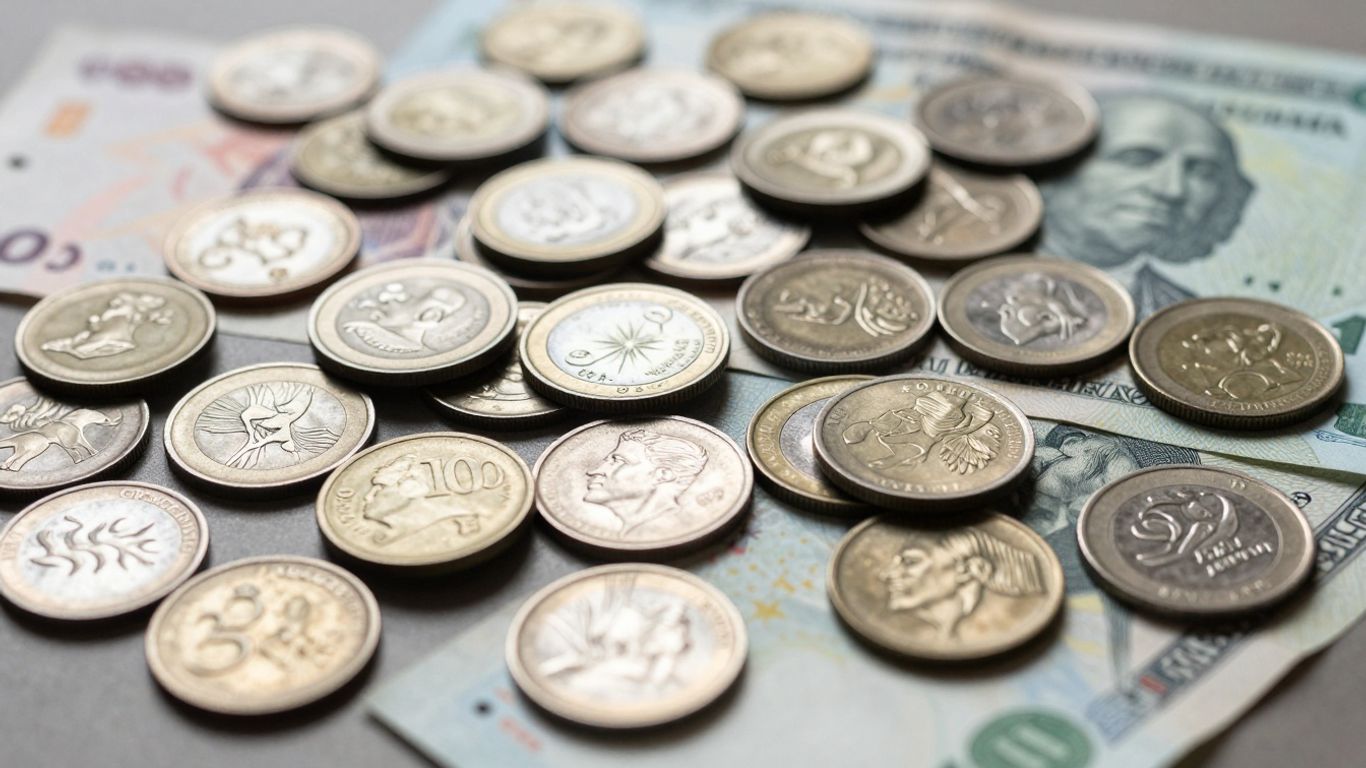
While many collectors focus on U.S. currency, foreign coins and paper money can also represent a significant part of a numismatic collection. These items often come from travels, inheritances, or dedicated international collecting. Many clients are pleasantly surprised to discover their foreign numismatic items hold substantial market value! Understanding how to value and where to sell these pieces is key to realizing their full worth.
Acquiring International Currency
Collecting foreign coins and paper money can be a fascinating pursuit. People often acquire these items through various means:
- Travel: Bringing back currency from trips abroad is a common starting point.
- Inheritance: Many collections are passed down through families.
- Specialty Dealers: Purchasing from dealers who focus on international numismatics.
- Online Marketplaces: Websites dedicated to coin and currency sales.
Valuing Vintage Foreign Coins
Valuing foreign currency requires a different approach than domestic coins. Several factors influence their worth:
- Rarity: How many of these coins or notes were originally minted, and how many still exist?
- Condition: As with any collectible, the state of preservation is paramount. Wear, damage, or cleaning can significantly reduce value.
- Historical Significance: Coins tied to important historical events or figures may command higher prices.
- Metal Content: For coins made of gold, silver, or platinum, the melt value can be a baseline.
- Demand: The current interest from collectors in a specific country or era plays a big role.
It’s important to research current market rates for similar items. Sometimes, a seemingly common foreign coin might be quite scarce in a particular grade or year. If you’re unsure, seeking an appraisal from a specialist is a good idea. You can find knowledgeable dealers in San Antonio, such as Texas Coins or other reputable local dealers.
Discovering Value in Global Numismatics
When it comes to selling your international currency, finding the right buyer is important. Some dealers specialize in foreign items and may offer more competitive prices than those who only deal in U.S. coins. Online platforms can also connect you with a wider audience of international collectors. However, for a thorough and fair assessment, especially for older or rarer pieces, working with experienced numismatists who understand global markets is advisable. They can help you understand the true market value beyond just the metal content.
Selling foreign coins and paper money requires a specialized approach. It’s not just about the country of origin, but also the specific issue, its condition, and the current collector demand. A professional appraisal can help uncover hidden value in what might seem like ordinary currency.
Choosing a Reputable Coin Buyer in San Antonio
When it comes time to sell your coins, finding the right person or company to buy them is a big deal. It’s not just about getting a quick sale; it’s about making sure you get a fair price for something that might have sentimental or significant monetary value. In San Antonio, you have a few different paths you can take, but not all buyers are created equal. You want someone trustworthy, someone who knows their stuff, and someone who’s upfront about everything.
What Makes a Coin Buyer Trustworthy
So, what should you look for? A trustworthy coin buyer usually has a few things in common. They’re often transparent about their pricing, meaning they can explain how they arrived at their offer. They should also be knowledgeable about the coins you’re selling, whether they’re common silver dollars or really rare pieces. A good buyer will also have clear policies on how they handle transactions, from appraisal to payment.
Here are some signs of a reliable coin buyer:
- Clear Communication: They answer your questions directly and explain their process without making you feel rushed or confused.
- Professional Affiliations: Membership in numismatic organizations can indicate a commitment to industry standards.
- Positive Reviews: Look for feedback from other sellers about their experience.
- No High-Pressure Tactics: They let you consider their offer without forcing you to decide on the spot.
It’s easy to get caught up in the excitement of selling a collection, but taking a moment to vet your buyer can save you a lot of headaches and potentially more money in the long run. A good buyer respects your collection and your decision.
Ensuring Fair and Competitive Offers
Getting a fair offer means the buyer understands the current market for your specific coins. This involves looking at factors like rarity, condition, and the going rate for precious metals if your coins contain gold or silver. Some buyers might specialize in certain types of coins, so if you have a very specific collection, finding a specialist can be beneficial.
It’s often a good idea to get more than one offer, especially for valuable collections. This helps you gauge the market and ensures you’re not settling for less than your coins are worth. A competitive offer will reflect the true market value, not just a wholesale price.
The Importance of Transparency in Transactions
Transparency is key in any sale, and selling coins is no different. This means understanding all the fees or commissions involved, how the appraisal is conducted, and the payment terms. A buyer who is upfront about these details builds confidence. For instance, if they’re selling your coins on consignment, they should clearly explain their cut and how long the process might take.
Ask questions like:
- How do you determine the value of my coins?
- What are your fees or commission rates?
- When and how will I receive payment?
- What is your policy on returns or disputes?
Being informed about the entire process helps you feel secure and confident that you’re making a sound decision.
The Coin Selling Process with Coinfully
Selling your coin collection doesn’t have to be a hassle. Coinfully aims to make the entire process straightforward, from getting an initial idea of your coins’ worth to getting paid. We understand that parting with a collection can be a big decision, so we’ve designed our system to be as clear and simple as possible.
Convenient Online Appraisal Options
Forget about packing up your entire collection and driving to a shop, hoping for a fair offer. With Coinfully, you can start the appraisal process right from your home. We offer a couple of ways to get a feel for what your coins might be worth:
- Digital Submission: Take clear photos of your coins and provide a basic inventory list. Our team of numismatic experts will review these details and get back to you with an initial valuation. This is a great way to get a quick assessment, especially for smaller collections.
- In-Home Consultations: For larger or particularly significant collections, we can arrange for an expert to visit you in San Antonio. This saves you the trouble of organizing and transporting your items, and allows for a more in-depth, hands-on evaluation.
Secure and Insured Shipping
Once you decide to move forward with selling, we want you to feel completely secure. If your coins need to be shipped to us, we provide a prepaid, fully insured shipping label. This coverage is backed by Lloyd’s of London, so you can rest assured that your collection is protected every step of the way during transit. We provide clear instructions on how to package your items safely to prevent any damage.
Receiving Prompt Payment for Your Coins
After we receive and finalize the appraisal of your coins, we present you with a competitive offer based on current market rates. If you accept, we process your payment quickly. We offer various payment methods to suit your needs, ensuring you get your funds promptly and without unnecessary delays. Our goal is to make the entire experience, from appraisal to payment, as smooth and efficient as possible.
Local San Antonio Coin Buying Locations
San Antonio has a number of places where you can take your coins to sell. While online options are growing, sometimes you just want to talk to someone face-to-face and see the coins leave your hands. It’s good to know there are local spots ready to help.
Alamo Heights Coin Shop Experience
Alamo Heights Coin Shop has been around for a while, serving the San Antonio area since 1977. They deal with more than just coins, also buying gold, silver, and paper money. If you’re looking for a place with a long history in the community, this might be a good stop. They mention having a knowledgeable team ready to offer guidance and pay on the spot.
San Antonio Coin Buyers' Expertise
San Antonio Coin Buyers is another local option. They focus on giving professional valuations for your coins, whether they’re gold, silver, or rare collectibles. They aim to provide fair assessments and quick payments, keeping up with current market rates. It sounds like they handle a variety of numismatic items.
Other Reputable Local Dealers
Beyond those two, San Antonio has other dealers who buy coins. It’s always a good idea to do a little checking around before you decide. Look for dealers who are transparent about their pricing and have good reviews from other sellers. Some places might specialize in certain types of coins, so if you have something specific, you might want to find a buyer who knows that area well.
When you’re thinking about selling locally, keep these points in mind:
- Get multiple opinions: Don’t just go to the first place you find. Visit a couple of different dealers to compare offers.
- Know what you have: Do a little research beforehand. Even a basic understanding of your coins can help you spot a fair offer.
- Ask questions: If something isn’t clear about their offer or process, ask. A good dealer will be happy to explain.
Selling coins locally can be a straightforward process if you know where to look and what to expect. Having a few options in mind helps ensure you get a fair deal for your collection.
Preparing Your Coins for Sale
Before you hand over your treasured coins, taking a little time to get them ready can make a big difference. It’s not about cleaning them, mind you – that can actually hurt their value. Instead, it’s about organization and documentation. Think of it like getting your ducks in a row so that when you meet with a buyer, whether it’s a local San Antonio dealer or an online service, they can see exactly what you have. This makes their job easier and, in turn, helps you get a fairer assessment.
Organizing Your Coin Collection
Having your coins neatly arranged makes the entire selling process smoother. If you have a large collection, this step is especially important. It helps you keep track of everything and presents your collection in a more professional manner.
- Group similar coins together: Sort by denomination (e.g., all quarters together), by date, or by mint mark. This makes it easier to identify patterns and potential rarities.
- Use protective holders: If your coins aren’t already in individual holders, consider placing them in simple, inert plastic flips or coin albums. Avoid PVC holders, as they can damage coins over time.
- Create an inventory list: As you organize, jot down what you have. Include the coin’s denomination, date, mint mark, and any other identifying features. This list will be invaluable later.
Documenting Your Numismatic Assets
Documentation is key to proving the authenticity and condition of your coins. It provides a history and can support your asking price or the buyer’s offer.
- Take clear photographs: Capture images of both the front (obverse) and back (reverse) of each coin. Good lighting is important, and try to get close-ups of any significant details or potential flaws.
- Record any existing paperwork: If you have old appraisals, certificates of authenticity, or purchase receipts, gather them. This information adds credibility.
- Note any unique characteristics: Did the coin come from a famous collection? Does it have an unusual toning or a known error? Write these details down.
Understanding Coin Condition and Grading
While you shouldn’t attempt to grade your own coins professionally, having a basic understanding of condition can help you communicate better with buyers. Coin condition is a major factor in its value.
The condition of a coin, often referred to as its grade, significantly impacts its market price. Buyers look for coins that are well-preserved, with minimal wear and clear details. Even slight differences in wear can translate to substantial differences in value, especially for rare or collectible pieces.
Here’s a simplified look at condition categories:
- Uncirculated (Mint State): Coins that have never been used in commerce. They show no signs of wear.
- About Uncirculated (AU): Coins with very light wear, usually only visible on the highest points of the design.
- Extremely Fine (XF/EF): Coins with moderate wear, but most of the original detail is still visible.
- Very Fine (VF): Coins with noticeable wear, but the main features of the design are still clear.
- Fine (F): Coins with significant wear, where the design is visible but worn smooth in places.
- Good (G): Coins with heavy wear, where the design is very worn but still recognizable.
Wrapping Up Your Coin Selling Journey
So, you’ve gone through the options for selling your coins here in San Antonio. It’s not always straightforward, and finding the right place can feel like a treasure hunt itself. Whether you’re dealing with a few old silver dollars or a whole box of inherited rarities, knowing where to get a fair shake is important. We’ve looked at a few spots that aim to give you a good price and make the process simple. Remember to do a little homework on your own coins before you go, and don’t be afraid to get a couple of opinions if you can. Good luck out there!
Frequently Asked Questions
Where are the best places to sell coins in San Antonio?
In San Antonio, you have several options for selling coins. You can visit local coin dealers, some of whom have been serving the community for many years. Online platforms also offer a convenient way to reach a wider market. For those seeking a balance of local expertise and modern convenience, services like Coinfully provide professional appraisals and competitive offers.
How can I get my coins appraised near San Antonio?
To get your coins appraised, you can visit local coin shops in San Antonio for an in-person evaluation. Many dealers offer free appraisals. Alternatively, online services allow you to submit photos and details of your coins for an expert assessment. For larger collections, some services may offer at-home appraisals.
Do coin buyers in San Antonio purchase silver coins?
Yes, most coin buyers in San Antonio are very interested in purchasing silver coins. This includes silver dollars, silver bullion, and collectible silver pieces. Reputable dealers will base their offers on the current market value of silver, ensuring you receive a fair price.
What is the best way to sell a rare coin collection in San Antonio?
Selling a rare coin collection in San Antonio often yields the best results when you work with specialists who understand numismatics. Look for dealers with a proven track record in handling valuable collections. They can provide accurate valuations and connect your collection with serious buyers, often offering more than general coin shops.
Can I sell foreign coins and paper money in San Antonio?
Absolutely. Many coin buyers in San Antonio accept foreign coins and international paper money. Vintage or rare foreign items can sometimes be quite valuable, so it’s worth getting them appraised. Specialists can help determine their market worth, and you might be surprised at their value.
What makes a coin buyer in San Antonio trustworthy?
A trustworthy coin buyer in San Antonio will be transparent about their pricing, clearly explain how they arrived at their offer, and be knowledgeable about coins. Look for dealers who are members of professional numismatic organizations, have positive reviews, and provide a clear, no-pressure selling experience. Fair and competitive offers are also a key sign of a reputable buyer.
Is it safe to mail my coins to an online buyer?
Many reputable online coin buyers offer secure and insured shipping options, often backed by insurance from well-known companies. This process is designed to protect your coins during transit. Always confirm the shipping and insurance details with the buyer before sending your collection.
How do I prepare my coins before selling them?
Before selling, it’s helpful to organize your coins and document any information you have about them, such as their origin or any previous appraisals. While you should generally avoid cleaning coins yourself, as this can decrease their value, knowing their condition and any notable features will help the appraisal process.