
Thinking about selling old coins in San Antonio? You might have some bust coinage lying around, and it’s good to know where to get a fair price. This guide will help you figure out what kind of coins and currency people are looking for and where you might be able to sell them. We’ll cover a few different types of items, from old silver coins to paper money, so you can get an idea of what has value. If you’re looking to sell bust coinage in San Antonio, knowing these details can make the process smoother.
Key Takeaways
- Pre-1965 U.S. dimes, quarters, and half dollars are often referred to as 90% silver coins and are typically valued for their silver content.
- Paper money, including historical notes like Confederate or Texas currency, can hold significant value for collectors.
- Rare coins, regardless of their metal content, are assessed based on their rarity, condition, and historical significance.
- Silver bars and rounds are common forms of bullion investment, valued primarily by their silver weight.
- Gold coins and bars are also popular bullion items, with value determined by their gold content and market price.
1. 90% Silver Coins
When people talk about "junk silver" coins in San Antonio, they’re usually referring to U.S. dimes, quarters, and half dollars minted before 1965. These coins are made up of 90% silver. The reason they’re called "junk" isn’t because they’re worthless; it’s because their value is primarily based on their silver content, not their collectible rarity. Think of them as small, portable silver bars that happen to have a face value.
These coins were once a standard part of everyday transactions. However, as the price of silver rose in the 1960s, the U.S. government changed the composition of circulating coinage. This means that dimes, quarters, and half dollars made after 1964 contain much less silver, or none at all. So, if you’ve got a stash of old coins lying around, it’s worth checking the mint date.
Here’s a quick rundown of common 90% silver coins you might find:
- Dimes: Look for Mercury dimes (1916-1945) and Roosevelt dimes (1946-1964).
- Quarters: Barber quarters (1892-1916) and Washington quarters (1932-1964) are common.
- Half Dollars: Walking Liberty half dollars (1916-1947), Franklin half dollars (1948-1963), and the 1964 Kennedy half dollars are the ones to watch for.
These pre-1965 silver coins are a popular way to invest in silver because they’re easily recognizable and divisible. While they might not have significant numismatic value in lower grades, their silver content makes them a solid choice for those looking to own physical precious metals. When you bring these to a reputable dealer in San Antonio, they’ll be assessed based on their silver weight.
Dealers often buy these coins in bulk, sometimes in bags representing a certain face value, like $100 or $1,000. The actual amount of silver in a bag depends on the mix of coins and their condition, as wear can reduce the metal content. It’s always best to work with a trusted buyer who can accurately weigh and assay your coins.
When selling, expect offers based on the current spot price of silver, minus a small margin for the dealer’s profit. The condition of the coins matters less than the total silver weight they contain, unless a coin has exceptional collector appeal.
2. Paper Money
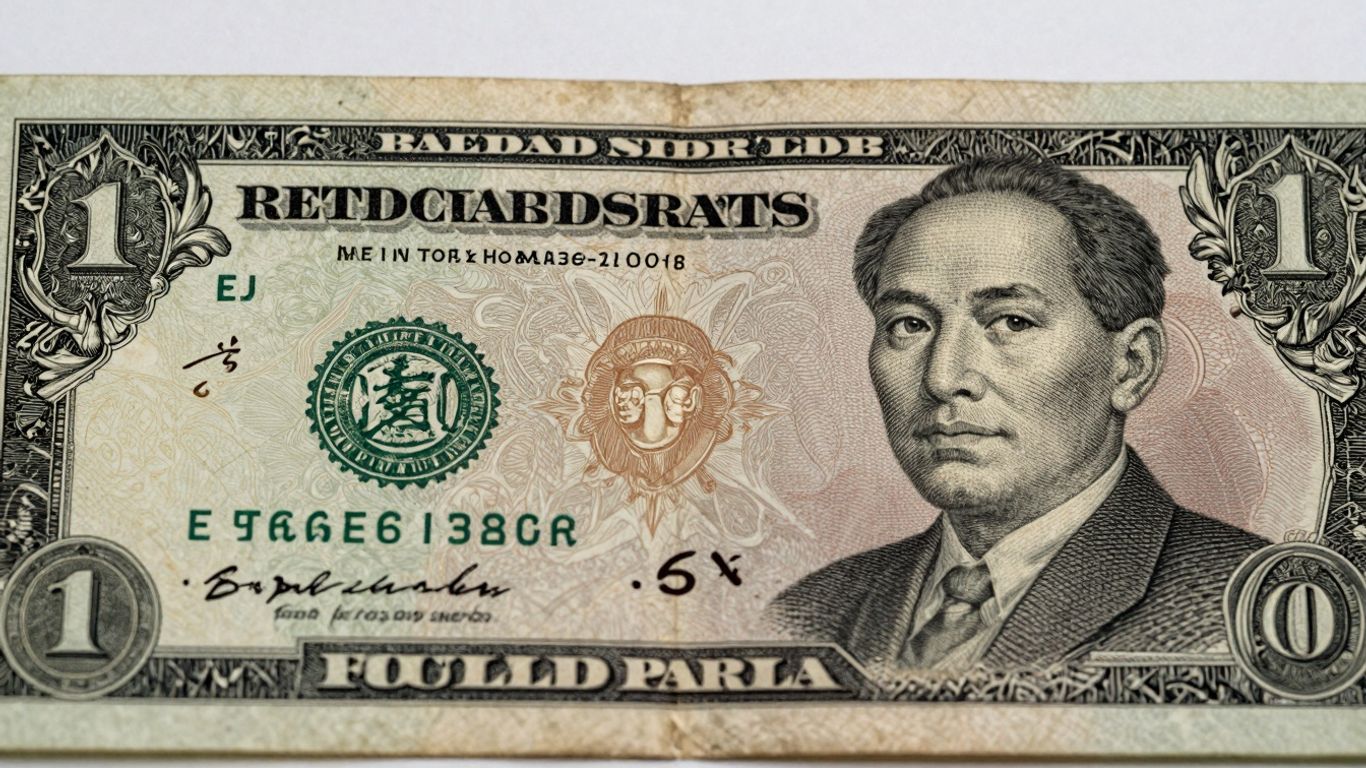
Paper money, also known as banknotes, has a long history as a medium of exchange. From early forms used by settlers to modern currency, these notes represent a significant part of economic history.
Collectors often seek out paper money for its historical context and rarity. Different eras and events have produced unique types of currency, each with its own story and potential value. This includes items like:
- Confederate Currency, issued during the Civil War when silver and gold were scarce.
- Fractional Currency, created to fill the need for smaller denominations after the Civil War.
- Gold Certificates and Silver Certificates, backed by precious metals.
- Large Size and Small Size U.S. Notes, reflecting changes in printing and design over time.
- Error Notes and Misprinted Currency, which are often highly sought after by specialists.
When you’re looking to sell your paper money collection in San Antonio, understanding what makes certain notes more desirable is key. Factors like the condition of the note, its historical significance, rarity, and any unique features such as misprints can all influence its worth. Our experts are familiar with these details and can provide a fair appraisal.
The value of paper money isn’t just about its face value; it’s deeply tied to the historical events and economic conditions under which it was produced. Many notes tell a story of a specific time in history, making them fascinating collectibles.
We are equipped to evaluate a wide range of paper currency, from common notes to extremely rare issues. Bring your collection in, and let us help you understand its potential value.
3. Rare Coins
Beyond the standard bullion and circulated coins, San Antonio is a good place to find buyers for rare coins. These aren’t just any old coins; they’re pieces of history that have gained value due to their scarcity, condition, or historical significance. Think about coins that were minted in limited quantities, those that have survived in excellent shape for decades, or even coins that were part of a significant event.
Identifying a rare coin often requires a trained eye and knowledge of numismatics. It’s not always about the metal content, but rather the story and rarity behind the piece. Some common categories that fall under rare coins include:
- Early American issues: Coins from the colonial period or the early years of the United States, often produced by private mints or with unique designs.
- Key date coins: Specific dates and mint marks within a series that were produced in very low numbers, making them hard to find.
- Error coins: Coins that were accidentally misprinted or struck incorrectly during the minting process, creating unique and sought-after varieties.
- Proof and uncirculated coins: Coins specifically manufactured for collectors, often with a higher level of detail and finish than regular circulation strikes.
When you bring your rare coins to a dealer, they’ll look at several factors to determine their worth. This includes the coin’s condition (its grade), its rarity (how many were made and how many still exist), its historical context, and current market demand. A professional appraisal can help you understand the true potential value of these special items.
The market for rare coins can fluctuate, much like any collectible. Factors such as economic conditions, collector trends, and the overall availability of specific coins play a role in their current market price. It’s always a good idea to get multiple opinions if you have something you believe is particularly special.
4. Silver Bars
When you’re looking to sell silver, bars are another common form that people possess. These can range from small, one-ounce bars to much larger bars weighing several pounds. The value of a silver bar is primarily determined by its weight and the current market price of silver. Unlike coins, silver bars don’t typically have numismatic value, meaning their worth is almost entirely tied to the silver content itself.
The purity and weight are the most important factors when determining the value of silver bars. Reputable dealers will assay bars to confirm their purity, especially if they are not from a well-known mint. Smaller bars, like 1 oz silver bars, are often easier to trade and sell due to their accessibility and lower price point compared to larger bars.
Here’s a general idea of what to expect when selling silver bars:
- Purity: Most investment-grade silver bars are .999 fine silver, meaning they are 99.9% pure silver. Lower purity bars will be valued accordingly.
- Weight: The total weight of silver in the bar is critical. This is usually stamped on the bar itself.
- Condition: While less important than for coins, severely damaged or unrecognizable bars might fetch a lower price.
- Mint/Brand: Bars from recognized refiners or mints (like Johnson Matthey, Sunshine Mint, or government mints) often command slightly better prices than generic or unbranded bars.
When selling, you’ll want to find a buyer who offers competitive prices based on the spot price of silver. Some places might offer less for bars than for coins because coins can sometimes have a secondary market appeal to collectors, whereas bars are almost purely for their silver content. If you’re looking to sell, consider places that specialize in bullion and precious metals. For instance, San Antonio Coin Buyers can provide appraisals for various forms of silver, including bars.
Selling silver bars is generally straightforward, as their value is directly linked to the silver’s market price. The key is to ensure you’re selling to a reputable dealer who accurately weighs and assays the metal to give you a fair offer based on the current spot price.
5. Gold Coins
Gold coins have been a store of value for centuries, and in San Antonio, there are several places where you can get a fair appraisal for yours. These aren’t just pretty pieces; they represent a tangible asset that many collectors and investors seek.
When you bring your gold coins in for evaluation, expect the appraiser to look at a few key things:
- Gold Content: This is the most significant factor. The purity (karat) and weight of the gold determine its base value.
- Rarity and Collectibility: Some gold coins are valuable not just for their gold, but for their historical significance or limited mintage. Think of specific dates, mint marks, or special editions.
- Condition: Like any collectible, the physical state of the coin matters. Wear and tear can affect its numismatic value.
The market price of gold fluctuates daily, so getting an up-to-date valuation is important. It’s wise to have an idea of the current spot price of gold before you go in, though a good dealer will always provide this information.
Here are some common types of gold coins you might encounter:
- American Gold Eagles
- Canadian Gold Maple Leafs
- South African Krugerrands
- Various historical gold coins (e.g., Double Eagles, Eagles)
Selling gold coins requires a bit of homework. Understanding what you have, even broadly, helps ensure you get a fair offer. Don’t be afraid to ask questions about how the appraisal is done and what factors are influencing the price offered.
When looking for a place to sell, consider dealers who specialize in precious metals and rare coins. They’ll have the knowledge to accurately assess both the bullion value and any numismatic premium your gold coins might carry.
6. Gold Bars
Gold bars, much like gold coins, represent a tangible store of value. They come in various sizes, from small, easily manageable weights like 1 gram or 1 ounce, up to larger bars weighing several kilograms. The purity of gold bars is typically very high, often .999 or .9999 fine gold, making them a popular choice for investors looking for pure gold content.
When you’re looking to sell gold bars in San Antonio, understanding their characteristics is key to getting a fair appraisal. Factors that influence value include:
- Weight: The total mass of the gold bar.
- Purity: The percentage of pure gold in the bar (e.g., 99.99% pure).
- Mint Mark/Assayer: Reputable mints and assayer marks add to the bar’s credibility and can affect its desirability.
- Condition: While less critical than for coins, significant damage can impact value.
The market price of gold fluctuates daily, and this will be the primary driver of your gold bar’s value. Reputable dealers will base their offers on the current spot price of gold, adjusted for the bar’s specific attributes.
Here’s a general idea of how different weights might be assessed:
| Bar Size (Weight) | Typical Purity | Appraisal Considerations |
|---|---|---|
| 1 gram | .999+ | Small, easily traded |
| 1 ounce | .999+ | Common investment size |
| 10 ounce | .999+ | Bulkier, less common |
| 1 kilogram | .999+ | Significant investment |
When selling, be prepared to show any original packaging or assay certificates if you still have them. These documents help confirm the bar’s authenticity and specifications, potentially leading to a smoother and more favorable transaction. It’s always wise to get quotes from a few different places to ensure you’re getting the best offer for your gold bars.
7. Silver Coins
When you think about selling silver in San Antonio, coins often come to mind. These aren’t just any coins; we’re talking about those made with a significant silver content, typically 90% pure for U.S. currency minted before 1965. This includes familiar denominations like dimes, quarters, and half dollars from that era. Unlike silver bars, these coins are widely recognized, making them easier to appraise and sell. Their recognizable nature and historical significance contribute to their appeal beyond just their silver weight.
Many people refer to these as "junk silver" coins, but that term doesn’t reflect their true value. It simply means they are valued primarily for their silver content rather than their numismatic rarity. However, even common coins can sometimes hold unexpected collector value if they have errors or unique minting characteristics.
Here’s a look at some common U.S. silver coins you might have:
- Dimes: Barber Dimes (1892–1916), Mercury Dimes (1916–1945), Roosevelt Dimes (1946–1964)
- Quarters: Barber Quarters (1892–1916), Standing Liberty Quarters (1916–1930), Washington Quarters (1932–1964)
- Half Dollars: Barber Half Dollars (1892–1915), Walking Liberty Half Dollars (1916–1947), Franklin Half Dollars (1948–1963), Kennedy Half Dollars (1964)
When selling a large quantity, like a $1,000 face value bag, you’re looking at roughly 723 troy ounces of silver, assuming the coins are in average condition. It’s important to remember that wear can reduce the silver content. That’s why dealing with a reputable dealer in San Antonio is key to getting a fair assessment.
Selling silver coins offers a unique blend of intrinsic metal value and historical recognition. While often categorized as "junk silver," these pieces represent tangible wealth that is easily understood and traded, making them a straightforward option for those looking to convert their silver holdings into cash.
8. Silver Buffalo
When you’re looking to sell silver, you might come across what are known as "Silver Buffalo" coins. These aren’t official U.S. currency, but they’ve become quite popular in the bullion world. They typically feature a Native American on one side and a buffalo on the other, reminiscent of the old Buffalo nickel.
These coins are primarily valued for their silver content, not their numismatic rarity. While they might look like old coins, most Silver Buffalos are modern bullion pieces. They are usually struck from one troy ounce of .999 fine silver.
Here’s a quick look at what to expect:
- Composition: Typically 1 troy ounce of .999 fine silver.
- Design: Often features a Native American profile and a buffalo.
- Value: Primarily based on the current spot price of silver.
When selling, expect offers to be based on the silver’s melt value. Reputable dealers will weigh the coin and check its purity to determine a fair offer. It’s always a good idea to get quotes from a few places to ensure you’re getting a competitive price for your Silver Buffalo coins.
While the design might evoke a sense of history, most Silver Buffalo coins are contemporary bullion items. Their value is tied directly to the silver market, making them a straightforward asset to appraise and sell based on their metal content.
9. Platinum Coins
When it comes to precious metals, platinum often gets overlooked in favor of gold and silver, but it’s a significant player in the bullion market. Platinum coins are a popular way to invest in this rare and valuable metal. They are typically minted by government mints or reputable private institutions, carrying a face value in their country’s currency, though their intrinsic value is tied to the platinum content.
The rarity of platinum makes these coins particularly sought after by collectors and investors alike.
Here are some common types of platinum coins you might encounter:
- American Platinum Eagle: Produced by the U.S. Mint, these coins feature a distinctive design that changes annually, showcasing the "Pledge of Allegiance" on the reverse.
- Canadian Platinum Maple Leaf: Similar to its gold and silver counterparts, this coin bears the iconic maple leaf design.
- Australian Platinum Koala: These coins showcase a koala on the reverse, with the Australian Coat of Arms on the obverse.
- Isle of Man Platinum Noble: Known for its historical themes, this coin features a Viking ship.
When you’re looking to sell platinum coins in San Antonio, it’s important to find a dealer who understands the nuances of the platinum market. Factors like the coin’s purity, weight, condition, and its numismatic or collector value will all play a role in determining its worth. A good appraisal will consider the current spot price of platinum, but also any premiums associated with the coin’s design or rarity.
Selling platinum coins requires an appraisal that accounts for both the metal’s market value and any collector appeal. Dealers specializing in precious metals and rare coins are best equipped to provide an accurate assessment and a fair offer.
10. Memorabilia
Beyond coins and currency, collectors often seek out historical artifacts and items of personal significance, commonly referred to as memorabilia. This category is incredibly broad and can include anything from vintage sports equipment and signed photographs to historical documents and unique trinkets.
The value of memorabilia is highly subjective and depends on factors like rarity, condition, provenance, and historical importance. Unlike standardized items like bullion coins, memorabilia often requires a specialist’s eye for appraisal. A seemingly ordinary item might hold significant value if it has a direct connection to a famous event or person.
When considering selling memorabilia, think about what makes your item special. Is it signed by someone famous? Does it come with a certificate of authenticity? Was it part of a notable collection? These details are key to getting a fair appraisal.
Here are some common types of memorabilia that collectors look for:
- Autographed Items: Photos, baseballs, posters, books signed by celebrities, athletes, or historical figures.
- Historical Documents: Letters, diaries, official papers from significant periods or individuals.
- Vintage Advertising: Old signs, tins, or promotional materials.
- Pop Culture Items: Movie props, comic books, vintage toys.
- Sports Collectibles: Game-worn jerseys, championship rings, rare trading cards.
It’s important to find a reputable dealer who understands the nuances of the memorabilia market. They can help authenticate your items and connect you with potential buyers. For instance, places that deal with coins and precious metals might also have an interest in certain types of historical memorabilia, so it’s worth inquiring at establishments like Royalty Coins.
Evaluating memorabilia can be complex. It’s not just about the item itself, but the story it tells and the demand from collectors. A thorough appraisal considers all these aspects to arrive at a fair market price.
Final Thoughts on Selling Your Old Coins
So, if you’ve got old coins lying around, maybe those pre-1965 dimes and quarters, it’s worth looking into what they might be worth. We talked about how places in San Antonio can give you a good idea of their value, and hopefully, you’ll get a fair price. It’s not always about finding a rare treasure, but sometimes, even the common silver coins can add up. Don’t just let them sit in a drawer; getting them appraised is a pretty straightforward process, and you might be surprised by what you find. It’s a good way to turn old metal into some cash.
Frequently Asked Questions
What exactly are considered “junk silver” coins?
Junk silver coins are typically common U.S. coins made before 1965 that are valued mostly for their silver content rather than their collector’s value. Think of dimes, quarters, and half dollars from before 1965 – these are the usual suspects. They’re called ‘junk’ not because they’re worthless, but because their value comes from the silver they contain, not necessarily their rarity or condition.
Why are pre-1965 U.S. coins made of 90% silver?
Before 1965, the U.S. government used silver as a base for many coins, including dimes, quarters, and half dollars. However, as the price of silver went up, the government changed the coin’s makeup. Starting in 1965, these coins were no longer made with 90% silver, making the older ones less common in everyday use.
How can I determine the value of my old paper money?
Figuring out the worth of old paper money can be tricky. It depends on factors like the type of bill, its condition, rarity, and any historical significance. Experts look at things like Gold Certificates, Confederate notes, or even misprinted bills. Getting an appraisal from a knowledgeable dealer is the best way to get a fair idea of its value.
Are silver bars a better investment than silver coins?
It often comes down to what you’re looking for. Silver bars and rounds are usually cheaper to buy because they cost less to make. However, silver coins, even though they might cost a bit more, have the advantage of being legal tender, meaning they can be spent like regular money. Coins also tend to be easier to trade.
What makes a rare coin valuable?
A coin’s value as ‘rare’ can come from many things. It might be its age, how many were made, its condition, any special minting errors, or its historical importance. Sometimes, a coin that seems ordinary might be valuable to a collector looking for a specific piece to complete a set.
Where can I sell my gold coins or bars in San Antonio?
In San Antonio, reputable coin dealers and precious metal buyers are your best bet for selling gold coins and bars. Look for places that offer expert appraisals and are known for giving fair prices. They can assess the gold content and any numismatic (collector) value to give you a competitive offer.
What is a Silver Buffalo coin?
The Silver Buffalo is a popular 1-ounce silver coin. It’s known for its design, which features a buffalo on one side and an American Indian profile on the other, inspired by the old Buffalo nickel. While it has a face value, its main worth comes from the silver it contains.
Can I sell items other than coins and currency?
Yes, many dealers who buy coins and currency also purchase other valuable items. This can include things like jewelry, diamonds, watches, and even certain types of memorabilia. If you have items you’re unsure about, it’s always worth asking a dealer if they buy them.