
Thinking about selling your Barber coins in San Antonio? It’s a big decision, and knowing where to start can make all the difference. This guide is here to help you figure out the best spots and strategies to sell your Barber coins San Antonio, making sure you get a fair deal. We’ll cover how to figure out what your coins are worth, where to find buyers, and how to get them ready for sale.
Key Takeaways
- Understand the value of your Barber coins by checking recent sales and their condition. Rare dates and mint marks can significantly increase worth.
- Explore different places to sell in San Antonio, like local coin shops, coin shows, or online platforms, to find the best fit for your coins.
- Prepare your coins properly. This might mean getting them professionally graded or at least cleaning up their presentation.
- Time your sale and be ready to negotiate. Avoid selling under pressure and aim for the best possible price.
- Do your homework on dealers. Look for reputable ones in San Antonio who specialize in coins like yours.
Understanding Your Barber Coins' Value
Before you even think about selling your Barber coins, you need to get a solid handle on what they’re actually worth. It’s not just about the date and mint mark, though those are important. A lot more goes into determining a coin’s value, and knowing this upfront will help you immensely when you start talking to potential buyers.
Researching Recent Auction Records
One of the best ways to see what coins are fetching right now is to look at recent sales. Think of it like checking the stock market, but for coins. Auction houses and online platforms often publish their past results. This gives you real-time data on what collectors are willing to pay for specific coins, in specific conditions.
- Check major auction house archives: Sites like Heritage Auctions, Stack’s Bowers Galleries, and Legend Rare Coin Auctions often have searchable databases of past sales.
- Look at online marketplaces: Platforms like eBay can show you what similar coins have sold for, but be mindful of
Choosing the Right Venue to Sell Barber Coins in San Antonio
Deciding where to sell your Barber coins in San Antonio is a big step, and it really matters for how much you’ll get. You’ve got a few main options, and each has its own pros and cons. It’s not just about finding a buyer; it’s about finding the right buyer for your specific coins.
Local Coin Shops and Dealers
Local coin shops are often the first place people think of. They’re right here in San Antonio, making them convenient. These dealers buy and sell coins regularly, so they usually have a good idea of what things are worth. They can make you an offer on the spot, which is great if you want a quick sale. However, they need to make a profit, so their offers will likely be lower than what you might get elsewhere. They’re looking to buy low and sell high, after all.
- Pros: Convenient, quick transactions, immediate payment.
- Cons: Offers may be lower to allow for dealer profit.
- Best for: Common coins, or when you need to sell quickly.
When dealing with local shops, remember they are running a business. Their goal is to acquire inventory at a price that allows them to resell it profitably. Be prepared for offers that reflect this business model.
Coin Shows and Conventions
San Antonio sometimes hosts coin shows, and these can be fantastic places to sell. You’ll find a wide variety of dealers there, from local San Antonio folks to those who travel from other areas. This competition can sometimes drive prices up. You can talk to multiple dealers at a single event, compare offers, and get a feel for the market. It takes more effort than walking into a shop, as you have to go to the show, but the potential for a better price is often there.
- Pros: Access to many dealers, potential for competitive offers, good for finding specialists.
- Cons: Requires attending the show, can be crowded and overwhelming.
- Best for: Mid-range to valuable coins, when you have time to attend an event.
Online Marketplaces and Auctions
Selling online, through platforms like eBay or specialized coin auction sites, opens up a global market. This means your Barber coins could be seen by collectors worldwide, not just those in San Antonio. This can lead to higher prices, especially for rare or in-demand coins. However, selling online comes with its own set of challenges. You have to handle shipping, deal with potential buyer disputes, and pay platform fees. It also takes time to list your coins and wait for the auction to end or the item to sell.
- Pros: Access to a vast pool of buyers, potential for top dollar on rare items.
- Cons: Fees, shipping responsibilities, potential for scams or disputes, takes time.
- Best for: Rare coins, complete sets, or when you’re comfortable with online selling processes.
Preparing Your Barber Coins for Sale
Getting your Barber coins ready for the market is a step that many collectors overlook, but it can make a real difference in what you get paid. It’s not just about having the coins; it’s about presenting them in the best possible light. Think of it like getting ready for a job interview – you want to look your best.
Professional Grading and Authentication
For valuable Barber coins, especially those that might be key dates or rare varieties, getting them professionally graded is often a smart move. Services like PCGS (Professional Coin Grading Service) and NGC (Numismatic Guaranty Company) will authenticate your coin and assign it a numerical grade based on its condition. This third-party assessment provides a level of confidence for potential buyers, as these services are generally seen as impartial. It can also protect you from accusations of overstating a coin’s condition. While there’s a cost involved, a high grade from a reputable service can significantly boost a coin’s market value, often far exceeding the grading fee.
Cleaning Slabs for Better Presentation
If your coins are already in graded holders (often called "slabs"), a little bit of cleaning can go a long way. Over time, these plastic holders can get smudged, dusty, or develop a hazy film. Gently wiping down the slab with a soft microfiber cloth can make a big difference. Avoid using harsh chemicals or abrasive materials, as these could damage the holder or, worse, the coin inside if there’s a crack. A clean slab makes the coin inside appear more appealing and suggests that the coin has been well-cared for.
Documenting Your Coin's History
Do you know where your Barber coins came from? Maybe they were passed down from a relative, or perhaps you acquired them at a specific coin show years ago. Any information you have about a coin’s provenance, or history of ownership, can add interest and sometimes even value. If you have old purchase receipts, notes from previous owners, or even just a story about how you acquired it, gather that information. This kind of detail can help a buyer connect with the coin on a deeper level and might justify a higher price, especially for historically significant pieces.
Sometimes, a coin’s story is as interesting as its metal content or rarity. Documenting its journey through different collections can provide context and appeal to buyers who appreciate the history behind numismatic items. It’s about more than just the physical object; it’s about its place in the collecting world.
Maximizing Your Return When Selling Barber Coins
Selling your Barber coins for the best possible price involves more than just finding a buyer. It requires a bit of strategy and understanding of the market. Think of it like selling a car; you wouldn’t just take the first offer without doing some homework, right? The same applies here.
Avoiding Forced Sales Situations
One of the biggest mistakes a seller can make is letting on that they need to sell quickly. If potential buyers sense desperation, they might offer less, knowing you’re under pressure. It’s always better to have a bit of time on your side. Aim to give yourself at least 45 to 60 days for the selling process. This allows you to properly prepare your coins, market them effectively, and wait for the right buyer to come along.
When you’re selling something valuable, especially something as specific as collectible coins, patience is a virtue. Rushing the process often leads to accepting lower offers than your coins are truly worth. A well-timed sale, even if it takes a little longer, can make a significant difference in your final payout.
Timing the Market for Optimal Prices
While the coin market is always active, certain times of the year tend to be better for selling. Traditionally, the periods around major coin shows, like the FUN show in January and the ANA shows in the summer, see increased buyer activity. People are often in a buying mood during these times, which can lead to better prices for your coins. Even with online sales, this general trend often holds true.
Negotiating Fair Offers
When you’re negotiating with a dealer or a collector, remember that they also need to make a profit. Trying to squeeze every last penny out of a deal can sometimes backfire, making the buyer less inclined to do business with you in the future. A good negotiation leaves both parties feeling like they got a fair deal. This approach builds goodwill and can lead to more successful transactions down the road. It’s about finding a balance where you get a good price, and the buyer has room to resell or add the coin to their collection with confidence.
Here are some points to consider when negotiating:
- Know your coin’s worth: Research recent sales of comparable coins. This gives you a solid basis for your asking price.
- Be realistic: Understand that dealers need to buy at a price that allows them to make a profit.
- Consider the buyer’s perspective: Are they a collector looking for a specific piece, or a dealer looking to add inventory?
- Be polite and professional: A positive attitude can go a long way in any negotiation.
- Be prepared to walk away: If an offer is significantly below what you believe your coin is worth, it’s okay to decline.
Finding Reputable Dealers in San Antonio
Utilizing Dealer Locators
When you’re ready to sell your Barber coins, finding a trustworthy dealer in San Antonio is a big step. Luckily, there are resources to help. Many major grading services, like PCGS and NGC, maintain online directories of dealers. These locators let you search by location, making it easier to find shops right here in San Antonio. You can often filter by specialty, too, which is helpful if you’re looking for someone who particularly knows Barber coinage.
Checking Dealer Reviews and Reputation
Once you have a few names, it’s smart to do a little digging. Look for online reviews on platforms like Google or specialized coin forums. See what other collectors are saying about their experiences. A dealer with a consistent history of fair dealings and positive feedback is usually a good sign. Don’t be afraid to ask around in local collector groups or at coin shows; word-of-mouth can be a great way to gauge a dealer’s reputation.
Specialty Dealers for Specific Coin Series
Barber coins, while popular, are just one part of the numismatic world. Some dealers focus more on certain series, like gold coins or early American copper. If you have a particularly rare or high-grade Barber coin, you might get a better offer from a dealer who specializes in that area. These specialists often have a deeper knowledge of the market for specific coins and a wider network of potential buyers who are actively seeking them out.
It’s always a good idea to get more than one opinion when selling. Different dealers will have different ideas about what your coins are worth, and comparing offers can help you get a fairer price. Don’t feel pressured to accept the first offer you receive, especially if it seems low.
Here are some things to consider when looking for a dealer:
- Experience with Barber Coins: Do they seem knowledgeable about this specific series?
- Fair Pricing: Do their offers seem in line with market value?
- Transparency: Are they open about how they arrive at their prices?
- Professionalism: Do they conduct business in a professional manner?
- References: Can they provide references from other collectors?
The Role of Grading Services in Selling
When you’re ready to sell your Barber coins, you’ll quickly notice that many collectors and dealers place a lot of importance on coins that have been professionally graded. Services like PCGS (Professional Coin Grading Service) and NGC (Numismatic Guaranty Company) are the big names here. They examine your coin, assign it a numerical grade from 1 to 70, and then seal it in a protective plastic holder, often called a "slab." This process is meant to provide an objective assessment of a coin’s condition and authenticity.
Understanding PCGS and NGC Premiums
Coins graded by reputable third-party services often command higher prices than uncertified coins. This is because the grade is seen as a guarantee of quality and authenticity, reducing risk for the buyer. However, not all slabs are created equal. Sometimes, a PCGS-graded coin might sell for a bit more than an NGC-graded coin of the same type and grade, or vice versa. This can depend on market trends and collector preferences for specific coin series. It’s worth checking recent sales data to see if there’s a noticeable difference for the types of Barber coins you own.
The Impact of CAC Stickers
Another layer of authentication and quality assessment comes from services like CAC (Certified Acceptance Corporation). CAC doesn’t assign numerical grades; instead, they review coins already graded by PCGS or NGC. If CAC believes the coin is a high-quality example for its assigned grade – meaning it’s not "overgraded" or has good "eye appeal" – they will place a green sticker on the slab. A CAC sticker can often add a significant premium to a coin’s value, as it signifies a consensus of quality among experts. It tells potential buyers that the coin is likely to be a better-than-average example within its grade.
When to Re-slab or Upgrade Holders
Sometimes, a coin might be in an older holder, or perhaps you disagree with the grade assigned by the original service. You might consider "re-slabbing" a coin, which means submitting it to the same or a different grading service to be re-evaluated and placed in a new holder. This can be beneficial if:
- The original holder is damaged or discolored.
- You believe the coin is undergraded and could receive a higher numerical grade.
- You want to switch from one grading service to another, especially if one is more popular for your specific coin series.
- The coin has been approved by CAC, and you want to get it into a holder that displays the sticker prominently.
However, re-slabbing isn’t always a good idea. If the coin is unlikely to improve its grade or if the original grade is already quite high, you might just be spending money on submission fees without a significant return. It’s a decision that requires careful consideration of the coin’s potential and current market value.
The grading services have become a significant part of the coin market. While they offer a level of standardization, it’s still important for sellers to understand that grading can have subjective elements. Always look at the coin itself, not just the label, when assessing its true worth.
Selling Strategies for Barber Coin Collections
When it comes to selling your Barber coins, especially if you have a collection, thinking about how you approach the sale can make a big difference in what you get. It’s not just about finding a buyer; it’s about finding the right buyer and presenting your coins in the best possible light.
Selling Sets Intact vs. Individual Coins
Deciding whether to sell your Barber coins as a complete set or break them down into individual pieces is a key strategic choice. Selling a set intact can appeal to collectors looking to complete their own collections without the hassle of sourcing individual coins. This often commands a premium because of the convenience and completeness offered. However, if a set contains a few very high-value coins and many lower-value ones, breaking it up might yield more money, allowing you to sell the stars individually at their peak value while moving the rest separately. It really depends on the specific coins and the market demand.
- Sets: Can attract buyers seeking completion, potentially leading to a higher overall price. The consistency in grade and type can be a major selling point.
- Individual Coins: Allows for targeted sales of rare dates or high-grade examples. This can be more time-consuming but may maximize returns for exceptional pieces.
- Hybrid Approach: Consider selling the core of the set intact while offering a few key rarities separately.
Consignment Options for Valuable Collections
If you have a particularly valuable or rare Barber coin collection, consignment can be a smart move. This involves entrusting your coins to a dealer or auction house who will then sell them on your behalf. They handle the marketing, sales process, and often have access to a wider pool of potential buyers. While they will take a commission, this can often be offset by the higher prices achieved through their established channels and expertise. It’s important to research and choose a reputable consignment partner with a proven track record in selling similar material.
Working with a consignment partner means you’re relying on their network and salesmanship. They have a vested interest in getting the best price because their payment is tied to the sale price. This can be a significant advantage over trying to sell a high-value collection yourself.
Setting Realistic Price Expectations
One of the biggest mistakes sellers make is not setting realistic price expectations. This often stems from not doing enough research or from an emotional attachment to the coins. Before you even think about listing your Barber coins, spend time researching recent sales of comparable coins. Look at auction records, check dealer inventories, and consult with trusted experts if necessary. Understanding the current market value, including factors like grade, condition, rarity, and any special attributes (like CAC approval), is vital for setting a price that attracts buyers while still providing a fair return for you.
- Research: Use online auction archives, dealer websites, and price guides.
- Condition is Key: A coin’s grade and eye appeal significantly impact its value.
- Rarity Matters: Key dates and low-mintage issues will always command higher prices.
- Be Patient: Don’t rush the sale; good things come to those who wait for the right buyer.
Key Considerations for San Antonio Coin Sellers
Selling your Barber coins in San Antonio involves more than just finding a buyer. Thinking about a few specific things beforehand can make a big difference in the outcome. It’s about being prepared and knowing what to look out for.
Local Market Trends in San Antonio
While national trends certainly influence coin values, local markets can have their own quirks. San Antonio, with its own community of collectors and dealers, might see slightly different demand for certain series or types of coins. It’s worth trying to get a feel for what’s popular locally. Are there specific types of U.S. coins that dealers are actively seeking? Sometimes, a local dealer might pay a bit more for a coin they know they can easily sell to a local collector.
Networking with Other Collectors
Connecting with other numismatists in the San Antonio area can be really helpful. You can learn a lot from their experiences, get advice on pricing, and even find out about upcoming coin shows or private sales. Building relationships within the local coin community can open doors to opportunities you might not find otherwise. It’s also a good way to get a second opinion on a coin’s condition or potential value before you offer it for sale.
Understanding Sales Tax Implications
This is a big one that many people overlook. Depending on how and where you sell your coins in Texas, you might be subject to sales tax. Generally, sales of tangible personal property are taxable. However, there are specific exemptions for certain types of coins and precious metals. It’s important to check the current Texas tax laws or consult with a tax professional to understand your obligations. Selling to a dealer who is properly licensed and aware of these regulations can simplify this process.
Selling coins can feel like a complex puzzle. Taking the time to understand the local scene, connect with fellow enthusiasts, and be clear on tax rules can prevent unexpected issues and help you get a better price for your Barber coins.
Common Pitfalls to Avoid When Selling
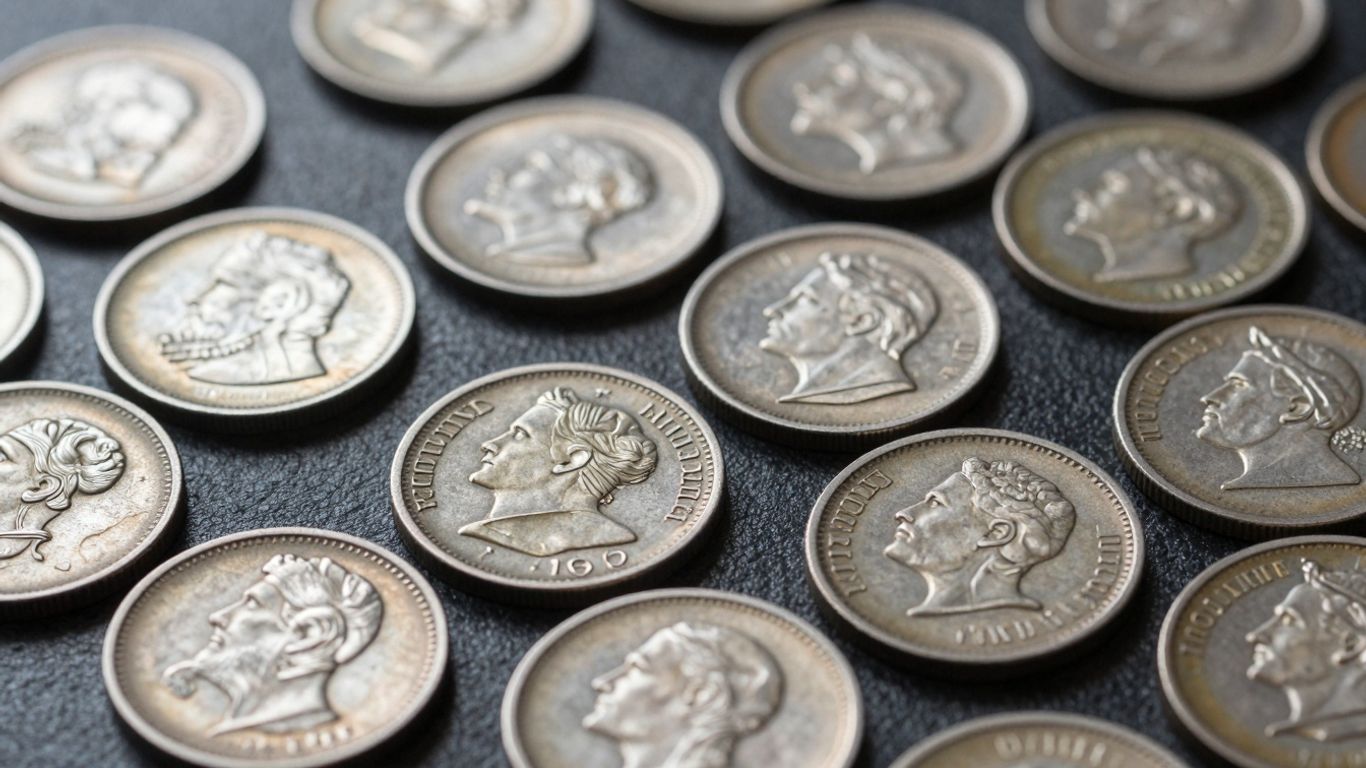
Selling your Barber coins, especially if you’re new to it, can feel like walking through a minefield. There are definitely some common mistakes people make that can cost them a good chunk of money. Let’s talk about a few of the big ones so you can steer clear.
The Dangers of 'Road Buyers'
These are individuals who travel around, often setting up temporary spots in hotels or convention centers, looking to buy coins. While some might be legitimate, many are looking to make a quick profit by buying low. They often prey on sellers who are uninformed or in a hurry. A classic scenario involves heirs who don’t know the true value of a deceased relative’s collection and end up selling it for a fraction of what it’s worth. It’s not uncommon for these ‘road buyers’ to offer significantly less than market value, knowing they can resell the coins for a much higher price. Always be wary of anyone pressuring you to sell on the spot without giving you time to think or get other opinions.
Selling your collection quickly to an unknown buyer can lead to substantial financial losses. It’s always better to take your time and explore multiple avenues for selling your coins to ensure you receive a fair price.
Overpricing Your Barber Coins
It’s natural to want the best price for your coins, but pricing them too high can be just as detrimental as selling too low. If your coins sit on the market for too long without any interest, potential buyers might assume there’s something wrong with them. This can lead to a situation where you eventually have to lower the price significantly, possibly below what you could have gotten initially. It’s important to research recent sales of comparable coins, considering their condition and rarity. For instance, a coin with a minting error might be highly sought after, but its value depends on the specific error and demand coins with minting errors or defects.
Here’s a quick look at factors influencing price:
- Rarity: How many were minted? How many are known to exist today?
- Condition (Grade): Higher grades generally command higher prices.
- Demand: Is this a popular series or a specific date that collectors are actively seeking?
- Market Trends: Coin values can fluctuate based on the overall market.
Not Doing Your Due Diligence
This ties into the previous points. Before you even think about selling, you need to do your homework. This means:
- Researching your coins: Understand what you have. Are they common dates, or are they key dates? Are there any known varieties or errors?
- Checking recent sales: Look at auction records and dealer listings for coins similar to yours. Websites that track coin sales can be very helpful.
- Understanding the market: Know who the major players are in the San Antonio area and beyond. Are there specific dealers who specialize in Barber coinage?
- Getting multiple opinions: Don’t take the first offer you receive. Talk to a few different reputable dealers or consider consignment if you have a high-value collection.
Failing to do this research leaves you vulnerable to being taken advantage of. You might accept an offer that’s far below what your coins are truly worth, simply because you didn’t know any better. Taking the time to educate yourself is the best defense against these common selling mistakes.
Wrapping Up Your Coin Sale
So, you’ve got some Barber coins in San Antonio and you’re ready to sell. We’ve talked about a few ways to go about it, from checking out local coin shops to maybe even looking into online options. Remember, doing a little homework beforehand can really make a difference in getting a fair price. Don’t rush into anything, and try to find a buyer you feel good about. Selling coins can be a good experience if you approach it the right way. Good luck out there!
Frequently Asked Questions
How can I figure out what my Barber coins are worth?
To get a good idea of your Barber coins’ value, you should look at what similar coins have sold for recently at auctions. Also, consider the condition of your coins – are they worn out or in great shape? Sometimes, rare versions or specific dates (called ‘key dates’) can be worth much more.
What are the best places in San Antonio to sell my Barber coins?
In San Antonio, you have a few good options. Local coin shops and dealers are a common choice. You might also find coin shows or conventions where collectors gather. For broader reach, online marketplaces and auctions are available, though they might involve more steps.
Should I get my Barber coins professionally graded before selling?
Getting your coins graded by a professional service like PCGS or NGC can often help you get a better price. These services examine your coin’s condition and give it a grade, which adds trust and value for many buyers. It’s especially helpful for rarer or more valuable coins.
How can I make sure I get a fair price for my Barber coins?
To get the best price, avoid needing to sell your coins too quickly, as this can lead to lower offers. Researching prices and understanding the market can help. It’s also important to negotiate wisely and be prepared to explain why your coin is worth a certain amount, based on its condition and rarity.
How do I find trustworthy coin dealers in San Antonio?
You can find reputable dealers by using online tools that locate coin shops. It’s also wise to check reviews and see what other collectors say about their experiences. Sometimes, dealers specialize in certain types of coins, like Barber coins, which can be very helpful.
Does the grading company (like PCGS or NGC) really affect the price?
Yes, the grading company can make a difference. Coins graded by well-known services like PCGS and NGC often fetch higher prices because buyers trust their assessments. Some coins might even get an extra ‘plus’ from services like CAC, which can add even more value.
Is it better to sell my Barber coins individually or as a collection?
It often depends on the coins. If you have a complete set or a group of very similar coins, selling them together as a collection might attract buyers looking for completeness and potentially fetch a higher overall price. However, if you have a few exceptionally rare or valuable individual coins, selling them separately might yield more.
What are common mistakes to avoid when selling Barber coins?
Be cautious of ‘road buyers’ who offer quick cash but often undervalue your coins significantly. Avoid pricing your coins too high without proper research, as this can scare away potential buyers. Always do your homework on the value and the reputation of the buyer before making a sale.