
Thinking about selling your coins in San Antonio? It’s a big decision, and knowing where to turn makes all the difference. This guide is here to help you figure out the best spots for coin liquidation in San Antonio, looking at what’s available in 2026. We’ll cover different types of buyers and what to expect, so you can get a fair deal for your collection.
Key Takeaways
- When you’re looking to sell coins in San Antonio, you have several choices. You can go to specialized coin dealers who know their stuff, check out local pawn shops, try selling online, or even use auction houses. Each has its own way of working and what it might pay.
- Specialized coin dealers are often the go-to for serious collectors. They know the market well and can give you a good price if you have something valuable. Just make sure you find a dealer who is well-regarded and honest.
- Pawn shops can be quick and easy for selling coins, but they might not offer the top dollar. It’s a good idea to have an idea of what your coins are worth before you walk in, so you know if their offer is fair.
- Online platforms offer a wide reach, letting you connect with buyers from anywhere. However, you need to be careful about security and how you ship your coins to make sure everything goes smoothly and safely.
- Texas Liquidation Outlet offers a different way to sell, using a bidding model. It’s worth looking into to see if their approach could get you a better price for your items compared to traditional methods.
Understanding Coin Liquidation Options in San Antonio
Thinking about selling some of your coins in San Antonio? It’s a good idea to know what your choices are before you start. The coin market here has a few different avenues you can explore, and each has its own way of working. Knowing these options can help you get the best outcome for your collection.
Navigating the San Antonio Coin Market
The coin market in San Antonio isn’t just one big place; it’s made up of several types of buyers and sellers. You’ve got dedicated coin dealers who really know their stuff, general pawn shops that might take coins, and even online platforms. Each place will look at your coins a bit differently. For instance, a specialist coin dealer will likely offer more for rare coins than a pawn shop might, but they might also be pickier about what they buy. It’s a good idea to get a feel for the local scene. You can find lists of coin shops in the area, which can be a starting point for your research. See local coin buyers.
Key Factors for Successful Coin Liquidation
To make sure you get a fair deal when selling your coins, a few things really matter. First, the condition of your coins is a big one. Coins that are well-preserved, with no scratches or damage, are usually worth more. Then there’s the rarity – how many of that specific coin were made, and how many are still around? Finally, market demand plays a role. If a certain type of coin is popular right now, you might get a better price. Think about these points before you approach any buyer.
Preparing Your Coins for Sale
Before you take your coins anywhere, a little preparation can go a long way. Don’t try to clean them yourself! Often, cleaning can actually lower a coin’s value by damaging its surface. Instead, keep them in their current holders or protective sleeves. If you have any paperwork or certificates of authenticity that came with the coins, gather those up too. Having this information ready makes it easier for a buyer to assess your collection. It shows you’ve taken care of your items and are serious about selling.
Specialized Coin Buyers and Dealers
When you’re looking to sell your coins, especially if you have a collection with some real value, turning to specialized coin buyers and dealers in San Antonio is often a smart move. These folks know coins inside and out, which can make a big difference in getting a fair price.
Identifying Reputable Coin Dealers
Finding a dealer you can trust is pretty important. You want someone who’s honest and has a good reputation. Look for dealers who are members of professional organizations like the American Numismatic Association (ANA) or the Professional Numismatists Guild (PNG). These memberships often mean they adhere to a code of ethics. Also, check online reviews and see what other collectors are saying about their experiences. A dealer who’s been in business for a long time in San Antonio is usually a good sign, too.
What to Expect When Selling to a Dealer
When you bring your coins to a dealer, they’ll likely want to examine them closely. They’ll check the condition, rarity, and market demand for each coin. Some dealers might offer to buy your collection outright, while others might offer to sell them on your behalf, taking a commission. It’s good to have an idea of what your coins might be worth before you go in, but be prepared for their appraisal to be different. They need to make a profit, after all.
Here’s a general idea of what a dealer might look for:
- Coin Type: Is it a common date or a rare variety?
- Condition (Grade): How well has the coin been preserved?
- Rarity: How many of these coins were originally minted, and how many still exist?
- Market Demand: Are collectors actively looking for this type of coin right now?
Negotiating Fair Prices for Your Collection
Negotiation is a normal part of selling to a dealer. Don’t feel pressured to accept the first offer. If you’ve done your homework and have a realistic idea of your coins’ worth, you can use that information to discuss the price. Remember, dealers need to buy low enough to resell at a profit. However, a reputable dealer will still offer a price that reflects the coin’s actual market value. If you feel like you’re being lowballed or the dealer isn’t being transparent, it’s perfectly okay to thank them for their time and look elsewhere.
It’s always a good idea to get a second opinion, especially if you have a significant collection. Different dealers might have different perspectives on value or different buyers they can connect you with.
Sometimes, dealers might specialize in certain types of coins. If you have a collection of, say, Morgan silver dollars, finding a dealer who focuses on that area could get you a better offer than a generalist.
Local Pawn Shops and Their Role
Pawn Shops as a Liquidation Avenue
Pawn shops can be a quick way to get cash for your coins, especially if you need it fast. They’re pretty common in San Antonio, so you’re likely to find one nearby. Think of them as a place that offers a loan against your item, or they might just buy it outright. For coins, they’re often looking for items that have a clear resale value, like silver dollars or gold coins that are easily recognizable. It’s not usually the place for super rare or obscure numismatic items, but for more common, valuable metals or popular series, they might be interested.
Pros and Cons of Selling Coins at Pawn Shops
Selling coins at a pawn shop has its ups and downs. On the plus side, it’s usually a very fast transaction. You can walk in, get an offer, and walk out with cash in hand, sometimes within minutes. This speed is a big draw if you’re in a hurry. Also, many pawn shops are conveniently located, making them easy to access.
However, the downside is that pawn shops typically offer much lower prices than specialized coin dealers or collectors. They need to make a profit, so their offer will reflect that. You might also find that their knowledge of specific coin values is limited, especially for older or more complex collections. They might base their offer more on the metal content than the numismatic value.
Here’s a quick look at what to expect:
- Pros:
- Fast cash transactions.
- Convenient locations.
- Simple selling process.
- Cons:
- Lower offers compared to other options.
- Limited knowledge of rare coin values.
- Potential for lowball offers.
Assessing Value Before Visiting a Pawn Shop
Before you head to a pawn shop with your coins, it’s a good idea to have a rough idea of what they might be worth. This doesn’t mean you need a professional appraisal, but a little research goes a long way. Look up your coins online using reputable coin collecting websites or price guides. Pay attention to the date, mint mark, and condition of the coin. Knowing the approximate melt value of silver or gold coins is also very helpful. This way, you’ll have a baseline and can better judge if the offer you receive is reasonable, or if they’re trying to take advantage of your lack of knowledge. It helps you avoid accepting a price that’s far below market value.
Pawn shops are primarily in the business of quick resale and lending. Their offers will reflect this business model, often prioritizing immediate profit over the long-term collector value of your coins. Be prepared for an offer that is significantly less than what a dedicated coin buyer might provide.
Online Platforms for Coin Liquidation
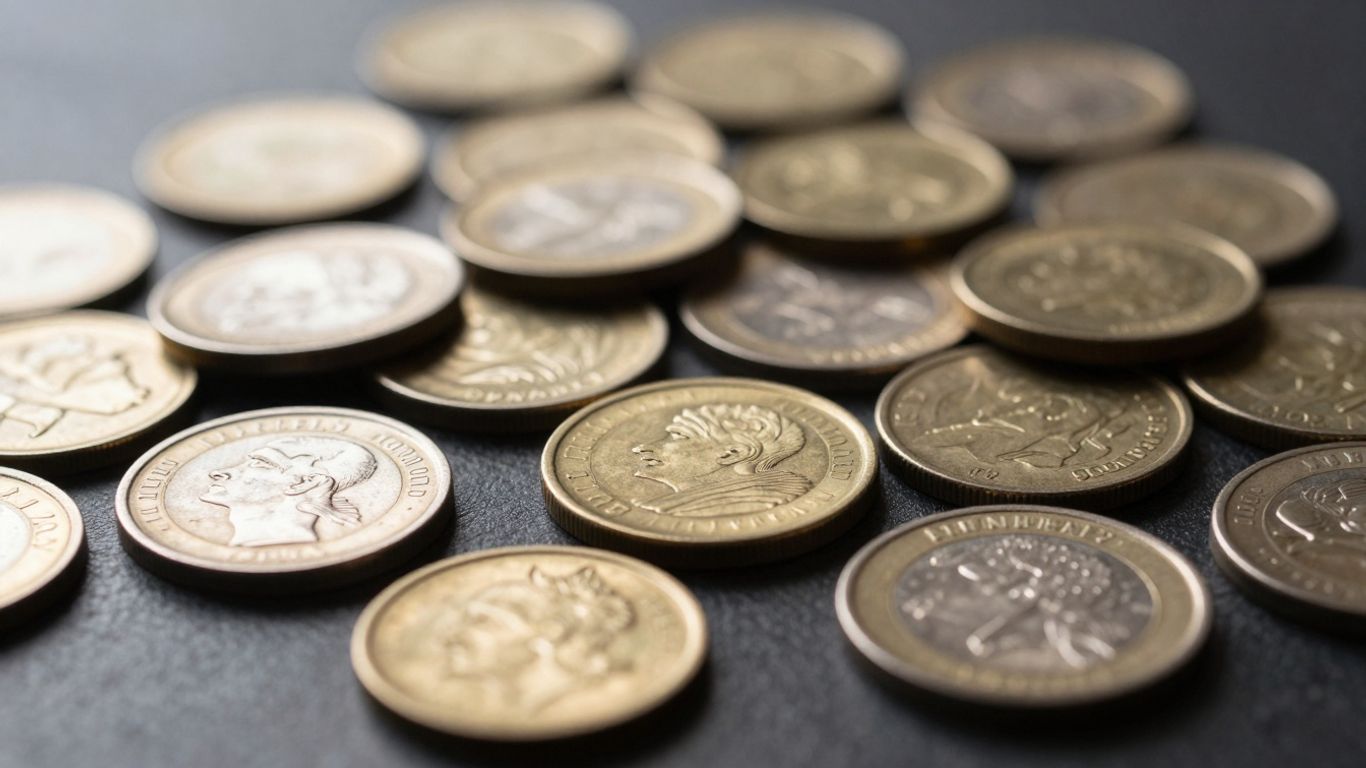
Selling coins online opens up a huge audience, far beyond what you’d find locally in San Antonio. It’s a way to reach collectors and investors all over the country, and even the world. This can mean better prices for your collection, especially for rarer or more specialized coins.
Leveraging Online Marketplaces
There are several types of online platforms you can use. Some are general auction sites where you can list your coins, while others are specifically for collectibles. Each has its own rules, fees, and types of buyers.
- General Auction Sites: Think of places where you can sell almost anything. You set the starting bid, and people bid against each other. This can create excitement and drive up the price, but it also means you might not get what you hoped for if interest is low.
- Specialized Coin Marketplaces: These sites are dedicated to coins and collectibles. They often have a more knowledgeable buyer base, which can be good for getting fair prices. However, they might have stricter listing requirements.
- Direct Sales Platforms: Some platforms allow you to set a fixed price for your coins. This is simpler if you know exactly what you want, but you miss out on the potential bidding war.
The key is to choose a platform that matches your coins and your selling goals.
Security and Trust in Online Transactions
When selling online, trust is a big deal. You want to make sure you’re dealing with legitimate buyers and a secure platform. Look for sites that offer buyer and seller protection. Read reviews about the platform itself, not just the individual sellers.
- Payment Security: Ensure the platform uses secure payment processing. Avoid platforms that ask for direct bank transfers or unusual payment methods.
- Communication: Good platforms facilitate clear communication between buyers and sellers. This helps resolve any questions before a sale is finalized.
- Dispute Resolution: Check if the platform has a system in place to handle disagreements or issues that might arise after a sale.
Always be wary of offers that seem too good to be true. Scammers often prey on sellers who are eager to offload their collections quickly. Do your homework on potential buyers if possible.
Shipping and Handling Considerations
Shipping coins requires care. They are small, valuable, and can be easily damaged if not packed properly. You’ll need to factor in the cost and method of shipping.
- Packaging: Use sturdy boxes and plenty of padding. Consider using a small, sealed bag or container for the coins themselves before placing them in the larger package.
- Insurance: For valuable coins, always insure the shipment for its full value. This protects you if the package is lost or damaged in transit.
- Tracking: Use a shipping service that provides tracking information. This allows both you and the buyer to monitor the package’s progress and provides proof of delivery.
Selling online can be a great way to get your coins in front of a wider audience. Just remember to be cautious, do your research, and pack your items with care. You might even find some interesting crypto lending platforms if you look around online.
Auction Houses and Their Services
Selling coins through an auction house can be a good way to reach a wide range of collectors, potentially fetching higher prices for rare or valuable items. It’s a different approach compared to selling directly to a dealer or pawn shop.
The Auction Process for Coins
When you decide to sell your coins via auction, there’s a general process you’ll follow. First, you’ll need to select an auction house that specializes in numismatics or has a strong track record with coin sales. They will typically appraise your collection to help you set a realistic estimate and reserve price. Once you agree on terms, your coins will be cataloged, photographed, and advertised to potential buyers. The auction itself can be live, online, or a combination of both. After the sale, the auction house handles the payment from the buyer and then pays you, minus their commission and any other agreed-upon fees.
Choosing the Right Auction House
Selecting the correct auction house is pretty important. You want one that has a good reputation and a client base interested in the types of coins you’re selling. Look for houses that:
- Have experience with coins similar to yours (e.g., ancient coins, modern commemoratives, error coins).
- Provide clear and detailed cataloging and marketing for their lots.
- Offer transparent fee structures and payment terms.
- Have a history of successful sales in your coin category.
Understanding Auction Fees and Payouts
Auction houses make money through commissions, and it’s important to know what these are before you commit. Typically, they charge a seller’s commission, which is a percentage of the final sale price. There might also be fees for insurance, photography, cataloging, and advertising. Buyers also pay a premium (buyer’s fee), which is separate from what you pay as a seller. Always get a written agreement detailing all fees and how your payout will be calculated. It’s not uncommon for seller’s commissions to range from 10% to 20%, depending on the value and type of coins.
Selling coins at auction means you’re often exposing your collection to a global market of dedicated collectors. This can lead to competitive bidding, especially for unique or highly sought-after pieces. However, it also means you relinquish control over the final sale price, as it’s determined by what bidders are willing to pay on auction day.
Evaluating Your Coin Collection's Worth
Before you even think about selling your coins, you need to get a handle on what they’re actually worth. It’s not always as straightforward as you might think. A coin’s value can jump around based on a bunch of different things, and knowing these can help you get a fairer price.
Factors Influencing Coin Value
Several elements play a role in how much a coin is worth. It’s a mix of the coin itself and how the market is feeling about it.
- Rarity: How many of these coins were made, and how many still exist today? The fewer there are, generally the more they’re worth.
- Condition (Grade): This is a big one. Coins are graded on a scale, usually from 1 (poor) to 70 (perfect). A coin in better condition will always fetch a higher price.
- Demand: Are collectors actively looking for this specific coin right now? High demand means higher prices.
- Metal Content: For many older coins, the value of the gold, silver, or other precious metal they contain can set a baseline price.
- Historical Significance: Sometimes, a coin’s story or its connection to a specific event can add to its appeal and price.
Utilizing Online Resources for Appraisals
There are plenty of places online where you can get a rough idea of your coins’ worth. Websites dedicated to coin collecting often have price guides and databases. You can look up your coin by its date, mint mark, and condition. These resources are great for a quick check, but remember they’re just estimates. They don’t account for every tiny detail a live person might spot.
When to Seek Professional Appraisal Services
If you have a collection that seems particularly old, rare, or valuable, it might be worth your time and money to get a professional appraisal. A professional appraiser or a reputable coin dealer can give you a much more accurate valuation. They have the experience to spot subtle differences in condition and authenticity that online guides miss. This is especially important if you’re dealing with potentially high-value items or if you plan to sell the collection as a whole.
Getting a solid understanding of your coins’ worth is the first step in making smart selling decisions. Don’t skip this part; it can make a big difference in your final payout.
Maximizing Your Returns on Coin Liquidation
Getting the most out of your coin collection when you decide to sell is the goal, right? It’s not just about finding a buyer; it’s about finding the right buyer and presenting your coins in a way that highlights their true worth. This section will walk you through some practical ways to make sure you’re not leaving money on the table.
Strategies for Better Offers
To get the best possible price for your coins, consider a few key strategies. First, do your homework. Understand what similar coins have sold for recently. This gives you a solid baseline for negotiations. Second, think about the presentation. If your coins are in protective holders, keep them that way. Cleaning coins yourself can actually decrease their value, so resist the urge unless you’re absolutely certain it’s necessary and won’t cause damage. Finally, consider selling your collection as a whole rather than piecemeal, as this can sometimes attract higher offers from dealers looking to acquire a substantial inventory. However, for very rare or high-demand individual pieces, selling them separately might yield more.
Timing Your Sale for Optimal Prices
When you sell can make a difference. The coin market, like many markets, can have its ups and downs. While predicting the market perfectly is impossible, being aware of general trends can help. For instance, sometimes demand for certain types of coins increases around specific events or holidays. Also, consider the economic climate; in times of economic uncertainty, some buyers might be more cautious, while others might see coins as a stable asset. Keeping an eye on numismatic news and trends can provide clues about when demand might be higher for what you own. For those interested in how pricing strategies affect outcomes, looking at event pricing strategies can offer some parallels.
Considering the Buyer's Motivation
Understanding why a potential buyer wants your coins can give you an edge. Are they a collector looking for specific pieces to complete a set? Are they a dealer looking to resell for a profit? Or are they an investor seeing coins as a store of value? A collector might pay a premium for a coin that fills a gap in their personal collection, even if it’s not the absolute highest market value. A dealer will be focused on their profit margin, so they’ll likely offer less than retail. An investor might be more interested in the metal content or the coin’s perceived stability. Tailoring your approach based on who you’re talking to can lead to a more successful transaction.
Selling coins isn’t always a straightforward transaction. It often involves a bit of art and a bit of science. Knowing your coins, knowing the market, and knowing who you’re selling to are the three pillars that support getting a fair price. Don’t rush the process; patience often pays off in the long run.
Texas Liquidation Outlet: A Unique Approach
Understanding the Outlet's Bidding Model
Texas Liquidation Outlet operates a bit differently than your typical coin buyer. Instead of a fixed offer, they use a bidding model. This means items are put up for auction, and interested parties place bids. The highest bid at the end of the auction period wins. It’s a dynamic process that can sometimes lead to surprising results for sellers. You’re essentially letting the market decide the final price.
Potential Benefits for Coin Sellers
This auction-style approach can have some real advantages. For one, if there’s a lot of interest in your coins, the bidding could drive the price up higher than a dealer might offer outright. It’s a chance to potentially get more for your collection, especially if you have rare or in-demand items. Plus, the process can be quite exciting to watch unfold. It’s a different way to sell, and for some, that novelty is part of the appeal.
- Potential for higher returns: Competitive bidding can increase the final sale price.
- Market discovery: See what your coins are truly worth in the current market.
- Transparency: The bidding process is generally open for all to see.
- Variety of items: They often handle a wide range of goods, so coins fit right in.
Assessing Items for Liquidation
Before you bring your coins to Texas Liquidation Outlet, it’s smart to do a little homework. Think about what you have. Are they common circulation coins, or are there any older, rarer pieces in the mix? Knowing a bit about the history or potential rarity of your coins can help you set expectations. It’s also a good idea to organize them, perhaps by denomination or date, if possible. This makes it easier for them to assess and for you to keep track of what’s being sold.
It’s always a good idea to have a baseline understanding of what you’re selling. While the outlet’s model is about market-driven prices, knowing the general category or potential significance of your coins can help you feel more confident throughout the process. Don’t expect them to be numismatic experts for every single item, but a little seller knowledge goes a long way.
The Importance of Due Diligence
Before you hand over your prized coin collection, it’s really important to do your homework. Not all buyers are created equal, and a little bit of research can save you a lot of headaches and potentially more money. Think of it like checking out a mechanic before you let them work on your car – you want to know they’re trustworthy and know what they’re doing.
Researching Potential Buyers Thoroughly
When you’re looking into places to sell your coins, start by checking out their online presence. Do they have a professional website? Are they active on social media? A solid online footprint often indicates a legitimate business. Look for information about their history, their specialization (do they focus on the types of coins you have?), and their contact details. A buyer who is transparent about their business is usually a good sign. It’s also wise to see if they have any affiliations with numismatic organizations, which can suggest a commitment to the coin collecting community.
Reading Reviews and Testimonials
Online reviews can be a goldmine of information. Websites like Google, Yelp, or even specialized coin forums often have feedback from previous customers. Pay attention to recurring themes, both positive and negative. Are people consistently happy with the prices offered? Is the staff knowledgeable and fair? Or are there complaints about lowball offers or dishonest practices? While a few bad reviews are normal for any business, a pattern of dissatisfaction is a major red flag. You can also ask fellow collectors if they have any recommendations or experiences to share. For instance, if you’re considering an auction, it’s wise to read up on their terms, like those for this coin collector’s auction.
Avoiding Scams and Lowball Offers
Unfortunately, there are people out there looking to take advantage of sellers who aren’t well-informed. Be wary of anyone who pressures you to sell immediately or makes an offer that seems too good to be true. Always get multiple opinions and offers before committing to a sale. If a buyer is unwilling to provide a detailed appraisal or explain how they arrived at their offer, that’s another warning sign. Remember, your coins have a certain market value, and a reputable dealer will be able to explain that to you. Don’t be afraid to walk away if something feels off. It’s better to hold onto your collection than to sell it for far less than it’s worth.
Navigating the Legalities of Coin Sales
Selling your coin collection involves more than just finding a buyer; you also need to be aware of the rules and regulations. It’s not overly complicated, but a little knowledge goes a long way to make sure everything is above board.
Understanding Transaction Requirements
When you sell coins, especially valuable ones, there might be specific requirements depending on the buyer and the value of the transaction. Some dealers might ask for identification, particularly for larger sales, to comply with anti-money laundering regulations. It’s always a good idea to have a general idea of what’s expected before you walk into a shop or arrange an online sale.
- Identification: Be prepared to show a valid ID, like a driver’s license or state-issued ID, for significant transactions.
- Payment Methods: Understand how the buyer will pay. Cash is common for smaller amounts, but checks or electronic transfers might be used for larger collections.
- Documentation: For high-value sales, the buyer might provide a receipt or bill of sale. It’s wise to keep this for your records.
Record Keeping for Your Sales
Keeping good records is important, especially if you plan to sell more coins in the future or if you need to track your assets. This helps you remember what you sold, when, and for how much.
- List of Coins Sold: Note down the specific coins, their condition, and any identifying marks.
- Sale Date and Price: Record the exact date of the sale and the amount you received.
- Buyer Information: If possible, note the name of the dealer or buyer and their contact details.
Tax Implications of Coin Liquidation
This is a big one. When you sell something for more than you paid for it, that profit is generally considered a capital gain, and you might owe taxes on it. The rules can get a bit tricky, so it’s best to get a clear picture.
The profit you make from selling coins is typically taxed as a capital gain. If you held the coins for a year or less, it’s a short-term capital gain, taxed at your ordinary income rate. If you held them for more than a year, it’s a long-term capital gain, which usually has a lower tax rate. However, specific rules apply, and consulting a tax professional is highly recommended to understand your personal situation and any potential deductions or exemptions.
It’s always a smart move to talk to a tax advisor or accountant before you finalize any major coin sales. They can help you figure out exactly what your tax obligations might be based on your specific situation and the details of your collection. This way, you won’t have any surprises when tax season rolls around.
Wrapping Up Your Coin Sale in San Antonio
So, you’ve got some old coins you’re looking to turn into cash right here in San Antonio. We’ve looked at a few spots that might work for you in 2026. Remember, doing a little homework before you go can really help. Checking out places like Texas Liquidation Outlet, or even local coin shops, is a good start. Sometimes, just getting a couple of opinions on what your coins are worth can make a big difference. Don’t rush the process, and try to find a buyer you feel good about. Selling coins can be straightforward if you know where to look and what to expect.
Frequently Asked Questions
What are the best ways to sell my coins in San Antonio?
You have several choices for selling coins in San Antonio. You can visit local coin dealers who specialize in numismatics, try pawn shops for a quicker sale, or explore online platforms. Auction houses are also an option for valuable collections. Each method has its own benefits, so consider what’s most important to you, like speed, price, or convenience.
How can I find a trustworthy coin dealer in San Antonio?
To find a reliable coin dealer, look for businesses that are members of professional organizations like the American Numismatic Association (ANA). Check online reviews and ask for recommendations from other collectors. A good dealer will be transparent about their pricing and happy to answer your questions about your coins.
What should I know before selling coins to a pawn shop?
Pawn shops can offer fast cash, but they might not always give you the best price for your coins, as they often need to resell them quickly. It’s wise to get an idea of your coins’ value beforehand, perhaps by researching online or getting a quote from a coin dealer, so you know what a fair offer looks like.
Are online platforms safe for selling coins?
Online platforms can be very effective, but it’s crucial to use reputable ones. Look for sites with strong buyer and seller protection policies, clear shipping instructions, and secure payment methods. Always read reviews and understand the platform’s fees and rules before listing your coins.
How do I figure out how much my coins are worth?
The value of a coin depends on many things, such as its rarity, condition (how worn it is), metal content, and historical significance. You can start by researching online using coin value guides or databases. For rare or particularly valuable coins, getting a professional appraisal from a certified numismatist is highly recommended.
What is Texas Liquidation Outlet, and how does it work for selling coins?
Texas Liquidation Outlet offers a different way to sell items. Instead of a direct sale, they use a bidding model. You might be able to get a good price if multiple buyers are interested in your coins through their platform. It’s worth investigating their specific process to see if it fits your needs.
What steps should I take to get ready to sell my coins?
Before selling, clean your coins carefully – but be very gentle, as improper cleaning can lower their value. Organize your collection, noting any details you know about each coin. Having this information ready will help potential buyers assess your items more easily and could lead to better offers.
What are the tax implications of selling coins?
Depending on the profit you make from selling your coins, there might be tax implications. If your total profit from selling collectibles exceeds certain amounts, you may need to report it. It’s a good idea to consult with a tax professional or refer to official tax guidelines to understand your specific obligations.