
If you’re looking to sell your war nickels, finding the right buyers in San Antonio is key. These coins, minted between 1942 and 1945, contain 35% silver, making them valuable beyond their face value. This guide helps you understand where to find reputable war nickels buyers in San Antonio and how to get the best possible price for your collection.
Key Takeaways
- War nickels are identifiable by their 1942-1945 mint dates and contain 35% silver, making them distinct from other circulating coins.
- Local precious metals dealers and reputable coin shops in San Antonio are the primary places to find buyers for war nickels.
- When evaluating your war nickels, consider both their silver content (melt value) and any potential collector appeal due to condition or rarity.
- Prioritize transparency and check reviews when choosing a dealer; always aim for in-person transactions where you can observe the evaluation process.
- Prepare your collection by organizing and listing your war nickels, and compare offers from multiple San Antonio war nickels buyers to ensure a fair payout.
Understanding Your War Nickels
What Makes Pre-1965 Coins Special
Before 1965, the U.S. Mint used a significant amount of silver in its circulating coinage. Dimes, quarters, and half dollars minted up to and including 1964 were made from a 90% silver and 10% copper alloy. This composition is what makes these older coins attractive to buyers today, as their value is primarily tied to the silver content rather than just their face value. Even though they might only say "10 cents" or "25 cents," the silver inside gives them a much higher worth. These coins are often grouped together and referred to as "junk silver" by dealers. This term doesn’t mean they’re worthless; it simply indicates that their main value comes from the silver they contain, not from being rare collector’s items.
The Impact of the Coinage Act of 1965
The landscape of U.S. coinage changed dramatically with the Coinage Act of 1965. This legislation led to the removal of silver from dimes and quarters. Starting in 1965, these coins were produced with a "clad" composition, meaning they have a core of pure copper sandwiched between two outer layers of a copper-nickel alloy. This change was a response to rising silver prices and the need for a more stable and cost-effective coinage system. While they look similar to their silver predecessors, they contain no actual silver. Half dollars had a slightly different transition; they were made with 40% silver from 1965 to 1970 before also moving to the clad composition. This means that if you have dimes or quarters dated 1965 or later, they are not silver.
Why U.S. Coins Stopped Containing Silver
Several factors contributed to the U.S. Mint’s decision to stop using silver in most circulating coins. The price of silver began to climb significantly in the mid-20th century, making it more profitable to melt down silver coins for their metal content than to use them as currency. This led to a shortage of silver coins in circulation. The Coinage Act of 1965 was enacted to address this issue. By switching to a copper-nickel clad composition, the government could ensure a steady supply of coins without being dependent on the fluctuating price of silver. This move effectively ended the era of silver as a standard component in everyday U.S. dimes, quarters, and half dollars intended for general circulation.
War nickels, minted between 1942 and 1945, are a unique category. Due to nickel shortages during World War II, these nickels were made with 35% silver and 65% copper. While not as silver-rich as dimes and quarters from the same era, they are still of interest to buyers looking for silver content.
Here’s a quick look at the composition changes:
- Dimes & Quarters:
- Pre-1965: 90% Silver
- 1965 and later: Copper-Nickel Clad (No Silver)
- Half Dollars:
- Pre-1965: 90% Silver
- 1965-1970: 40% Silver
- 1971 and later: Copper-Nickel Clad (No Silver)
- War Nickels (Special Case):
- 1942-1945: 35% Silver
Where to Find War Nickels Buyers in San Antonio
If you have a stash of war nickels and want to turn them into cash, San Antonio has several local options worth considering. Understanding the differences between the types of buyers will help you get a solid price and a straightforward, safe experience.
Local Precious Metals Dealers
These businesses work with gold, silver, and other metals every day—they know exactly how to test and appraise the metal content in your war nickels. Precious metals dealers tend to be transparent about their weighing and payouts. When you stop by, they’ll check the coin’s weight and tell you what percentage is silver, then base their price off that calculation. If you’re not sure where to begin, local dealers are often a reliable starting point.
Here are things to look for in a precious metals dealer:
- Registered with the state of Texas
- Willing to show you their weighing and testing process
- Provides clear, written documentation for your transaction
If you’re bringing in a whole batch of coins, splitting them up by year or type can help the process go faster and make sure nothing gets overlooked.
Reputable Coin Shops
Coin shops aren’t just for collectors—they’re excellent places to sell war nickels for their metal value, and sometimes for collector premiums if your coins are in good shape. San Antonio has several shops that make buying and selling coins easy for anyone, including well-known local names. Staff are usually knowledgeable about war nickel values, including factors that might push a price higher.
Why choose a coin shop?
- They recognize collector interest: Unique dates, mint marks, or high-grade coins may fetch more.
- Safe, in-person transactions
- You can ask questions and get direct feedback about value and market trends
Specialized Silver Buyers
These buyers focus mainly on the metal value of silver coins, including war nickels—especially handy if your coins are heavily worn or you’re selling in bulk. Specialized buyers often work with bullion and junk silver, so they won’t turn up their noses at circulated coins.
Common characteristics of specialized silver buyers:
- Direct, to-the-point offers based on silver melt value
- Quick payment, often in cash
- Ability to handle large quantities of war nickels at once
- If your main concern is turning coins into cash quickly, and condition isn’t a top priority, a specialized silver buyer might be the simplest route. Still, compare a few offers if you have time—prices can vary even for bulk sales.
Keep in mind, finding the right local buyer is as much about comfort and understanding the process as it is about getting the best deal. A little research and a couple of in-person visits will go a long way toward helping you sell your war nickels confidently.
Evaluating Your War Nickel Collection
What Makes Pre-1965 Coins Special
Before you head out to sell your war nickels, it’s a good idea to understand what makes them, and other coins from before 1965, interesting to buyers. The main draw for most buyers isn’t necessarily the coin’s design or historical significance, but rather the metal content. Specifically, U.S. dimes, quarters, and half dollars minted before 1965 are made of 90% silver. This is a key detail that drives their value. War nickels, minted between 1942 and 1945, are a bit different. Because nickel was needed for the war effort, these nickels were made with 35% silver and 65% copper. This unique composition makes them stand out from regular nickels and also gives them a silver-based value.
The Impact of the Coinage Act of 1965
The Coinage Act of 1965 really changed things for U.S. coins. Before this act, many circulating coins, like dimes, quarters, and half dollars, contained actual silver. This act removed most of the silver from these coins, replacing it with a copper-nickel clad composition. This means that dimes and quarters minted after 1965 no longer contain silver, and half dollars were reduced to containing only 40% silver until 1970. For collectors and investors looking for silver content, coins minted before this date are the ones that hold that intrinsic metal value.
Why U.S. Coins Stopped Containing Silver
So, why did the U.S. stop putting silver in its everyday coins? It really came down to economics and the rising price of silver. As the value of silver increased, the melt value of the silver in a coin started to exceed its face value. This meant people might be tempted to melt down coins just to get the silver, which isn’t good for circulation. The government decided it was more practical to remove the silver and use less valuable metals for coinage. This shift is why coins from before 1965, especially those with higher silver content like dimes, quarters, and half dollars, are sought after by buyers interested in the silver itself.
Understanding Face Value vs. Silver Content
When you’re looking at your war nickels, or any pre-1965 silver coins, it’s important to know there’s a difference between their face value and their actual worth based on silver. A nickel’s face value is, well, five cents. But a war nickel, because it contains silver, is worth much more than five cents. Buyers typically pay based on the silver content, often referred to as ‘melt value’. This is calculated by the amount of silver in the coin multiplied by the current market price of silver. While some coins might have collector value, for common circulated coins like war nickels, the silver content is usually the primary driver of their price.
Assessing Silver Content and Purity
For war nickels, the silver content is pretty specific: they are 35% silver. This is a fixed percentage for all nickels minted between 1942 and 1945. Other pre-1965 U.S. dimes, quarters, and half dollars are typically 90% silver. Buyers will often group these coins together when calculating value, especially if they are common and in circulated condition. They might weigh a batch of coins to determine the total silver content, rather than assessing each coin individually. Purity is generally straightforward for these types of coins; it’s the condition and rarity that can add complexity.
Identifying Potential Collector Appeal
While most buyers are primarily interested in the silver content of war nickels, some might have a bit of collector appeal. This usually comes down to a few factors. First, the condition of the coin plays a big role. A war nickel that is in exceptionally good condition, showing little wear, might be more desirable than one that is heavily circulated. Second, mint marks can sometimes matter. For example, the ‘D’ mint mark (Denver) on a 1942 nickel is less common than the ‘P’ (Philadelphia) or ‘S’ (San Francisco) mint marks for that year. While these factors might not dramatically increase the price for a single war nickel, they can be points of interest for specialized collectors or dealers who handle a wider range of numismatic items.
Choosing Trustworthy San Antonio War Nickel Dealers
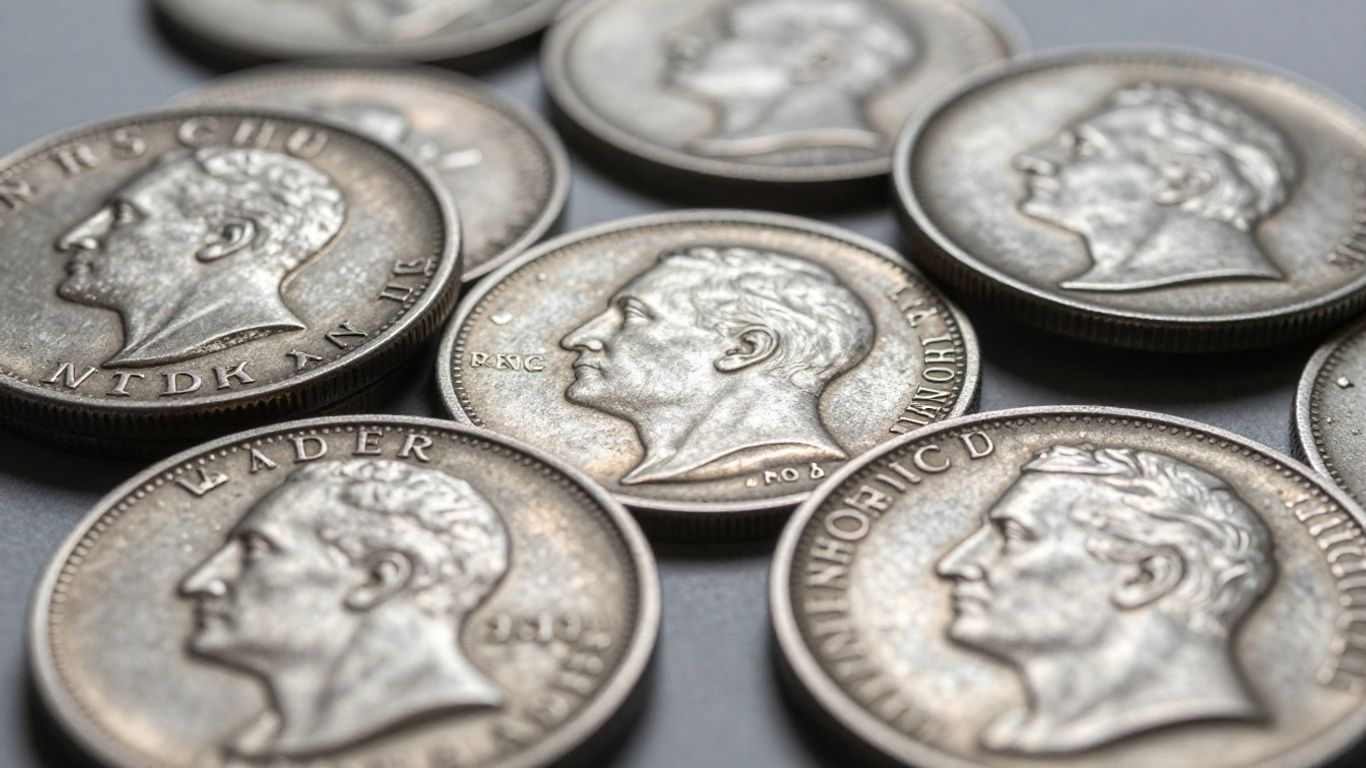
Finding the right place to sell your war nickels in San Antonio is pretty important. You want to make sure you’re dealing with folks who know their stuff and treat you fairly. It’s not just about getting some cash; it’s about having a decent experience too. So, how do you pick the right buyer?
Checking Reviews and Reputation
Before you even step foot in a shop, do a little digging online. See what other people are saying about them. A quick search on Google or Yelp can tell you a lot. Are customers generally happy? Do they mention feeling respected and getting fair prices? A dealer with a solid history of good feedback is usually a safe bet. If you see a bunch of complaints about low offers or shady dealings, it’s probably best to just keep looking.
Prioritizing Transparency in Transactions
When you’re talking with a potential buyer, pay attention to how they explain things. A good dealer won’t be secretive about how they figure out the value of your coins. They should be willing to show you their pricing, explain their calculations, and answer any questions you have. This might include:
- Explaining how they determine the silver content.
- Showing you the current market price for silver.
- Detailing any fees or commissions they might take.
A transparent transaction means you can see exactly how your payout is calculated. There should be no hidden costs or confusing terms. You should feel informed and confident about the offer you receive.
Verifying Dealer Credentials
While not always strictly required for every transaction, looking into a dealer’s credentials can offer peace of mind. Some dealers might be members of professional organizations, which often have codes of conduct. You can also check if they are registered with the state or local business authorities. For instance, places like Harry’s Coins and Jewelry are known for their professional service, which can be a good indicator of a reputable establishment. It’s about finding someone you can trust with your collection.
The Importance of In-Person Transactions
When it comes to selling something like your war nickels, especially when you’re looking for the best price and a trustworthy experience, meeting buyers face-to-face in San Antonio really makes a difference. It’s not just about convenience; it’s about having a more secure and transparent process.
Benefits of Physical Locations
Having a local, physical shop to visit offers a level of comfort that online transactions just can’t match. You know where they are, and they have a reputation to uphold within the community. This means you can:
- Visit a brick-and-mortar store: You can physically go to their business location. This makes them accountable.
- Stay with your coins during evaluation: You don’t have to hand over your collection and wait in another room. You can watch them assess each coin.
- Receive immediate payment: Most reputable dealers with physical locations can pay you in cash right then and there.
Dealing with a local buyer means you can see exactly what’s happening with your coins. You can ask questions as they examine them and feel more in control of the entire sale.
Observing the Evaluation Process
One of the biggest advantages of an in-person transaction is the ability to witness how your war nickels are evaluated. A good buyer will be open about their methods. They should be willing to show you:
- How they test for silver content: This might involve a specific gravity test or other methods.
- How they determine the weight: They should use a calibrated scale.
- Current market prices: They should be able to show you the spot price of silver they are using for their calculations.
This direct observation helps you understand the offer you’re receiving and builds confidence in the buyer’s assessment. If a dealer seems hesitant to let you watch or asks you to leave your coins, it’s a good reason to be cautious.
Avoiding Online Mail-In Offers
While the idea of mailing your coins to a buyer might seem simple, it often introduces unnecessary risks. Once your coins are in transit, you lose direct oversight. It can be harder to resolve disputes if you feel the offer you receive doesn’t reflect the true value of your collection. Mail-in services can also be less transparent about their evaluation methods and fees. For these reasons, sticking to local, in-person transactions in San Antonio is generally the safer and more reliable route for selling your war nickels.
Preparing Your War Nickels for Sale
Before you head out to meet with potential buyers in San Antonio, taking a little time to get your war nickels ready can make a big difference. It’s not about making them look brand new – in fact, trying to clean them can actually hurt their value. Instead, it’s about organization and knowing what you have.
Organizing Your Collection
Start by gathering all your war nickels (those minted between 1942 and 1945) in one place. If you have a mix of other coins, it’s helpful to group your war nickels together. This makes it easier to see the scope of what you’re selling. The goal here is to have a clear picture of your collection before you even talk to a buyer.
Creating an Inventory List
Once your coins are organized, make a list. This doesn’t need to be fancy; a simple notebook or a spreadsheet will do. For each type of coin, note the denomination, the year, and the approximate quantity you have. For example:
- War Nickels (35% Silver): 1942 (5 coins), 1943 (12 coins), 1944 (8 coins), 1945 (10 coins)
- Other Silver Coins (90% Silver): Dimes (20 coins), Quarters (15 coins), Half Dollars (5 coins)
Listing out your coins helps you keep track of everything and presents you as a prepared seller. It also helps prevent any misunderstandings during the evaluation process. If you’re unsure about a coin’s year or type, it’s okay to note that down and ask the buyer about it.
Understanding Current Market Prices
It’s a good idea to get a general sense of what your war nickels are worth before you go to sell them. Their value is primarily based on their silver content, which is 35% for nickels made between 1942 and 1945. You can look up the current price of silver and do a quick calculation. Remember that buyers will offer a price based on the silver content, and potentially a small premium if the coins are in exceptionally good condition or have collector appeal, though this is less common for war nickels.
Buyers are generally most interested in U.S. dimes, quarters, and half dollars that were minted before 1965. These coins are made of 90% silver. War nickels are a bit different, containing 35% silver, and are also of interest to buyers.
Getting a fair price for your silver coins involves a bit of homework, but it’s well worth the effort. Knowing the basic value of your coins and dealing with reputable, registered buyers will make the whole experience much smoother and more profitable.
Navigating Offers from San Antonio Buyers
When you decide to sell your pre-1965 silver coins in San Antonio, you’ll likely encounter various offers. It’s important to understand how these offers are put together and what factors influence them. This knowledge helps you avoid getting less than your collection is worth.
How Payouts Are Calculated
Buyers typically determine their offer based on the silver content of your coins and the current market price of silver. They will weigh your coins to find the total silver weight and then multiply that by a percentage of the spot price of silver. This percentage is often referred to as the buyer’s "bid price" or "buy rate." For example, if silver is trading at $25 per ounce, and a buyer offers 85% of the spot price, they are offering $21.25 per ounce of silver content in your coins.
Here’s a simplified look at the calculation:
- Total Silver Weight: The combined weight of the silver in your coins.
- Spot Price of Silver: The current market price per ounce of pure silver.
- Buyer’s Percentage: The portion of the spot price the buyer is willing to pay.
- Offer Amount: (Total Silver Weight) x (Spot Price of Silver) x (Buyer’s Percentage)
It’s important to know that the payout is almost always based on the melt value of the silver, not the face value of the coins.
Understanding Melt Value
Melt value refers to the worth of a coin if it were melted down and sold purely for its metal content. For war nickels, which are 35% silver, this value is directly tied to the fluctuating price of silver on the global market. Buyers will use the current spot price of silver to calculate this. For instance, if the spot price of silver is $25 per ounce, and a war nickel contains approximately 0.102 troy ounces of silver, its melt value would be around $2.55 (0.102 oz * $25/oz). However, buyers will offer a percentage of this melt value, as they need to account for their own costs and profit.
Buyers will assess your coins based on their silver content, condition, and any potential collector appeal. However, for most war nickels, the primary driver of value is the silver itself.
Recognizing Fair Offers
A fair offer means you’re getting a price that reflects the current market value of the silver in your coins, minus a reasonable amount for the dealer’s profit and operational costs. It’s wise to compare offers from multiple reputable dealers. If one offer seems significantly lower than others, it might be a sign to look closer or walk away. Always ask the dealer to explain their offer and how they arrived at it. A transparent dealer will be happy to do so. Remember, you are not obligated to accept any offer presented to you.
Key San Antonio Coin and Bullion Dealers
When you’re ready to sell your war nickels in San Antonio, knowing a few reliable places to go can make all the difference. It’s not just about finding any buyer, but one who understands the value of these coins and treats you fairly. Here are a few local spots that have a good reputation for dealing with coins and precious metals.
Lone Star Coins, LLP
Lone Star Coins has been a fixture in San Antonio for a long time, serving collectors for over four decades. They handle a wide variety of U.S. coins, foreign coins, and even ancient ones. If you’ve got more than just war nickels, they also buy and sell gold and silver bullion, and even take scrap gold and silver. They have a good selection of items, and you can even check out some of their stock online. They also provide daily prices for common gold and silver items, which is helpful.
- Address: 2622 NW Loop 410, San Antonio, TX 78230
- Phone: (210) 735-7131
- Specialties: U.S. coins, foreign coins, ancient coins, gold and silver bullion, scrap gold and silver.
Alamo Coins
Located conveniently, Alamo Coins is a family-owned business that has been part of the San Antonio community for more than thirty years. They offer a broad range of coins, from rare gold pieces to older silver dollars, aiming to serve collectors of all levels. The staff here are known for their passion and willingness to share knowledge about coins, making it a welcoming place for both new and experienced collectors.
- Focus: Diverse coin selection, knowledgeable staff.
- Atmosphere: Family-owned, welcoming to all collectors.
Texas Coin & Bullion
This dealer is recognized for having a large inventory of coins and precious metals. What sets them apart is their staff’s knowledge. They don’t just make a sale; they aim to educate customers about market trends and investment aspects of coins. This commitment to customer education is a strong indicator of a trustworthy dealer. If you’re looking to understand more about your collection while selling, this could be a good place to visit.
- Key Feature: Educated staff providing market insights.
- Inventory: Extensive selection of coins and bullion.
When looking for a dealer, remember that their willingness to explain their process and pricing is a good sign. A place that openly discusses how they value your war nickels, perhaps showing you the current silver price and how it relates to your coins, is generally a better choice than one that is vague or rushed.
What Buyers Look For in War Nickels
When you’re looking to sell your old war nickels, it helps to know what buyers are actually interested in. It’s not always about finding a rare collectible; often, it’s about the silver content itself. Most buyers in San Antonio will be looking at a few key things.
Focus on Silver Content
War nickels, minted between 1942 and 1945, are a bit different from other pre-1965 coins. Because of nickel shortages during World War II, these coins were made with 35% silver and 65% copper, instead of the usual 90% silver and 10% copper found in dimes, quarters, and half dollars from that era. This silver content is the primary driver of their value for most buyers. They’re not typically considered "junk silver" in the same way as dimes and quarters, but their worth is still largely tied to the precious metal they contain. Buyers will often calculate their offer based on the current market price of silver, multiplied by the amount of silver in the coins you have.
Condition and Wear
While the silver content is key, the condition of your war nickels also plays a role. Coins that are heavily worn, with smooth surfaces and indistinct details, will be valued lower than those that show more of their original design. Buyers look for coins where the details are still visible, like the portrait of Thomas Jefferson or the Monticello building. However, it’s important to remember that for most war nickels, the collector value due to condition is minimal. The silver content is almost always the most significant factor. Trying to clean or polish the coins yourself can actually damage them and reduce their value, so it’s best to leave them as they are.
Rarity and Mint Marks
Unlike many other silver coins, war nickels are generally not rare. Millions were produced during the war years. However, the mint mark can sometimes make a slight difference. The mint marks for war nickels are ‘P’ (Philadelphia), ‘D’ (Denver), and ‘S’ (San Francisco). While all are common, some collectors might have a slight preference for certain mints, but this rarely impacts the price significantly for the average seller. The overwhelming majority of the value comes from the silver. You might hear about specific dates or mint marks being more sought after, but for the typical seller, focusing on the silver weight is the most practical approach.
Maximizing Your War Nickel Sale
So, you’ve got these old nickels, the ones from World War II that actually have silver in them. Pretty neat, right? Now you’re ready to sell them, and you want to make sure you get the best deal possible. It’s not just about handing them over; it’s about getting what they’re worth. Here’s how to make sure you’re getting the most out of your collection.
Comparing Multiple Offers
Don’t just take the first offer you get. It’s like shopping around for anything else – you want to see what different places are offering. Each buyer might have a slightly different way of valuing your coins, and some might pay a bit more than others. It’s a good idea to visit at least two or three different dealers in San Antonio. This way, you can get a feel for the market and see who is offering the most competitive price for your specific coins. Remember, they are looking for the silver content, and the price of silver changes.
Negotiating Effectively
Once you have a few offers, you can start talking. If one dealer offers you a price that’s close to another, but not quite there, you can mention the other offer. Sometimes, they’ll be willing to meet or beat it to get your business. Be polite but firm. You know what your coins are worth based on the silver content and any potential collector appeal. Don’t be afraid to ask questions about how they arrived at their offer. If you’ve done your homework on the current silver prices, you’ll be in a better position to negotiate. You can use resources like NGC Coin Explorer to get a better idea of coin details.
Securing Your Payment
When you finally agree on a price, make sure you get paid right away. Most reputable dealers will pay you in cash on the spot. This is the safest and most straightforward way to complete the transaction. Avoid any situation where you have to wait for a check or a wire transfer, especially if you’re selling in person. You want to walk away with your payment in hand. It’s also a good idea to get a simple receipt that lists the coins sold and the total amount paid, just for your records. This confirms the transaction and provides a clear record of the sale.
Final Thoughts on Selling Your War Nickels in San Antonio
So, you’ve got some old war nickels, maybe from a collection or just change you’ve held onto. Finding the right place to sell them in San Antonio doesn’t have to be a headache. Remember to look for dealers who are licensed and have good reviews. It’s always best to go in person, see the evaluation happen right in front of you, and ask questions. Don’t feel rushed, and make sure you understand how they’re figuring out the value. By doing a little homework and choosing a reputable buyer, you can turn those pre-1965 silver coins into cash with confidence.
Frequently Asked Questions
What makes coins from before 1965 special?
Coins made before 1965, like dimes, quarters, and half dollars, are special because they contained actual silver. Specifically, they were made of 90% silver. After 1964, the U.S. government changed the way coins were made, and they stopped using silver in most circulating coins.
Where can I sell my old silver coins in San Antonio?
In San Antonio, you can sell your pre-1965 silver coins to local precious metals dealers, coin shops that are known to be trustworthy, or places that specifically buy silver. It’s generally best to find businesses that have a physical store you can visit.
How do I know how much my silver coins are worth?
The value of your silver coins is mainly based on two things: how much silver is in them and their condition. While a coin might say it’s worth 25 cents (a quarter), its real value comes from the silver it contains. Sometimes, if a coin is very rare or in perfect shape, it could be worth even more than its silver content.
Why did U.S. coins stop containing silver?
The main reason was money. The price of silver went up so much that the silver inside a coin became worth more than the coin’s printed value. This made people want to save or even melt down the coins. To fix this, the government changed the law in 1965 and started making coins out of a mix of copper and nickel instead of silver.
What should I look for when choosing a dealer in San Antonio?
When picking a dealer, check what other people say about them online by looking at reviews. Make sure they are open about how they figure out the value of your coins and explain their prices clearly. It’s also good if they have a real store you can go to.
Is it better to sell my coins in person or by mail?
Selling your coins in person is usually the best way. You can see exactly how they are evaluated, ask questions, and get paid right away. Mail-in offers can be risky because you don’t have as much control, and it’s harder to be sure you’re getting a fair deal.
What do buyers usually care about when buying silver coins?
Most buyers are most interested in the amount of silver in your coins. They will weigh them to figure out the total silver content. While the condition and if the coin is rare can add value, the silver itself is the main factor for many buyers, especially for common older coins.
How can I get the most money for my silver coins?
To get the best price, get a few different offers from different buyers in San Antonio. This way, you can compare them and see who offers the most. Be prepared by knowing the approximate silver value and don’t be afraid to ask questions or negotiate respectfully.