
Thinking about selling your three cent pieces in San Antonio? It can feel like a puzzle trying to figure out who actually buys these old coins and how to get a good price. This guide is here to help you sort through the options, whether you’re looking to sell locally or online. We’ll cover how to find reliable buyers and what to expect when you’re ready to make a sale.
Key Takeaways
- Local coin shops in San Antonio are a good place to start when looking for three cent pieces buyers.
- Understanding the condition and any rare varieties of your three cent pieces will help you get a better offer.
- Online auction sites and reputable coin dealers can also be options for selling your collection.
- Getting offers from multiple three cent pieces buyers in San Antonio can help you get the best possible price.
- Properly handling and researching your coins before selling can make the process smoother and more profitable.
Locating Three Cent Pieces Buyers in San Antonio
Understanding the Value of Your Three Cent Pieces
Figuring out what your three-cent pieces are actually worth can feel like a puzzle. It’s not just about the metal content, though that’s part of it. Several things play a role in how much a coin might fetch. The year it was made, how many were produced, and the overall condition are big factors. A coin that’s been worn down from years of handling will naturally be worth less than one that looks like it just came from the mint. Also, some years had fewer coins made, making them rarer and potentially more desirable to collectors.
- Condition: Is it shiny and new-looking, or heavily worn?
- Rarity: How many of this specific coin were made?
- Mint Mark: Some coins have small letters indicating where they were made, which can affect value.
- Demand: Are collectors actively looking for this type of coin right now?
It’s easy to get caught up in the idea of finding a hidden treasure, but a realistic approach is best. Most circulated coins have a modest value, but understanding the specifics helps you know what to expect.
Where to Sell Your Three Cent Pieces Locally
When you’re ready to sell, San Antonio has a few spots where you can take your three-cent pieces. Local coin shops are often the first place people think of. These places usually have people who know a lot about coins and can give you an idea of what yours are worth. Sometimes, you might find dealers who specialize in certain types of coins, which could be good if you have a specific collection. It’s a good idea to check out a couple of different places before you decide where to sell. This way, you can compare offers and get a feel for who seems most knowledgeable and fair.
Getting a Fair Offer for Your Collection
To make sure you get a good deal, it’s smart to do a little homework before you talk to any buyers. Try to find out as much as you can about your coins. Look up the dates, mint marks, and any special features. Websites dedicated to coin collecting or even books can be helpful. Once you have some information, you can approach potential buyers. Don’t be afraid to ask questions about how they arrived at their offer. A reputable buyer will be happy to explain their valuation process. If an offer seems too low, or if the buyer is vague, it might be best to look elsewhere. Remember, you want to sell your coins, but you also want to feel good about the price you receive.
| Coin Type | Potential Value Range (USD) |
|---|---|
| Three Cent Nickel | $5 – $50+ |
| Three Cent Silver | $10 – $100+ |
Note: These are general ranges and actual values depend heavily on condition, rarity, and market demand.
Expert Evaluation for Your Three Cent Pieces
Coin Shop Expertise in San Antonio
When you’re looking to get a solid idea of what your three cent pieces are worth, heading to a local coin shop in San Antonio is a smart move. These places are filled with people who spend their days looking at coins, old and new. They’ve seen a lot of different coins, including three cent pieces, and they know what to look for. They can tell you if your coin is common or if it’s something special that collectors are hunting for. It’s like taking your coin to a specialist doctor; they have the training and experience to give you a good assessment.
Assessing Condition and Rarity
Figuring out how much a coin is worth really comes down to two main things: its condition and how rare it is. For three cent pieces, condition is judged by how worn the coin looks. Is the design sharp and clear, or is it smoothed over from a lot of handling? Coin grading services use a scale, but even without that, you can usually tell if a coin looks pretty new or pretty beat up. Rarity is a bit trickier. It depends on how many were made in the first place, how many still exist today, and if there are any specific errors or unique features that make a particular coin stand out. Sometimes, a coin that looks ordinary can be quite rare if it has a specific mint mark or was made in a year with low production numbers.
Here’s a general idea of how condition can affect value:
| Condition Grade | Description |
|---|---|
| Uncirculated | No signs of wear; retains original mint luster. |
| About Uncirculated | Very slight wear, almost uncirculated. |
| Extremely Fine | Slight wear visible on high points. |
| Very Fine | Moderate wear, but all details are still clear. |
| Fine | Significant wear, but the coin’s outline is clear. |
| Good | Very worn, details are faint but visible. |
Understanding Market Value Trends
Coin values aren’t set in stone; they change over time based on what collectors want and what’s available. The market for three cent pieces can be influenced by a few things. If more people suddenly start collecting them, prices might go up. Conversely, if a lot of rare three cent pieces suddenly appear on the market, that could bring prices down. It’s also worth noting that different types of three cent pieces might be more popular than others. For example, the early nickel three cent pieces might have a different demand than the later copper-nickel ones. Staying aware of these trends can help you decide the best time to sell your coins for the most money.
Getting an expert opinion is more than just finding out a number; it’s about understanding the story behind your coin and what makes it desirable to collectors. This knowledge helps you make informed decisions when it’s time to sell.
Selling Your Three Cent Pieces Online
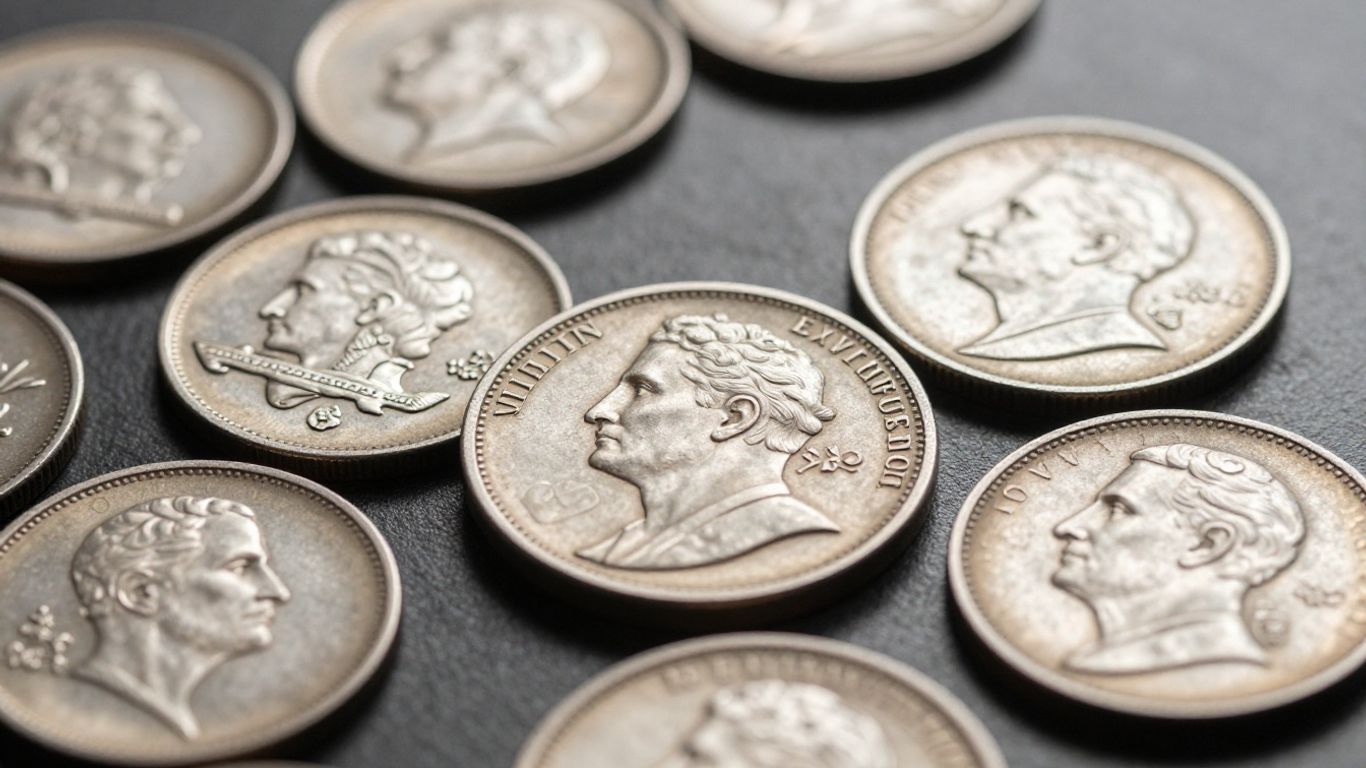
Selling your three cent pieces online opens up a world of potential buyers far beyond San Antonio. It’s a way to reach collectors who might be actively searching for the exact coins you have. While it requires a bit more effort in terms of listing and shipping, the reach can be significant.
Online Auction Platforms
Platforms like eBay are popular for selling all sorts of items, including coins. You can list your three cent pieces, set a starting bid, and let the auction run its course. This can sometimes drive prices up if multiple collectors are interested. It’s important to take clear photos and write detailed descriptions to attract bidders. Remember, the final price is determined by what people are willing to pay on that specific day.
Reputable Online Coin Dealers
Beyond general auction sites, there are specialized online coin dealers. These businesses often have a dedicated customer base looking for specific types of coins. Some may even have an "online store" section where you can list your items directly or sell them outright. Researching these dealers is key; look for those with good reviews and a history of fair dealings. They might offer a more straightforward sale than an auction, but potentially at a slightly lower price point than what an auction might achieve.
Secure Online Transactions
When selling online, security is a big deal. You want to make sure you get paid and that the buyer receives the coin safely. Using payment methods that offer protection for both parties is a good idea. For shipping, always use a trackable method, and consider insuring valuable shipments. Clear communication with the buyer throughout the process is vital for a smooth transaction.
Here’s a quick look at what to consider:
- Platform Choice: General auction sites vs. specialized coin dealer sites.
- Listing Details: High-quality photos and accurate descriptions are a must.
- Payment Security: Use trusted payment processors.
- Shipping: Always use tracked and insured shipping for valuable items.
Selling online means you’re not limited to local buyers. This can be a huge advantage if your coins are particularly rare or in high demand. Just be prepared to handle the logistics of listing, communicating, and shipping.
In-Person Selling Options for San Antonio Collectors
When you’re ready to sell your three cent pieces, meeting buyers face-to-face in San Antonio can offer a direct and personal experience. This approach allows for immediate interaction and assessment of your coins. Several avenues exist for such transactions, each with its own benefits.
Visiting Local Coin Shops
San Antonio hosts several coin shops that specialize in buying and selling numismatic items. These establishments often have knowledgeable staff who can provide on-the-spot evaluations. It is advisable to visit multiple shops to compare offers. Some well-regarded local options include Nacogdoches Gold & Silver Exchange and Texas Coins, known for their fair dealings and extensive knowledge of precious metals and collectibles.
When you visit a coin shop, consider the following:
- Preparation: Have a general idea of what you possess. While the dealer will appraise them, knowing if you have common or rare dates can be helpful.
- Observation: Pay attention to how the dealer handles your coins and explains their valuation process.
- Questions: Don’t hesitate to ask about their offer and how they arrived at it.
Private Appointments for Valuations
For those with larger or more specialized collections, arranging a private appointment can be beneficial. This allows for a more focused and unhurried evaluation of your three cent pieces. Some dealers, like Alamo Heights Coin Shop, offer personalized consultations where they can dedicate more time to assessing the condition, rarity, and market value of your specific coins. This can be particularly useful if you’re unsure about the significance of certain varieties or historical context.
During a private appointment, expect:
- A detailed examination of each coin.
- Discussion about the factors influencing its worth.
- An opportunity to ask in-depth questions about your collection’s potential.
Direct Sales to Dealers
Selling directly to a dealer means you are engaging with a professional buyer who understands the coin market. This can streamline the selling process, as dealers are typically ready to make an offer if they are interested in purchasing your three cent pieces. They often have a constant need for inventory and may be willing to pay competitive prices. For instance, Great Southern Coins, while located in Boerne, TX, works with collectors and dealers to acquire quality coins and may be interested in purchasing items from San Antonio residents. They emphasize their expertise in evaluating coins and their commitment to authenticity.
Key considerations for direct sales:
- Reputation: Research the dealer’s standing in the numismatic community.
- Offer: Understand the basis of their offer, considering both melt value and numismatic value.
- Payment: Confirm the method and speed of payment before finalizing the sale.
What Makes Three Cent Pieces Valuable?
When you’re looking to sell your three-cent pieces, it’s good to know what gives them their worth. It’s not just about the metal they’re made from, though that’s part of it. Several factors come into play, and understanding them can help you get a better price.
Key Factors Influencing Coin Value
Several things can make a three-cent piece more or less desirable to collectors and buyers. Think of it like this: condition, rarity, and historical context all add up.
- Condition: This is a big one. A coin that’s worn smooth will be worth less than one that looks almost new. Look for clear details, minimal scratches, and a lack of heavy wear.
- Rarity: How many of these coins were made, and how many still exist today? Fewer coins generally mean higher value, especially if they’re in good shape.
- Mint Mark: Where the coin was made can matter. Coins from certain mints might be rarer or more sought after than others.
- Metal Content: While not the primary driver for most three-cent pieces, the precious metal content can add a baseline value, especially for the gold versions.
Historical Significance of Three Cent Pieces
Three-cent pieces have a unique place in American history. They were first authorized in 1851, alongside the silver three-cent piece. The idea was to make it easier for people to buy postage stamps without needing to carry around a lot of small change. This coin was part of a larger shift in U.S. coinage during the mid-19th century. The three-dollar piece was also introduced around this time, showing a trend towards different denominations. These coins tell a story about how people paid for things and how the country’s economy was developing.
Identifying Rare Varieties
Sometimes, small differences in a coin’s design or production can make it much rarer. For three-cent pieces, you might find variations in:
- Design Elements: Subtle changes to Liberty’s hair or the wreath on the reverse can indicate different die states or minor design modifications.
- Die Varieties: Sometimes, a die used to strike coins would get damaged or altered, leading to unique errors or features on a small number of coins. These are often highly prized by specialists.
- Specific Dates and Mints: As mentioned, certain years or mint locations produced fewer coins, making them inherently scarcer. For example, a coin from a low-mintage year in excellent condition will likely fetch a higher price than a common date piece.
Understanding these elements helps you appreciate why one three-cent piece might be worth significantly more than another, even if they look similar at first glance. It’s a mix of history, manufacturing details, and the simple fact of how many have survived the years.
Finding Trusted Three Cent Pieces Dealers
When you’re looking to sell your three cent pieces, finding a dealer you can rely on is pretty important. It’s not just about getting a good price; it’s about dealing with someone honest who knows what they’re talking about. You don’t want to feel like you’re being taken advantage of, right?
So, how do you find these trustworthy folks in San Antonio? It takes a little bit of looking around, but it’s definitely doable. Think of it like finding a good mechanic or a reliable plumber – you want someone with a solid track record.
Reputation and Experience Matters
First off, look for dealers who have been in the coin business for a while. Experience counts for a lot in numismatics. Someone who has been buying and selling coins for years likely has a good grasp of what different pieces are worth, including those three cent pieces. They’ve probably seen a lot of coins come and go, and they know the market.
Checking Dealer Reviews and Testimonials
Nowadays, you can find reviews for almost anything online. Coin dealers are no different. Take some time to search for reviews or testimonials from other collectors who have worked with them. See what people are saying about their honesty, the prices they offer, and the overall experience. A dealer with consistently positive feedback is usually a good sign.
Networking with Other Collectors
If you know other people who collect coins, ask them for recommendations. Local coin clubs or even online forums can be great places to connect with other collectors. They might have firsthand experience with dealers in the San Antonio area and can point you toward someone reputable. Word-of-mouth is often a very reliable way to find good service.
Here are some things to consider when evaluating a dealer:
- Years in Business: How long have they been operating?
- Specialization: Do they have experience with US type coins or older US currency?
- Customer Feedback: What do other sellers say about them?
- Professional Affiliations: Are they members of any numismatic organizations?
Finding the right buyer is about more than just the immediate transaction. It’s about building a relationship with someone who respects your collection and offers fair terms. Don’t rush the process; take the time to find a dealer who feels right.
Preparing Your Three Cent Pieces for Sale
Before you take your three cent pieces to a buyer, a little preparation can go a long way. It’s not about making them look brand new, but rather about presenting them in a way that shows you’ve taken care of them and understand their potential worth. This can make a difference when a dealer is looking at your collection.
Proper Handling and Storage
Handling coins improperly can actually decrease their value. The oils and dirt from your hands can cause damage that’s hard to fix. When you’re looking at your three cent pieces, try to hold them by their edges. If you need to pick them up, a soft cotton cloth or a pair of cotton gloves is a good idea. For storage, keeping them in a stable environment is key. Avoid places with high humidity or extreme temperature changes, as these can affect the metal over time. Individual holders, like Mylar flips or hard plastic cases, offer good protection.
Here’s a quick guide to handling:
- Always hold coins by their edges. This prevents fingerprints and oils from transferring to the coin’s surface.
- Use cotton gloves or a soft cloth if you must touch the coin’s face. This adds an extra layer of protection.
- Avoid cleaning your coins. While it might seem like a good idea, cleaning can often do more harm than good, removing patina that collectors might find desirable or even causing microscopic scratches.
Researching Your Coins
Knowing what you have is half the battle. Take some time to learn about the specific three cent pieces you own. Look for the date and the mint mark (usually found on the reverse side of the coin). These two pieces of information are critical for identifying the coin and finding its place in a price guide or online database. Understanding the different types of three cent pieces – like the Nickel type or the Silver type – and their general rarity can give you a better idea of what to expect.
Organizing Your Collection
Presenting your coins in an organized manner makes it easier for a potential buyer to assess them. If you have multiple coins, grouping them by date, mint mark, or type can be very helpful. If they are already in protective holders, that’s a great start. If not, consider putting them into individual, inert plastic flips. A simple list detailing the date, mint mark, and any notable condition issues for each coin can also be a useful addition. This shows you’ve put thought into your collection and makes the evaluation process smoother for everyone involved.
Presenting your coins in a clear and organized fashion demonstrates respect for their history and potential value. It simplifies the appraisal process for buyers and can lead to a more positive selling experience.
Navigating the Selling Process
Selling your three cent pieces involves a few key steps to make sure you get a fair deal and the transaction goes smoothly. It’s not just about handing over the coins; there’s a bit more to it than that.
Understanding Offers and Negotiations
When you get an offer for your three cent pieces, take a moment to consider it carefully. Don’t feel pressured to accept the first number you hear. It’s perfectly fine to ask questions about how they arrived at that figure. A good buyer will be able to explain their valuation based on the coin’s condition, rarity, and current market demand. Sometimes, a little back-and-forth can lead to a better outcome for you. Remember, you’re in charge of whether or not you sell.
Secure Payment Methods
How you get paid is just as important as the offer itself. For in-person sales, cash or a cashier’s check are common. If you’re selling online or through an auction, reputable dealers will use secure payment platforms. Always confirm the payment method beforehand and make sure you understand the terms. Avoid any arrangements that seem unclear or make you feel uneasy. Getting paid promptly and securely is a priority.
Ensuring a Smooth Transaction
A smooth sale means clear communication and mutual respect. Make sure all details are agreed upon before the exchange happens. This includes the price, the payment method, and how the coins will be transferred. If you’re selling a larger collection, it might take a bit longer to finalize everything. Patience is key, and allowing adequate time for the process can prevent misunderstandings. For instance, selling coins effectively requires patience. Allow 45-60 days, or even longer for specialized collections, to ensure a thorough and successful sale process. This timeframe is crucial for maximizing value and achieving optimal results for your numismatic assets. Selling coins effectively requires patience.
Be prepared to discuss your coins openly and honestly. If you’ve done some research beforehand, it can help build trust with potential buyers and lead to a more productive conversation about your collection’s worth.
Specialized Coin Dealers in the San Antonio Area
When you’re looking to sell your three cent pieces, finding a dealer who truly understands their specific value is key. San Antonio has a number of coin shops, but some focus more on certain types of coins than others. It’s helpful to know which ones might be particularly interested in your three cent pieces.
Dealers Focusing on US Type Coins
Many collectors are interested in completing sets of US type coins, and three cent pieces fit into this category. Dealers who specialize in US type coins are often well-versed in the various dates, mint marks, and conditions that affect the worth of these smaller denominations. They understand the historical context and collector demand for these coins. A dealer with a focus on US type coins is likely to have a good understanding of what your three cent pieces are worth.
Coin Shops with Extensive Inventory
Some coin shops in the San Antonio area pride themselves on having a wide and varied inventory. These establishments often buy and sell a broad spectrum of numismatic items, from common circulated coins to rare and specialized pieces. Their broad reach means they might be actively seeking out three cent pieces to add to their stock, especially if they cater to collectors looking for a complete range of US coinage. You can often find these shops by looking for those that mention a wide selection of US coins, including older denominations.
Services Offered by Local Buyers
When you approach a local coin buyer, it’s good to know what services they provide. Beyond just buying, some dealers offer appraisals, consignment services, or even help with estate liquidations. Understanding their services can help you choose the best route for selling your three cent pieces. For instance, if you have a large collection, a dealer who handles estates might be more equipped to manage the entire process. It’s always a good idea to inquire about their buying process and what kind of information they can provide about your coins.
- Appraisal Services: Many dealers offer free, no-obligation appraisals to give you an idea of your coins’ worth.
- Buying Process: Ask how they evaluate coins and what factors they consider when making an offer.
- Inventory Needs: Inquire if they are currently looking to purchase three cent pieces or similar US type coins.
Finding the right buyer often involves a bit of research. Consider visiting a few different shops to get a feel for their knowledge and the offers they present. A reputable dealer will be transparent about their evaluation process and provide a fair price based on the coin’s condition, rarity, and current market demand. You might find a great resource in places like Alamo Heights Coin Shop, which has a reputation for buying and selling coins.
It’s also worth checking if a dealer has experience with specific series of coins. For example, some might be more familiar with the early copper issues, while others might focus on later silver or nickel types. Knowing this can help you target your search more effectively.
Maximizing Your Return on Three Cent Pieces
Getting the most for your three cent pieces involves more than just finding a buyer—it’s about smart decisions every step of the way.
Comparing Offers from Multiple Buyers
Never settle for the first offer you get on your coins. Different dealers and buyers will value three cent pieces differently based on their own stock, their clients, and current demand. Make a habit of reaching out to several parties before making any decisions.
- Request bids from both local shops and online platforms.
- Make detailed notes on each offer, including any conditions or terms.
- Don’t be afraid to ask why an offer is higher or lower from one source to another.
Here’s a simple table to track what buyers in San Antonio—and online—are quoting:
| Buyer | Offer Price (per coin) | Terms (e.g., payment speed, grade required) |
|---|---|---|
| Alamo Heights Coin Shop | $11 | Immediate, cash |
| Online Auction House | $15 | After sale, minus fees |
| Private Collector | $14 | Cash, bulk only |
Timing Your Sale Strategically
Timing can have a real impact on your sale price. The coin market, like any collectibles market, goes through ebbs and flows. Some times of year are busier—tax season and just before major numismatic conventions can see more buyers and higher prices. Monitor market news or ask dealers about current demand.
Consider these timing strategies:
- Sell when silver or nickel prices are on the rise (for three cent silver or nickel pieces).
- Watch for local or national coin shows—dealers may be paying premiums.
- Avoid periods of low demand, such as right after major auctions when buyers are less active.
Patience pays—waiting a few months for the right moment can put extra dollars in your pocket, especially if you have particularly rare or high-grade pieces.
Considering Professional Grading
If you suspect your three cent pieces are in above-average condition, or if you think you might have a rare date or variety, look into third-party grading. Having coins graded by recognized services like PCGS or NGC can increase buyer trust and fetch higher prices.
Benefits of professional grading include:
- Coins are authenticated and slabbed, deterring fakes.
- Grades are recognized industry-wide, reducing disputes.
- Many serious buyers won’t purchase significant pieces unless they’re graded.
Keep in mind, grading does involve fees and shipping, so this is most worthwhile for coins where added value will far exceed those costs.
By taking the time to research, compare, and plan your sale, you give yourself the best shot at getting top dollar for your three cent pieces.
Conclusion
Finding buyers for three cent pieces in San Antonio, TX isn’t as tough as it might seem at first. There are a handful of local coin shops, like Alamo Heights Coin Shop, that are always interested in rare coins and collections. You can also check out online options, such as Great Southern Coins, if you prefer to handle things from home or want to reach a wider audience. Whether you decide to walk into a shop or list your coins online, it’s a good idea to get your coins appraised and know what you have before selling. Take your time, ask questions, and don’t be afraid to shop around for the best offer. With a little patience, you’ll find the right buyer for your three cent pieces in San Antonio.
Frequently Asked Questions
Where can I sell my Three Cent Pieces in San Antonio, TX?
You can sell your Three Cent Pieces at local coin shops, such as Alamo Heights Coin Shop or Great Southern Coins in Boerne. These shops have experts who can evaluate your coins and make you an offer. You can also try selling at local coin shows or through trusted dealers in the area.
How do I know if my Three Cent Pieces are valuable?
The value of your Three Cent Pieces depends on their date, condition, mint mark, and rarity. Coins that are older, in better shape, or have unique features are usually worth more. You can visit a local coin expert for an evaluation or check online price guides for a general idea.
Should I get my Three Cent Pieces graded before selling?
Getting your coins graded by a professional service like PCGS or NGC can help you get a better price, especially if the coins are in great condition or are rare. Grading gives buyers confidence that your coins are real and as described.
Is it safe to sell Three Cent Pieces online?
Yes, it can be safe if you use well-known auction platforms or reputable online coin dealers. Make sure to use secure payment methods and research the buyer or dealer before sending your coins. Always check their reviews and ratings.
How can I get the best price for my Three Cent Pieces?
To get the best price, compare offers from several buyers, both online and in person. Timing your sale when the market is strong and having your coins professionally graded can also help you receive higher offers.
What should I do to prepare my Three Cent Pieces for sale?
Handle your coins carefully by holding them by the edges and keeping them in a safe, dry place. Organize your collection and do some research about each coin. This will help you answer questions from buyers and get fair offers.
Can I trust local coin shops in San Antonio?
Most established coin shops in San Antonio have good reputations and experienced staff. Look for shops with positive reviews and ask other collectors for recommendations. It’s always a good idea to visit more than one shop to compare offers.
What makes some Three Cent Pieces more valuable than others?
Some Three Cent Pieces are worth more because they are rare, have a special mint mark, or are in excellent condition. Coins from certain years or with errors can also be valuable. Collectors often pay more for coins that are harder to find.