
Thinking about selling your old coins, specifically those large cents? If you’re in San Antonio, Texas, finding the right place to sell them can make all the difference. This guide is here to help you connect with potential buyers and understand what makes your large cents valuable. We’ll cover where to look, what to consider, and how to get the best outcome for your collection.
Key Takeaways
- Several dealers in San Antonio, TX, specialize in buying collectible coins, including large cents.
- Understanding the specific design, date, mint mark, and condition of your large cents is important for determining their value.
- You can sell large cents either in person at local coin shops or online through auction sites and direct sales platforms.
- Reputable dealers offer expert appraisals, fair pricing, and secure transactions, often providing guarantees for authenticity.
- Large cents hold historical importance as some of the first coins minted in the U.S., making them sought after by collectors.
Discovering Large Cents Buyers in San Antonio, TX
Finding someone who wants to buy your large cents in San Antonio isn’t as complicated as you might think. These early American coins, minted from 1793 to 1857, hold a special place in numismatic history. They were the first one-cent pieces produced by the U.S. Mint, and their all-copper composition makes them distinct. When you’re ready to sell, you’ll want to connect with buyers who appreciate their historical weight and understand their market value.
Understanding the Value of Large Cents
The worth of a large cent isn’t just about its age; several factors come into play. The date and the mint mark (if present) are primary indicators, as are the coin’s overall condition and the specific design. Some designs, like the Liberty Cap or Flowing Hair types, are more sought after than others. The better the condition and the rarer the specific variety, the higher its potential value.
Factors Influencing Large Cent Value
- Date: Earlier dates, especially those from the 1790s, are generally more valuable.
- Mint Mark: While many large cents were made in Philadelphia (no mint mark), those from the Dahlonega or Charlotte mints (though rare for cents) would significantly increase value if they existed.
- Condition: Wear, damage, and preservation all play a role. Coins graded by professional services often fetch higher prices.
- Rarity: Certain die combinations or specific varieties are much harder to find.
The composition of large cents is consistently copper, which simplifies one aspect of valuation. Unlike coins made from precious metals, their intrinsic metal value is relatively stable. Therefore, rarity, condition, and historical demand become the driving forces behind their market price.
Key Large Cent Designs to Know
- Flowing Hair Large Cent (1793-1796): One of the earliest and most distinctive designs.
- Liberty Cap Large Cent (1796-1807): Features a profile of Liberty wearing a cap.
- Draped Bust Large Cent (1808-1814): A variation of the Liberty theme.
- Classic Head Large Cent (1808-1839): Shows Liberty with a more mature profile.
- Coronet Large Cent (1839-1857): The final design, often called the "Braided Hair" cent.
Reputable Dealers for Large Cents in San Antonio
When you’re looking to sell your large cents in San Antonio, finding a dealer you can trust is pretty important. You want someone who knows their stuff and will give you a fair shake. Luckily, there are a few places in the area that have a good reputation for dealing with coins, including those older large cents.
Great Southern Coins: A Trusted Source
Great Southern Coins is a name that comes up often when talking about coin dealers in the region. They’ve been around and seem to know a lot about different types of coins, including the early American ones like large cents. They offer a few ways to do business, which is nice. You can buy or sell coins through their online store, which is open 24/7, or if you’re local, you can visit their physical shop in Boerne, TX. They say they’re pretty serious about making sure the coins they sell are real, even offering a 30-day money-back guarantee. That kind of confidence is reassuring when you’re dealing with potentially valuable items.
Blue Diamond: Expertise in Collectibles
Blue Diamond is another outfit that deals with collectibles, and they’re known for their auctions. They’ve even been ranked among the top online coin auctions, which suggests they know how to move coins and get good prices. While they seem to focus a lot on precious metals, their experience with auctions means they understand the market for various collectibles, which could include your large cents. If you’re thinking about selling, their auction format might be a good way to get your coins in front of a lot of potential buyers.
Local San Antonio Coin Specialists
Beyond the bigger names, San Antonio likely has smaller, local coin shops that specialize in numismatics. These places might not have the same online presence, but they often have owners or staff who have been in the coin business for years. They can be a great resource for getting an appraisal and making a direct sale. It’s always a good idea to do a little digging to find these specialists. A quick search for "coin dealers San Antonio" should give you a starting point, and then you can check reviews or ask around in collector circles to see who has the best reputation for handling older coins like large cents.
When dealing with any coin dealer, whether it’s a large company or a small shop, it’s wise to do a bit of homework beforehand. Knowing the general value of your large cents, based on their date, mint mark, and condition, can help you feel more confident during the selling process. Don’t be afraid to get a second opinion if you’re unsure about an offer.
Selling Your Large Cents Online
Selling your large cents online opens up a wide audience, potentially reaching collectors far beyond San Antonio. This method can be quite convenient, allowing you to list and manage sales from the comfort of your home. The key is to present your coins clearly and honestly to attract serious buyers.
Online Auction Platforms
Online auctions are a popular way to sell coins. Platforms like Great Southern Coins often host auctions where you can list your large cents. This can create a competitive environment, potentially driving up the final price. It’s a good way to get a sense of the market value for your specific coins. Auctions can be exciting, and many collectors enjoy the thrill of bidding.
- Prepare Detailed Listings: Include high-quality photos from multiple angles and a thorough description of the coin’s condition, date, and any notable features.
- Set Realistic Starting Bids: Consider the coin’s estimated value to attract initial interest without setting the price too low.
- Monitor Bidding Activity: Stay engaged during the auction to answer potential buyer questions and track interest.
Direct Online Sales
Some dealers and specialized websites allow for direct sales. You might list your coin with a set price or negotiate directly with a buyer. This can be faster than an auction if you find a buyer quickly. Websites like The Coin Shoppe sometimes offer direct purchase options for certain numismatic items. It’s important to research the reputation of any platform or dealer before committing to a sale.
Secure Online Transactions
Regardless of the platform, security is paramount. Ensure that any online transaction is conducted through a secure portal. Look for websites that use encryption and offer clear payment and shipping policies. If you’re selling directly, consider using payment methods that offer some protection for both buyer and seller. Always confirm the buyer’s legitimacy and shipping address before sending your coin.
When selling online, transparency is your best asset. Providing accurate details about your large cents, including any imperfections, builds trust with potential buyers and can lead to a smoother transaction. Remember, collectors are often looking for specific details to add to their collections, and honesty goes a long way.
In-Person Transactions for Large Cents
Visiting Brick-and-Mortar Stores
While online marketplaces offer convenience, there’s a certain appeal to handling your large cents in person. Visiting a local coin shop in San Antonio allows for direct interaction with potential buyers. You can see the coins, discuss their history, and get a feel for the dealer’s knowledge. This method can be particularly helpful if you’re new to selling or if you have a collection with unique characteristics. Many dealers appreciate the opportunity to examine coins firsthand, which can sometimes lead to a more accurate assessment of their worth. For instance, a shop like Yong’s Trading at 8307 Speedway Dr. might be a place to start your in-person inquiries.
Expert Appraisals and Valuations
When you bring your large cents to a dealer, you’re often getting more than just an offer; you’re getting an appraisal. Reputable dealers have spent years studying coins and can identify subtle details that affect value, such as mint marks, die varieties, and the overall condition. They can explain why a particular coin might be more or less valuable than you initially thought. This educational aspect is a significant benefit of in-person transactions. They can also advise on the best way to sell your coins, whether it’s a direct purchase or perhaps consignment.
Facilitating Direct Sales
Direct sales at a brick-and-mortar store mean you can often walk away with payment on the same day. This is a straightforward process: you present your coins, the dealer evaluates them, makes an offer, and if you accept, the transaction is completed. It’s a quick way to liquidate your collection without the waiting periods associated with auctions or online listings. For sellers who need funds promptly or simply prefer a no-fuss approach, this is an attractive option. Remember, it’s always wise to get a second opinion if you’re unsure about an offer.
Selling large cents in person offers a tangible experience. You can see the buyer’s reaction to your coins and gauge their interest directly. This face-to-face interaction builds a level of trust that can be harder to establish online. It also allows for immediate feedback on the condition and potential value of your collection.
Here are some points to consider when selling in person:
- Preparation: Have your coins organized, ideally with any documentation you possess.
- Research: Know the general market value of your coins beforehand.
- Questions: Be ready to ask the dealer about their assessment and offer.
- Negotiation: Be open to discussion, but also know your bottom line.
- Payment: Clarify the payment method and timeline upfront.
The Historical Significance of Large Cents
Large cents hold a special place in American numismatic history. These weren’t just any coins; they were among the very first denominations minted by the United States after its establishment. Think about it – these copper discs represent a tangible link to the nation’s earliest days. They circulated during a time when the country was still finding its footing, making them more than just currency; they are artifacts of a formative period.
First U.S. Minted Coins
When the U.S. Mint first opened its doors, the large cent, along with the half cent, was among the inaugural issues. This fact alone makes them highly sought after by collectors interested in early American coinage. The very first large cents were produced in 1793, a year after the Mint began operations. These coins were a bold statement of the new nation’s sovereignty and its commitment to establishing its own monetary system, independent of foreign powers.
Copper Composition
Unlike some modern coins or earlier colonial issues that might have incorporated other metals, the large cents from their inception in 1793 until their discontinuation in 1857 were consistently made of copper. This uniformity in material simplifies one aspect of their collection, as value isn’t typically tied to metal variations. However, it also means that other factors, like the coin’s date, mint mark (or lack thereof, as early cents were often undated or had limited mint marks), and especially its condition, become paramount in determining its worth.
Collecting Early American Coinage
Collecting large cents offers a window into the economic and social history of the United States. The designs featured on these coins evolved over time, reflecting changing artistic styles and political sentiments. From the Liberty Cap and Flowing Hair designs to the later Matron Head and Braided Hair motifs, each series tells a story.
Here are some of the key design types you might encounter:
- Liberty Cap: Depicts Liberty with a cap, symbolizing freedom.
- Flowing Hair: Features Liberty with wind-blown hair.
- Matron Head: A more mature depiction of Liberty.
- Classic Head: A profile of Liberty with classical styling.
- Coronet: Often features a coronet on Liberty’s head.
- Braided Hair: The final design type before the cent’s size reduction.
The sheer age and historical context of large cents make them compelling for many collectors. They represent a direct connection to the daily lives of Americans in the 18th and 19th centuries, serving as a reminder of the nation’s origins and its journey through time.
Evaluating the Condition of Your Large Cents
Mint Mark Significance
The mint mark on a large cent is a small detail that can significantly impact its value. These marks indicate where the coin was produced, and certain mints produced far fewer coins than others. For example, cents minted in Philadelphia typically do not have a mint mark, while those from Denver or San Francisco (though less common for large cents) would have a ‘D’ or ‘S’. Knowing the mint mark helps in understanding the coin’s rarity and historical context. Some collectors focus solely on coins from a particular mint, adding another layer to the collecting pursuit.
Wear and Tear Assessment
Assessing the wear and tear on a large cent is a critical step in determining its condition. The less wear a coin shows, the higher its potential value. Look closely at the high points of the design, such as the hair, stars, and lettering. Are these details sharp and clear, or are they smoothed over and indistinct? A coin that has been heavily circulated will show considerable wear, while an uncirculated coin will retain all of its original detail and luster. Grading services often use a numerical scale, from 1 (poor) to 70 (perfect mint state), to quantify this wear and preservation.
Design Quality and Preservation
Beyond general wear, the overall quality of the coin’s design and how well it has been preserved plays a role. This includes factors like the strike quality (how well the design was impressed onto the metal), the presence of any scratches, nicks, or corrosion, and the coin’s original color or toning. A coin with a strong, well-defined strike and no distracting marks will be more desirable. Preservation also relates to how the coin has been handled over the years; improper cleaning can actually lower a coin’s value because it removes the original surface. Collectors often seek coins that look as close to their original state as possible, making original surface preservation a key consideration.
When evaluating a large cent, it’s important to remember that originality is often prized above all else. Avoid the temptation to clean or polish a coin, as this can cause irreversible damage and significantly reduce its market value. Experts can often spot cleaning attempts, and it’s a detail that serious collectors will notice immediately.
Building Your Large Cent Collection
Starting or expanding a collection of large cents can be a rewarding pursuit. These early American coins offer a tangible link to the nation’s past. When you’re looking to acquire new pieces, focusing on quality and authenticity is key. It’s not just about finding any coin; it’s about finding the right coin for your collection.
Acquiring Rare and Certified Coins
When seeking out significant additions to your collection, the focus often turns to rare and certified coins. Certification by reputable services like PCGS or NGC provides an independent assessment of a coin’s condition and authenticity. This can offer peace of mind, especially when dealing with higher-value items. Certified coins often come with detailed grading reports, which can be quite informative.
- Look for coins with strong eye appeal. This means the coin should look good to you, with pleasing color and minimal distracting marks.
- Consider the rarity of the date and mint mark combination. Some large cents are significantly rarer than others.
- Understand the grading scale. Familiarize yourself with terms like Mint State (MS) and About Uncirculated (AU) to make informed decisions.
Networking with Dealers and Collectors
Building relationships within the numismatic community is incredibly beneficial. Dealers who specialize in early American coins, like those found in San Antonio, can be a great resource. They often have access to coins before they hit the open market and can provide guidance. Attending coin shows or joining local collector clubs also opens doors to new opportunities and knowledge sharing. You might find that a dealer can help you locate specific pieces you’ve been searching for, or even help you sell some of your own collection. Many dealers are happy to share their insights, making them a great source for information about U.S. cents.
Understanding Coin Grading Services
Familiarity with coin grading services is important for any collector. Professional Coin Grading Service (PCGS) and Numismatic Guaranty Company (NGC) are the two most widely recognized third-party grading services. They assign a numerical grade to coins based on their condition, from 1 (poor) to 70 (perfect). Understanding what these grades mean will help you assess the quality and potential value of a coin. While raw, or uncertified, coins can sometimes be found at a lower price, the added security of a professional grade can justify a higher cost for many collectors.
The condition of a coin is paramount to its desirability and value. Even minor differences in wear or preservation can significantly impact its worth to collectors.
Maximizing Your Large Cent Sale
Fair Offers from Knowledgeable Buyers
When you’re ready to sell your large cents, getting a fair offer is key. This means finding buyers who really know what they’re looking at. They understand the history behind these coins, the different designs, and what makes one piece more sought after than another. A buyer who knows their stuff won’t just offer you a price based on the metal content; they’ll consider the coin’s condition, rarity, and historical importance. Look for dealers who specialize in early American coinage or have a strong reputation for dealing with large cents specifically. This knowledge translates into offers that reflect the true worth of your collection.
Consignment Options for Better Visibility
Sometimes, selling directly might not get you the best price. This is where consignment comes in. By consigning your large cents with a reputable dealer or auction house, you’re essentially letting them market your coins to a wider audience of collectors. They have the established customer base and the marketing channels to find the right buyer. While they will take a percentage of the sale price, the increased visibility can often lead to a higher final price than you might achieve on your own. It’s a good option if you have particularly rare or high-value pieces and are willing to wait a bit longer for the sale.
Understanding Payment Methods
Before you agree to a sale, make sure you’re clear on how you’ll be paid. Different buyers and platforms offer various payment methods. Some might offer immediate payment via cash or check for in-person sales. Online auctions or consignment sales might involve payment processing times, with funds being released after a certain period or once the buyer confirms satisfaction. It’s wise to ask about the typical payment timeline and any associated fees. Knowing this upfront helps avoid surprises and ensures a smooth transaction.
Getting the most out of selling your large cents involves more than just finding a buyer. It’s about understanding the market, knowing the value of what you have, and choosing the right selling method to connect with collectors who appreciate these historical pieces.
Beyond Large Cents: Other Collectibles
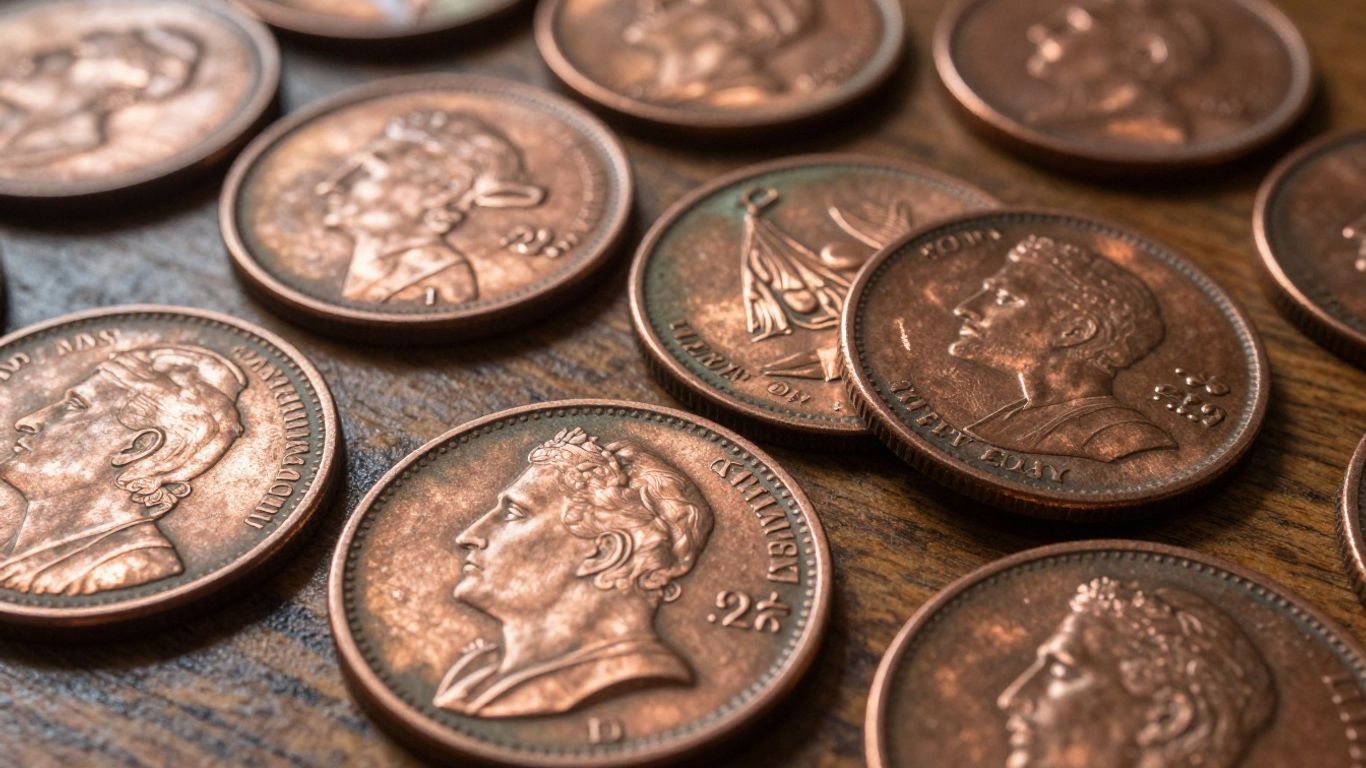
While large cents hold a special place in numismatic history, the world of coin collecting extends far beyond this early American copper. Many dealers who handle large cents also deal in a variety of other historical and collectible items. Understanding these related areas can broaden your collecting horizons and potentially uncover hidden treasures.
Half Cents and Early U.S. Type Coins
Just as the large cent was one of the first coins minted in the United States, the half cent holds a similar historical distinction. These coins, though smaller in denomination, are equally significant for collectors interested in the very beginnings of U.S. coinage. Beyond these, early U.S. type coins encompass a wide range of denominations and designs from the early years of the mint. This category often includes:
- Flowing Hair Dollars
- Draped Bust Half Dollars
- Liberty Cap Half Eagles
- Early Quarter Dollars and Dimes
These early issues are sought after for their historical context and the craftsmanship of their era. Many collectors focus on acquiring one example of each major design type, regardless of denomination.
Currency and Fractional Notes
Coin collecting often overlaps with paper money collecting. Fractional currency, also known as
Trust and Authenticity in Coin Buying
Money-Back Guarantees
When you’re looking to buy or sell large cents, knowing you’re dealing with a trustworthy source is key. Many reputable dealers offer money-back guarantees. This means if you purchase a coin and later discover it’s not as described or authentic, you can return it for a full refund. It’s a sign that the seller stands behind their inventory. For instance, Great Southern Coins provides a 30-day, no-questions-asked refund policy, showing their confidence in the authenticity of their coins. This practice helps build confidence for collectors, especially those new to the hobby.
Certified Coin Authentication
Authenticity is paramount in the coin collecting world. Many dealers work with or sell coins that have been authenticated and graded by third-party services. These services, like PCGS (Professional Coin Grading Service) and NGC (Numismatic Guaranty Corporation), provide an objective assessment of a coin’s condition and genuineness. Coins submitted to these services are encapsulated in protective holders, often with a label detailing the coin’s grade and certification number. This process adds a layer of security and transparency for buyers. You can often find these certified coins at places like Great Southern Coins.
Reputation of San Antonio Large Cents Buyers
Before making any transaction, it’s wise to research the reputation of the buyer. Look for dealers who have a long-standing presence in the community or positive reviews from other collectors. Word-of-mouth referrals are also incredibly helpful. A dealer who is transparent about their buying process and willing to share information about the coins they handle is usually a good sign. For example, Blue Diamond emphasizes a transparent process, explaining their evaluations and sharing market data. Building a relationship with a dealer known for honesty and fair dealings is beneficial for both buying and selling large cents in San Antonio.
- Check for affiliations with professional numismatic organizations.
- Read online reviews and testimonials from other collectors.
- Ask for references from long-time customers.
Establishing trust with coin buyers involves looking beyond just the price offered. It’s about the integrity of the transaction, the accuracy of the information provided, and the confidence that the coins are genuine and accurately represented. A good buyer will educate you about your coins, not just try to make a quick sale.
When considering selling, remember that dealers like The Buy-Back Store are experienced in evaluating various collectibles, including coins. They can help you understand the market value and offer fair prices based on condition and rarity.
Wrapping Up Your Search for Large Cent Buyers
So, finding someone to buy your large cents in San Antonio isn’t as complicated as it might seem. You’ve got a few solid options, whether you prefer to talk to someone face-to-face or do your business online. Places like Great Southern Coins and Blue Diamond are set up to handle these kinds of coins, offering different ways to sell. Remember to check out their online presence and maybe even give them a call to see what works best for you. It’s good to know there are local spots ready to look at your collection.
Frequently Asked Questions
What exactly are 'Large Cents' and why are they collected?
Large Cents are one-cent coins made in the United States from 1793 to 1857. They are called ‘large’ because they were bigger than the smaller pennies we use today. People collect them because they were among the very first coins made by the U.S. Mint and represent an important piece of American history. Their age and historical significance make them quite popular with collectors.
Where can I find places in San Antonio, TX, that buy Large Cents?
In San Antonio, you can look for coin dealers who specialize in rare coins and collectibles. Some well-known places that might buy Large Cents include Great Southern Coins, which has a physical store and an online presence, and Blue Diamond, known for dealing in various collectibles. It’s always a good idea to check their specific buying policies and what types of coins they are most interested in.
How do I know if my Large Cent is valuable?
A Large Cent’s value depends on several things. The date it was made, where it was minted (the mint mark), and its overall condition are very important. Coins that are in better shape, with clear designs and little wear, are usually worth more. Rare dates or mint marks can also increase the value significantly.
What are the best ways to sell my Large Cents?
You have a few options for selling. You can sell them directly to a local coin shop in San Antonio, like Great Southern Coins or Blue Diamond. Another popular method is selling them through online auction platforms, where they might reach a wider audience of collectors. Some dealers also offer consignment services, where they sell the coin for you and take a percentage.
Should I try to clean my Large Cents before selling them?
It’s generally advised *not* to clean your Large Cents yourself. Collectors often prefer coins in their original, uncleaned state because cleaning can damage the coin’s surface and actually decrease its value. Experts at coin shops can properly assess and value uncleaned coins.
What should I look for when choosing a coin dealer in San Antonio?
When choosing a dealer, look for ones with a good reputation and a lot of experience, especially with older U.S. coins like Large Cents. Check if they are members of any numismatic organizations. A trustworthy dealer will be transparent about their buying process, offer fair prices, and provide clear explanations about your coin’s value. Some dealers also offer money-back guarantees on their authentic coins.
Are there specific Large Cent designs that are more valuable?
Yes, certain designs on Large Cents can be more sought after by collectors. While all Large Cents have historical value, designs like the ‘Flowing Hair’ or ‘Liberty Cap’ might be more popular or rarer than others, depending on the specific year and condition. Knowing the different design types can help you understand your coin’s potential appeal.
What is coin grading, and do I need it for my Large Cents?
Coin grading is the process of evaluating a coin’s condition based on a standardized scale. Professional grading services, like PCGS or NGC, assign a numerical grade to a coin, which helps determine its value and authenticity. While not always required, having a valuable Large Cent professionally graded can increase buyer confidence and potentially its selling price.