
If you’re looking to sell your old silver coins in San Antonio, TX, you’ve come to the right place. Many people have these coins lying around and wonder how to get the most money for them. It’s not as hard as it might seem, but knowing a few things can really help. You want to make sure you get a fair deal, and this guide will point you in the right direction. We’ll cover where to find 90 percent silver coin buyers San Antonio has to offer and what to keep in mind.
Key Takeaways
- Understand that pre-1965 U.S. dimes, quarters, and half dollars are typically valued for their silver content, often called ‘junk silver.’
- Explore local coin dealers in San Antonio, coin shows, and online marketplaces as potential places to sell your silver coins.
- Always research the current market price of silver and compare offers from multiple buyers to ensure you receive a fair price.
- Commonly sought-after coins include pre-1965 dimes, quarters, half dollars, and silver dollars.
- Avoid common selling mistakes like rushing the process, accepting the first offer, or not verifying a buyer’s reputation.
Local Coin Dealers
When you’re looking to sell your 90 percent silver coins in San Antonio, checking out local coin dealers is a solid first step. These folks are usually pretty knowledgeable about what they’re buying, and they can give you a quick idea of what your coins are worth based on the current silver market. Plus, dealing with someone face-to-face just feels more secure, right? You can see them inspect your coins, and often, they’ll make an offer on the spot.
Many local dealers have been around for a while, building a reputation for fair dealings. This is important because you want to feel confident you’re getting a good price. They understand the local market and can often provide immediate assessments, which is way simpler than shipping things off or waiting for online bids.
Here’s what you might find when you visit:
- Expertise: They know coins, not just for their silver weight, but sometimes for collector value too.
- Convenience: You can usually walk in, get an appraisal, and get paid the same day.
- Trust: A long-standing business often means they’re reliable.
It’s a good idea to call ahead or check their hours. Some places might prefer appointments, especially if you have a larger collection. Others are happy to see walk-ins during their business day. Remember to do a little homework on the current silver price before you go, so you have a baseline for their offer.
Selling your silver coins locally means you can often complete the transaction in person. This offers a level of comfort and security that online sales might not provide. You can walk into a shop, have your coins evaluated on the spot, and receive payment quickly. Many dealers are open during regular business hours, and some even offer appointments outside of those times, making it easier to fit into your schedule.
Texas Coins
When you’re looking to sell your 90 percent silver coins in San Antonio, Texas Coins is a place that comes up often. They’ve been around since 1988, so they’ve got a good amount of experience buying coins. Their address is 950 NE Loop 410, San Antonio, TX 78209. You don’t usually need an appointment to stop by, which is handy if you just want to get in and out. They’re open Monday through Thursday, from 10 AM to 4 PM.
They specifically mention buying pre-1964 coins, which is exactly what you’re looking for if you have those common dimes, quarters, and half dollars that are mostly valued for their silver content. It’s always a good idea to check current silver prices online before you head over, just so you have a general idea of what your coins are worth. This way, you can have a more informed conversation with them about the price they offer.
Here’s a quick look at what they focus on:
- Pre-1964 U.S. dimes, quarters, and half dollars
- Other silver coins based on their silver content
- Sterling silver items
It’s smart to do a little homework before you sell. Knowing the approximate silver content and checking the daily silver price can help you get a better deal. Don’t be afraid to visit a couple of different places to compare offers.
If you’re looking for a local spot that deals with these kinds of coins regularly, Texas Coins is definitely worth considering in the San Antonio area.
San Antonio Coin Buyers
When you’re ready to sell your 90 percent silver coins in San Antonio, looking for local buyers is a smart move. These buyers often have a good grasp of the market right here in town and can make the process pretty straightforward. They understand that coins like pre-1965 dimes, quarters, and half-dollars have value not just for their silver content, but sometimes for their history too. A good local buyer will know the difference and give you a fair assessment.
Working with established dealers can build trust, which is always a good thing. Many have been around for years, building a reputation for fair dealings. This means you can often get an immediate evaluation and payment without a lot of waiting around. It’s a convenient way to handle your transactions, especially if you prefer face-to-face interactions.
Here are a few things to keep in mind when looking for a buyer:
- Know the Silver Price: Before you go anywhere, check the current spot price for silver online. Remember your coins are usually 90% silver, so you’ll need to figure that into the value.
- Compare Offers: Don’t settle for the first offer you get. Visit a few different dealers or check out local coin shows to see who offers the best price.
- Look for Experience: Dealers who have been in the business a long time often have a better understanding of coin values beyond just the melt value.
Selling your silver coins is a transaction, and like any transaction, preparation and knowledge are your best tools. Don’t rush the process, and always aim to work with buyers who are transparent and fair. A little effort upfront can lead to a much better outcome when you’re ready to cash in your silver.
Some local spots to consider include Texas Coins, which has been operating since 1988 and buys pre-1964 coins, or the San Antonio Coin Company, where appointments are recommended. Checking with local coin clubs can also point you toward reputable dealers and upcoming events where you might find buyers.
San Antonio Coin Company
San Antonio Coin Company is another place to consider when you’re looking to sell your 90 percent silver coins. The owner, Steve Petrik, is known for buying coin collections and estates.
It’s a good idea to schedule an appointment before you visit. You can reach Steve by calling or texting him directly at 210-838-4764 to set up a time to meet. This approach helps ensure he can give you his full attention when evaluating your coins.
When selling items like silver coins, especially if you have a larger collection or an estate to liquidate, working with someone who prefers appointments can lead to a more focused and efficient transaction. It shows a commitment to a personalized service.
Dealing with a specific individual like Steve Petrik can sometimes offer a more direct and personal selling experience compared to larger establishments. This can be beneficial for understanding the valuation process and getting your questions answered clearly.
Coin Shows
Coin shows are a great place to sell your 90 percent silver coins. Think of them as a gathering of coin enthusiasts and dealers, all in one spot. This makes it super easy to compare offers from different buyers without having to travel all over town. You can often find these events happening in places like convention centers or community halls around San Antonio and the wider Texas area.
Finding a show near you is usually straightforward. Check out the websites for local coin clubs, like the San Antonio Coin Club, or look at the Texas Numismatic Association’s event calendar. Sometimes, local coin shops will also post flyers about upcoming shows. It’s a good idea to see if there’s a show happening soon that fits your schedule.
When you go to a coin show with the goal of selling, a little preparation goes a long way. Before you head out, try to get a general idea of what silver is selling for on the market. This gives you a starting point for your negotiations. It’s also helpful to organize your coins a bit, maybe by type or denomination, and have a rough idea of what you’d like to get for them. Don’t feel pressured to take the first offer you get; walk around, talk to a few dealers, and see who seems most interested in your silver. Building relationships with dealers at these shows can also be beneficial for future sales.
Attending coin shows allows for direct interaction with potential buyers. This face-to-face aspect can lead to more transparent deals and a better feel for the current market value of your coins. It’s a chance to learn from people who are passionate about numismatics.
Texas Numismatic Association
While the Texas Numismatic Association (TNA) might hold its larger, statewide events further north, like in Arlington, it’s still a significant entity for anyone looking to sell 90 percent silver coins in the San Antonio area. The TNA is a major organization that draws a wide array of coin dealers from all across Texas. This means that even if you’re in San Antonio, the dealers who attend TNA events are often the same ones who operate in or are familiar with the local market.
Attending a TNA-affiliated show, or even just keeping an eye on the types of dealers who participate, can give you a good sense of who is actively buying silver coins. These events are prime opportunities to connect with professionals who have a solid understanding of numismatics and the current market for silver.
It’s a good idea to check the TNA’s official website for their event schedule and a directory of their member dealers. This can help you identify potential buyers who are part of a recognized professional organization.
Here are some general points to consider when interacting with dealers associated with organizations like the TNA:
- Professionalism: Members of such associations often adhere to a code of ethics, which can lead to more straightforward and honest transactions.
- Market Knowledge: Dealers who regularly attend these events are typically well-informed about current silver prices and collector demand.
- Networking: These associations are hubs for dealers, so they often have a broad network and may even know other buyers if they aren’t the right fit for your specific coins.
When you’re looking to sell, especially if you have a substantial amount of silver, engaging with established organizations like the TNA can provide a pathway to reputable buyers. Their events are often where serious collectors and dealers converge, offering a concentrated opportunity to get your coins appraised and sold.
San Antonio Coin Club
If you’re looking to connect with other coin enthusiasts or find potential buyers for your 90 percent silver coins in San Antonio, the San Antonio Coin Club is a great place to start. These clubs often serve as informal hubs for local collectors and dealers. Attending their meetings or events can provide direct access to individuals actively interested in numismatics.
While the club might not be a direct buyer itself, its members often are, or they know people who are. It’s a good way to get a feel for the local market and learn about upcoming opportunities. You might find out about private sales, local coin shows, or dealers who are particularly active in buying silver.
Here are a few things you can typically expect from a coin club:
- Regular meetings where members discuss coins and share knowledge.
- Opportunities to network with both amateur collectors and seasoned dealers.
- Information about local and regional coin shows and events.
It’s always a good idea to check their schedule for meetings or any special events they might be hosting. Sometimes these gatherings are open to the public, offering a casual environment to learn more about the coin collecting world and potentially find buyers for your silver.
Keep an eye on local listings or their website for meeting times and locations. You might discover that a club member is exactly the kind of buyer you’re looking for, or they can point you in the right direction. For information on larger Texas events, the Texas Numismatic Association is a significant organization to be aware of.
Online Marketplaces
Selling your 90 percent silver coins online opens up your options to a much wider audience, potentially reaching buyers from all over the country, or even the world. While this can sometimes lead to better prices because more people are interested, it also means you have to handle things like taking good pictures, writing clear descriptions, and figuring out shipping. Plus, these platforms usually take a cut of your sale.
Here are a few places to consider:
- eBay: This is probably the biggest online marketplace. You can find many coin dealers who have official stores there, or you can list your own coins. You have the choice to set a fixed price or let people bid on them in an auction format.
- Specialized Coin Forums: There are online communities where coin collectors hang out. Many of these forums have sections where members can buy and sell coins. It’s a good way to connect with people who are really into coins.
When selling online, remember that you’ll likely have to wait for payment and deal with the logistics of shipping. It’s smart to look into the platform’s rules and how they protect sellers before you list anything. Always check the current price of silver before you start listing, so you know what a fair price looks like.
eBay
eBay is a go-to spot for selling 90 percent silver coins if you want to reach a much larger group of buyers, rather than just sticking to local San Antonio shops. The ability to set your own prices or run auctions gives sellers a level of control you simply can’t match at a physical shop. Plenty of buyers, from collectors to experienced dealers, browse eBay listings every day looking for specific dates or types.
If you’re new to selling coins online, it’s important to know what to expect from eBay:
- Take clear, sharp photos of your coins with different angles to build buyer trust.
- Write accurate, simple descriptions, including mint year and any wear or marks.
- Research recent sales to help set fair starting prices.
- Prepare for eBay’s fees, which reduce your final payout.
- Handle packaging and shipping yourself, making sure to choose safe, trackable options.
- Be aware of eBay’s buyer protection policies, which may affect how disputes are resolved if a transaction goes wrong.
Below is a simple breakdown of some typical costs and challenges involved in selling coins on eBay:
| Expense/Factor | Details |
|---|---|
| Listing Fee | Usually $0, sometimes waived |
| Final Value Fee | About 12.9% + $0.30/item |
| Payment Processing | Built into eBay fees |
| Shipping | Paid by buyer or seller |
| Time to Sell | Days to weeks |
You’re casting a much wider net by listing silver coins on eBay, but you also take on more work and risk than simply selling to a San Antonio dealer. If you keep careful notes, check recent sale prices and scan for recent Mint price changes, you can get a sense of what buyers expect to pay. The process can feel tedious, but some sellers report higher returns with patience and careful listing.
Specialized Coin Forums
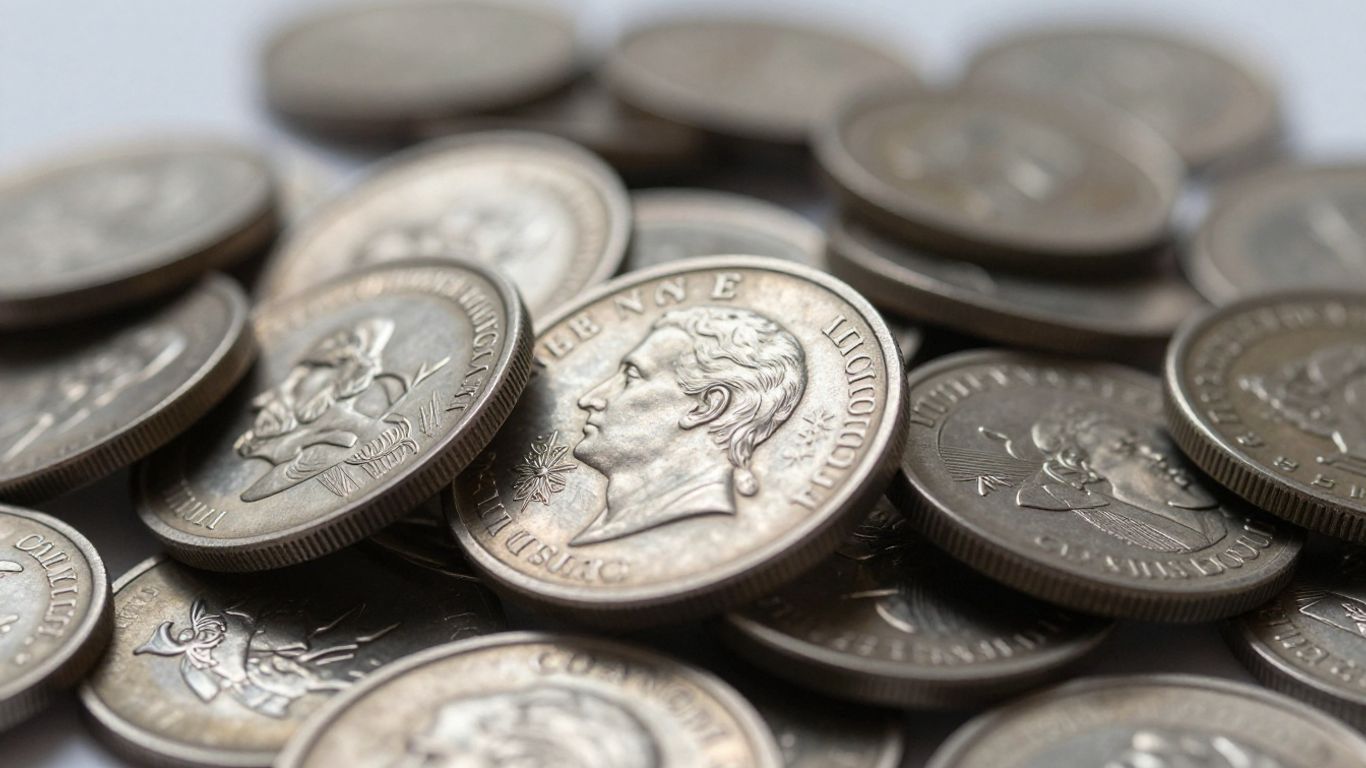
Beyond the local shops and big auction sites, there are online communities where coin collectors and sellers hang out. These specialized forums are often filled with people who really know their stuff about coins, including those 90 percent silver ones you might have. Think of them as digital clubhouses for numismatists.
These forums can be a great place to connect with serious buyers who are actively looking for specific types of coins. You might find discussions about melt value, historical significance, and even tips on spotting fakes. It’s a good idea to spend some time lurking on a few of these sites to get a feel for how they operate before you jump in to sell.
Here’s what you might find helpful:
- Dedicated Buy/Sell Sections: Many forums have specific areas where members can post items for sale or list what they are looking to buy. This is where you’d typically list your 90 percent silver coins.
- Community Vetting: Reputable forums often have systems in place to build trust. Look for members with established posting histories, positive feedback from previous transactions, and clear communication.
- Market Insights: You can often learn a lot about current silver prices and what buyers are willing to pay by reading through ongoing discussions. This can help you set a realistic price for your coins.
When using these forums, remember that you’re dealing with individuals, not a large company. Always prioritize clear communication, ask for references if you’re unsure, and be prepared to handle shipping and payment arrangements directly. It’s a more personal approach to selling, which can be rewarding if you find the right buyer.
Some popular forums to explore might include Coin Community Family, Numista, or various sub-forums on larger collecting sites. Just do a quick search for "coin collecting forums" or "silver coin forums" to find them.
Conclusion
Selling 90 percent silver coins in San Antonio doesn’t have to be a headache. There are plenty of local options, from established coin shops like Texas Coins to coin shows and even online platforms if you want to cast a wider net. The key is to do a bit of homework first—check the current silver price, get a few quotes, and don’t rush into the first offer you get. Local dealers are usually happy to walk you through the process, and you’ll often get paid right away. If you have a bigger collection, some shops even offer appraisals or private appointments. In the end, a little preparation goes a long way. Take your time, ask questions, and you’ll be in a good spot to turn those old coins into cash.
Frequently Asked Questions
What exactly are “junk silver” coins?
“Junk silver” coins are common U.S. coins made mostly of silver, usually 90%. Their value comes from the silver metal inside, not usually from being rare or special for their design. Think of them as everyday coins that people value for their silver content, like dimes and quarters made before 1965.
Which U.S. coins are typically 90% silver?
Most U.S. dimes, quarters, and half dollars made before 1965 are 90% silver. Dollar coins from that time also contain 90% silver. The government changed the metal in coins in 1965 because silver prices went up. Pennies and nickels never contained silver.
How can I find out the current value of silver?
To know what your silver coins are worth, it’s smart to check the current price of silver. You can easily find this online by searching for the “spot price of silver” or “silver prices today.” This will give you a good idea of what your silver is worth before you talk to buyers.
Should I clean my silver coins before selling them?
It’s generally best not to clean your silver coins. Cleaning can sometimes harm the coin’s surface and lower its value, especially if it has collectible interest. Most buyers prefer to see the coins as they are.
What is the difference between 90% silver and .999 fine silver?
90% silver coins, like old U.S. dimes and quarters, are made of 90% silver and 10% other metals. ‘.999 fine silver’ means the item is almost pure silver, with 99.9% silver. Pure silver items are usually worth more because they have more silver.
Where can I sell my silver coins in San Antonio?
In San Antonio, you can sell your silver coins at local coin dealers who buy precious metals. Coin shows are also good places to find buyers. You can also look into online selling, but local sales are often quicker and easier.
What should I do if I have a lot of silver coins to sell?
If you have many silver coins, look for dealers who specialize in buying collections. They know how to value many coins accurately. Some dealers might even offer to come to you if you have a large amount.
How do I make sure I get a fair price for my silver coins?
To get a fair price, always ask for offers from several trusted buyers. Compare what each dealer offers, keeping the current silver price in mind. It’s also helpful to understand how they value your coins – by weight or as collector items. Don’t hesitate to ask questions and negotiate politely.