
Have you ever wondered what makes a coin rare and valuable? It’s not just about age or how shiny it is. Lots of things play a part, from how it was made to its history. We’re going to look into what creates numismatic coin rarity, exploring the factors that turn ordinary metal discs into sought-after treasures. It’s a fascinating world where history, art, and economics all come together.
Key Takeaways
- Coin rarity is shaped by factors like limited production, historical significance, and unique minting errors, making some coins much more desirable than others.
- Production anomalies, such as doubled dies, die cracks, and over-mintmarks, can significantly increase a coin’s rarity and value, often requiring magnification to spot.
- Authenticity is key; expert grading services play a vital role in confirming a coin’s genuine status, which directly impacts its perceived rarity and market price.
- The historical context of a coin, including the stories behind its design and its connection to past economies or events, adds to its collectible appeal and rarity.
- Market dynamics, including precious metal prices, currency shifts, and the influence of reputable dealers and collector communities, all contribute to understanding what creates numismatic coin rarity.
Understanding The Genesis Of Numismatic Rarity
Numismatic rarity isn’t just about how few coins exist; it’s a complex mix of factors that make a coin stand out and become sought after by collectors. It’s more than just age or material; it’s about the story, the condition, and sometimes, sheer luck.
The Allure Of Obscure And Historically Significant Coins
Sometimes, the most interesting coins aren’t the ones that were made in the millions. They might be coins from very early periods of a country’s history, or pieces that were only used in a specific region for a short time. These obscure items often have a rich backstory. They might represent a failed currency, a special event, or a particular ruler’s brief reign. The thrill of finding one of these coins is like uncovering a lost piece of history. Think about coins that were only minted for a year or two, or those that were part of a short-lived colonial experiment. These aren’t just metal discs; they’re tangible links to moments that might otherwise be forgotten. Their scarcity, combined with their historical weight, makes them incredibly appealing to serious collectors. It’s this blend of the unusual and the historically important that really drives their desirability.
Unearthing Hidden Value In Everyday Currency
It might surprise you, but sometimes, valuable coins can be hiding in plain sight, mixed in with the change you get back from a purchase. While most circulating coins are common, certain minting years or specific varieties can be much rarer than you’d think. These aren’t necessarily ancient artifacts; they could be modern coins with a slight production difference that makes them special. For instance, a particular year might have had a lower mintage, or a specific die might have been used for a shorter period. Discovering these can be a real treasure hunt. It requires a keen eye and a bit of knowledge about what to look for. Many collectors start their journey by simply examining their pocket change, hoping to find that one elusive piece that stands out from the rest. It’s a reminder that history and value can be found in the most unexpected places, sometimes right in your own pocket. This process often leads collectors to seek out resources on coin grading to properly assess their finds.
The Role Of Minting Processes In Coin Value
The way a coin is made plays a huge part in its rarity and, consequently, its value. The minting process itself can introduce variations that collectors find fascinating. Think about different minting techniques, the quality of the dies used, and the overall production numbers. A coin struck with a worn die might have a different appearance than one struck with a fresh die. Similarly, coins intended for circulation are made differently than those prepared as special collector items, like proof coins. The sheer number of coins produced in a given year, known as the mintage, is a primary factor. Lower mintages generally mean greater rarity. However, it’s not just about the number; it’s also about how many of those coins survived over time and remained in good condition. The minting process, therefore, is the very foundation upon which a coin’s potential rarity is built.
The Impact Of Production Anomalies On Coin Value
Sometimes, the most interesting coins aren’t the ones that came off the minting press perfectly. Mistakes happen, and in the world of coin collecting, these blunders can actually make a coin more desirable and valuable. We’re talking about production anomalies – those little (or not so little) quirks that make a coin stand out from the crowd.
Discovering Rare Error Coins
Error coins are a fascinating category for collectors. These are coins that have some kind of mistake from the minting process. Think of things like a coin being struck off-center, or having a piece of metal missing. These imperfections, while unintended, can significantly increase a coin’s rarity and appeal. It’s like finding a typo in a book that makes a specific edition highly sought after. The thrill of finding a rare error coin is a big part of the hobby for many, turning a common piece of currency into a unique treasure. Exploring these errors can lead to discovering valuable pieces [cb71].
The Significance Of Over-Mintmarks
An over-mintmark occurs when a mint mark (like a ‘D’ for Denver or an ‘S’ for San Francisco) is punched onto a coin that already has a mint mark, or when it’s punched over an existing mint mark from a different mint. This can happen when mints reuse dies or when there’s a mix-up in the process. For collectors, an over-mintmark can be a sign of a scarce variety. The key is to identify if the over-mintmark is a legitimate mint error or a later addition. Genuine over-mintmarks, especially those from historical periods, are quite collectible.
Identifying Doubled Dies And Die Cracks
Doubled dies are another common type of minting anomaly. This happens when the die used to strike the coin shifts slightly between the initial hubbing (transferring the design to the die) and the second hubbing. This results in a noticeable doubling of the design elements on the coin. You might see it on the date, the motto, or even the portrait. Die cracks, on the other hand, are actual cracks that form in the die itself over time due to stress. As the die cracks, it can leave a raised line on the coin’s surface. While minor die cracks might not add much value, significant ones, or those that create a distinct feature, can make a coin more interesting to collectors.
Here’s a quick look at what to watch for:
- Off-center strikes: The coin is not perfectly centered on the planchet (the blank metal disc).
- Struck-through errors: Something foreign, like grease or a piece of metal, gets between the die and the planchet, leaving an impression or a void.
- Wrong planchet errors: A coin is struck on a planchet intended for a different denomination or type of coin.
The pursuit of coins with production anomalies adds a layer of excitement to numismatics. It transforms the act of collecting from simply acquiring items to actively hunting for unique pieces that tell a story of the minting process itself, often revealing hidden historical context and unexpected value.
When examining coins for these types of errors, magnification is your friend. A good loupe or digital microscope can help you spot the subtle details that distinguish a common coin from a rare anomaly. It’s this attention to detail that often separates casual collectors from those who make significant discoveries.
Authenticity And Its Role In Coin Rarity
When you’re looking at coins, especially ones that might be worth a lot, making sure they’re the real deal is super important. It’s not just about whether a coin looks old; it’s about its history, how it was made, and if it’s genuine. Without solid proof of authenticity, even a coin that looks rare can end up being worthless.
The Importance Of Expert Coin Grading
This is where the pros come in. Think of grading services as the detectives of the coin world. They have trained eyes and special tools to look at a coin and tell you exactly what it is and what condition it’s in. They check for things like wear, damage, and any signs that someone might have tried to mess with it. A coin that’s been officially graded by a reputable service is much more trustworthy and usually worth more. It’s like getting a certificate of authenticity for a piece of art.
How Grading Services Ensure Trust And Value
These grading companies have a system to rate coins on a scale, usually from 1 to 70. The higher the number, the better the condition, and generally, the more it’s worth. They put the graded coin in a special protective holder, often called a ‘slab,’ with a label that tells you its grade and confirms it’s authentic. This makes it easier for people to buy and sell coins because they know what they’re getting. It cuts down on a lot of guesswork and helps prevent fakes from getting into collections. You can find out more about these services by looking at resources like PCGS.
Recognizing Counterfeits Through Magnification
Even with grading services, it’s good to know a few things yourself. Sometimes, counterfeiters get pretty good at making fakes. Using a magnifying glass or a small microscope can help you spot details that might be off on a fake coin. Look closely at the lettering, the design details, and the overall strike. Real coins often have a certain sharpness and clarity that fakes might miss. Things like uneven edges, blurry images, or metal that looks wrong can be red flags. It’s a bit like being a detective yourself, piecing together clues to figure out if a coin is genuine or not.
Historical Context And Coin Collectibility
Coins are more than just metal discs; they are tangible links to past economies and the people who used them. Each coin carries a story, a snapshot of the time it was minted, reflecting the political climate, artistic styles, and economic conditions of its era. Understanding this historical backdrop is key to appreciating why certain coins become rare and highly sought after.
Coins As Tangible Links To Past Economies
Think about it: a coin that circulated a century ago was held by countless hands, used in everyday transactions, and witnessed historical events. This direct connection to the past is a major draw for collectors. It’s like holding a piece of history in your palm. For instance, coins from periods of significant economic upheaval or transition often tell a compelling story. The survival rate of these coins, coupled with their historical narrative, directly impacts their rarity and desirability. A coin’s journey through time, from its minting to its eventual discovery by a collector, is a story in itself. This journey is often influenced by the economic realities of its time, making it a fascinating subject for study. The value of a rare coin, such as a 1914 quarter, is determined by its rarity, which is influenced by factors like low mintage numbers and the coin’s survival rate over time.
The Stories Etched Into Coin Designs
Beyond their economic function, coin designs are miniature works of art and propaganda. They often feature portraits of leaders, national symbols, or allegorical figures that communicate the values and aspirations of the society that produced them. A coin’s design can reveal a lot about the prevailing artistic trends and the messages a government wanted to convey. Sometimes, these designs are so distinctive or artistically significant that they become collectible in their own right. The evolution of coin designs over time also provides a fascinating historical timeline. For example, the shift from classical motifs to more modern imagery reflects broader cultural changes.
Wartime Anomalies And Their Collectible Status
Periods of conflict often lead to unique numismatic items. Wartime can disrupt normal minting operations, leading to unusual metal compositions or production errors. For example, during World War II, some countries experimented with alternative metals for coinage due to shortages of traditional ones. These wartime coins, especially those with unique characteristics or limited production runs, can become highly collectible. They serve as a reminder of the historical circumstances under which they were made.
- Metal Substitutions: Shortages often led to coins being made from less precious or different metals.
- Production Changes: Minting might have occurred in different locations or under altered conditions.
- Limited Survival: Coins produced during wartime may have had shorter circulation periods or were melted down, reducing their numbers.
The historical context of a coin is not just about the year it was made, but the entire environment surrounding its creation and circulation. This includes the economic pressures, political statements, and artistic expressions of its time, all of which contribute to its unique story and potential rarity.
The Influence Of Mint Marks On Coin Value
Understanding The Significance Of Mint Origin
Ever looked closely at a coin and noticed a tiny letter, maybe an ‘S’, a ‘D’, or a ‘P’? Those little marks are called mint marks, and they tell you where a coin was actually made. It might seem like a small detail, but for coin collectors, it can mean a big difference in a coin’s value. Think about it: the same coin design might have been produced at different mints across the country, and sometimes, one mint just made fewer coins than another. Or maybe a particular mint had a special run of coins that are now super rare.
For instance, coins made at the San Francisco Mint (S) or Denver Mint (D) can sometimes be harder to find than those from Philadelphia (P), which often had higher production numbers. This scarcity is a major reason why a coin with an ‘S’ or ‘D’ can be worth more than its ‘P’ counterpart, even if they look identical at first glance. It’s all about supply and demand, and the mint mark is your first clue to figuring out the supply side of the equation. It’s a simple concept, but it really drives a lot of the excitement in collecting. You’re not just collecting coins; you’re collecting pieces of history tied to specific places.
Spotting Rare Mint Mark Errors
Sometimes, things go a little wonky at the mint, and that’s where error coins come into play. Mint mark errors are particularly interesting because they often create unique varieties that collectors go wild for. One common type of error is an ‘overmintmark,’ where a mint mark is stamped over another, or a mint mark is applied to a coin that wasn’t supposed to have one. Imagine a ‘D’ stamped right over an ‘S’ – that’s a double mint error, and it can make a coin much more desirable.
These kinds of mistakes are usually pretty subtle, and you’d likely miss them without some help. It’s not just about finding a rare mint mark; it’s about finding a mint mark that’s been applied incorrectly or in an unusual way. These anomalies are often the key to uncovering hidden value.
Here are a few types of mint mark errors to keep an eye out for:
- Overmintmarks: One mint mark struck over another (e.g., D over S).
- Repunched Mint Marks (RPMs): The mint mark was punched into the die more than once, leaving a visible impression of the previous strike.
- Mint Mark Dropped: The mint mark is missing entirely from a coin that should have one.
- Mint Mark Added: A mint mark appears on a coin that was not intended to have one (often seen on proofs or coins from the Philadelphia mint).
The history of coin production is filled with little quirks and accidents. These aren’t just mistakes; they’re often the rarest and most sought-after varieties for dedicated collectors. Spotting them requires a keen eye and sometimes, a bit of magnification.
The Role Of Magnification In Mint Mark Identification
Okay, so we’ve talked about how important mint marks are and how errors can add value. But here’s the thing: most mint marks are tiny. Like, really tiny. Trying to spot an overmintmark or a repunched mint mark with just your eyes can be incredibly difficult, if not impossible. This is where magnification becomes your best friend in the coin collecting hobby.
Using a good magnifying glass, a loupe, or even a digital microscope can reveal details you’d never see otherwise. You can clearly see if a mint mark is crisp and clear, or if it’s a bit fuzzy, doubled, or misplaced. It helps you distinguish between a regular coin and a rare variety. For example, spotting the difference between a standard ‘S’ mint mark and a rare repunched ‘S’ often requires magnification. It’s not just about seeing the letter; it’s about seeing the details of the letter and its placement. This level of detail is what separates casual observers from serious collectors who can identify true rarities. It’s also a great way to check for authenticity, as counterfeit mint marks often look off under magnification. You can find some great deals on magnification tools at local coin shops.
Navigating The Market For Rare Numismatic Items
Finding those special coins can feel like a treasure hunt, and knowing where to look makes all the difference. It’s not just about stumbling upon something valuable; it’s about connecting with people and places that understand the world of rare coins.
Connecting With Reputable Coin Dealers
When you’re serious about building a collection, finding a coin dealer you can trust is a big deal. These folks often have a deep well of knowledge about coins you might not find anywhere else. They can point you toward interesting pieces, explain why a coin is rare, and help you avoid common pitfalls. Think of them as guides in this fascinating hobby. It’s a good idea to look for dealers who are members of professional organizations, as this often means they adhere to a certain code of conduct.
- Look for dealers with established reputations.
- Ask for references from other collectors.
- Attend local coin club meetings to get recommendations.
Building a relationship with a good dealer means you’ll get insider tips and access to coins before they hit the wider market. It’s about more than just buying and selling; it’s about shared passion.
The Value Of Coin Shows And Collector Events
Coin shows are fantastic places to see a lot of different coins all in one spot. You can meet dealers from all over, compare prices, and get a feel for what’s currently popular. It’s also a great chance to talk to other collectors, share stories, and learn from their experiences. Sometimes, you’ll find that one coin you’ve been searching for hiding in plain sight at a show.
| Event Type | Potential Benefits |
|---|---|
| Local Coin Show | Discover local dealers, see a variety of inventory |
| National Expo | Access to rare items, networking with top dealers |
| Collector Meetup | Share knowledge, get personal recommendations |
Building Relationships Within The Numismatic Community
This hobby gets a lot more enjoyable when you’re part of a community. Connecting with other collectors, whether online or at local events, opens up a world of shared knowledge. People are often happy to share what they’ve learned, offer advice, and even help you identify a coin you’ve found. These connections are often more valuable than any single coin. It’s through these relationships that you learn about market trends, discover hidden gems, and truly appreciate the history behind each piece.
The Appeal Of Proof Coinage And Special Releases
Showcasing Exquisite Craftsmanship
Proof coins are a special category in numismatics, set apart by their exceptional finish and the meticulous process involved in their creation. Unlike regular circulation strikes, proof coins are struck multiple times with specially polished dies and blanks. This results in a coin with a brilliant, mirror-like field and frosted, raised design elements. This contrast is a hallmark of proof coinage and is highly sought after by collectors. The production process is carefully controlled to avoid any imperfections, making each piece a miniature work of art. These coins are not intended for everyday use but are produced specifically for collectors and as presentation pieces. Their visual appeal is undeniable, offering a level of detail and polish that regular coins simply cannot match.
The Allure Of Limited Edition Coinage
Many mints around the world produce special releases and limited edition coins that capture the imagination of collectors. These issues often commemorate significant historical events, celebrate national symbols, or feature unique artistic designs. The "limited edition" aspect is key; it means that only a predetermined number of these coins will ever be produced. This scarcity, combined with their aesthetic qualities and thematic relevance, drives demand and collector interest. When a coin is part of a limited mintage, its potential for future appreciation is often considered higher because the supply is capped from the outset. This makes them attractive not only for their beauty but also as potential investments. For instance, the United States Mint frequently releases special sets and commemorative coins that sell out quickly due to high collector demand.
Understanding The Mintage Process For Collectibles
The way these special coins are made is quite different from standard currency. Here’s a look at some key aspects:
- Specialized Dies: Dies used for proof coins are highly polished and often treated to create the frosted effect on the design. They are also inspected more rigorously for any flaws.
- Blank Preparation: The planchets (blanks) are also specially prepared, often polished to a mirror finish before striking.
- Multiple Strikes: Coins are struck more than once, sometimes up to five or six times, to ensure that every detail is perfectly rendered and the frosted elements stand out sharply against the mirrored background.
- Careful Handling: Proof coins are handled with extreme care throughout the minting and packaging process to prevent scratches or marks. They are typically encapsulated or placed in protective holders immediately after striking.
The creation of proof coins and limited editions involves a level of precision and artistry that distinguishes them from regular coinage. This dedication to quality and exclusivity is what makes them so appealing to collectors who appreciate fine craftsmanship and the thrill of owning a piece of numismatic history. The careful attention to detail, from the polished dies to the final packaging, contributes significantly to their desirability and perceived value within the numismatic community. For those interested in the finer points of coin production, exploring the history of numismatics can offer further insights.
Here’s a simplified look at the typical production flow for a proof coin:
| Step | Description |
|---|---|
| Die Preparation | Dies are polished to a mirror finish and frosted design elements are created. |
| Blank Preparation | Coin blanks are polished to a high sheen. |
| Striking | Blanks are struck multiple times by the prepared dies. |
| Inspection | Each coin is carefully inspected for any imperfections. |
| Packaging | Coins are immediately placed in protective holders or capsules. |
This rigorous process ensures that each proof coin meets the highest standards of quality and aesthetic appeal, making them prized possessions for collectors worldwide.
Market Dynamics And Economic Factors
The Influence Of Precious Metal Prices
The price of precious metals like gold and silver is a big deal for coin collectors. When gold prices go up, coins made of gold tend to become more valuable, and the same goes for silver. It’s not just about the metal itself, though. The rarity of the coin and its condition play a huge part too. But you can’t ignore what’s happening in the wider economy. Things like inflation, how stable governments are, and even interest rates can really shake things up. It’s a constant dance between the metal’s worth and the coin’s own story.
Global events often push people towards gold as a safer bet when things feel uncertain. This can make gold coins more sought after, driving up their prices even if the coin itself isn’t particularly rare. Experienced collectors have seen this happen many times over the years, and they adjust their strategies based on what’s going on around the world and right here at home. Finding people who really know the market can help a lot when things get complicated.
Understanding Currency Fluctuations
Currency values change all the time, and this affects how much coins are worth, especially older ones or those from different countries. If a country’s money becomes weaker, its old coins might become cheaper to buy, but if that country becomes more stable or its economy improves, those same coins could gain value. It’s like a seesaw. Collectors often keep an eye on these shifts because they can create opportunities to find undervalued coins or to sell when prices are good. It’s important to watch market reports to make smart choices.
- Track market trends: Keep an eye on how gold and silver prices are moving. This helps you make better decisions about buying and selling.
- Choose your investment: Decide if you want to buy physical coins or invest in things like ETFs that follow metal prices.
- Find good dealers: Look for dealers with good reviews, maybe from places like the Better Business Bureau, to make sure your transactions are safe.
- Know when to sell: Watch the market conditions to figure out the best times to sell your coins and get the most for them.
Economic Events Reflected In Coin Value
Coins are like little history books, and they often show what was happening economically when they were made. Think about coins from times of war or major economic changes. These coins can become more interesting to collectors because they represent a specific moment in time. Sometimes, unusual events during minting, like errors caused by difficult conditions, can make a coin even more collectible. The story behind a coin, tied to historical economic events, adds a layer of appeal that goes beyond just the metal content. It’s about owning a piece of that history.
The value of a coin is a mix of its metal, its rarity, its condition, and the story it tells about the economy and history of its time. Watching market trends and understanding economic shifts helps collectors make informed decisions and find opportunities.
Connecting with local numismatic groups can provide great insights and trusted sources. Verified local dealers by accreditation bodies facilitate safe purchases of your tokens or precious metals. This method links you to reliable sources and acts as a detailed knowledge hub and buying guide for numismatics enthusiasts. You can find more information on gold coin prices and how they are determined.
Technological Advancements In Coin Examination
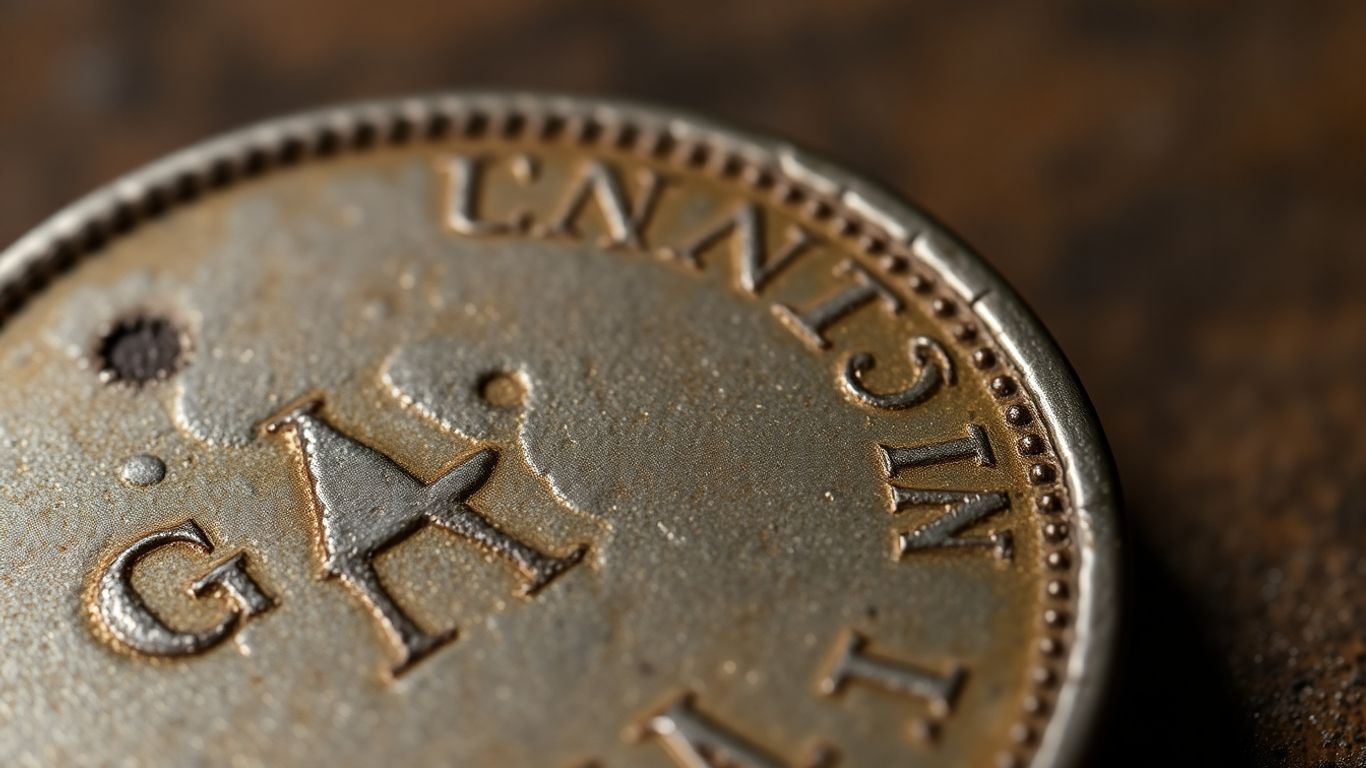
It feels like just yesterday we were all squinting at coins through a magnifying glass, trying to make out tiny details. You know, the kind of thing that makes your neck ache and your eyes water after a while? Well, thankfully, things have gotten a lot easier for coin collectors. Modern technology is really stepping up to help us see what we’re looking at.
Utilizing Digital Microscopes For Detail
Digital microscopes are changing the game. Instead of looking through a small lens, you can view your coins on a screen at high magnification. This makes it way more comfortable, especially if you’re spending a good chunk of time examining your collection. You can spot details you’d probably miss otherwise. Think about finding a rare over-mintmark on a nickel, like a "D" stamped right over an "S." Without magnification, that’s a hidden treasure you might never find. These tools can really help you see the finer points of coin design and production. It’s like getting a whole new perspective on your collection, making the hobby more engaging and potentially more rewarding. You can even find out more about the fascinating world of numismatics.
Detecting Improper Cleaning Under Magnification
We all know the golden rule: don’t clean your coins. But sometimes, you might buy a coin that’s already been cleaned, and that can really hurt its value. A digital microscope can help you spot those tell-tale signs of improper cleaning. You might see tiny scratches or hairlines that aren’t visible to the naked eye. Catching these before you buy can save you from making a costly mistake. It’s about protecting your investment and making sure the coins in your collection maintain their worth.
Capturing And Sharing Coin Discoveries Digitally
One of the best parts of collecting is sharing your finds with others. With digital microscopes that have camera capabilities, you can take high-resolution photos or even videos of your coins. Imagine showing your grandkids the intricate details on a rare coin or sharing a close-up of a unique mint error with fellow collectors online. It turns your hobby into a more interactive and shareable experience. It’s a great way to connect with others and show off those special pieces you’ve found.
The Intrigue Of Controversial And Fugitive Coins
The Saga Of The 1933 Double Eagle
Some coins aren’t just rare; they’re practically outlaws. The 1933 Saint-Gaudens Double Eagle is a prime example. Imagine a coin minted, but then ordered destroyed by the government. That’s exactly what happened. President Roosevelt’s gold recall meant these $20 gold pieces were supposed to be melted down. The official story is that all but two, kept for archival purposes, met their fiery end. Yet, somehow, a small number escaped.
This escape wasn’t clean. Over the years, these coins started appearing in private collections. The U.S. government, specifically the Secret Service, declared them stolen property. This kicked off a decades-long legal battle. Owning one became a risky business, with agents even seizing and melting down some specimens. It turned a piece of currency into a legendary fugitive.
How Controversy Can Forge Coin Value
It might seem strange, but the very controversy surrounding a coin can actually boost its desirability and, consequently, its value. When a coin has a dramatic story, like the 1933 Double Eagle, it captures the imagination. It’s not just metal; it’s a piece of history with a thrilling narrative.
- Rarity: The limited number of surviving coins is a major factor.
- History: The story of its forbidden status adds a unique appeal.
- Legality: The complex legal journey makes each surviving coin a testament to its survival.
This kind of drama makes a coin a coveted item for serious collectors who appreciate the chase and the story as much as the coin itself. The 1933 Double Eagle, with its tale of near-total destruction and subsequent clandestine survival, is the ultimate prize for many.
The Legal Status Of Rare Numismatic Items
The legal standing of rare coins can be incredibly complex, especially when they have a history of being removed from government control. For items like the 1933 Double Eagle, the U.S. government has asserted ownership, viewing them as stolen property. This creates a precarious situation for anyone holding such coins.
The journey of a controversial coin often involves navigating a maze of laws, government claims, and collector desires. What starts as a simple piece of currency can become entangled in legal disputes that span generations, making its ownership a matter of intense scrutiny and debate.
This legal uncertainty doesn’t always diminish value; in some cases, it adds to the mystique. However, it also means that acquiring and holding such items requires careful consideration of the legal landscape. It’s a stark reminder that not all rare items are straightforward acquisitions.
Wrapping Up: The Enduring Appeal of Rare Coins
So, we’ve looked at what makes a coin rare, from how many were made to special errors and historical tales. It’s more than just metal; it’s about history you can hold. Whether you’re just starting out or have been collecting for years, understanding these factors helps you find those special pieces. It’s a journey that connects you to the past and, honestly, can be pretty exciting. Keep exploring, keep learning, and happy hunting for those hidden gems!
Frequently Asked Questions
What makes a coin rare and valuable in coin collecting?
A coin becomes rare and valuable due to several factors. These include how many were made (mintage), its condition, any special errors during minting, its historical importance, and whether it’s part of a limited edition. Coins with fewer copies, in excellent shape, or with unique mistakes are often more sought after by collectors.
How do errors on coins affect their rarity?
Errors made during the coin’s creation, like double strikes, off-center minting, or cracks in the die, can make a coin very rare. These mistakes mean the coin isn’t perfect like the others, making it unusual and interesting to collectors who look for these unique flaws.
What is the role of grading services in coin collecting?
Grading services, like the Professional Coin Grading Service (PCGS) and Numismatic Guaranty Company (NGC), act like expert judges for coins. They carefully examine coins to determine their condition and authenticity, assigning a grade that helps collectors understand the coin’s quality and value, ensuring trust in the market.
Why is the historical significance of a coin important for its value?
Coins are like tiny pieces of history you can hold. A coin from an important event, a significant time period, or featuring a notable person tells a story. This connection to the past makes the coin more than just metal; it becomes a historical artifact, increasing its appeal and value to collectors.
How do mint marks influence a coin's rarity and value?
Mint marks are small letters on a coin showing where it was made (like ‘D’ for Denver or ‘S’ for San Francisco). Some locations produced far fewer coins, or certain mint marks might have errors, making those coins much rarer and more valuable than coins from mints that produced millions.
Where can I find reputable coin dealers and collector events?
You can find trusted dealers through online directories, coin show listings, and recommendations from other collectors. Attending coin shows and collector events is a great way to meet many dealers, see a wide variety of coins, and learn from experienced individuals in the numismatic community.
What makes proof coins different from regular coins?
Proof coins are specially made for collectors, often using polished dies and planchets (blank coins) to create a mirror-like finish and sharp details. They are usually produced in limited numbers and showcase exceptional craftsmanship, making them distinct and highly collectible items.
Can technology help in examining coins for rarity?
Absolutely. Modern tools like digital microscopes allow collectors to see incredibly fine details, such as minting errors, wear patterns, or even signs of counterfeiting, that are invisible to the naked eye. This technology helps in accurately assessing a coin’s condition and authenticity, aiding in the discovery of rare finds.