
Have you ever looked closely at a coin and noticed those little lines around the edge? They’re not just for show. It turns out, there’s a good reason why coins have ridged edges, and it goes way back in history. This feature, called reeding, played a big part in how people used money long ago. Let’s explore why this simple design element was so important and how it stuck around even when things changed.
Key Takeaways
- The ridges on coin edges, known as reeding, were originally added to stop people from stealing precious metal.
- Before reeding, people would shave off small bits of gold or silver from coins and pass them off as full value.
- Reeding made it obvious if a coin had been tampered with because the ridges would be missing.
- This practice started a long time ago, with early methods of marking coin edges.
- Even though most coins today are not made of precious metals, the tradition of reeding continues.
The Historical Rationale Behind Ridged Coin Edges
Back in the day, coins were often made of actual precious metals like gold and silver. This created a bit of a problem. People figured out they could shave off tiny bits of the metal from the edges of coins and still pass them off as full value. It was a sneaky way to make a profit, and it really messed with the economy because the coins weren’t worth what they were supposed to be. This practice, known as "clipping," was a serious issue for trade and trust.
To combat this, mints started adding those little grooves, or "reeding," to the coin edges. The idea was simple: if someone tried to shave off metal, the missing ridges would be super obvious. It was a clever way to make tampering visible to everyone. Think of it like a security seal on a product – if it’s broken, you know something’s up.
Here’s a breakdown of why it was so important:
- Detecting Clipping: The most direct reason. Any missing metal from the edge would be immediately noticeable.
- Maintaining Value: By preventing clipping, the integrity and intended value of the coin were preserved.
- Building Trust: A consistent, untampered coin edge helped people trust the currency they were using.
The introduction of reeding was a practical solution to a widespread problem. It transformed a coin’s edge from a vulnerable point into a built-in security feature, safeguarding the value of currency for everyone involved in transactions.
While we don’t typically worry about clipping today, as most modern coins are made from base metals, the tradition of reeding has stuck around. It’s a nod to the past and a way to maintain a recognizable feature on our currency. It’s kind of like how some old buildings keep decorative elements that don’t serve a structural purpose anymore, but they just look right.
Understanding Coin Anatomy: Beyond the Faces
When we look at a coin, it’s easy to just see the picture on the front and maybe the writing on the back. But coins are actually more complex than that. They have distinct parts, and each part tells us something about the coin’s history, purpose, and even the society that made it. Think of a coin like a tiny, metal storybook. It has a front, a back, and, importantly, an edge. Each of these surfaces was designed with intention.
The Obverse: A Ruler's Visage
The obverse is what most people call the "front" of the coin. On many historical coins, especially those from Roman times, this side prominently features the portrait of a ruler. It’s like the coin’s way of saying, "This is who’s in charge right now." The writing, or legend, around the portrait usually gives the ruler’s name and titles. It’s a clear declaration of authority and identity.
The Reverse: Stories and Symbols
Flipping the coin over, we find the reverse, often called the "back" or the "type." This side is where the real artistry and storytelling often happen. You might see depictions of gods and goddesses, scenes from mythology, important historical events, or symbols representing the city or state that issued the coin. Sometimes, a city would have a recurring design on its reverse, acting like a unique badge or symbol for that place. This side was often given more attention when classifying and studying coins because it carried so much cultural information.
The Edge: The Often-Overlooked Third Side
Then there’s the edge, the "third side" of the coin. For a long time, most coin edges were just plain. But as you’ll learn more about, this is where a significant change happened. The edge became a place for practical innovation, especially when coins were made of valuable metals. The design of the edge played a key role in protecting the coin’s value. It’s a part of the coin that often gets ignored, but it has a surprisingly important history.
The design of a coin wasn’t just about decoration; it was about conveying power, telling stories, and, importantly, maintaining trust. Each element, from the ruler’s face to the symbols on the back and the texture of the edge, served a purpose in the complex world of ancient and historical economies.
The Ingenuity of Early Coinage
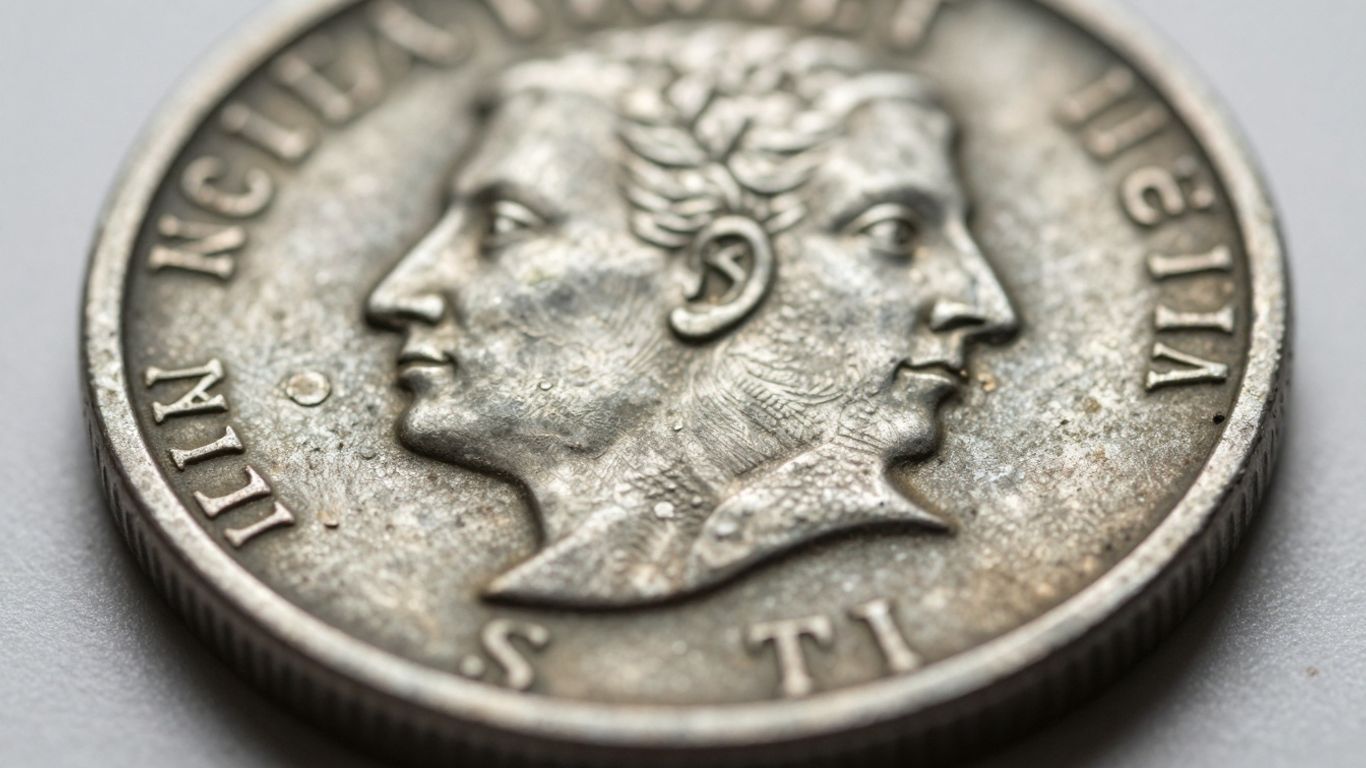
Ancient Methods of Coin Production
Making coins back in the day was a whole different ballgame compared to today’s automated mints. Think less high-tech machinery and more brute force and skilled hands. The most common method involved striking. Basically, you’d have a metal blank, which was just a pre-cut piece of metal, and you’d place it between two dies. One die, called the ‘anvil die,’ was usually fixed, and the other, the ‘punch die,’ was held by a worker. Then, someone would take a big hammer and whack the punch die. This would imprint the design onto both sides of the metal blank. It was a pretty straightforward process, but it took a lot of practice to get the alignment right and to make sure the strike was strong enough to create a clear image.
- Blank Preparation: Metal was melted down and cast into rough shapes or cut into discs.
- Die Engraving: Skilled artisans would painstakingly carve the designs onto the dies, often made of harder metal.
- Striking: The blank was placed between the dies, and a hammer blow transferred the design.
The Significance of Metal Purity
When coins were made of valuable metals like gold and silver, their worth was pretty much tied to the actual amount of metal they contained. This meant that keeping the metal pure was a big deal. If a coin was supposed to be pure silver but had a bunch of other cheaper metals mixed in, it wasn’t worth as much. Governments and rulers really paid attention to this. They’d have ways to check the fineness, or purity, of the metal. For example, Roman gold coins were usually over 95% pure gold, and silver coins were also very pure until emperors started to debase them a bit, meaning they’d mix in more other metals to make more coins from the same amount of silver. It was all about trust; people needed to know their money was actually worth something.
The purity of the metal directly impacted the coin’s value and the trust people placed in it. Maintaining high standards was key to a stable economy.
Artistic Expression on Ancient Coins
It wasn’t just about the metal; ancient coins were also miniature canvases. Engravers put a lot of effort into the designs. You’d see portraits of rulers, gods, goddesses, mythical creatures, and symbols that told stories about victories, cities, or important events. Sometimes, the artistry is just incredible, with tiny details that are still visible today. These weren’t just pieces of currency; they were like little propaganda posters or historical markers. The quality of the engraving could even say something about the wealth and sophistication of the place that made the coin. It’s pretty amazing to think about the skill involved, especially considering the tools they had back then.
Symbolism and Mythology Encoded on Coins
Coins weren’t just about counting money back in the day. They were like tiny billboards, packed with images and stories from myths and legends. Think of them as miniature history books, telling tales of gods, heroes, and the very foundations of societies. These symbols weren’t random; they carried deep meaning, often related to protection, power, and the values people held dear.
The Protective Power of the Gorgoneion
One of the most striking symbols you might find is the Gorgoneion, the head of Medusa. After the hero Perseus famously beheaded her, her head didn’t lose its power. It was said to retain its ability to turn onlookers to stone. This fearsome image was then adopted as a powerful protective charm. Athena, the goddess of wisdom and warfare, wore it on her aegis, and even Zeus himself is said to have had it on his breastplate. It was a symbol meant to ward off evil and bring divine protection to its wearer or bearer.
Mythological Depictions of Strength and Divinity
Many coins featured gods and goddesses, each representing different aspects of life and power. You might see depictions of:
- Lions: Often representing strength, nobility, and ferocity. Think of the Nemean Lion, a creature Hercules had to defeat, or the civic badge of Miletos. These lions weren’t just animals; they were symbols of the people’s own perceived strength and authority.
- Centauurs: These half-human, half-horse creatures embodied a duality, representing both untamed nature and wisdom, like the great teacher Chiron.
- Goddesses: Figures like Athena symbolized wisdom, courage, and justice, while Artemis represented power and was locally venerated. Aurora, the dawn goddess, or Victory, represented renewal and triumph.
These images served to connect the coin’s owner with the divine, seeking favor or acknowledging the power of these deities.
Allegorical Representations of Power
Beyond direct mythological figures, coins also used allegory to convey messages about rulers and the state. For instance, a coin might feature:
- Roma: Representing the city and the Republic itself, acting as a guardian of the state and reminding people of its resilience.
- Triumphal Arches: These symbolized military victories and the glory of conquests, reinforcing the power and reach of the empire.
- The She-Wolf: A depiction of the Capitoline Wolf nurturing Romulus and Remus told the foundational story of Rome, linking the ruler to the city’s legendary origins.
These symbols were carefully chosen to project an image of stability, authority, and legitimacy for the ruling power. The imagery on ancient coins was a sophisticated form of communication, weaving together mythology, religion, and political messaging into a tangible object.
The use of mythological figures and allegorical representations on coins was not merely decorative. It was a deliberate strategy to imbue the currency with cultural significance and reinforce the authority and values of the issuing power. These tiny artifacts served as constant reminders of shared beliefs, historical narratives, and the divine or martial strength that underpinned society.
The Practicality of Coin Edge Design
Detecting Tampering and Clipping
Think about it: coins used to be made of actual precious metals, like gold and silver. People, being clever (and sometimes a bit greedy), figured out they could shave off tiny bits of metal from the edge of a coin and still pass it off as its full value. This sneaky practice was called ‘clipping.’ To combat this, mints started adding those little ridges, or ‘reeding,’ to the coin’s edge. If someone clipped a coin, those ridges would be gone or messed up, making it obvious that the coin was lighter than it should be. It was a simple yet effective way to keep people honest. This visual cue made it much harder to get away with metal theft.
Ensuring Coin Integrity and Value
Beyond just stopping theft, the reeding helped maintain the perceived value of the coins. When coins looked uniform, especially with their edges, it built trust. If you received a coin with a smooth edge when you expected ridges, you knew something was off. This consistency was important for trade and commerce. It meant that a coin of a certain denomination was generally expected to have a certain weight and purity, and the edge design was part of that expectation. For investors dealing with precious metals, this consistency in the coin’s edge design helps verify the coin’s stated gold or silver content.
The Role of Ridges in Coin Identification
While not the primary way we identify coins today, the edge design historically played a role. Different mints or even different coin series might have had variations in their reeding patterns. Although subtle, these differences could sometimes help distinguish between coins. Think of it like a fingerprint for the coin’s edge. It added another layer of detail that, combined with the faces of the coin, helped in its overall identification and authentication. The practice has continued even though most modern coins are made of base metals, becoming a nod to history and tradition.
From Currency to Adornment: Coins Through Time
Coins have always been more than just money. Think about it, people have been turning them into jewelry and other cool stuff for ages. It’s like, they’re not just for buying things, but also for showing off or just because they look neat. This whole idea of using coins for more than their face value is pretty old.
Repurposing Coins as Personal Treasures
Back in the day, especially when coins were made of actual precious metals like gold and silver, people didn’t just hoard them or spend them right away. They’d sometimes punch holes in them, or file them down, to make pendants, bracelets, or even sew them onto clothing. It was a way to carry wealth around, sure, but also to display personal style or status. Imagine wearing a coin that’s hundreds of years old – it’s like wearing a tiny piece of history right on your chest.
The Enduring Allure of Coinage
What is it about coins that makes them so appealing? Maybe it’s the art, the history, or the metal itself. Even today, when coins are mostly just metal-plated, people collect them, trade them, and yes, still turn them into jewelry. It’s a tradition that just keeps going. The designs on coins tell stories, too. You see rulers, gods, animals, and symbols that meant something important to the people who made and used them.
Historical Alterations and Their Meanings
When you see an old coin with a hole in it or some other modification, it’s not necessarily damaged. It’s often a sign that the coin had a second life. For example, a coin with a hole might have been worn as a necklace. Sometimes, people would even carve extra designs onto coins, though that was usually frowned upon by authorities. These alterations give us clues about how people interacted with their money and what they valued beyond its monetary worth.
| Coin Type | Material | Circa | Common Alteration |
|---|---|---|---|
| Stater | Silver | 530-510 B.C. | Hole for pendant |
| Drachm | Silver | 4th Century B.C. | Worn as jewelry |
| Nummus | Bronze | 324-325 A.D. | Often collected, rarely altered |
The transformation of coins from simple currency into personal adornments speaks volumes about human creativity and the desire to imbue everyday objects with personal meaning and aesthetic appeal. This practice highlights how the intrinsic value and artistic merit of coinage have always captivated people, leading them to repurpose these items as cherished possessions that carry both historical weight and individual significance.
The Enduring Legacy of Coin Edge Features
Why Coins Have Ridged Edges Today
Even though we don’t really use coins made of precious metals for everyday shopping anymore, those little ridges on the edges, called reeding, are still around. It’s kind of like a historical nod, a tradition that’s stuck. Back in the day, people would shave off bits of gold or silver from coins to make extra cash. This practice, known as clipping, meant a coin could lose value without anyone immediately noticing. The reeded edges were a clever way to spot this right away. If the ridges were gone, you knew the coin had been messed with. This simple design feature helped maintain trust in the currency. Today, while the metal theft aspect is mostly gone, the reeding continues, a testament to its original purpose and a familiar sight on our money.
The Continuation of Minting Traditions
Minting practices have evolved a lot, but some things just don’t change. The reeded edge is a prime example. It’s a technique that’s been passed down through generations of coin makers. Think of it like a baker sticking to an old family recipe; it connects the present to the past. The process itself has become more sophisticated, of course. Instead of hand-engraving, modern machines create these precise patterns. But the idea behind it – making coins harder to tamper with and easier to identify – remains the same. It’s a quiet way that history whispers to us every time we handle a coin.
Modern Coinage and Historical Practices
Looking at coins today, you see a mix of old and new. The faces and symbols change, reflecting current events or national pride, but the reeded edge often stays. It’s a constant in a world of change. This continuity is important for collectors and historians, providing a link to older coins. It also helps in distinguishing different types of coins, even those that look similar at first glance. The edge might seem like a small detail, but it tells a story about how coins were made and valued in the past. It’s a bit like how old buildings keep some original features even after renovations; it grounds them in their history. The practice of adding these edge details is a direct continuation of historical minting practices that aimed to protect the integrity of the currency.
The Art and Craft of Coin Minting
Advanced Minting Techniques of Antiquity
Making coins back in the day was a serious business, a real blend of art and hard work. It wasn’t just about slapping metal into a shape; it was a whole process. Think about it: you had these skilled craftspeople, the engravers, who had to get everything just right. They’d start with a blank piece of metal, called a flan. This flan had to be the right size and weight, which was super important for the coin’s value.
The Craftsmanship of Engravers
These engravers were the real stars of the show. They’d take a piece of metal, usually bronze or steel, and carve the design for one side of the coin into it. This carved piece was called a die. The detail they could achieve with hand tools is honestly mind-blowing. Imagine carving a tiny portrait or a complex scene onto a small metal surface – it took incredible patience and a steady hand. They had to make sure the image was clear and would transfer well when the coin was struck.
The Materials Used in Coin Production
Coins weren’t just made from whatever metal was lying around. The choice of material really mattered.
- Gold: Used for high-value coins, often by rulers to show off their wealth and power. These were usually very pure.
- Silver: A common choice for everyday transactions and important issues. Like gold, the purity was closely watched.
- Bronze and Brass: These copper alloys were used for lower-value coins. They were more accessible and good for general circulation.
The purity of the metal was a big deal. For gold and silver coins, especially in Greek and Roman times, they aimed for really high purity, often over 95%. Even when emperors like Nero tweaked things, the idea of a consistent metal content was key to trust.
Here’s a quick look at some common materials:
| Metal Type | Common Uses |
|---|---|
| Gold | Royal mints, high-value currency |
| Silver | General circulation, important coinage |
| Bronze | Everyday coins, smaller denominations |
| Brass | Used in Roman times, often for smaller coins |
More Than Just Metal
So, there you have it. Those little ridges on the edge of coins, the ones we barely notice anymore, have a pretty interesting story. They started out as a clever way to stop people from shaving off bits of precious metal, which was a big deal when coins were actually made of gold or silver. Even though we don’t really do that anymore, the ridges stuck around. It’s kind of like a tradition, a little piece of history right there in your pocket. Next time you get some change, take a closer look. It’s more than just metal; it’s a tiny artifact with a past.
Frequently Asked Questions
Why do coins have those little lines on their edges?
Those lines, called reeding, were first put on coins a long time ago. Back then, coins were made of real gold and silver. People would try to cheat by shaving off tiny bits of the metal from the edges of coins and then passing them off as if they were still worth their full value. The lines made it super obvious if someone had tampered with the coin, because the missing metal would leave a smooth edge where the lines should be.
Are coins still made of valuable metal today?
Most coins you use every day are not made of valuable metals like gold or silver anymore. They are usually made of cheaper metals like copper, nickel, or zinc. Even though we don’t need the ridges on the edges to stop people from stealing metal, the tradition of adding those lines has continued on many coins.
What's the difference between the front and back of a coin?
The front of a coin is called the ‘obverse,’ and it usually has a picture of a leader or important person. The back is called the ‘reverse,’ and it often shows symbols, pictures, or designs that tell a story or represent something important about the place where the coin was made.
Did ancient coins have pictures on them too?
Yes, absolutely! Ancient coins were often decorated with amazing artwork. They featured images of gods and goddesses, powerful animals, important historical events, and even mythical creatures. These designs weren’t just for looks; they often had special meanings or sent messages about power and beliefs.
What does the Gorgoneion symbol mean on some old coins?
The Gorgoneion is a scary face, often from a mythical creature like Medusa. It was put on coins because people believed it had the power to protect them from bad luck or evil spirits. It was like a symbol of strength and a way to scare away enemies.
Were coins ever used for anything other than money?
Yes, people have sometimes turned coins into jewelry or decorations. You might see old coins with holes in them, which shows they were once worn as necklaces or attached to clothing. This shows how much people valued coins, not just for their money but also as beautiful objects.
How were coins made a long time ago?
Making coins in ancient times was a careful process. Metal was melted down and shaped into discs. Then, artists would carve designs onto metal stamps. These stamps were used to press the designs onto the metal discs, either by hitting them with a hammer or using a special press. It took a lot of skill to make them look good and be the right weight.
Why are some coin edges plain and others ridged?
The main reason for ridged edges, or ‘reeding,’ was to prevent people from shaving off small amounts of precious metal. A plain edge made it harder to tell if metal had been removed. Today, while most coins aren’t made of precious metals, the ridged edge is mostly kept as a traditional design element, and sometimes specific patterns can help identify a coin.