
Making a proof coin isn’t like making a regular coin you’d get in your change. It’s a whole different ballgame, really. The whole proof coin production process is super detailed, involving special steps to get that amazing look. We’re talking about picking the best metal blanks, polishing them like crazy, and then striking them multiple times with a ton of force. It’s all about creating that shiny background and frosted design that collectors love. Let’s break down how these shiny collectibles come to be.
Key Takeaways
- Proof coins are made using a special, careful process that’s different from regular coins.
- This process involves preparing the metal blanks and dies with extra attention.
- Multiple strikes with high pressure are used to get the detailed look and contrast.
- The final look has a mirror-like background and frosted design elements.
- This meticulous proof coin production process results in a high-quality, collectible item.
The Genesis Of Proof Coin Production
Defining The Distinctive Proof Coin
Proof coins aren’t just regular coins that look a bit shinier. They’re made differently from the start. Think of it like the difference between a quick sketch and a fully rendered painting. Regular coins, often called business strikes, are made for everyday use, to be passed around. Proof coins, on the other hand, are made with collectors in mind. They’re produced using special methods to make them look really special. The term ‘proof’ actually refers to the manufacturing process itself, not a grade like ‘mint state’ or ‘about uncirculated’. These coins are meant to show off the mint’s capabilities and the coin’s design in the best possible light.
The Purpose Behind Proof Coin Minting
So, why go through all the extra trouble to make proof coins? Well, it’s not about putting them in your pocket for a coffee. Mints create them to showcase their artistry and the intricate details of a coin’s design. They’re like a special exhibit, meant to be admired. Because they’re made with such care and aren’t intended for circulation, they usually come straight from the mint to collectors. This means they typically don’t have the wear and tear you’d see on a coin that’s been used for transactions. They’re essentially collector’s items from the moment they’re made.
Distinguishing Proof From Business Strikes
It’s pretty easy to tell a proof coin from a regular one if you know what to look for. The biggest difference is the finish. Proof coins usually have a background that looks like a mirror, super shiny and smooth. Then, the design elements – like the picture or the words – are often frosted, giving them a matte look. This contrast makes the design really pop. Business strikes, the ones made for everyday use, tend to have a more uniform finish, and you’ll often see bag marks or scratches from being handled. Also, proof coins are struck multiple times with a lot of force, which makes the details really sharp and clear. Business strikes are usually only struck once.
- Mirror-like Fields: The background areas are highly reflective.
- Frosted Devices: The raised design elements have a matte, textured appearance.
- Sharp Details: Every line and curve of the design is exceptionally clear.
- Multiple Strikes: Coins are struck more than once to achieve full detail.
The entire process for creating a proof coin is geared towards producing a visually stunning piece. It starts with specially prepared blanks and ends with a coin that highlights the mint’s precision and the artist’s vision, making them highly sought after by collectors.
Preparing The Foundation For Brilliance
Selecting Pristine Planchets
The journey to a brilliant proof coin begins long before the striking press is even engaged. It starts with the very metal that will form the coin: the planchet. For proof coins, only the most flawless, carefully chosen planchets are selected. These aren’t just any blank discs; they are meticulously inspected for any imperfections, no matter how small. Think of it like preparing a canvas for a masterpiece – you wouldn’t start with a torn or stained surface, and neither do mints for their proof coins. This initial selection is a critical step in setting the stage for the coin’s eventual dazzling finish. The quality of the raw material directly impacts the final product’s reflectivity and overall appeal.
Meticulous Polishing Of Blanks
Once the pristine planchets are selected, the real work of preparing them for striking begins. Each blank undergoes a rigorous polishing process. This isn’t a quick buff; it’s a multi-stage operation designed to create an incredibly smooth and reflective surface. Often, this involves tumbling the blanks with fine abrasive materials or using specialized chemical baths. The goal is to eliminate even the slightest microscopic imperfections, ensuring that when the coin is struck, the resulting field will be as mirror-like as possible. This level of preparation is what truly sets proof coins apart from their business strike counterparts. After annealing, coin blanks are thoroughly cleaned in chemical baths to eliminate oxidation and impurities, ensuring a pristine surface before further minting stages. This meticulous cleaning is vital.
Specialized Die Preparation Techniques
While the planchets are being polished to a mirror finish, the dies that will strike the coin are undergoing their own specialized treatment. Unlike dies used for regular circulation coins, proof coin dies are prepared with extreme care. They are often polished to an exceptionally high degree, sometimes to the point of being almost mirror-like themselves. Furthermore, the design elements on the dies are often treated to create a frosted appearance. This contrast is key to the signature look of a proof coin. The dies are also handled with great care to prevent any damage or wear that could mar the final coin’s surface. This dual preparation of both the blank and the die is what allows for the creation of that stunning visual depth.
- Die Polishing: Dies are polished to an extreme degree, often to a mirror finish.
- Frosting Techniques: Specific areas of the die are treated to create a frosted effect.
- Careful Handling: Dies are handled with gloves and protected from any potential damage.
The preparation of both the planchet and the die is a labor-intensive process. It requires a level of attention to detail far beyond that of standard coin production. This dedication to perfection at every stage is what ultimately results in the breathtaking beauty of a proof coin.
The Art Of The Strike
Multiple Strikes For Enhanced Detail
Proof coins aren’t just struck once and called done. Far from it. To get that incredible detail and sharp definition we expect from a proof coin, the blank metal disc, or planchet, is struck multiple times. Think of it like a sculptor refining their work. Each strike adds a bit more depth and clarity to the design. This isn’t something you see with regular coins meant for everyday spending; those get a single, powerful hit and are sent on their way. For proofs, though, it’s a much more deliberate process.
Applying Immense Striking Pressure
Beyond just hitting the coin multiple times, the force applied during each strike is also a big deal. We’re talking about a lot of pressure here, way more than what’s used for regular coins. This intense pressure is what helps push the metal into every nook and cranny of the die. This is how those incredibly fine lines and intricate patterns on the coin’s surface get created. It’s a delicate balance, though; too much pressure, or pressure applied incorrectly, can damage the die or the planchet. The mints have to get it just right.
Achieving The Frosted Foreground
So, how do they get that distinctive frosted look on the raised parts of the design, like the portrait or the main symbols? It’s all in how the dies are prepared. Before they’re used to strike the coins, the dies themselves are treated. This often involves sandblasting or using other abrasive methods on the design areas of the die. When the coin is struck, this treatment transfers to the metal, giving those raised areas a matte, frosted appearance. It’s a clever bit of preparation that sets proof coins apart visually.
Achieving The Signature Finish
The Mirror-Like Field Effect
This is where the magic really happens. After the planchets are prepared and the dies are meticulously crafted, the striking process itself is designed to create that unmistakable proof finish. Unlike regular coins meant for circulation, proof coins get special treatment. The metal blanks, or planchets, are polished to an almost perfect sheen before they even see a die. Then, they’re struck multiple times. Each strike uses immense pressure, and this repeated action is key to achieving that deep, reflective surface. Think of it like polishing a mirror – the more you work it, the clearer and more brilliant it becomes. This intense pressure smooths out the metal on the coin’s surface, especially in the flat areas, turning them into a dazzling, mirror-like field. This brilliant background is what makes the design elements pop.
Contrast Between Devices And Background
The real beauty of a proof coin lies in the dramatic contrast it presents. You have those incredibly smooth, shiny fields we just talked about, and then you have the design elements – the images, the lettering, the dates. These parts are often given a frosted appearance. This isn’t accidental; it’s a deliberate part of the minting process. The dies themselves are prepared in a way that creates this effect. The contrast between the frosty design and the mirror-like background gives the coin a three-dimensional look and makes every detail stand out with remarkable clarity. It’s this visual depth that collectors find so appealing.
The Role Of Sandblasting Dies
So, how do they get that frosted look on the design elements? One common technique involves preparing the dies with a special surface treatment. While not all proof dies are sandblasted, it’s a method used to create that matte, frosted finish on the raised parts of the design. The dies are treated, often with fine abrasive materials like sand or glass beads, to give them a textured surface. When the coin is struck, this texture is transferred to the design elements. The fields, on the other hand, are left highly polished. This deliberate difference in surface treatment between the die’s design areas and its background areas is what produces the signature frosted-vs-mirror effect characteristic of proof coins. It’s a careful balance of polishing and texturing the dies to get that perfect visual pop.
The creation of a proof coin is a multi-stage process that relies on specialized equipment and techniques at every turn. From the initial preparation of the metal blanks to the final striking, each step is executed with a level of precision far beyond that of regular coinage. This dedication to detail is what transforms a simple piece of metal into a numismatic work of art.
Beyond The Strike: Refinement And Quality
Even after the intense pressure of the striking process, the journey of a proof coin isn’t quite over. The minting facility employs several steps to make sure these coins are as perfect as they can be. It’s all about getting that special look that collectors expect.
Ensuring Blemish-Free Surfaces
Think of it like this: after a coin is struck, it’s handled. Even the slightest touch can leave a mark, and for a proof coin, that’s a big no-no. So, special care is taken to keep the surfaces clean and free from anything that could mar that brilliant finish. This often involves using soft cloths and specialized tools to move the coins without causing damage. It’s a delicate dance, really.
The Importance Of Cleanliness
Cleanliness is a really big deal here. Any dust, oil, or residue from the minting process can ruin the look of a proof coin. Imagine a fingerprint on a mirror – it just ruins the reflection. The same idea applies to proof coins. They are often handled in clean rooms, and workers might wear special gloves. This attention to detail is what separates a regular coin from a proof.
Labor-Intensive Craftsmanship
It’s not just about the machines; it’s about the people too. Making proof coins is a slow, careful process. Each coin might be looked at by several people to check for any tiny flaws. This hands-on approach means that fewer coins can be made, but the quality is way up there. It’s a blend of old-school attention to detail and modern minting technology.
The final appearance of a proof coin is a direct result of the meticulous attention paid to every stage of its creation, from the initial blank preparation to the final inspection. This dedication to perfection is what gives proof coins their unique appeal and value.
Here’s a quick look at what goes into making sure a proof coin is top-notch:
- Surface Inspection: Each coin is checked for any scratches, nicks, or other imperfections.
- Handling Protocols: Strict rules are in place for how coins are moved and stored to prevent damage.
- Final Quality Control: A last look ensures the coin meets the high standards expected of a proof strike.
The Unique Characteristics Of Proof Coins
Proof coins stand apart from their regular counterparts due to a combination of meticulous production methods and distinct visual qualities. These coins aren’t intended for everyday transactions; instead, they are crafted specifically for collectors, showcasing the pinnacle of minting artistry. Their creation involves a level of care and precision that results in a coin that is both beautiful and highly detailed.
Exceptional Aesthetic Appeal
One of the most striking features of a proof coin is its visual appeal. This is largely due to the contrast achieved between the coin’s raised design elements and its background field. The mint achieves this by preparing the dies in a specific way. Often, the raised areas of the design are given a frosted appearance, while the background, or field, is polished to a mirror-like shine. This contrast makes the design elements pop, giving the coin a brilliant, almost three-dimensional look. It’s this attention to visual detail that makes proof coins so desirable for collectors.
Intricate Design Detailing
The process used to create proof coins allows for an incredible level of detail to be captured. Unlike standard coins that are struck once, proof coins are typically struck multiple times. This repeated striking, combined with immense pressure, ensures that even the finest lines and textures of the design are fully rendered. The specially prepared planchets, which are polished to a high sheen before striking, also contribute to the clarity and sharpness of the final design. This results in a coin where every element, from the smallest hair on a portrait to the intricate patterns in a shield, is rendered with exceptional precision. You can really see the difference when you compare them to regular coins; the detail is just on another level.
Superior Strike Quality
Beyond the visual contrast and fine details, proof coins are defined by their overall strike quality. The multiple strikes not only impart detail but also create a very sharp, well-defined edge and overall crispness to the coin. The planchets themselves are carefully selected and prepared, often undergoing a rigorous polishing process to remove any imperfections. This dedication to a flawless surface is what allows the mirror-like fields to be so reflective. The result is a coin that feels substantial and looks incredibly sharp, a testament to the specialized manufacturing process.
The journey from a simple metal blank to a finished proof coin is a labor-intensive one. It involves specialized techniques at every stage, from die preparation to the final strike, all aimed at producing a coin of exceptional beauty and clarity for collectors. This dedication to quality is what truly sets proof coins apart.
Proof coins are a fantastic way to appreciate the artistry of coin design. Whether you’re interested in historical pieces or modern commemoratives, the quality of a proof coin is undeniable. If you’re looking to start a collection or add a special piece, exploring proof coin sets is a great place to begin.
Variations In Proof Coin Design
Understanding Reverse Proof Coins
While the classic proof coin boasts a frosted design against a mirrored field, a fascinating variation exists: the reverse proof. In this style, the typical finish is flipped. The fields of the coin are frosted, while the raised design elements appear as polished mirrors. This creates a striking visual contrast that is quite different from its traditional counterpart. It’s a clever way for mints to offer collectors something new and visually distinct, playing with light and texture in an unexpected way. The process for creating a reverse proof is similar in its meticulous nature, but the application of finishes to the dies is altered to achieve this inverted effect. This allows for a whole new aesthetic appeal within the realm of high-quality minting.
The Mirrored Design Effect
In a standard proof coin, the goal is to make the raised design elements pop against a reflective background. This is achieved through multiple strikes and careful polishing of the dies. The contrast is what gives proof coins their signature look. The mirrored field acts like a tiny, perfect mirror, reflecting light and making the intricate details of the design seem to float. It’s this sharp distinction that collectors find so appealing. Think of it like a spotlight on the artwork of the coin. The minting process is all about controlling how light interacts with the metal’s surface.
Frosted Field Contrast
Now, let’s talk about the flip side, literally, with reverse proofs. Here, the fields are treated to have that frosted, matte appearance, while the design itself is polished to a mirror shine. This makes the design elements appear to be sunken into the coin, creating a unique depth. It’s a different kind of visual play. Instead of the design being raised and bright against a dark background, it’s the opposite. This technique is also a result of specialized die preparation and striking techniques. It really shows how much variation is possible when you’re talking about proof coin production.
- Standard Proof: Frosted design, mirrored fields.
- Reverse Proof: Mirrored design, frosted fields.
- Special Strikes: Some coins might feature combinations or unique finishes for limited editions.
The creation of these variations isn’t accidental; it’s the result of deliberate adjustments to the die preparation and striking process. Mints experiment with different textures and finishes to produce coins that stand out, offering collectors a diverse range of aesthetic choices beyond the traditional proof format. This innovation keeps the hobby exciting and provides new avenues for numismatic appreciation.
The Role Of Expert Grading
Assessing Condition And Quality
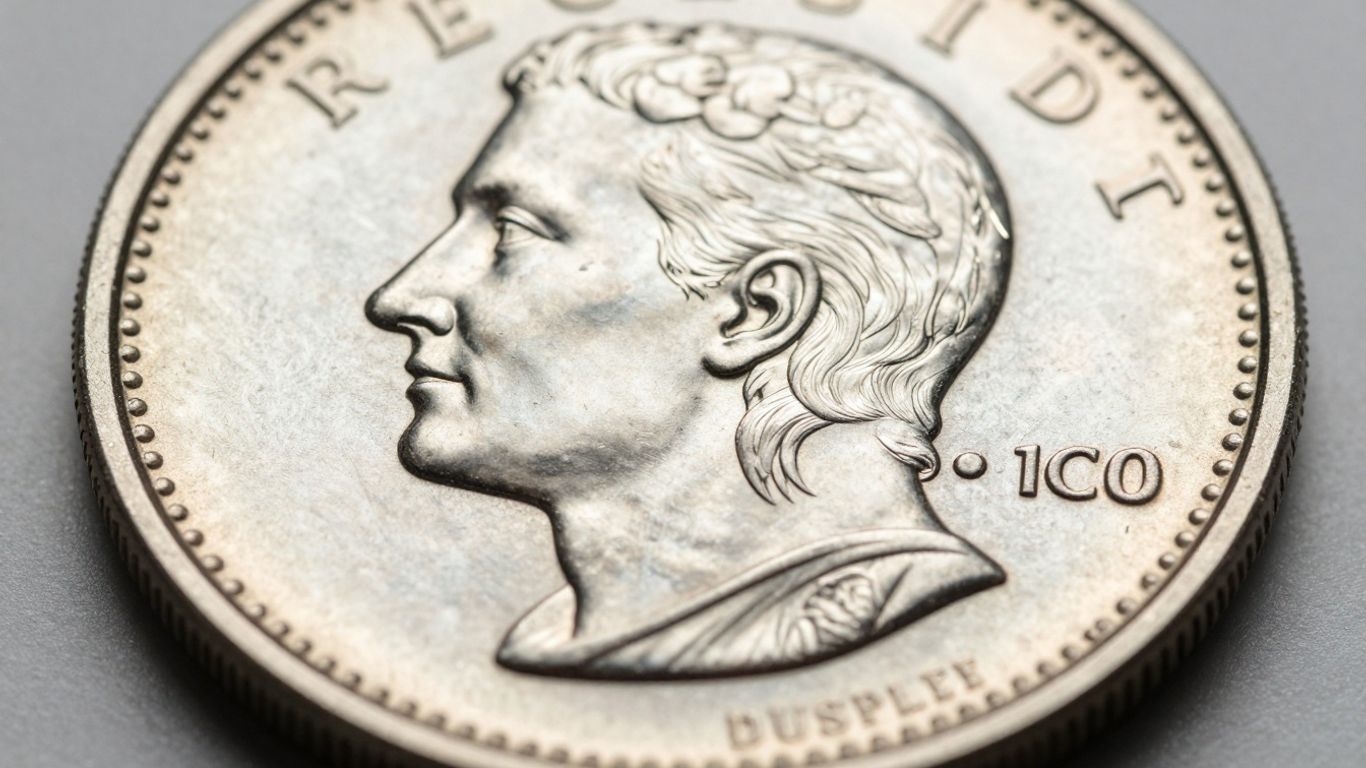
So, you’ve got a proof coin, and it looks pretty amazing, right? But how do you really know how good it is? That’s where grading comes in. It’s not just about whether it’s shiny; it’s about a whole system that looks at all the little things. Think of it like a report card for your coin. Grading services look at how well the coin was struck, if the details are sharp, and if there are any marks or scratches that shouldn’t be there. For proof coins, they’re especially looking at that mirror-like background and the frosted design – how well do those contrast? Are there any tiny imperfections that take away from that perfect look? This detailed assessment is what separates a good proof coin from a truly great one.
Standardized Grading Criteria
There’s a whole scale for grading coins, and it goes from 1 to 70. For proof coins, the top grades are where things get really interesting. A grade of 60 is the lowest for a coin that’s considered in "mint state" or "proof" condition, meaning it’s not circulated. But most collectors aim higher. A 65 is pretty good, showing some nice shine and maybe a few minor marks. When you get to 68, 69, or the ultimate 70, you’re talking about near-perfect coins. These top-tier proofs have incredible detail, flawless surfaces, and that signature contrast that makes them so special. It’s a very specific set of rules that the graders follow, so everyone is looking at the same things.
Here’s a quick look at what graders consider:
- Strike: How well did the dies impress the design onto the blank? Are the details sharp and complete?
- Surface: This covers everything from the mirror fields to the frosted devices. Are there any scratches, bag marks, or other blemishes?
- Luster/Brilliance: For proofs, this is about the reflective quality of the fields and the frosty appearance of the design.
- Eye Appeal: This is a bit more subjective, but it’s the overall visual impact of the coin.
The Significance Of Certified Slabs
When a professional grading service looks at a coin, they don’t just hand it back to you. They put it in a special, sealed plastic holder, often called a "slab." Inside this slab, they’ll tell you the coin’s grade and often its variety or specific details. This is a big deal for collectors. It means the coin has been authenticated and graded by experts, and that grade is guaranteed by the grading company. It makes the coin much easier to buy and sell because you know what you’re getting. Plus, that slab protects the coin from further damage. It’s like getting a certificate of authenticity and a protective case all in one. For serious collectors, a coin in a reputable slab is often much more desirable than one that’s just loose.
Collecting Proof Coins: A Rewarding Endeavor
Setting Collection Goals
Starting a proof coin collection can feel a bit overwhelming at first, given the sheer variety and history involved. Before you buy anything, take a moment to think about what draws you to these special coins. Are you fascinated by a particular historical period, a specific design motif, or perhaps the idea of owning coins that represent the absolute peak of minting quality? Maybe you’re interested in the investment potential, aiming to build a portfolio of coins that might appreciate over time. Defining your focus will make the collecting journey much more enjoyable and directed. It helps you avoid impulse purchases and build a collection that truly speaks to you.
Starting With Current Proof Sets
For newcomers to the world of proof coins, beginning with contemporary proof sets is often the most sensible approach. Mints around the world, like the United States Mint, release annual proof sets that contain one of each denomination struck that year, all in proof quality. These sets are usually presented in protective packaging directly from the mint, offering a clean and consistent introduction to the proof finish. They provide a tangible way to appreciate the mint’s current artistic and technical capabilities without needing to hunt down individual, older issues. It’s a straightforward way to get a feel for what makes proof coins special.
Acquiring Coins From Reputable Sources
When you’re ready to expand your collection beyond the latest sets, finding trustworthy places to buy is key. The coin market has many dealers, both online and in physical locations, but not all are created equal. Look for dealers who are members of professional numismatic organizations, as this often indicates a commitment to ethical practices. Online marketplaces can be convenient, but always check seller reviews and return policies carefully. Attending coin shows is another excellent way to see coins in person, talk to dealers, and get a sense of the market. Building a relationship with a reputable dealer can be incredibly beneficial, as they can offer guidance and help you find specific pieces for your collection.
Handling proof coins requires a gentle touch. Always hold them by their edges, never touching the mirrored surfaces. Fingerprints contain oils and acids that can permanently damage the delicate finish over time. Store your coins in a stable environment, away from extreme temperatures, humidity, and direct sunlight, using appropriate holders or albums designed for coin preservation.
Preserving The Brilliance Of Your Collection
Proper Handling Techniques
So, you’ve got these amazing proof coins, right? They look incredible, but they’re also pretty delicate. The biggest thing to remember is to avoid touching the shiny surfaces. Seriously, just don’t. Your fingerprints have oils and stuff on them, and over time, that can actually mess with the finish, making it look dull or even causing spots. The best way to handle them is by the edges. If you’re moving them around, use a soft cloth or cotton gloves. It might seem like overkill, but it makes a real difference in keeping that proof finish looking sharp.
Optimal Storage Environments
Where you keep your proof coins matters a lot. You want a place that’s cool and dry. Think about it: extreme heat or humidity can cause problems over the years. Direct sunlight is also a no-go; it can fade colors on some coins and generally isn’t good for them. Many collectors use special coin holders, albums, or capsules. These aren’t just for looks; they provide a barrier against scratches and environmental gunk. Some people even use inert materials like Mylar for their holders, which is supposed to be super safe for the coins long-term. It’s all about creating a stable little world for your coins where they won’t get bumped, scratched, or corroded.
Protecting Against Environmental Damage
Environmental damage is the silent killer of coin finishes. Things like sulfur in the air, dust, and even certain types of packaging can cause toning or corrosion. That’s why using archival-quality storage is so important. Avoid PVC (polyvinyl chloride) in plastic holders, as it can break down and damage coins over time. If you live in an area with high pollution or humidity, you might even consider using silica gel packets in your storage area to help absorb moisture. It’s a bit of a balancing act, but keeping your proof coins in a stable, protected environment is key to maintaining their original luster and value.
Proof coins are special because of their unique finish, which is created by striking them multiple times with specially prepared dies. This process gives them that mirror-like background and frosted design that collectors love. Because of this, they are much more sensitive to handling and storage than regular coins meant for everyday use. Treating them with care from the moment you get them is the best way to keep them looking their best for years to come.
From Blank Metal to Brilliant Collectible
So, we’ve walked through the whole process, from just a plain metal disc to these amazing proof coins. It’s pretty wild how much work goes into them, right? It’s not just about stamping a design; it’s about making something truly special. These coins aren’t made for just anyone to spend. They’re crafted for people who appreciate the detail, the shine, and the history they represent. It really makes you look at a coin a bit differently, knowing all the care that went into it. It’s a whole world of collecting out there, and proof coins are definitely a big part of it.
Frequently Asked Questions
What makes a proof coin different from a regular coin?
Proof coins are made with extra care and special steps. They have a shiny, mirror-like background and designs that look frosted or textured. This is different from regular coins, which are made for everyday use and don’t have these special finishes. Proof coins are made to look amazing, not to be spent.
How are proof coins made?
Making proof coins is a detailed process. First, the metal discs, called planchets, are polished until they’re super smooth and clean. The metal stamps, called dies, are also polished and sometimes treated to make the coin’s design stand out. The coin is then struck multiple times with a lot of force, which creates that sharp, detailed look and the shiny finish.
Why do proof coins have a shiny background and frosted designs?
This special look is created on purpose. The mirror-like background comes from polishing the metal blanks and the dies very well. The frosted look on the raised parts of the design is often achieved by sandblasting the dies before they are used. This contrast makes the coin’s image pop and look very impressive.
Are proof coins valuable?
Yes, proof coins are usually more valuable than regular coins. This is because they are made in smaller numbers, require a lot more work to produce, and have a special, high-quality finish that collectors really like. Their rarity and beauty often make them more collectible.
What is a 'reverse proof' coin?
A reverse proof coin is the opposite of a regular proof coin. Instead of having a shiny background and frosted design, it has a frosted background and a shiny, mirror-like design. This unique look is created using a similar careful process but with a reversed effect.
How should I take care of my proof coins?
To keep your proof coins looking their best, always handle them by the edges. Avoid touching the surfaces, as oils from your skin can damage the finish. Store them in special protective holders or albums in a cool, dry place, away from direct sunlight. This helps prevent scratches and damage from the environment.
What does 'grading' mean for proof coins?
Grading is like giving a score to a coin based on its condition and how well it was made. Experts look at things like scratches, the sharpness of the design, and the overall shine. A high grade means the coin is in excellent shape and is more desirable to collectors. Proof coins are graded separately from regular coins.
Where can I buy proof coins?
You can buy proof coins directly from official mints, like the U.S. Mint, or from reputable coin dealers and online stores that specialize in numismatics. It’s best to buy from trusted sources to make sure you get genuine coins in the condition described.