
So, what makes a coin really catch your eye? It’s more than just shiny metal, right? We’re talking about those special qualities that make collectors go ‘wow!’ This article is going to look at the different coin aesthetic appeal factors that truly grab people’s attention. Think history, art, and even a bit of luck. Let’s break down what makes a coin desirable.
Key Takeaways
- Coins are like tiny history books, telling stories of empires, events, and cultures through their designs and metal. Holding one can feel like touching the past.
- The visual aspect is huge. Intricate designs, artistic merit, and how well a coin is made play a big part in its appeal. Some coins are just beautiful to look at.
- Precious metals like gold and silver add a layer of appeal. Beyond their looks, they have inherent value and can be seen as an investment.
- Rarity and the thrill of finding something unique or a minting error really excite collectors. Discovering a scarce coin is a major draw.
- The condition of a coin matters a lot. A coin that’s well-preserved, showing minimal wear, generally has more appeal than one that’s seen better days.
The Allure of Historical Narratives
Echoes of Empires and Eras
Coins are more than just currency; they are tiny time capsules. Think about holding a coin minted during the height of the Roman Empire. Suddenly, you’re not just looking at metal, you’re holding a piece of history that circulated during the time of emperors and legions. These objects have witnessed the rise and fall of civilizations, the spread of ideas, and the daily lives of people long gone. The stories etched onto their surfaces offer a direct connection to the past.
Tangible Links to Past Events
Every coin carries a narrative. The portraits depict rulers, the inscriptions reveal languages and political messages, and the imagery often reflects the values and significant events of its time. A coin from the American Revolution, for instance, isn’t just old; it’s a physical artifact that was present during a pivotal moment in history. It might have been used to pay soldiers or buy supplies, making it a tangible link to the struggles and triumphs of that era. This connection makes collecting coins a way to curate moments from history, not just accumulate objects.
Unveiling Stories Etched in Metal
Numismatists, the scholars who study coins, spend their careers deciphering these metallic stories. They analyze the metal composition, the minting techniques, and the subtle details of the design to understand the context in which a coin was created and used. This process can reveal a great deal about the economic systems, artistic styles, and political climates of different periods. For example, studying the evolution of coinage can help us trace historical developments and understand how societies communicated and conducted trade. It’s like reading a history book, but instead of pages, you’re turning over tangible pieces of the past.
Artistry and Craftsmanship on Display
Intricate Designs and Artistic Merit
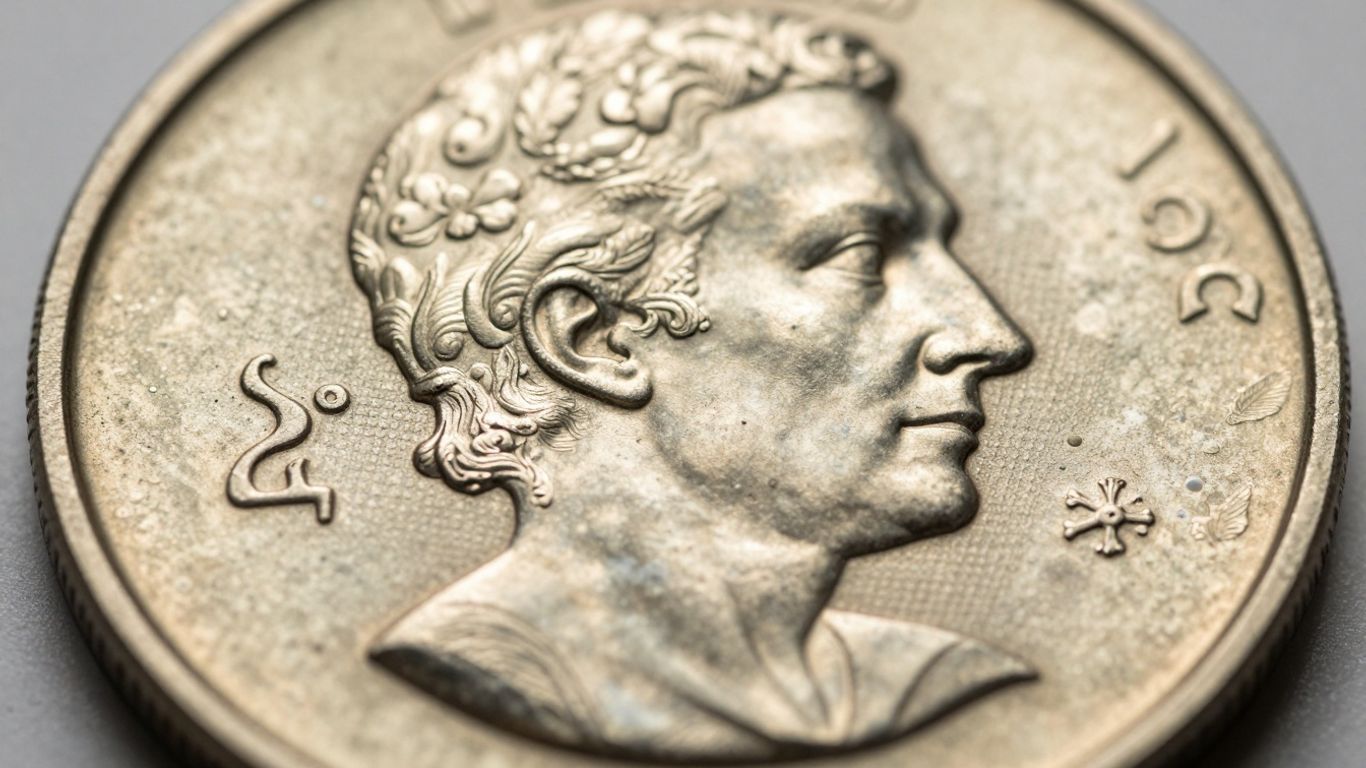
Coins are often overlooked as miniature canvases, but they truly are. Think about the detail on some of those older coins; it’s just incredible. Engravers and die-makers spent countless hours perfecting every line and curve. This isn’t just about making something look pretty; it’s about conveying power, identity, and cultural values through art. The way a portrait is rendered, the flow of drapery on an allegorical figure, or the sharpness of a national symbol all speak volumes about the skill involved. The artistic merit of a coin can significantly influence its appeal to collectors, often transcending its material value. It’s a testament to human creativity, compressed into a small, portable form.
The Sculptor's Hand in Coinage
Before modern machinery, creating coin dies was a hands-on process, much like sculpting. Skilled artisans would carve the designs into a piece of metal, essentially creating a negative image that would then be used to strike the coins. This direct involvement of the artist’s hand is often visible in the unique character and subtle imperfections that give older coins their charm. You can see the evolution of artistic styles, from the idealized forms of ancient Greece to the more formal portraits of later eras. It’s fascinating to consider the tools and techniques they used, which were quite basic compared to today’s technology. This direct link to the creator adds a layer of appreciation for the numismatic piece.
Visual Harmony and Aesthetic Balance
Beyond the individual elements, the overall composition of a coin matters. How do the design elements fit together? Is there a sense of balance and proportion? A well-designed coin feels complete, with a pleasing arrangement of imagery and text. This visual harmony contributes greatly to what we call "eye appeal." It’s about how the coin looks and feels as a whole, how the different parts work together to create a unified and attractive whole. Factors like the relief (how high the design stands from the surface) and the overall layout play a big role in this aesthetic balance. A coin that is cluttered or unbalanced might be historically significant, but it might not be as visually captivating.
The meticulous attention to detail, the skillful execution of designs, and the thoughtful composition all contribute to a coin’s artistic value. These elements transform a simple piece of metal into a work of art, appreciated for its beauty as much as its history or material.
The Appeal of Precious Metals
Beyond the historical tales and artistic designs, there’s a very tangible reason many collectors are drawn to certain coins: the precious metals they’re made from. We’re talking about gold, silver, platinum, and palladium – metals that have held value for centuries. It’s not just about owning a piece of history; it’s about owning something with inherent worth.
Intrinsic Value of Bullion Coins
Bullion coins are special because their value is directly tied to the amount of precious metal they contain. Think of them as portable wealth. While a rare ancient coin might fetch a high price due to its history and rarity, a gold bullion coin’s price is more predictable, fluctuating with the global market price of gold. This makes them a popular choice for those who see coin collecting as a way to invest in tangible assets.
The Luster of Gold and Silver
There’s a certain visual appeal to gold and silver that’s hard to ignore. The way they catch the light, their distinct colors, and the satisfying weight they have in your hand all contribute to their charm. Even coins that aren’t strictly bullion, but are made from these metals, often have a special shine. This aesthetic quality, combined with their material value, makes them doubly attractive to collectors.
Investment Potential Beyond Collectibility
Many collectors start with an interest in history or art, but soon discover the investment side of things. Precious metals have a reputation for holding their value, especially during uncertain economic times. While the numismatic value (collector value) can skyrocket for rare coins, the underlying metal content provides a baseline of worth. This dual nature – collectible art and stable asset – is a big draw.
The allure of precious metals in coinage is multifaceted. It combines the timeless appeal of valuable materials with the potential for financial growth, offering collectors a unique blend of aesthetic appreciation and practical investment.
Here’s a quick look at how different precious metals are valued:
| Metal | Typical Purity | Common Forms in Collectibles | Investment Appeal |
|---|---|---|---|
| Gold | .999+ | Bullion coins, some older coins | High intrinsic value, inflation hedge |
| Silver | .999+ | Bullion coins, commemorative coins | More accessible price point, industrial demand |
| Platinum | .999+ | Bullion coins, special issues | Rarity, industrial uses, high unit value |
| Palladium | .999+ | Bullion coins, some modern issues | Volatile but high potential, industrial demand |
Cultural Significance and Symbolism
Coins are more than just metal discs; they’re tiny time capsules carrying messages from the past. Think about it: what a society chooses to put on its money tells you a lot about what it values, what it believes in, and what it wants to remember. It’s like a miniature billboard for national identity and cultural pride.
Reflecting Societal Values and Beliefs
Every design choice, every figure depicted, and every inscription carries meaning. For instance, the prominent display of deities on ancient coins often points to the deep religious faith of the time. Similarly, the use of national symbols like eagles, lions, or flags speaks to a society’s sense of identity and its aspirations. These symbols aren’t random; they are deliberate choices meant to reinforce a shared sense of belonging and purpose among the populace. They can also highlight important historical events or figures that a nation wants to commemorate and pass down through generations.
Decoding Imagery and Iconography
Understanding the symbols on a coin can be like solving a puzzle. Take the Seated Liberty dollar, for example. Lady Liberty, a common figure on US coins, is often shown holding a staff topped with a Phrygian cap, a symbol of freedom dating back to ancient Rome. The shield she holds represents defense and strength. These elements weren’t just decorative; they were intended to convey specific messages about the nation’s ideals and its commitment to liberty and security. Different cultures have their own rich iconographic languages, and coins are a fantastic way to start learning them.
A Window into Global Cultures
Coins from different parts of the world offer a fascinating glimpse into diverse cultures. You might see intricate patterns reflecting Islamic art, portraits of emperors signifying imperial power, or mythological figures representing ancient beliefs. Even the script used on a coin can tell a story about linguistic history and cultural exchange. Examining a collection of coins from various countries and time periods is like taking a world tour without leaving your chair, revealing the vast tapestry of human civilization.
Here’s a look at how different cultural elements appear on coins:
| Coin Type/Origin | Depicted Symbolism | Cultural Insight |
|---|---|---|
| Ancient Greek Drachma | Gods and Goddesses (e.g., Athena) | Reflects polytheistic beliefs and the importance of deities in daily life. |
| Roman Denarius | Emperor’s portrait | Signifies imperial authority, propaganda, and the ruler’s divine or semi-divine status. |
| Chinese Cash Coin | Square hole in a round coin | Represents the ancient Chinese concept of ‘heaven and earth’ and facilitated stringing for commerce. |
| Medieval European Coin | Heraldic symbols (coats of arms) | Indicates the feudal system, noble lineage, and regional allegiances. |
| Modern Indian Rupee | National emblems (e.g., Ashoka Pillar) | Symbolizes national identity, historical heritage, and governmental authority. |
The images and symbols chosen for coinage are not accidental. They are carefully selected to communicate power, values, and identity, serving as a constant, tangible reminder of a society’s core principles and historical narrative to its citizens and the wider world.
The Thrill of Discovery and Rarity
There’s a special kind of excitement that comes with finding something truly unique in the world of coin collecting. It’s that feeling of uncovering a hidden gem, a piece that most people overlook or never even know exists. This pursuit of the rare and the unusual is a major draw for many collectors. It’s not just about owning a coin; it’s about owning a piece of history that stands apart.
Unearthing Unique Minting Errors
Sometimes, the most fascinating finds aren’t the ones that went perfectly according to plan. Minting errors, while technically flaws, can turn a common coin into a highly sought-after rarity. These mistakes happen for a variety of reasons during the production process, leading to some truly bizarre and interesting variations. Think about a coin where the strike is off-center, or perhaps one that accidentally received the wrong planchet (the blank metal disc before striking). These aren’t just mistakes; they’re anomalies that tell a story about the manufacturing process itself.
- Off-center strikes: The die doesn’t hit the planchet squarely, resulting in a partial image.
- Double strikes: The coin is struck more than once, creating overlapping images.
- Wrong planchet errors: A coin is struck on a planchet intended for a different denomination or metal type.
- Die cracks and breaks: These can leave raised lines or missing metal on the coin’s surface.
Discovering a coin with a significant minting error can be incredibly rewarding. It requires a keen eye and a bit of luck, but the payoff is a piece that is inherently scarce and often commands significant attention.
The Allure of Scarce Numismatic Finds
Beyond errors, rarity can stem from a coin’s mintage numbers, historical context, or survival rate. Some coins were simply produced in very limited quantities to begin with. Others might have been melted down later, or lost to time, leaving only a fraction of the original mintage in existence today. Identifying these scarce numismatic finds is like being a detective, piecing together clues from the past. It’s about understanding why a particular coin is hard to come by and appreciating its place in the broader story of coinage. Coin hunting offers a captivating hobby, blending the excitement of potentially finding a rare U.S. coin with the educational journey through American history. While discovering a high-value coin is uncommon, the pursuit itself is rewarding.
Identifying Overlooked Treasures
Not all rare coins are immediately obvious. Sometimes, treasures are hidden in plain sight, perhaps in circulated collections or mixed in with more common currency. This is where knowledge and careful examination come into play. Learning to spot subtle differences in design, date, or mint mark can lead to the discovery of a coin that, while not a dramatic error, is significantly rarer than its counterparts. It’s about developing an eye for detail and understanding the nuances that differentiate a common piece from a valuable find. This careful observation is key to building a collection that truly stands out.
The pursuit of rarity in numismatics is a journey of continuous learning and keen observation. It transforms the act of collecting from a passive acquisition into an active exploration, where each coin holds the potential for a unique story and exceptional scarcity.
Educational Enrichment Through Numismatics
Coins are more than just shiny objects; they’re tiny time capsules packed with information. For collectors, engaging with numismatics offers a fantastic way to learn about history, economics, and even art without cracking open a textbook. It’s like having a personal tutor made of metal.
Learning Economics Through Coinage
Economics can seem pretty abstract, right? But coins make it real. You can actually see how money has changed over time, from simple metal discs to complex paper notes and digital transactions. Museums often show how rulers debased coins, mixing less precious metal into them to save money, which is a direct lesson in inflation and how it affects people’s trust in their currency. It’s a tangible way to understand economic principles that shape our world.
- Tracing the evolution of money: From barter to coinage to modern currency.
- Understanding inflation and deflation: Observing changes in metal content and purchasing power.
- Visualizing global trade: Seeing coins from different regions shows how economies were connected.
Tracing Historical Developments
Every coin tells a story about the time and place it was made. You can see the faces of rulers, symbols of power, and even depictions of important events. This gives you a direct connection to the past, helping you understand historical periods in a way that reading alone can’t quite capture. It’s like holding a piece of history in your hand. Examining a coin minted during a specific war or a period of great change provides a unique perspective on those times. This is why numismatics is such a rich field for historical research.
Understanding Metallurgical Innovations
Coins are also a testament to human ingenuity in working with metals. You can learn about the different alloys used, like gold, silver, bronze, and copper, and how their properties were understood and utilized. The process of minting itself, from engraving dies to striking coins, showcases early engineering and manufacturing techniques. Seeing the tools used in minting further illustrates the skill involved.
The study of coins provides a unique lens through which to view the past. It combines elements of history, art, economics, and material science, offering a multi-faceted educational experience for anyone interested in digging a little deeper.
Sentimental Connections and Personal Meaning
Heirlooms and Family Legacies
Coins often carry more than just their metallic worth; they hold a special place in our hearts as tangible links to our past and our loved ones. Think about that coin your grandparent passed down to you. It wasn’t just a piece of metal; it was a story, a memory, a connection. These items become cherished heirlooms, carrying the weight of family history and personal experiences. They serve as quiet reminders of people who are no longer with us, or of times gone by, making them incredibly meaningful.
Mementos of Journeys and Experiences
Collecting coins can also be tied to personal adventures and significant life events. Perhaps you picked up a coin during a memorable trip abroad, or maybe a specific coin marks a milestone, like a graduation or a special anniversary. These coins act as souvenirs, encapsulating the feelings and memories associated with those moments. They’re like tiny postcards from your own life, each one telling a unique story of where you’ve been and what you’ve experienced.
The Emotional Resonance of Coinage
Ultimately, the true captivation of certain coins lies in their emotional resonance. While rarity and historical significance play a part, it’s the personal connection that often makes a coin truly special to an individual. It’s about the feelings evoked when you hold a piece that connects you to a person, a place, or a moment in time. This personal attachment transforms a simple object into a treasured possession.
- Family History: Coins passed down through generations.
- Travel Souvenirs: Tokens from significant trips or locations.
- Milestone Markers: Coins commemorating personal achievements.
- Gifted Treasures: Pieces received as meaningful presents.
Condition and Preservation Factors
The physical state of a coin plays a massive role in how collectors see it. It’s not just about what’s stamped on the metal; it’s about how well that image has held up over time. Think of it like an old book – one that’s been kept on a shelf, pages crisp, is a lot more appealing than one that’s been left out in the rain, right? The same idea applies to coins. A coin’s condition can dramatically affect its desirability and monetary worth.
The Impact of Wear and Tear
Coins that have seen a lot of use will naturally show signs of wear. This means the fine details, like the sharp edges of a portrait or the delicate lines in a design, start to smooth out. The more wear a coin has, the less detail it shows. This is often described using grading scales, where terms like ‘Good,’ ‘Very Good,’ ‘Fine,’ ‘Very Fine,’ ‘Extremely Fine,’ and ‘Mint State’ try to capture just how much of the original detail is still visible. A coin that’s been circulated heavily might only show the basic outline of its design, while one that’s barely been handled will still have sharp, clear features.
The Importance of Mint State
When collectors talk about ‘Mint State’ (often abbreviated as MS), they’re referring to coins that have left the minting facility and gone directly into circulation without ever being handled or worn down. These coins look as close to how they did the day they were made. They retain their original luster – that bright, reflective shine that coins often have when they’re new. Finding a coin in Mint State condition, especially for older issues, is a big deal. It means the coin has been protected from the harsh realities of everyday use, preserving its original beauty and detail.
Preserving Patina and Original Surfaces
Patina is that surface coloration that develops on a coin over time due to its environment and the metals it’s made from. For many collectors, a natural, attractive patina is a sign of age and authenticity, adding character and historical depth. It’s not dirt; it’s a chemical change on the surface. The goal of preservation, therefore, isn’t always to make a coin look brand new. Sometimes, it’s about stabilizing the coin to prevent further deterioration while keeping its original surfaces and any developed patina intact. Aggressive cleaning can strip away this natural aging process, removing not just corrosion but also the coin’s history and, consequently, its appeal and value. It’s a delicate balance between protection and maintaining authenticity.
Here’s a look at how wear can affect a coin’s appearance:
| Grade Category | Description of Wear |
|---|---|
| Good (G) | Design is visible but very worn; major details are flat. |
| Very Fine (VF) | Moderate wear; some finer details are visible. |
| Extremely Fine (XF) | Slight wear on high points; most details are sharp. |
| Mint State (MS) | No wear; full original luster and sharp details. |
The way a coin has been treated throughout its existence is a direct reflection of its journey. From the moment it’s struck, its fate is sealed by how it’s handled, stored, and protected. This journey leaves its mark, and for collectors, these marks tell a story that is just as compelling as the images etched into the metal itself.
The Role of Provenance and Context
Tracing a Coin's Ownership History
When we look at a coin, we’re not just seeing metal stamped with a design. We’re often looking at an object that has traveled through time, passed through many hands, and witnessed history unfold. Understanding where a coin has been – its provenance – adds a whole new layer of meaning and value. It’s like knowing the backstory of a famous painting; it makes the artwork more compelling.
For collectors and institutions alike, a coin’s history of ownership is incredibly important. It helps confirm the coin is genuine and not a modern fake. Think about it: if a coin has a documented history of being in a well-known collection for decades, or if it was part of a significant archaeological find that was properly recorded, that adds a lot of credibility. This chain of custody, from its discovery to the present day, is what we mean by provenance.
Archaeological Significance of Finds
Sometimes, a coin’s true value isn’t just in its design or metal content, but in where it was found. An archaeological dig might uncover a hoard of coins buried centuries ago. The context of that find – what other objects were found with the coins, the location, the soil conditions – can tell us so much about the people who buried them and why.
- Hoard Composition: What other coins or artifacts were found alongside it? This can reveal trade patterns or economic conditions of the time.
- Excavation Records: Detailed notes and maps from the dig site help pinpoint the exact location and circumstances of the discovery.
- Associated Materials: Pottery shards, tools, or other items found with the coins can provide a richer historical picture.
A coin unearthed from a specific Roman villa, for instance, offers a different narrative than one found in a battlefield context. The surrounding evidence shapes our interpretation.
Verifiable Historical Associations
Beyond just where a coin was found, its connection to specific historical events or figures can dramatically increase its appeal. Did this coin circulate during a famous battle? Was it minted under a ruler whose reign is well-documented? Having proof of these associations is key.
- Documented Collections: Coins that have passed through the hands of respected numismatists or institutions.
- Published References: Mentions in historical texts or scholarly numismatic publications.
- Die Links: Connecting a coin to others from the same set of dies, which can help establish a minting period or location.
The more verifiable the historical connections, the more compelling the narrative a coin can tell. This context transforms a simple piece of metal into a tangible artifact with a story to share.
Visual Appeal and Eye Appeal
The Shine and Luster Under Light
When you first see a coin, especially one made of gold or silver, that initial sparkle really grabs you. It’s that bright, reflective quality, often called luster, that makes a coin look alive. Think about how light bounces off a polished surface; coins can do that too. The way the light plays across the coin’s surface can highlight its design and make it look more impressive. Some coins have a full, frosty luster that covers the entire piece, while others might have a more subdued sheen. This visual brilliance is often the first thing that draws a collector in. It’s not just about the metal itself, but how that metal interacts with light.
Color Tones and Surface Textures
Beyond just shine, the color of a coin adds another layer to its look. Gold coins have that warm, yellow hue, silver coins a cooler, brighter tone, and copper coins a reddish-brown that can deepen with age. But it’s not just the base metal. Over time, coins can develop what’s called a patina. This is a surface layer that forms due to chemical reactions with the environment. Sometimes it’s a dark, even coating, other times it can be a mix of colors, like blues and greens on copper or bronze. While some collectors prefer a coin that looks as new as possible, many find these natural patinas add character and a sense of history. The texture of the coin’s surface, whether it feels smooth or has a slightly rougher feel from the minting process or age, also plays a part in how it looks and feels.
Overall Impression and Attractiveness
Putting it all together, the overall impression a coin makes is what we call ‘eye appeal.’ It’s a bit subjective, sure, but it’s about how pleasing the coin is to look at. Does the design stand out? Is the luster strong? Is the color appealing? Does the patina add to its story or detract from it? Sometimes a coin might be technically perfect in terms of grade, but if it just doesn’t look right – maybe the strike is weak, or the toning is uneven – collectors might pass it by. Conversely, a coin with slightly less technical perfection but fantastic visual qualities can be highly sought after. It’s that gut feeling, that immediate ‘wow’ factor, that makes a coin truly captivating.
The visual presentation of a coin is a complex interplay of its inherent metallic qualities, the artistry of its design, and the effects of time and handling. What one person finds attractive, another might overlook, but generally, coins that exhibit strong luster, pleasing color, and well-defined details tend to capture attention most effectively.
More Than Just Metal: The Enduring Allure of Coins
So, we’ve looked at what makes coins so captivating. It’s not just about their shiny surfaces or the metal they’re made from. Coins pull us in because they’re little pieces of history, tiny artworks, and sometimes, they even connect us to people we care about. Whether you’re drawn to the stories they tell, their visual beauty, or the knowledge you gain from them, there’s a lot to appreciate. It turns out, these small objects hold a lot of weight, both literally and figuratively. They offer a unique way to engage with the past and the world around us, making coin collecting a truly rewarding pursuit for many.
Frequently Asked Questions
What makes a coin visually appealing to collectors?
Coins capture attention through their detailed designs, the skill of the artist who created them, and how balanced their overall look is. Think of it like a tiny piece of art that’s pleasing to the eye, with patterns and images that work well together.
How do historical stories affect a coin's appeal?
Coins can feel like windows into the past. They might show symbols of old empires or remind us of important events. Holding a coin that has been around for ages connects us to history in a very real way, making it more than just metal.
Why are precious metals like gold and silver important in coin collecting?
Coins made from gold or silver have value not just because they are rare or interesting, but also because the metal itself is valuable. This makes them attractive as both collectibles and as a way to own a piece of something precious.
Can cultural symbols on coins add to their appeal?
Absolutely! The pictures and symbols on coins often represent a country’s culture, beliefs, or important figures. Learning what these images mean can make a coin much more interesting and give us a glimpse into different ways of life around the world.
How does rarity influence a coin's desirability?
Finding a coin that is hard to come by, perhaps due to a mistake in how it was made or because only a few were ever produced, adds a layer of excitement. The thrill of discovering something unique or scarce is a big part of what draws collectors in.
In what ways can collecting coins be educational?
Coin collecting is like a hands-on history lesson. You can learn about different time periods, how economies have changed, and even the art and science behind making coins. It makes learning about the world more engaging.
Do personal feelings or memories make a coin special?
Yes, often coins have emotional value. A coin passed down from a grandparent or one collected during a memorable trip can hold deep personal meaning. These memories make the coin a cherished item, regardless of its market price.
What role does the condition of a coin play?
The state of a coin matters a lot. A coin that looks almost new, with no signs of wear, is usually more valuable and appealing than one that is heavily used. How well a coin has been kept over time significantly affects its look and worth.